Skip to content

When someone asks for a glowing acrylic sign, the first follow-up is usually, “Do you want it to glow from the front—or from within?” It sounds simple, but this choice can shape how people see your brand.
Back-lit acrylic signs glow from behind, while front-lit signs are illuminated from the front, each offering different visual effects and installation options.
They may look similar in photos, but when they’re lit up in a real space—like a store entrance, office wall, or tradeshow booth—the difference feels striking.
What is the difference between front-lit and back-lit signs?
We throw these terms around a lot, but for many first-time buyers, the distinction isn’t obvious until they’re staring at installation photos.
Back-lit signs use rear lighting to make the entire surface glow; front-lit signs have external light sources highlighting only the face.

Aesthetic Comparison
| Feature | Back-Lit Signs | Front-Lit Signs |
|---|---|---|
| Glow Type | Illuminated from behind | Lit from the front |
| Brightness Style | Soft, uniform glow | Sharp, directional shine |
| Ideal Settings | Dim or dark environments | Indoor with good ambient light |
Back-lit signs feel modern and immersive—especially for brands that want to stand out at night. On the other hand, front-lit signs give you clean, high-contrast visuals in well-lit spaces. One draws you in like a cinema poster; the other pops like a gallery label.
What is the difference between backlit and frontlit logo?
This question always comes up when clients are ordering signs with logos—especially when branding consistency is at stake.
Backlit logos are illuminated from behind, creating a halo or glowing edge; frontlit logos are illuminated directly from the front to emphasize shape and color.

A front-lit logo gives you that crisp, attention-grabbing feel, while a back-lit logo adds depth, creating shadows and glow that feel premium and high-tech. I've worked with retail brands who chose back-lit for elegance, and tech companies who chose front-lit for clarity.
What is the difference between front lighting and backlighting?
Now let’s zoom out from signs. This question touches on lighting design in general.
Front lighting casts light directly on the object; backlighting shines from behind, creating contrast, silhouettes, or glow effects.

Backlighting works well when you want mood or atmosphere. Front lighting works when visibility and clarity matter most—like reading a menu, showcasing a product, or highlighting lettering from a distance.
What are the construction differences between back-lit and front-lit acrylic signs?
A lot of clients assume it’s just the lighting position, but the build is different too.
Back-lit signs require light diffusion panels or frosted acrylic for even glow, while front-lit signs use clear or colored acrylic paired with external light sources.

Construction Breakdown
| Element | Back-Lit Sign | Front-Lit Sign |
|---|---|---|
| Acrylic Type | Diffused, often frosted | Clear or colored |
| Lighting Method | Embedded or rear-mounted LEDs | Spotlights, downlights, or edge lights |
| Frame Design | Often enclosed, needs lightbox casing | Slimmer, open-face designs |
Back-lit signs often need deeper frames to house the light system. That affects installation depth, shipping, and sometimes price. Front-lit builds are usually lighter, but require thoughtful external lighting.
How does lighting type (LED, fluorescent, etc.) affect the performance of back-lit vs front-lit signs?
We’ve tested this in our shop many times—what light source you choose changes the whole experience.
LEDs offer better energy efficiency and brightness control for both types; fluorescent tubes are cheaper but less adaptable.

For back-lit signs, LEDs distribute more evenly and don’t overheat the panel. Fluorescents sometimes create hot spots. For front-lit signs, spot LED lighting offers sharp clarity and lasts longer, which matters if you're lighting a logo above a hotel entrance all year.
In what environments or settings is a back-lit acrylic sign a better choice than a front-lit one?
This is the moment when practical needs meet design.
Back-lit signs are ideal for low-light settings like bars, theaters, night-time retail, or indoor malls with dim lighting.
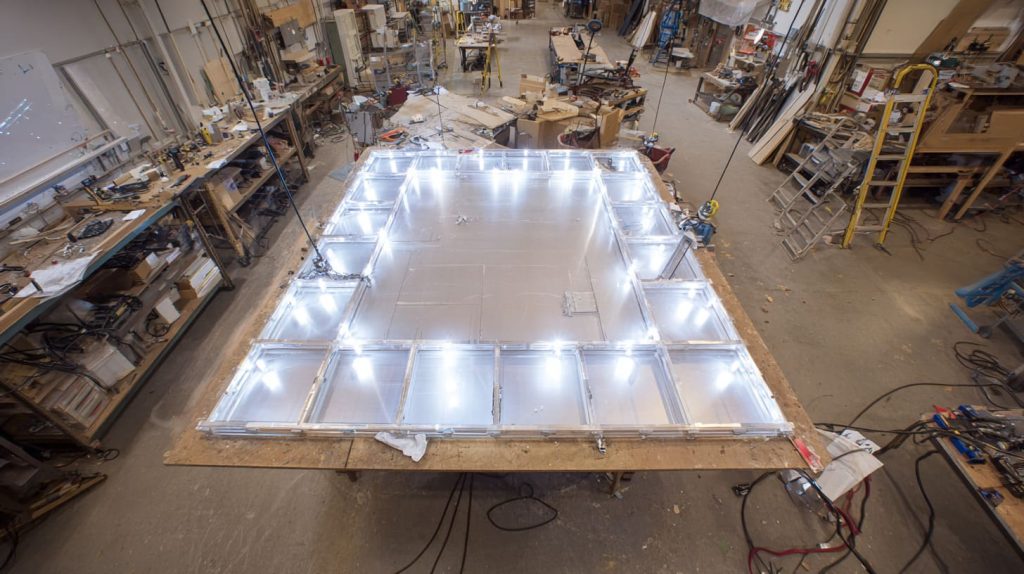
If your sign competes with darkness, back-lighting gives it presence. I remember one chain client who installed back-lit signs across their lounges—it changed the vibe entirely. For busy daylight-exposed lobbies, I’d usually steer them to front-lit.
What are the cost differences (manufacture, installation, maintenance) between front-lit and back-lit acrylic signs?
This is where most of the decision-making happens.
Back-lit signs cost more to manufacture and install due to the internal lighting system; front-lit signs are generally more budget-friendly.

| Factor | Back-Lit | Front-Lit |
|---|---|---|
| Production Cost | Higher (LEDs, diffusers, deeper frame) | Lower |
| Installation | More complex | Simpler |
| Maintenance | Moderate (internal parts) | Low (mostly lightbulb upkeep) |
However, energy-efficient LEDs have made back-lit signs much more affordable long-term. And the extra visibility at night? Sometimes that justifies the cost instantly.
How does the acrylic material type (thickness, diffusion, colour/transparency) impact the light distribution in both sign types?
Acrylic isn't just plastic—it decides how your light behaves.
Thicker and frosted acrylic spreads light better in back-lit signs; clear acrylic suits front-lit signs where light hits the surface, not through it.

You wouldn’t believe how many clients ask for “extra brightness” only to find out their 2mm clear panel was never going to glow evenly. We often use 5mm frosted acrylic for signs needing soft glow, especially when there are gradients or lighted logos involved.
What are the installation challenges and requirements for back-lit vs front-lit acrylic signs?
Nobody likes surprises on installation day, especially on a ladder.
Back-lit signs often need access to electrical connections and wall depth; front-lit signs need proper external lighting angles and spacing.

For back-lit, the power supply matters most—making sure it’s hidden but accessible. I’ve seen poorly wired signs fail in the first month. For front-lit, shadows and glare can ruin the effect if the lighting angle isn’t right. We always recommend a mockup test before final install.
Conclusion
Back-lit signs glow with elegance; front-lit signs shine with clarity. Picking the right one depends on space, style, and story.