 Skip to content
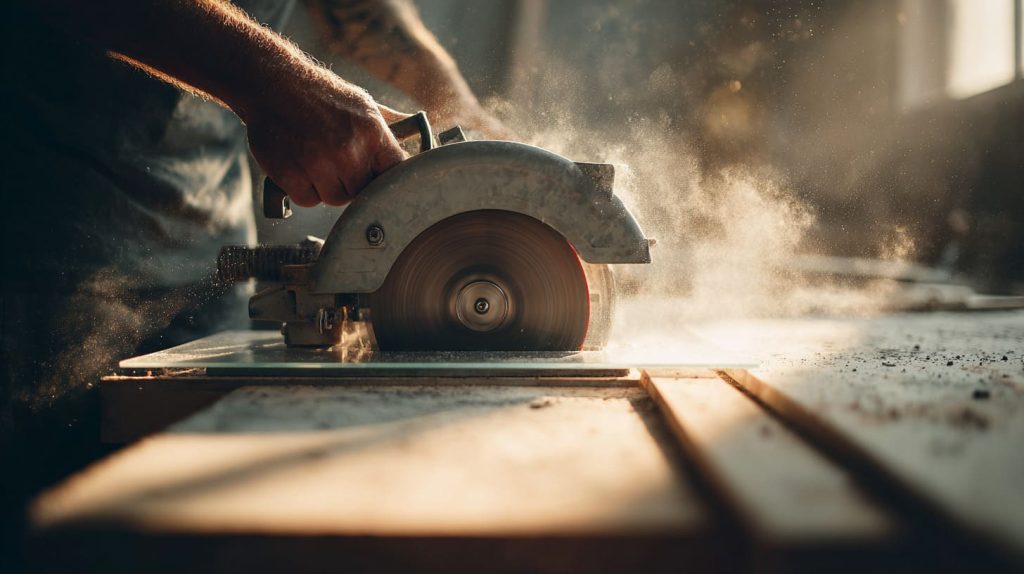
Cutting plexiglass sounds easy—until it cracks, melts, or leaves jagged edges.
The best way to cut plexiglass depends on its thickness and shape. Use a scoring knife for thin sheets, and power tools like circular saws or lasers for thicker or complex cuts.
I learned this the hard way. Once tried cutting a thick sheet with a handsaw. It didn’t end well. Let’s just say I spent more time sanding the mess than cutting the actual line.
Can I cut plexiglass with a hand saw?
Sure, but it takes patience—and the right technique.
Yes, you can cut plexiglass with a hand saw, but it’s slow and often results in rough or chipped edges. Fine-toothed saws work best.
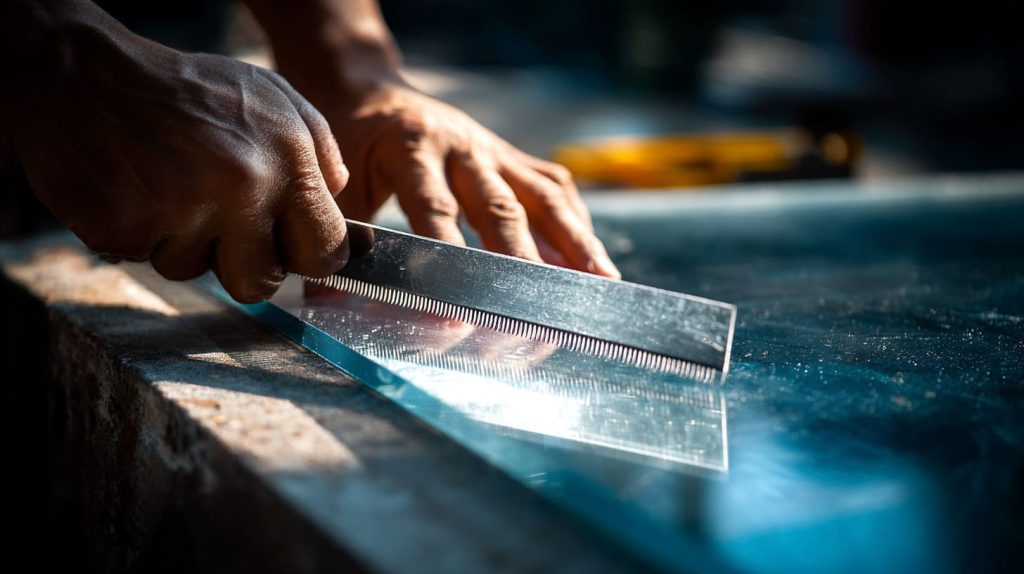
What to expect when using hand tools
Hand saws give you control, but friction builds fast. Plexi softens under heat, so go slow. Use masking tape along the cut line to reduce chipping.
| Tool Type | Cut Quality | Effort Level | Best For |
|---|---|---|---|
| Hacksaw | Low | High | Emergency fix |
| Fine wood saw | Medium | Medium | Small projects |
| Japanese saw | High | Low | Thin sheets ≤ 3mm |
What is the best tool to cut plexiglass with?
Let’s get real—some tools just make life easier.
The best tool for cutting plexiglass is a circular saw with a fine-toothed blade for straight cuts, or a laser cutter for precision shapes.
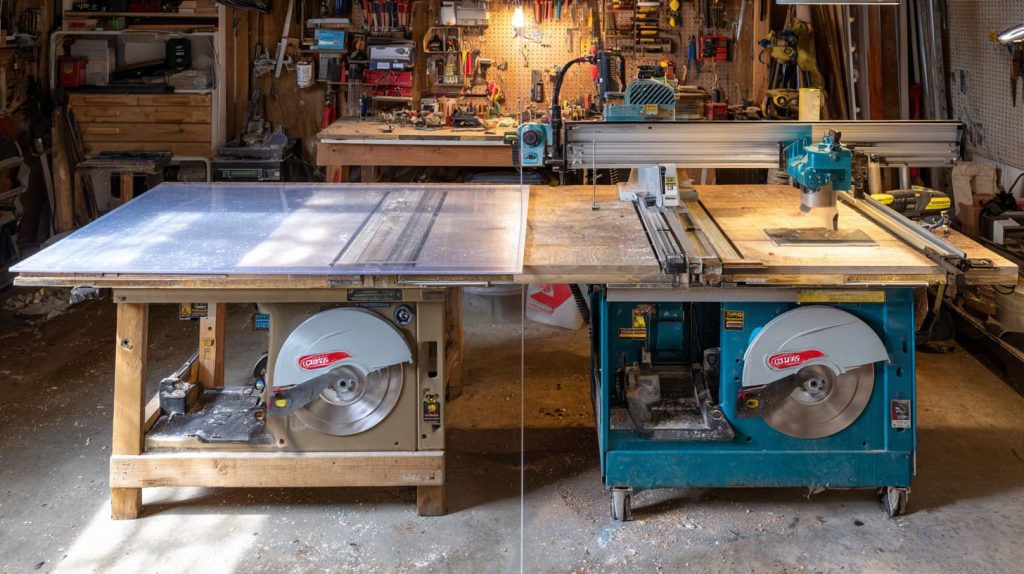
Clean cuts matter. I once burned the edges using the wrong jigsaw blade. The smell still haunts me.
Tool comparison for straight and complex cuts
- Circular Saw: Great for long, straight cuts.
- Laser Cutter: Ideal for precision and curves.
- Router: Perfect for trimming and finishing.
- Table Saw: Safe if you use a non-melting blade.
Should I use lubricant when cutting plexiglass?
It depends on the tool and speed.
Yes, a light lubricant or air cooling helps reduce heat and cracking, especially with power tools.
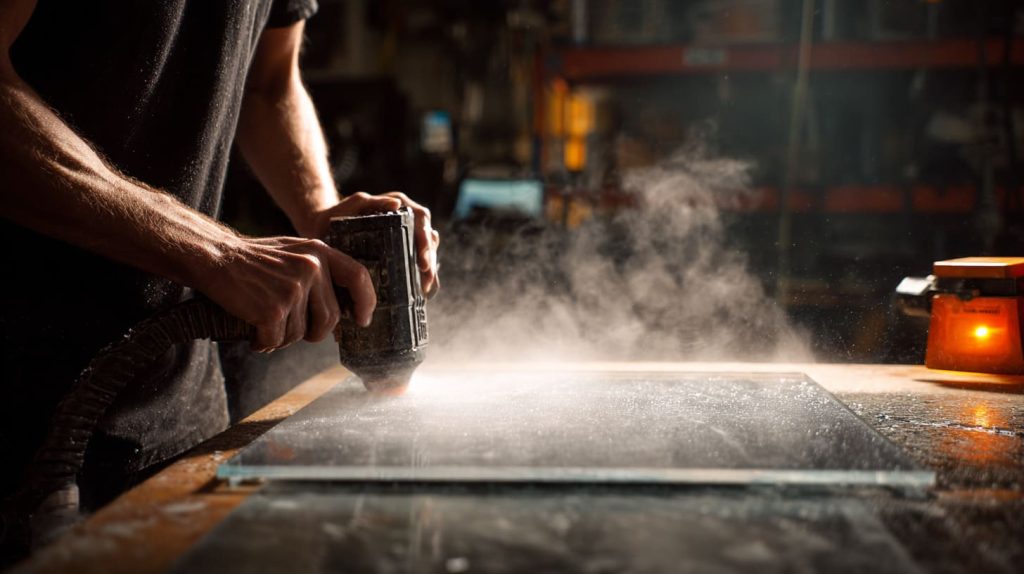
Keeping acrylic cool during cuts
Plexiglass hates heat. Even a fast jigsaw can melt edges. I sometimes spray water while routing, or use air compressors to cool laser cuts.
| Tool | Lubricant Needed | Reason |
|---|---|---|
| Router | Yes | Prevent melting |
| Laser | Yes (Air assist) | Avoid burning |
| Scoring | No | Manual, no heat |
What are common mistakes when cutting acrylic?
Mistakes? I’ve made them all.
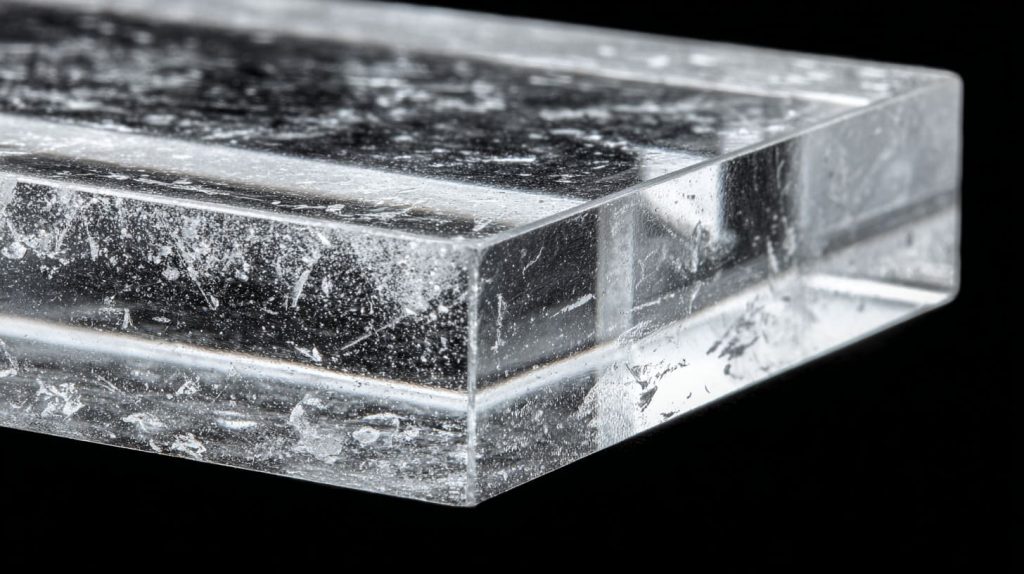
Using the wrong blade, cutting too fast, skipping masking tape, and applying too much pressure are the top mistakes.
Mistakes that ruin the finish
- Wrong blade = Chipped edges.
- Too fast = Melts.
- No tape = Scratches.
- No test cut = Regret.
When in doubt, slow down. I now test on scrap before every major cut.
Which cutting method gives the cleanest edge on acrylic (laser, router, saw, or scoring)?
Laser, hands down.
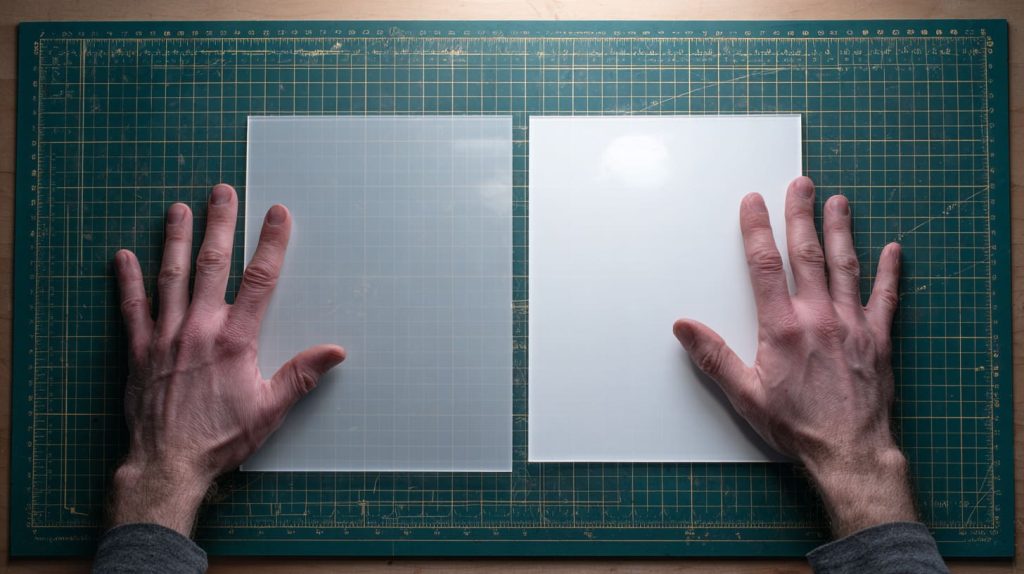
Laser cutting gives the cleanest, polished edge—especially for curves or small parts.
Comparing edge results by method
- Laser: Flame-polished look, but can leave burn marks on extruded sheets.
- Router: Clean and customizable, but needs post-sanding.
- Scoring: Sharp for thin sheets, edges need sanding.
- Saw: Fast but rougher.
How does the thickness of plexiglass affect the best cutting technique?
A lot, actually.
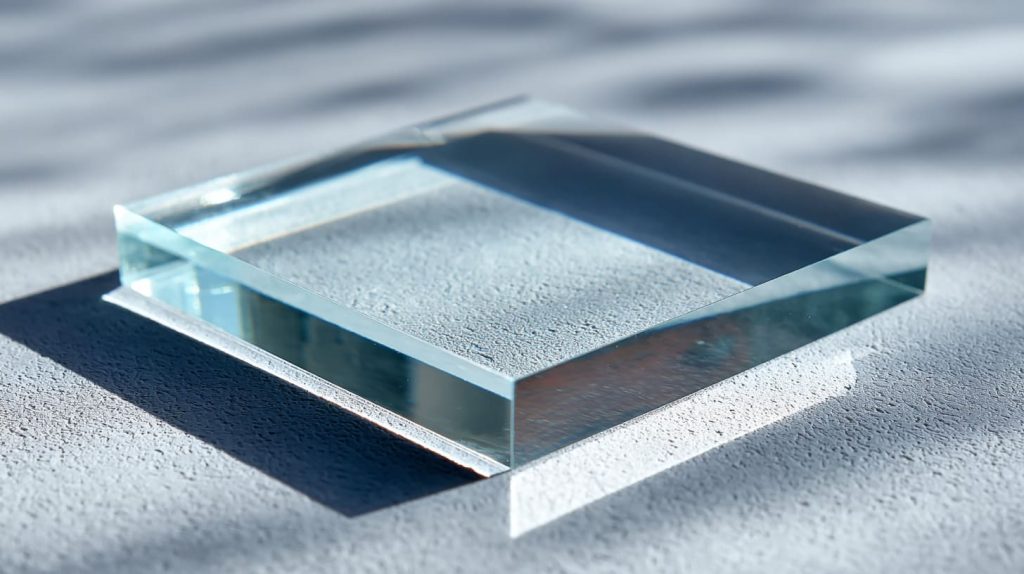
Thin plexiglass (<3mm) is best cut by scoring and snapping; thicker sheets (>4mm) need power tools or lasers.
Matching tools to material thickness
Thin sheets flex, crack, and fly. Thick ones melt or resist scoring. I usually draw this rule:
| Thickness | Recommended Tool |
|---|---|
| ≤ 2mm | Scoring knife |
| 3mm - 6mm | Jigsaw or circular saw |
| 7mm+ | Laser or table saw |
What blade types or bit profiles are ideal for cutting acrylic without chipping?
Use blades made for plastic—not wood.
Use carbide-tipped, fine-tooth blades labeled for plastic, or O-flute router bits for acrylic.
Choosing the right blade or bit
Skip steel blades—they dull fast. I always keep one triple-chip blade just for acrylic. For routing, single-flute bits overheat, O-flutes stay cool.
How can you cut curves or complex shapes in plexiglass without cracking?
Use patience, and the right tool.
Jigsaws, lasers, or routers work best for curves—just go slow and use guides.
Tips for smooth curves and tricky cuts
- Laser: Fastest, cleanest for intricate curves.
- Jigsaw: Works for large radius curves, but vibrates.
- Router + Template: Best control, cleaner edge.
Tape both sides of the sheet. Draw your design clearly. I’ve ruined pieces with shaky hands and bad lighting.
What safety tips and best practices should you follow when cutting plexiglass?
Don’t let chips fly into your eye—or lungs.
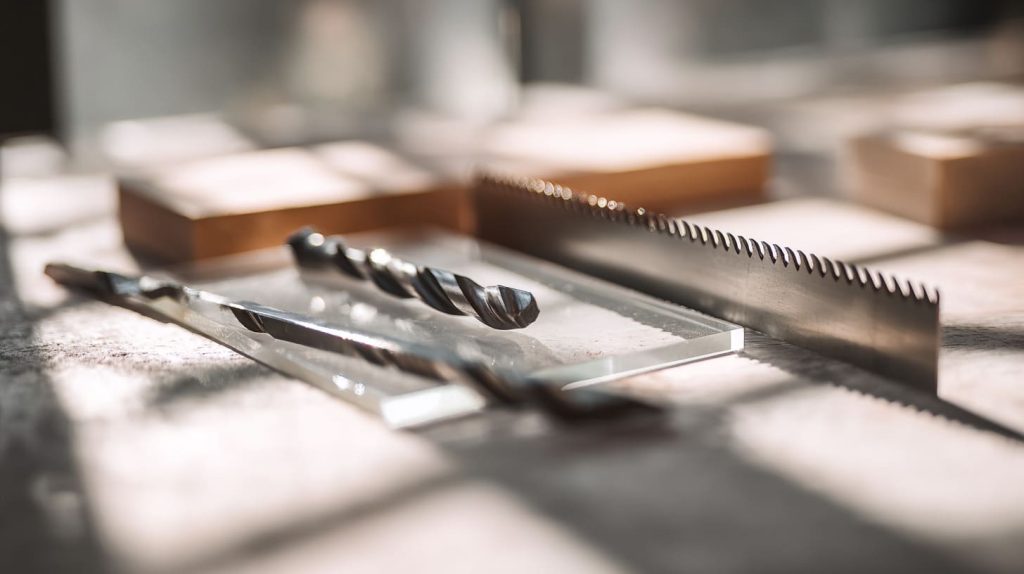
Wear safety goggles, use dust extraction, clamp sheets securely, and keep fingers far from spinning blades.
Staying safe in the shop
- Never cut free-hand—always clamp.
- Use a mask if cutting indoors.
- Work in a ventilated area.
- Keep kids and pets away—I learned that one the hard way.
When should you use manual scoring & snapping vs power tools for plexiglass?
It comes down to thickness and shape.
Use scoring for thin, straight cuts; power tools for thick, complex, or repetitive cuts.
Choosing between manual or machine cut
Manual scoring is silent and safe. I still use it for shipping inserts or signage. But when you’ve got 20 pieces to cut in an hour? Bring the saw.
| Project Type | Best Method |
|---|---|
| Thin display dividers | Scoring |
| Custom case panels | Circular saw or laser |
| Prototypes | Router or laser |
How to finish or polish edges after cutting plexiglass?
Because raw edges just look… unfinished.
You can sand, flame-polish, or buff the edges to get a smooth, glossy finish.
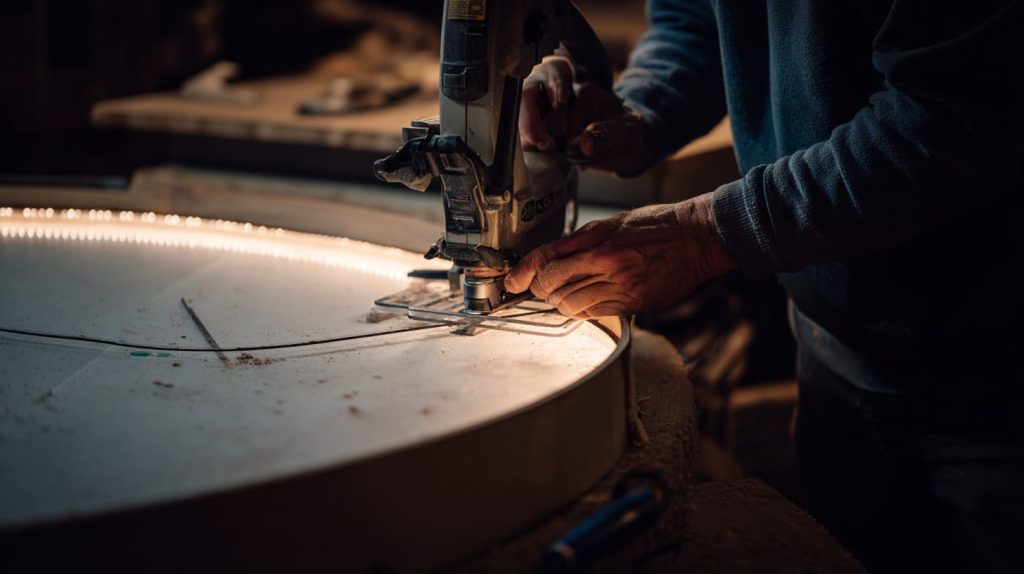
Step-by-step edge finishing
My process:
- Sand with 120 grit → 400 → 800
- Buff with polishing compound
- Optional: Quick flame pass (practice first!)
For large batches, I built a sanding jig. Changed my life.
What are the trade‑offs between speed, cost, and precision in different cutting methods?
You can’t have it all.
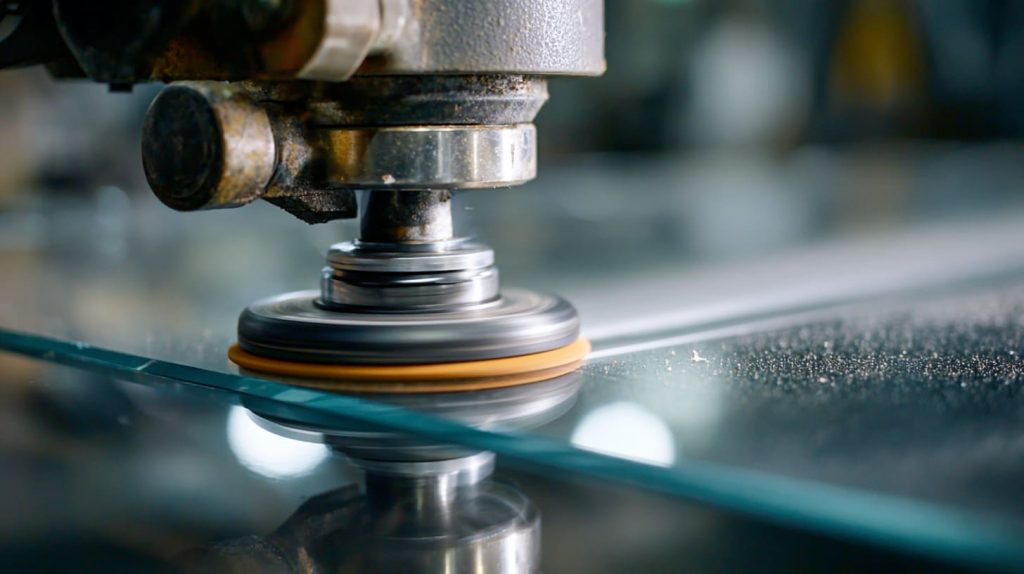
Manual tools are cheap but slow; lasers are precise but expensive. Routers balance cost and control.
| Method | Speed | Cost | Precision |
|---|---|---|---|
| Scoring | Low | Very Low | Medium |
| Jigsaw | Medium | Low | Medium |
| Laser | High | High | High |
| Router | Medium | Medium | High |
Pick based on the project. I switch tools depending on quantity and detail.
How to minimize cracks, chip‑outs or melting when cutting acrylic?
Heat and stress are the enemies.
Use sharp tools, cool blades, slower speeds, and tape to prevent cracking or chipping.
Simple ways to get cleaner results
- Avoid dull bits.
- Let the tool do the work—don’t force it.
- Pause between cuts to let acrylic cool.
- Keep your workspace clean—dust scratches.
How do cast acrylic and extruded acrylic differ in their cuttability, and how does that influence tool choice?
One melts, one cracks.
Cast acrylic cuts cleaner and is more chip-resistant; extruded acrylic tends to melt more but is cheaper.
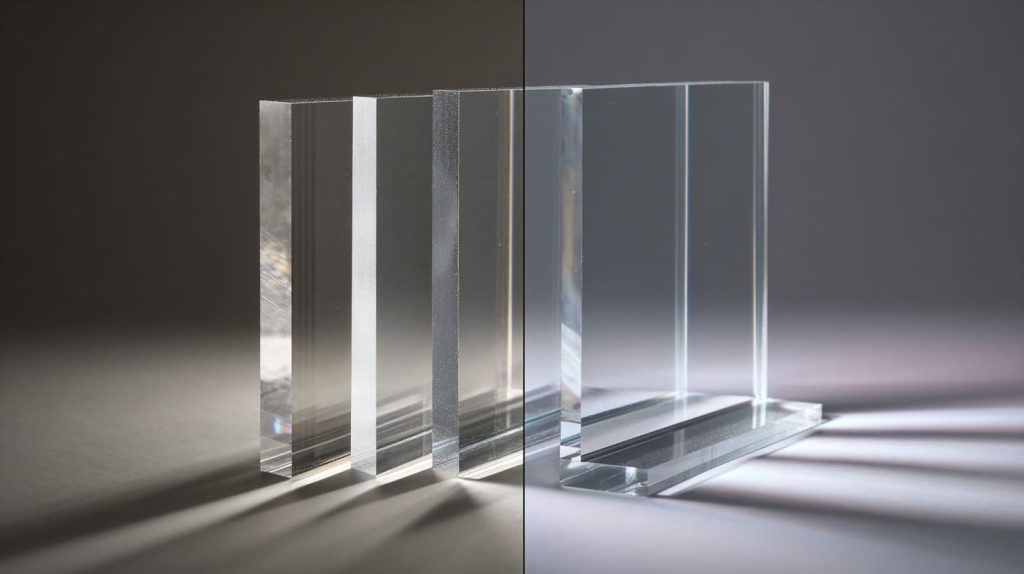
Choosing between cast and extruded sheets
| Property | Cast Acrylic | Extruded Acrylic |
|---|---|---|
| Cost | Higher | Lower |
| Melting point | Higher (cuts better) | Lower (melts easily) |
| Edge polish | Glossier | Cloudier |
| Tool compatibility | Laser, saw, router | Needs cooler tools |
When cutting detailed shapes, I stick with cast. For bulk utility use? Extruded saves money.
Conclusion
Cutting plexiglass isn’t hard—but doing it cleanly, safely, and efficiently takes the right tools and mindset.


