Skip to content
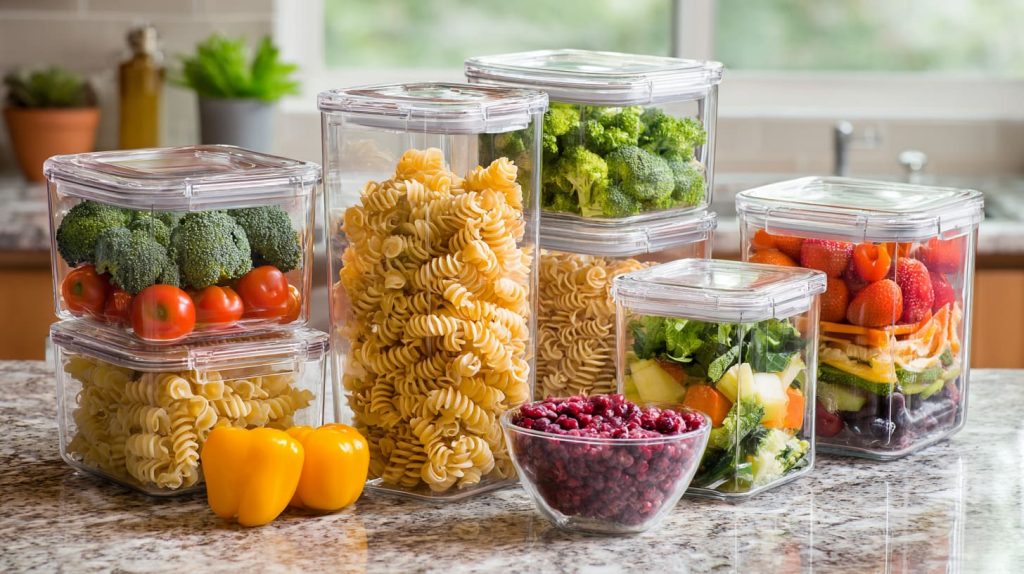
We all want food that’s fresh, safe, and healthy—but the wrong plastic container can quietly ruin that goal.
The best quality plastic for food storage is typically food-grade polypropylene (PP), thanks to its high heat resistance, durability, and FDA approval.
I didn’t always know this. Years ago, I stored leftovers in random containers—some yellowed, some cracked—until I learned what was actually leaching into my lunch.
What plastic grade is the best for food storage?
There are so many types out there—it’s hard to tell what’s safe.
Food-grade plastics like PP (#5), HDPE (#2), and LDPE (#4) are considered best for food storage because they resist chemical leaching and handle temperature changes well.
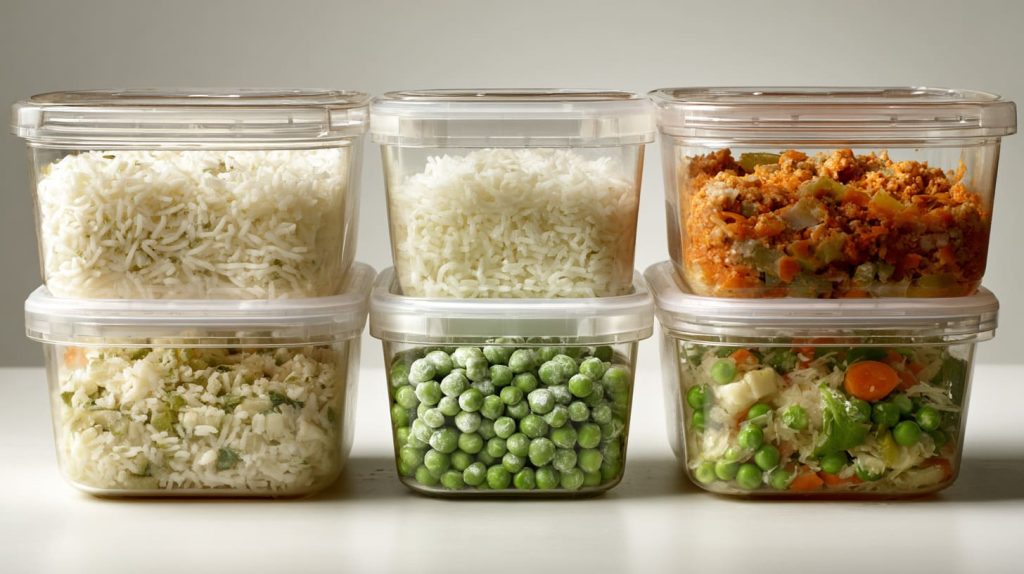
Let’s break them down:
| Plastic Type | Resin Code | Why It’s Good for Food |
|---|---|---|
| PP (Polypropylene) | #5 | Strong, heat-resistant, microwave-safe |
| HDPE (High-Density Polyethylene) | #2 | Durable, chemical-resistant, freezer-safe |
| LDPE (Low-Density Polyethylene) | #4 | Flexible, ideal for bags and squeeze bottles |
I personally prefer PP when designing custom food storage parts—it holds its shape, takes logos well, and doesn’t warp like cheaper materials do.
Which plastic is the most food-safe?
Not all “safe-looking” plastics are actually safe.
Plastics labeled #1, #2, #4, and #5 are generally recognized as food-safe, but #5 polypropylene offers the best overall balance of heat resistance and safety.
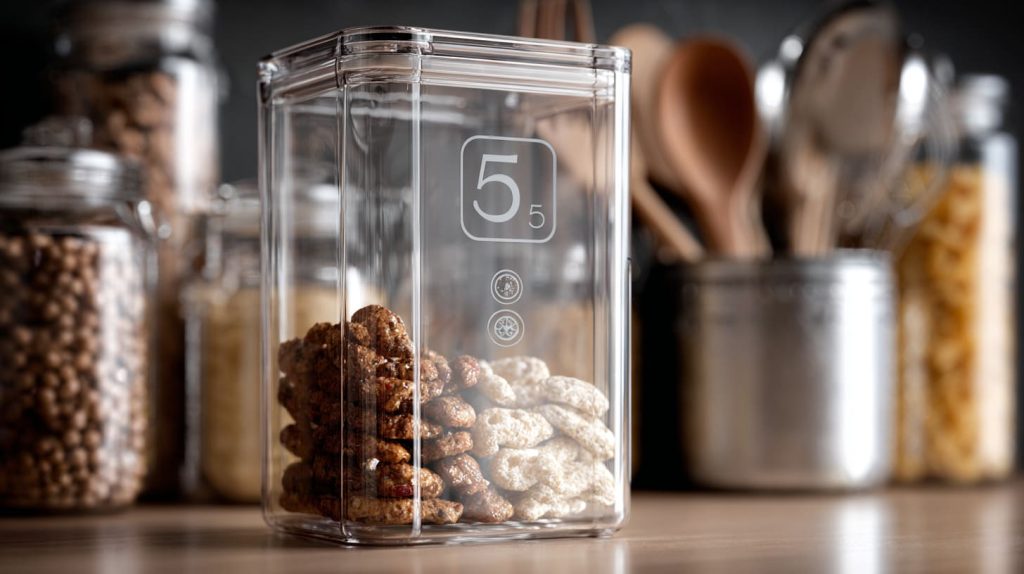
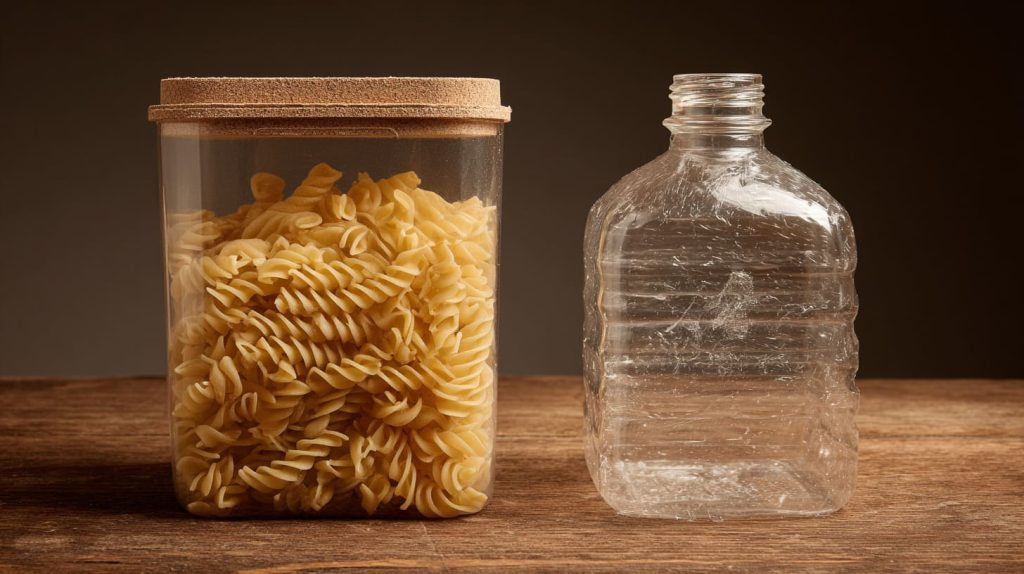
Even PET (#1) is food-safe but only for short-term use. I never reuse water bottles for this reason—those tiny cracks? They’re more dangerous than they look.
What is the healthiest container to store food in?
Safety isn’t just about plastic. It’s about what’s inside the plastic.
The healthiest containers are BPA-free, food-grade plastic or glass with tight-fitting lids that prevent bacteria growth and chemical leaching.
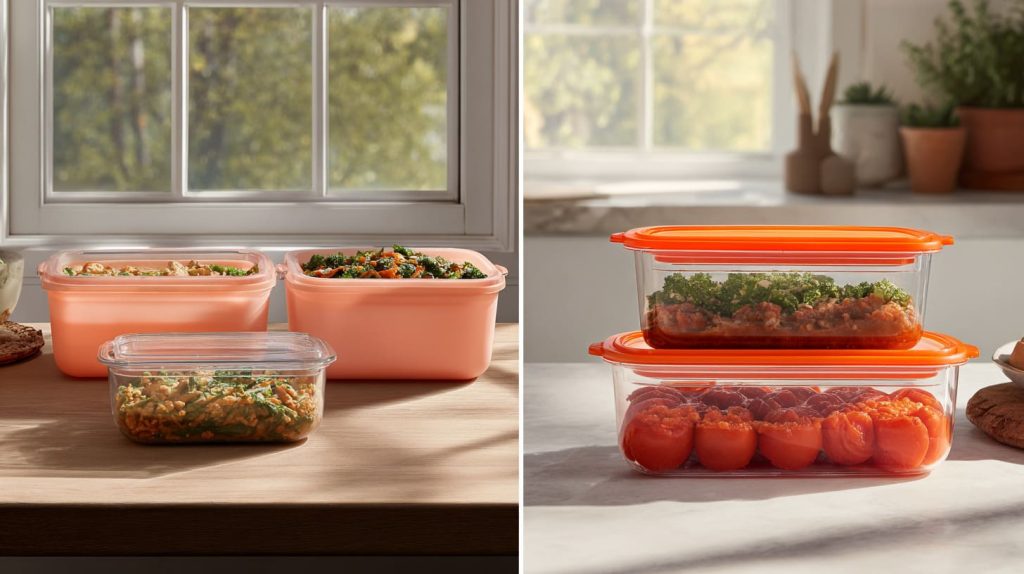
If you’re storing acidic foods like tomato sauce, choose glass. If you're stacking meal-prep boxes? BPA-free PP works great. I’ve learned this from hundreds of client requests and failed samples over the years.
What plastic resin codes are safest for food storage?
Let’s demystify those tiny numbers on the bottom of containers.
Resin codes #1 (PET), #2 (HDPE), #4 (LDPE), and #5 (PP) are generally safest for food use, but #5 is the most durable and reusable.
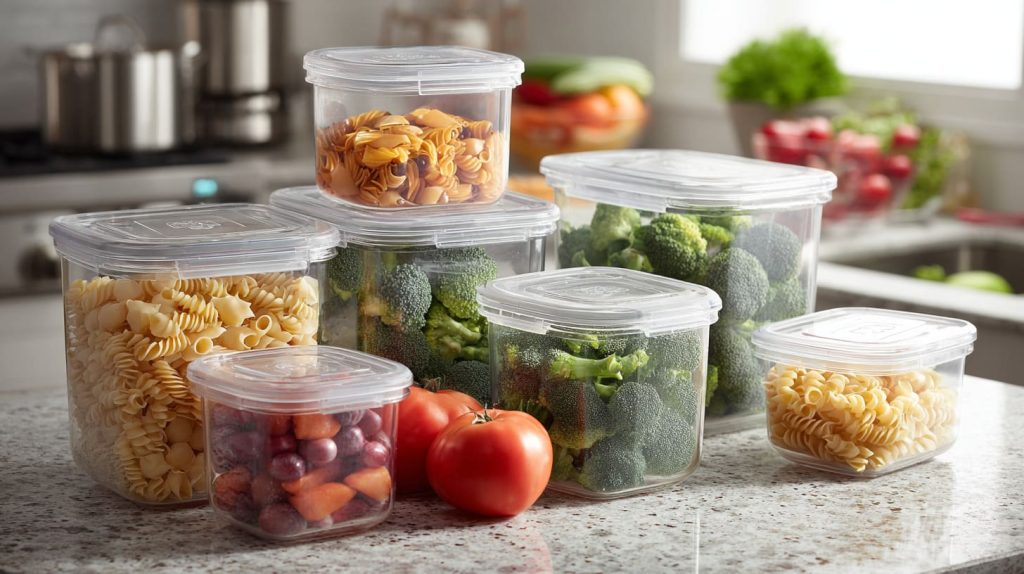
Quick Safety Reference:
| Resin Code | Plastic Type | Safe? | Notes |
|---|---|---|---|
| #1 | PET | ✅ Short-term use only | |
| #2 | HDPE | ✅ Very safe | |
| #3 | PVC | ❌ Avoid for food | |
| #4 | LDPE | ✅ Flexible, safe | |
| #5 | PP | ✅ Best for reuse | |
| #6 | PS (Polystyrene) | ❌ Leaches at heat | |
| #7 | Other / PC | ⚠️ Varies, check for BPA |
How do FDA‑approved food‑contact plastics differ from general plastics?
This is where people often get tripped up.
FDA-approved plastics go through extra testing for migration, toxicity, and durability to ensure they won’t harm food—general-use plastics don’t.
Think of it like this: food-contact plastics have passed an exam. The others? Untested guesses.
Why are plastics like HDPE, LDPE and PP recommended for storing food?
It’s not just tradition—there’s science behind it.
They’re chemically stable, won’t leach harmful substances, and can tolerate heat, cold, and pressure—making them ideal for long-term, repeat use.

I’ve worked with clients who need their containers to survive both a microwave blast and a freezing cargo ship. HDPE and PP do both without blinking.
What plastics should you avoid for food storage — and why?
Here’s where the real danger lies.
Avoid PVC (#3), polystyrene (#6), and polycarbonate (#7 unless marked BPA-free)—they can release harmful chemicals when heated or scratched.
I once saw a supplier offer PS containers as “cost-effective lunch boxes.” Cheap, yes—but not when you count the health risks.
How does the storage condition (temperature, microwave, freezer) affect plastic food‑storage safety?
Where you store matters just as much as what you store in.
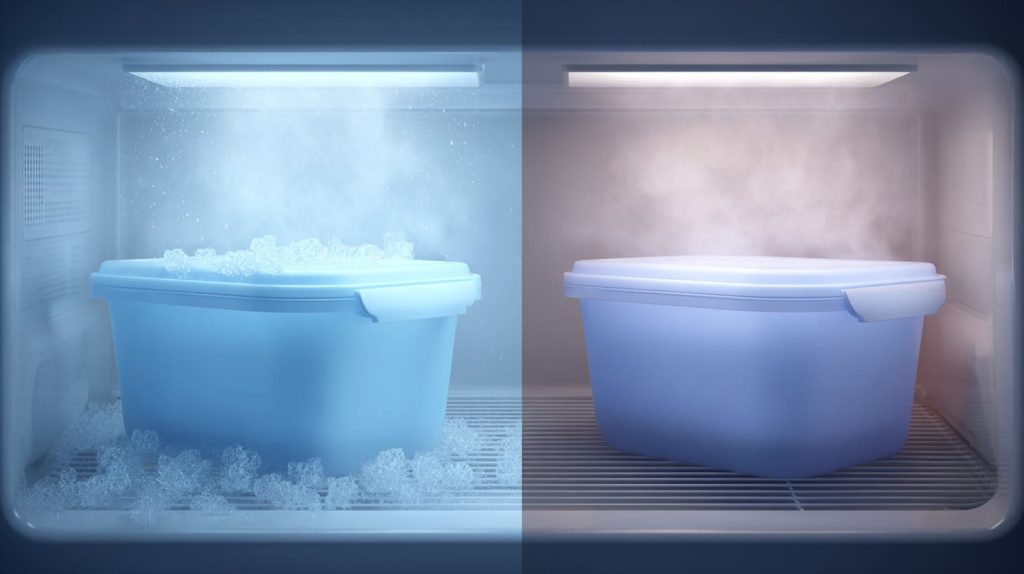
High temperatures can cause leaching; freezing can make some plastics brittle and crack. Choose containers rated for your environment.
Common Misuses:
- Microwaving PVC containers — releases dioxins
- Freezing PET bottles — structural cracks
- Heating non-BPA PC — releases bisphenol-A
If you’re unsure, don’t guess. Use containers labeled microwave/freezer-safe.
Are reusable plastic food containers as safe as one‑time use plastics?
Not always. Reuse can turn a safe container into a risk.
Reusable containers made from PP or HDPE are safe when undamaged and clean. Single-use plastics (like PET bottles) degrade quickly and shouldn't be reused.
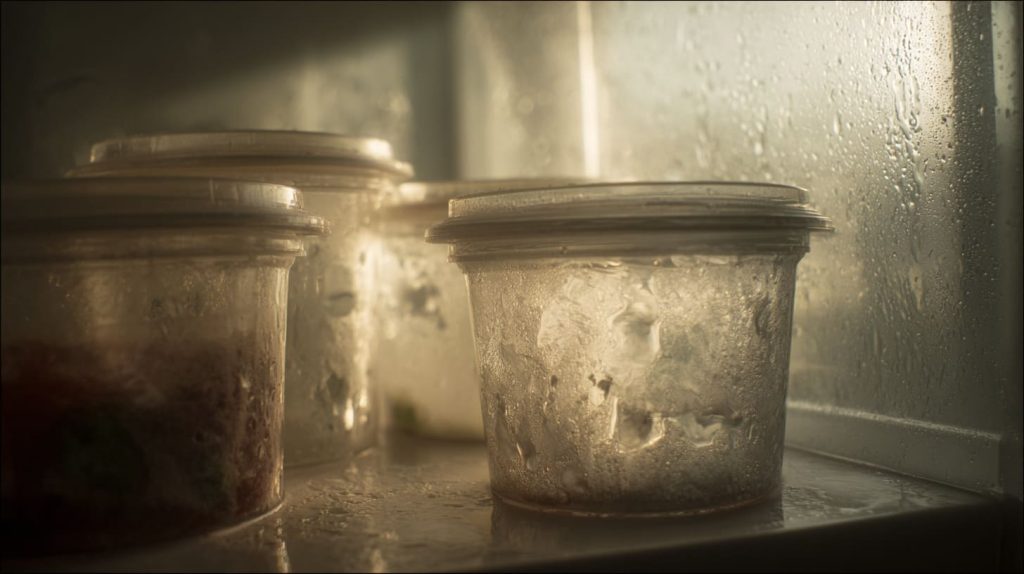
I tell clients: if the plastic feels soft, scratches easily, or smells strange—retire it.
When should you replace plastic food‑storage containers due to safety concerns?
This one’s tricky—because most people wait too long.
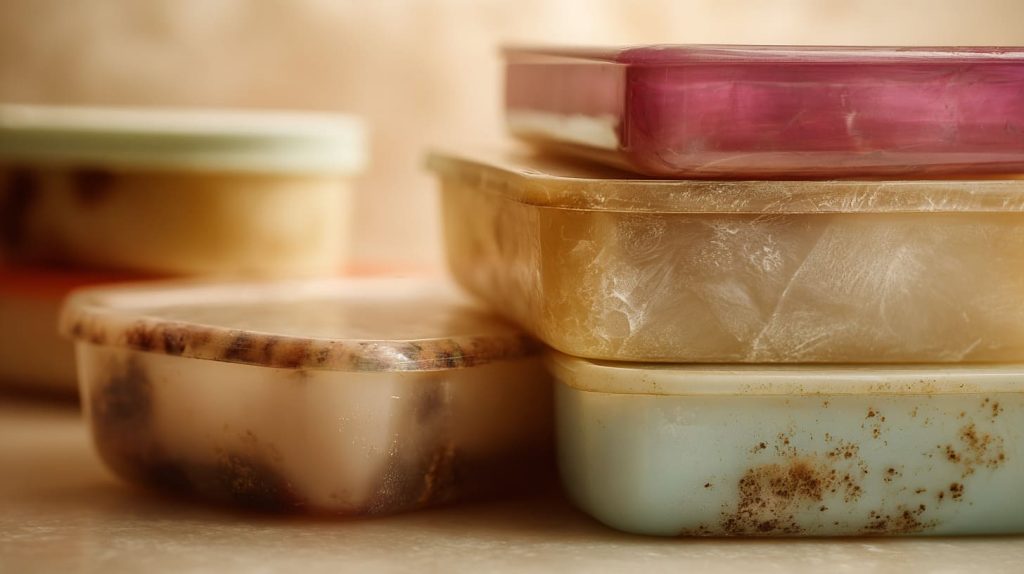
Replace containers when they’re cracked, stained, warped, or over two years old, especially if used in heat or dishwashers.
A client once sent me photos of 3-year-old meal prep boxes they wanted to replicate. I gently said, “Let’s upgrade that formula, shall we?”
In custom manufacturing, what specifications matter when customizing food‑storage plastic parts?
This is where I geek out a bit.
You need to consider material grade, mold precision, heat resistance, transparency (if needed), food-safe certification, and ease of branding or labeling.
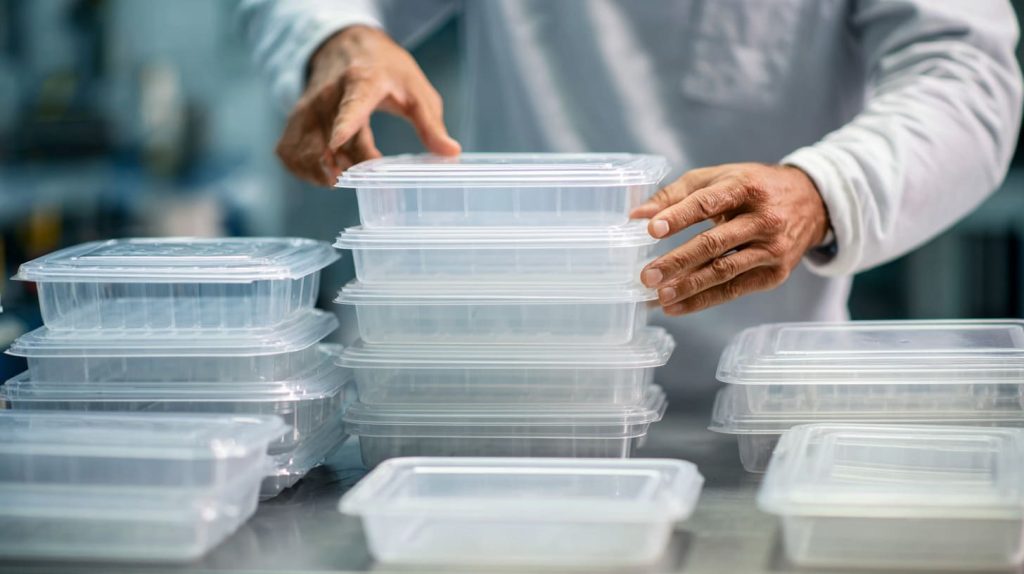
Key Specs I Usually Discuss With Clients:
| Spec | Why It Matters |
|---|---|
| Food-safe grade (e.g. FDA/EFSA compliant) | Ensures legal compliance |
| BPA-free resin | Health & marketing value |
| High mold tolerance | Prevents lid leakage |
| Stackability | Optimizes storage & shipping |
| Label/print compatibility | For private labeling or logos |
In our factory, we often add features like logo engraving or custom-size dividers. Some clients want dishwasher-safe lids. Others ask for eco-friendly bioplastic options. That’s the fun part—we tailor every request.
Conclusion
Food-safe plastics aren’t just about codes—they’re about how they behave, where they go, and how long they last.