Skip to content

A client leaned over our sample table, fingers tracing the edge of a freshly machined acrylic box. “Is this food-safe?” he asked, pausing mid-sentence as if unsure whether he was asking too much or too little.
The surface was flawless—polished, crystal-clear, cut to spec. It looked right. But looks don’t carry legal weight in the world of food safety.
That question hit differently. Because the truth is, “food-grade” and “food-safe” sound similar, but they don’t mean the same thing. And when you’re the manufacturer—like we are at Feilong Acrylic—that difference can define whether your product passes inspection or gets recalled.
What this guide covers
This post breaks down everything I’ve learned (and re-learned) about food-grade and food-safe plastics—
From understanding resin codes to navigating FDA paperwork, from production tips to client education.
If you’re designing or sourcing custom plastic items for food-contact use—whether it’s retail display, kitchen organizers, or OEM food-service components—this is your reference.
Why it matters for custom‑plastic manufacturers like Feilong Acrylic
At Feilong Acrylic, we don’t just sell plastic boxes. We turn ideas into high-transparency, certified, and functional solutions for global clients. Many of those ideas include food-related use—whether direct or indirect.
Knowing the line between “looks good” and “truly safe” isn’t just about compliance. It protects your relationship with clients. It builds trust. It avoids nasty surprises after production.
And if you’re like Jacky from Canada—someone with years of experience purchasing from Chinese factories—you already know: a small misunderstanding about plastic grades can create big problems across borders.
1. Understanding the terminology: Food‑Grade vs Food‑Safe
When I first entered the acrylic industry, I thought these two words were interchangeable. They’re not.
What does “food‑grade” plastic mean?
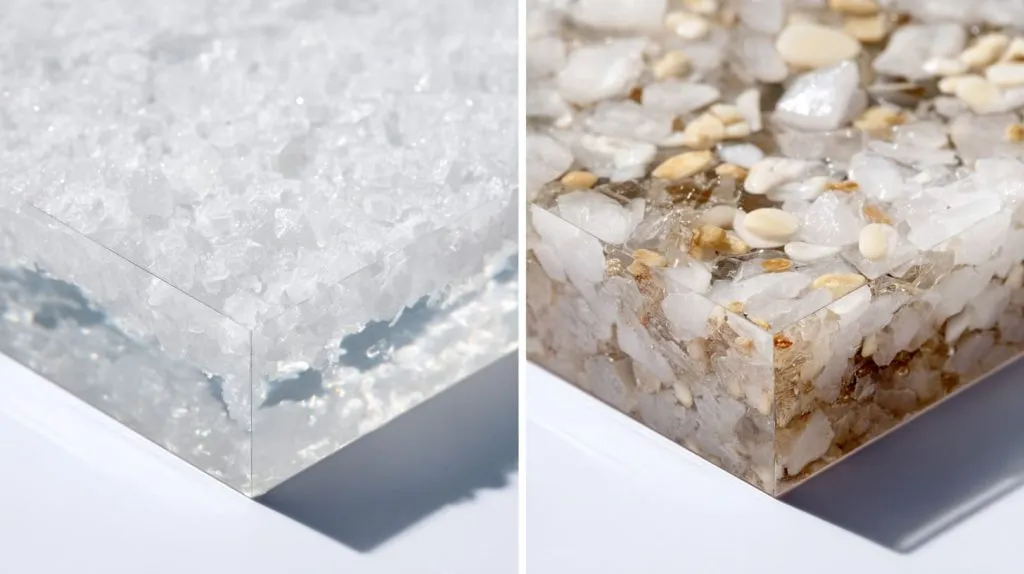
Food-grade plastic means the material itself—before shaping, coloring, or processing—meets safety standards for food contact. It's about chemical composition. No toxic additives, no dyes that leach, no unsafe stabilizers.
For example, pure PMMA (acrylic) can be food-grade if sourced correctly. But once you add a non-certified UV pigment? That same sheet may no longer be considered food-grade.
What does “food‑safe” plastic mean?
Food-safe goes one step further. It means the final product is safe to use with food under expected conditions—heat, humidity, storage, etc.
A food-safe product:
- Is made from food-grade materials
- Was processed using safe, clean methods
- Won’t leach, warp, or contaminate food
In short:
Food-grade = raw material
Food-safe = end product + process + handling
Why the distinction matters in manufacturing and application
You can buy a food-grade sheet and still end up with a non-food-safe product.
Let’s say you laser-cut an acrylic lid using oil-lubricated machinery. Or you polish it with a compound containing silicone. Even if the sheet is FDA-grade, those extra steps might compromise food safety.
Food-safe = more responsibility on the producer, especially for OEM or branded products.
How regulatory bodies define food-contact plastics
The FDA maintains a list of approved materials for food-contact use. But approval isn’t automatic. You may need:
- Food Contact Notifications (FCNs)
- Certificates of compliance (COC)
- Migration testing if the product touches food under heat or pressure
European regulators have even stricter markings—such as the “glass and fork” symbol—indicating suitability for food contact.
As a factory, we’ve had buyers request both US and EU markings—especially for acrylic organizers used in kitchens or cafes.
Sometimes, it's not just what material you use—it's how cleanly and clearly you document that choice.
Let’s now dive deeper into the legal details.
2. Key regulations & standards for food‑contact plastics
The regulations aren't here to slow you down. They’re here to help you avoid disaster.
Domestic (US) regulations: FDA, food contact notifications
In the U.S., the FDA governs food-contact substances (FCS). Most common plastics have been cleared, but if you’re introducing something new, you’ll need a Food Contact Notification (FCN).
These notices:
- Confirm the resin and additives are safe
- Cover specific food types and temperatures
- May require lab testing or documentation
For mass manufacturing, it’s safer to source FDA-listed resins and keep records from your supplier.
International standards: EU food‑contact materials, symbols and markings
In the EU, you’ll need to follow:
- Regulation (EC) No 1935/2004
- Regulation (EU) No 10/2011 for plastic materials
Your product may need the “glass and fork” symbol, especially if it’s a reusable organizer, display, or packaging.
And yes—some buyers will check for this even on clear acrylic lids or cosmetic trays.
Recycling codes and resin identification
Many clients confuse these:
| Code | Plastic Type | Safe for Food? |
|---|---|---|
| #1 | PET/PETE | Usually safe |
| #2 | HDPE | Commonly used |
| #3 | PVC | Often not safe |
| #4 | LDPE | Conditional |
| #5 | PP | Good for hot foods |
| #6 | PS | Avoid for hot use |
| #7 | Other/Mixed | Case-by-case |
Don’t just rely on the triangle. It’s only the first filter.
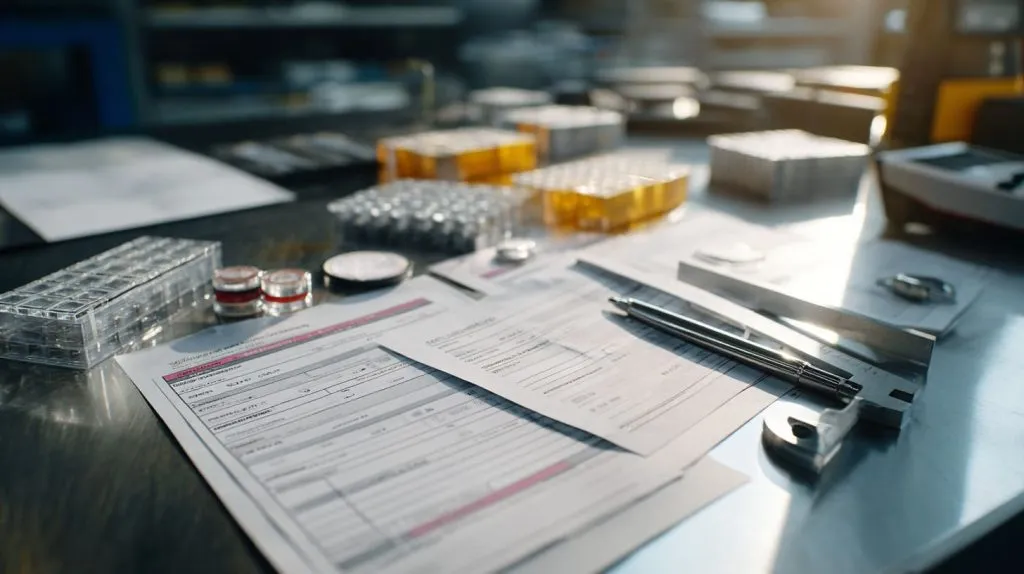
What manufacturers need to know: traceability, documentation, verification
If you're making OEM food-contact items for a brand, expect audits.
You’ll need:
- MSDS (Material Safety Data Sheets)
- Batch traceability
- Supplier certifications
- Production logs (equipment used, cleaning methods, etc.)
Even for simple products like kitchen acrylic bins, brands want proof. And they’re right to ask.
It’s not just what’s printed on the bag. It’s what you can prove when the questions come.
Let’s now zoom into specific plastic resins used most often.
3. Common plastic resins used in food‑contact applications
After dealing with dozens of buyer inquiries, I’ve found that many don’t care about chemical names—they want real-world answers.
Let’s go resin by resin.
PET / PETE (Resin #1): uses, benefits, limitations
Often used for:
- Beverage bottles
- Clear food containers
Pros: lightweight, clear, recyclable
Cons: low heat resistance, not microwave-safe
PET is everywhere. But not for everything. Heat it too much, and it starts to warp or leach.
HDPE (Resin #2): uses, benefits, limitations
Used in:
- Milk jugs
- Cutting boards
- Food-grade barrels
Pros: strong, chemical-resistant, dishwasher-safe
Cons: not transparent, less premium look
It’s a workhorse resin, but not suitable for aesthetic retail displays where clarity matters.
LDPE (Resin #4) and its typical uses
Found in:
- Squeeze bottles
- Film wraps
Pros: flexible, food-safe at room temp
Cons: scratches easily, not rigid
In custom design, I rarely use it—unless a client specifically wants flexible walls.
PP (Polypropylene, Resin #5): uses, heat resistance
This one’s a favorite in food prep tools and microwaveable containers.
Pros: high heat tolerance, rigid, dishwasher-safe
Cons: slightly opaque, not crystal clear
PP is underrated. I’ve recommended it to buyers needing dishwasher-safe organizers.
PS (Polystyrene, Resin #6) and “Other” (Resin #7): caution zones
PS is clear and cheap, but brittle. Resin #7 is a wild card—could be a safe blend or a toxic mix.
Caution: If the supplier can’t tell you what’s in it, don’t use it for food.
PVC (Resin #3): typical pitfalls for food-use
Avoid it for anything touching food. It may contain phthalates, lead, or stabilizers not meant for ingestion.
Even if PVC looks clean and cost-effective—don’t risk it for kitchen or café use.
Now that we’ve broken down the players, let’s look at how to choose the right one for a specific project.
4. Material selection criteria specific to custom plastic manufacturers
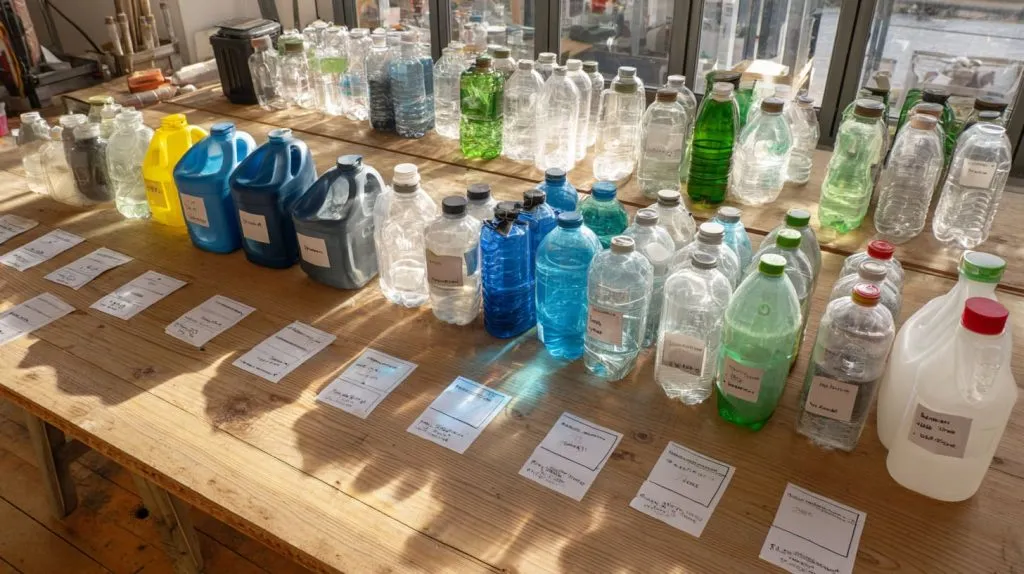
Picking a resin is like picking a business partner. You need chemistry, transparency, and long-term trust.
Chemical compatibility with food types
Some plastics react with:
- Acids (lemon juice, vinegar)
- Oils (butter, dressings)
- Alcohol (in sauces or cleaning agents)
If your display or box holds anything strong-smelling or reactive, check compatibility charts.
Thermal resistance: hot‑fill, microwave, freezer applications
Ask:
- Will this go in the microwave?
- Will it hold hot soup?
- Will it survive in a freezer?
Acrylic, for instance, is not microwave-safe. PP is. PET warps. HDPE handles cold well.
Surface finish, hygiene, cleaning and reuse
Smooth surfaces clean easier. Matte finishes may trap residue.
Designing for food means thinking about:
- Rounding corners
- Avoiding crevices
- Ensuring easy wipe-down
Transparency, aesthetics, and brand fit
This is where acrylic shines.
If your client needs:
- A high-end bakery tray
- A clear salad box
- A countertop food display
Acrylic or clear PET can work—but always verify their grade and additives.
Traceability and certification
Keep all your supplier invoices and certificates. If your product ends up on Amazon or in a retail chain, traceability will matter.
Even the ink on your laser logo may be questioned.
You’ve chosen the right material. Now—how do you handle it without messing up?
Let’s talk factory practice.
5. Manufacturing and processing best practices for food‑contact plastics
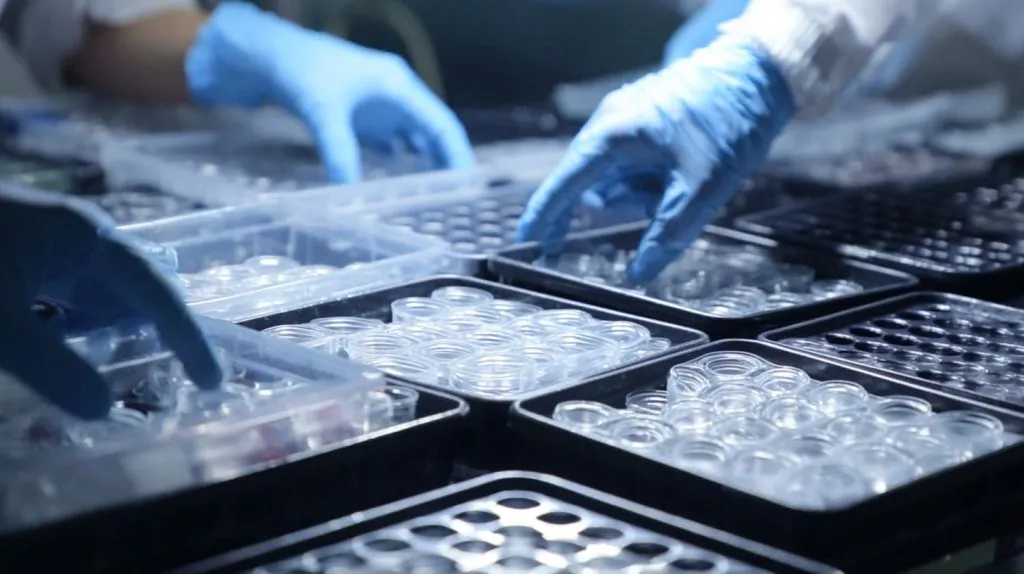
This is where most mistakes happen—not with the plastic, but with the process.
You can’t use the same cutting tool for a food bin and a colored display stand. Even micro-contamination counts.
Some factories invest in:
- Dedicated tools
- Food-only polishing compounds
- UV-free curing setups
And honestly? It pays off.
Additives, colorants, fillers: choosing food‑approved variants
Not all pigments are food-safe. Always check:
- RoHS
- REACH
- FDA colorant approvals
If a client asks for tinted acrylic lids, verify the masterbatch source.
Cleaning, sanitizing and maintenance
At Feilong, we:
- Clean molds daily
- Use alcohol-based sanitizers (not oil-based)
- Inspect for fiber/hair contamination before packaging
Especially for white or clear items—any speck looks worse.
Finishing, handling, and packaging
Avoid:
- Bare-hand handling
- Dirty cloths for buffing
- Reusing packaging that’s touched unknown items
Instead:
- Use gloves
- Bag food-contact parts separately
- Label them with batch numbers
Even a perfect material can fail with imperfect handling.
6. Quality assurance and verification of food‑contact plastics
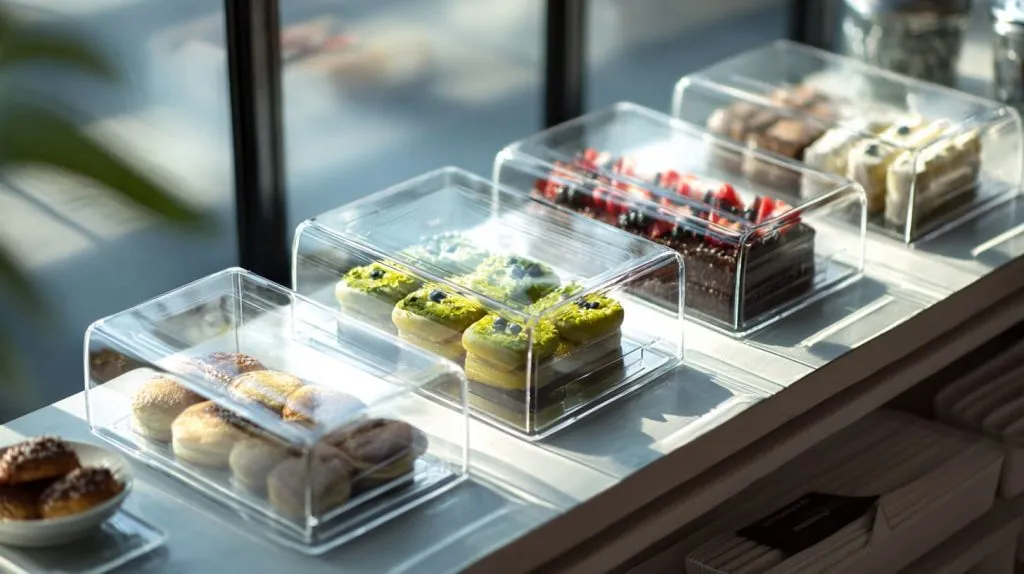
I’ve had buyers fly in from Germany and inspect our polishing room with a flashlight. Not because they didn’t trust us, but because food contact means zero tolerance for guesswork.
What tests to perform: migration, chemical leaching, mechanical integrity
These tests sound technical, but they’re about something simple—does the plastic stay safe when used as expected?
Here are the most common tests:
| Test Type | Purpose | Example Use Case |
|---|---|---|
| Migration Testing | Checks if chemicals migrate into food | Hot soup touching display lid |
| Leaching Test | Detects toxic substance release | Acidic sauce in plastic bin |
| Drop/Stress Testing | Ensures item won’t crack or break | Organizer dropped in commercial use |
Tip: If you’re exporting, ask your supplier to provide lab test results in advance.
Labeling, documentation and audit trails for OEM/B2B clients
Most big clients will want:
- Batch labels with dates
- Certificates of conformance
- Material origin records
- Photos of packaging process
I learned to take photos of every packing station, especially when working on food-contact parts. One time, this saved us from a dispute when a buyer in Japan reported “open-pack bagging.” We showed timestamps.
Supplier audits, material certifications, lot‑traceability
When sourcing food-grade PMMA or PET, I always ask for:
- Food-contact declarations
- GSG or SGS lab reports
- Resin batch numbers
Even if your own production is perfect, a bad resin upstream can ruin your whole chain.
Dealing with recycled content and FDA review
Recycled plastics are becoming more popular, but not all are safe for food.
Unless specifically reviewed by the FDA or EU regulators, post-consumer recycled content is risky in direct food contact.
Some safe options:
- Post-industrial clean regrind
- FDA-letter approved PCR blends
- Bio-based PET from verified sources
Every client expects a clean final product. But the smart ones also want to know your process is clean, too.
Now let’s look at some specific product applications we’ve dealt with—and how food safety plays into design.
7. Applications and case‑studies relevant to custom manufacturing
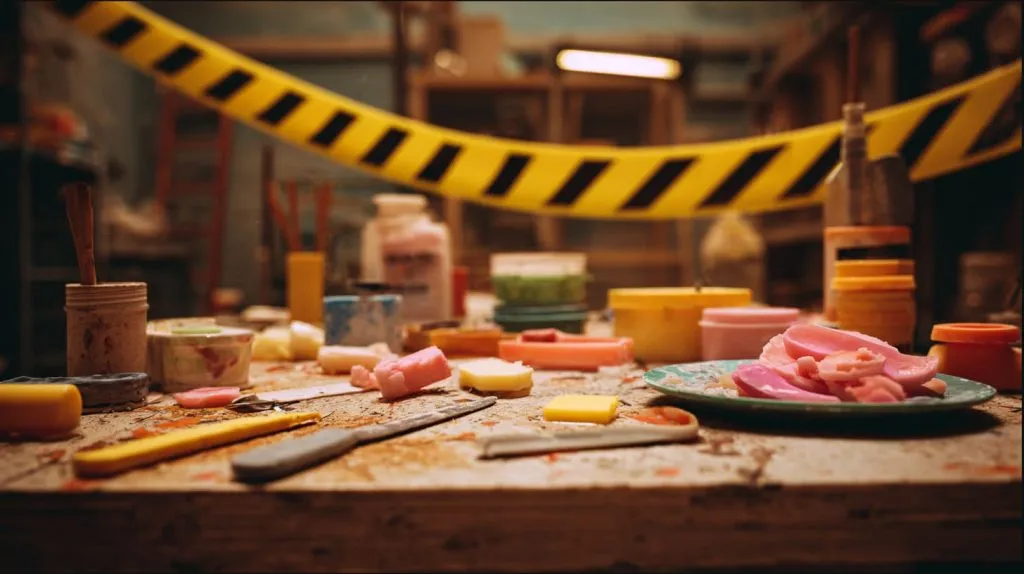
This part hits close to home. Because we don’t just talk about “compliance”—we build it, every day, into trays, covers, risers, bins, and more.
Display stands, boxes, organizers for food retail
These are often used in:
- Bakeries
- Dessert cafés
- Sandwich shops
- Hotel buffets
Most buyers want crystal-clear acrylic. But few realize: if it touches food directly, clarity isn’t enough.
In one case, we redesigned a cake tray set with:
- Rounded corners
- Food-grade PETG instead of PMMA
- A removable lid with FDA-approved hinges
It cost 10% more—but passed inspection for a European supermarket rollout.
Store‑displays in direct vs indirect contact
There’s a big difference between:
- A bread bin where food touches acrylic
- A dessert riser with a glass plate on top
Indirect contact items can use wider materials—but be clear with your buyer. I’ve seen buyers order direct-contact trays and then use flame-polished PVC to save cost—not realizing it could leach.
Rule of thumb: If food might roll, melt, or splash—treat it as direct.
Household items and kitchen-safe usage
Many of our overseas clients sell on Amazon. That means anything “for the kitchen” can trigger scrutiny—even if it’s just a fridge organizer or dry storage bin.
For these cases, we:
- Use food-grade PMMA or PC
- Avoid glued seams if possible
- Include labels: “Suitable for food storage / not microwave safe”
It’s not just the material. It’s the message you send with packaging and markings.
OEM orders for food-industry clients
If you’re building for:
- Chain restaurants
- Cafeteria systems
- Food logistics companies
Expect custom shapes, strict standards, and long-term contracts.
One of our clients from Singapore ordered 2,000+ stackable bins with:
- FDA-approved PP
- RFID labels
- Snap-on lids with tamper tabs
They needed the documentation ready before tooling began. But they’ve stayed with us for 3 years—because we treated compliance as part of design.
Designing for food contact isn’t just about materials. It’s about protecting trust.
But even with all these efforts, mistakes can happen. Here’s what to avoid.
8. Common pitfalls and how to avoid them
I’ve had my share of “I wish we caught that earlier” moments. Let me save you a few.
Using food‑grade resin in a non‑food‑safe application
Just because you start with FDA acrylic doesn’t mean the final product is safe.
For example:
- Using non-food-approved glue
- Flame polishing with oil-based torch
- Dirty cloths used for wiping
Food-grade isn’t food-safe unless the whole process is clean.
Mis‑interpreting recycling codes
The resin triangle isn’t a green light.
| Code | Common Mistake |
|---|---|
| #1 | Assuming all PET is microwave-safe (it’s not) |
| #3 | Using PVC with high plasticizers for food |
| #7 | Trusting unknown blends |
When in doubt, ask for chemical breakdowns—not just codes.
Cross‑contamination during processing
If your factory cuts PMMA food lids on the same laser as dyed signage panels, there’s a risk.
Best practices:
- Use dedicated jigs and cloths
- Wash tooling before food-contact runs
- Separate packaging areas for food parts
Overlooking end-use conditions
Will the item be:
- Heated?
- Frozen?
- Washed in dishwasher?
Then your resin AND your additives must match. I've seen clear boxes warp after a buyer unknowingly placed them in commercial dishwashers.
Misleading “BPA-free” labeling
Just because something is “BPA-free” doesn’t make it fully safe.
BPA is one chemical. But food-safe products need:
- No leaching at all
- Cleanable surfaces
- Verified compliance
We once reprinted 500 labels because a buyer’s legal team asked, “But is it EU 10/2011 compliant?”
Mistakes happen when we assume. That’s why trends matter—they show us what buyers are expecting next.
9. Future trends and what custom plastic manufacturers should watch

Food safety doesn’t stand still. And neither should we.
Rising awareness of BPA, PFAS, phthalates
Buyers are asking deeper questions:
- “Is this free from endocrine disruptors?”
- “Does this contain any ‘forever chemicals’?”
- “Can you prove your colorants are food-safe?”
Transparency is no longer optional. And it’s not just buyers—regulators are watching too.
Growth in lighter, high-barrier plastics
Retail brands are asking for:
- Crystal-clear boxes
- Lightweight displays
- Sealed containers with low oxygen transfer
We’re seeing a rise in PETG and PC demand for bakery, candy, and deli units—materials that combine clarity with performance.
Sustainability pressure and closed-loop manufacturing
Food-grade recycled plastic is coming. But adoption is slow due to:
- Traceability issues
- Cost of FDA/EU certification
- Concerns about odor, leaching, or unknown history
Some brands are piloting closed-loop systems: collect, clean, reprocess, reuse. If you're a manufacturer, that means offering recycling-friendly design.
Global regulation tightening
Watch for:
- Stricter EU limits on additives
- New California PFAS bans
- More QR code labeling for traceability
If you export, prepare now by asking for updated MSDS and keeping your compliance team (or partner supplier) in the loop.
The plastics world isn’t going backward—it’s demanding better. The good news? That’s an opportunity for factories who care about more than just cutting sheets.
Conclusion
Food safety isn’t just about checking boxes.
It’s about choosing the right plastic for the job. It’s about using clean, traceable processes. It’s about knowing where your materials come from—and where your products will end up.
Summary of major take‑aways
- Food-grade ≠ food-safe. You need both right material and clean process.
- Know your regulations, from FDA to EU standards.
- Choose the right resin for each job—not just the cheapest.
- Maintain clean handling and full documentation.
- Avoid common pitfalls like relying only on recycling codes or BPA labels.
- Watch global trends—sustainability, chemicals, and traceability will shape the future.
Why as a custom acrylic/plastic parts manufacturer you must be fluent in food‑contact material knowledge
We don’t make kitchen tools. But we do make the things people use around food every day—trays, bins, displays, organizers.
And when your product enters someone’s kitchen, café, or counter—you’re responsible for its safety.
I’ve learned this not just from documents, but from real conversations, returns, audits, and successful long-term clients.
Being fluent in food-contact plastics is part of being a trustworthy partner. And at Feilong Acrylic, that’s what we aim to be.
Next steps: applying this to Feilong Acrylic’s custom solutions
If you’re designing food-contact acrylic parts—reach out. We’ll help you:
- Pick the right material
- Understand documentation
- Navigate regional rules
- Customize design for both form and safety
We’ve walked this path with clients from 30+ countries. We’re ready to walk it with you.