Skip to content
Some choices aren’t about looks—they’re about performance, practicality, and peace of mind.
Clear acrylic is often preferred over glass due to its strength, light weight, versatility, and cost efficiency—especially in commercial display applications.
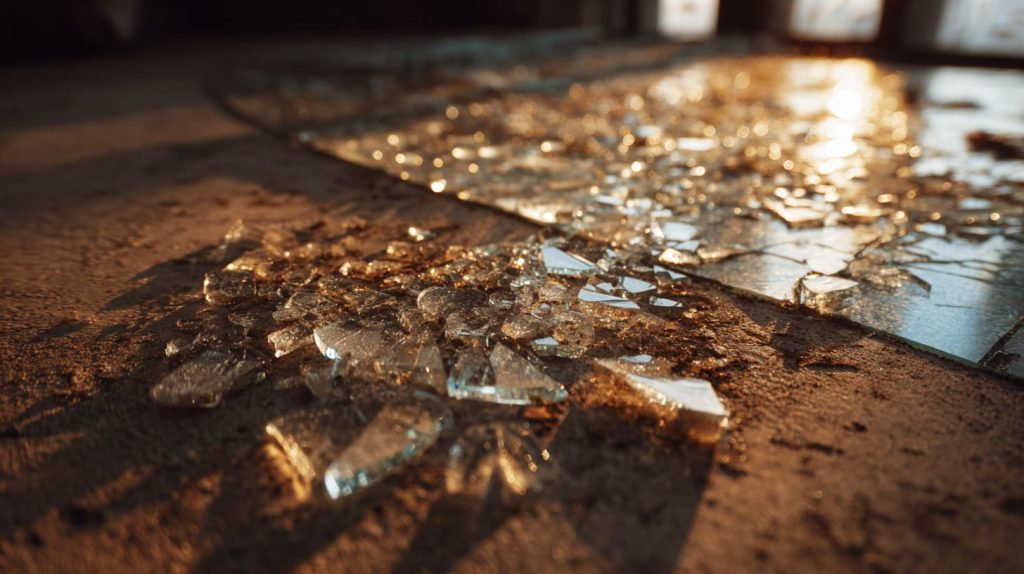
I learned this the hard way after watching a shipment of framed displays crack during customs inspection. That’s when I realized: glass might look perfect, but it doesn’t always survive the real world.
What is the difference between clear acrylic and glass?
You might think they’re interchangeable—both are clear, both show off what’s inside.
The key differences lie in weight, impact resistance, flexibility, and how easily they can be shaped or broken.
Material Composition
| Property | Acrylic (PMMA) | Glass |
|---|---|---|
| Material Type | Thermoplastic | Silicate-based |
| Shatter Risk | Low (flexible) | High (brittle) |
| Weight | ~50% lighter | Heavier |
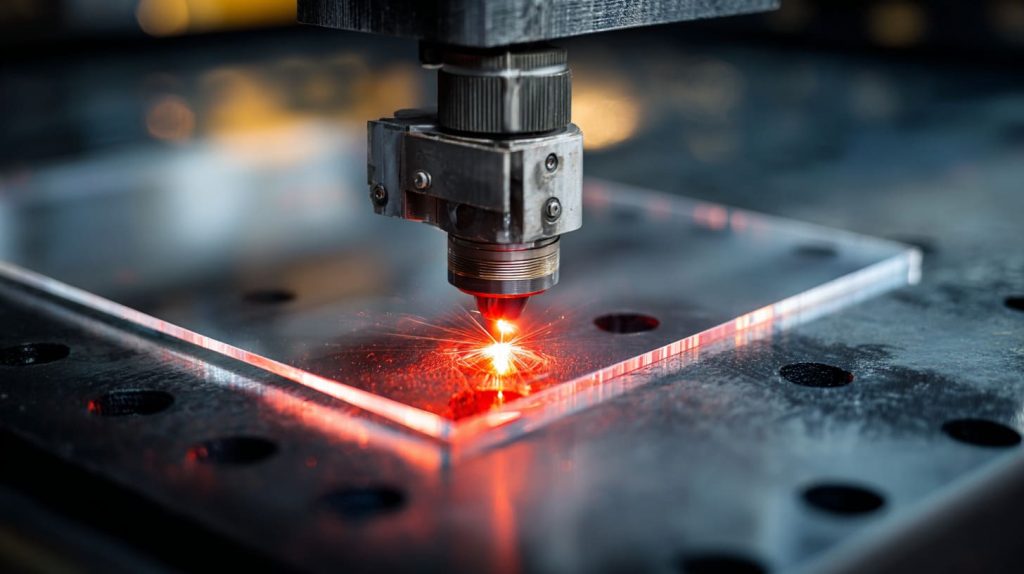
Acrylic is a plastic polymer. It doesn’t shatter like glass. That alone can save a whole crate of museum displays if a box gets dropped. Plus, we can laser-cut it into any shape you need—curved, edged, even stacked.
What are four advantages of acrylic?
I’ve handled hundreds of custom orders—and four advantages come up again and again.
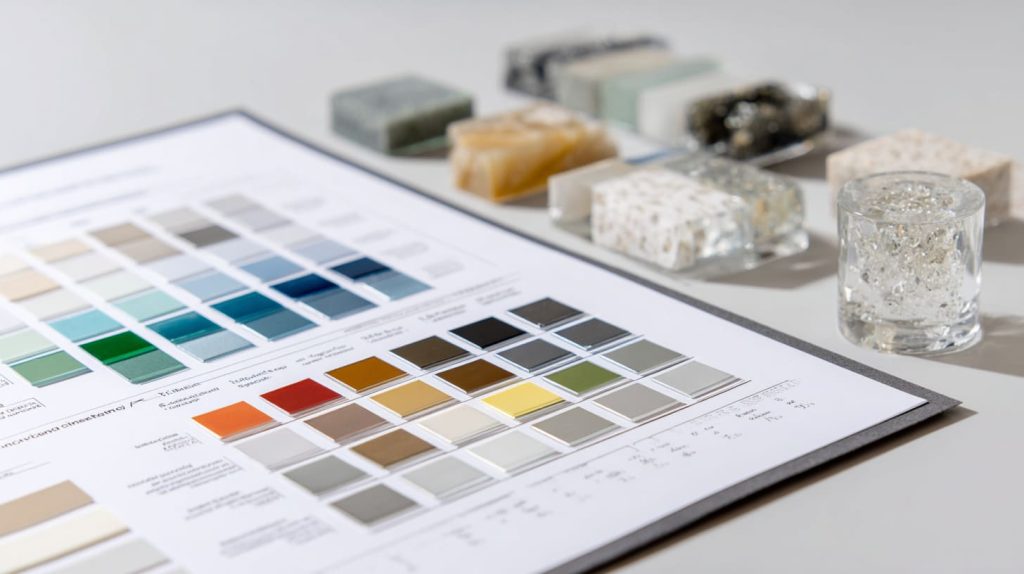
Acrylic is lightweight, impact-resistant, easy to fabricate, and offers high optical clarity.
Why it matters:
- Lightweight: Cuts down on shipping damage and costs.
- Impact-resistant: Less breakage during handling.
- Easy to machine: Perfect for unique retail displays or shaped awards.
- Clear as glass: Showcases products without distortion.
Whether it’s a makeup organizer or a luxury handbag case, these four traits make acrylic the behind-the-scenes hero.
What material is better than glass?
It depends—are we talking about looks, strength, or budget?
In many applications, clear acrylic outperforms glass, especially in safety, durability, and design flexibility.
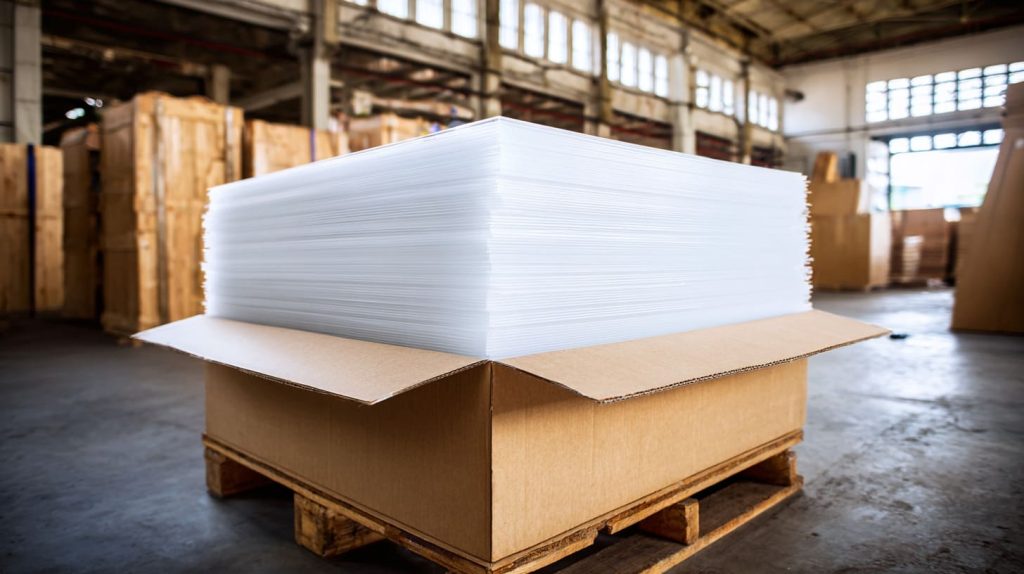
Tempered glass is strong, yes—but not customizable. Polycarbonate is tougher, but more expensive and yellows faster. Acrylic balances strength and beauty with price and usability.
What are the main differences between clear acrylic and glass?
People ask me this at nearly every trade show.
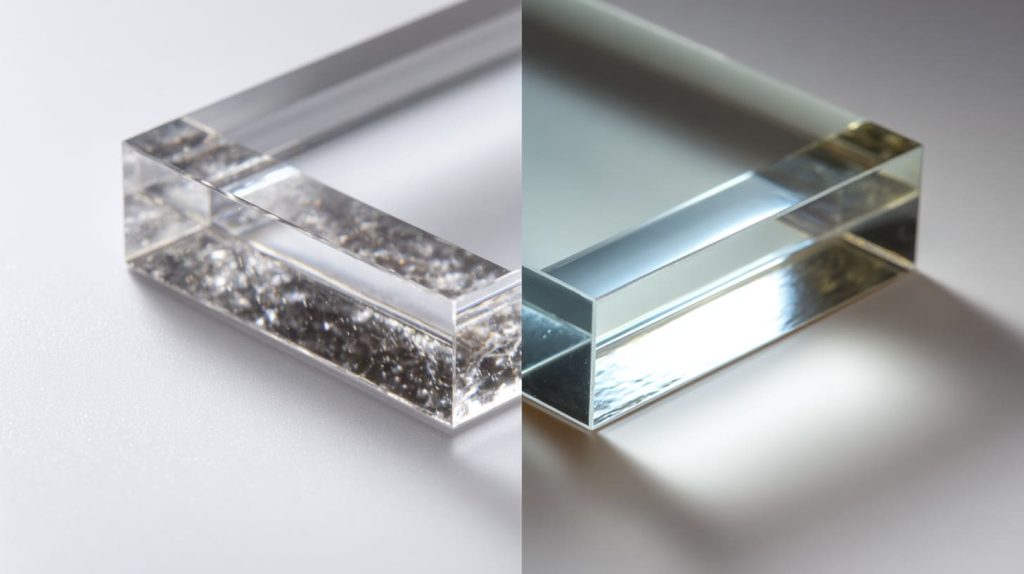
The main differences include weight, break resistance, clarity under impact, and fabrication ease.
Use-case comparison
| Factor | Acrylic | Glass |
|---|---|---|
| Fabrication Ease | Laser & CNC cut | Limited |
| Break Risk | Low | High |
| Visual Appeal | Slightly glossier | Perfect clarity |
| Transportation | Safe & light | Heavy & fragile |
It’s not just a material—it’s a decision that affects your whole supply chain.
Is acrylic really stronger and safer than glass in displays?
This is where the math meets reality.
Yes, acrylic is 10–20 times more impact-resistant than glass, making it safer in public or commercial settings.
I've seen acrylic displays fall off shelves and bounce. Glass? It shatters. In stores or exhibitions, one cracked panel can ruin a customer’s experience—or worse, cause injury.
How does acrylic compare to glass in terms of weight and shipping costs?
Let’s talk logistics.
Acrylic is around 50% lighter than glass, reducing freight costs and shipping damage significantly.
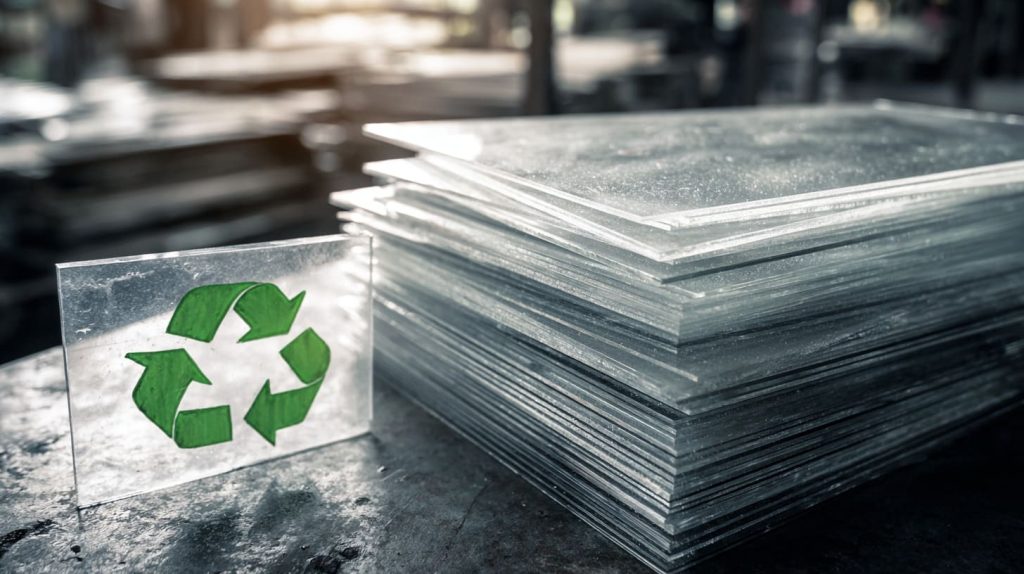
We once switched a client’s product line from glass to acrylic just to save on air freight. The difference? Nearly $3,000 in one quarter—and zero breakage on arrival.
Can clear acrylic offer the same optical clarity as glass?
This one surprises people.
Yes—high-quality clear acrylic offers optical clarity comparable to glass, often with less glare and more UV resistance.
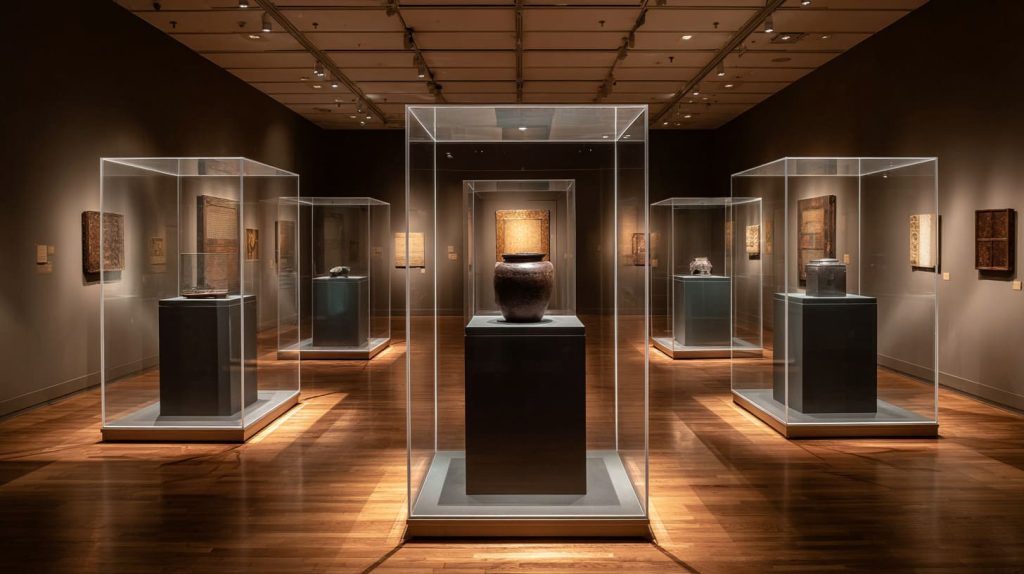
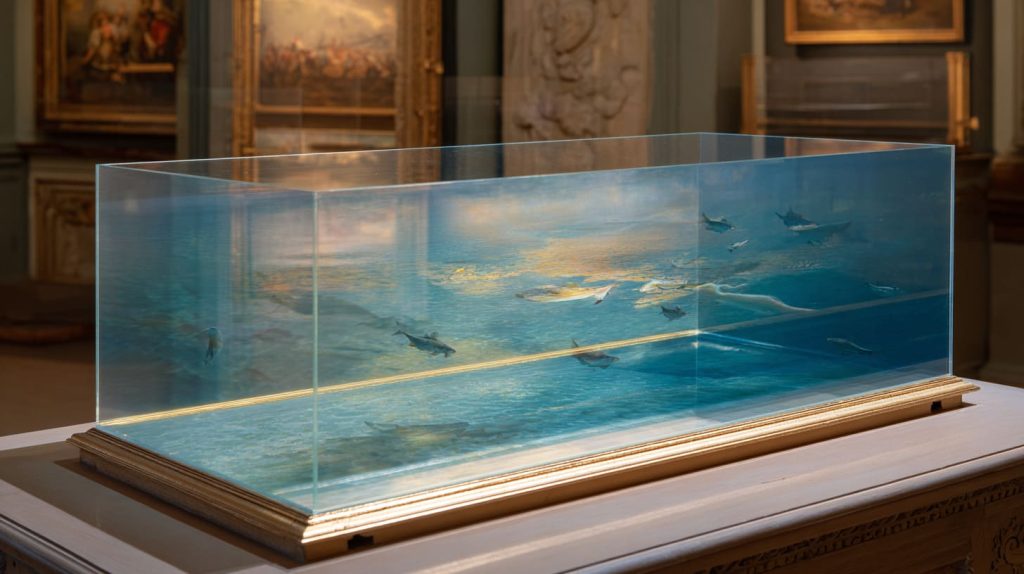
In fact, many museums use UV-filtering acrylic to protect artworks. It’s also used in aquariums and airplane windows. If that’s not trust, I don’t know what is.
Why do retailers and museums choose acrylic over glass for product displays?
It’s not just about weight.
Retailers and museums choose acrylic because it’s safer, clearer, easier to customize, and reduces liability.
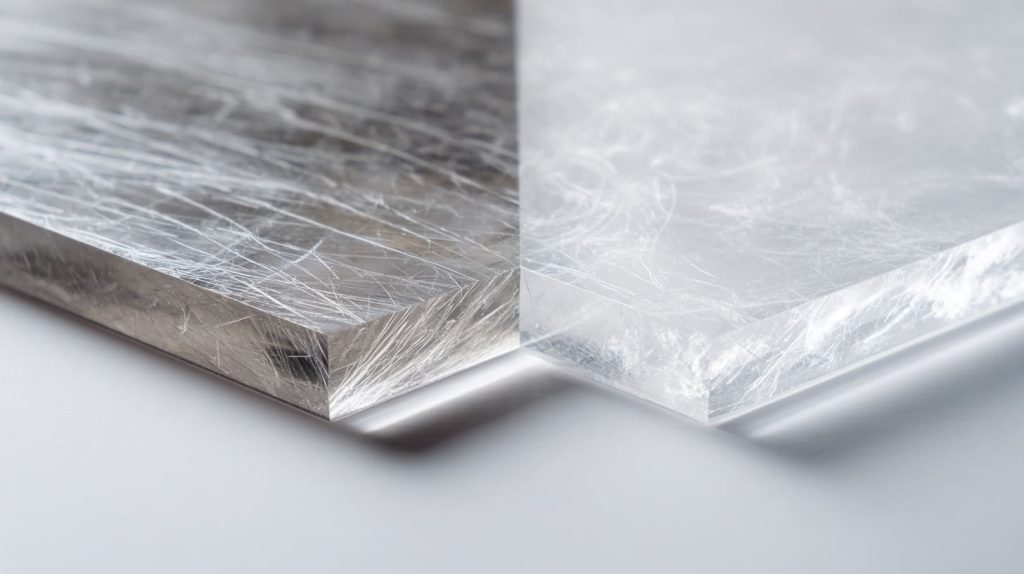
Imagine a child running through an exhibit. Acrylic means peace of mind. It’s also easier to make rounded edges, floating displays, and custom branding—all of which glass struggles with.
How does acrylic perform under impact compared to tempered glass?
Tempered glass is tough—but it has a weak point.
Acrylic handles impact better than tempered glass, absorbing force rather than exploding into shards.

Tempered glass breaks into small pieces. Safer than regular glass, sure. But acrylic often doesn’t break at all. This matters in stores, shows, airports—anywhere kids, customers, or carts are moving.
Is clear acrylic easier to cut and shape than glass for custom projects?
Oh, absolutely.
Acrylic is far easier to cut, bend, and shape than glass, making it ideal for custom designs.
We do CNC, laser, polish, engrave—all in-house. With glass, you'd be stuck with straight edges and long lead times. Acrylic makes creativity possible.
Does acrylic turn yellow or scratch more easily than glass over time?
This is the tradeoff you need to know.
Acrylic can scratch easier than glass, but modern coatings reduce this. Yellowing only happens with low-quality material.
We only use GSG-certified, high-transparency acrylic. It stays clear and doesn’t yellow for years. If your project needs scratch resistance, we can apply a hard coating or use thicker material.
What are the environmental and recycling differences between acrylic and glass?
This is the gray area.
Glass is more widely recycled, but acrylic uses less energy to produce and transport.
Acrylic can be recycled, though it’s not curbside in many places. However, its lower breakage rate means fewer wasted products—and fewer emergency remakes. Sustainability isn’t just about recycling—it’s about lifespan too.
Conclusion
Clear acrylic wins in safety, versatility, and practicality—making it the smart choice for displays that need to survive the real world.