Skip to content

It usually starts with a simple request: “We need packaging.” But once the product hits the shelf, that’s when the real question shows up—can it catch a customer’s eye?
Wholesale display packaging boxes are bulk-ordered containers designed to both hold and showcase products in stores, often with customizable shapes, branding, and visibility.
In my work with clients, this gap between "good enough" packaging and "great" display boxes comes up often. The product’s perfect. The design’s beautiful. But without the right display box? The magic just doesn’t land.
What is a display packaging?
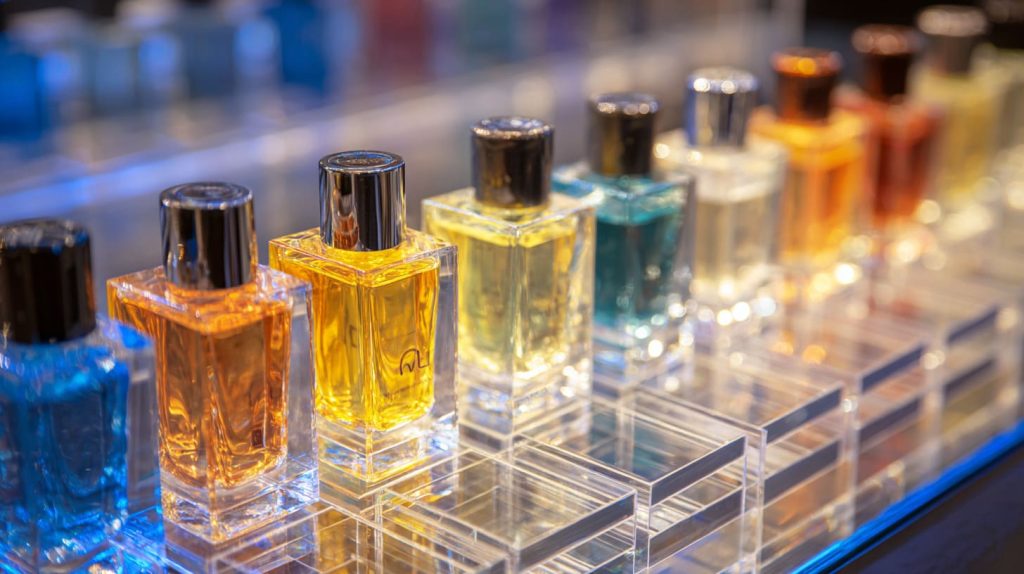
We all recognize it when we see it—neatly arranged snacks in a clear box, or perfume sitting on a sleek acrylic riser.
Display packaging is a container that presents the product visibly, often designed for in-store placement and promotional impact.
Key traits of display packaging
- Product visibility from one or more sides
- Integrated branding or graphics
- Durable enough for shelf use
- Designed for consumer engagement
Unlike plain shipping boxes, these packages are part of the marketing. They’re built to attract.
What are the four types of packaging?
Clients sometimes mix them up, especially during early product planning.
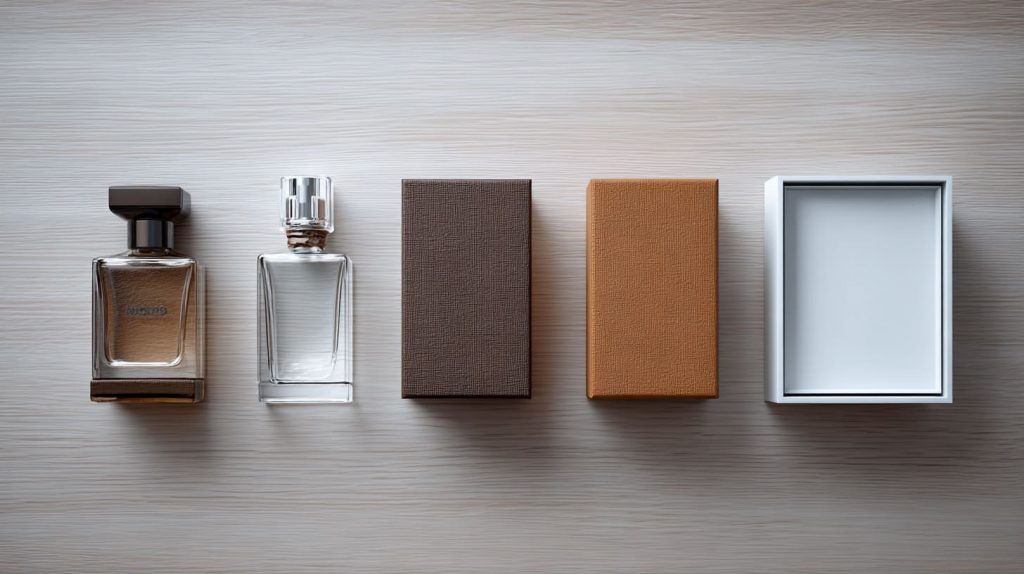
The four types of packaging are primary, secondary, tertiary, and quaternary—each serving a different role in storage and display.
| Type | Purpose | Example |
|---|---|---|
| Primary | Direct contact with product | Perfume bottle |
| Secondary | Holds primary packaging | Branded perfume box |
| Tertiary | Bulk transport & storage | Corrugated shipping carton |
| Quaternary | Ready for store display | Acrylic tray for retail shelf |
Display packaging falls between secondary and quaternary. It holds, protects, and presents.
What is display-ready packaging?
Retailers love it when a box goes straight from truck to shelf.
Display-ready packaging (DRP) is a retail box that doubles as a shelf display unit, requiring no extra setup.
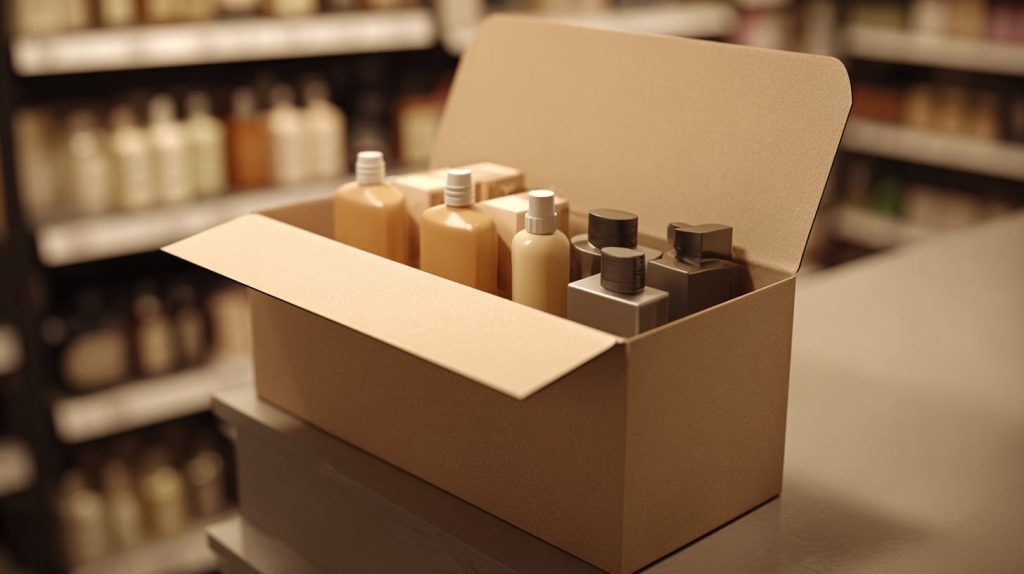
It’s all about speed and visibility. No cutting, folding, or arranging. Just open and sell.
What materials are best for custom display packaging boxes?
This is where the fun begins—choosing materials that reflect your brand’s feel.
Acrylic, cardboard, PET, PVC, and corrugated board are popular materials, each with unique pros and cons for display packaging.
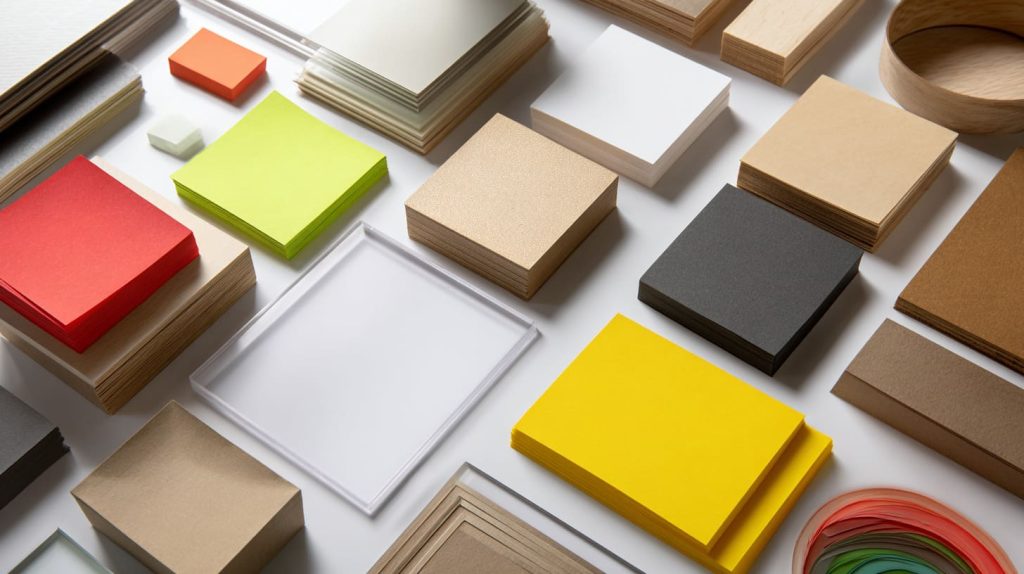
Comparison Table
| Material | Clarity | Durability | Cost | Ideal For |
|---|---|---|---|---|
| Acrylic | ★★★★★ | ★★★★☆ | $$$ | High-end or cosmetics |
| Cardboard | ★☆☆☆☆ | ★★☆☆☆ | $ | Budget & mass display |
| PET/PVC | ★★★★☆ | ★★★☆☆ | $$ | Food or tech gadgets |
I usually recommend acrylic when appearance matters. It feels more permanent—like the product itself is saying “I belong here.”
How are acrylic display boxes different from cardboard packaging?
They may serve the same purpose, but they don’t speak the same language.
Acrylic boxes are rigid, reusable, and elegant; cardboard is flexible, disposable, and cost-effective.
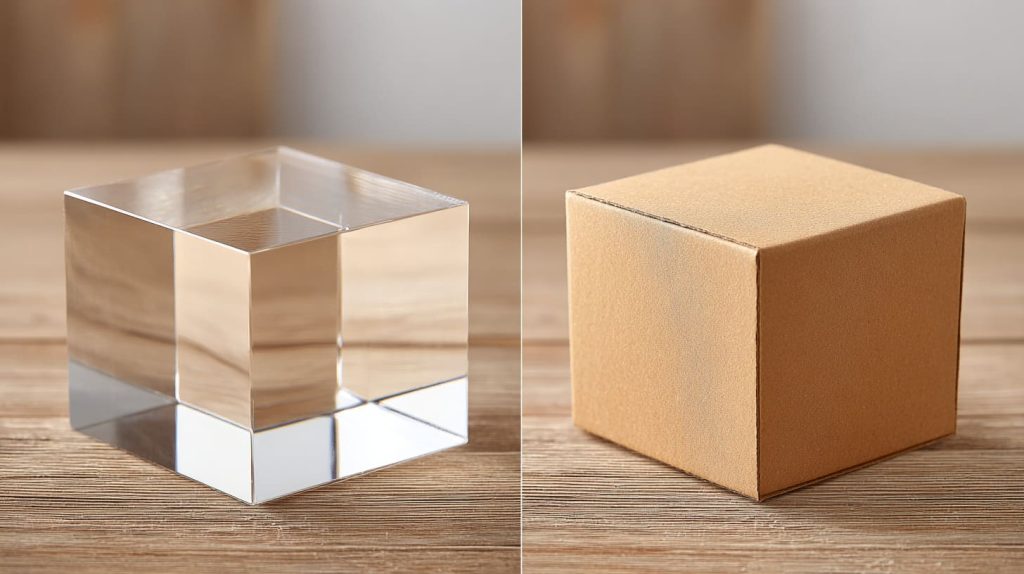
Acrylic vs. Cardboard
| Feature | Acrylic | Cardboard |
|---|---|---|
| Look | Premium, glossy | Casual, matte |
| Reusability | Yes | No |
| Custom Shape | High precision | Moderate |
| Environmental | Recyclable PMMA options | Biodegradable |
When your product costs more than $20, cardboard feels... underdressed.
What industries commonly use wholesale display packaging boxes?
I’ve worked with clients across industries—and surprisingly, display needs pop up everywhere.
Retail, cosmetics, electronics, food & beverage, and jewelry industries all use wholesale display packaging boxes to increase visibility and sales.
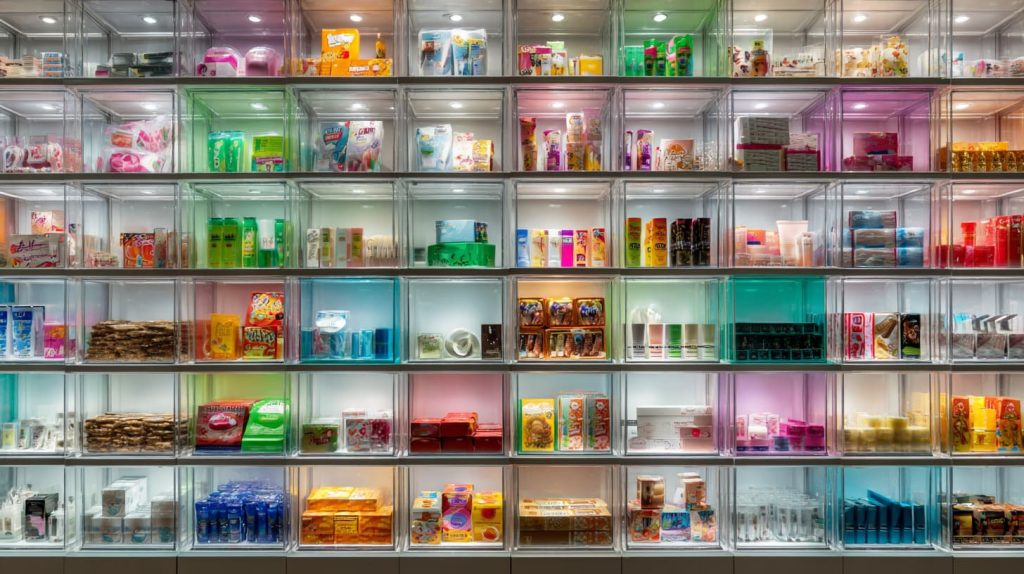
From acrylic candy bins to jewelry display cubes, the box is often part of the product experience.
Can I customize the shape and size of a display packaging box?
Absolutely—and you should.
Display boxes can be fully customized in dimensions, compartments, inserts, and cutouts to fit specific products and branding needs.
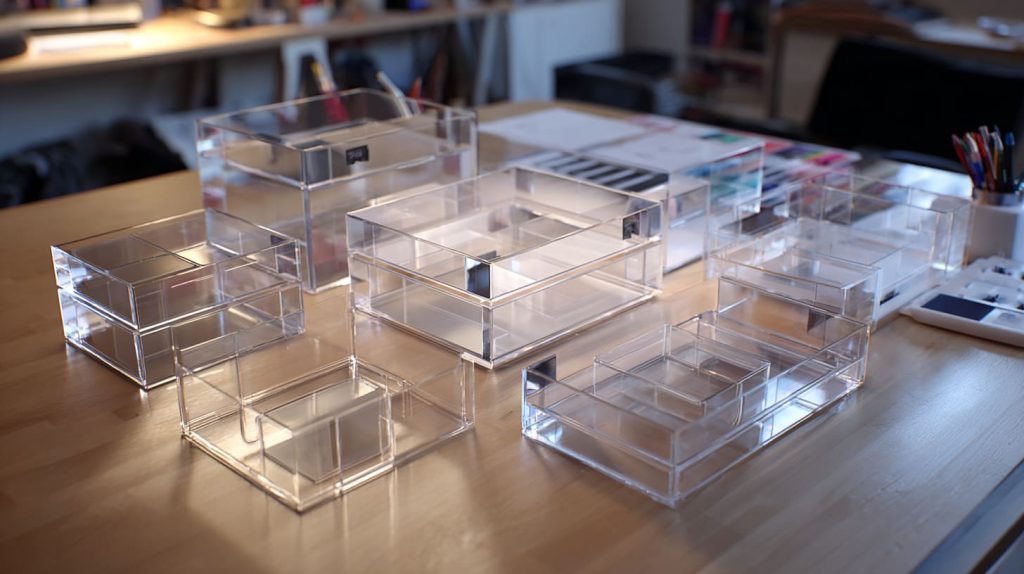
Custom sizing avoids wasted space. It also makes your display look tailored, not generic.
What’s the MOQ for ordering wholesale custom display packaging boxes?
This one depends on the factory—but here’s a common range.
Most factories require a minimum order quantity (MOQ) of 100–200 pieces for standard custom acrylic boxes; larger items may start at 50 pcs.
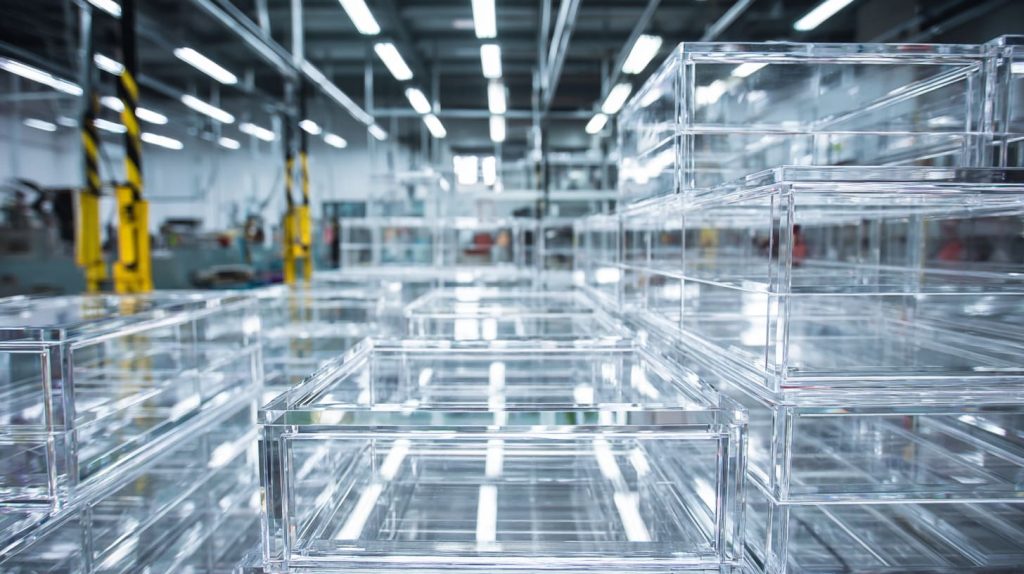
Some materials like cardboard allow lower MOQs, but for acrylic, the setup and cutting make smaller orders inefficient.
How do I choose between clear and frosted acrylic for packaging displays?
The choice isn’t just visual—it’s emotional.
Clear acrylic offers transparency and sparkle; frosted acrylic creates privacy and softness.
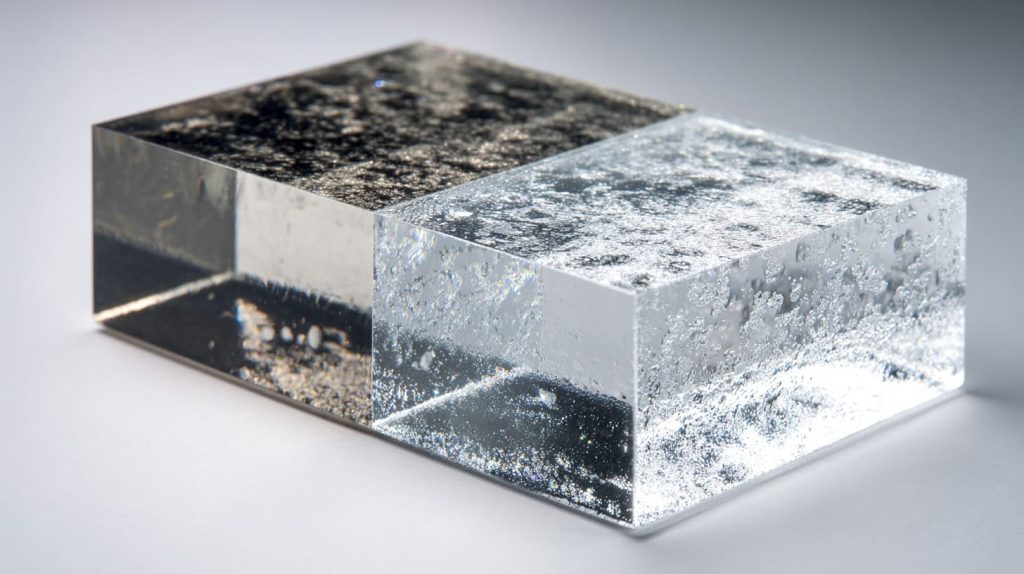
Use clear when you want full product exposure. Go frosted when you want to tease the silhouette without showing everything.
Are display packaging boxes suitable for luxury or high-end products?
That’s actually where they shine brightest.
Yes, especially when made from acrylic or wood, display boxes elevate the product’s perceived value and reinforce premium branding.
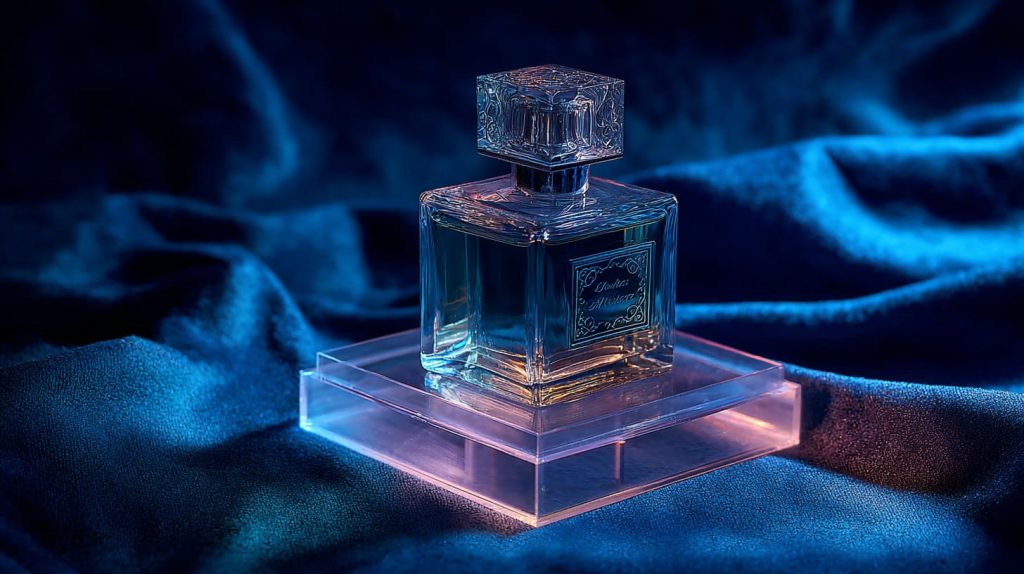
I’ve seen clients swap out plain boxes for display cases—and their sales jumped overnight.
What’s the difference between display boxes and retail packaging boxes?
It’s subtle—but important.
Retail packaging is about protection and transport; display boxes are about presentation and sales conversion.

Retail packaging hides the product. Display packaging shows it off.
How do custom logo and branding work on acrylic display packaging?
There are more options than most people think.
Logos can be printed, laser-engraved, UV-cured, or applied with decals onto acrylic display boxes.
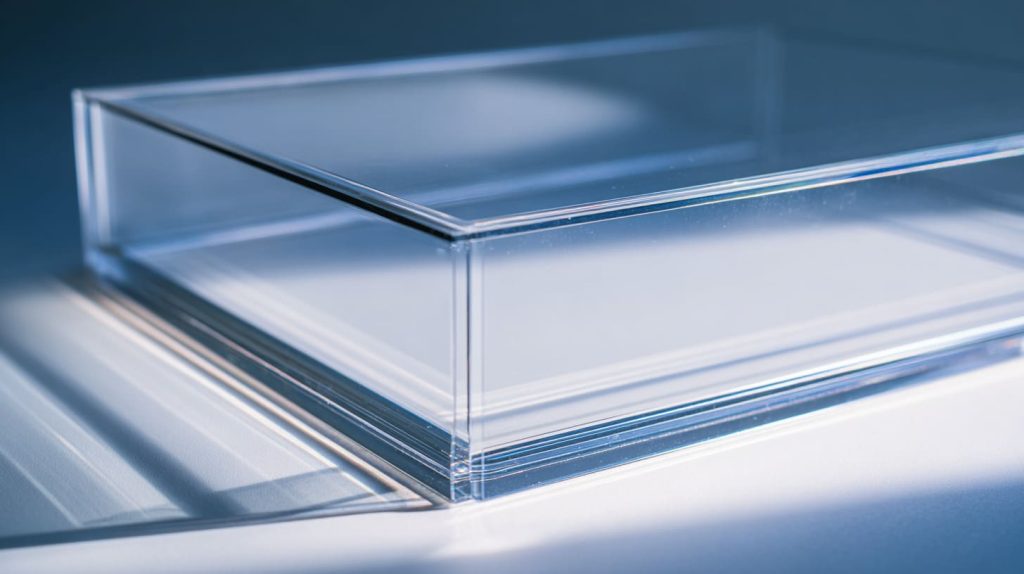
Common Logo Techniques
- Laser Engraving: Subtle, long-lasting
- UV Printing: Full color, vibrant
- Decal Stickers: Removable, budget-friendly
I usually ask clients about their brand style—clean and minimal? Or bold and bright?
What are the benefits of buying display boxes directly from the factory?
Let me be blunt—this is where most cost savings (and headaches) happen.
Buying from the factory cuts out middlemen, gives you customization control, and offers better pricing for large orders.
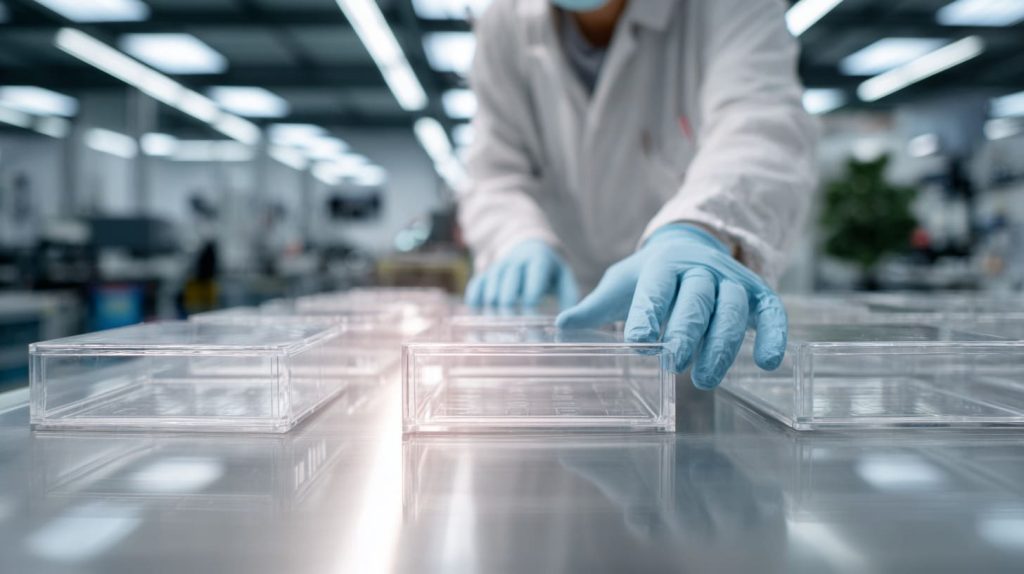
You also get to speak directly to the maker. Fewer surprises. More transparency. Faster problem-solving.
Conclusion
Display packaging isn’t just a box—it’s the stage your product performs on.