Skip to content
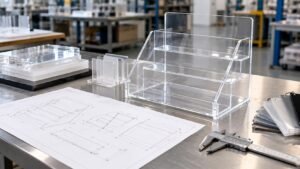
I spend most of my days around acrylic. Sheets, panels, blocks, displays. So I notice small design choices in public places more than most people do. One detail I see everywhere now is the clear barrier between people at a counter. That simple panel is what we call a sneeze guard.
A sneeze guard is a transparent barrier that sits between people or between people and products. Its main job is to block airborne droplets and help keep shared environments cleaner and safer.
These panels became common in restaurants, stores, offices, and clinics. They help separate people during daily interactions like paying for food, checking in at a desk, or picking up medicine. The design looks simple. Still, the thinking behind it matters.
Many businesses choose acrylic for sneeze guards. Acrylic stays clear, it is light, and it is easy to cut into custom shapes. That combination makes it practical for counters, desks, and displays.
One thing I have learned after years working with acrylic products is this: a clear panel only works well when its size, position, and structure fit the real situation. A poorly placed guard can feel awkward or useless.
The interesting part is that once you start noticing sneeze guards, you also start noticing how different spaces use them in different ways.
What Are Sneeze Guards?
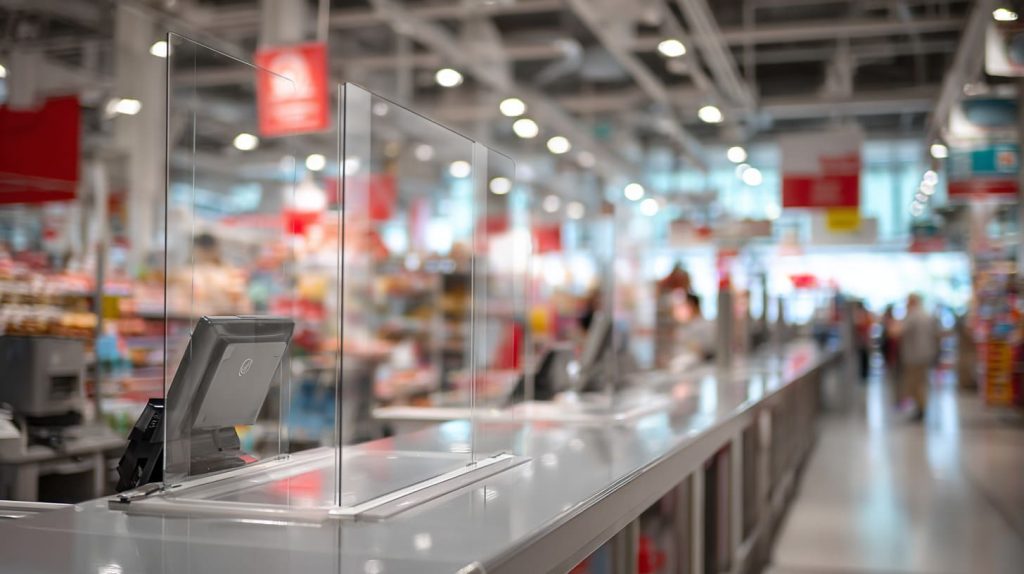
Sneeze guards are simple objects. They are clear barriers placed between people during face-to-face interaction. You see them at counters, reception desks, buffets, and many service areas.
They do not stop conversation. They do not block visibility. They simply create a physical layer between two breathing zones.
From a design point of view, the idea is almost minimal. Still, the details make a big difference.
One thing I always notice when reviewing a sneeze guard design is whether the barrier actually sits in the path of normal interaction, because if people lean around it, the guard loses most of its purpose.
Definition and Basic Function
At its core, a sneeze guard does one job: it blocks droplets that travel when people talk, cough, or sneeze.
These droplets are small, but they travel farther than most people expect.
Typical installation positions include:
- Checkout counters
- Reception desks
- Restaurant service lines
- Pharmacy counters
The guard sits between two zones:
| Zone | Example |
|---|---|
| Customer zone | person ordering food |
| Staff zone | cashier or service staff |
| Product zone | food display or merchandise |
The barrier keeps interaction possible while reducing direct exposure.
Typical Materials Used
Sneeze guards are usually made from clear plastics or glass.
The most common materials include:
| Material | Why It Is Used |
|---|---|
| Acrylic (PMMA) | clear, light, easy to cut |
| Polycarbonate | very strong impact resistance |
| Tempered glass | premium appearance |
Acrylic dominates the market for a few reasons.
- It looks almost like glass
- It weighs far less
- It can be laser cut easily
- It allows fast custom production
For custom manufacturing projects, acrylic also adapts well to complex shapes.
Key Design Features
A sneeze guard often includes a few basic elements.
- clear panel
- stable base or brackets
- opening slot for passing items
Common configurations look like this:
| Feature | Purpose |
|---|---|
| Transaction cutout | pass money or products |
| Rounded corners | improve safety |
| Thick base plate | prevent tipping |
These design details seem small. Still, they decide whether the guard works smoothly or becomes annoying during daily use.
That design thinking leads naturally to the next question: if sneeze guards are simple panels, why do so many businesses rely on them today?
Why Are Sneeze Guards Important for Hygiene and Safety?
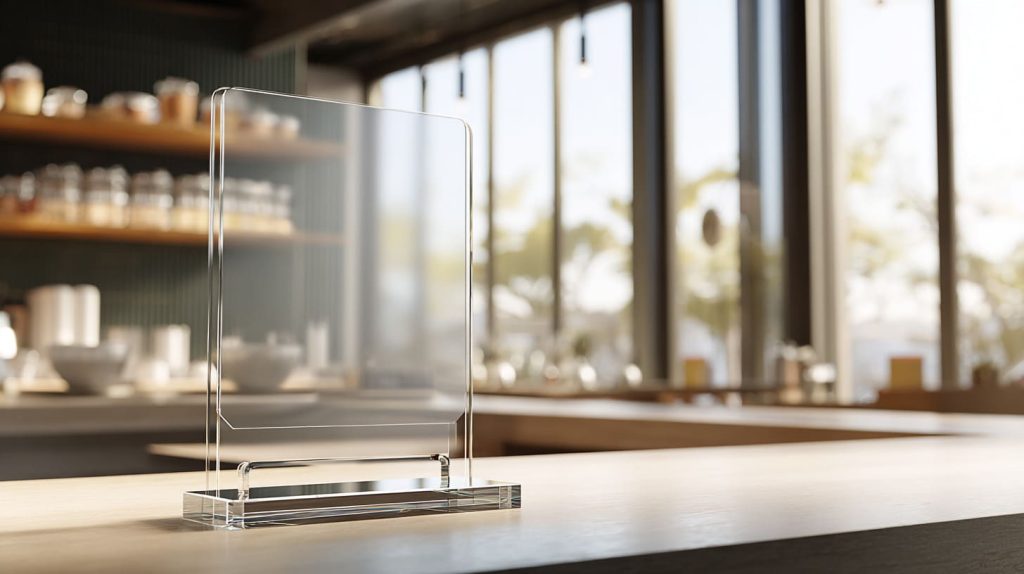
The value of a sneeze guard becomes clear when people share a space. Restaurants, shops, and offices involve constant interaction.
A barrier changes how droplets travel through that interaction.
When I look at hygiene solutions in stores, I often notice that small physical barriers protect staff more effectively than complicated policies or signs.
Preventing Droplet Transmission
Droplets travel through air when people speak, cough, or sneeze.
A clear panel interrupts that path.
Without a barrier:
- droplets move directly between people
- surfaces get contaminated faster
With a barrier:
- droplets hit the panel surface
- exposure reduces significantly
The effect is simple physics. A physical surface stops motion.
Supporting Workplace Safety
Employees working at counters interact with dozens or hundreds of people per day.
That repeated exposure adds risk.
Sneeze guards help reduce that risk.
Common workplace benefits include:
- safer cashier stations
- cleaner food service lines
- protection for pharmacy staff
Improving Customer Confidence
There is also a psychological side.
Customers notice visible hygiene measures.
Clear panels communicate a simple message:
"This place takes safety seriously."
In retail environments, perception matters.
| Visible measure | Customer reaction |
|---|---|
| sneeze guard | feels safer |
| clean counter | feels professional |
| organized layout | feels trustworthy |
When customers feel comfortable, they stay longer and interact more naturally.
After seeing how sneeze guards improve interaction safety, the next practical question appears quickly.
Where do we actually need them most?
Where Are Sneeze Guards Commonly Used?
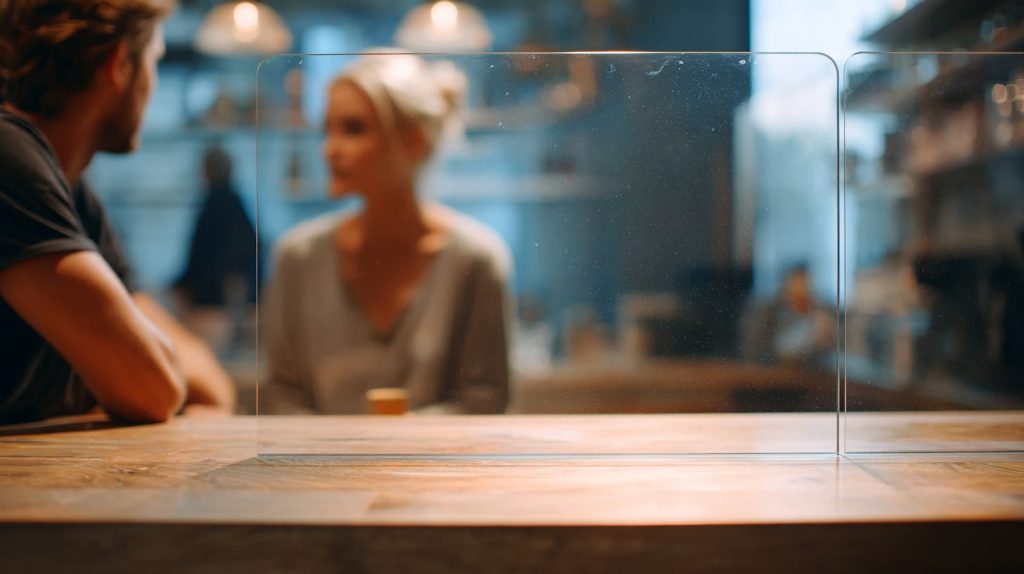
Once you start looking for sneeze guards, you notice them everywhere.
Different environments use them in slightly different ways.
Restaurants and Food Service Counters
Restaurants use sneeze guards heavily around food.
Typical locations include:
- buffets
- salad bars
- cafeteria lines
- checkout counters
Food service areas use larger panels to cover exposed food.
| Food service area | Guard style |
|---|---|
| buffet | hanging shield |
| cafeteria | angled barrier |
| checkout | vertical panel |
Retail Stores and Checkout Areas
Retail stores usually install sneeze guards at payment points.
Examples include:
- cashier stations
- customer service counters
- return desks
These guards usually include a small slot for passing items.
Offices and Reception Desks
Office spaces often use sneeze guards to separate staff and visitors.
Common examples:
- reception counters
- shared desks
- meeting counters
Healthcare and Pharmacies
Healthcare environments rely heavily on physical barriers.
You will see sneeze guards in:
- pharmacy counters
- clinic registration desks
- hospital check-in stations
Schools and Public Facilities
Public spaces also benefit from simple barriers.
Examples include:
- school libraries
- cafeteria counters
- government service desks
One thing I often notice in these projects is that different environments require different types of guards.
So the next question becomes obvious.
What kinds of sneeze guards actually exist?
What Types of Sneeze Guards Are Available?
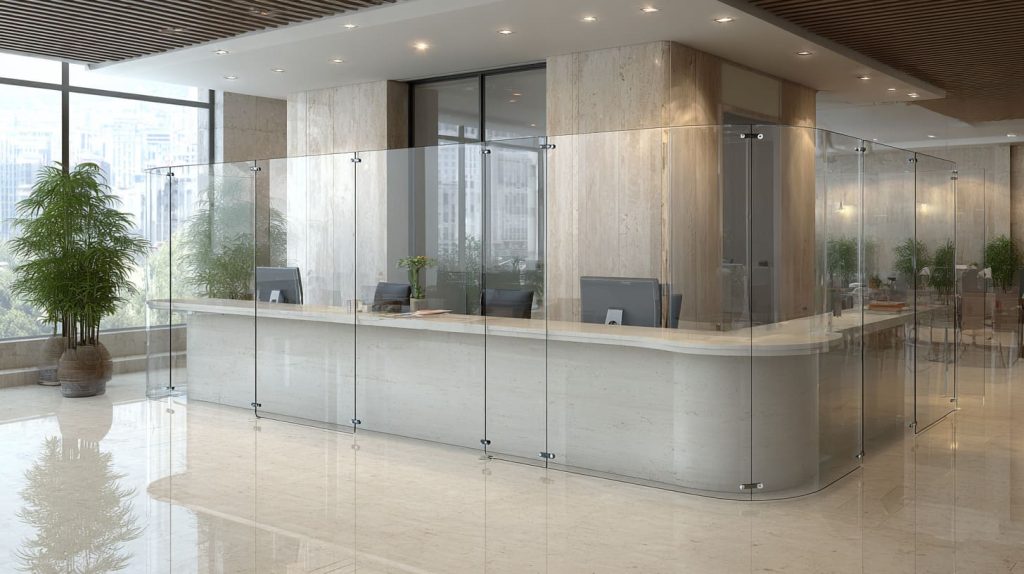
Not all sneeze guards look the same.
Different environments require different installation styles.
From a manufacturing perspective, most sneeze guards fall into four main categories.
Countertop Sneeze Guards
These are the most common type.
They sit directly on counters and do not require drilling.
Advantages:
- easy to install
- easy to move
- good for temporary setups
Typical structure:
| Component | Function |
|---|---|
| acrylic panel | main barrier |
| base plate | stability |
| pass slot | item exchange |
Hanging Sneeze Guards
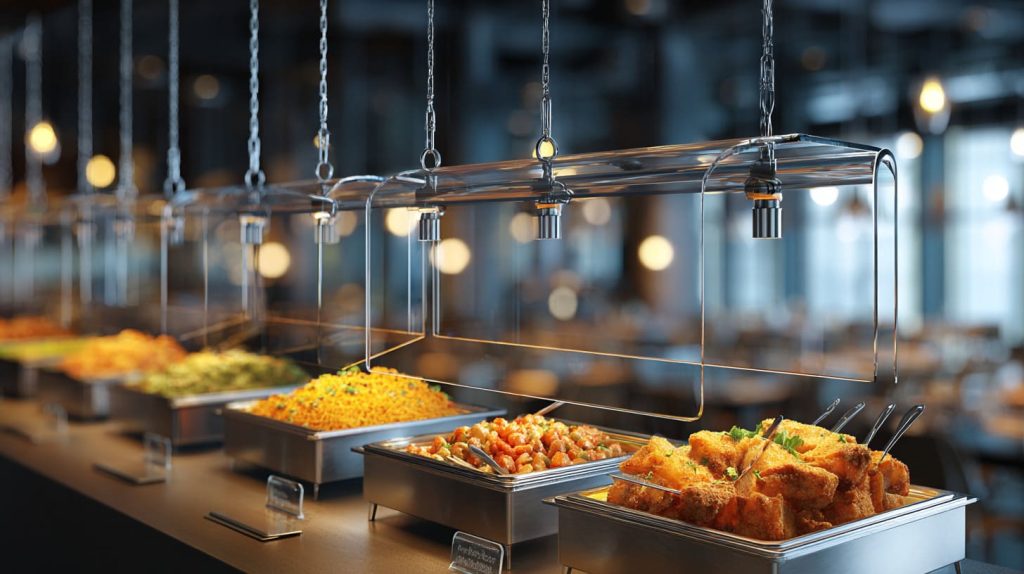
Hanging guards suspend from the ceiling.
Restaurants often use them above buffet tables.
Benefits include:
- wide coverage
- minimal counter footprint
Desk Divider Panels
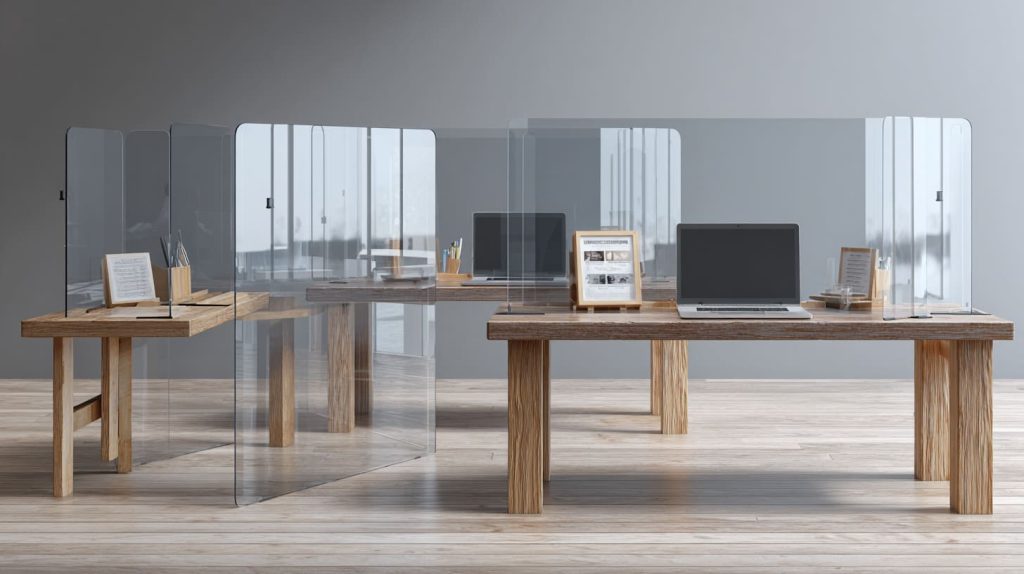
Desk dividers separate workspaces.
Offices and schools often use them.
They reduce direct exposure between people sitting close together.
Portable and Foldable Guards
Portable guards work well for temporary events.
Examples:
- exhibitions
- pop-up shops
- temporary offices
Portable designs often use lightweight acrylic panels.
Different environments also lead to another important design question.
What material should we actually use?
What Materials Are Best for Sneeze Guards?
Material choice affects clarity, safety, and durability.
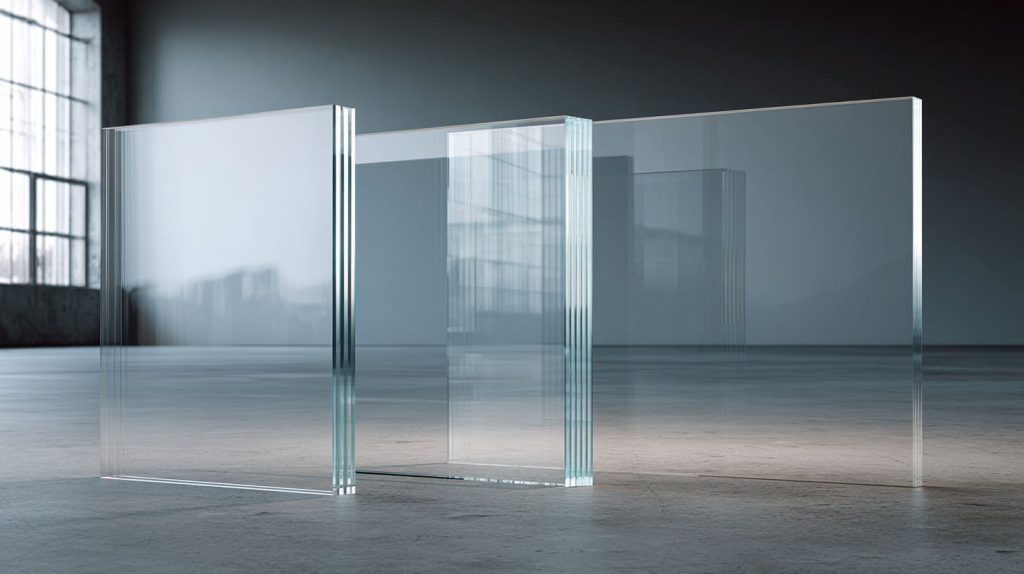
Three materials dominate sneeze guard production.
Acrylic Sneeze Guards
Acrylic remains the most popular material.
Reasons include:
- very clear appearance
- light weight
- easy customization
For manufacturers, acrylic also processes easily.
Laser cutting produces smooth edges and precise shapes.
Polycarbonate Panels
Polycarbonate is stronger than acrylic.
It resists impact extremely well.
However:
- it costs more
- it scratches easier
Industrial environments sometimes prefer it.
Glass Barriers
Glass offers a premium look.
Still, glass has disadvantages.
- heavy weight
- higher break risk
- harder installation
Material Comparison
| Material | Transparency | Weight | Durability | Customization |
|---|---|---|---|---|
| Acrylic | Excellent | Light | Good | Excellent |
| Polycarbonate | Very good | Medium | Excellent | Good |
| Glass | Excellent | Heavy | Moderate | Limited |
When I evaluate a material for a sneeze guard project, the first thing I consider is how often the panel might need to move or be cleaned, because heavy materials quickly become impractical in busy environments.
Material selection leads naturally into the next practical challenge.
How do businesses choose the right design?
How to Choose the Right Sneeze Guard for Your Business?
Choosing a sneeze guard involves more than picking a clear panel.
The design must match the environment.
Size and Coverage Requirements
Height and width matter.
A guard must cover the breathing zone between people.
Typical sizes:
| Location | Typical Height |
|---|---|
| checkout counter | 60–80 cm |
| reception desk | 70–90 cm |
| buffet shield | 40–60 cm above food |
Mounting and Installation Options
Common installation methods include:
- freestanding base
- clamp mount
- ceiling suspension
Each method suits different furniture types.
Access Openings and Interaction Design
Most guards include an opening for passing items.
Examples:
- payment slot
- document slot
- product pass opening
Custom Branding Opportunities
Some businesses add branding elements.
Examples include:
- printed logos
- frosted patterns
- colored edge lighting
When I evaluate a design concept, I usually imagine how staff and customers will move around the barrier during busy hours, because awkward openings or bad positioning can slow down daily work.
Design choices also affect something else.
They determine how well the sneeze guard actually works.
What Design Factors Affect the Effectiveness of Sneeze Guards?
A sneeze guard is only useful if it sits in the right place and performs reliably.
Several design factors influence its effectiveness.
Proper Height and Positioning
The barrier must cover the space between two people.
If it sits too low or too far back, people lean around it.
Stability and Durability
A guard must stay stable during daily use.
Important features include:
- thick base plates
- strong brackets
- proper material thickness
Visibility and Lighting
Clarity matters.
Poor lighting or reflections can make panels difficult to see.
Smooth acrylic surfaces usually perform best.
Maintenance and Cleaning
Sneeze guards require frequent cleaning.
Good designs consider:
- smooth surfaces
- rounded edges
- chemical resistance
Whenever I review an installed barrier, I pay attention to whether cleaning staff can wipe both sides easily, because designs that trap dust or grease often fail after a few months of real use.
Understanding design also helps explain how these products are actually made.
How Are Custom Acrylic Sneeze Guards Manufactured?
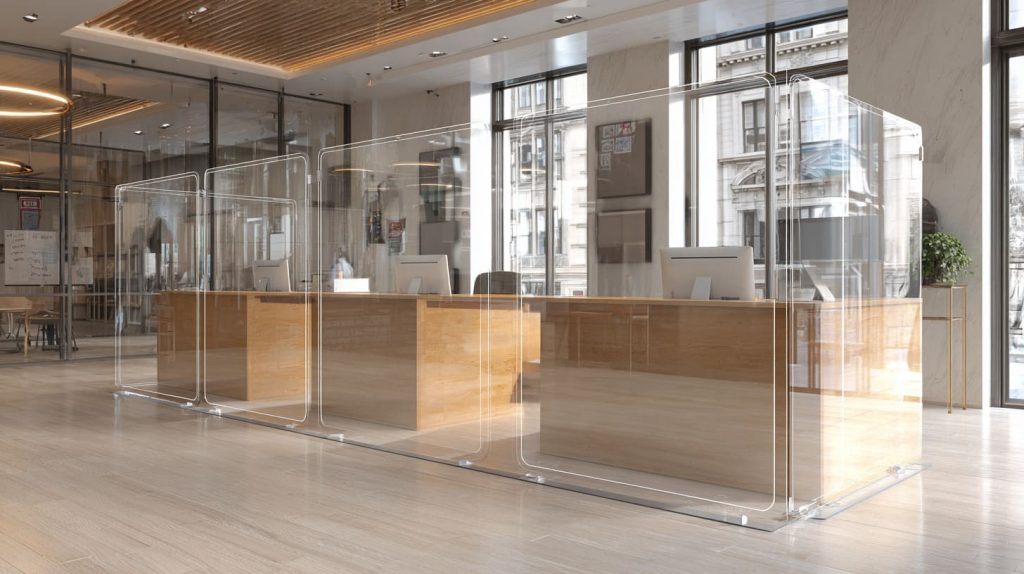
Behind every simple clear panel sits a small manufacturing process.
At our factory, we usually follow several steps.
Design and Measurement
Everything starts with measurements.
Designers create CAD drawings based on:
- counter size
- customer interaction area
- required opening slots
Cutting and Fabrication
Acrylic panels are cut using precise equipment.
Typical processes include:
- CNC cutting
- laser cutting
- edge polishing
These steps create smooth and safe edges.
Assembly and Finishing
After cutting, parts are assembled.
This may include:
- attaching base plates
- installing brackets
- polishing surfaces
Quality Inspection
Before shipping, we inspect each unit.
Inspection checklist:
| Check | Purpose |
|---|---|
| transparency | visual clarity |
| edge finish | safety |
| structure | stability |
During final inspection I always press lightly on the panel edges, because even small flexing sometimes reveals weak joints that drawings alone do not show.
All of these steps turn a sheet of acrylic into a simple but useful safety tool.
Conclusion
Sneeze guards are simple objects. Still, they play an important role in shared environments.
They create a clear barrier between people and products. Restaurants, stores, offices, schools, and healthcare facilities all use them. The design allows interaction while reducing droplet exposure.
Acrylic remains the most practical material for most situations. It stays clear, it weighs little, and it allows easy customization.
Choosing the right sneeze guard requires careful thinking about size, placement, materials, and daily use patterns.
If you are planning custom sneeze guards for a retail space, office, or service counter, I always suggest starting with real measurements and workflow observations.
And if you ever want to explore custom acrylic solutions for these projects, my team at Feilong Acrylic is always happy to talk through ideas and turn them into practical designs.