Skip to content
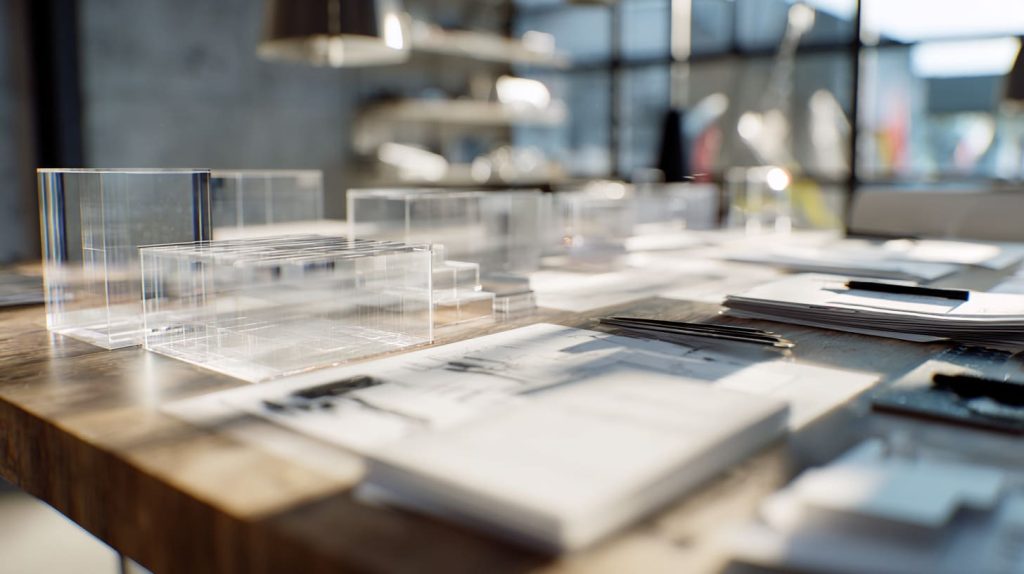
Acrylic shows up in more product meetings than most people realize. I see it on sample tables, in display sketches, in packaging mockups, and in buyer emails that ask the same quiet question in different ways: Is PMMA really the right choice here? That question sounds simple. It rarely is.
I have worked with acrylic long enough to know that people do not search for “facts and figures” because they love material science. They search because a wrong pick creates very real pain. A display cracks in transit. A sign yellows too soon. A polished edge looks great in the sample room and then turns into a cost problem in mass production. Those are not theory problems. Those are business problems.
I also know buyers like Jacky do not need fluffy praise about acrylic. They need clear numbers, useful comparisons, and honest limits. They want to know where PMMA shines, where it fails, and what details deserve a second look before the order moves forward.
When I review an acrylic project, I do not start by asking whether the sheet looks clear. I start by asking what the part must survive after it leaves the factory. That small shift changes everything.
This article is my practical look at the top acrylic facts and figures that matter most in real design and purchasing work. I will keep it simple, but I will not keep it shallow.
Acrylic looks easy from far away. The closer you get, the more the details begin to matter.
What Is Acrylic (PMMA) and Why Is It So Widely Used?
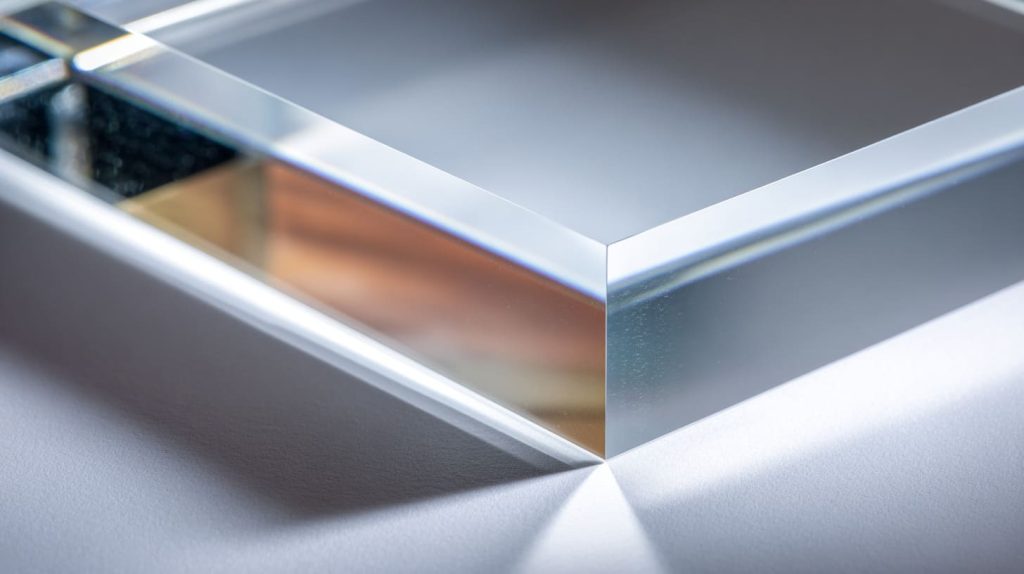
Acrylic is one of those materials people think they already understand. It is clear. It is plastic. It is everywhere. But once I start asking deeper questions in a project meeting, I often notice that even experienced buyers mix up brand names, sheet types, and performance limits.
PMMA stands for polymethyl methacrylate. That is the formal material name. In daily work, most people just call it acrylic. It is a transparent thermoplastic, which means it softens with heat and can be formed into many shapes.
What PMMA really means in simple terms
I like to explain PMMA in plain language. It is a clear plastic that gives people the “glass look” without all the weight and breakage risk of glass. That is why it became such a common choice in displays, signs, covers, guards, and organizers.
Still, I do not treat “clear plastic” as enough of a description. Many plastics look clear at first glance. Their behavior is not the same.
| Item | Acrylic (PMMA) | Why it matters |
|---|---|---|
| Material family | Thermoplastic | Can be cut, bent, polished, and formed |
| Transparency | Very high | Good for display and visual products |
| Weight vs glass | Much lighter | Easier shipping and installation |
| Outdoor aging | Strong | Useful for signs and panels |
| Surface feel | Hard and glossy | Better premium look |
One thing I often tell buyers is this: a material can look similar in a photo and behave very differently in real use.
Common names that often confuse buyers
This is where many sourcing conversations go sideways. A buyer says “Plexiglas,” another says “Perspex,” and a third says “Lucite.” People start talking like these are different materials. Most of the time, they are just trade names linked to acrylic.
Here are some names you may hear:
- Plexiglas
- Lucite
- Perspex
- Acrylite
These names come from brands or market history. The base material is still PMMA in most cases.
Why so many industries use acrylic
Acrylic fits into many industries because it solves several problems at the same time. It is clear, clean-looking, easy to fabricate, and usually more practical than glass for many commercial uses.
I see acrylic used a lot in these areas:
- Retail displays and point-of-purchase fixtures
- Signage and light boxes
- Cosmetic organizers
- Product stands and holders
- Protective covers
- Household storage products
- Automotive lenses and trim parts
From my side, the real reason acrylic is widely used is not just that it is clear. It is that it gives designers room to create shapes, thicknesses, finishes, and branding details without making the project too heavy or too fragile.
The name sounds technical. The market use is very human. People want something that looks clean, works hard, and stays affordable.
And once buyers understand what acrylic is, the next question comes fast: what can it actually do on the physical level?
What Are the Key Physical Properties of Acrylic Plastic?
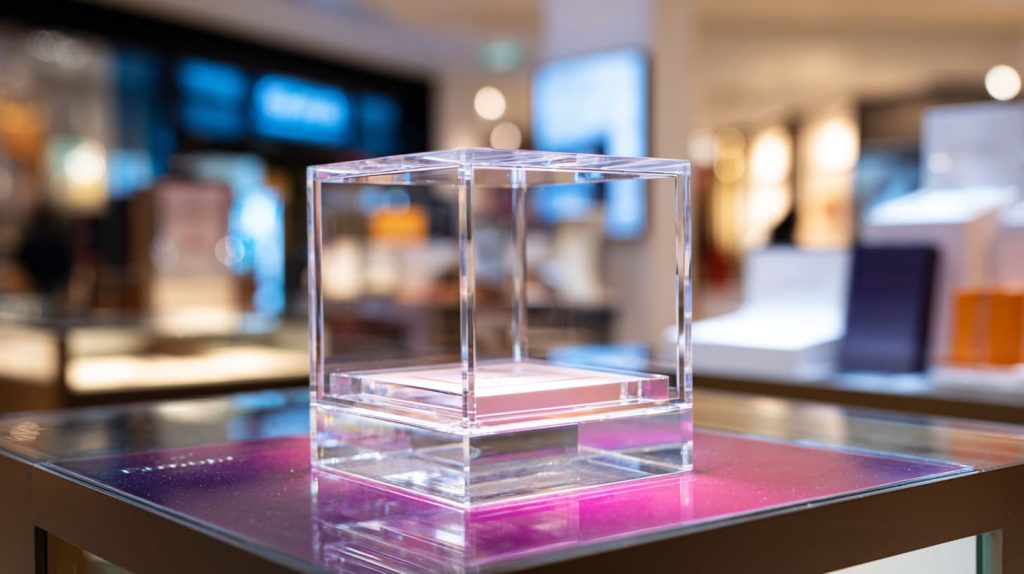
The physical properties of acrylic are where many buying decisions are won or lost. A project can pass the visual test and still fail in handling, shipping, or daily use. I have seen that happen more than once.
The reason I spend time here is simple. A material sheet may list numbers, but those numbers only help when you know what they mean in real work.
How clear is acrylic really?
Acrylic is famous for its optical clarity. Good-quality PMMA can transmit about 92% of visible light. That is one reason it often looks brighter and cleaner than many other transparent plastics.
For display work, this matters a lot. A product inside a dusty, slightly cloudy enclosure loses appeal. A crystal-clear acrylic box lets the product do the selling.
| Property | Typical Acrylic Performance | Practical meaning |
|---|---|---|
| Light transmission | Up to ~92% | Very clear product display |
| Visual distortion | Low in quality sheets | Better for premium appearance |
| Gloss level | High | Strong clean look for retail |
| Color options | Clear and tinted | Flexible design choices |
Here is how I usually think about it: if the product inside the box is the hero, the acrylic should stay quiet and let that product shine.
Why weight changes more than people expect
Acrylic is about half the weight of glass. That sounds like a dry technical point. It is not. Lower weight affects shipping cost, worker handling, installation ease, and breakage risk.
I once reviewed a display concept that looked beautiful in thick glass. The problem was not the look. The problem was that the packed weight became annoying for the retailer, risky for the installer, and expensive for repeated shipping. Acrylic solved all three issues in one move.
Surface hardness and the scratch question
Acrylic has a harder surface than many other plastics, especially when people compare it with softer materials that mark easily. That is good news. But I do not want to oversell it. Acrylic can still scratch.
This is where things often go wrong: buyers hear “harder than many plastics” and quietly turn that into “scratch-proof” in their head. Those are not the same thing.
Here is a more honest comparison:
| Feature | Acrylic | Polycarbonate | Glass |
|---|---|---|---|
| Surface hardness | Good | Lower | Very high |
| Scratch resistance | Moderate to good | Lower | High |
| Break resistance | Better than glass | Much better | Low |
| Repairability | Can be polished in some cases | Harder to restore surface | Limited |
If a product will be wiped many times a day, touched by rings, or cleaned with rough cloths, I pay close attention to the surface risk.
UV resistance and weather durability
Acrylic performs very well outdoors. It has strong UV resistance and does not yellow quickly the way some plastics do. That is one reason it is so common in sign faces, outdoor displays, and architectural panels.
I do not approve an outdoor acrylic design just because the sheet is “clear enough” on day one; I want to know how it will look after months of sun, dust, rain, and rough cleaning.
That judgment matters because outdoor failure does not arrive with a warning bell. It arrives slowly, and by the time the customer notices, the trust damage is already done.
A quick property snapshot
| Physical Property | Typical PMMA Value/Behavior | Why buyers care |
|---|---|---|
| Transparency | ~92% light transmission | Better visibility |
| Density | ~1.18 g/cm³ | Lower shipping weight |
| Surface feel | Hard, glossy | Premium look |
| UV stability | Strong | Better outdoor life |
| Moisture absorption | Low | Good dimensional stability |
Physical properties sound like background data. In real life, they shape the feel of the final product. And once the feel looks good, buyers usually ask the tougher question: yes, but how strong is it?
How Strong Is Acrylic Compared With Glass and Other Plastics?
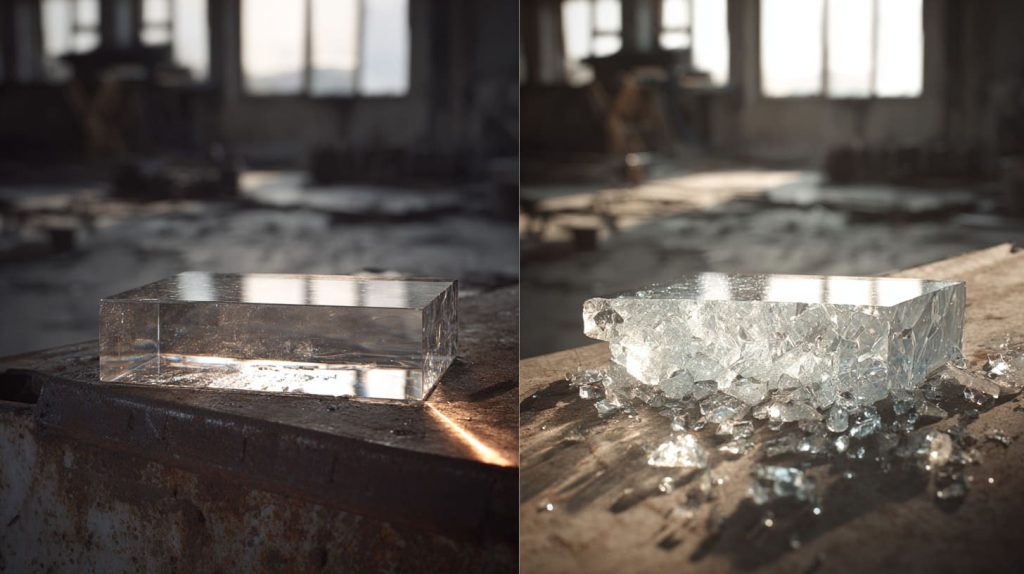
Strength is one of the most misunderstood parts of acrylic. People often use one word—strong—to cover impact, stiffness, bending, cracking, and long-term durability. That shortcut causes mistakes.
When someone tells me, “We need a strong clear plastic,” I never stop there. I ask, strong against what? A drop? A bend? A hit? A screw load? A hot environment? A cleaning chemical?
Acrylic vs glass in impact resistance
Acrylic is often described as 10 to 20 times more impact resistant than glass. That is a useful general figure. It means acrylic is much less likely to shatter in the same dramatic way glass can.
That is one big reason stores, public spaces, and product designers prefer it for many transparent parts.
Still, I do not like broad claims without context. Acrylic can crack under hard impact. It is stronger than glass in many ways, but it is not unbreakable.
| Comparison Point | Acrylic | Glass |
|---|---|---|
| Impact resistance | Much higher | Low |
| Shatter behavior | Less dangerous | Can shatter sharply |
| Weight | Lighter | Heavier |
| Ease of machining | Easier | Harder |
Acrylic vs polycarbonate
This is one of the most important material comparisons in clear plastic design. Polycarbonate usually wins in impact strength. Acrylic usually wins in clarity, surface hardness, and visual finish.
That trade-off matters a lot.
If the part may get hit, dropped, or abused, polycarbonate may be the safer option. If the part needs a cleaner optical look and better scratch resistance for display use, acrylic often makes more sense.
I get cautious when a buyer chooses acrylic for a part that will face repeated impact just because the sample looked beautiful on a desk.
Typical mechanical properties that matter
Acrylic also has useful tensile and flexural strength. It is stiff compared with many plastics. That stiffness helps panels stay flat and clean-looking. It also means acrylic does not like sudden abuse as much as tougher plastics do.
| Mechanical Property | Typical PMMA Range | What it tells me |
|---|---|---|
| Tensile strength | ~60–75 MPa | Pulling resistance |
| Flexural strength | ~90–120 MPa | Bending performance |
| Elastic modulus | ~2,400–3,300 MPa | Stiffness |
| Impact resistance | Better than glass, lower than PC | Fragility trade-off |
Strength is not the same as toughness
This distinction matters more than many people realize.
- Strength tells me how much force a material can resist.
- Toughness tells me how well it handles shock and abuse.
- Stiffness tells me how much it resists bending.
Acrylic is nicely stiff and reasonably strong. Polycarbonate is much tougher. Glass is hard but brittle.
A lot of bad material choices happen because people chase one property and ignore the others.
My practical view on strength
I rarely judge acrylic strength from a single number on a data sheet, because edge quality, hole design, panel size, and mounting stress can ruin a “strong” sheet faster than the raw material value suggests.
That is why I always look at the whole part, not just the material label.
Numbers matter. Design details matter more than people think. And that leads naturally to another area where the fine print matters: heat.
What Are the Typical Thermal Properties of PMMA?
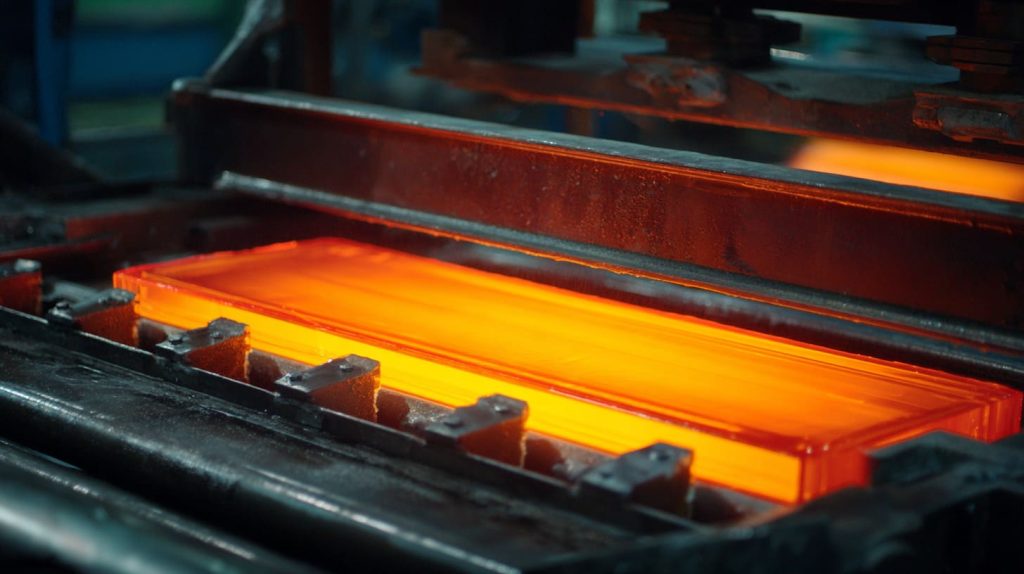
Heat changes materials quietly. That is what makes thermal performance easy to ignore until a problem shows up. A part warps near a light source. A cover softens in transport. A polished panel loses its neat shape after forming. Then everyone starts asking questions too late.
Acrylic is useful, but it is not a material I treat casually around heat.
Working temperature range
PMMA has a moderate service temperature range. In many cases, acrylic performs well in normal indoor and mild outdoor conditions. A common continuous service range is around -40°C to 80°C, though actual performance depends on design, load, and environment.
For most displays, organizers, and sign components, this is enough. For hotter industrial areas, it may not be.
| Thermal Factor | Typical PMMA Behavior | Project meaning |
|---|---|---|
| Low temperature | Generally stable | Good for cold handling |
| Continuous upper range | Around 80°C | Not for high-heat zones |
| Dimensional stability | Good in normal use | Reliable for many products |
| Heat sensitivity | Moderate | Needs checking near heat sources |
Heat deflection temperature
Heat deflection temperature, or HDT, tells us when a material starts deforming under load at elevated temperature. Acrylic often has an HDT around 90–100°C, depending on grade and test method.
This number sounds fine until load enters the story. A flat acrylic panel can behave differently from a loaded bracket or a bent part under stress.
Forming and processing temperature
Acrylic is a good material for thermoforming. That is one reason it works so well in custom displays and covers. Forming often happens around 140°C to 180°C, depending on thickness, equipment, and desired shape.
Why heating acrylic is not as simple as it looks
I have seen buyers assume that if acrylic can be heated and bent once, it is automatically easy to fabricate in any shape. It is not that simple.
When heat enters the process, these details matter:
- Sheet type: cast or extruded
- Thickness consistency
- Heating uniformity
- Cooling control
- Internal stress after forming
Acrylic rewards careful processing. It punishes rushed shortcuts.
Flammability and fire behavior
Acrylic is a combustible plastic. It can burn if exposed to enough heat or flame. That does not make it unusable. It just means buyers must match it to the safety needs of the project.
For public or technical applications, I always suggest checking the exact fire rating and local code needs before final approval.
What often makes me pause is not the lab value itself, but the real use scene: a sign near lighting, a cover near electronics, or a partition in a crowded public space.
Thermal property summary
| Property | Typical PMMA Range/Behavior |
|---|---|
| Continuous service temperature | ~-40°C to 80°C |
| Heat deflection temperature | ~90–100°C |
| Forming temperature | ~140°C to 180°C |
| Fire behavior | Combustible thermoplastic |
Acrylic handles normal environments very well. It does not love heat abuse. Once buyers understand that, many of them start thinking bigger and asking about market trends, supply, and long-term demand.
What Is the Global Acrylic (PMMA) Market Size and Growth Trend?
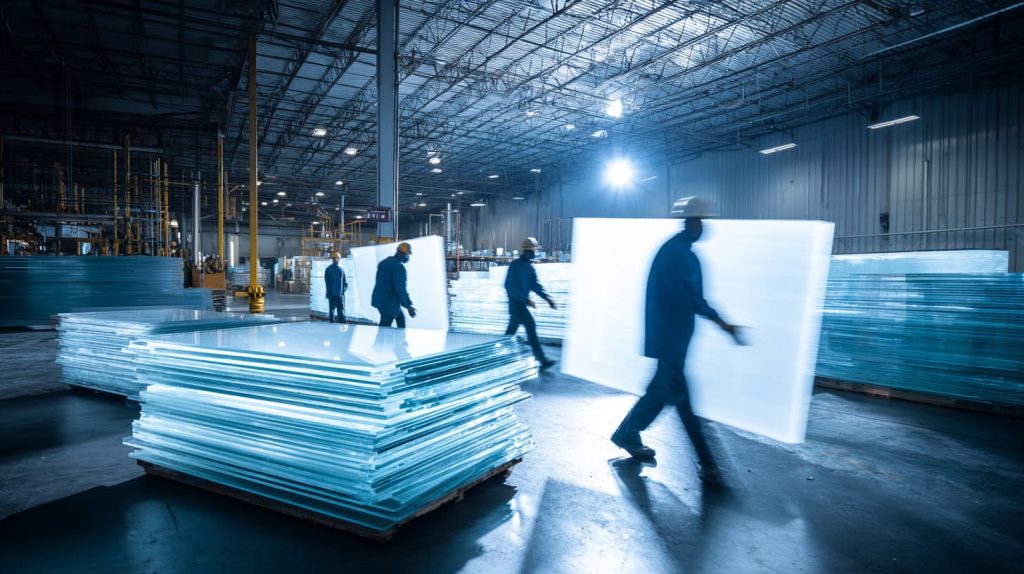
Material choice is not only a technical issue. It is also a market issue. I have learned that the hard way. A buyer may choose the right material in theory, then struggle with pricing, supply rhythm, lead time, or grade availability because demand changed in the wider market.
That is why I like looking at PMMA not just as a sheet on a drawing, but as a global material with its own business movement.
Market size and general direction
The global PMMA market is commonly estimated in the multi-billion-dollar range, and most market reports show steady growth rather than wild swings. Exact numbers vary by source and year, but the general direction is clear: demand remains strong because PMMA stays relevant in many industries.
Acrylic has staying power. That matters.
| Market Factor | General Trend |
|---|---|
| Global market value | Several billion USD |
| Long-term growth | Stable to moderate growth |
| Main demand pattern | Broad industrial use |
| Material relevance | Still strong worldwide |
Where most production and demand sit
Acrylic production and use are heavily linked to industrial regions with strong manufacturing capacity.
The main regions are:
- Asia-Pacific
- Europe
- North America
Asia-Pacific often leads in production and volume. Europe and North America remain important for high-value applications, brand demand, and technical product use.
Industries that keep PMMA demand alive
Acrylic is not dependent on one single industry. That makes the market more resilient.
Main demand drivers include:
- Construction and building materials
- Electronics and consumer goods
- Automotive parts
- Retail display and signage
- Lighting products
- Interior and decorative applications
I pay close attention to whether demand is coming from short-term fashion or from boring, repeatable industrial use, because the second type usually gives buyers a more stable sourcing future.
That is not a glamorous judgment. It is a practical one.
Why buyers should care about market trend
A buyer like Jacky may ask, “Why should I care about the global market if I just need acrylic display parts?” The answer is easy. Market trend affects:
- Price movement
- Lead time
- Sheet availability
- Grade options
- Supplier stability
If demand rises in one big sector, smaller buyers may suddenly feel pressure in supply. If raw material cost moves, PMMA pricing can follow.
I do not use market trend to create drama. I use it to avoid surprise.
The market tells us one more thing too. Acrylic is not popular by accident. It is manufactured at scale, and that manufacturing process shapes both quality and cost.
How Is Acrylic Plastic Manufactured?
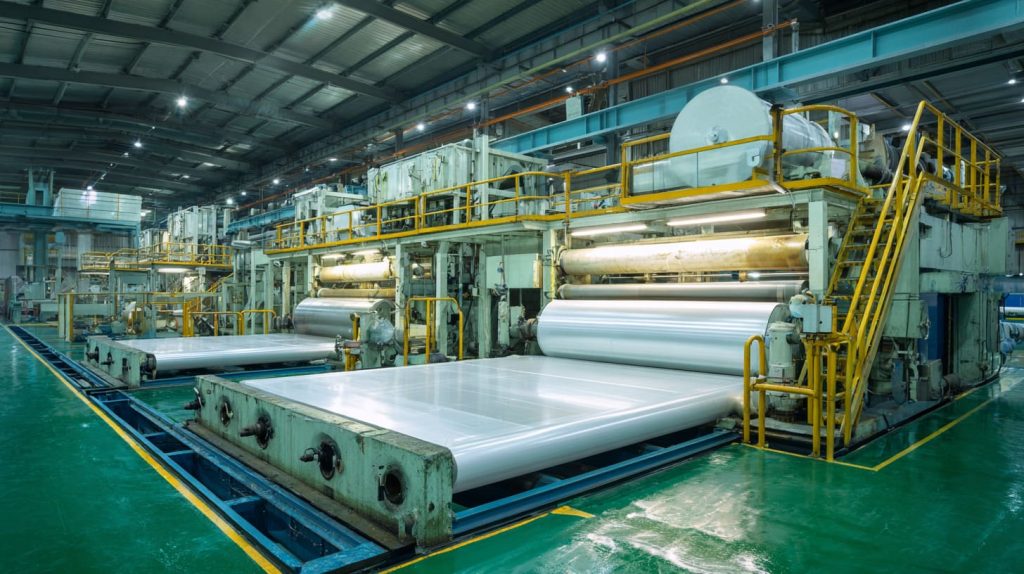
The way acrylic is made affects much more than factory people admit in quick sales calls. It affects clarity, thickness tolerance, surface behavior, machining response, and price. I care about this a lot because two sheets can both be “acrylic” and still behave differently in production.
The base chemistry behind PMMA
PMMA is made from methyl methacrylate, often called MMA. Through polymerization, the monomer turns into a solid plastic material. That is the core science behind acrylic.
For most buyers, the chemistry itself is not the key issue. The bigger question is how that chemistry becomes the final sheet.
Cast acrylic production
Cast acrylic is made by pouring liquid monomer into molds, then curing it into sheet form. This process often gives better optical quality and better thickness options.
I often prefer cast acrylic when the project needs:
- Better edge finish
- Stronger polishing results
- Better laser engraving feel
- Thicker panels
- More premium appearance
| Feature | Cast Acrylic |
|---|---|
| Optical quality | High |
| Thickness range | Broad |
| Machining response | Good |
| Cost | Higher |
| Premium look | Strong |
Extruded acrylic production
Extruded acrylic is made through a continuous process. The material is pushed through equipment to create uniform sheet thickness. This method is often more efficient and lower in cost.
Extruded acrylic is common when buyers want:
- Better price control
- High volume consistency
- Standard sheet programs
- Simple fabrication jobs
| Feature | Extruded Acrylic |
|---|---|
| Cost | Lower |
| Thickness consistency | Very good |
| Forming behavior | Good |
| Surface quality | Good |
| Premium machining feel | Usually lower than cast |
Cast vs extruded is not a small detail
This is where I see many project mistakes. A buyer asks for “acrylic” and assumes all grades will machine, polish, print, and glue the same way. They do not.
When I review a part with flame-polished edges, deep laser cuts, or strong visual demands, I do not let the sheet type stay vague.
A simple comparison table
| Point | Cast Acrylic | Extruded Acrylic |
|---|---|---|
| Cost | Higher | Lower |
| Thickness options | Wider | More standard |
| Laser cutting quality | Often better | Good but can vary |
| Polishing result | Better | Acceptable |
| Best for | Premium custom work | Cost-driven volume work |
Manufacturing method may sound like a supplier issue. It is not. It is a buyer issue too, because it changes the result you get.
And once that manufacturing difference becomes clear, the big selling points of acrylic become easier to understand.
What Are the Main Advantages of Acrylic Plastic?
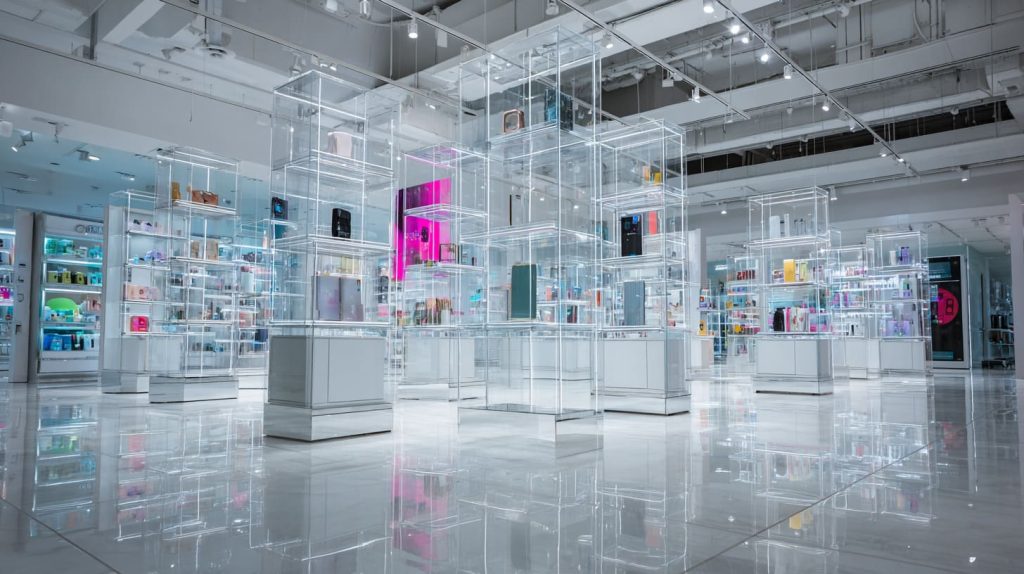
Acrylic keeps winning projects because it solves multiple design needs at once. It is not perfect. Still, it is often a smart balance of look, weight, processability, and durability. That balance is hard to beat.
Clear enough to sell the product inside
The first big advantage is obvious: acrylic is very clear. That makes it excellent for retail displays, donation boxes, covers, and product cases.
In sales environments, visibility is not a cosmetic detail. Visibility is function.
A beautiful product behind dull material loses power. Acrylic helps avoid that.
Lighter than glass, easier to live with
Acrylic gives the visual effect of glass with much less weight. That helps with:
- Packaging
- Assembly
- Installation
- Shipping cost
- Worker safety
I have seen projects become viable only after weight dropped enough for easier handling.
Easy to fabricate for custom work
This is a major reason acrylic is loved in custom manufacturing.
Acrylic can be:
- Laser cut
- CNC machined
- Bonded
- Polished
- Bent
- Thermoformed
- Printed
That flexibility is gold for B2B buyers who need custom dimensions, cutouts, logos, and special shapes.
Strong outdoor behavior
Acrylic also handles UV exposure well. For signs and outdoor display parts, that matters a lot. A material that yellows or turns tired too fast creates complaints, returns, and brand damage.
Cost value in the right project
Acrylic is not the cheapest plastic in every situation. But for large panels, premium-looking displays, and clear fabricated parts, it often gives very good value.
The value comes from the whole package:
| Advantage | Why it matters |
|---|---|
| High clarity | Better visual impact |
| Light weight | Easier logistics |
| Fabrication ease | More design freedom |
| UV resistance | Better outdoor life |
| Premium surface | Better retail feel |
What makes me choose acrylic again and again is not one headline property, but the way it solves visual, processing, and shipping problems together without pushing the project into a luxury budget.
Of course, every useful material has a shadow side. Acrylic does too.
What Are the Limitations of PMMA Material?
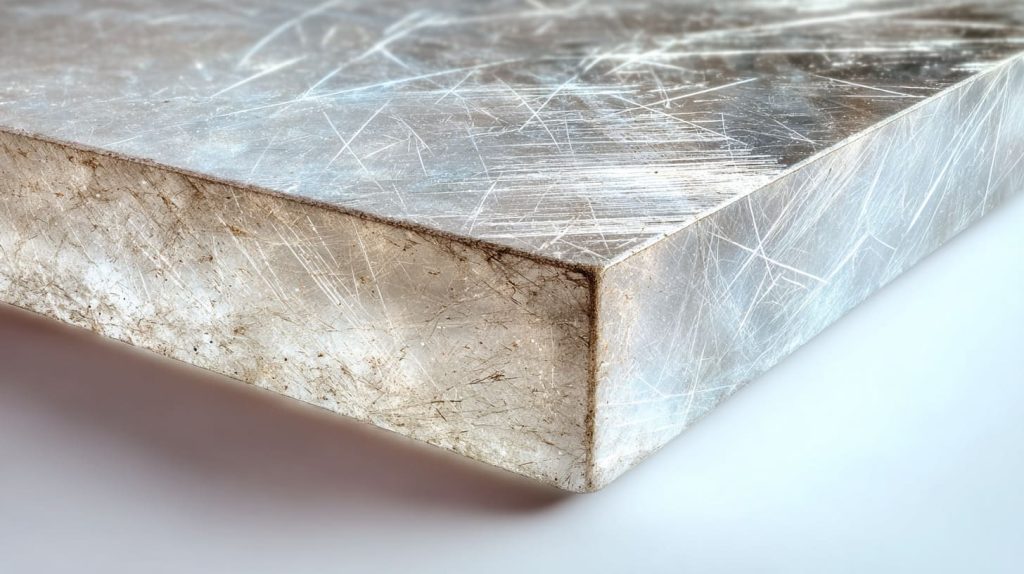
I like acrylic. I use it often. That is exactly why I do not trust one-sided praise. A material becomes dangerous when people only talk about its strengths.
PMMA has limits, and those limits matter in the real world.
Lower impact resistance than polycarbonate
This is probably the most important limit to understand. Acrylic is tougher than glass in many cases, but it is still far less impact resistant than polycarbonate.
If the part may face drops, rough public use, or heavy abuse, acrylic may not be the safest choice.
Scratch risk is real
Acrylic has decent surface hardness, but it can scratch in daily use. Repeated wiping, dirty cloths, rough handling, and contact with hard objects all leave marks over time.
This matters a lot for:
- Counter barriers
- Product covers
- Cosmetic organizers
- Public-facing display parts
I get suspicious of any design that depends on acrylic staying “perfect-looking” after constant human contact, because people are always rougher than the design team expects.
Moderate heat resistance
Acrylic performs well in many normal environments, but it does not enjoy high heat. Parts near lamps, motors, heating equipment, or hot transport conditions need careful review.
Chemical sensitivity
Some solvents and cleaners can damage acrylic. Cracking, crazing, fogging, and surface stress marks can appear if the wrong chemicals are used.
This is one of the most overlooked risks in acrylic projects.
| Limitation | Real-world impact |
|---|---|
| Lower toughness than PC | Higher break risk in abuse |
| Scratch sensitivity | Surface wear over time |
| Moderate heat resistance | Warping or stress risk |
| Solvent sensitivity | Cracks and surface damage |
Limits do not make acrylic a bad material
That is important to say clearly. A limit is not a failure. It is a boundary. Good buyers respect boundaries.
I do not reject acrylic because it has weaknesses. I reject bad decisions made around those weaknesses.
And once we accept those limits honestly, we can look at where acrylic truly works best in industry.
What Are the Most Common Industrial Applications of Acrylic?
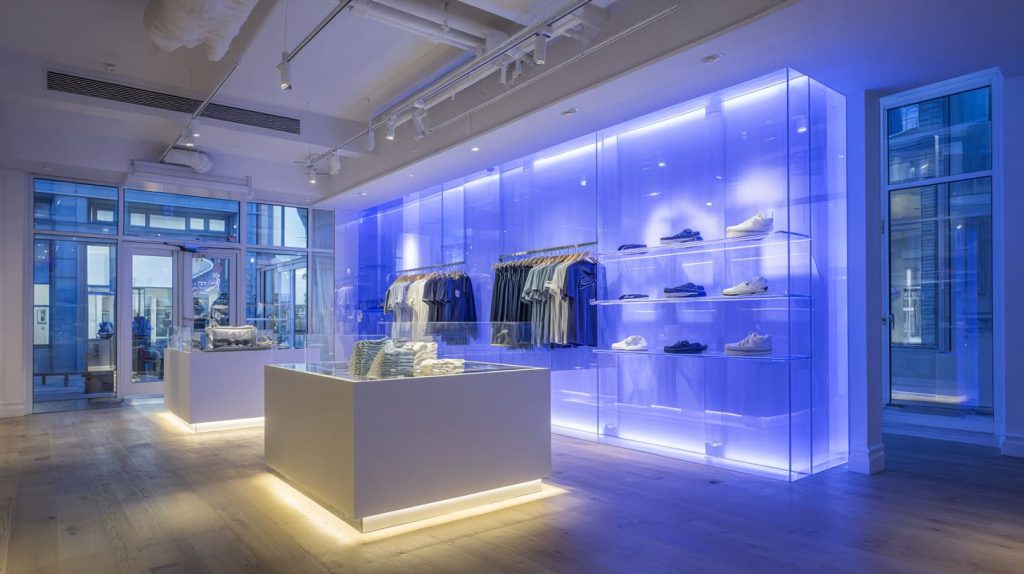
One reason acrylic stays so relevant is that it fits into many industries without feeling like a compromise material. It can look clean in luxury retail and still work hard in ordinary functional products.
Retail displays and store equipment
This is one of the most common uses. Acrylic is everywhere in retail:
- Product risers
- Display boxes
- Counter stands
- Shelves
- POS holders
- Brand blocks
The reason is simple. Acrylic helps products stay visible, neat, and premium-looking.
Signage and illuminated panels
Acrylic is also a strong material for signs, especially when light transmission matters. Light boxes, illuminated letters, menu boards, and branded panels often use PMMA because it handles both clarity and weather exposure well.
Protective barriers and partitions
Clear partitions became common in many workspaces, and acrylic is still used in counters, clinics, receptions, and offices. It is lighter and easier to fabricate than glass, which makes it practical for custom barrier designs.
Cosmetic organizers and consumer products
This is another area I know well. Acrylic works beautifully in organizers, trays, makeup holders, storage boxes, and decorative household products. It has that “clean and premium” feel that many end users like.
Lighting and architectural use
Acrylic also plays a role in diffusers, covers, decorative panels, and architectural details. It balances visual quality with workable fabrication.
| Application Area | Why acrylic fits |
|---|---|
| Retail display | Clear, premium, easy to shape |
| Signage | Weather resistant, good light transmission |
| Protective partitions | Light and practical |
| Cosmetic organizers | Smooth, attractive appearance |
| Lighting panels | Good optical behavior |
I do not judge application fit by asking whether acrylic can be used there. I judge it by whether the customer will still like it after months of touching, cleaning, moving, and living with it.
That is a very different question.
And it leads to the final issue every serious buyer cares about: how to choose the right acrylic for a real manufacturing project.
How Should Buyers Evaluate Acrylic Materials for Manufacturing Projects?

This is where technical knowledge becomes money. Buyers do not win by knowing that acrylic is clear. They win by choosing the right grade, thickness, finish, and supplier setup before the order gets expensive.
Start with cast or extruded
The first decision I usually push to the front is sheet type. Cast and extruded acrylic are not minor variations.
Use cast acrylic when you need:
- Better edge polishing
- Better premium feel
- Thicker custom work
- Better engraving response
Use extruded acrylic when you need:
- Lower cost
- Standardized volume production
- Simple fabrication
- Better budget control
Choose thickness by use, not by habit
Acrylic thickness should match the real use case. Many buyers reuse a familiar thickness from older projects. That can work. It can also quietly fail.
| Thickness Choice | Common Use | Risk if chosen badly |
|---|---|---|
| Thin sheet | Small signs, inserts | Flexing, cracking |
| Medium sheet | Standard displays, organizers | Usually balanced |
| Thick sheet | Premium blocks, heavy-duty displays | Cost and weight rise fast |
Check the clarity requirement honestly
Not every project needs the highest optical grade. Some do.
Questions I ask include:
- Is the product behind the panel the visual focus?
- Will the customer view it up close?
- Does edge finish matter?
- Will lighting make defects more visible?
Match fabrication method to material behavior
Acrylic selection should fit the process. A sheet that looks fine on paper may react poorly if the project needs:
- Laser cutting
- CNC routing
- Flame polishing
- Solvent bonding
- Screen printing
- UV printing
One quiet mistake I watch for is a buyer asking for a premium edge finish while also pushing the sheet choice too far toward low cost, because those two goals often fight each other.
Check supplier quality, not just sheet quality
Acrylic quality matters. Supplier discipline matters too.
I look at:
- Thickness control
- Edge finish consistency
- Bonding cleanliness
- Surface protection during transport
- Packaging method
- ISO-style quality control
- Material certification when needed
A strong material can still arrive as a weak product if the factory handles it poorly.
My simple buyer checklist
| Evaluation Point | What I ask |
|---|---|
| Sheet type | Cast or extruded? |
| Thickness | Does it match load and size? |
| Clarity | Is premium visibility required? |
| Fabrication | Can this grade handle the process? |
| Supplier control | Will the result stay consistent? |
Good acrylic buying is not about chasing the highest spec. It is about aligning material, process, use, and budget with clear eyes.
That sounds less exciting than marketing claims. Still, it saves far more trouble.
Conclusion
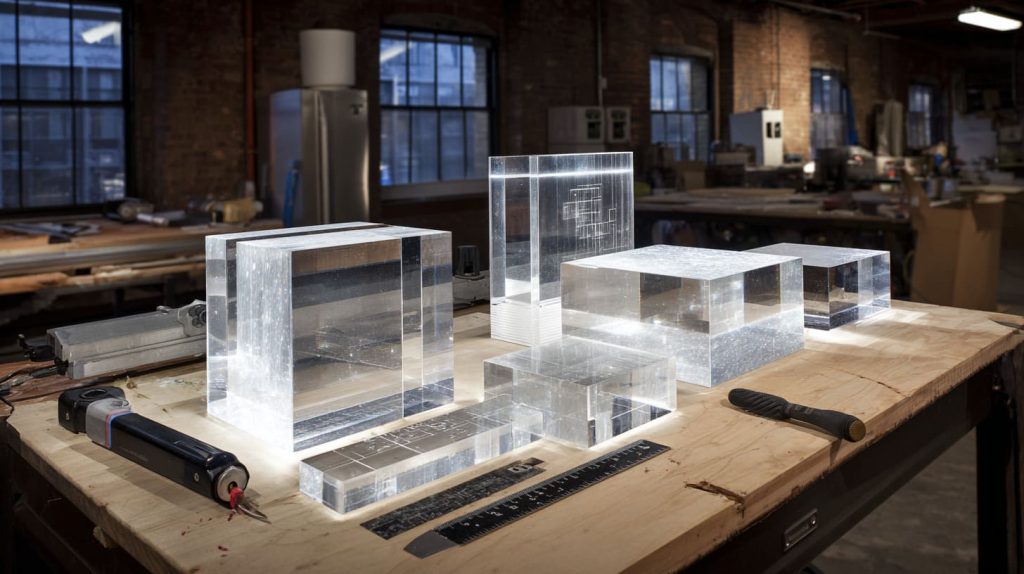
Acrylic remains one of the most useful transparent plastics in manufacturing for good reason. It offers strong clarity, low weight, good outdoor durability, and broad processing flexibility. It works across retail, signage, cosmetic storage, lighting, and many custom display applications. Those are not small strengths.
At the same time, PMMA is not a magic material. It has limits in impact resistance, scratch performance, heat tolerance, and chemical exposure. I think that honest balance is exactly why acrylic deserves respect. It rewards smart use. It punishes lazy assumptions.
If I had to reduce the whole article to one practical idea, it would be this: the best acrylic decision is never only about the sheet itself. It is about the full chain—application, thickness, fabrication, finish, packaging, and supplier control.
That is how I look at it when I review a project. I do not ask only, “Is this acrylic?” I ask, “Will this acrylic still make sense after shipping, assembly, daily use, and customer handling?”
That question has saved me more than once.
If you are planning a custom acrylic project and want to sort out sheet type, thickness, finish, or fabrication method, you can use these facts as your starting point. And if you want a second pair of eyes on a design, a material choice, or a production detail, feel free to reach out to me through Feilong Acrylic at flacrylic.com. A clear drawing is nice. A clear material decision is even better.