Skip to content
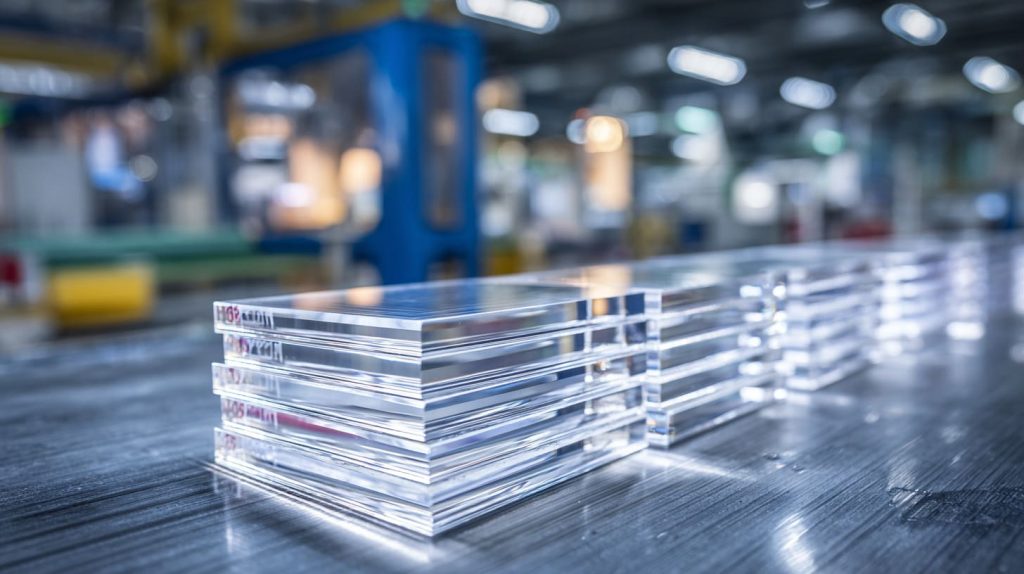
Acrylic looks simple. A clear panel. A logo. A solid color block. Most buyers still believe one thing: screen printing is cheaper.
I believed that too when I started working with acrylic displays more than ten years ago. Screen printing felt traditional. It felt safe. It felt “factory friendly.”
But over the years, I began to notice something uncomfortable. On many B2B projects, especially custom ones, the final cost of screen printing quietly climbed higher than UV printing. Not in theory. In real invoices.
Jacky, you probably felt this before. The quote looks good at first. Then screens get added. Color charges appear. Registration testing takes time. Suddenly the “cheap” method is no longer cheap.
The real question is simple:
When does screen printing actually become more expensive than UV printing?
And more important:
How do we judge this before production starts?
That is what I want to break down today.
What Determines the True Cost of Printing on Acrylic?
When I compare printing methods, I never look only at unit price. I look at the full chain. Ink is only one piece.
What often surprises buyers is that printing cost has two layers: visible and hidden.
Before I approve any printing method, I ask myself one uncomfortable question: If this design changes next month, will I regret this choice?
Direct Production Costs
Let’s start with the obvious.
| Cost Factor | Screen Printing | UV Printing |
|---|---|---|
| Ink Cost per Unit | Low for simple colors | Stable regardless of color count |
| Setup Time | High | Low |
| Labor Intensity | Manual alignment required | Mostly automated |
Screen printing uses less ink per unit for solid colors. That is true.
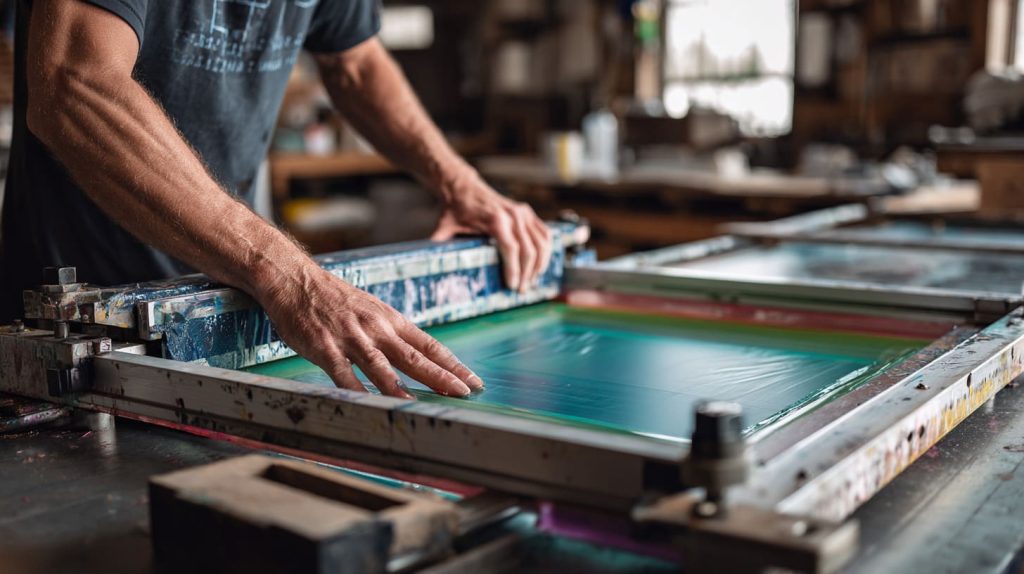
But the setup time is heavy. Workers must mount screens, align artwork, adjust pressure.
UV printing loads a file and starts printing.
Indirect Costs
Now we enter the quiet part.
| Hidden Cost | Screen Printing | UV Printing |
|---|---|---|
| Screen-making fee | Required | Not required |
| Color change cleaning | Time consuming | Minimal |
| Scrap from misalignment | Higher risk | Lower risk |
These costs do not appear in a simple unit price comparison. But they exist.
Volume Sensitivity
Screen printing shines at high volume.
UV printing stays stable across volume changes.
| Order Size | Screen Printing | UV Printing |
|---|---|---|
| 100 pcs | Expensive per unit | Stable |
| 1,000 pcs | Moderate | Stable |
| 10,000 pcs | Competitive | Slightly higher |
This is where thinking becomes practical. Small orders punish screen printing. Large orders reward it.
And this leads us directly to setup.
How Screen Setup Costs Change the Equation
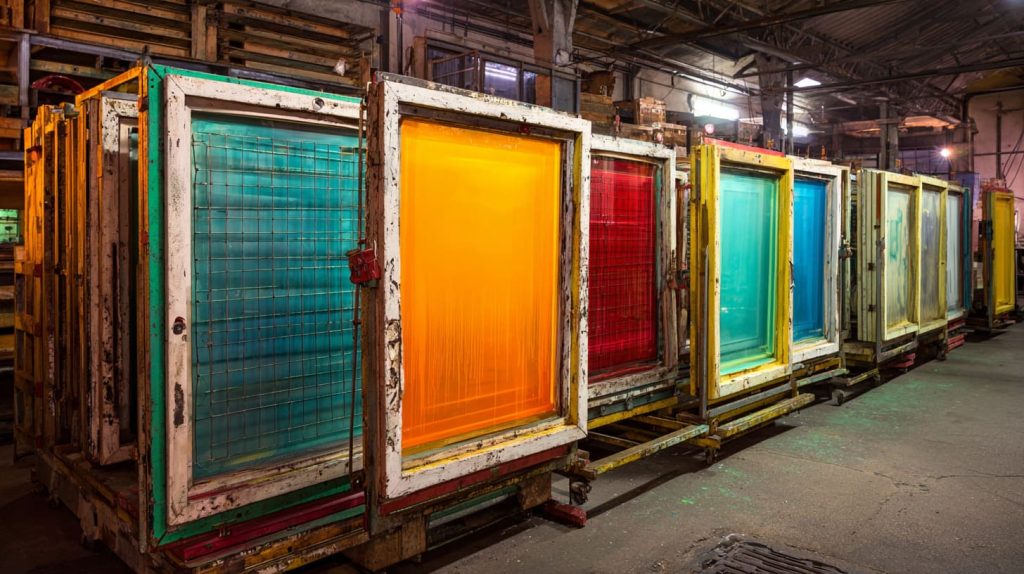
Setup is where screen printing quietly becomes expensive.
I have seen projects where setup cost was higher than the total ink cost. That surprises new buyers.
If a design has four colors, I immediately slow down and calculate screen cost before I even look at per-unit pricing.
Screen Creation and Film Output
Each color needs:
- Film output
- Screen exposure
- Drying
- Testing
| Element | Impact |
|---|---|
| Artwork separation | Design time increases |
| Film production | Extra cost per color |
| Screen charge | Charged per color |
A 4-color logo means 4 screens. That means 4 exposures. That means 4 alignment risks.
UV printing does not care about color count.
Multi-Color Complexity
More colors mean:
- More registration checks
- More rejection risk
- More labor time
I once handled a cosmetic display with five Pantone colors. The design looked simple on screen. On production day, alignment became painful. Scrap rate went up. That erased the price advantage quickly.
Reorder and Design Change Costs
Here is the hidden trap.
If the client changes a small detail, even one letter, we may need:
- New film
- New screen
- New test run
Screen storage also costs money and space. If screens deform, we redo them.
UV printing avoids that.
This is where small orders start to hurt.
When Small Order Quantities Make Screen Printing Expensive
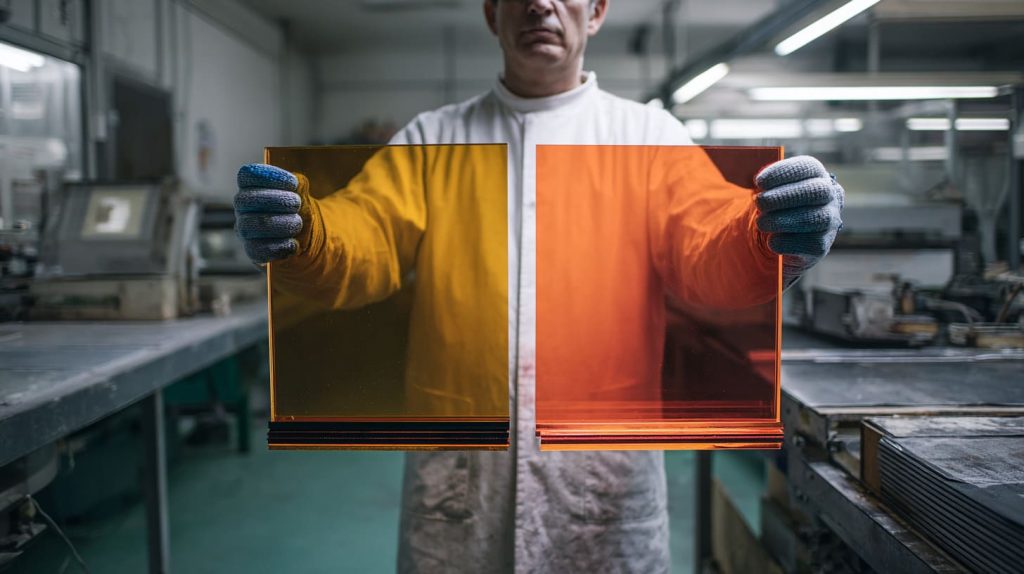
Small batches expose the weakness of screen printing.
I become cautious when I see an order under 500 pieces and more than one color.
Short Runs and Prototyping
Setup cost spreads across fewer units.
| Scenario | Screen Printing | UV Printing |
|---|---|---|
| 200 pcs, 3 colors | High setup impact | Minimal setup |
| 300 pcs, custom logo | Risky | Flexible |
Factories often push MOQ for screen jobs because setup takes time.
SKU Diversification
Modern brands love multiple SKUs.
- Same product
- Different markets
- Different logos
Screen printing treats each variation as a new job. UV treats it as a new file.
This difference becomes dramatic in diversified product lines.
Sampling and Pre-Production
Sampling cycles cost money.
Color adjustments. Approval samples. Re-tests.
Screen printing repeats the setup process.
UV printing simply adjusts the file and prints again.
And then graphics become more complex.
Why Complex Graphics Favor UV Printing Economically
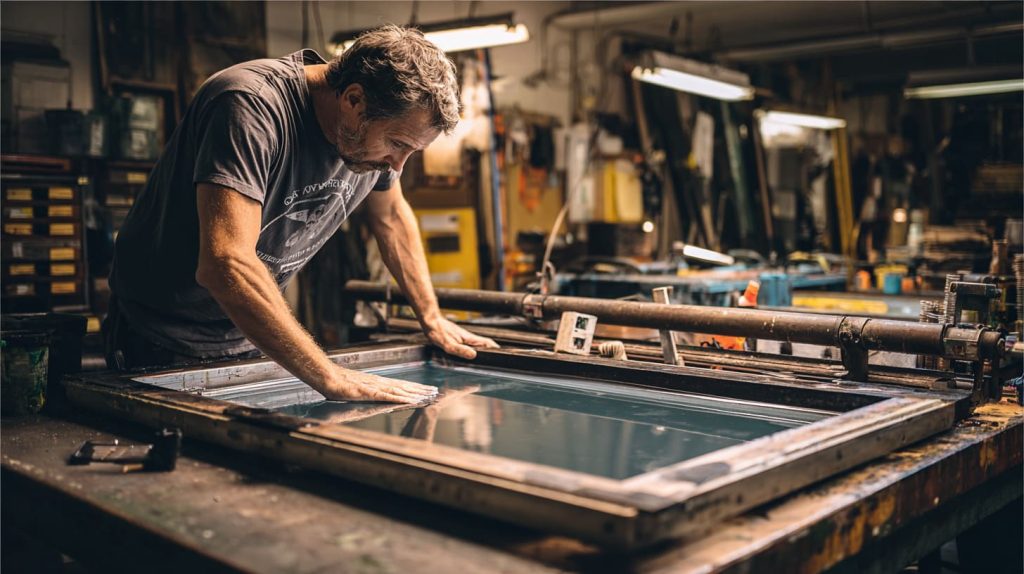
Not all designs are equal.
When I see gradients or photo-level images, I almost automatically lean toward UV.
If a design includes gradient fades or layered white backing, I rarely recommend screen printing anymore.
Gradient and Photo-Level Detail
Screen printing struggles with tonal variation.
UV printing handles:
- Gradients
- Shadows
- Photo textures
Screen printing requires halftone screens, which increase setup complexity.
White Ink Layers and Back Printing
Back printing on clear acrylic often needs:
- White base layer
- Color layer
- Protective layer
In screen printing, that means multiple passes.
In UV, layers stack digitally.
Fine Text and Micro-Details
Fine text under 6pt can cause trouble in screen printing.
Mesh limits resolution. Misalignment becomes visible.
UV printers handle micro-detail better.
And now let’s talk about labor. Because labor decides real cost.
Labor and Time Efficiency: The Hidden Cost Driver
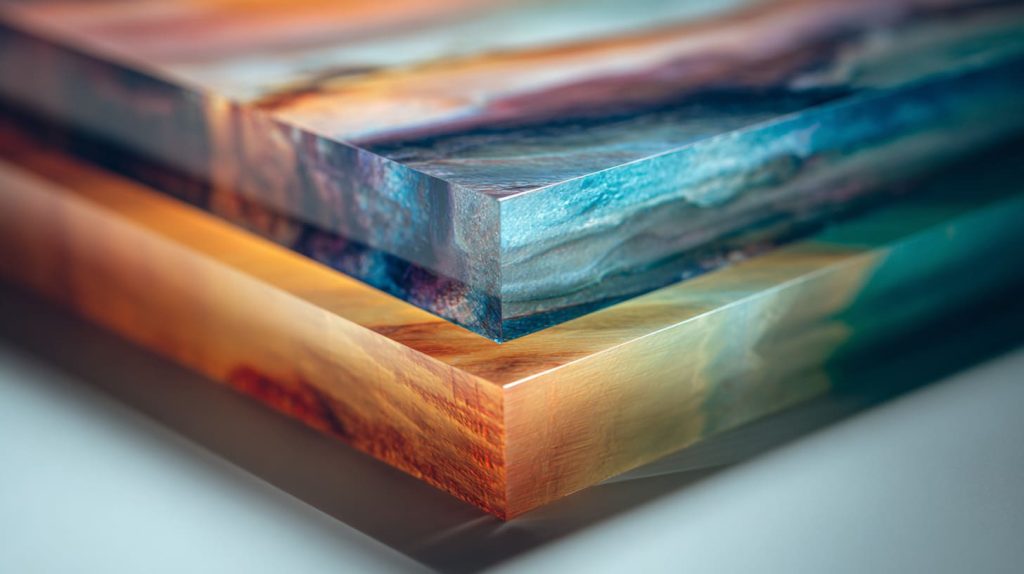
Time equals money. Always.
When I evaluate a factory, I watch how long it takes to switch jobs.
I have learned that production flow tells me more than quoted pricing.
Setup Time Comparison
| Task | Screen Printing | UV Printing |
|---|---|---|
| Mount screen | Required | No |
| Alignment | Manual | Digital |
| Test runs | Multiple | Few |
Screen setup can take hours.
UV setup often takes minutes.
Production Speed Per Batch
Screen printing is fast once running.
But changeover time is heavy.
UV printing handles small batches with fast switching.
Skilled Labor Dependency
Screen printing depends on operator skill.
- Alignment accuracy
- Pressure control
- Ink thickness control
UV reduces human variation.
When labor cost rises, screen printing becomes less attractive.
Now think beyond printing. Think about storage.
Inventory, Storage, and Operational Overhead
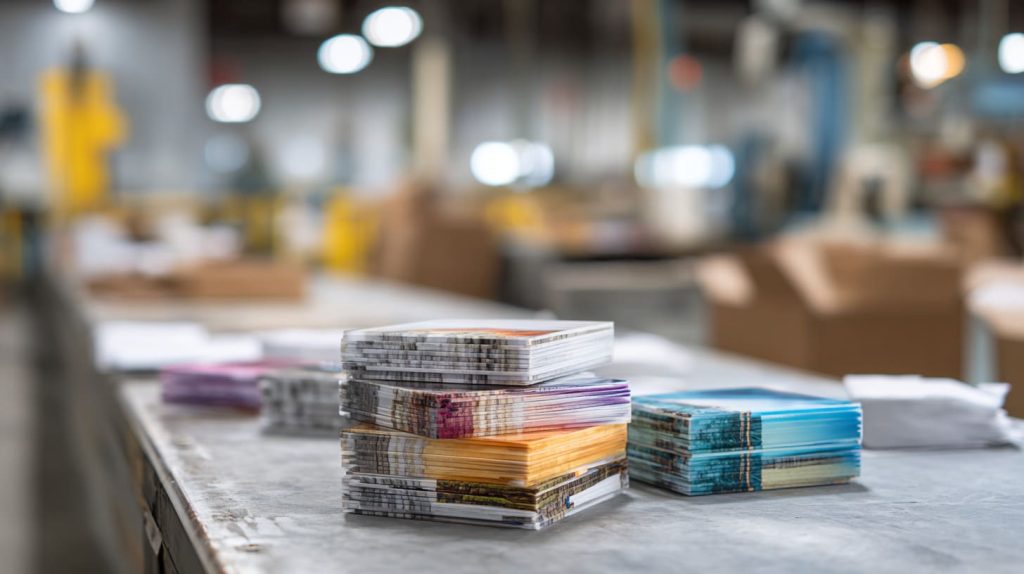
Factories are not just machines. They are systems.
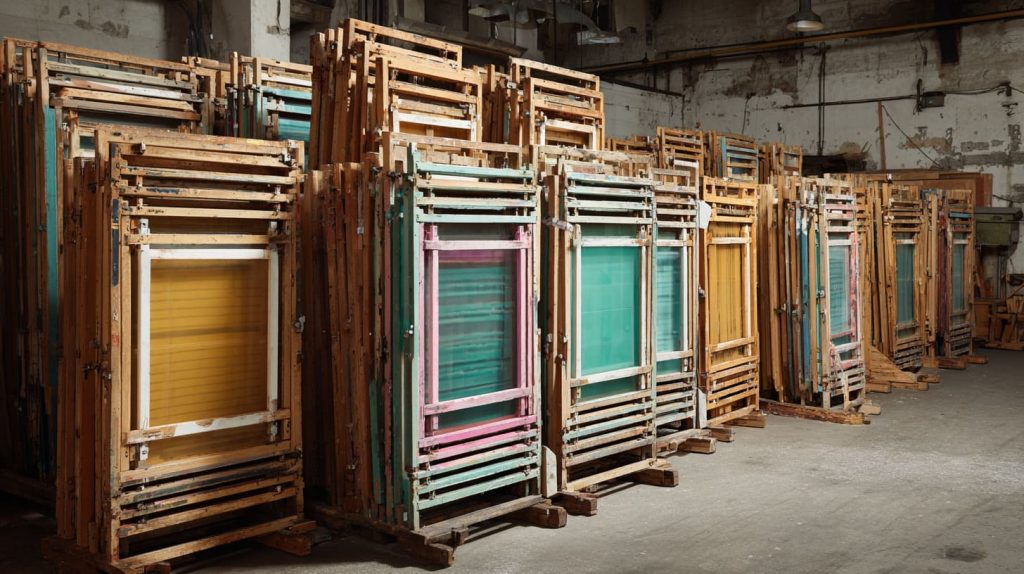
I once walked through a workshop and saw dozens of screens stored vertically. Dust everywhere. I knew quality risk was hiding there.
Whenever I see too many physical screens in storage, I immediately think about long-term maintenance cost.
Screen Storage and Management
Screens need:
- Space
- Protection
- Labeling
If screens warp, we remake them.
Environmental Control Needs
Humidity affects screens.
Dust affects ink adhesion.
UV printing requires less physical storage infrastructure.
Workflow Flexibility
| Factor | Screen | UV |
|---|---|---|
| Job switching | Slow | Fast |
| Customization | Limited | Easy |
| On-demand production | Hard | Easy |
Operational overhead often cancels screen cost advantage in modern flexible production environments.
But cost is not only setup and labor. Risk matters too.
Quality Risk and Rework Costs
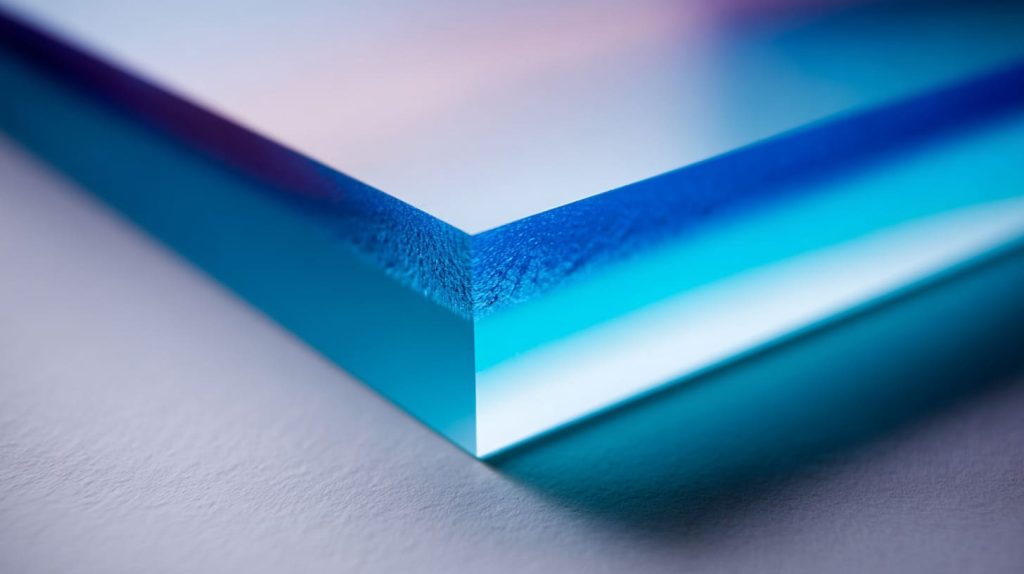
This is where many buyers lose money.
One alignment error across 1,000 pieces destroys margin.
If I see tight color registration tolerance, I assume scrap risk will rise before production even starts.
Registration Errors
Multi-layer designs increase misalignment risk.
Even 0.3mm shift can ruin high-end displays.
Ink Adhesion Variability
Surface cleaning is critical.
Poor prep leads to peeling. That leads to claims.
Consistency Across Batches
Screen printing can shift over long runs.
UV maintains digital consistency.
Rework costs are silent killers.
Still, screen printing is not useless.
Break-Even Analysis: When Does Screen Printing Still Win?
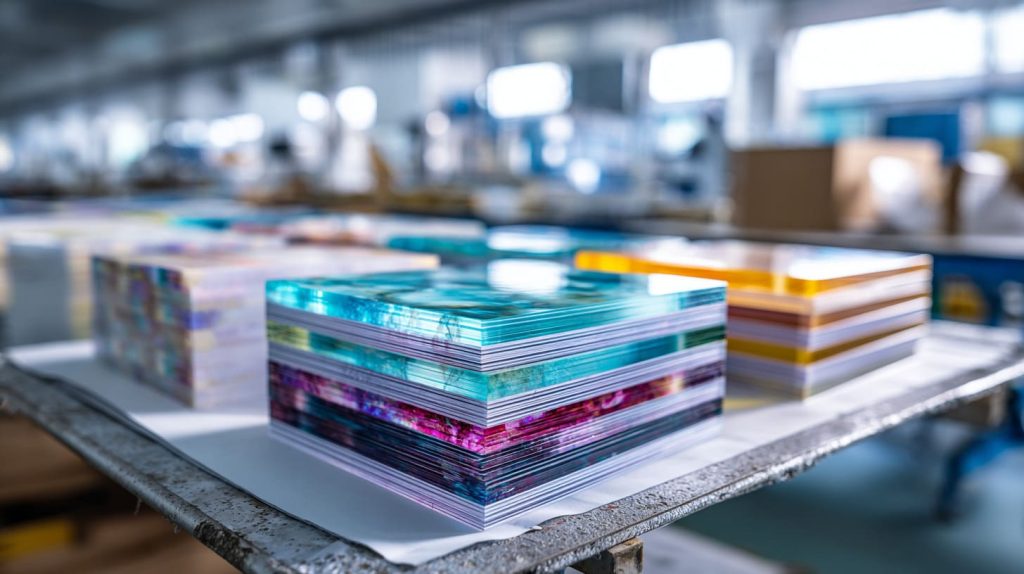
I do not reject screen printing. I just use it carefully.
When I see a simple solid logo and 10,000 pieces, I slow down and re-evaluate UV.
High-Volume Single-Color Jobs
| Case | Best Choice |
|---|---|
| 20,000 pcs, 1 color | Screen |
| 500 pcs, 3 colors | UV |
Volume spreads setup cost.
Thick Ink Layer Requirements
Screen printing creates thick ink layers.
Tactile effect. Strong opacity.
UV ink is thinner.
Long-Term Repeat Orders
If screens are reused many times, cost amortizes.
But this requires design stability.
And that brings us to decision logic.
Strategic Decision Framework for Buyers
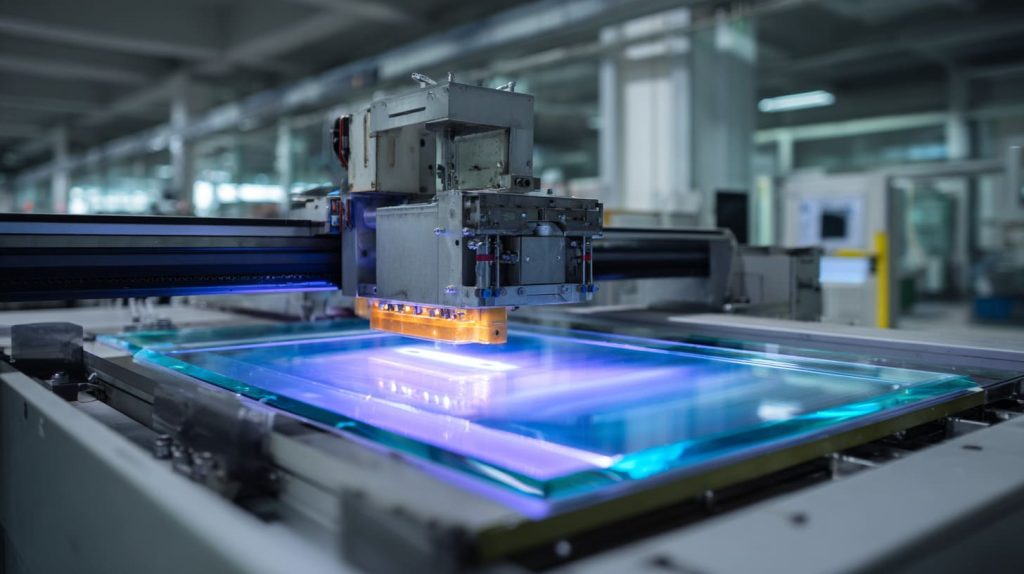
Decision should not be emotional. It should be structured.
Before I confirm a method, I write down four questions on paper.
Key Questions to Ask
- How many pieces?
- How many colors?
- Will the design change soon?
- Is speed critical?
Cost Comparison Matrix
| Factor | Screen | UV |
|---|---|---|
| Setup Cost | High | Low |
| Per-Unit Cost (Large Volume) | Low | Stable |
| Design Flexibility | Low | High |
| Risk Exposure | Medium | Low |
Long-Term vs Short-Term Thinking
Short-term unit price can mislead.
Long-term flexibility protects margin.
If a brand plans to expand SKUs, UV often wins.
Conclusion
I do not believe in automatic answers anymore.
Screen printing is not always cheaper. UV printing is not always better.
I reached this view after watching too many projects struggle because someone only looked at unit cost. I focus on total cost now—setup, flexibility, scrap, future changes.
I choose screen printing when volume is high, colors are simple, and design will not change.
I choose UV printing when orders are small, graphics are complex, or branding evolves often.
I think like this because I build long-term partnerships. I protect margin before it disappears. I prefer fewer surprises.
If you are reviewing your next acrylic project, slow down and calculate the hidden costs. If you want, send me your design and quantity. I will help you break it down honestly.
That is how I work. And that is why I think this way.