Skip to content

A clear panel can look harmless on a drawing.
But the moment someone writes the word “security” next to it, the conversation changes. Designers stop thinking only about appearance. They start thinking about what happens when something goes wrong.
I notice this shift often when I review project drawings from buyers like Jacky. He usually focuses on clean lines, sharp edges, and perfect transparency. But when the panel sits in a public area, near machinery, or in a storefront window, the question becomes different:
What happens when the panel is hit?
Not a gentle touch. A real hit. A dropped tool. A thrown object. Maybe even someone trying to force their way through.
At that moment, the material choice becomes less about beauty and more about behavior under stress.
That is where polycarbonate sheets start to appear in the discussion. Engineers and designers know them as one of the toughest transparent plastics available. They allow visibility, but they also provide a level of protection that normal plastics or glass often cannot match.
I have seen this material used in places where designers want two things at the same time:
- clear visibility
- real physical protection
In this article, I will walk through how polycarbonate sheets improve security, where they are used, and how designers usually choose the right sheet type for their projects.
But before we talk about protection and security systems, it helps to understand something more basic.What exactly is a polycarbonate sheet?
What Is Cast Acrylic?
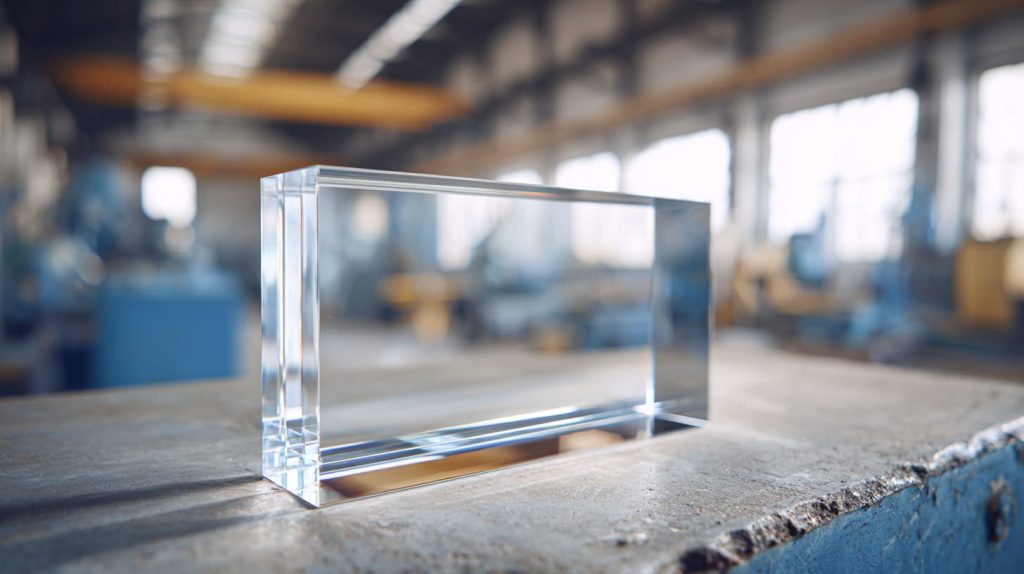
When I say “cast acrylic,” I am talking about a sheet made in a slower, more “set and cure” kind of process. It tends to feel more stable when you machine it, and it often looks more premium when you finish it.
How cast acrylic is manufactured
Cast acrylic is usually made like this:
- Liquid MMA (methyl methacrylate) is poured between two glass plates
- It polymerizes and forms a solid sheet
- The sheet is then cut into standard sizes and thicknesses
If you like simple mental pictures: cast acrylic is “poured and cured.”
That slower process is one reason many sign makers trust it for long-term outdoor work.
Typical characteristics of cast acrylic
Here is what I usually see in real production and fabrication:
- Higher molecular weight (in simple terms: the plastic chains tend to be “bigger”)
- Great optical clarity, especially in thicker sheets
- Stronger chemical resistance in many common shop and cleaning situations
- Often better engraving and edge appearance
Common applications of cast acrylic
Cast acrylic shows up a lot in:
- Outdoor signage that needs a longer life
- Premium display parts where clarity matters
- Architectural panels
- Laser engraving work where details must look crisp
Quick “shop-floor” comparison table
| Feature | Cast Acrylic (Typical) | Why it matters for signs |
|---|---|---|
| Sheet feel | More rigid/stable | Less surprise during machining |
| Edge finish | Often cleaner | Better “premium” look |
| Engraving | Often clearer | Sharp logo edges and depth |
| Chemical resistance | Often stronger | Cleaning and environment exposure |
Now, here is the interesting part: cast is not always the “best” for every project. It is often better for outdoor life, but not always better for speed, cost, or thickness tolerance.
And that brings us to its more “factory-style” cousin.
If cast acrylic feels like a slow-cooked meal, extruded acrylic feels like fast, consistent production—great for many jobs, but not always for the harsh outdoors.
What Is Extruded Acrylic?
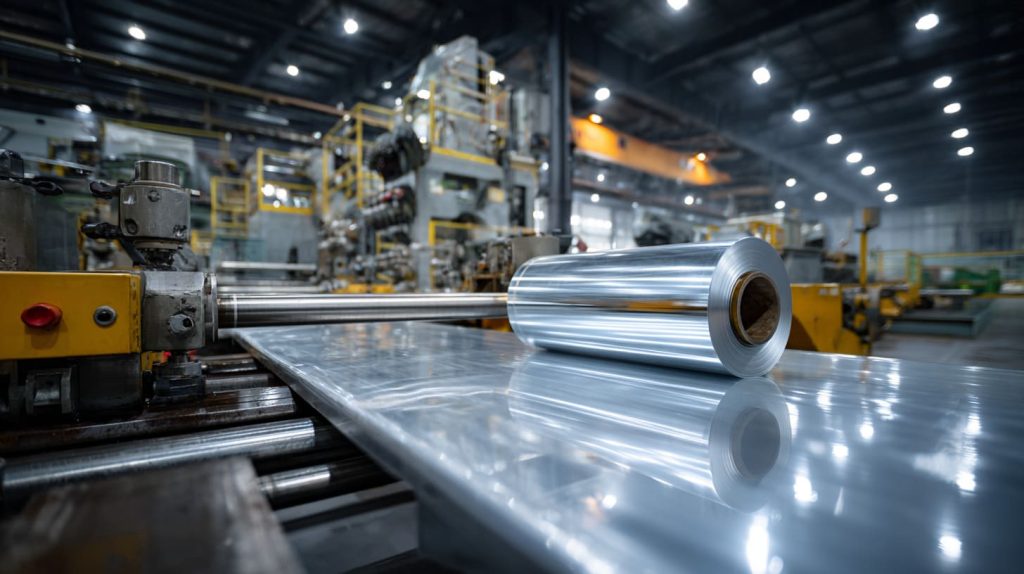
Extruded acrylic is the sheet you see in a lot of high-volume projects. It is common. It is usually cheaper. And it is often very consistent in thickness.
How extruded acrylic is produced
Extruded acrylic is made like this:
- Acrylic pellets are melted
- The melted acrylic is pushed through a die
- The sheet comes out in a continuous line, then gets cooled and cut
Simple picture: extruded acrylic is “melted and pushed.”
This is one reason it tends to have tighter thickness control.
Key characteristics of extruded acrylic
In daily production, I often describe extruded acrylic like this:
- More uniform thickness
- Lower molecular weight (again, simple terms: smaller plastic chains)
- Easier thermoforming for some bending and shaping jobs
- Can be more sensitive to heat in cutting and machining
Typical applications of extruded acrylic
Extruded acrylic is often used for:
- Budget signage
- Light diffusers and covers
- Protective panels
- Mass-produced acrylic parts where consistency is key
Where extruded shines (and where it can bite)
| Situation | Extruded Acrylic | Risk to watch |
|---|---|---|
| Tight thickness requirement | Great choice | Confirm supplier tolerance |
| Fast, cost-driven job | Great choice | Outdoor lifespan may be shorter |
| Heat-heavy machining | Can be tricky | Melting, gumming, edge stress |
| Simple cut panels | Very common | Verify UV needs if outdoors |
Here is the critical thinking point I always share with buyers: a lower price is not “cheap.”
It is only cheap if it does not create a second cost later—replacement, re-installation, or brand damage.
And once you see how both are made, the “why” behind the differences becomes much easier to understand.
So let’s stop using labels like “premium” and “budget” and look at what actually changes inside the material.
Cast vs Extruded Acrylic: Key Material Differences
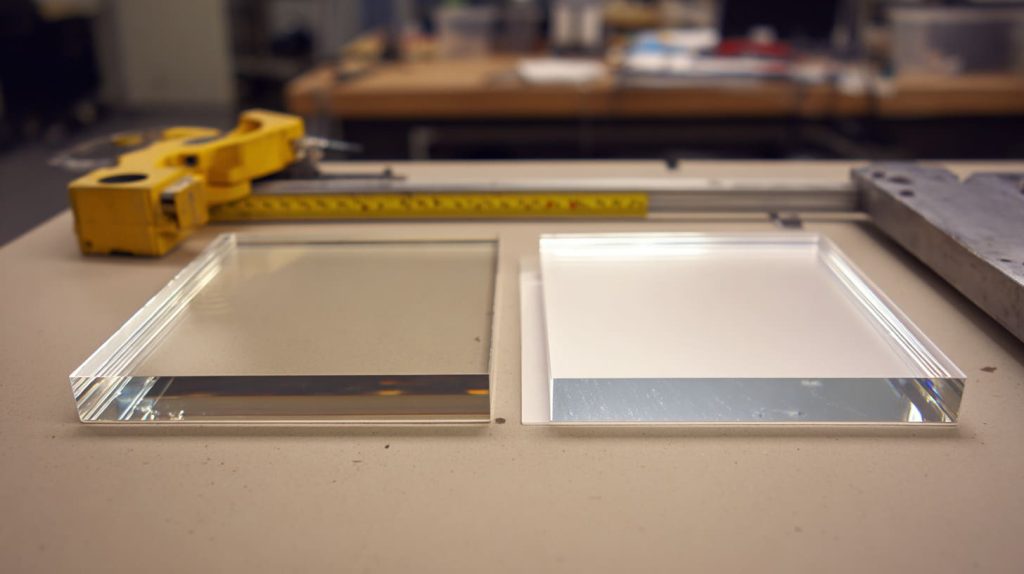
When buyers ask me, “Which one is better?” I usually answer with another question:
Better for what—outdoor life, cost, fabrication, or consistency?
Because the differences are real, and they show up in predictable ways.
Manufacturing process comparison
- Cast: batch process, poured between glass plates
- Extruded: continuous process, melted and pushed through a die
Impact on sheet consistency:
Extruded often wins on thickness uniformity. Cast can vary a bit more, especially across big sheets.
Molecular structure differences
This part sounds technical, but the effect is easy to feel.
- Cast usually has higher molecular weight
- Extruded usually has lower molecular weight
What that can mean in practice:
- Cast can handle machining and finishing with fewer “soft” edges
- Extruded can soften faster under heat and may show stress faster in some conditions
Surface hardness comparison
- Cast acrylic tends to be harder
- Extruded acrylic can feel a bit softer
That difference shows up when:
- You polish edges and want them to look “deep” and clean
- You worry about surface marks during handling and installation
Dimensional tolerance differences
- Extruded acrylic often has tighter thickness tolerance
- Cast acrylic can vary more, depending on supplier and thickness
Practical comparison table
| Topic | Cast Acrylic | Extruded Acrylic |
|---|---|---|
| Thickness tolerance | Often looser | Often tighter |
| Machining feel | More stable | Can melt/gum easier |
| Edge polish | Often looks richer | Can look softer if overheated |
| Stress sensitivity | Often better | Can be more sensitive |
| Typical cost | Higher | Lower |
A quick reality check: none of this matters if the sign design is weak.
Bad mounting, poor drainage, wrong ink system, and zero maintenance planning can ruin both types.
That said, outdoors is not gentle. Sun and heat are patient. They work every day. So the next question is the one Jacky really cares about:
Which sheet will still look confident after years outside?
Which Acrylic Performs Better Outdoors?
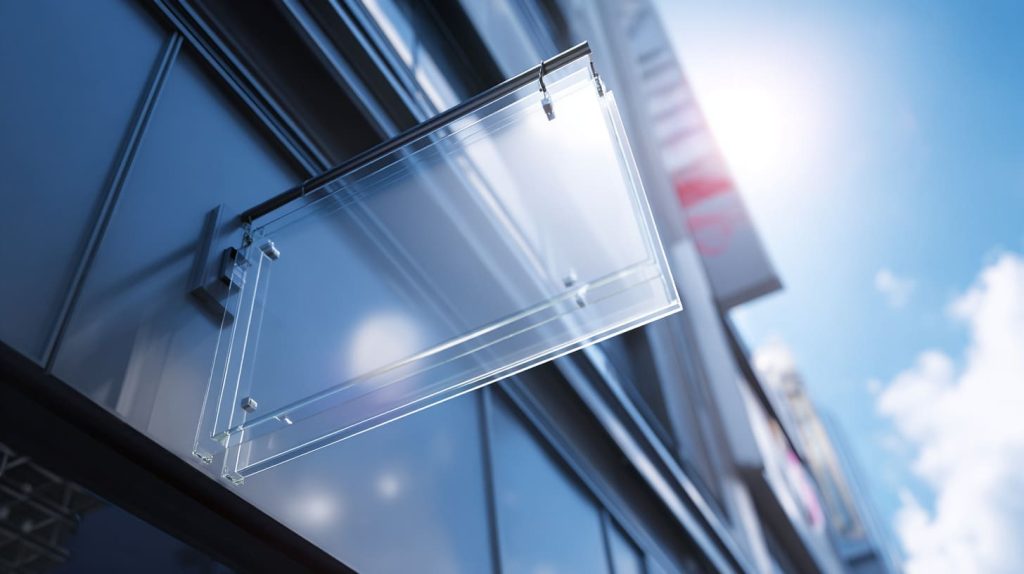
Outdoor performance is where the difference starts to feel more “real money” than “spec sheet.”
I have seen outdoor signs that looked perfect on day one, and then slowly lost their energy. Not broken. Not cracked in half. Just… not proud anymore. And that is a painful thing for a brand.
UV resistance comparison
In many outdoor sign projects, cast acrylic is chosen for better long-term UV stability.
But I also keep one critical thought in mind:
UV resistance is not only “cast vs extruded.”
It is also:
- Acrylic grade and supplier consistency
- Colorant and coating choices
- Print method and protective layers
- Location climate (sun angle, heat cycles, pollution)
So yes, cast often performs better. But the system still matters.
Weather resistance
Outdoor signs get hit with:
- Hot sun in the day
- Cooler temperatures at night
- Moisture, rain, and sometimes salt air
- Dust and cleaning chemicals
Those cycles create stress over time. If the material is more sensitive to stress and heat, it may show issues earlier.
Color stability and yellowing
Here is a simple way I explain it to buyers:
- Yellowing is like a slow filter over your brand
- It does not ruin the sign in one day
- It slowly changes the “feeling” of the sign
If the sign is clear acrylic with printing behind it, yellowing and haze can make colors look dull. That matters more than most people expect.
Outdoor lifespan expectations
Outdoor lifespan depends on design and exposure, but buyers often want a rough expectation.
Typical expectations table (real-world planning)
| Use case | Typical expectation | Notes |
|---|---|---|
| High sun + heat exposure | Shorter lifespan | Material and protection matter more |
| Moderate climate, good design | Longer lifespan | Better drainage and mounting helps |
| Premium brand signage | Longer target life | Replacement cost is high, so spec matters |
| Temporary promo signage | Short target life | Extruded may be enough |
I do not like giving “one number” because climate and design change everything. But I can say this:
if the sign must look premium for years, buyers usually sleep better with cast acrylic.
And once you decide on outdoor performance, you still have to make the sheet behave in the workshop.
Because a sheet that lasts five years is still a bad choice if it melts during cutting, chips on CNC, and wastes your labor.
Fabrication Differences: Cutting, Polishing, and Engraving
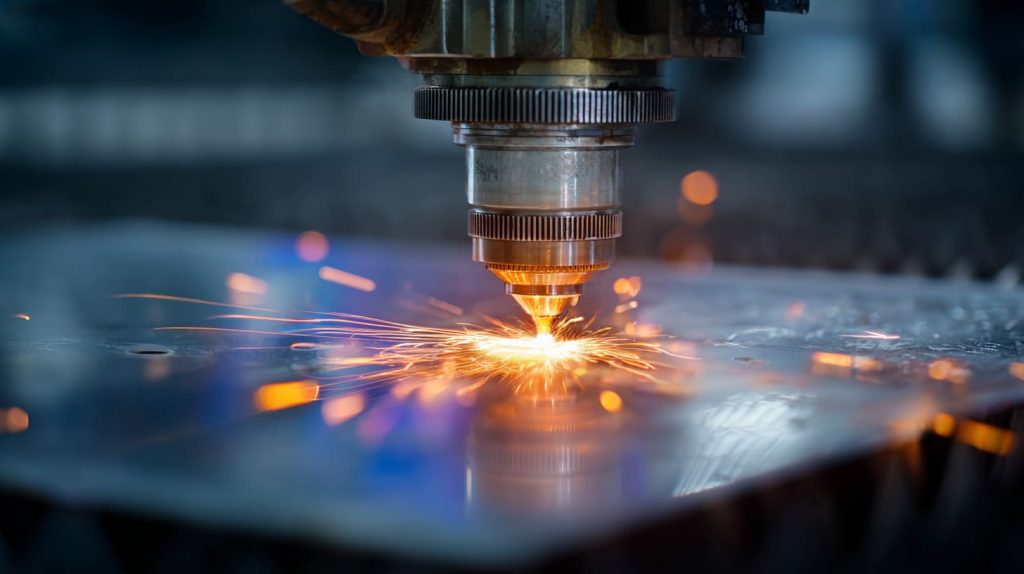
This is where many buyers get surprised. They think material choice is only about outdoor life. Then the fabricator calls and says, “This sheet is melting,” or “The edges look rough,” or “Bonding is not clean.”
Laser cutting performance
Laser cutting is common for signage.
What I often see:
- Cast acrylic tends to give a cleaner, clearer edge
- Extruded acrylic can be more likely to show a slightly “softer” edge if settings are not perfect
That does not mean extruded cannot cut well. It means it is often less forgiving if speed, power, or focus is off.
Laser cutting behavior table
| Item | Cast Acrylic | Extruded Acrylic |
|---|---|---|
| Edge clarity | Often higher | Can be good, but sensitive |
| Risk of melting look | Lower | Higher if settings are off |
| Smell/fume behavior | Normal | Normal |
| Best for engraved details | Often better | Can be acceptable |
CNC machining results
CNC is where heat and chip behavior become a daily fight.
- Cast often produces cleaner chips
- Extruded can produce gummy chips if feed/speed is wrong
If the cutter heats the edge too much, extruded acrylic may show stress signs faster.
Engraving quality
If you need engraving—logos, text, or depth effects—cast acrylic is often preferred.
Why?
- It can hold detail more cleanly
- It tends to look clearer in engraved areas
- It is often more stable during the process
Bonding and gluing performance
Solvent bonding is common in acrylic assembly.
Here is the uncomfortable truth:
solvent bonding can look perfect in a sample and fail later if stress is trapped.
Cast and extruded can behave differently in bonding:
- Extruded can sometimes show stress faster after bonding if conditions are not controlled
- Cast is often more forgiving, but good bonding practice still matters
Bonding risk checklist
- Are the cut edges clean and not overheated?
- Is the joint design strong, not only pretty?
- Is there trapped stress from machining?
- Is the solvent appropriate and applied correctly?
- Is curing time respected?
This is where critical thinking helps:
If the shop is rushed, the “cheaper” material can become the expensive one.
Now we reach the point where many buyers start doing the math.
Because the next question is not “Which is better?” It is “Which is worth the extra cost for this project?”
Cost Differences Between Cast and Extruded Acrylic
I have seen buyers focus on sheet price like it is the whole budget. It is not.
For outdoor signs, the sheet is only one part. The bigger costs are often:
- Fabrication labor
- Printing and finishing
- Packaging and shipping
- Installation
- Maintenance or replacement later
So cost is not just “cheaper vs more expensive.” It is total project cost.
Production cost factors
- Cast is slower and batch-based
- Extruded is continuous and high-volume
That is a big reason why extruded is usually cheaper.
Market pricing differences
In many markets, you will see:
- Cast acrylic priced higher
- Extruded acrylic priced lower
But pricing also changes with:
- Thickness
- Sheet size
- Brand grade
- Certifications and quality control level
Cost vs performance trade-off
Here is how I usually frame it for buyers like Jacky:
- If the sign is a long-term brand asset, paying more can reduce risk
- If the sign is short-term or low exposure, saving money can be smart
The mistake is paying less while still expecting premium life.
Cost considerations for bulk signage projects
For large installations, small differences become big numbers.
Budget planning table (simple but useful)
| Cost item | Why it matters | Cast vs Extruded impact |
|---|---|---|
| Material cost | Obvious | Cast usually higher |
| Fabrication scrap | Hidden cost | Extruded can be less forgiving |
| Rework time | Real labor cost | Depends on shop and design |
| Installation | Expensive | Same for both, so choose wisely |
| Replacement risk | Biggest long-term cost | Cast often lowers risk |
My personal rule:
If replacement is hard or embarrassing, I lean toward cast.
If replacement is easy and expected, extruded can make sense.
And that leads to the decision section—the part buyers actually want.
So let me make this practical: when should you pick cast, and when is extruded “good enough”?
Which Acrylic Is Better for Outdoor Signs?
If you are hoping for a single “winner,” I will disappoint you.
But I will give you something better: clear selection logic.
When cast acrylic is the better choice
I usually recommend cast acrylic when:
- The sign must last many years outdoors
- The brand image is premium and must look “new” longer
- The sign needs engraving (especially deep or detailed work)
- The project has harsh sun, heat, or temperature cycling
- The fabricator wants cleaner edges with fewer surprises
Critical thought:
If the sign is meant to build trust, then the material should support that job. A sign is not only a panel. It is a public promise.
When extruded acrylic may be sufficient
Extruded acrylic can be a smart choice when:
- The signage is short-term
- The budget is tight and replacement is acceptable
- The sign is semi-outdoor (covered area, less direct sun)
- The parts are simple cut shapes with less machining risk
- Thickness consistency is a top priority
Critical thought:
If the sign is temporary, over-spec can waste money. Sometimes “good enough” is the correct business decision.
Practical selection guidelines
Here is the quick guide I often give buyers:
Selection table (fast decision)
| Question | If “Yes” | Better fit |
|---|---|---|
| Must look premium for years? | Yes | Cast |
| Harsh sun/heat exposure? | Yes | Cast |
| Need tight thickness tolerance? | Yes | Extruded |
| Short-term promo sign? | Yes | Extruded |
| Heavy engraving or detailed edges? | Yes | Cast |
| Covered outdoor area? | Yes | Either (confirm system) |
And I always add one more line:
If you are unsure, request samples and test the process you will actually use. Not “lab perfect.” Real cutting, real printing, real bonding.
Now, even the best material choice can fail if buying decisions are sloppy.
So before you send a PO, let me share the questions I wish every buyer asked upfront.
Practical Buying Tips for Acrylic Sign Projects
This is where I see experienced buyers separate themselves from the crowd.
They do not only ask for price. They ask for risk control.
Questions buyers should ask suppliers
Here are the questions I like because they force clarity:
- What grade of acrylic is this (cast or extruded, and which standard)?
- Is there any UV stabilization detail available?
- What is the sheet origin (brand, batch tracking, consistency)?
- Can you provide a material datasheet or basic specs?
- What are the tolerance ranges for thickness and flatness?
Supplier question table (copy-paste friendly)
| Question | Why I ask it | What a good answer looks like |
|---|---|---|
| Cast or extruded confirmed? | Avoid mix-ups | Clear confirmation + spec |
| UV stability info? | Outdoor lifespan | Data or clear guidance |
| Thickness tolerance? | Fit and assembly | Numbers, not “about” |
| Sheet source? | Consistency | Traceable supplier info |
| Fabrication advice? | Reduce scrap | Settings or best practice tips |
Thickness selection for outdoor signs
Thickness is not only about “strong.” It is also about:
- Wind load
- Mounting span
- Frame design
- Thermal movement
I often see buyers pick thickness based on habit. That can be risky.
Simple thickness planning notes
- Thin sheets can warp easier if unsupported
- Thick sheets cost more, but can feel premium and stable
- If the sign is large, structure matters more than thickness
If you want a simple approach: match thickness to the sign size and mounting style, then validate with a small stress check and prototype.
Surface protection and finishing
Outdoor signs usually need more than “just acrylic.”
Think about the full system:
- UV printing vs screen printing
- Protective coatings (when needed)
- Cleaning method (what chemicals will touch it?)
- Edge finishing and sealing
- Mounting that avoids trapped water
Critical thought:
Most outdoor failures are not one single cause. They are small choices stacking up.
Working with custom acrylic manufacturers
Since Feilong Acrylic is custom-only, I think like a factory partner, not a catalog seller. When I work with buyers, I find these steps make projects smoother:
- Confirm drawing, tolerances, and application first
- Align on fabrication method (laser, CNC, bending, bonding)
- Confirm surface finish and edge standard
- Build a sample that matches real use
- Lock the spec before mass production
OEM-style checklist
- [ ] Material type confirmed (cast/extruded)
- [ ] Thickness and tolerance confirmed
- [ ] Outdoor exposure level defined
- [ ] Finishing method confirmed
- [ ] Packaging standard confirmed (scratch protection)
- [ ] Sample approval completed
If you do these steps, you reduce the “surprise emails” later. And nobody enjoys surprise emails.
Now, let’s tie it together in a clean, honest way.
Conclusion
Here is the simplest, most objective summary I can give:
- Cast acrylic is usually the safer pick for long-term outdoor signage. It often machines cleaner, engraves better, and holds a premium look longer.
- Extruded acrylic is usually the smarter pick for cost-driven, high-volume, or short-term signage, especially when tight thickness tolerance matters.
- The real outcome still depends on the whole system: material grade, printing method, finishing, mounting, climate, and how the sign is maintained.
If you are choosing for a real project, I suggest you do one practical thing before you commit: tell your supplier the expected service life and exposure, then ask them to recommend the sheet and finishing as a system.
If you want, you can send me your sign drawing, size, thickness target, and where it will be installed. I can help you judge whether cast or extruded makes more sense, and what small spec details can protect the sign’s look for the long run.