Skip to content
Cardboard display boxes are one of the unsung heroes of the retail world. Think about it: they’re everywhere, yet we often don’t give them a second thought. But if you’re in retail, or even in the business of crafting products for display, you know just how important they are. These boxes are more than just packaging—they’re tools that shape how products are seen, how they catch the eye of potential buyers, and even how sales are made.
Now, cardboard display boxes come in all shapes and sizes. From the simple countertop displays to massive floor units, each type serves a different purpose. Understanding the options out there is key, especially if you're trying to pick the right box to elevate your product. That’s what we’re diving into today.

Types of Cardboard Display Boxes
So, what types of cardboard display boxes are we talking about? Here’s a breakdown of the most popular kinds, along with when and how to use them. I’ll also share some insights along the way based on my experience working with custom designs for retail clients.
1. Countertop Display Boxes
Compact and efficient, countertop display boxes are exactly what they sound like: small, attention-grabbing displays designed to sit right on store counters. These boxes are perfect for products you want customers to notice while they’re waiting in line or browsing casually—think candies, small gadgets, or impulse-buy items.
When I first started working in the acrylic display business, I quickly realized that placement really is everything. I mean, how often have you made a spontaneous purchase just because something was within arm’s reach while you were standing in line? Countertop boxes leverage that impulse. They’re placed in the high-traffic areas where people pause—right at checkout counters, for instance—making them a great way to boost sales without needing to go big.

2. Floor Display Boxes
Now, if countertop boxes are great for small items, floor display boxes are made for the big guns. These are larger units that sit on the retail floor and can hold a variety of products. From clothing and accessories to electronics and bulk items, these boxes have space to feature a wide array of goods, making them perfect for seasonal displays or product launches.
Floor displays are meant to be noticed, and that’s because they’re typically placed where shoppers can’t avoid them. I remember seeing a massive floor display of a new phone model in a retail store once—just the sheer size of it was enough to make you stop and take a look. These types of displays really make a product stand out.
3. Peg Hook Display Boxes
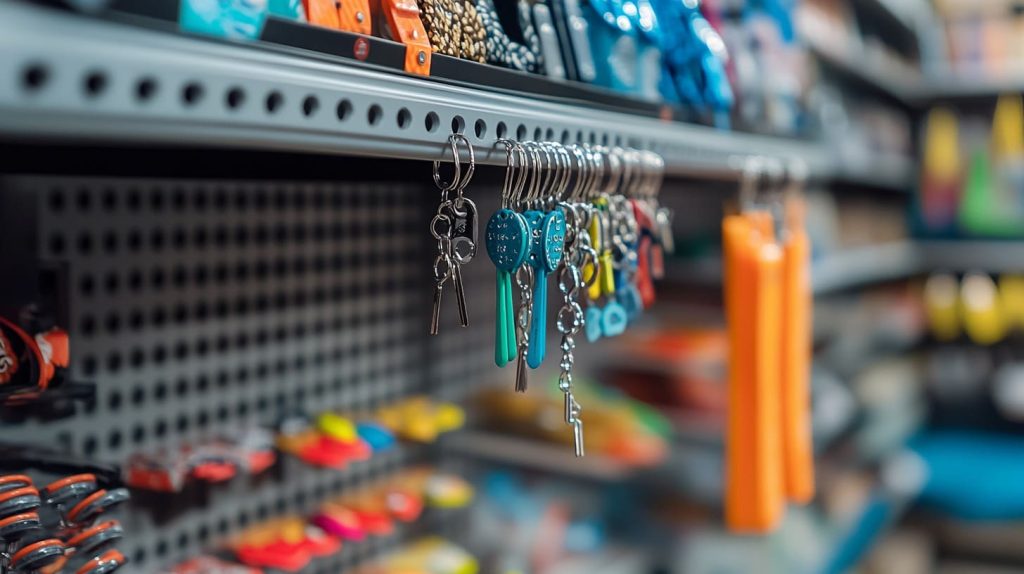
Now, this one’s a bit more specialized. Peg hook display boxes are for lightweight items that can easily hang from a hook. Think keychains, small tools, or packaged snacks. The beauty of these boxes is their simplicity—they don’t take up much space and give the products a chance to ‘hang out’ in plain view.
I always find it interesting how something as simple as hanging a product can make it seem more accessible. The products are literally at eye level, easy to grab, and perfectly displayed for a quick purchase. Peg hook displays are also space-savers, especially in stores with limited shelf space.
4. Dump Bin Display Boxes
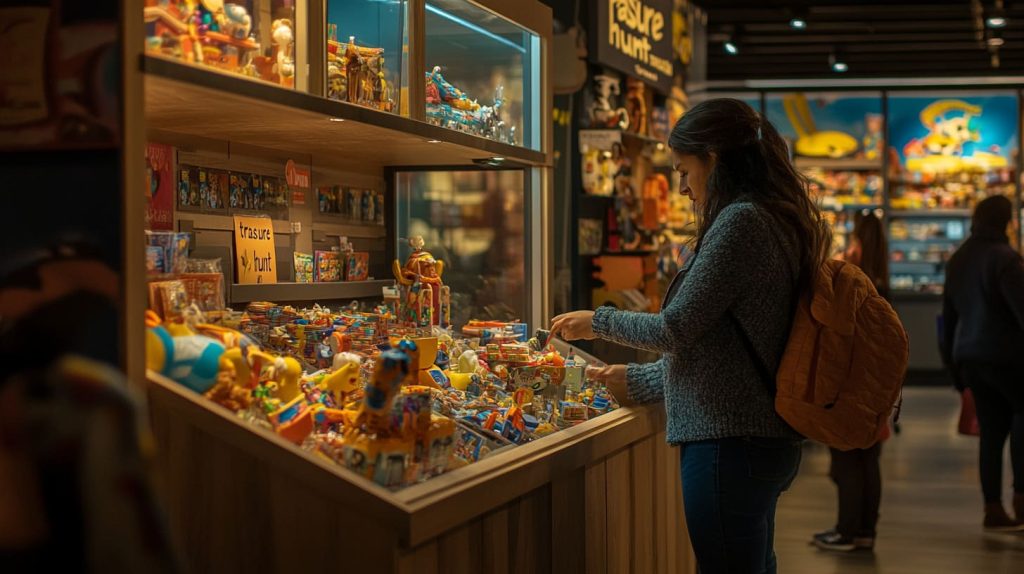
Dump bin display boxes—these are fun. They’re large, open-top boxes meant for bulk items. You know the ones I’m talking about—those bins filled with discounted toys, clearance books, or special promo items. The idea is simple: customers can “dig” through the products and find something that catches their eye.
What’s interesting is that these displays are usually placed in areas where people tend to browse casually, like near the entrance or at the back of the store. The goal is to draw customers in with the idea of ‘treasure hunting.’ It’s a strategy that works wonders for products that people might not have planned to buy but end up grabbing on a whim.
5. Power Wing Displays
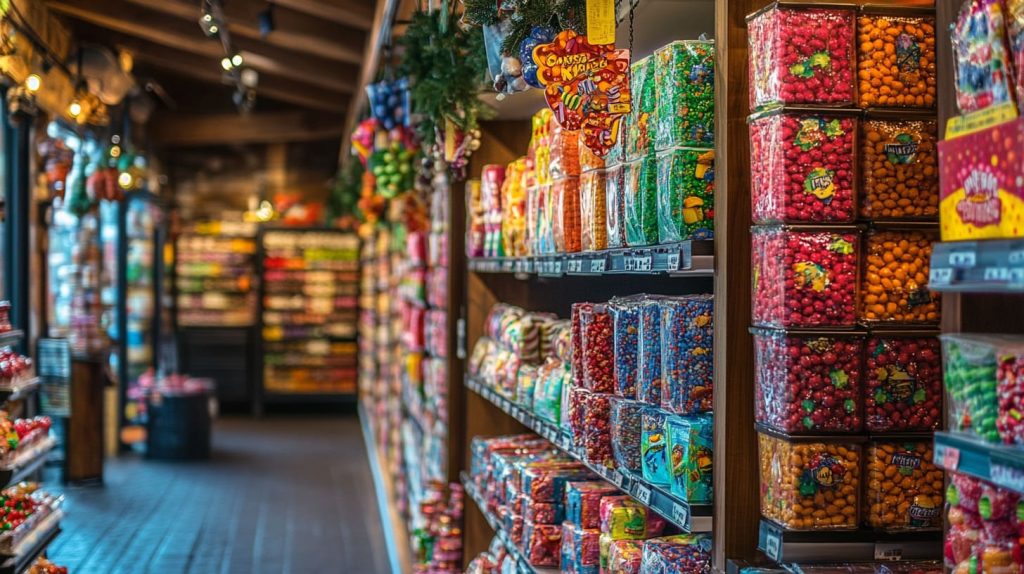
Ever seen a display hanging off the side of a store fixture? That’s a power wing display. These are side-mounted units attached to store shelving or gondolas. Power wings are effective for promoting limited-time offers, seasonal items, or impulse buys—anything you want to highlight without taking up too much space.
One of the best things about power wings is their ability to use existing shelving. It’s an efficient way to leverage the real estate you already have in the store while giving a product a little extra attention.
6. End Cap Displays
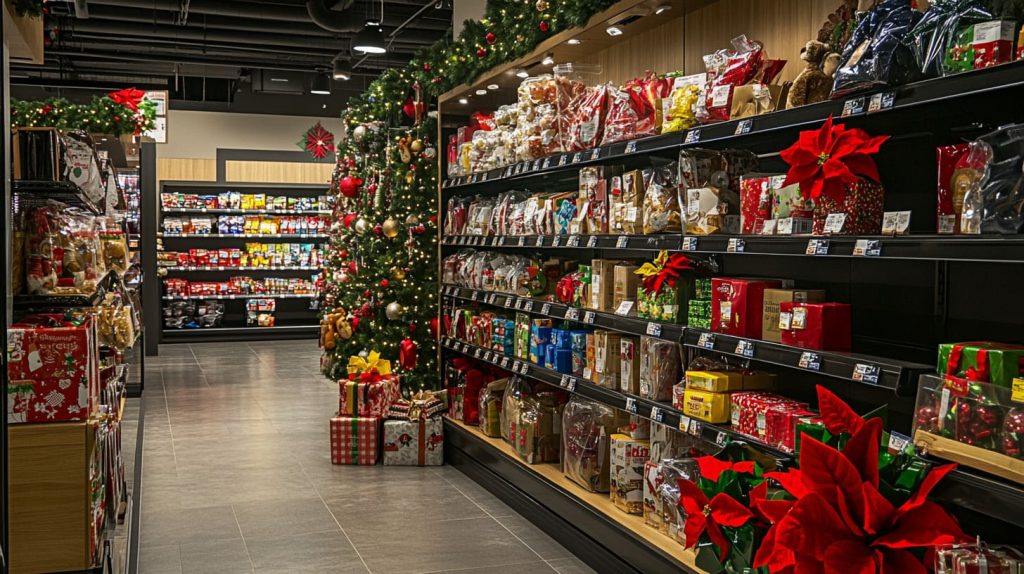
If you’re familiar with retail stores, you know the end caps. These are the displays at the very ends of aisles, strategically placed to catch the eye of anyone walking by. Whether it’s a new product, a sale item, or a seasonal promotion, end cap displays are great for creating a sense of urgency or highlighting something special.
I remember walking into a store during the holiday season and seeing an end cap stacked with gift ideas. It made shopping easier because everything I needed was right there, front and center. The visibility of end cap displays makes them perfect for showcasing featured products that need a little extra attention.
7. Shelf-Ready Packaging (SRP)
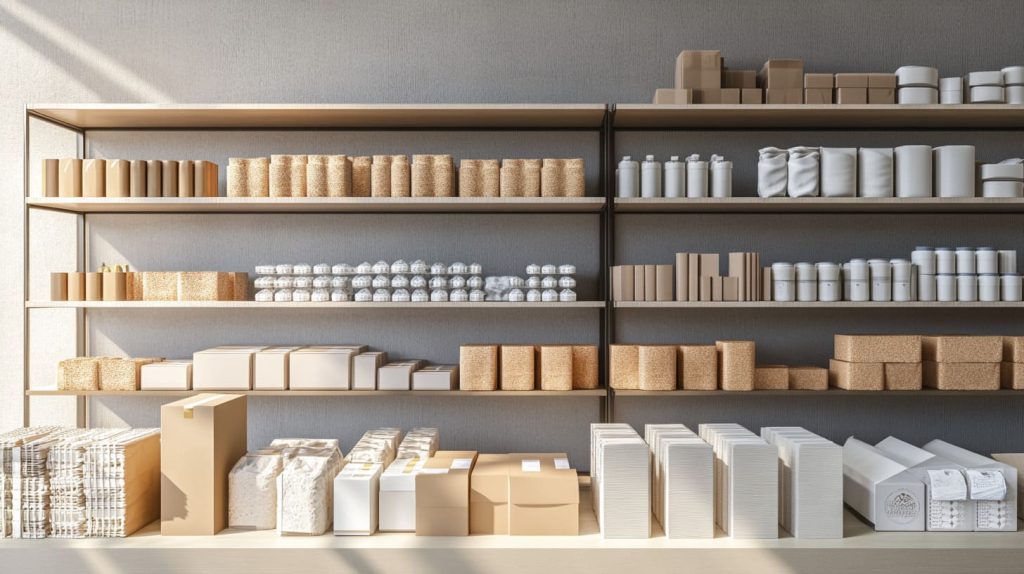
This one's all about convenience. Shelf-ready packaging (SRP) refers to boxes that are designed to be placed directly on store shelves without much fuss. These boxes are often easy to assemble, with perforations for quick opening and minimal setup time.
The beauty of SRP is that it makes restocking easier for the store and presents products in a clean, organized manner. I’ve seen many stores switch to this style because it allows them to stock products efficiently while maintaining a visually appealing display. The best part? It’s easy to grab and go for the customer, too.

Conclusion
When it comes to retail displays, cardboard display boxes are a powerful tool. Whether you're looking for something simple like a countertop display or something more elaborate like a floor unit, each type of display box has its own strengths. By choosing the right one, you can improve product visibility, enhance the shopping experience, and ultimately boost your sales.
Understanding the different types of display boxes and how they can work for your products is essential. So, the next time you're thinking about how to showcase your goods, remember these options—they might just be the key to catching your customers’ attention.