Skip to content

Sometimes, the hardest thing isn't building a great product—it’s showing it off in the right way.
A display board is a flat surface or panel used to present visuals, information, or products in a clear and organized format.
I’ve watched countless clients walk into trade shows, confident in their products… but with nothing to display them on. That’s when the board matters more than the brochure.
What is the purpose of a display board?
It’s not just about “looking nice.” There’s always a goal behind it.
The main purpose of a display board is to organize and highlight information or products for visibility, clarity, and communication.

Why it works
- It gives structure to your message.
- It helps people stop, look, and understand.
- It supports branding—visually and physically.
I once helped a cosmetics brand redesign their store boards. Just moving from paper signs to clear acrylic displays boosted product engagement.
How does a display board work?
At first glance, it’s just a flat surface. But it does more than hold content.
A display board works by drawing visual attention and framing information in a way that’s easy to read or engage with.

It creates a communication channel
Think of it as the translator between your product and your customer. A good board turns “just another item” into something that says, Look at me—here’s what I do.
What are the advantages of display boards in learning?
I’ve visited schools in different cities—some used pinboards, some had acrylic boards with slot-in cards. Guess what stuck in kids’ minds?
Display boards support visual learning, improve engagement, and help organize lessons in a digestible way.
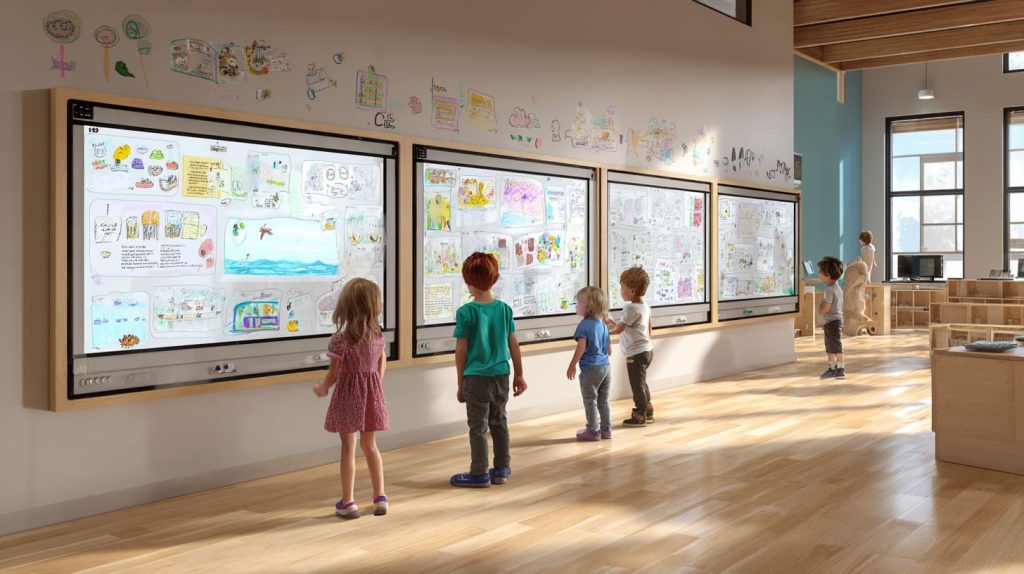
Benefits in classrooms
| Advantage | Why it matters |
|---|---|
| Visual reinforcement | Helps memory retention |
| Engagement boost | Makes content feel less “textbook” |
| Space division | Organizes learning zones |
What is the difference between a blackboard and a display board?
Here’s how I explain it when clients get confused.
A blackboard is for writing or drawing interactively, while a display board is for presenting fixed content.

Blackboards are dynamic—write, erase, repeat. Display boards are static—present, showcase, and support.
What is the best way to clean a display board?
I’ve seen people ruin beautiful boards with harsh sprays. Not fun.
Use a soft cloth with mild soap and water—never alcohol or abrasive cleaners.
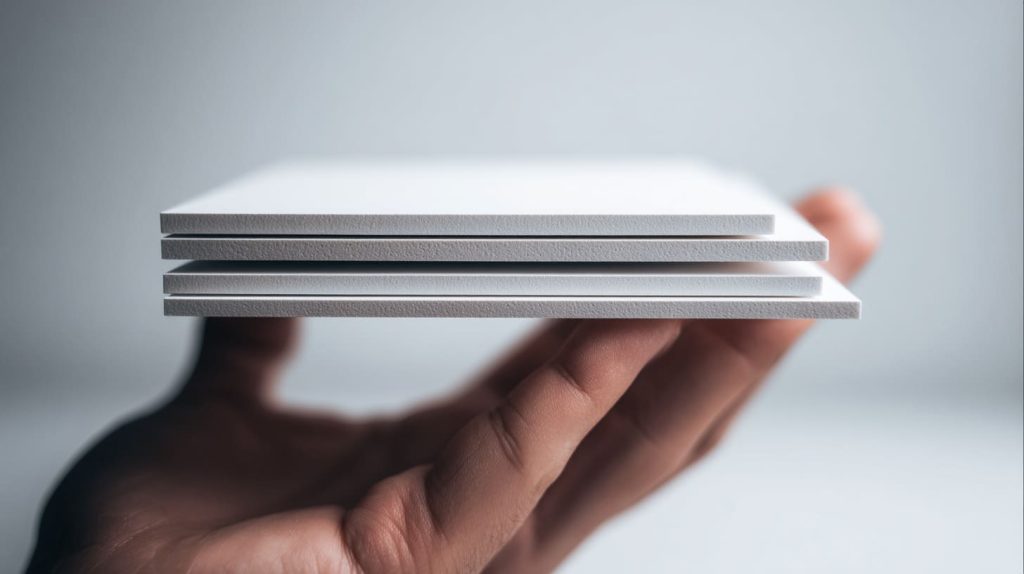
Cleaning tips
- Acrylic? Use microfiber cloth.
- Foam or PVC? Avoid soaking—just damp wipe.
- Dusty shop floor? Compressed air before wiping.
Can display boards be used outdoors?
Short answer: yes. But not all boards are made equal.
Yes, display boards can be used outdoors if made with weather-resistant materials like UV-protected acrylic or aluminum.

Look for boards with:
- UV resistance
- Water-sealed edges
- Sturdy mounting options
What is a display board used for in retail and exhibitions?
This is where I’ve seen boards really shine—literally and strategically.
Display boards are used to highlight products, pricing, brand messaging, or directions in retail shops and trade shows.

They guide the eye and drive the story—especially in crowded spaces where every inch counts.
What materials are display boards made of?
Not all boards are created equal.
Common display board materials include acrylic, PVC foam board, aluminum composite, cardboard, and wood.

| Material | Features |
|---|---|
| Acrylic | Glossy, durable, modern |
| Foam board | Lightweight, cost-effective |
| PVC board | Matte finish, versatile |
| Cardboard | Temporary, low-budget |
| Aluminum | Rigid, outdoor-friendly |
Is an acrylic display board better than PVC or foam board?
From my experience? Almost always, yes.
Acrylic boards offer better clarity, strength, and longevity compared to PVC or foam board, especially for professional settings.

Foam is great for quick setups. PVC is fine for budget signs. But acrylic? It’s clean, crisp, and brand-ready.
How thick should a display board be for stability and durability?
It depends where it’s going.
3mm to 5mm is ideal for small tabletop boards; 6mm or more for larger or freestanding displays.

Thickness guide
| Use Case | Recommended Thickness |
|---|---|
| Table signage | 2-3mm |
| Wall-mounted sign | 4-5mm |
| Freestanding board | 6-8mm |
What is the difference between a display board and a sign board?
It’s subtle, but important.
A display board is meant to show items or detailed info; a sign board focuses on messaging like logos or directions.

One’s for storytelling, one’s for signaling. Both matter—but they serve different goals.
How are custom display boards manufactured?
We make dozens every day—and every detail counts.
Custom display boards are made through laser cutting, CNC routing, UV printing, bending, and polishing based on the client’s design.

Steps we follow at Feilong Acrylic
- Confirm dimensions and material
- Laser cut or CNC shape
- Add surface finish (glossy, matte, frosted)
- Print, engrave, or apply logo
- Final polish and packaging
Can display boards be customized with logo, printing, or engraving?
Absolutely—and we do it all the time.
Yes, display boards can be customized with full-color printing, laser engraving, vinyl logos, or even UV printing.

We’ve done:
- Raised acrylic letters
- Gold foil logos
- QR code UV prints
Custom branding isn’t just aesthetic—it builds trust at first glance.
Are display boards suitable for long-term use in stores?
Definitely—if you choose the right materials.
Yes, especially acrylic or aluminum boards, which resist yellowing, chipping, and scratching over time.
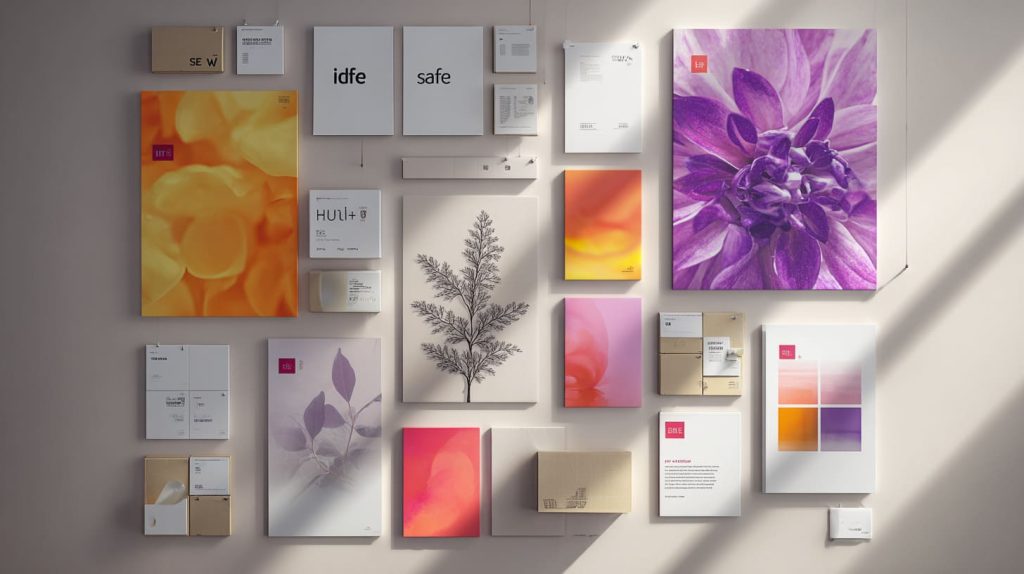
I’ve seen boards in cosmetics stores still looking sharp after 3+ years. You just have to clean them well and avoid direct sun on non-UV boards.
What industries commonly use acrylic display boards?
We’ve served brands in all kinds of fields.
Retail, hospitality, healthcare, tech, and exhibitions all use acrylic display boards to showcase products or communicate clearly.

From luxury perfume counters to dental offices and museums—acrylic fits them all. It’s clean, neutral, and professional.
How do you choose the right display board for your product?
This part is always more personal than people think.
Start with your goal, setting, budget, and design needs—then pick a board that matches the message.

My usual checklist
- Where will it be used? Indoor/outdoor
- How long does it need to last? Days or years
- Do you need branding? Engrave or print
- Is it near lighting? Glossy or matte
- Do you move it often? Weight matters
Sometimes, the right board isn’t the prettiest one—it’s the one that works without effort.
Conclusion
A display board isn’t just a tool. It’s a silent partner in how your product speaks.