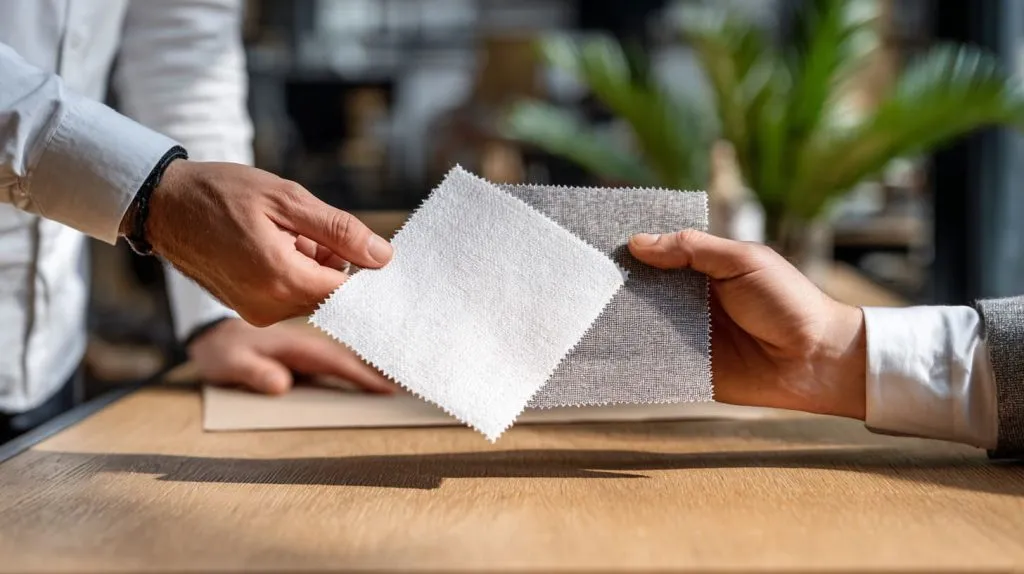
A buyer once asked me a question during a casual factory visit that stuck with me: “If both fabrics look similar from five feet away, why do they behave so differently after five washes?” He wasn’t being difficult—he was thinking like a brand owner. And I got it. In product sourcing, small fiber decisions ripple outward: into durability complaints, packaging changes, even user reviews months down the line.
When you’re choosing between cotton and acrylic, it’s not just about texture. It’s about where your product will go, how it’ll be used, and what your clients will expect when they open the box. This post breaks down those differences clearly—through hands-on experience, not textbook summaries—so you can make smarter, more confident decisions.
—Curious about how the raw fibers themselves differ? Let’s pull them apart, strand by strand, before we dive into performance.
Material Composition and Production Process
Natural vs. Synthetic Origins
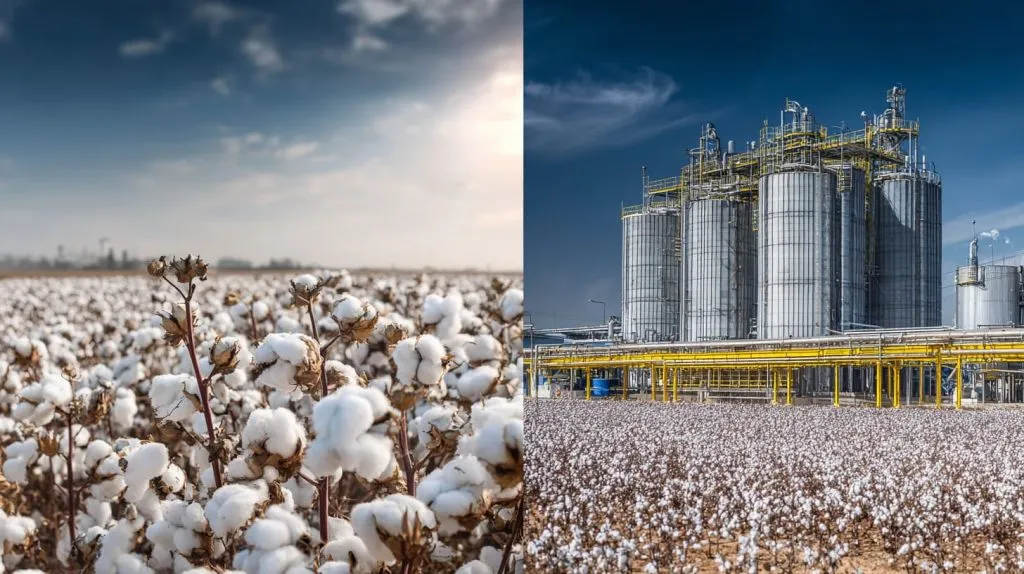
Cotton sprouts from fluffy bolls on a shrub and heads straight to ginning, carding, and spinning. Acrylic, by contrast, is born in a reactor: acrylonitrile monomers link up into long chains, then get wet-spun into filaments. That synthetic birth means acrylic starts life tied to fossil fuels, while cotton starts in a field.
Manufacturing Steps & Environmental Footprint
| Stage | Cotton | Acrylic |
|---|---|---|
| Raw feedstock | Cellulose from plants | Crude-oil–derived acrylonitrile |
| Energy use (per kg fiber) | ~15 MJ | ~48 MJ :contentReference[oaicite:0]{index=0} |
| Water use | High for irrigation; dropping with drip tech :contentReference[oaicite:1]{index=1} | Low at plant; none in fields |
| Key by-products | Lint, seeds | VOC emissions, toxic solvents |
Common Blends and Why They Exist
Blending 80 % cotton with 20 % acrylic cuts cost, speeds drying, and helps knits snap back into shape. Brands also blend for marl effects and easier color matching across product lines.
—Now that we know how each fiber is born, let’s see how they behave once they leave the mill and land in your hands.
Physical Properties Side-by-Side
| Property | Cotton | Acrylic |
|---|---|---|
| Tensile strength (dry) | Moderate | Moderate–high |
| Abrasion resistance | Good | Very good |
| Weight per same gauge | Heavier | Lighter |
| Moisture regain | ~8 % | <2 % |
| Breathability | Excellent | Poor–fair |
| Thermal feel | Cool | Warm (wool-like) |
| Drape & hand-feel | Soft, matte | Lofty, sometimes plasticky |
| Color brilliance | Muted to rich | Vivid, holds bright shades |
Strength & Abrasion Resistance
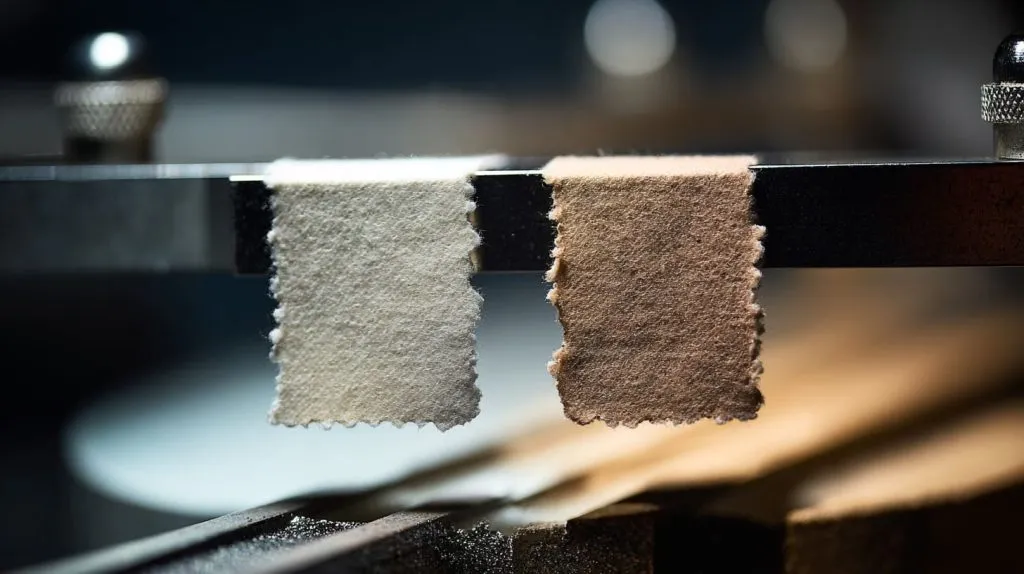
I once tested tote samples for a pop-up event. The acrylic canvas outlasted cotton by two days on the abrasion drum. The cotton handles frayed first.
Weight, Drape, and Hand-Feel
Designers choose cotton when they need a fabric to “fall” naturally. Acrylic puffiness is perfect for sweaters that must look cozy on a hanger.
Moisture Absorption, Breathability, & Quick-Dry
After a rainy field demo, I could wring water from the cotton sample. The acrylic swatch shook dry in minutes but felt clammy inside a plastic bag.
Thermal Insulation & Weather Comfort
Acrylic traps still air, mimicking wool. That’s why budget ski socks lean on it.
Visual & Tactile Aesthetics
Matte cotton suits vintage signage; glossy acrylic yarn pops in fast-fashion tees.
—Properties are theory until they meet real life. Let’s step onto factory floors, fitting rooms, and display aisles to see which fiber wins where.
Performance in Real-World Applications
Apparel & Fashion Use-Cases
- Cotton shines in summer tees, baby wear, and high-end chinos.
- Acrylic rules in chunky knits, faux fur, and color-blocked sportswear.
Home Textiles (Towels, Bedding, Upholstery)
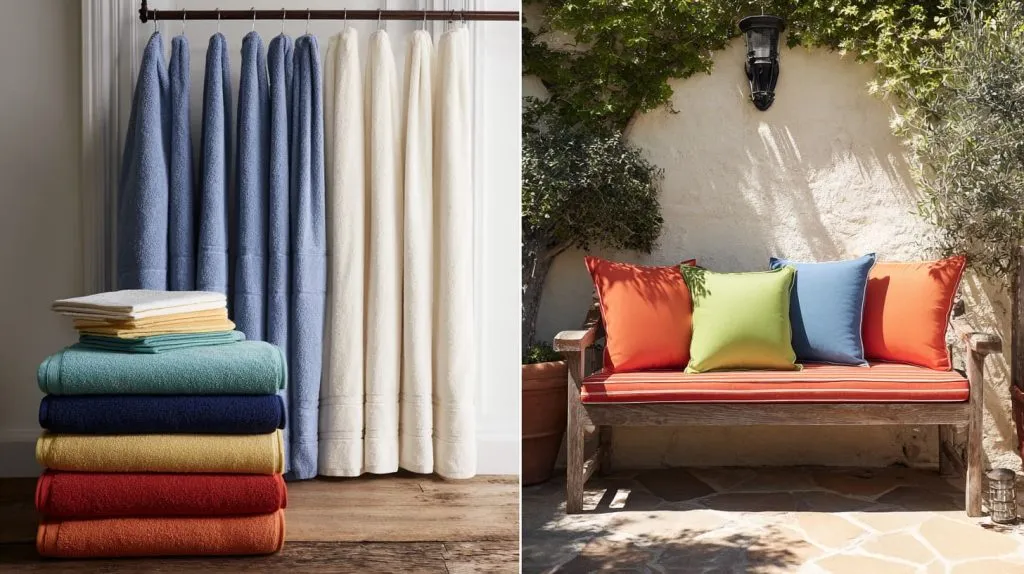
Cotton towels drink up water, then dry slowly. Acrylic cushions resist mildew on patio sets but may pill after a season.
Industrial & Technical Textiles
Acrylic felts line filtration bags in certain chemical plants due to acid resistance. Cotton slings still dominate lifting gear that needs breathability for workers’ hands.
Display & Packaging Contexts for B2B Projects
When I craft acrylic display stands, I often pair them with cotton backdrops to soften glare. Cotton banners absorb spotlights instead of reflecting them.
—Great fabric fails if it crumbles in the laundry or ends up in a landfill too soon. Let’s talk upkeep.
Care, Maintenance, and Longevity
Washing & Drying Requirements
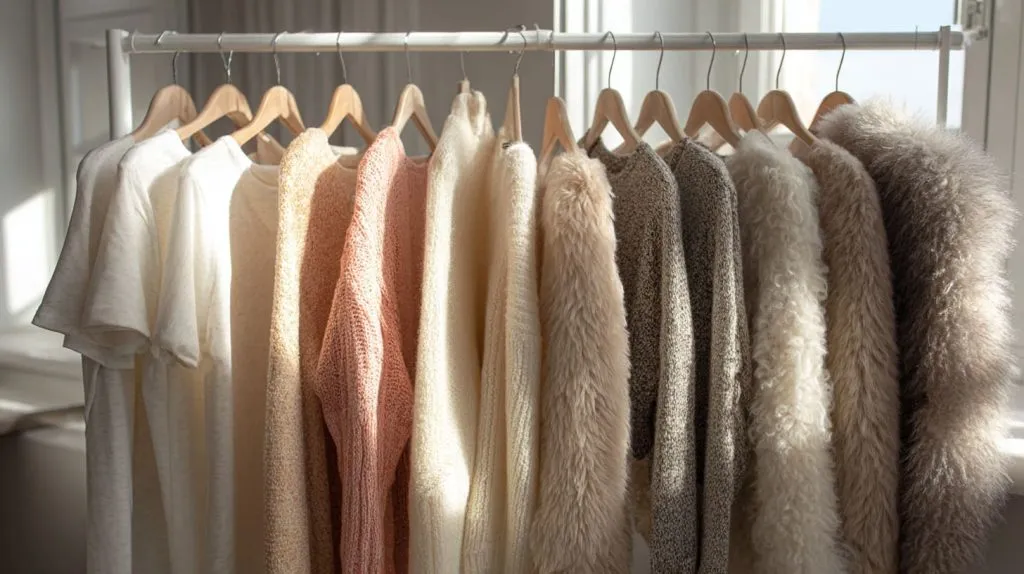
- Cotton: hot wash possible, tumble dry medium, may shrink 3 – 5 %.
- Acrylic: cool wash, low heat, risk of melting on high-temp press.
Shrinkage, Pilling, and Colorfastness
Acrylic hangs onto dye but pills under friction. Cotton keeps surface smooth yet can fade after sun-bleach cycles.
Repairability, Recycling, & End-of-Life Options
A ripped cotton tote can be darned; melted acrylic cannot. Cotton composts under industrial settings, while acrylic lingers as microplastics for decades :contentReference[oaicite:2]{index=2}.
—Your budget calls next. Fibers feel different when numbers hit the spreadsheet.
Cost and Supply-Chain Factors
Raw-Material Availability & Global Pricing Trends
Cotton prices swing with weather in India and the U.S.; acrylic depends on oil futures and refinery output.
Impact on Wholesale Margins & MOQ Planning
Acrylic yarn can cost 30 – 40 % less per kilo than long-staple cotton, padding margins for private-label knits.
Customization, Dyeing, and Branding Flexibility
Acrylic absorbs cationic dyes quickly, slashing batch times. Cotton works better for pigment prints and natural-tone branding.
—Numbers matter, yet more buyers now weigh carbon and water, not just cents. Let’s weigh the planet costs.
Sustainability and Environmental Impact
Water, Energy, and Chemical Usage
Cotton’s irrigation footprint is heavy but falling thanks to drip systems :contentReference[oaicite:3]{index=3}. Acrylic skips fields yet gulps energy—over triple cotton’s per-kilo demand :contentReference[oaicite:4]{index=4}.
Biodegradability, Microplastics, and Landfill Concerns
Cotton breaks down in months. Acrylic sheds micro-fibers that drift into oceans and food chains :contentReference[oaicite:5]{index=5}.
Certifications, Recycled Options, and Emerging Eco-Alternatives
- BCI Cotton, GOTS certify better farming.
- Recycled acrylic exists but is rare, energy-intensive.
- Bio-based acrylic prototypes show promise yet lack scale.
—So which fabric gets your green light? Let’s build a decision map.
Choosing the Right Material for Your Project
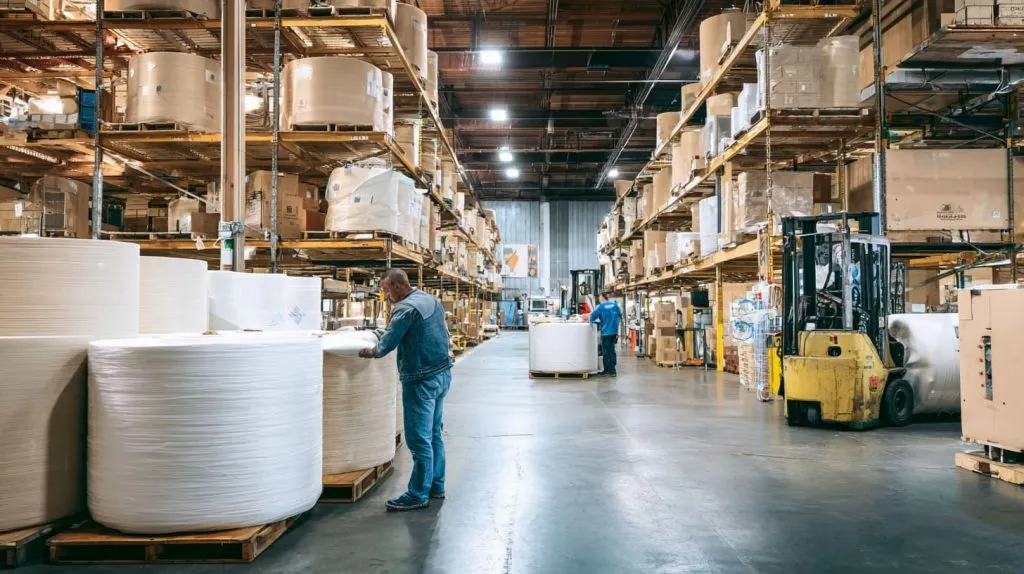
Decision Matrix: Performance × Cost × Sustainability
| Criteria | Weight | Cotton Score | Acrylic Score |
|---|---|---|---|
| Breathability | 3 | 9 | 5 |
| Durability | 2 | 7 | 8 |
| Unit cost | 2 | 6 | 9 |
| Eco impact | 3 | 7 | 4 |
| Weighted Total | 71 | 67 |
(Scale 1–10; weight = importance to project.)
When Cotton–Acrylic Blends Make Sense
A 60/40 blend balances wrinkle resistance and natural touch, perfect for travel hoodies and café seat covers.
Supplier Questions & Specification Checklist for Designers like Jacky
- What is the exact staple length or denier?
- Can you provide energy and water LCA data?
- Is recycled content certified?
- What is the minimum order for custom dye lots?
—We’ve weighed facts, feelings, and finances. Time to wrap up and act.
Conclusion
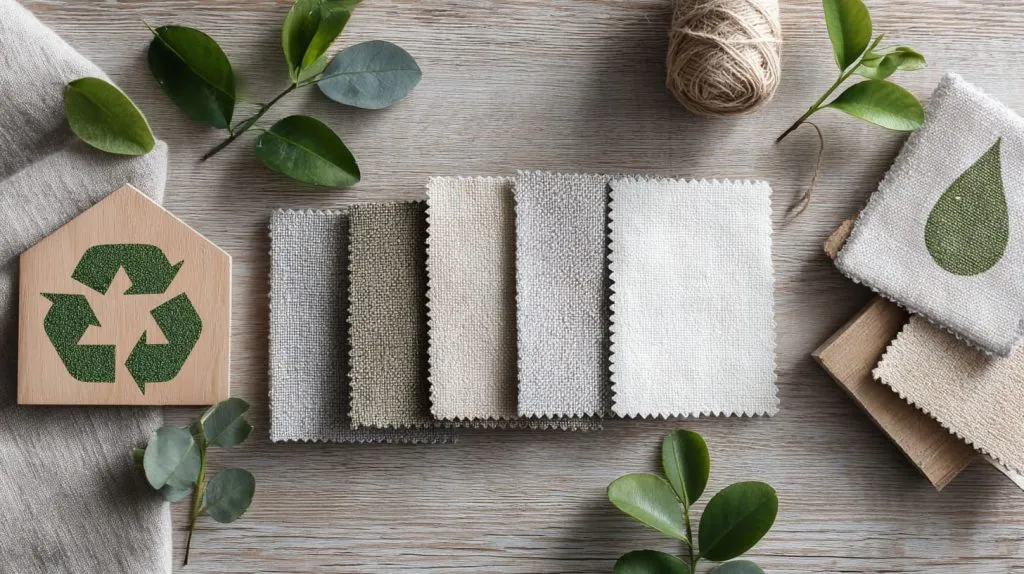
Choosing between cotton and acrylic is less about good or bad, more about fit. Cotton breathes, ages gracefully, and composts. Acrylic stretches budgets, keeps colors loud, and fights off mildew. Now you have tables, tales, and a matrix to guide your next spec sheet. Print it, share it, question it—and let your project’s purpose steer the final pick.