Skip to content
In the signage industry, selecting the appropriate material is crucial for achieving durability, aesthetic appeal, and functionality. It’s not just about choosing something that looks good, but also about picking a material that can stand the test of time and meet specific needs. Over the years, I’ve had my share of experience in the industry, navigating through the many options available. Today, I want to share what I’ve learned about the primary materials used in signage, their characteristics, applications, and how you can choose the right material for your needs. Let’s dive in!
1. Acrylic

Characteristics
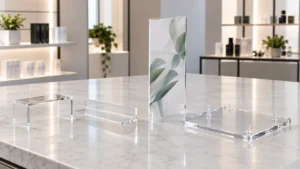
- Transparency and Clarity: Acrylic is known for its crystal-clear transparency. It’s like looking through glass but much stronger, which is why it's often used for displays that need to showcase products or information with perfect clarity.
- Durability: Acrylic stands strong against weathering and UV light. That means it won't fade or become brittle over time, especially in outdoor applications.
- Ease of Fabrication: One of the best things about acrylic is how easy it is to work with. You can cut, shape, and polish it to meet almost any design need.
Applications
- Retail Displays: If you've ever walked into a store and seen product showcases, there's a good chance that acrylic was used. It’s perfect for those point-of-sale displays, giving customers an unobstructed view.
- Wayfinding Signage: Acrylic is also fantastic for directional signs, helping people navigate with clear and readable signage.
Considerations
- Scratch Resistance: While acrylic is durable, it’s not immune to scratches. Protective coatings can help prevent that, but it’s something to keep in mind.
- Cost: Acrylic tends to be more expensive than some other materials. So, if you're working within a tight budget, that could be a factor.
I remember when I first used acrylic for a store display project. It looked amazing, but we had to make sure it was handled carefully during transportation to avoid scratches. It was a bit more costly, but the end result was worth it.
2. PVC (Polyvinyl Chloride)

Characteristics
- Cost-Effectiveness: PVC is the go-to material if you’re on a budget. It's affordable but still does the job well, especially for indoor applications.
- Lightweight: PVC is incredibly light, making it easy to handle and install, even by just one person.
- Moisture Resistance: If you’re working in areas where moisture could be an issue, PVC’s resistance to water makes it a great choice.
Applications
- Indoor Signage: If you need something for inside an office or a promotional display, PVC is an excellent choice. It’s cost-effective and does well in these settings.
- Temporary Signage: PVC is often used for short-term signage needs because of its low cost and versatility.
Considerations
- Durability: While PVC is good for indoor uses, it’s not the best for outdoor conditions. Over time, it may degrade with exposure to the elements.
- Environmental Impact: PVC can be a bit tricky in terms of recycling and its environmental footprint. Keep that in mind if you're looking for a more eco-friendly option.
I’ve used PVC for a few temporary office signs, and it was great for the short-term. It’s affordable, but you can tell it won’t last as long as something like acrylic or aluminum.
3. Aluminum

Characteristics
- Strength and Durability: Aluminum is tough. It’s resistant to corrosion and can handle the elements, making it perfect for outdoor signage.
- Lightweight: Despite its strength, aluminum is surprisingly light, making it easy to work with.
- Aesthetic Appeal: Aluminum has a sleek, modern look that adds a touch of class to any signage project.
Applications
- Architectural Signage: For outdoor building signage or company logos, aluminum is a fantastic choice. It’s strong and looks professional.
- Traffic and Regulatory Signs: Aluminum’s durability and resistance to weathering make it ideal for road signs, regulatory signage, and anything that needs to stand up to the elements.
Considerations
- Cost: Aluminum can be pricier than some other materials. If you're on a tight budget, this might be a consideration.
- Fabrication: Cutting and shaping aluminum requires specialized equipment, which can add to the cost.
I once had a project where we used aluminum for a building sign, and it really made the brand stand out. It looked sleek and lasted for years.
4. Foamboard

Characteristics
- Lightweight: Foamboard is extremely light and easy to work with, which is perfect for events and displays that need to be moved around often.
- Cost-Effective: It’s also one of the more affordable options, making it a good choice for temporary projects or tight budgets.
- Smooth Surface: The smooth surface of foamboard is ideal for printing graphics and text.
Applications
- Indoor Displays: Foamboard is a go-to material for trade shows and promotional displays. Its affordability and ease of use make it a favorite for short-term signage.
- Temporary Signage: Whether it's for an event or a sale, foamboard is great for temporary signage that doesn’t need to last forever.
Considerations
- Durability: Foamboard isn’t the most durable material. It’s best used indoors and in places where it won’t be exposed to moisture or rough handling.
- Environmental Impact: Foamboard isn’t the most eco-friendly option and is often not recyclable.
I used foamboard for a trade show once, and while it was perfect for that event, it definitely wasn’t something I would use for long-term signage.
5. Vinyl

Characteristics
- Flexibility: Vinyl is highly flexible and can conform to various surfaces, making it versatile for different applications.
- Weather Resistance: Vinyl holds up well outdoors, thanks to its resistance to weathering and UV light.
- Variety of Finishes: It comes in various finishes, from matte to glossy to transparent, giving you lots of options for customization.
Applications
- Vehicle Graphics: Vinyl is commonly used for vehicle wraps, offering a way to advertise while on the go.
- Window Graphics: For storefronts or windows, vinyl decals are a popular choice because they’re easy to apply and remove.
Considerations
- Installation: Vinyl needs to be installed carefully to avoid wrinkles or bubbles. It’s a job that requires skill.
- Durability: While vinyl is weather-resistant, it can start to fade or peel over time if not maintained properly.
I’ve seen some incredible vehicle wraps using vinyl. It’s amazing how flexible and dynamic the material can be when done right.
6. Wood

Characteristics
- Natural Aesthetic: Wood brings a warm, organic feel to any sign. It's a great option for businesses that want to convey a rustic or earthy vibe.
- Customizability: Wood can be carved, painted, and finished in many different ways, making it a great material for customized signs.
- Sustainability: When sourced responsibly, wood is a renewable resource, making it an eco-friendly choice.
Applications
- Architectural Signage: Wood is often used for both interior and exterior signage, especially in settings like resorts, parks, or nature trails.
- Wayfinding Signage: Wood is perfect for directional signs in natural or rustic settings.
Considerations
- Maintenance: Wood requires regular maintenance, especially when used outdoors. It needs to be sealed and treated to avoid weathering and decay.
- Cost: High-quality wood can be expensive, especially when custom work is involved.
I’ve always loved the look of wooden signs, especially for rustic-themed stores or nature reserves. However, they do need a bit more care compared to some of the other materials we’ve talked about.
Conclusion

Selecting the appropriate material for signage is about more than just picking something that looks good. It’s about choosing a material that meets your specific needs, whether that’s durability, aesthetic appeal, or cost. By understanding the characteristics and applications of materials like acrylic, PVC, aluminum, foamboard, vinyl, and wood, you can make an informed decision. It’s all about what fits best with your project’s goals.