Skip to content
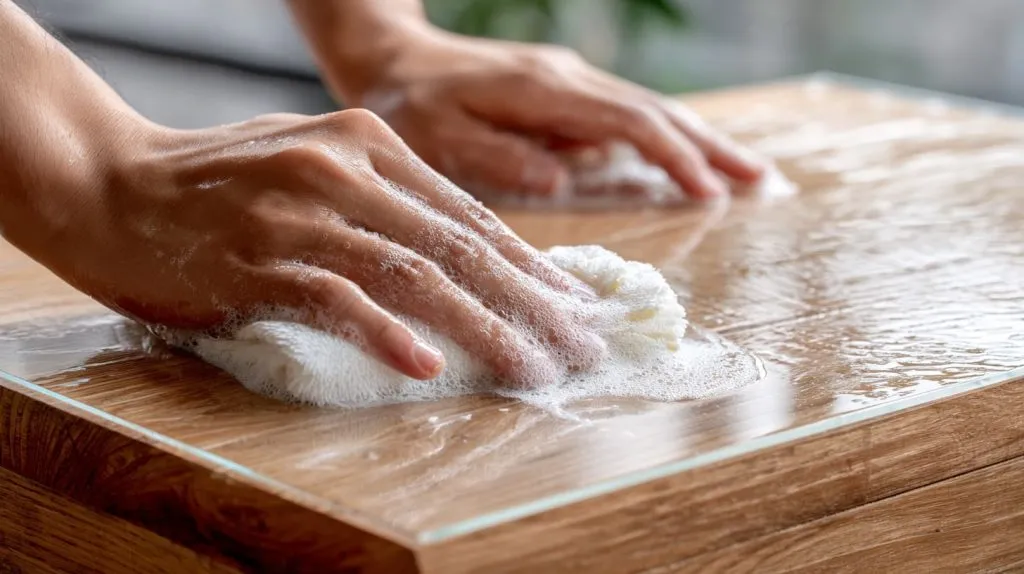
Sticky marks on acrylic used to drive me crazy. I once ruined a beautifully laser-cut panel just by using the wrong cleaner. That mistake taught me one thing—removing residue from acrylic is not just about wiping it clean; it’s about not damaging it while doing so.
Use mild soap, warm water, and a soft microfiber cloth to remove residue from an acrylic sheet without scratching or clouding it. Avoid harsh chemicals and abrasives.
When you're dealing with clear acrylic—whether it's for displays, boxes, or signage—every smudge feels like a crime scene. But trust me, with the right tricks and tools, it doesn’t have to be.
How to remove static from an acrylic sheet?
Static cling loves acrylic like dust loves forgotten corners.
Wipe the surface with a damp dryer sheet or use an anti-static cleaner made for plastics.
Understanding static and its effect on acrylic
Static buildup doesn’t just attract dust—it can also make cleaning more frustrating. Here's what I usually do:
- Anti-static spray: Light mist, then buff with a clean cloth.
- DIY method: Mix a few drops of fabric softener in water. Wipe, don’t soak.
Avoid dry paper towels or synthetic cloths—they worsen the problem.
How to remove sticky residue from Perspex?
Perspex is just branded acrylic—but the cleaning approach stays the same.
Use a soft cloth soaked in warm soapy water, or apply citrus-based adhesive remover and gently wipe clean.
Different types of residue need different care:
| Residue Type | Best Removal Method |
|---|---|
| Label glue | Citrus-based remover + soft cloth |
| Tape residue | Warm soapy water + fingernail edge |
| Grease-like stickiness | Mild dish soap + microfiber towel |
If in doubt, test on a hidden edge.
How to remove protective film from an acrylic sheet without damage?
Ever spent 20 minutes peeling film, only to leave half stuck behind?
Use a plastic razor or your fingernail to lift a corner, then peel slowly. If the film breaks, warm the surface gently with a hairdryer.
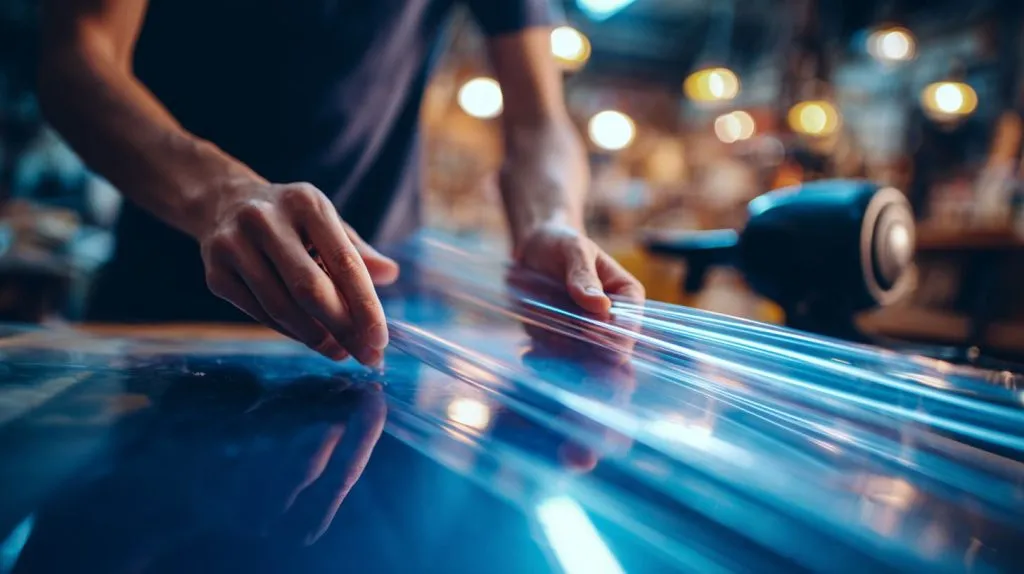
Once warm, the adhesive softens, and it peels off like a charm.
What is the safest adhesive remover for acrylic sheets?
Not all removers are friends with acrylic.
Citrus-based removers and plastic-safe adhesive cleaners like Novus Plastic Clean are your safest bets.
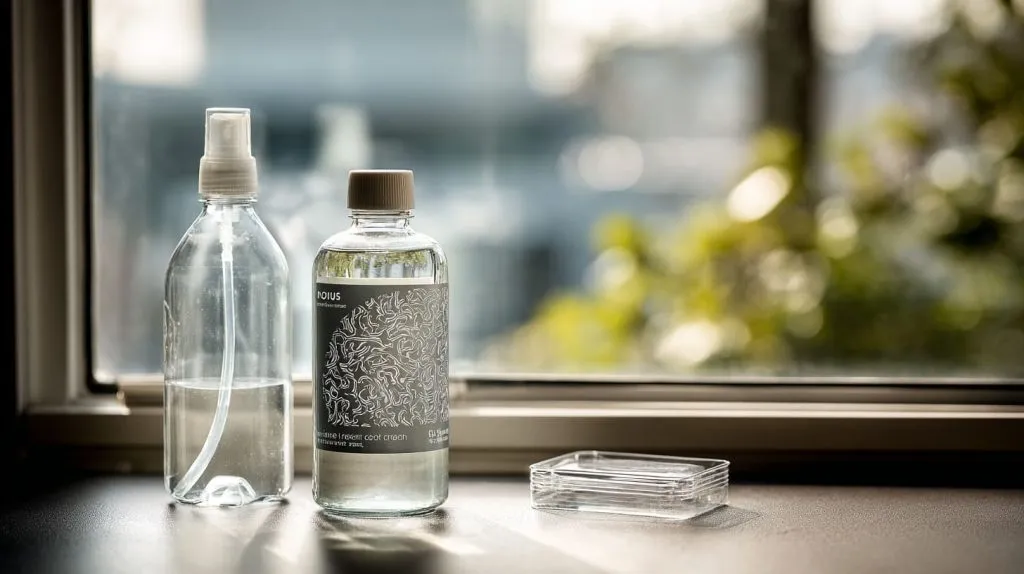
Avoid anything that smells like paint thinner—those will attack the surface and cause clouding.
Can you use rubbing alcohol or acetone on acrylic surfaces?
Short answer? It depends. But be careful.
Rubbing alcohol in low concentrations (under 70%) can be used sparingly. Acetone should be avoided—it melts acrylic.
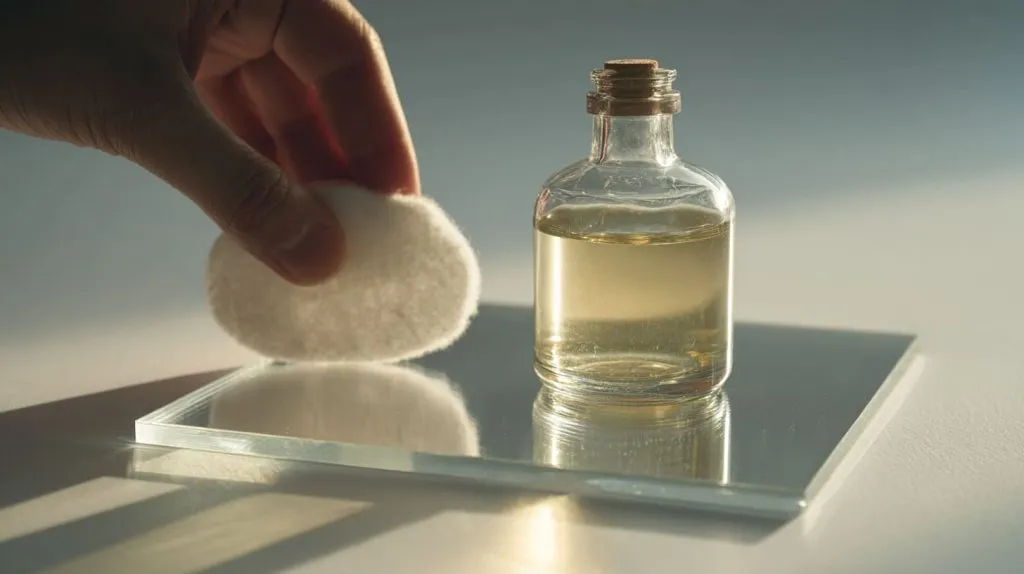
One time, I used acetone on an edge and watched it frost up in seconds. Don’t do what I did.
How do you remove sticker residue from acrylic without scratching it?
Scratches ruin everything.
Gently roll off the residue with your fingers or use a plastic scraper. Apply a mild adhesive remover if needed.
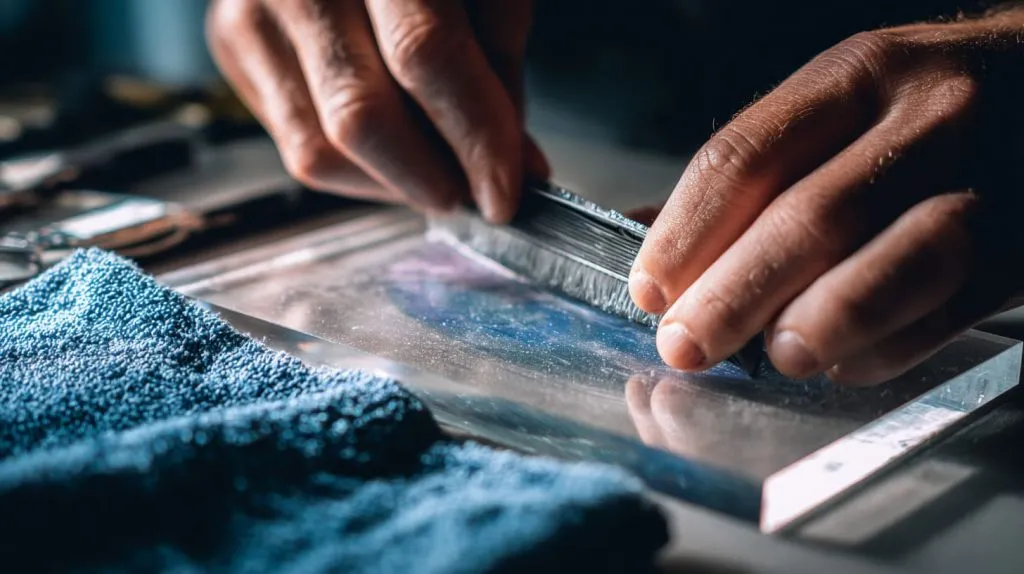
Best tools to keep on hand
- Plastic razor blades: No sharp edges, no scratches.
- Microfiber cloths: Trap residue and dust.
- Novus polish: For buffing out light marks after removal.
No steel wool. No rough sponges. Ever.
Will Goo Gone or WD-40 damage clear acrylic?
Both are popular—but are they safe?
Goo Gone is generally safe in small amounts; WD-40 can leave an oily film but won’t damage the acrylic.
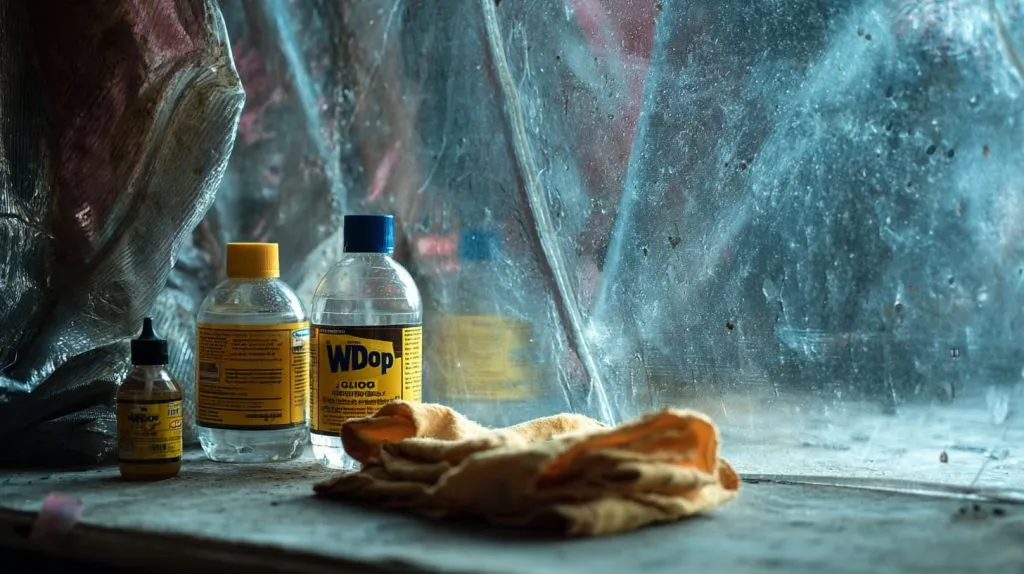
After using them, always rinse with soapy water to remove any residue.
How do professionals clean off glue after laser cutting acrylic?
That burnt glue smell? It lingers.
Professionals use isopropyl alcohol (under 70%), Novus cleaner, or mild soap with warm water to wipe away laser glue marks.
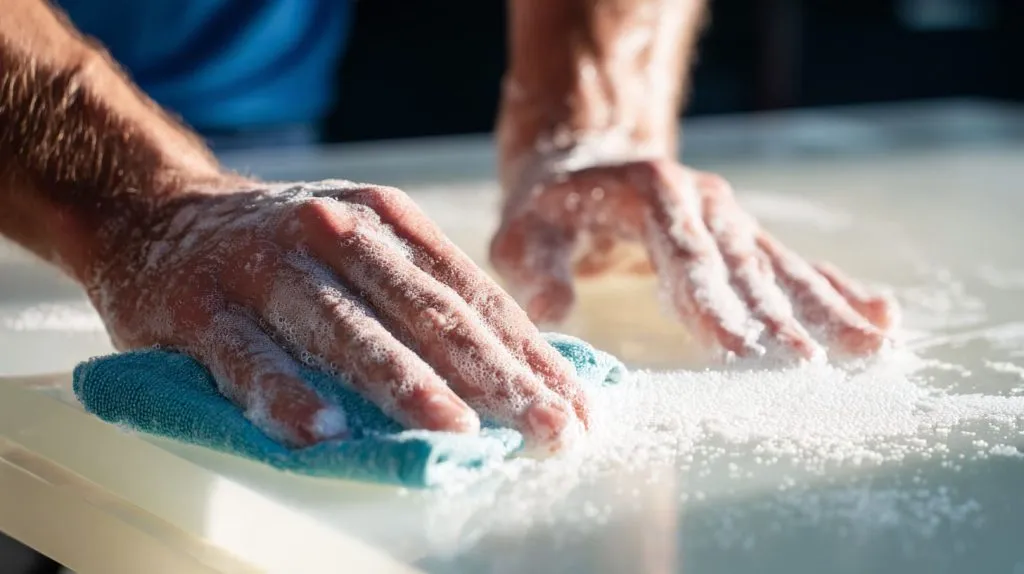
Here's my go-to method:
- Let the part cool completely.
- Apply mild soap solution with a soft cloth.
- Wipe in small circles. Buff dry with microfiber.
It’s slow—but safe.
What’s the best method to remove double-sided tape from acrylic?
This one’s a pain.
Use dental floss to “saw” under the tape, then remove leftover adhesive with a plastic scraper and mild citrus remover.
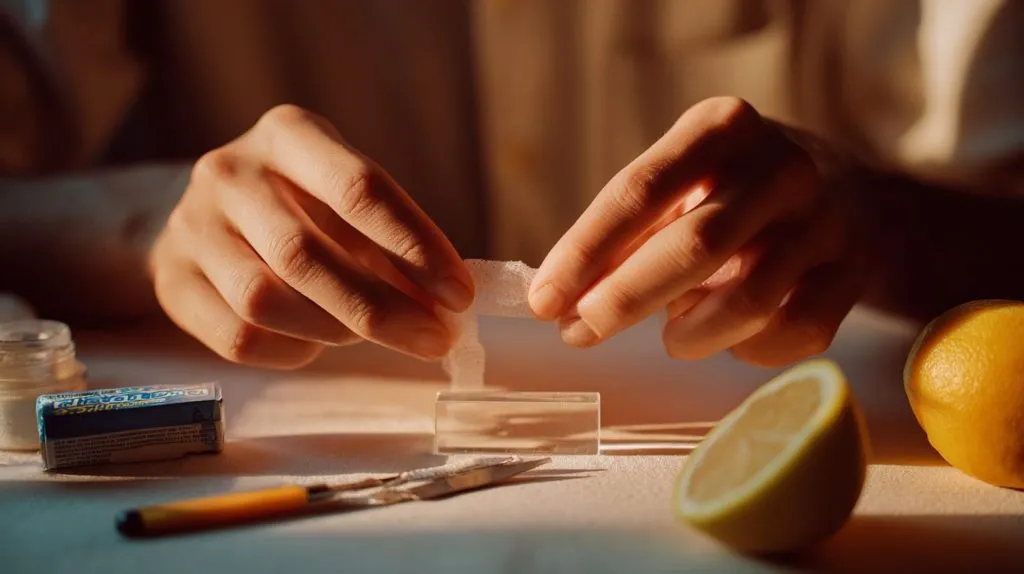
Heat helps. A warm (not hot) surface loosens grip. But don’t overdo it or the acrylic might warp.
How can I avoid cloudiness when removing residue from acrylic sheets?
Cloudiness is often damage, not dirt.
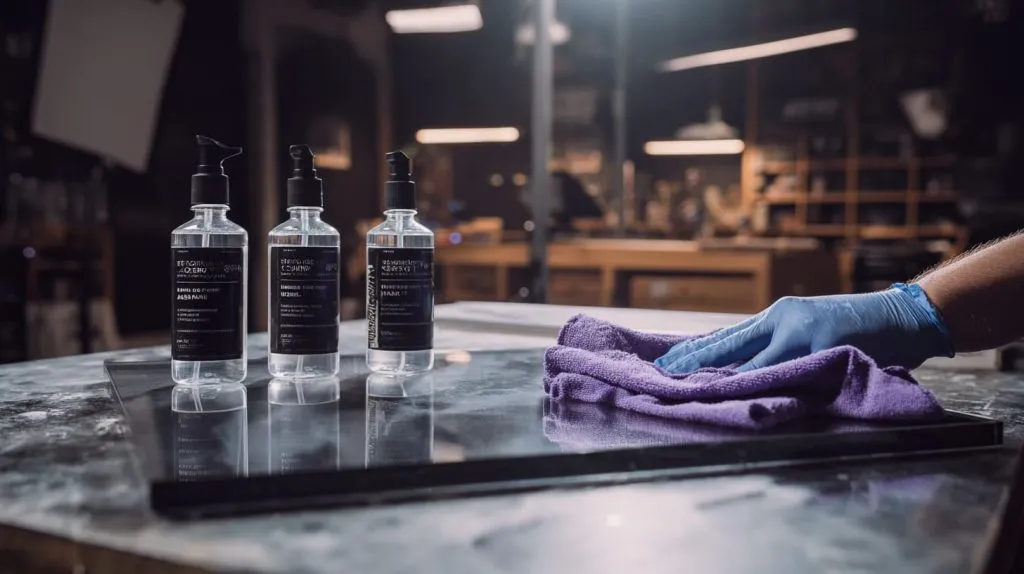
Avoid abrasive pads, harsh chemicals, and strong alcohol. Use only plastic-safe cleaners and wipe gently.
What causes cloudiness?
| Cause | Solution |
|---|---|
| Alcohol overuse | Switch to diluted soap solution |
| Acetone contact | Prevent—can’t reverse it |
| Abrasive cloth/sponge | Use microfiber or cotton |
Sometimes cloudiness means damage has already happened. In that case, polishing with a plastic-safe polish like Novus #2 can help.
Should I use a plastic razor blade or scraper on acrylic surfaces?
Yes—if you use it right.
Plastic blades are safe for acrylic as long as they’re clean and used at a shallow angle. Never press too hard.
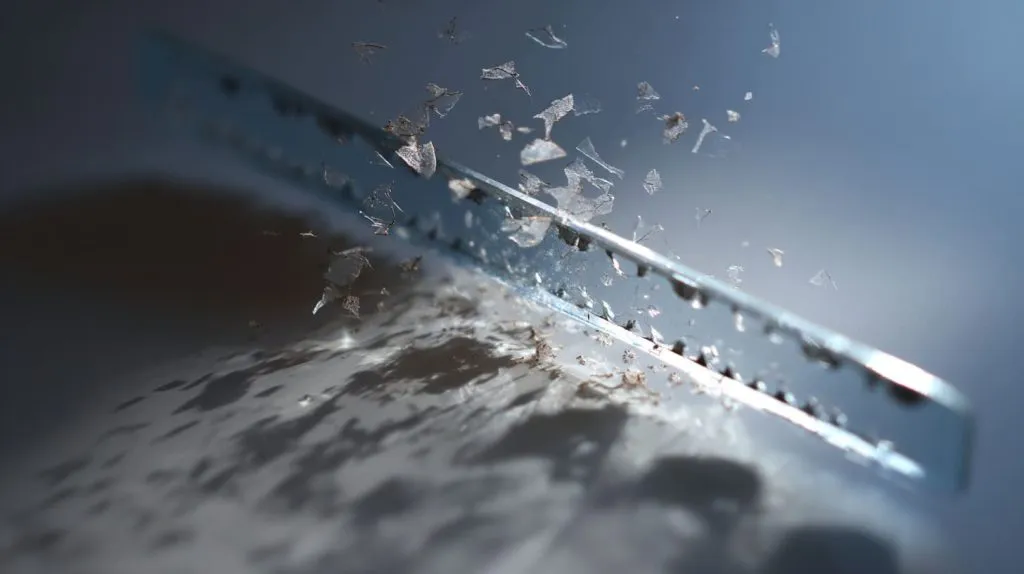
One scratch can ruin the entire sheet, especially if it’s for display use. Always scrape in one direction and stop if resistance increases.
Conclusion
Acrylic looks fragile, but with the right cleaning methods, it holds up beautifully. Gentle hands, safe products, and a bit of patience go a long way.