Skip to content
Acrylic sheet looks simple at first glance.
It is just a clear plastic sheet, right?
Not really.
When I first worked with acrylic display projects, I also thought the sheet was only a raw material. The real work, I thought, started from cutting, bending, polishing, and assembly. But after handling more custom acrylic displays, boxes, frames, stands, and furniture parts, I learned one thing very clearly:
The quality of an acrylic product often starts long before the factory cuts the sheet. It starts from how the acrylic sheet is made.
Acrylic sheets are used in retail displays, cosmetic organizers, furniture parts, signage, electronics, architecture, protective covers, and many other products. They are popular because they look clean, feel modern, and can be shaped into many forms.
For B2B buyers, especially people like Jacky who have years of experience buying custom acrylic products from China, acrylic sheet quality is not a small detail. It affects the final product’s clarity, strength, price, lead time, and even the customer’s first impression.
In this guide, I will walk through how acrylic sheets are made, from raw material to finished sheet. I will also explain the difference between cast and extruded acrylic, how sheets are colored and finished, how quality is controlled, and what buyers should check before choosing a supplier.
What Are Acrylic Sheets?
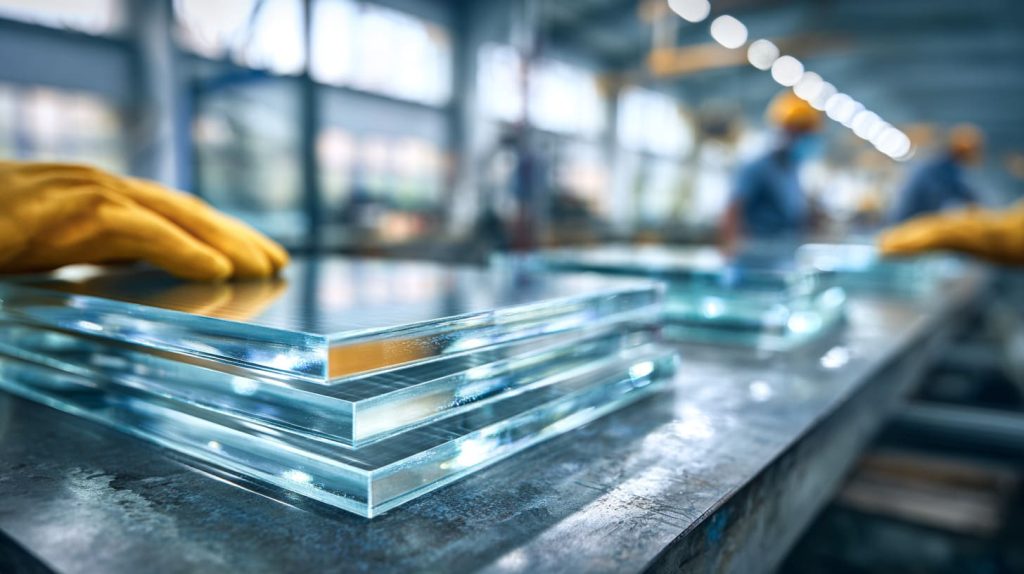
Acrylic sheets are flat plastic sheets made mainly from PMMA, which stands for Polymethyl Methacrylate. That name sounds like something from a chemistry textbook, but in daily work, most buyers simply call it acrylic, plexiglass, or PMMA sheet.
Acrylic is often used as a glass alternative because it is clear, lightweight, and easier to fabricate. But I do not like calling acrylic “just a glass replacement.” That makes it sound too simple.
Acrylic has its own character.
It can be laser cut. It can be CNC machined. It can be bent with heat. It can be polished until the edge shines like water. It can be made into a display stand, a cosmetic organizer, a photo frame, a protective cover, or a custom retail fixture.
The detail I pay attention to early is not only whether the acrylic sheet is “clear,” but whether the sheet can stay clear after cutting, polishing, bending, packing, and shipping.
What material are acrylic sheets made from?
Acrylic sheets are made from PMMA resin. PMMA is a plastic material that has very good transparency and surface hardness compared with many common plastics.
Ordinary plastic can look cloudy, soft, or cheap if the material is not selected well. Acrylic is different. Good acrylic has a clean glass-like look. It feels more premium in display products.
Here is a simple way to understand it:
| Material | Main Feeling | Common Use | Buyer Concern |
|---|---|---|---|
| Acrylic / PMMA | Clear, glossy, premium | Displays, boxes, signs, furniture parts | Scratches, cracks, edge quality |
| PVC | Flexible or rigid, lower-cost | Industrial boards, signs | Not as clear as acrylic |
| PETG | Tough, easier to bend | Guards, covers, packaging parts | Surface finish and stiffness |
| Polycarbonate | Very strong, impact-resistant | Safety covers, machine guards | Higher cost, easier to scratch |
| Glass | Heavy, hard, high clarity | Windows, shelves, decoration | Breakage and weight |
Acrylic is valued because it gives a good balance. It is clearer than many plastics, lighter than glass, and easier to process in custom manufacturing.
What are the main properties of acrylic sheets?
Acrylic sheets have several important properties:
- High optical clarity
- Good UV resistance
- Good weather resistance
- Lightweight structure
- Stronger impact resistance than glass
- Easy cutting, engraving, polishing, and forming
- Good color options
- Clean surface appearance
For custom acrylic products, these properties matter a lot. A cosmetic display, for example, needs high clarity. A store display may need good edge polishing. A furniture part may need thicker sheet and stronger structure. An LED sign may need color consistency and light transmission.
Acrylic is not perfect, though.
It can scratch. It can crack if internal stress is high. It can warp if heating is not controlled well. It can also look cheap if recycled material or poor polishing is used.
So when someone only asks, “Is acrylic strong?” I usually slow down a little. I want to know the application first. A shelf, a display box, a sign panel, and a protective cover all need different kinds of strength.
Where are acrylic sheets commonly used?
Acrylic sheets are used in many industries because they are flexible in design and clean in appearance.
Common uses include:
| Application | Why Acrylic Works Well | Common Buyer Focus |
|---|---|---|
| Retail displays | Clear, premium, easy to customize | Size, polishing, logo, stability |
| Cosmetic organizers | Clean look, good transparency | Glue marks, scratches, packaging |
| Furniture parts | Modern appearance, lightweight | Thickness, load-bearing, edge finish |
| LED signs | Light transmission, color options | Diffusion, color, heat behavior |
| Protective barriers | Clear view, easy cleaning | Thickness, safety, installation |
| Industrial components | Easy machining, stable shape | Tolerance, drilling, stress control |
Acrylic works best when the design matches the material. If the design ignores the limits of acrylic, even a good sheet can become a bad final product.
That is why the next question is important: before acrylic becomes a sheet, where does it actually begin?
How Is Acrylic Resin Produced?
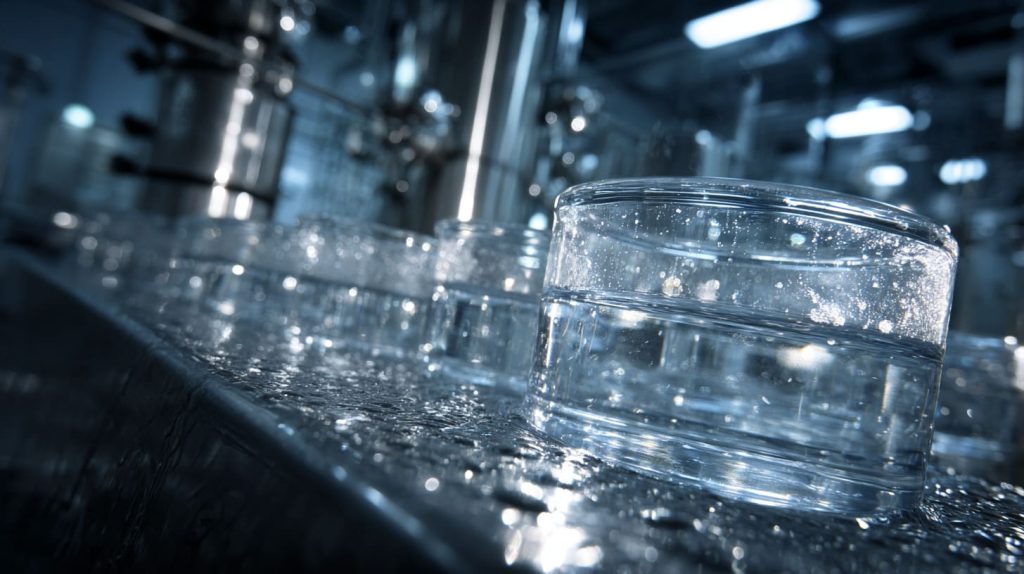
Acrylic sheet production begins with resin. The resin is the base material. If the resin quality is poor, the finished sheet may look okay at first, but problems can appear later during cutting, polishing, bending, or long-term use.
I have seen buyers focus only on the final product photo. I understand why. Photos are fast. Photos feel real. But acrylic is tricky. A product can look nice in one photo and still have hidden problems in the material.
The small mistake I try to avoid is judging acrylic sheet quality only after fabrication, because by then the material decision has already become part of the product cost, risk, and delivery time.
What raw materials are used to make acrylic?
The main raw material used to make acrylic is MMA, or methyl methacrylate. MMA is a liquid monomer. Through a chemical process, it becomes PMMA, which is the solid acrylic material used for sheets.
Other materials may also be added:
- Stabilizers
- UV-resistant additives
- Color pigments
- Processing aids
- Special additives for impact or surface performance
For clear acrylic sheets, material purity matters a lot. A small issue in raw material can affect clarity. For colored sheets, pigment quality and mixing control matter. Poor pigment mixing can create uneven color or cloudy areas.
How does the polymerization process work?
Polymerization means turning small liquid molecules into long solid chains. In simple words, MMA liquid is changed into PMMA solid material through heat and chemical reaction.
The process needs control.
Temperature matters. Time matters. Clean production matters. If the process is not stable, the final acrylic may have bubbles, color differences, internal stress, or poor mechanical strength.
Here is a simple view:
| Step | What Happens | Why It Matters |
|---|---|---|
| Raw MMA preparation | MMA liquid is prepared and filtered | Affects clarity and purity |
| Additive mixing | Stabilizers or pigments are added | Affects color, UV resistance, performance |
| Polymerization | MMA changes into PMMA | Affects strength and stability |
| Cooling or forming | Material becomes usable resin or sheet | Affects stress and surface quality |
| Inspection | Resin or sheet is checked | Helps prevent later production problems |
This sounds technical, but the buyer’s concern is simple: will the sheet stay clear, stable, and easy to process?
Why does resin quality affect acrylic sheet performance?
Resin quality affects almost everything.
It affects transparency. It affects edge polishing. It affects cracking risk. It affects how the sheet reacts to heat. It also affects how the surface looks after CNC cutting or laser cutting.
Poor resin can cause:
- Yellowish tone
- Lower clarity
- Small bubbles
- Weak edges
- Cracking during drilling
- Uneven polishing
- Faster aging
Good resin gives the factory a better starting point. It does not solve every problem, but it makes stable production much easier.
I often compare resin to flour in bread making. A good baker still needs skill, but bad flour makes the job painful from the first step.
Now let’s move from material to the part most buyers care about: how the sheet itself is manufactured.
How Are Acrylic Sheets Manufactured?
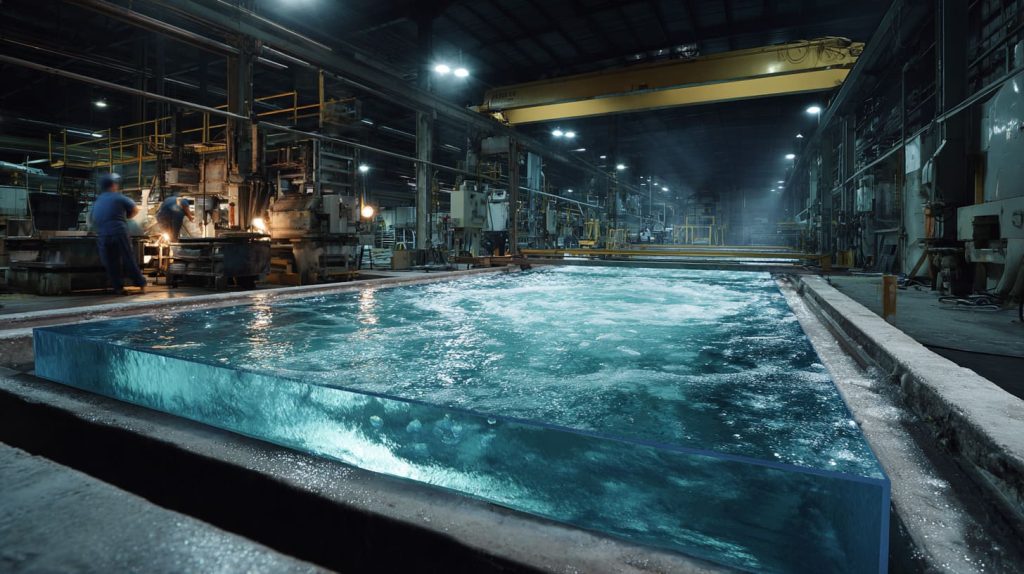
There are two main ways to make acrylic sheets: casting and extrusion.
These two processes create sheets that may look similar in photos. But they behave differently during cutting, bending, polishing, and long-term use. For custom acrylic products, this difference is not small.
When I review a new custom project, I do not ask “cast or extruded” as a textbook question. I ask because the wrong sheet type can quietly increase scrap, slow production, or create cracks after the product has already reached the customer.
What is the casting method for acrylic sheets?
Cast acrylic is made by pouring liquid MMA between two glass molds. The material is then polymerized and cooled under controlled conditions. After that, the sheet is removed from the mold and inspected.
Cast acrylic usually has better optical quality and better machining performance. It can also be made in a wider range of thicknesses.
The basic process looks like this:
| Casting Step | Simple Explanation | Main Quality Concern |
|---|---|---|
| Mold preparation | Glass molds are cleaned and prepared | Dust, marks, uneven surface |
| Liquid filling | MMA liquid is poured between molds | Bubbles, thickness control |
| Polymerization | Liquid slowly becomes solid | Temperature control, internal stress |
| Cooling | Sheet cools slowly | Warping, cracking risk |
| Demolding | Sheet is removed from glass molds | Surface damage |
| Inspection | Sheet is checked and protected | Scratches, bubbles, thickness |
Cast acrylic is often chosen for products that need excellent clarity, good polishing, or more demanding fabrication.
Many premium acrylic products use cast acrylic because it handles machining better. It is usually easier to polish. It also has better chemical resistance than extruded acrylic.
For example, if I am making a thick acrylic display block or a high-end cosmetic display with polished edges, cast acrylic often gives a better result. The edge can look cleaner. The surface can feel more solid. The product can carry a more premium feeling.
Cast acrylic is not always the cheapest choice. But it often saves trouble when the product needs:
- Thick sheets
- Beautiful polished edges
- CNC engraving
- Better resistance to cracking
- High optical clarity
- Custom colors or special thickness
The trade-off is cost and production time. Cast acrylic is usually more expensive than extruded acrylic.
What is the extrusion method for acrylic sheets?
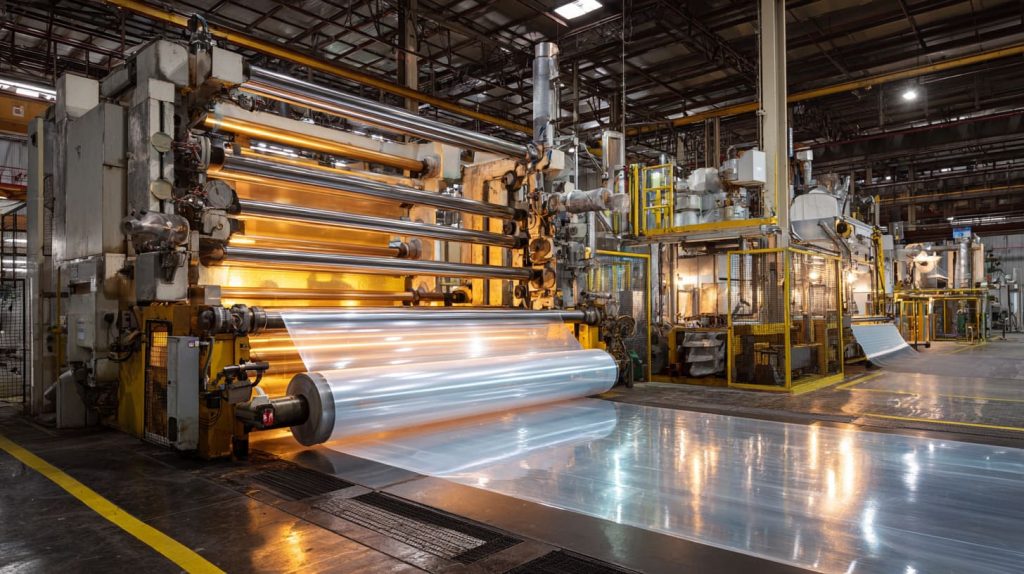
Extruded acrylic is made by pushing melted acrylic resin through rollers or a die to form continuous sheets. This process is faster and more efficient than casting.
Extruded acrylic is good for mass production. It often has more consistent thickness and lower cost. It is widely used for standard sheet sizes and large-volume orders.
The process is more continuous:
| Extrusion Step | Simple Explanation | Main Quality Concern |
|---|---|---|
| Resin feeding | PMMA resin pellets enter the machine | Material consistency |
| Heating | Resin is melted | Temperature control |
| Extrusion | Melted material is pushed into sheet form | Thickness and flow marks |
| Rolling | Sheet passes through rollers | Surface flatness |
| Cooling | Sheet cools and hardens | Warping and stress |
| Cutting | Sheet is cut into standard sizes | Edge accuracy |
Extruded acrylic is not “bad acrylic.” That is a common misunderstanding. It is just different.
What are the advantages of extruded acrylic sheets?
Extruded acrylic has several advantages:
- Lower cost
- Faster production
- Good thickness consistency
- Suitable for standard products
- Better for high-volume orders
- Easier for some thermoforming applications
If a buyer needs large quantities of simple panels, protective covers, or standard display parts, extruded acrylic may be a smart choice.
But extruded acrylic can be more sensitive during machining. It may melt faster during laser cutting. It may have more internal stress. It may not polish as beautifully as cast acrylic in some cases.
What are the differences between cast and extruded acrylic sheets?
Cast and extruded acrylic can both be useful. The better choice depends on the project.
| Factor | Cast Acrylic | Extruded Acrylic |
|---|---|---|
| Cost | Higher | Lower |
| Optical quality | Usually better | Good, but may vary |
| Thickness range | Wider | More standard |
| Machining | Better for CNC and polishing | More sensitive to heat |
| Chemical resistance | Better | Lower |
| Internal stress | Usually lower | Usually higher |
| Best use | Premium displays, thick parts, polished products | Standard panels, mass production, lower-cost projects |
I like to explain it this way:
Cast acrylic is like custom woodworking with better material control. Extruded acrylic is like efficient industrial sheet production. Both can be right. The mistake is using one for every job.
For a buyer, the smart question is not “Which one is better?” The smart question is “Which one fits my product, budget, and quality risk?”
Once the sheet is made, the next layer of value appears: color and surface finish.
How Are Acrylic Sheets Colored and Finished?
Color and finish can completely change how acrylic feels.
A clear sheet can become a luxury display. A frosted sheet can become a soft light panel. A black glossy sheet can become a modern furniture part. A colored transparent sheet can make a simple sign look alive.
But color is also where mistakes hide. Two sheets may both be “blue,” but one may look clean and deep, while another may look cheap or uneven.
When I check a colored acrylic project, I always think about the final environment, because the same color can look different under warehouse light, store light, sunlight, and LED light.
How are colored acrylic sheets produced?
Colored acrylic sheets are usually produced by adding pigments during the material preparation stage. The pigment must be mixed evenly so the final sheet has stable color.
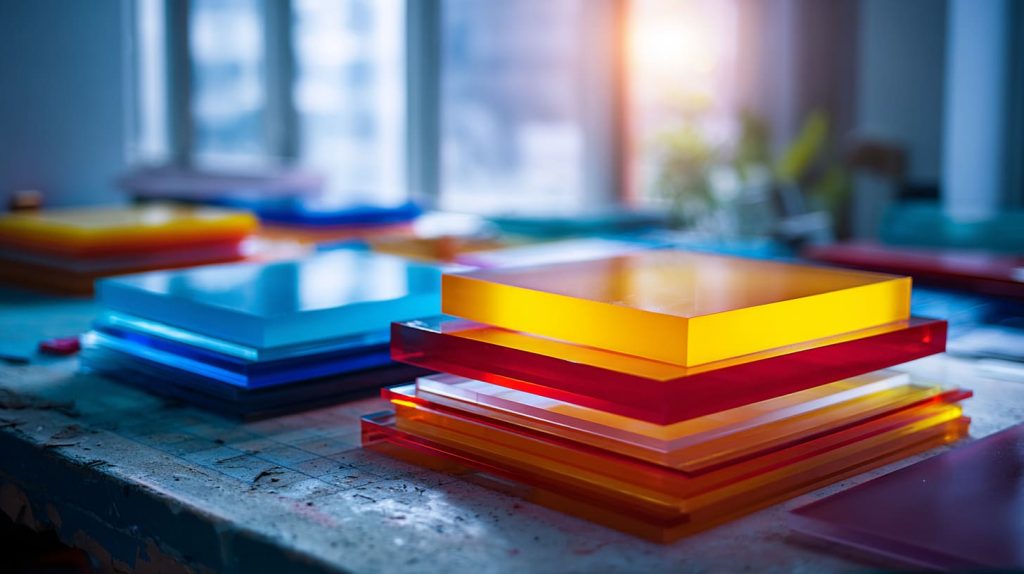
Acrylic sheets can be made in many color types:
- Transparent color
- Opaque color
- Translucent color
- Frosted color
- Fluorescent color
- Mirror acrylic
- Marble or special effect acrylic
Each color type has its own use.
| Color Type | Visual Effect | Common Use |
|---|---|---|
| Clear acrylic | Glass-like | Displays, boxes, covers |
| Transparent colored acrylic | Light passes through with color | Signs, decoration, creative displays |
| Opaque acrylic | Solid color, no clear view | Panels, logos, furniture parts |
| Frosted acrylic | Soft, blurred look | Light boxes, partitions, premium displays |
| Mirror acrylic | Reflective surface | Decoration, branding, visual design |
| Fluorescent acrylic | Bright glowing edge | Retail displays, creative signage |
For B2B custom projects, color matching is often more important than people expect. A brand display cannot have one batch slightly lighter and the next batch slightly darker. The customer may notice it immediately.
What surface finishes are available?
Acrylic sheets can have different surface finishes. The most common ones are glossy, matte, frosted, and textured.
Glossy acrylic looks bright and clean. It is common in display products. Matte acrylic feels softer and more modern. Frosted acrylic can reduce direct visibility and soften light. Textured acrylic can hide scratches better and create a special design effect.
| Finish | Look and Feel | Good For | Risk to Watch |
|---|---|---|---|
| Glossy | Shiny, clear, premium | Display boxes, stands, frames | Scratches show easily |
| Matte | Soft, less reflection | Decorative panels, modern designs | Fingerprints may show |
| Frosted | Blurred, elegant | Light panels, partitions | Light diffusion must be tested |
| Textured | Patterned surface | Decoration, privacy panels | Harder to clean in some designs |
The finish should match the product use. A glossy cosmetic organizer looks clean, but it needs good packing because scratches are easy to see. A frosted panel may look beautiful, but it may not be right if the buyer needs high transparency.
How are protective coatings applied?
Some acrylic sheets need extra protection. Coatings can improve surface performance.
Common coatings include:
- UV coating
- Anti-scratch coating
- Anti-glare coating
- Hard coating
- Special surface treatment for printing
These coatings can add value, but they also add cost. They may also affect fabrication. For example, coated acrylic may need special handling during laser cutting or printing.
So I usually treat coating as a project decision, not a decoration. If the product will be used indoors for a short promotion, a special coating may not be necessary. If it will sit near sunlight or be touched often, coating may be worth discussing.
Color and finish make acrylic attractive. But the real factory work begins when the sheet is cut, polished, and formed.
How Are Acrylic Sheets Cut and Processed?
Acrylic sheet becomes a product through processing. This is where factory experience starts to show clearly.
A good sheet can still become a poor product if it is cut badly. A simple panel can look expensive if the edges are clean. A complex display can fail if the bending angle is wrong by only a few degrees.
The part I never ignore is edge quality, because buyers may forgive a small hidden mark, but they rarely forgive a rough edge on a clear acrylic display.
What cutting methods are used for acrylic sheets?
Acrylic sheets can be cut by laser, CNC router, or saw cutting. Each method has its own advantages.
| Cutting Method | Best For | Advantages | Risks |
|---|---|---|---|
| Laser cutting | Thin to medium acrylic parts | Clean shape, fast, good for detailed designs | Heat marks, melted edges, stress |
| CNC cutting | Thick sheets, precise parts, slots, holes | Better control, good for custom structures | Tool marks, longer time |
| Saw cutting | Straight cuts, large panels | Fast for simple cuts | Rough edges, needs polishing |
Laser cutting is common for display parts and decorative shapes. It gives smooth edges on many acrylic products. But laser heat can create stress, especially if the design has sharp corners or small holes.
CNC cutting gives more control for thick sheets, structural parts, and precision slots. It is very useful for custom display stands, acrylic boxes, racks, and furniture parts.
Saw cutting is simple and efficient for straight panels, but the edges usually need more finishing.
How are acrylic sheets polished?
Polishing makes the acrylic edge clear and beautiful. It is one of those small steps that changes the product feeling immediately.
Common polishing methods include:
- Flame polishing
- Diamond polishing
- Buff polishing
- Manual edge finishing
| Polishing Method | Result | Best Use | Risk |
|---|---|---|---|
| Flame polishing | Very shiny edge | Display products, simple edges | Can create stress if overheated |
| Diamond polishing | Clean, high-quality edge | Premium products, straight edges | Higher cost |
| Buff polishing | Smooth handmade finish | Small batches, curved parts | Depends on worker skill |
| Manual finishing | Flexible correction | Custom parts | Slower and less consistent |
Flame polishing can make the edge look beautiful very fast. But it needs skill. Too much heat can create micro-cracks later.
Diamond polishing gives a more controlled finish. It is often better for premium straight edges.
For custom products, I often judge polishing by touching and viewing the edge under light. Photos are useful, but the hand and eye still tell the truth.
How are acrylic sheets bent and shaped?
Acrylic can be bent and formed with heat. This is why it is so useful for custom products.
Common forming methods include:
- Heat bending
- Thermoforming
- Vacuum forming
Heat bending is used for simple angles, like display stands or brochure holders. Thermoforming and vacuum forming are used for more complex shapes.
| Forming Method | Good For | Main Control Point |
|---|---|---|
| Heat bending | Simple angles, stands, holders | Heating line, bending angle |
| Thermoforming | Curved parts, covers | Mold design, temperature |
| Vacuum forming | Repeated shaped parts | Mold quality, sheet thickness |
Bending sounds easy, but it can be very sensitive. If the temperature is too low, the acrylic may crack. If the temperature is too high, it may bubble or deform. If the cooling is uneven, the final part may twist.
This is why acrylic fabrication is not only about machines. It also depends on the worker’s judgment.
And after all this cutting and forming, quality control becomes the safety net.
How Is Acrylic Sheet Quality Controlled?
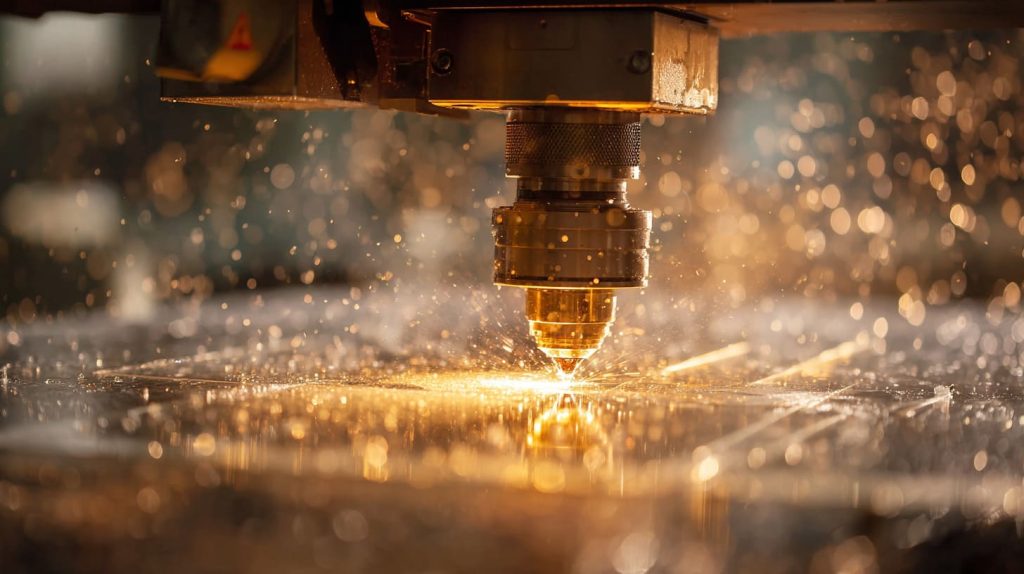
Quality control is not only a final inspection. It should happen during material selection, sheet production, cutting, polishing, bending, assembly, and packing.
In acrylic work, many problems are small at first. A tiny bubble. A light scratch. A slight thickness difference. A little stress around a hole. But once the product is assembled and shipped, these small things become expensive problems.
The check I care about most is not only whether the sample looks good, but whether the factory can repeat the same quality for the whole batch.
What quality tests are performed during production?
Acrylic sheet quality can be checked in several ways:
- Thickness testing
- Transparency testing
- Color inspection
- Surface inspection
- Impact testing
- Flatness checking
- Bubble inspection
- Scratch inspection
- Edge quality checking after processing
Here is a simple quality control table:
| Test Item | What It Checks | Why It Matters |
|---|---|---|
| Thickness | Sheet size accuracy | Affects assembly and structure |
| Transparency | Optical clarity | Affects display value |
| Surface | Scratches, marks, dust | Affects appearance |
| Color | Color consistency | Important for brand projects |
| Impact | Basic strength | Affects safety and durability |
| Flatness | Warping or bending | Affects installation |
| Edge finish | Polishing and cutting quality | Affects premium feeling |
For custom acrylic products, thickness tolerance can be very important. If a slot is designed for 5mm acrylic but the sheet varies too much, parts may not fit well.
Why is quality control important in custom acrylic manufacturing?
Custom acrylic manufacturing has more risk than standard sheet selling. Each project may have different drawings, sizes, structures, colors, and packaging needs.
Quality control helps prevent:
- Bubbles inside sheets
- Scratches on surfaces
- Glue marks
- Wrong dimensions
- Poor bending angles
- Weak joints
- Color differences
- Packing damage
Acrylic is beautiful, but it is not forgiving. Clear material exposes mistakes. A glue mark on transparent acrylic is like dust on a black car. Once you see it, you cannot unsee it.
For this reason, quality control must be connected to the full process, not just the final product.
What certifications should buyers look for?
Certifications help buyers understand whether a supplier has a basic quality system. For acrylic manufacturing, buyers may look for:
- ISO9001 quality management certification
- Eco-friendly material certifications
- Material safety reports
- UV resistance test reports when needed
- Custom inspection reports for specific projects
Certifications are helpful, but they are not magic. A certificate does not automatically make every product good.
I prefer to see certification plus real production control. That means clear drawings, material confirmation, sample approval, production inspection, and safe packing.
For B2B buyers, this is where trust is built. Not through one nice product photo, but through a stable process.
Quality control also connects directly to price, because better control usually costs time, labor, and better material.
What Factors Affect Acrylic Sheet Pricing?
Acrylic sheet pricing can confuse buyers because two sheets may look similar but have different costs.
Some buyers ask, “Why is this acrylic more expensive?” It is a fair question. But the answer is not always simple. Price can change because of raw material, sheet type, thickness, size, color, coating, cutting, polishing, bending, packing, and order quantity.
I become careful when a price looks too low, because in acrylic products, the missing cost often hides in material grade, polishing time, packing protection, or quality inspection.
Why are some acrylic sheets more expensive?
Some acrylic sheets cost more because they use better material or more controlled production.
Main cost factors include:
| Factor | Lower-Cost Option | Higher-Cost Option | Why It Matters |
|---|---|---|---|
| Material | Recycled or mixed material | Virgin PMMA material | Affects clarity and strength |
| Process | Extruded acrylic | Cast acrylic | Affects machining and polishing |
| Thickness | Thin sheet | Thick sheet | More material cost |
| Color | Standard clear | Custom color | More setup and control |
| Finish | Standard glossy | Coated or special finish | Extra process |
| Size | Standard sheet | Custom size | Cutting and waste |
| Quality level | Basic inspection | Detailed inspection | More labor and lower risk |
Virgin acrylic material usually gives better clarity and more stable performance. Recycled material may reduce cost, but it can increase risk in high-end display products.
Cast acrylic usually costs more than extruded acrylic because the process is slower and more flexible.
How does customization affect cost?
Customization adds cost because it adds work.
Custom acrylic products may include:
- Custom sheet thickness
- Custom color
- CNC machining
- Laser cutting
- Heat bending
- Printing
- Engraving
- Bonding
- Polishing
- Special packaging
- Logo or brand details
A simple flat panel is easy. A custom display stand with polished edges, printed logo, tight slots, and safe export packaging is a different story.
Here is a simple example:
| Product Requirement | Cost Impact | Reason |
|---|---|---|
| Standard clear sheet | Low | Easy material and cutting |
| Custom size panel | Medium | Cutting and waste |
| Polished edges | Medium | More labor |
| Logo printing | Medium | Setup and printing process |
| Complex CNC structure | High | More machine time and inspection |
| Custom packaging | Medium to high | More material and labor |
For export orders, packaging is often overlooked. But it can be the difference between a profitable order and a complaint.
How can B2B buyers reduce acrylic sheet costs?
B2B buyers can reduce cost without destroying quality. The key is to reduce waste and avoid over-design.
Useful ways include:
- Use standard sheet thickness when possible
- Avoid unnecessary complex shapes
- Combine similar parts in one production batch
- Confirm drawings clearly before sampling
- Choose cast or extruded acrylic based on real need
- Use proper MOQ to spread setup cost
- Optimize packaging without weakening protection
- Avoid too many color changes in one order
For example, if a display product does not need thick polished edges, extruded acrylic may be enough. If a product needs high-end display quality, saving money by using the wrong sheet may create bigger losses later.
The cheapest price is not always the lowest total cost. That sentence sounds simple, but many factories and buyers learn it the hard way.
And speaking of hard lessons, acrylic production has some common problems that buyers should understand before placing an order.
What Common Problems Can Happen During Acrylic Sheet Production?
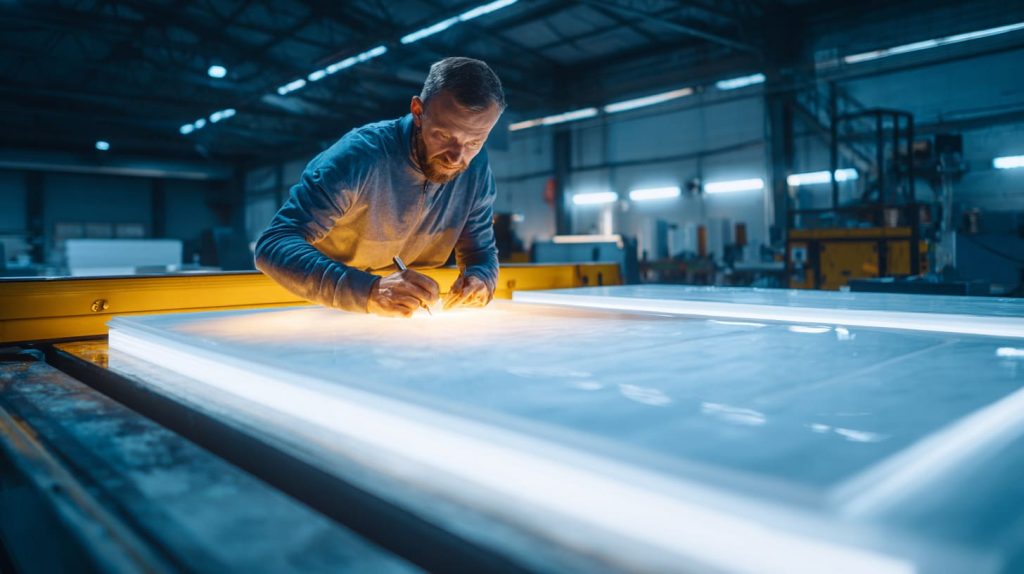
Acrylic problems often look small, but they can damage the full product value.
A bubble inside a sheet. A scratch near the front edge. A crack around a hole. A slight yellow tone. These are not dramatic problems in the factory, but they can be very visible to the final customer.
The danger sign I watch for is repeated “small defects,” because one small defect may be random, but many small defects usually mean the process is not under control.
Why do bubbles appear in acrylic sheets?
Bubbles can appear because of poor temperature control, low-quality raw materials, or unstable production conditions.
In cast acrylic, bubbles may form if the liquid material is not handled well or if the polymerization process is not controlled. In some cases, bubbles are very tiny and hard to see until the sheet is cut or placed under strong light.
Common causes include:
- Poor raw material purity
- Wrong temperature control
- Air trapped during production
- Dirty molds
- Unstable curing process
Bubbles are especially bad for transparent products. In a display block or clear box, bubbles can make the product look cheap.
What causes scratches or surface defects?
Acrylic scratches more easily than glass. That is why surface protection is very important.
Scratches may happen during:
- Sheet production
- Cutting
- CNC machining
- Polishing
- Assembly
- Packing
- Shipping
- Customer unpacking
Protective film quality matters. Handling method matters. Worker training matters. Even a clean worktable matters.
| Problem | Possible Cause | Prevention |
|---|---|---|
| Light scratches | Poor handling | Keep film on during processing |
| Deep scratches | Rough table or tools | Use clean working surface |
| Surface marks | Bad protective film | Use better film and storage control |
| Dust marks | Dirty environment | Clean before packing |
| Edge chips | Wrong cutting speed | Adjust machine settings |
Acrylic is like a mirror with feelings. It remembers rough handling.
Why do some acrylic sheets crack easily?
Cracking can happen because of internal stress, poor material, wrong cutting, bad drilling, or incorrect bending.
Sharp corners are also risky. If a design has sharp inside corners, stress may collect there. Over time, cracks can appear.
Common reasons include:
- High internal stress in the sheet
- Wrong laser power
- Poor drilling method
- Fast or uneven heating
- Strong glue reaction
- Bad design with sharp stress points
- Wrong material choice
For custom acrylic products, cracking is often not caused by one single mistake. It is usually a chain. Material stress plus sharp design plus wrong processing can create a failure.
This is why supplier experience matters so much. A good factory does not only follow drawings. A good factory also warns buyers when the design has risk.
So how should buyers choose the right acrylic sheet supplier?
How Can Buyers Choose the Right Acrylic Sheet Supplier?
Choosing an acrylic supplier is not only about price. It is about whether the factory understands the material, the process, and the buyer’s real use case.
A buyer like Jacky may already know how to compare quotations. But even experienced buyers can face problems when a supplier says “yes” too easily. In custom acrylic work, a fast yes can sometimes be more dangerous than a careful question.
The supplier I trust more is often the one who asks about application, tolerance, packing, and surface requirement before giving a final answer.
What should buyers evaluate before choosing a factory?
Buyers should evaluate both factory ability and communication ability.
Important points include:
- Production experience
- Sheet material source
- Laser and CNC capacity
- Polishing ability
- Bending and forming experience
- OEM customization ability
- Quality control process
- Export packaging experience
- Lead time stability
- Sample development ability
Here is a practical supplier evaluation table:
| Evaluation Point | Why It Matters | What Buyers Can Ask |
|---|---|---|
| Factory experience | Reduces project risk | How many years have you made custom acrylic products? |
| Machinery | Affects precision and capacity | Do you have laser and CNC machines? |
| Material control | Affects clarity and strength | What sheet material do you use? |
| Polishing skill | Affects final appearance | Can you show polished edge samples? |
| Custom ability | Affects OEM projects | Can you make products from drawings? |
| QC process | Affects batch stability | Do you inspect during production? |
| Packaging | Affects export damage rate | How do you pack clear acrylic products? |
Acrylic is a visual material. So buyers should not only look at machine lists. They should also look at actual product photos, samples, and edge finishing details.
Why is communication important in acrylic manufacturing?
Communication is not a soft skill in custom manufacturing. It is part of production control.
Many mistakes happen because the buyer and supplier understand the same word differently.
For example:
- “Clear” may mean water-clear to one person and normal transparent to another.
- “Polished edge” may mean flame polishing, buff polishing, or diamond polishing.
- “Strong enough” may mean different things depending on product use.
- “Good packing” may mean domestic packing or export-safe packing.
Good communication helps reduce:
- Wrong material choice
- Wrong thickness
- Wrong color
- Wrong tolerance
- Wrong edge finish
- Wrong packaging
- Wrong lead time expectations
When I work on custom acrylic projects, I like clear drawings, real photos, material notes, and sample confirmation. It may feel slow at the beginning, but it saves time later.
What questions should buyers ask acrylic suppliers?
Before placing an order, buyers can ask direct questions.
Useful questions include:
- What type of acrylic sheet will you use, cast or extruded?
- Is the material virgin PMMA or mixed/recycled material?
- What thickness tolerance can you control?
- Can you make a sample before mass production?
- What polishing method will you use?
- How do you prevent scratches during production?
- How do you inspect clear acrylic products?
- What is your MOQ?
- What is the normal lead time?
- How do you pack acrylic products for export?
These questions are simple, but they reveal a lot. A professional supplier can answer them clearly. A weak supplier may only reply with “yes, no problem.”
And in custom manufacturing, “no problem” is not a quality system.
Now let’s look forward, because acrylic sheet manufacturing is also changing.
What Is the Future of Acrylic Sheet Manufacturing?
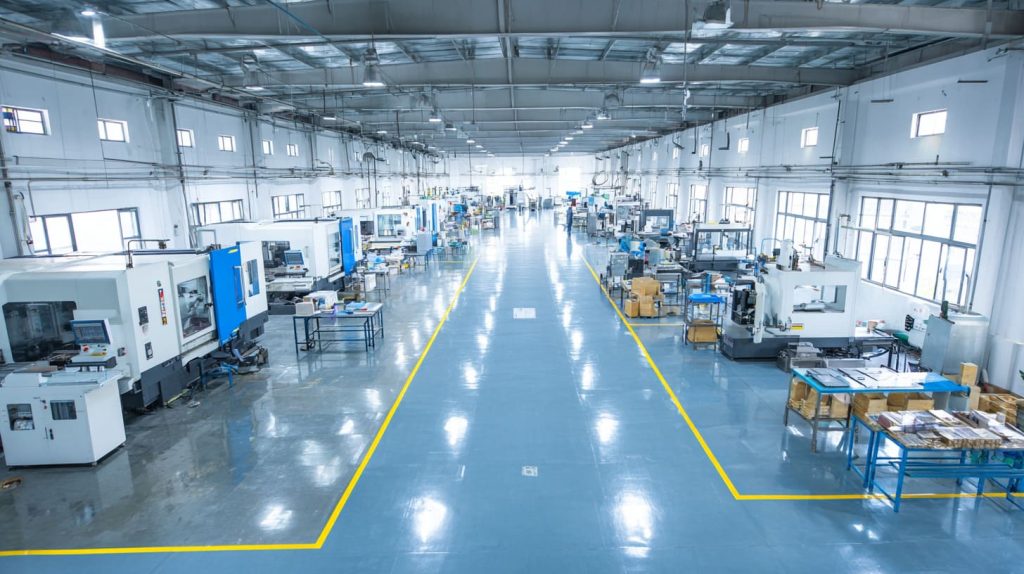
Acrylic manufacturing is not standing still. Buyers want better quality, faster sampling, cleaner material, lower waste, and more custom designs.
In B2B markets, acrylic is no longer used only for simple display stands. It is used in branded retail spaces, furniture parts, lighting products, protective covers, and custom decorative structures.
The future detail I pay attention to is not only new machines, but whether those machines help reduce mistakes in real production.
How is sustainability changing the acrylic industry?
Sustainability is becoming more important in acrylic manufacturing. More buyers ask about eco-friendly materials, safer production, and lower waste.
Acrylic is a plastic, so buyers naturally care about environmental impact. Factories need to think about better material use and waste control.
Possible changes include:
- Better sheet nesting to reduce waste
- More responsible material sourcing
- Recycling of acrylic scrap
- Cleaner production processes
- Longer-lasting product design
- Better packaging choices
For custom acrylic factories, reducing waste is not only about being eco-friendly. It also reduces cost.
If a design wastes too much material, the buyer pays for that waste. Better design can help both the environment and the budget.
What new technologies are improving acrylic production?
New technology helps factories make acrylic products more stable and precise.
Important improvements include:
- Advanced CNC cutting
- Precision laser cutting
- Automated polishing
- Better forming equipment
- Digital drawing review
- Improved quality inspection
- Better packing design
Machines are important, but machines do not replace thinking. A CNC machine can cut accurately, but it cannot decide whether the design has stress risk. A laser machine can cut fast, but it cannot judge whether a visible edge should be polished differently.
The best result comes when skilled workers use good machines with good process control.
Why is custom acrylic manufacturing growing globally?
Custom acrylic manufacturing is growing because brands want products that feel unique.
Retail stores want custom displays. Cosmetic brands want clear organizers. Interior designers want special panels. Electronics projects need covers and enclosures. Gift and packaging companies want branded acrylic parts.
The demand is not only for sheets. The demand is for finished custom solutions.
This is why B2B buyers look for factories that can handle:
- Custom drawings
- OEM orders
- Small changes in design
- Logo printing or engraving
- Stable quality in repeat orders
- Export packaging
- Fast communication
Acrylic sheet manufacturing may begin with chemistry, but custom acrylic business ends with trust. That is the part machines cannot fully replace.
Conclusion
Acrylic sheets are made through a series of controlled steps, starting from MMA raw material and ending with clear, colored, or finished sheets ready for fabrication.
The two main manufacturing methods are casting and extrusion. Cast acrylic is often better for premium products, thick parts, polishing, and demanding custom work. Extruded acrylic is often better for standard panels, large-volume production, and cost-sensitive projects.
But the sheet itself is only one part of the story.
Acrylic product quality also depends on cutting, CNC machining, polishing, bending, bonding, inspection, and packaging. For B2B buyers, this is where the real decision happens. A sheet may look simple, but the process behind it decides whether the final product looks clean, strong, and professional.
If you are sourcing custom acrylic displays, boxes, frames, stands, racks, organizers, or furniture parts, I suggest you do not only compare prices. Ask about material type, production process, edge finishing, quality control, and packing method.
At Feilong Acrylic, we focus on custom acrylic manufacturing for B2B buyers. We do not sell from a fixed catalog. We help turn client ideas, drawings, and product needs into tailored acrylic products with stable quality and practical production control.
If you are working on a custom acrylic project and you need a factory partner who understands both material and manufacturing details, you can contact Feilong Acrylic and share your drawings, size, thickness, quantity, and application. A clear project always starts with a clear conversation.