Skip to content
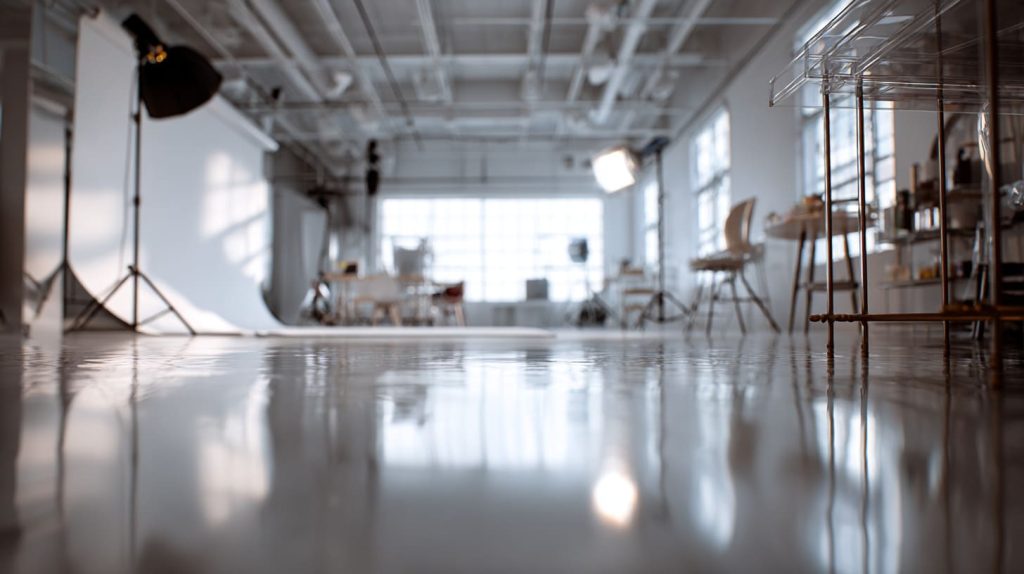
Acrylic sheets rarely appear in photography textbooks. Yet, they sit quietly behind many clean product shots, glossy reflection images, and calm exhibition displays. I learned this not from theory, but from mistakes. Early on, I watched a glass panel crack during a rushed setup. The photo shoot stopped. People waited. Costs went up. That moment stayed with me.
Over time, acrylic became the quiet fix. Lighter. Safer. Easier to control. Photographers, studio owners, and display designers did not switch because acrylic was trendy. They switched because it solved daily problems. From product photography to exhibitions and commercial displays, acrylic sheets slowly became part of the workflow, not a special material.
What Are Acrylic Sheets and Why Are They Used in Photography?

I often explain acrylic sheets in simple terms. They are plastic panels designed to behave like glass, but without glass’s habits. That difference matters when lights, people, and deadlines collide.
Basic properties of acrylic sheets
Acrylic sheets bring a mix of physical and optical traits that photographers feel right away.
- High light transmission, often above 90%
- Clear and even surface quality
- Lower weight than glass
- Strong resistance to impact
I see these properties play out on set. A panel gets moved ten times. It leans against a wall. Someone brushes past it. Acrylic forgives small mistakes.
| Property | Acrylic Sheet | Glass |
|---|---|---|
| Weight | Light | Heavy |
| Impact resistance | High | Low |
| Optical clarity | Very good | Excellent |
| Safety risk | Low | High |
Acrylic vs glass in photography applications
Glass still looks perfect on paper. In real studios, it adds stress.
- Transport needs care
- Breakage risk stays high
- Sharp edges worry crews
Acrylic reduces these risks. I have seen teams work faster when they know a panel will not shatter. That calm matters more than perfect lab numbers.
Before moving on, it helps to understand how acrylic behaves once light hits it. That is where real photography choices begin.
How Acrylic Sheets Affect Light in Photography
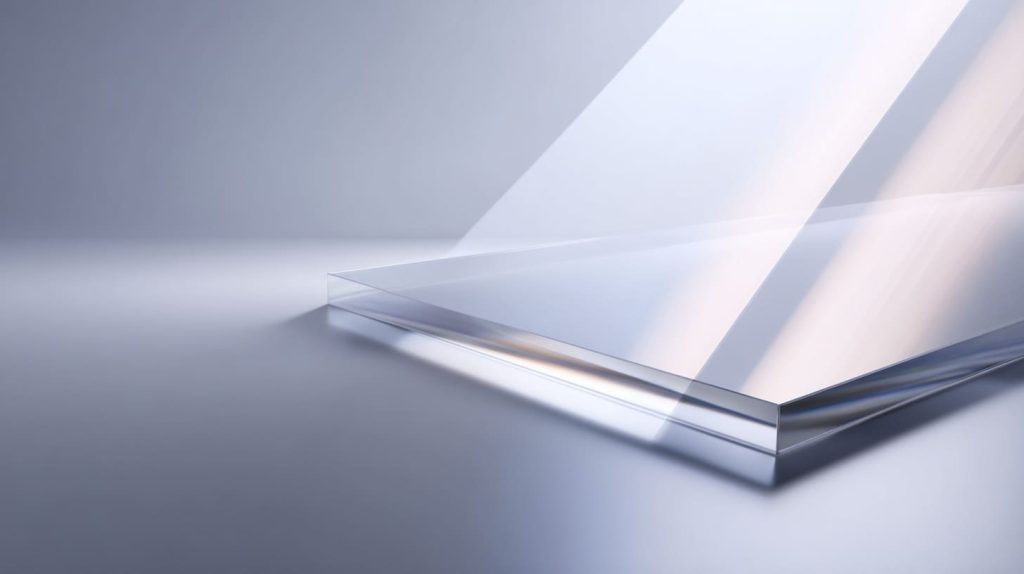
Light is never neutral. It reacts to surfaces. Acrylic does not hide this. It shows it clearly.
Light transmission and clarity
Acrylic allows light to pass through with little loss. Both natural and artificial light stay clean. But not all acrylic is the same.
- Cast acrylic offers better clarity
- Extruded acrylic costs less but may show distortion
I once compared both during a cosmetic shoot. The difference appeared only at certain angles. That taught me to match material to use, not price.
| Type | Clarity | Cost | Best use |
|---|---|---|---|
| Cast acrylic | High | Higher | Studio, product shots |
| Extruded acrylic | Good | Lower | Backgrounds, props |
Reflection, refraction, and glare control
Acrylic reflects light like calm water. This can help or hurt.
- Polished surfaces give sharp reflections
- Matte or frosted finishes soften glare
- Thickness changes reflection depth
I often suggest testing finishes early. A small sample saves hours later.
Once light behavior feels clear, it becomes easier to see where acrylic fits best in real photography setups.
Common Photography Applications of Acrylic Sheets
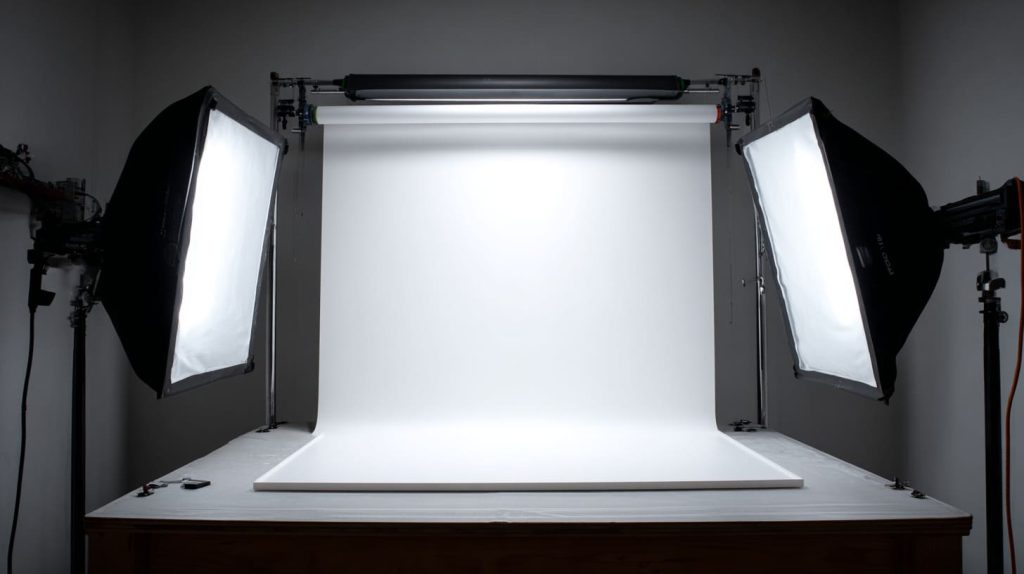
Most people notice acrylic only after seeing the final image. The material stays invisible. That is its strength.
Acrylic backdrops for product photography
Clean backgrounds sell calm. Acrylic does this well.
- White sheets for purity
- Black sheets for contrast
- Colored sheets for mood
Floating product shots often rely on acrylic supports hidden behind the frame.
Acrylic surfaces for reflection shots
Reflection shots demand control.
- Polished acrylic gives mirror-like effects
- Thickness adds depth to reflections
- Edge polish affects visual quality
Luxury goods benefit most here. Cosmetics, watches, bottles. The surface speaks quietly.
Acrylic diffusers and light modifiers
- Diffuser panels soften harsh beams
- Custom-cut shapes fit tight spaces
- DIY solutions work, but vary
I have seen studios upgrade from DIY panels once consistency becomes important.
After seeing these uses, the next question always comes up: how to choose the right sheet.
Choosing the Right Acrylic Sheet for Photography Projects
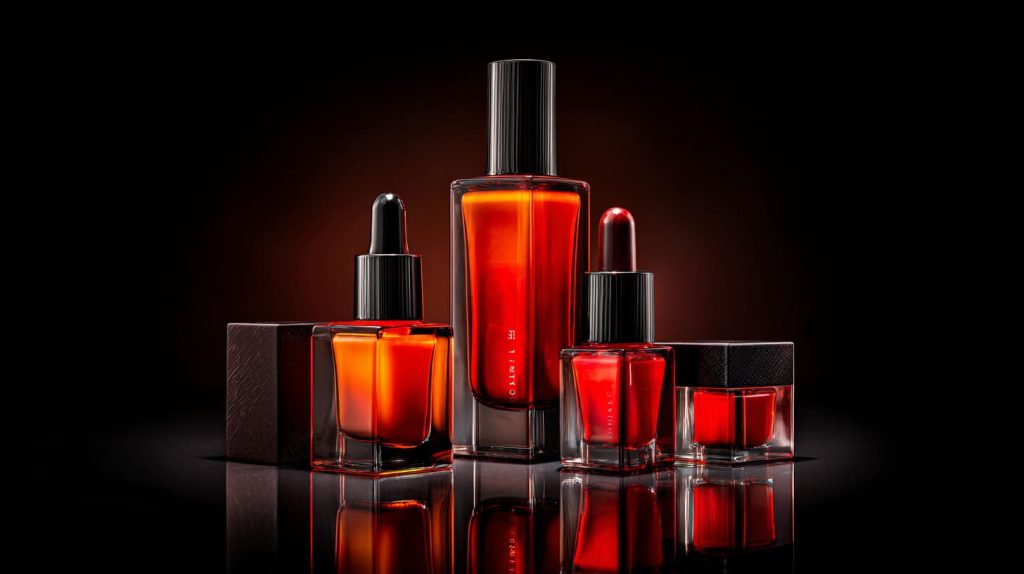
Choosing acrylic is not about buying “the best.” It is about choosing what stays stable under pressure.
Thickness and size selection
Thicker sheets stay flat. Thin sheets travel well.
| Thickness | Use case |
|---|---|
| 2–3 mm | Portable backdrops |
| 5 mm | Reflection bases |
| 8–10 mm | Large studio panels |
Large formats reduce seams but increase handling needs.
Color, transparency, and surface finish
Surface choice changes mood.
- Clear for realism
- Frosted for softness
- Tinted for brand tone
Edges matter too. A rough edge distracts the eye.
Cast acrylic vs extruded acrylic
This choice repeats often.
- Cast for optical quality
- Extruded for cost control
I guide buyers to decide based on shot distance and camera angle.
Once material is chosen, daily care decides how long it stays usable.
Practical Tips for Using Acrylic Sheets in Photography

Acrylic rewards careful habits. It also punishes neglect.
Cleaning and maintenance
Dust loves acrylic. Static helps it.
- Use soft cloths
- Avoid paper towels
- Use mild cleaners
Scratches rarely forgive.
Handling and storage
I suggest simple rules.
- Store flat
- Keep protective film on
- Avoid heat sources
Transport with padding. Always.
Custom fabrication considerations
Custom work opens options.
- Laser cutting for clean edges
- Polishing for reflections
- Bending for special setups
Working with experienced manufacturers saves trial time.
Still, acrylic is not perfect. Knowing its limits avoids regret.
Limitations and Challenges of Acrylic Sheets in Photography
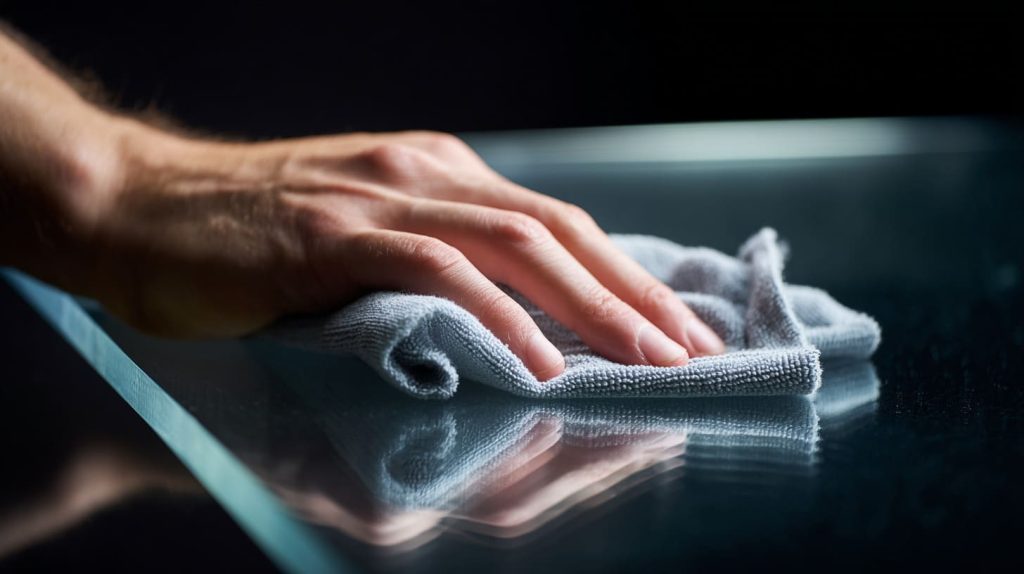
Every material has a mood. Acrylic’s mood is sensitive.
Scratch sensitivity and durability
Acrylic scratches easier than glass.
- Protective films help
- Coatings extend life
- Heavy use shows wear
Some projects still prefer glass.
Heat and environmental considerations
Studio lights generate heat.
- Acrylic softens under high temperature
- UV exposure may yellow low-grade sheets
Material quality matters more over time than at purchase.
After limits come questions. The same ones appear again and again.
FAQ: Acrylic Sheets in Photography

Are acrylic sheets optically clear enough for professional photography?
Yes. High-quality cast acrylic meets most studio needs.
What thickness of acrylic is best for product photography?
Usually 5 mm for balance between stability and weight.
Can acrylic sheets replace glass in all photography setups?
Not all. High-heat or scratch-heavy setups may still use glass.
How do I reduce reflections when shooting on acrylic?
Change angle, use matte finishes, or add diffused light.
Is custom-cut acrylic worth it for commercial studios?
Often yes. It saves setup time and improves consistency.
Conclusion

Acrylic sheets earn their place in photography by staying quiet and reliable. They reduce risk, speed up work, and give photographers control over light and mood. They are not perfect, but they are practical.
When projects repeat and quality must stay stable, custom acrylic solutions make sense. If you want to explore options built for long-term studio use, I am always open to talk through real needs, not catalog items.