Skip to content
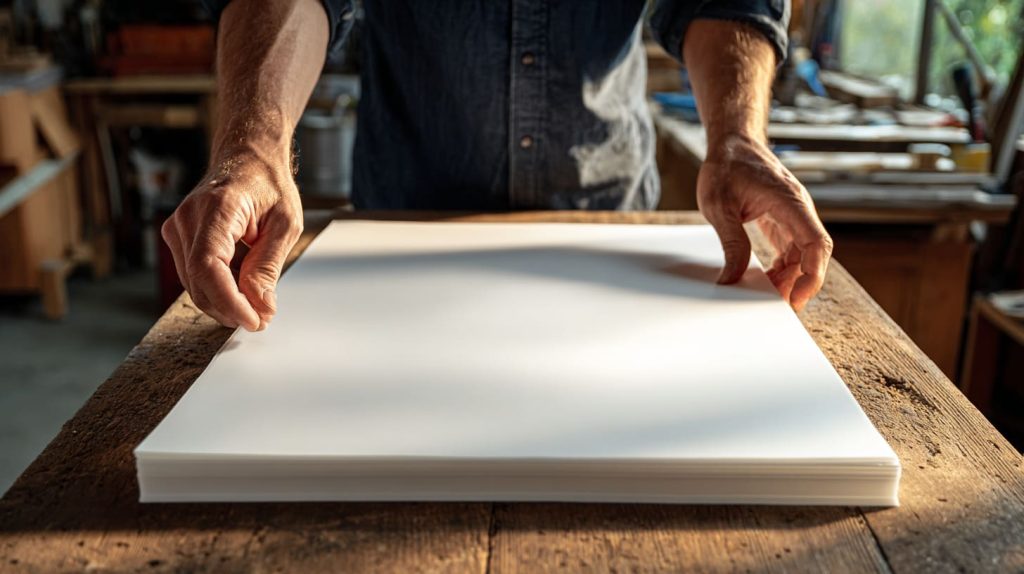
You’re standing at the corner of a production table, holding a plastic sheet that feels sturdy yet strangely soft to the touch. It’s matte, not glossy. It bends a little but doesn’t snap. Someone says it’s HDPE—and that’s when the questions begin.
HDPE is a durable, lightweight plastic that's great for impact resistance, but it's not ideal for clear, glossy display products.
It’s cheap, tough, and waterproof, sure. But is it the right material for polished retail displays or custom projects? That’s what I wanted to figure out—so I dug deeper.
Is HDPE a good plastic?
At first glance, HDPE feels humble. It’s not flashy, not brittle. But it's tough as nails.
Yes, HDPE is a strong, flexible, and low-cost plastic that performs well in industrial and outdoor settings.

Why do engineers love HDPE?
- Chemical resistant – Oils, solvents, and detergents don’t bother it.
- Weatherproof – Rain, sun, and frost? HDPE shrugs them off.
- Low friction – Great for moving parts or storage bins.
It’s not fancy. But sometimes, simple works best.
What is the downside of HDPE?
The flip side? It’s not a beauty queen.
HDPE can’t be bonded easily, isn’t good for transparent uses, and doesn’t machine as crisply as acrylic.
It bends when you don’t want it to. It warps with heat. And if you’re after a clean edge or perfect polish—this isn’t it.
Key Limitations Table
| Limitation | Why it Matters |
|---|---|
| Poor glue adhesion | Welding or mechanical fasteners needed |
| Soft surface | Scratches easily |
| Opaque only | No clear or glossy look |
| Heat deformation | Can warp under CNC friction |
Is HDPE weather resistant?
I’ve left scraps outside just to see what would happen. Rain, sun, even snow didn’t do much.
Yes, HDPE is highly resistant to weather, UV light, and moisture—making it ideal for outdoor use.
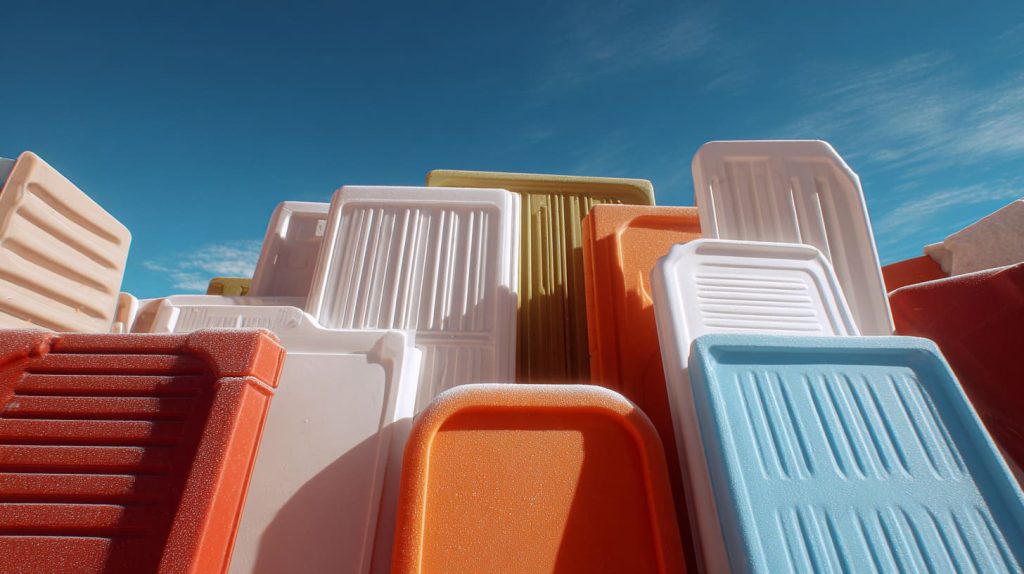
When you need signage, playground parts, or outdoor bins, HDPE is your friend. It won’t rot. It doesn’t crack under frost. It just stays... there.
Is HDPE toxic to humans?
Short answer: no. Long answer: depends how you treat it.
HDPE is considered safe for humans and is even FDA-approved for food contact.
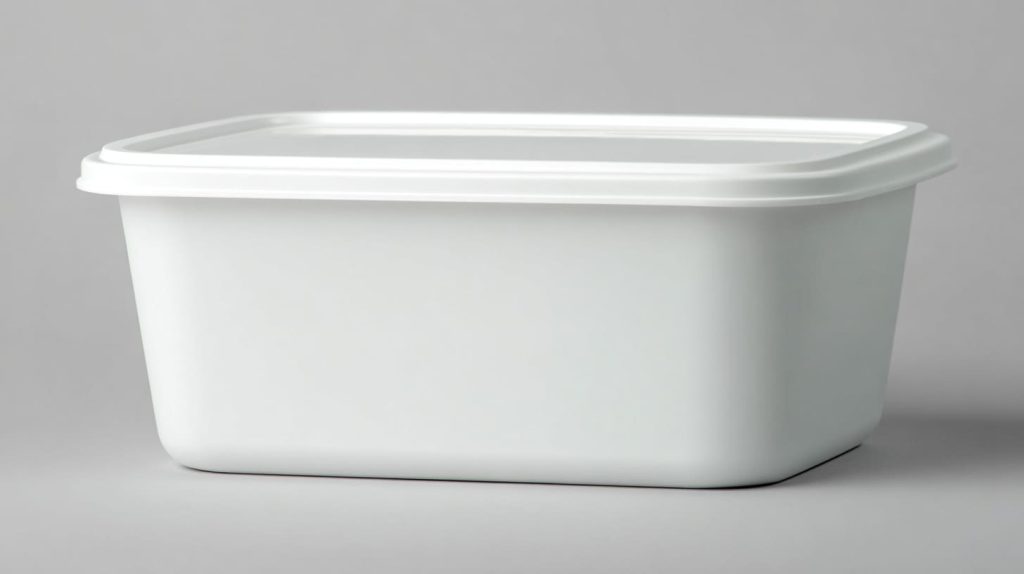
As long as you don’t burn it or expose it to harsh melting fumes, it’s stable and safe.
How long will HDPE last?
I’ve seen boards used in playgrounds for over 10 years without breaking down.
HDPE can last 25–50 years depending on exposure, especially in outdoor or structural uses.
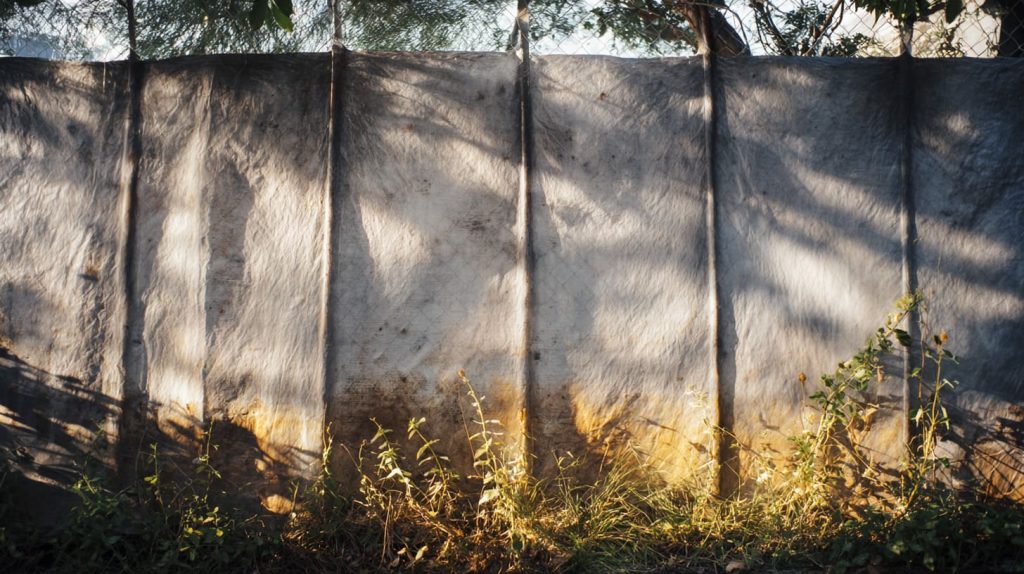
Even under UV, it holds up better than PVC or ABS. It won’t look pretty forever—but it’ll hold.
What are the main differences between HDPE and acrylic?
They don’t even play in the same league. Acrylic is glass-like. HDPE is rubbery.
HDPE is opaque, flexible, and weather-resistant, while acrylic is clear, rigid, and better for visual clarity.
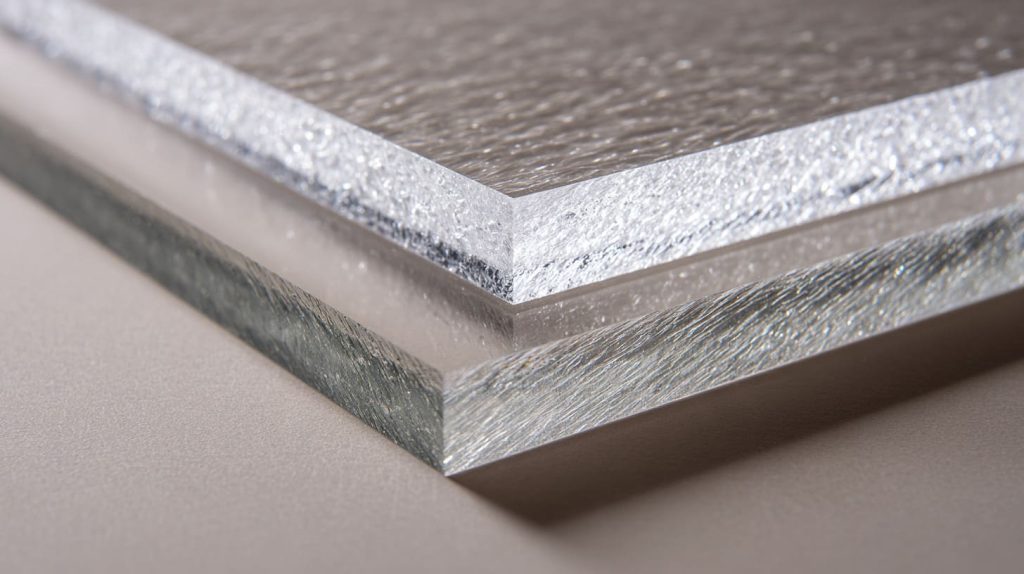
Comparison Table
| Property | HDPE | Acrylic |
|---|---|---|
| Clarity | Opaque only | Transparent or colored |
| Stiffness | Flexible | Rigid |
| Machinability | Difficult (melts easily) | Excellent (crisp edges) |
| Outdoor use | Excellent | Needs UV treatment |
| Bonding | Poor | Strong with glue |
Is HDPE suitable for clear display products like acrylic?
This one’s easy. Absolutely not.
HDPE is not suitable for clear displays—it’s always opaque and matte.
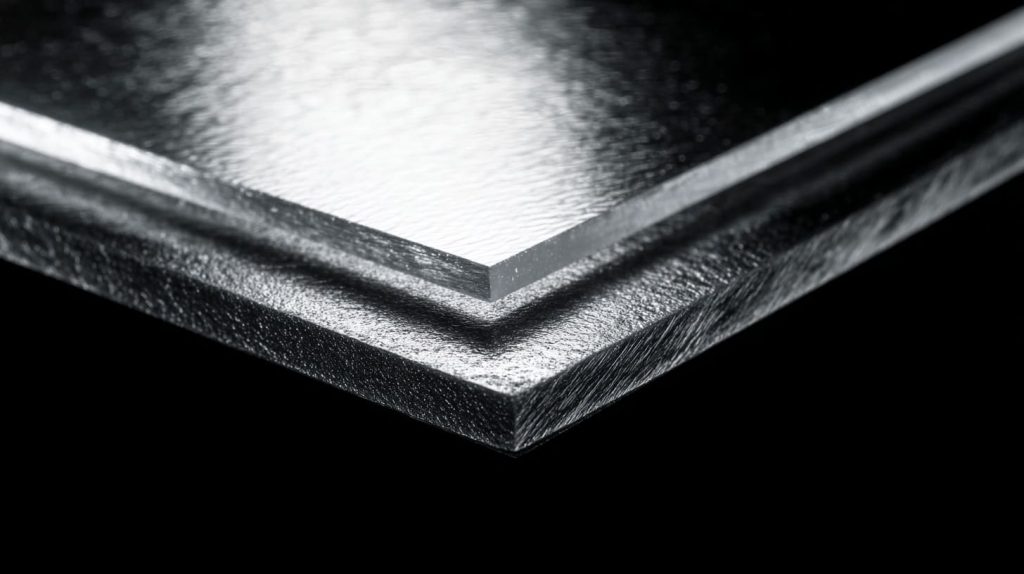
Even if you polish or mill it, it won’t become see-through. It’s meant for durability, not clarity.
How does HDPE compare to polycarbonate in strength and flexibility?
Both are tough, but in very different ways.
HDPE is more flexible and softer, while polycarbonate is stronger, stiffer, and optically clear.
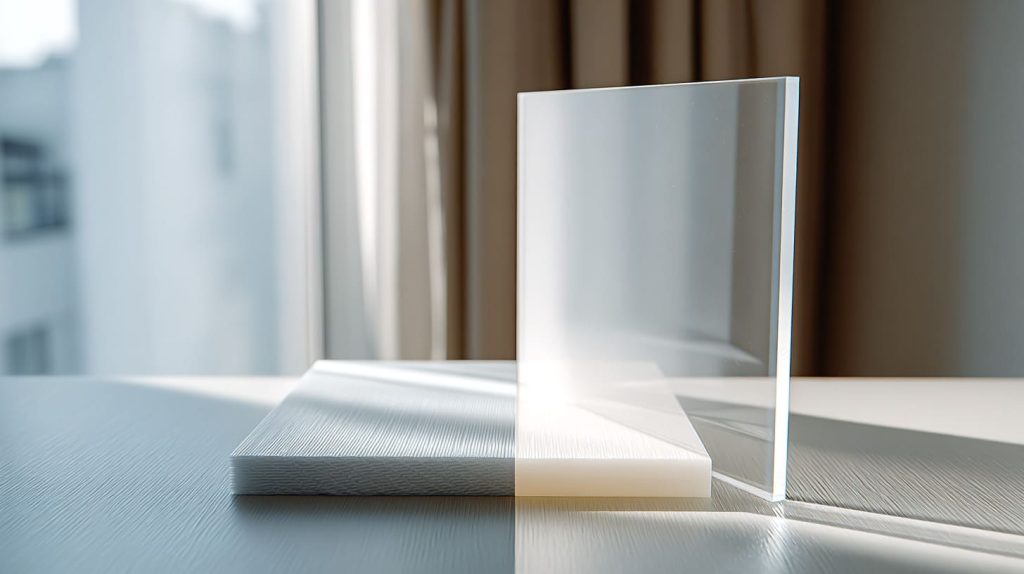
HDPE bends, polycarbonate absorbs shock. Polycarb is what they use in riot shields. HDPE? Cutting boards.
Can HDPE be laser cut or CNC machined like acrylic?
This is where HDPE starts to protest.
HDPE can be CNC machined with care, but it’s difficult to laser cut cleanly due to low melting point.
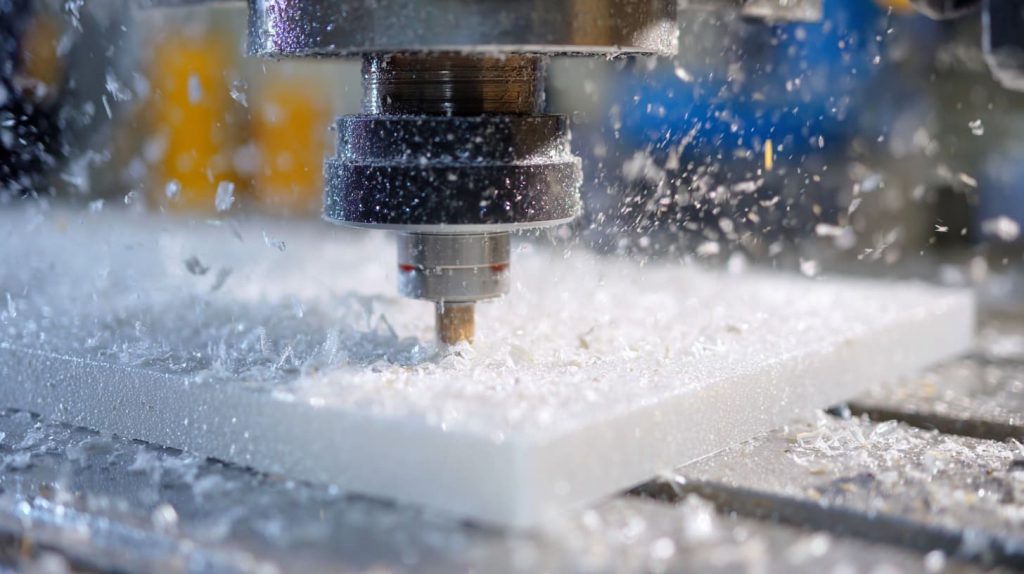
I’ve melted more HDPE edges than I’d like to admit. You need sharp tools, slow feed, and cooling.
What are the common applications of HDPE in industrial or retail settings?
Walk into any hardware store. You’ll find it—just not labeled.
HDPE is used in marine boards, cutting boards, piping, crates, tanks, bins, and outdoor furniture.
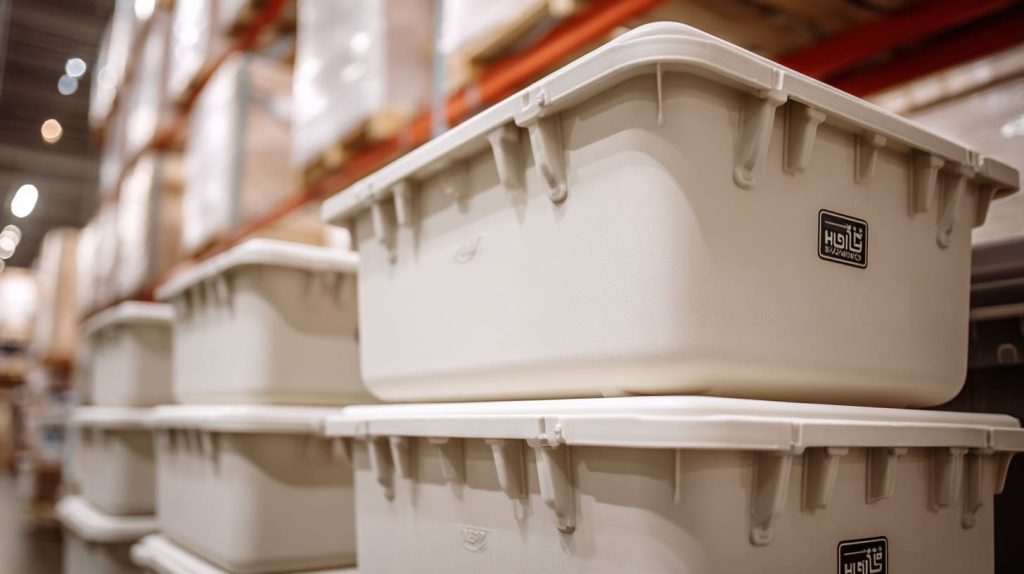
It’s the kind of plastic that disappears into the background—but does all the hard work.
Is HDPE eco-friendly and recyclable compared to acrylic?
This one’s complicated—but promising.
HDPE is one of the most recycled plastics, especially in packaging and containers.
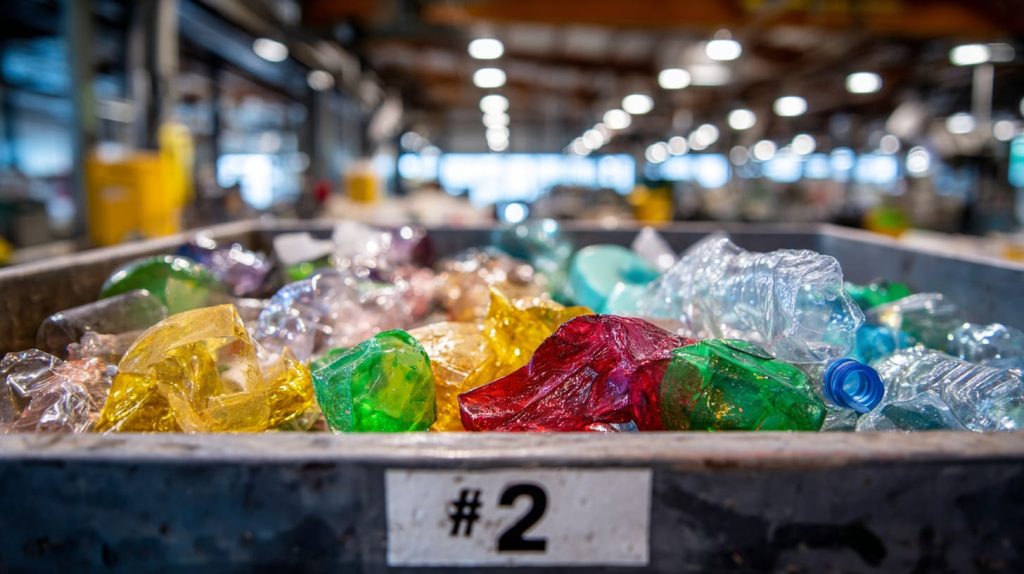
Acrylics, while clear and beautiful, are harder to recycle. HDPE is often marked as #2 plastic and widely accepted at recycling centers.
Why is HDPE preferred for outdoor signage and containers?
Simple—it doesn’t die easily.
HDPE is tough, UV-resistant, and waterproof, making it ideal for rugged outdoor environments.
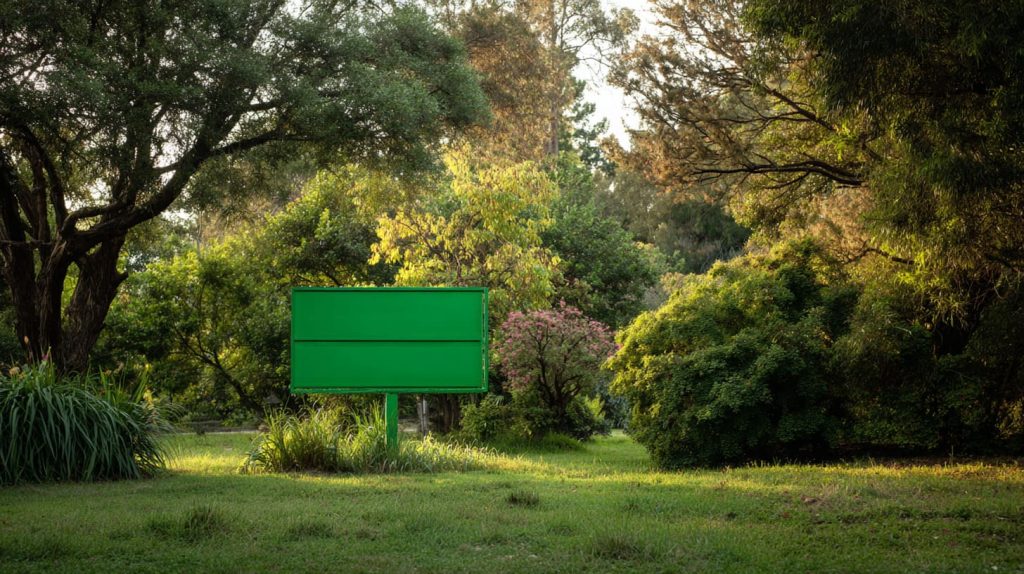
You don’t have to worry about yellowing, cracking, or rotting. It’s the workhorse of outdoor plastics.
Can HDPE be used for food-grade or medical display applications?
Surprisingly, yes—but with caveats.
HDPE is used for food bins, cutting surfaces, and some medical containers, but not for detailed display applications.
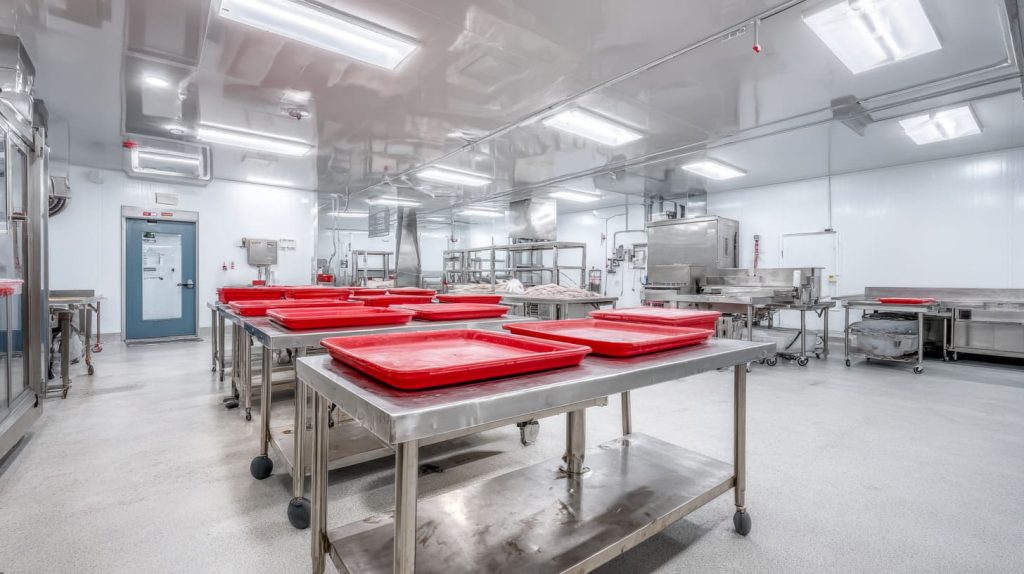
If you need hygiene and durability, HDPE works. But don’t expect a premium aesthetic.
What are the limitations of using HDPE in custom fabrication?
This is the part where it starts to fall behind acrylic.
HDPE is hard to glue, shape, polish, and engrave—limiting its use in fine, visual, or custom retail products.
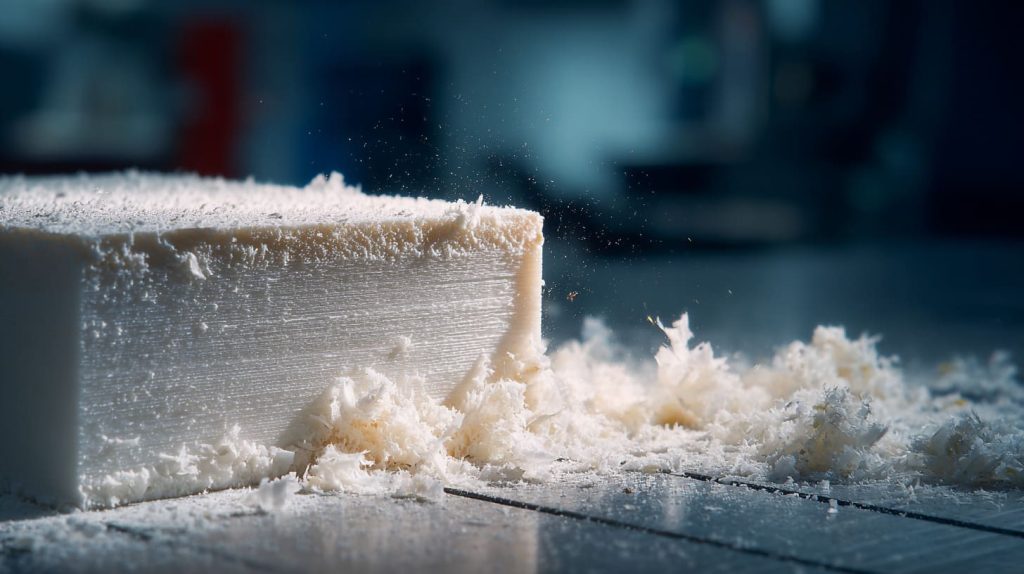
When to Avoid HDPE:
- Transparent packaging or displays
- Clean engraving or logo marking
- Heat-sensitive CNC tasks
- Premium visual designs
Conclusion
HDPE is a tough, reliable plastic—great for function, not for show. For clear, polished, custom work? Stick with acrylic.