Skip to content
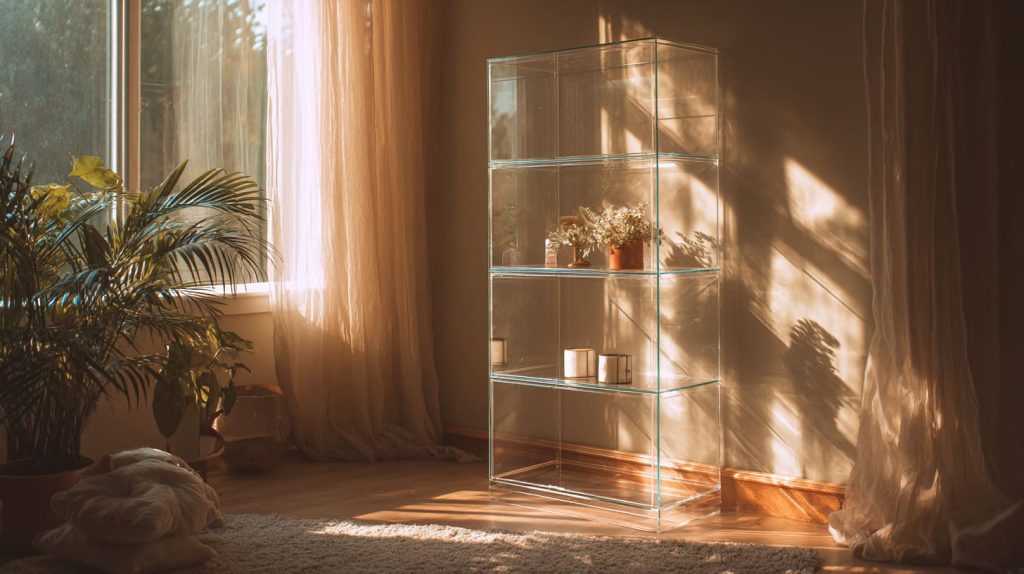
The sunlight was streaming through the window, catching the edge of a sleek acrylic cabinet I had just finished arranging for a client. The shelves glowed softly, every object perfectly balanced between order and personality. In that quiet moment, I thought about how often people underestimate the impact of a cabinet—not because they don’t care, but because they see it as just another piece of furniture.
In truth, a display or storage cabinet shapes how a room feels. It frames your stories, protects what matters, and reflects how you live. Whether it’s an elegant display for your collectibles or a practical unit that keeps clutter out of sight, the right cabinet should feel effortless—like it’s always belonged there.
If you’ve ever stood in front of a dozen catalog options and wondered, “Which one actually fits my space?”, this guide is for you. It’s written from years of designing and building cabinets that blend craftsmanship, function, and emotion. Let’s walk through the process together.
1. Define Your Needs Up Front

Before you scroll through endless online catalogs, take a deep breath and ask yourself: what do I really need this cabinet for?
Think of it like curating a small exhibition in your home. The objects you display—art pieces, collectibles, awards—tell a story. But not everything needs to be seen. Hidden storage keeps the mystery alive and maintains the visual calm of your space.
| Purpose | Ideal Design Type | Example |
|---|---|---|
| Decorative displays | Transparent acrylic/glass with lighting | Art collectibles |
| Functional storage | Opaque wood or metal doors | Tools, books, cables |
| Mixed use | Combination (upper display, lower storage) | Dining cabinet |
1.2 How much volume, frequency of access & weight are involved
A common mistake? Overestimating how much you need to store. I’ve seen people buy massive cabinets for a handful of items. Instead, think about how often you access those items. If it’s daily—keep them at eye or arm level. If they’re heavy—ensure reinforced shelves.
1.3 Which room(s) and what function(s) will the cabinet serve
Every room speaks a different language. A living room cabinet shows elegance, while a kitchen or bathroom one demands practicality.
When you match function to space, you’ll see how clarity simplifies your choices.
Sometimes, the smallest questions—like “Do I want to show or hide this?”—lead to the biggest design breakthroughs.
2. Measure the Space and Plan the Layout

I once had a client who bought a stunning glass cabinet from overseas. It arrived perfectly packed—but didn’t fit through the apartment door. Measurement errors can ruin dreams faster than anything.
2.1 Getting accurate dimensions (height, width, depth, clearance)
Grab a tape measure and record not just the cabinet size but also your doorways, walls, and baseboards. Always allow a few centimeters for ventilation and cable routing if needed.
2.2 Traffic flow and door/shelf clearance considerations
A beautiful cabinet that blocks movement or door swing quickly becomes a nuisance. Check that people can walk comfortably around it, and that doors or drawers can fully open.
| Consideration | Minimum Recommended Clearance |
|---|---|
| Walking space around cabinet | 60–90 cm |
| Door swing (front clearance) | 40–60 cm |
| Ventilation behind cabinet | 3–5 cm |
2.3 Ceiling height, wall strength, built‑in vs freestanding decisions
Tall ceilings invite statement pieces; low ceilings prefer horizontal balance. Built-ins offer seamless aesthetics, while freestanding cabinets allow flexibility for future rearrangement.
Measure twice, decide once—that rule has saved me countless headaches.
3. Choose the Right Cabinet Type & Style
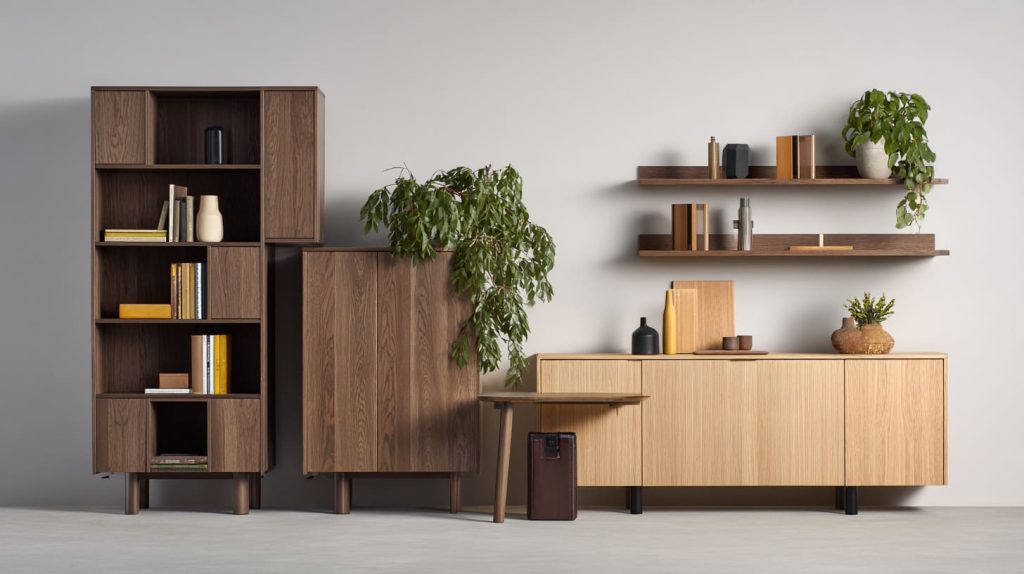
Designers often say furniture defines the soul of a room. I agree—but cabinets define the rhythm.
3.1 Freestanding vs built‑in vs wall‑mounted vs corner units
Each serves a unique purpose:
- Freestanding: flexible, easy to move, classic appeal.
- Built‑in: integrated look, ideal for minimalism.
- Wall‑mounted: saves floor space, suits modern interiors.
- Corner units: use tricky spaces creatively.
3.2 Display‑focused (glass/acrylic) vs storage‑focused (solid doors)
If you love open display—acrylic and glass bring light and depth. If you value privacy and order—solid doors hide the chaos. The best designers blend both, balancing show and store.
3.3 Aligning style with interior décor: modern, traditional, industrial
| Every cabinet should match your room’s DNA. | Interior Style | Material Choice | Cabinet Design |
|---|---|---|---|
| Modern | Acrylic, glass, metal | Clean lines, light tones | |
| Traditional | Wood, framed glass | Decorative molding | |
| Industrial | Steel, matte acrylic | Raw edges, exposed frames |
A cabinet isn’t just furniture—it’s the punctuation in your design sentence.
4. Material, Finish & Construction Quality
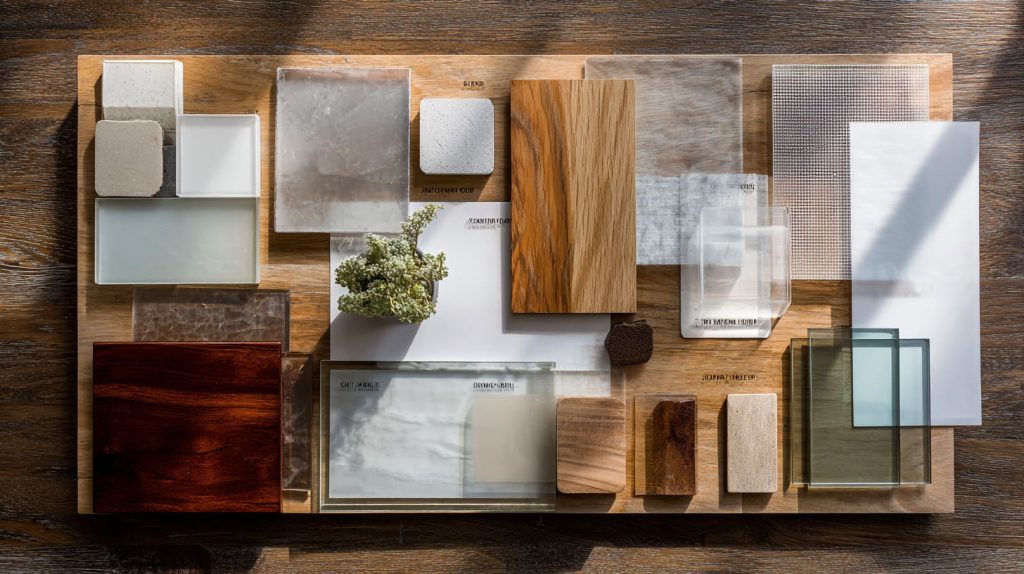
The material you choose defines both the look and lifespan of your cabinet.
4.1 Common materials: solid wood, metal, glass, acrylic and combinations
Acrylic and glass provide transparency and elegance. Metal adds durability. Wood warms up a room. Mixed materials often create the most balanced outcome.
4.2 Finish and durability: wear, dust, maintenance implications
Glossy finishes reflect light but show fingerprints; matte ones hide dust better. Acrylic surfaces can stay crystal clear for years if polished properly.
| Finish Type | Maintenance | Look |
|---|---|---|
| Glossy | Needs regular cleaning | Sleek, reflective |
| Matte | Low maintenance | Soft, understated |
| Textured | Dust‑resistant | Natural or industrial |
4.3 Construction quality: shelf supports, joinery, reinforcement for heavier loads
Always check how shelves are supported. Poor joinery equals short lifespan. A strong base and proper brackets protect your investment.
When you start noticing craftsmanship, you stop settling for average.
5. Functionality & Features for Smart Use
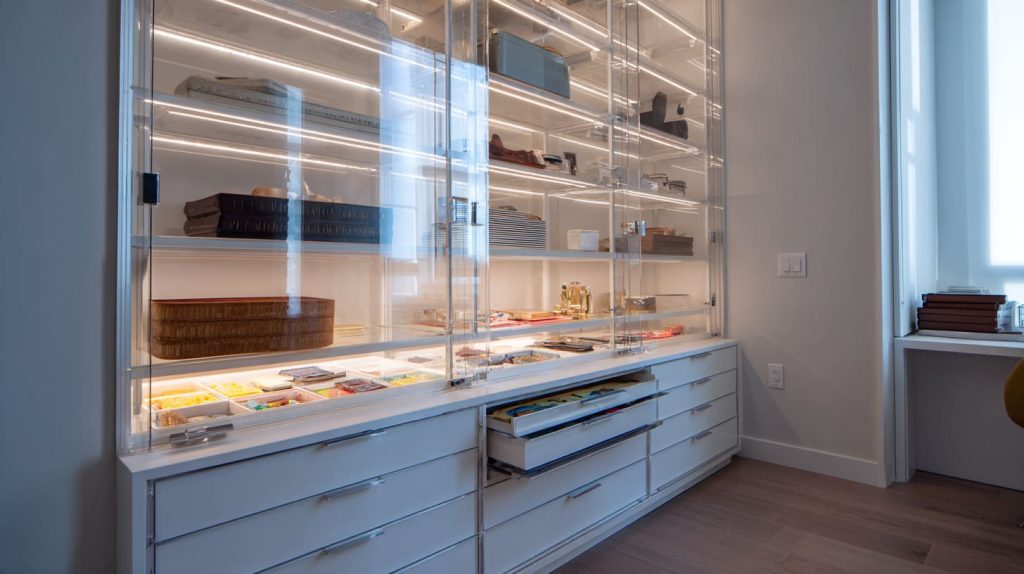
You know that moment when you open a drawer and it glides silently? That’s design meeting engineering.
5.1 Adjustable shelves, drawers, mixed open & closed storage
Flexibility matters. Adjustable shelves adapt to future needs—tall vases today, storage bins tomorrow.
5.2 Doors: hinged vs sliding vs open shelving
Sliding doors save space but limit full access. Hinged doors open wide but need clearance. Open shelving encourages easy access but demands tidiness.
5.3 Integrated lighting, glass/acrylic panels, visibility vs privacy
Soft lighting behind acrylic panels can transform an ordinary collection into art. But remember: light also exposes dust.
5.4 Security features (locks, reinforced glass) and dust/damage protection
If you display valuable items, look for reinforced panels or lockable sections. A little security goes a long way.
Sometimes, the smallest design tweak—a soft light, a glass edge—changes how a room feels entirely.
6. Style, Aesthetics & Display Strategy
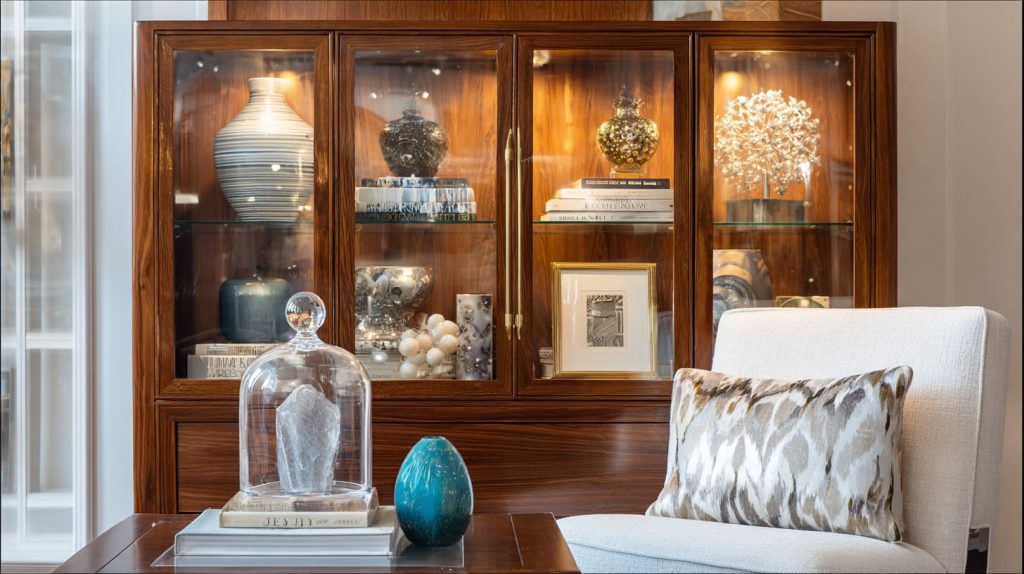
Whenever I design a cabinet display, I think of it like painting. Every shelf is a brushstroke.
6.1 Harmonising the cabinet with room design and décor
Keep visual flow in mind. The color, material, and scale should connect with the surrounding furniture, not compete with it.
6.2 Visual composition inside the cabinet: layering, grouping, colour coordination
Layer objects by height and color. Group similar tones. Use empty space strategically—it lets each piece breathe.
| Display Technique | Visual Effect |
|---|---|
| Layering | Adds depth |
| Grouping | Creates harmony |
| Negative space | Highlights focal points |
6.3 Use of lighting, mirrored backs, glass/acrylic for display enhancement
Mirrored backs double visual space. Acrylic shelves almost disappear, letting your objects float.
A good display doesn’t shout—it whispers confidence.
7. Budget, Lead Times & Custom Options
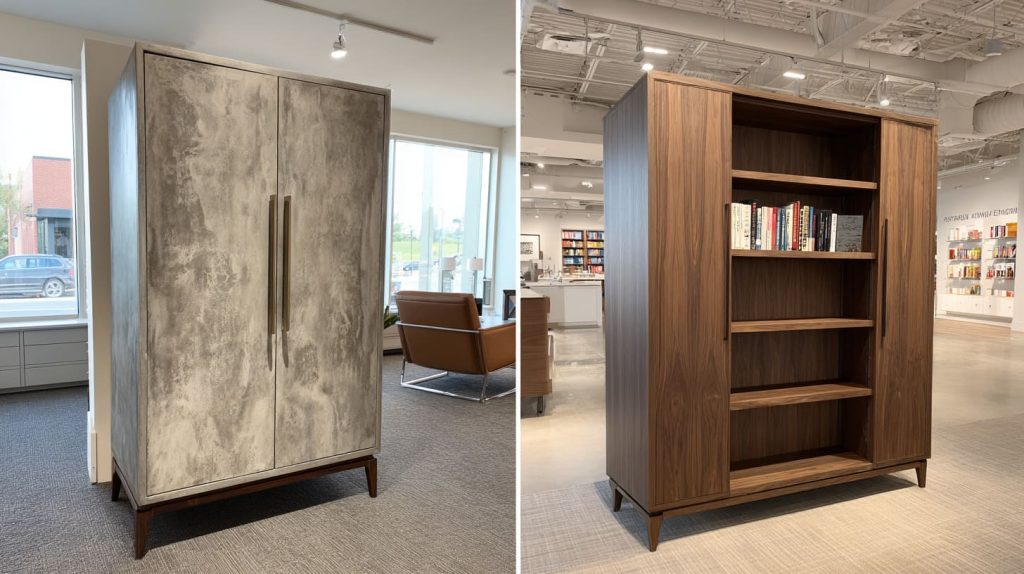
I’ve seen many buyers regret rushing purchases. The best cabinets are worth waiting for.
7.1 How to set realistic budget vs functionality vs aesthetics
Think of the budget as a triangle—function, style, and cost. You can’t maximize all three. Choose what matters most.
7.2 Lead‑time considerations especially for custom manufacturing (OEM/B2B)
Custom designs need production time. At Feilong Acrylic, lead times usually range from 15–25 days depending on complexity. Always plan ahead.
7.3 Custom vs off‑the‑shelf: when does it make sense to source custom?
If you need specific dimensions, colors, or branding, go custom. It ensures harmony between your design vision and function.
| Option | Pros | Cons |
|---|---|---|
| Custom | Perfect fit, brand identity | Longer lead time |
| Off‑the‑shelf | Fast, cheaper | Limited flexibility |
A wise buyer knows when to compromise—and when not to.
8. Manufacturer/Factory Considerations (B2B Buyer Focus)
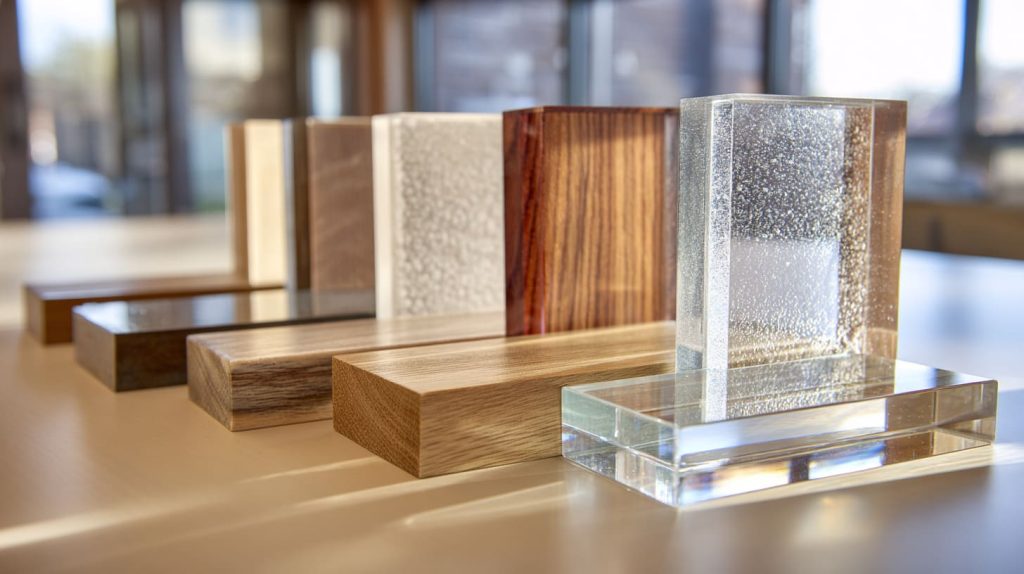
For those who buy in bulk or customize, this part is the backbone of success.
8.1 Evaluating factory capabilities: materials, production lines, certifications
Ask about certifications (like ISO9001) and material grades. Factories with CNC and laser machinery ensure precision.
8.2 Ordering bulk or customised cabinets: MOQ, lead times, design flexibility
At Feilong Acrylic, the MOQ starts around 100–200 pcs. For larger pieces, we accept 50 pcs. Discuss details upfront—it builds trust.
8.3 Quality control, shipping, installation support and after‑sales
A professional supplier won’t disappear after shipping. Always confirm after‑sales support.
| Factor | Why It Matters |
|---|---|
| QC inspection | Ensures consistency |
| Packaging | Prevents damage |
| After‑sales | Builds long‑term reliability |
A good factory is more than a supplier—it’s your creative partner.
9. Sustainability, Maintenance & Longevity
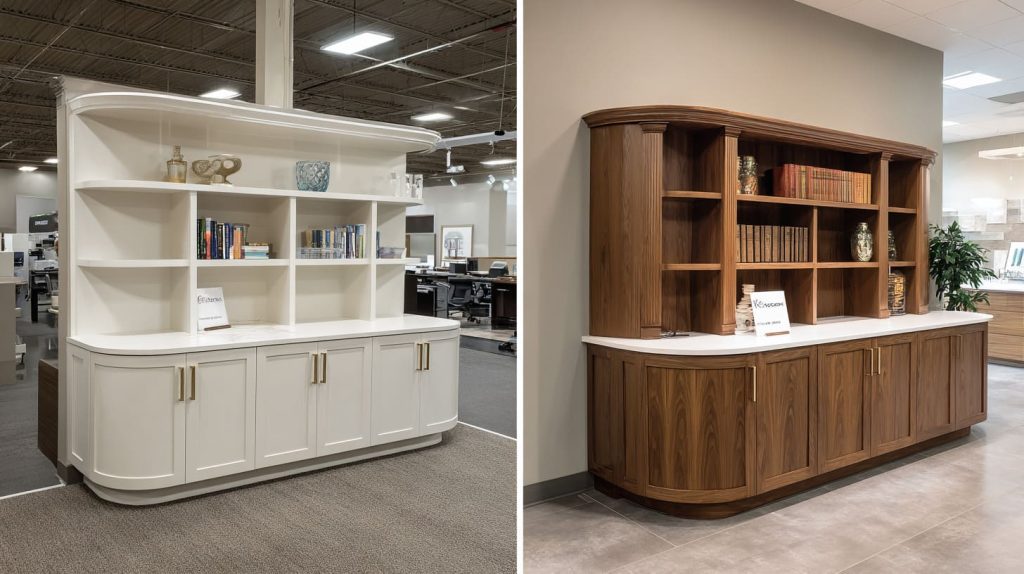
We all love beautiful things, but what’s beauty without responsibility?
9.1 Eco‑friendly materials & finishes (e.g., low VOC, responsible sourcing)
Choose materials with certifications. Acrylic, for instance, is recyclable and long‑lasting when responsibly sourced.
9.2 Maintenance needs (cleaning, wear, glass vs acrylic surfaces)
Acrylic resists yellowing and can be polished back to clarity. Glass looks elegant but demands regular cleaning.
| Material | Maintenance Level | Lifespan |
|---|---|---|
| Acrylic | Low | 10+ years |
| Glass | Medium | 5–8 years |
| Wood | Medium‑high | 10+ years (with care) |
9.3 Planning for longevity: modularity, adaptability, resale or reuse
Modular cabinets evolve with your space. Longevity isn’t only durability—it’s adaptability.
Design sustainably, and your furniture becomes part of your story—not just your storage.
Conclusion
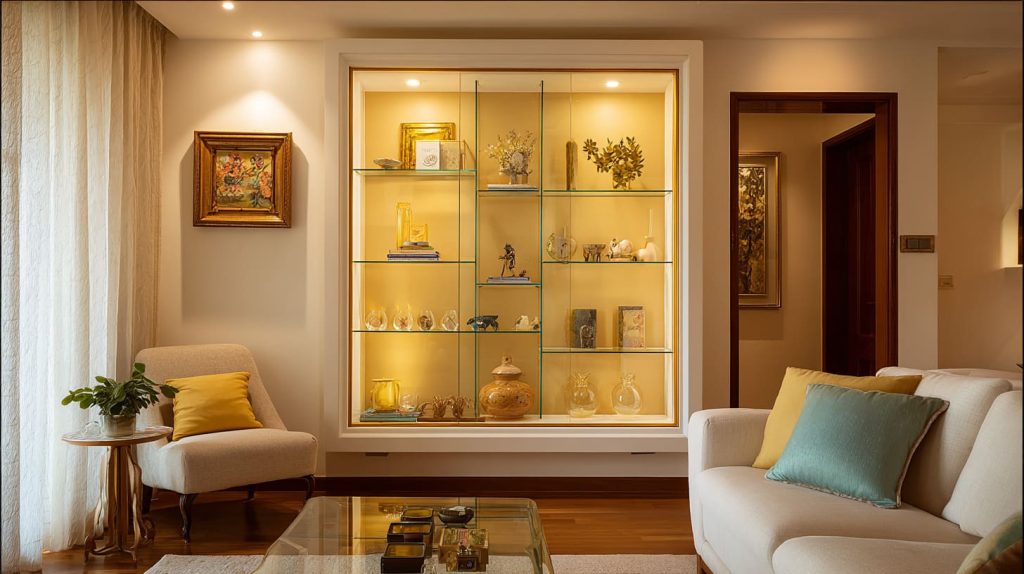
Choosing the right cabinet isn’t about perfection—it’s about fit. Fit with your space, your habits, and your story.
I’ve seen hundreds of designs come to life, and the best ones always share something in common: they feel personal. When a cabinet reflects your rhythm of living, it transforms from furniture into memory.
So, take your time. Measure, question, imagine—and when you’re ready, create something that feels like you.