Skip to content
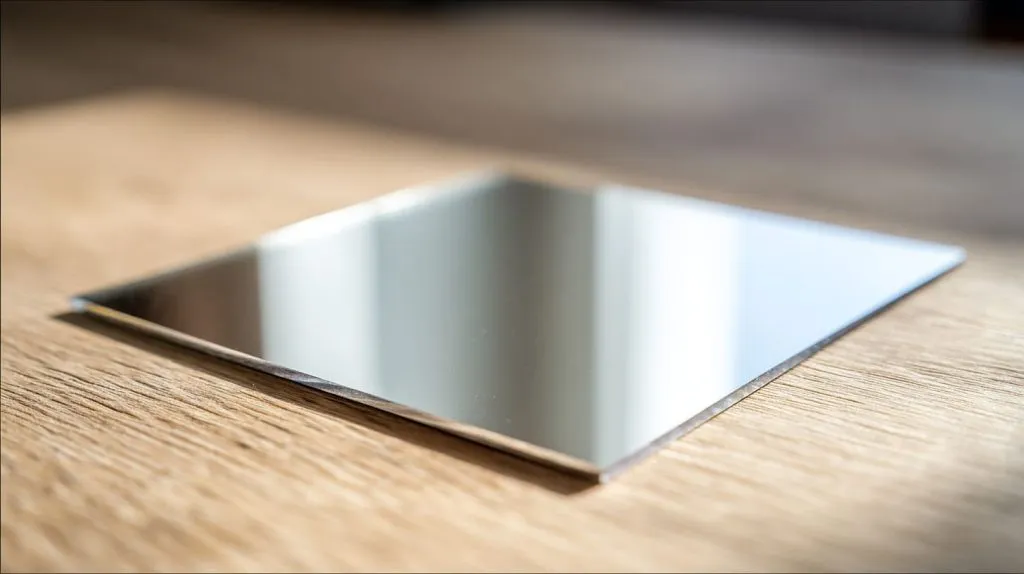
It looked like glass, but when I tapped it with my knuckle—it didn’t sound like it. That was the first time I realized mirrors could be made of something else entirely.
An acrylic mirror is a reflective plastic sheet that mimics glass mirrors but is lightweight, shatter-resistant, and easy to cut or shape.
I kept running into them on shop displays, gym walls, and even kid’s furniture—everywhere mirrors were needed, but safety or weight was a concern.
Are acrylic mirrors any good?
Sometimes, people ask me this like they’re testing a trick.
Yes, acrylic mirrors are durable, lightweight, and offer good reflection with proper mounting and thickness.
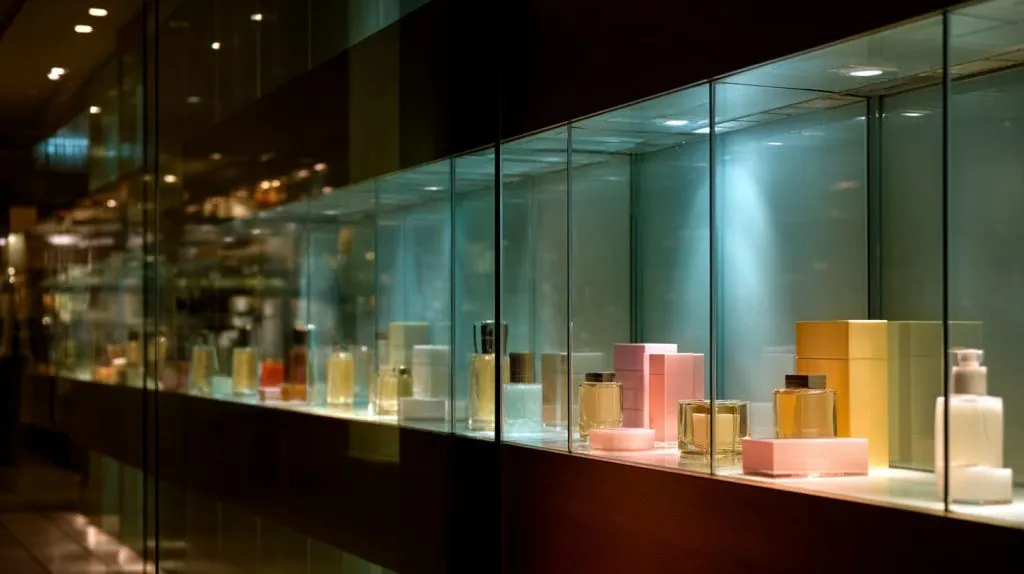
When “good” means “good enough”
In most display projects, “good enough” isn’t a compromise—it’s the sweet spot. Acrylic mirrors hold their own in clarity and cost-effectiveness. For decorative panels or light-use mirrors, they’re great.
When glass still wins
For precision reflection (like makeup mirrors or high-end interiors), glass wins by a slim margin. But the gap is shrinking. Here's a quick breakdown:
| Feature | Acrylic Mirror | Glass Mirror |
|---|---|---|
| Weight | Very light | Heavy |
| Shatter Safety | High (won’t shatter) | Low (can break) |
| Reflection | Good (minor distortion) | Excellent |
| Workability | Easy to cut and shape | Needs tools & care |
How to tell if a mirror is acrylic or glass?
I’ve had this debate with more than one factory visitor.
Tap it—acrylic sounds dull and feels warmer; glass is colder, heavier, and “clinks.”
Try these methods:
- Weight test: Acrylic mirrors are much lighter.
- Edge feel: Acrylic edges can feel slightly “plastic” if unfinished.
- Flex test: Gently flex a corner—acrylic will bend; glass won’t.
How long do acrylic mirrors last?
A lot of folks assume plastic means disposable. Not true.
Acrylic mirrors last 5–10 years or more, depending on use, care, and environment.
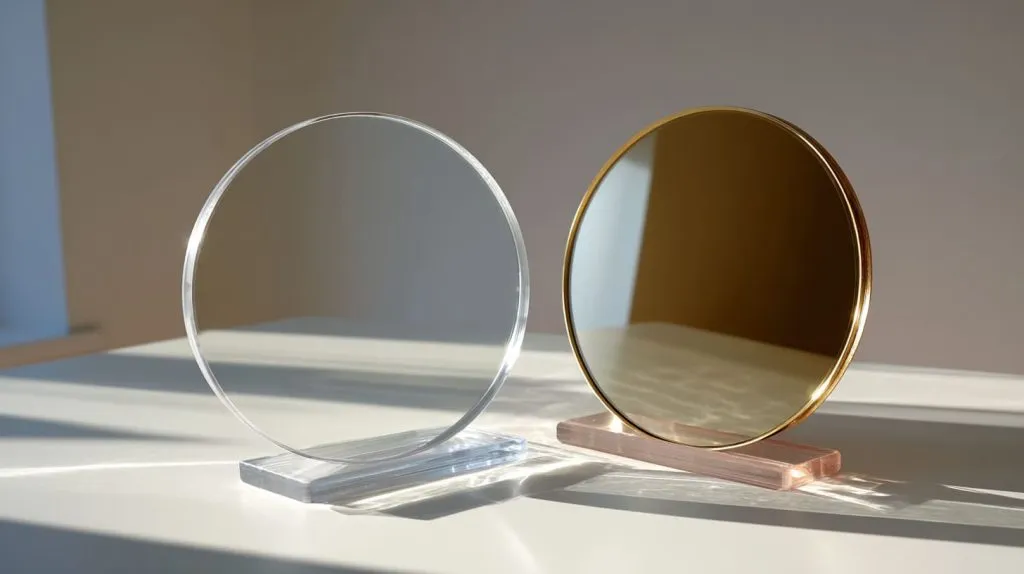
What affects lifespan?
- UV exposure: Prolonged sun weakens surface reflection unless UV-coated.
- Scratches: Improper cleaning or mounting shortens life.
- Mounting method: Poor adhesives can warp sheets over time.
Can you see through an acrylic mirror?
Short answer—no. Unless it’s meant to be see-through.
Standard acrylic mirrors are opaque; only two-way acrylic mirrors offer partial transparency.
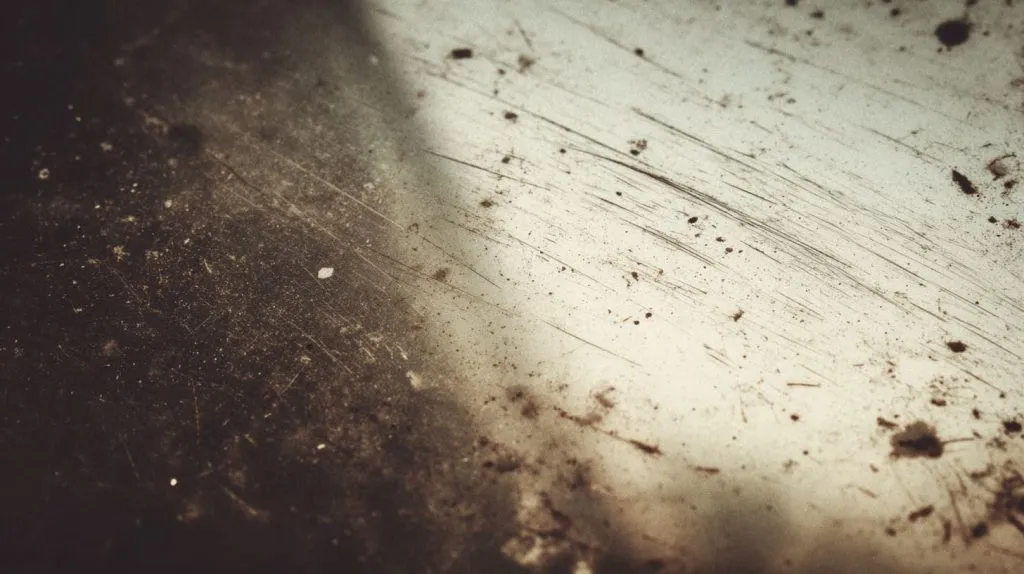
One-way vs standard acrylic mirror:
| Type | Reflective? | See-through? |
|---|---|---|
| Standard Acrylic | Yes | No |
| Two-way Acrylic | Yes | Yes (controlled lighting) |
How is an acrylic mirror different from a glass mirror?
This question comes up in nearly every sales discussion.
Acrylic mirrors are safer, lighter, and easier to cut, while glass mirrors offer sharper, undistorted reflection.
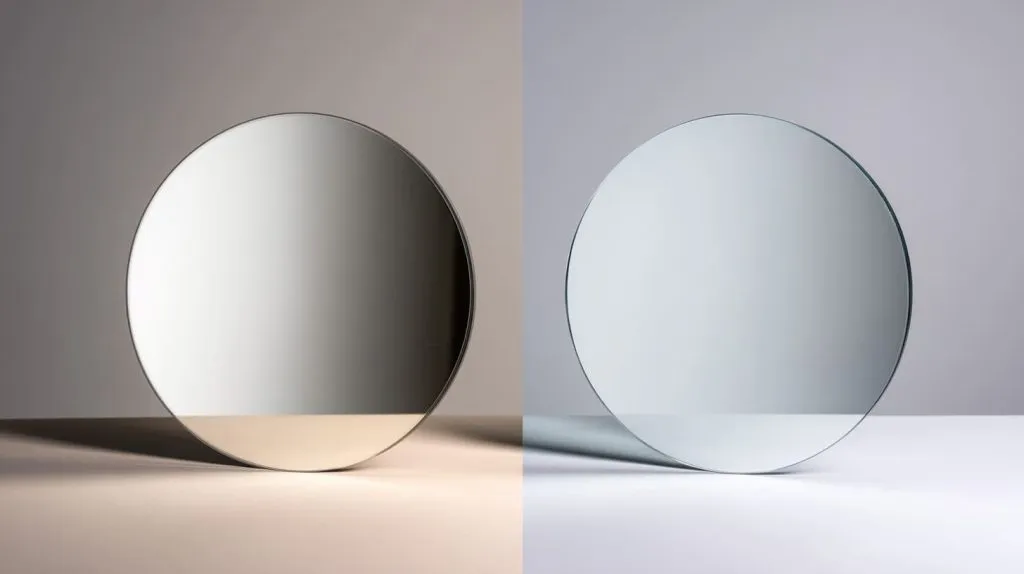
Real-world differences I’ve seen:
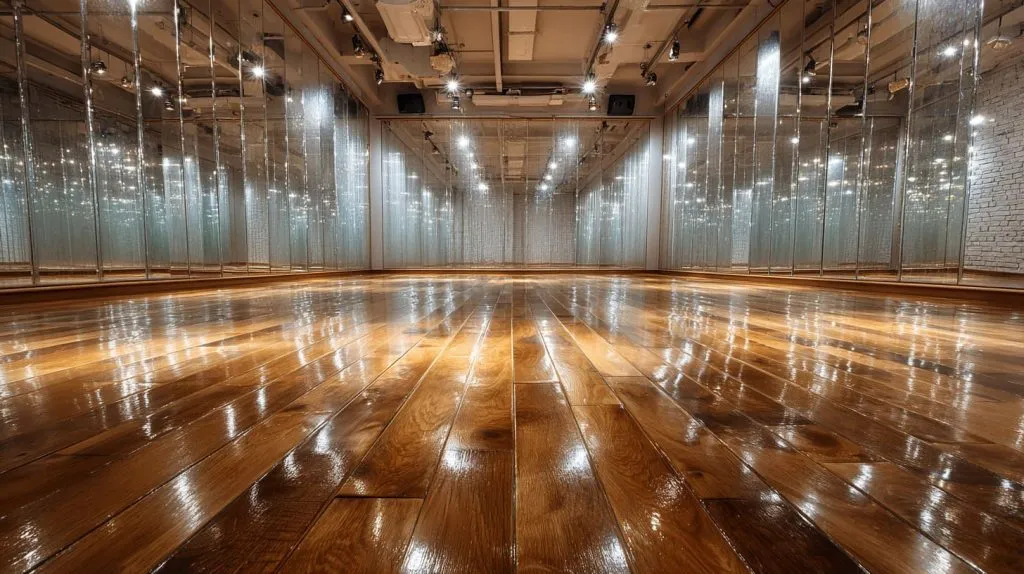
- Acrylic works better in motion-heavy environments (like dance studios).
- Glass mirrors perform better in places needing high-fidelity reflection (like luxury bathrooms).
Is acrylic mirror safe for use in homes and public spaces?
I’ve seen them used in playgrounds, hotels, elevators—you name it.
Yes, acrylic mirrors are safe—they don’t shatter and are often used in child-safe or public environments.
Ideal for:
- Kids’ rooms
- Public bathrooms
- Retail and mall fixtures
- Fitness and yoga studios
Can you cut and shape acrylic mirror sheets easily?
One of my favorite things about acrylic—it behaves.
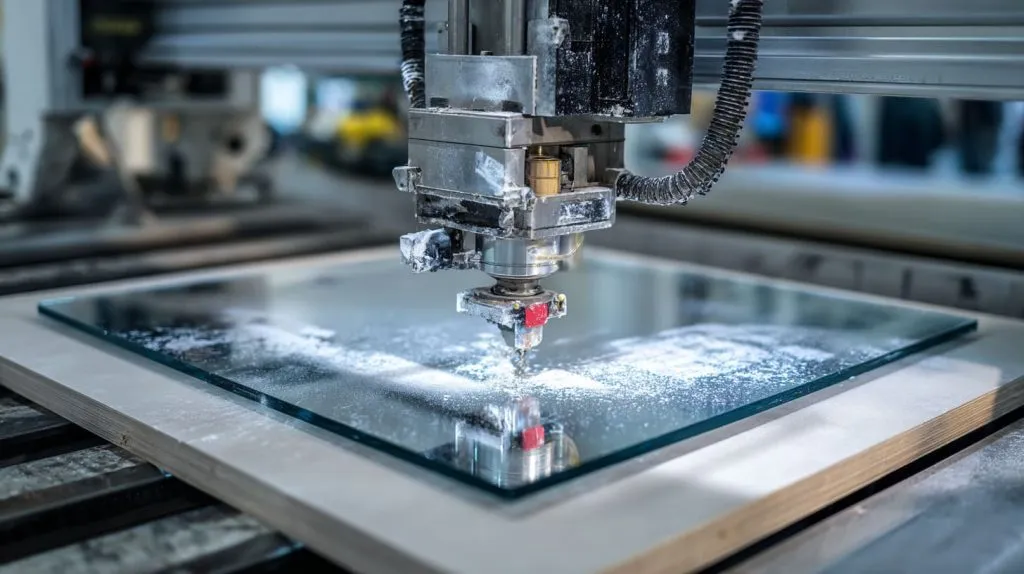
Yes, acrylic mirrors can be cut, routed, or laser-shaped with ease, unlike glass.
Tools that work:
- Table saws with plastic blades
- CNC routers for custom cuts
- Laser cutters (for detailed shapes)
What thickness of acrylic mirror is best for display projects?
Pick the wrong thickness and you'll regret it—warping is real.
3mm to 5mm is ideal for most display uses; larger panels may need 6mm or more for stability.
| Application | Recommended Thickness |
|---|---|
| Small display sign | 2mm–3mm |
| Wall-mounted mirror | 3mm–5mm |
| Large panels | 5mm–6mm+ |
How do you clean and maintain an acrylic mirror without scratches?
I’ve watched too many mirrors get ruined by a rough rag.
Use soft microfiber cloths and non-abrasive cleaners to avoid scratching acrylic mirrors.
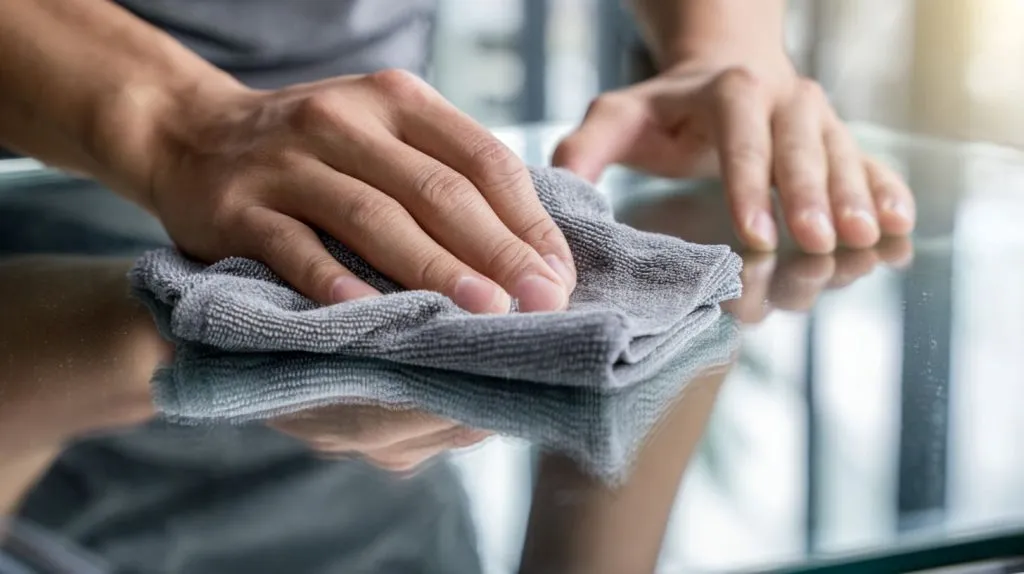
Cleaning tips:
- Never use paper towels (they scratch).
- Avoid ammonia-based cleaners.
- Always use horizontal strokes, not circles.
Does acrylic mirror distort reflection compared to real glass?
Sometimes yes—but it depends on how you install it.
Acrylic mirrors may slightly distort reflection if they’re thin or not mounted flat.
Preventing distortion:
- Use thicker sheets.
- Mount to flat, rigid back panels.
- Avoid adhesives that pull unevenly on the surface.
Where are acrylic mirrors commonly used in commercial projects?
I’ve worked with retail clients who swear by them.
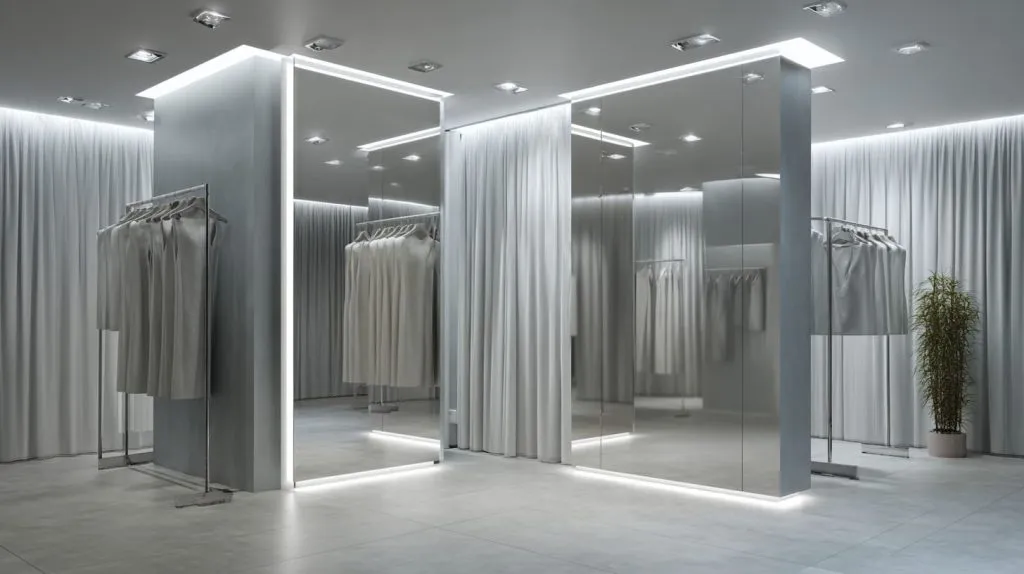
They’re used in retail displays, mall fixtures, fitting rooms, restaurants, and exhibitions.
Why they’re chosen:
- Safety regulations
- Weight constraints in mobile displays
- Custom cutting and fast turnaround
Can acrylic mirrors be used outdoors or in humid environments?
Trickier—but doable with the right prep.
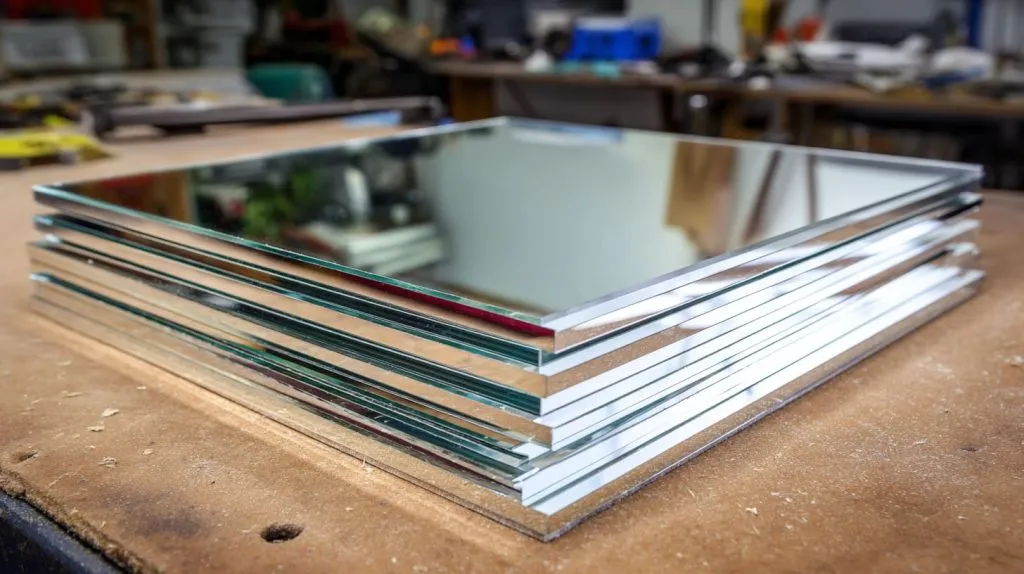
Yes, acrylic mirrors can be used outdoors with UV protection and weatherproof backing.
| Environment | Required Treatment |
|---|---|
| Outdoor signage | UV-coating + strong mount |
| Humid bathrooms | Anti-fog or sealed edges |
| Poolside use | Anti-corrosion back film |
What are the pros and cons of using acrylic mirrors in design projects?
I always break it down like this when clients ask.
Acrylic mirrors offer design freedom and safety, but they’re prone to scratches and minor distortion.
| Pros | Cons |
|---|---|
| Lightweight | Can scratch easily |
| Easy to fabricate | Slight image distortion |
| Safe for public/kids’ use | Requires gentle cleaning |
| Good for curved or 3D surfaces | Not ideal for high-precision |
How do you install an acrylic mirror securely on walls or displays?
It’s not just about slapping on adhesive—trust me.
Use proper backing boards, spacers, or mirror mounts to avoid warping or sagging.
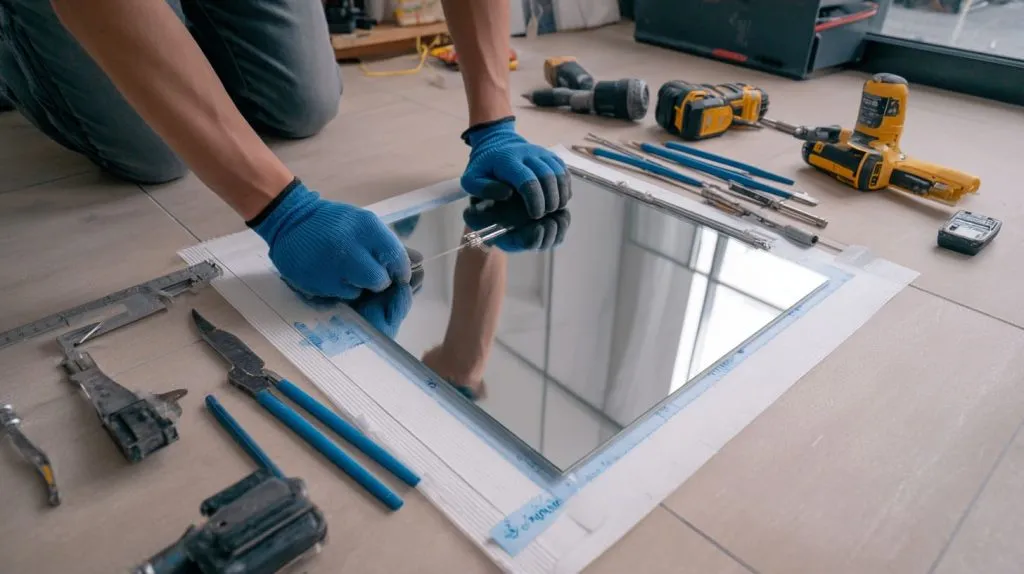
Installation methods:
- Double-sided foam tape: for small displays
- Mirror clips or frames: for wall installations
- Adhesive + rigid backer: for large mirrors
Conclusion
Acrylic mirrors blend safety, flexibility, and style—perfect for modern display and public use when installed and cared for properly.