Skip to content

Two plastic samples can sit on the same desk and look almost identical for the first few seconds. Then I pick them up. One feels clean, rigid, and properly finished. The edges are smooth. The holes line up. The surface still looks fresh under the light. The other one starts to show its problems almost right away. The edge is rough. The bend line looks stressed. The fit feels just a little off. That small contrast tells me more than a nice rendering ever could.
That is why I take plastic fabrication seriously. It is the process of turning raw plastic materials into real parts, finished products, and working assemblies. That may mean cutting, bending, machining, bonding, polishing, forming, or combining several steps into one final piece. On the surface, it sounds like a broad factory term. In real work, it decides whether a custom part feels reliable or disappointing.
I do not look at plastic fabrication as one simple action. I look at it as a series of choices. Each choice affects cost, speed, quality, strength, appearance, and how well the part performs after it leaves the factory. A custom acrylic display stand, a machine guard, and a formed plastic cover may all belong to the same world, but they are not made in the same way, and they should not be judged in the same way either.
One thing I have learned from custom projects is that the part that seems easiest in a drawing can become the part that causes the most trouble later. A poor material choice, a wrong fabrication method, or a finish that scratches too fast can quietly damage the whole result.
So in this guide, I want to break the topic down in a practical way. I will explain what plastic fabrication really means, what materials are commonly used, which methods shape the final product, what design details affect cost and quality, where these parts are used, and how I judge whether a fabrication partner actually understands custom work.
The topic sounds technical, yes, but the logic behind it is very human. A buyer wants fewer surprises. A designer wants the part to behave the way it looked in the concept. A factory wants the process to stay stable. Plastic fabrication sits right in the middle of all that.
The first thing to clear up is the meaning of the term itself, because many people use fabrication and manufacturing as if they were the same thing.
What Is Plastic Fabrication?
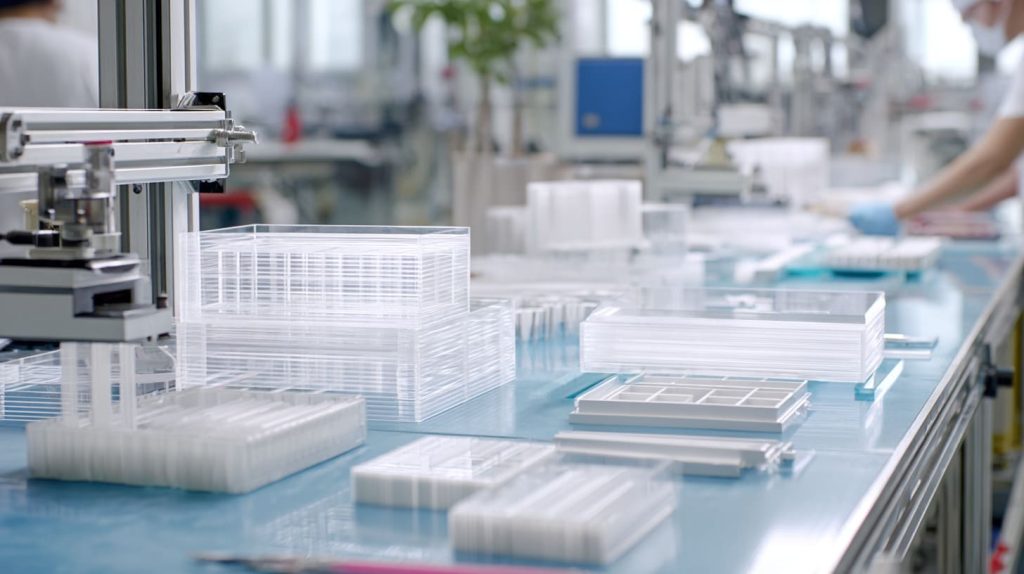
When I first heard the term plastic fabrication, I noticed people used it in very loose ways. Some meant machining. Some meant thermoforming. Some meant almost any kind of plastic production. That is why I always like to slow down and define it in a plain way first.
A simple definition of plastic fabrication
Plastic fabrication is the process of turning raw plastic materials into finished parts or products. I usually explain it like this: I take plastic sheets, rods, tubes, pellets, or other raw forms, and I turn them into something useful through cutting, shaping, forming, joining, machining, and assembly.
That sounds simple, but it covers a lot of ground.
A fabricated plastic part can be:
- a clear acrylic display stand
- a machine guard
- a plastic enclosure
- a sign holder
- a bent protective cover
- a bonded box
- a CNC-machined component
Some parts are simple. Some are not. A flat laser-cut panel is fabrication. A polished acrylic box with bonded seams is also fabrication. A thermoformed tray with trim work is still fabrication.
Here is a simple way I think about it:
| Raw Form | Fabrication Action | Final Result |
|---|---|---|
| Acrylic sheet | Laser cutting + bending + polishing | Display stand |
| Polycarbonate sheet | CNC cutting + drilling | Machine cover |
| PVC board | Welding + assembly | Industrial tank part |
| ABS sheet | Thermoforming + trimming | Housing cover |
The key point is that fabrication is about making the part real through physical processing.
How plastic fabrication differs from plastic manufacturing
This is where many people blend terms together. And to be fair, there is overlap. Plastic manufacturing is a bigger umbrella. It can include fabrication, molding, extrusion, high-volume production, raw material processing, and mass production systems.
Plastic fabrication often sits closer to custom work, secondary processing, and project-based production.
I usually think of it like this:
| Term | What It Usually Covers | Typical Use |
|---|---|---|
| Plastic manufacturing | Broad production of plastic goods | High-volume or full production systems |
| Plastic fabrication | Shaping and building custom plastic parts | Custom, low-to-medium volume, special projects |
A molded shampoo bottle made in huge quantities is clearly plastic manufacturing. A custom acrylic display box made to fit one client’s product launch is more clearly plastic fabrication.
Still, the line is not always neat. Some companies do both. Some custom jobs start with molded parts and end with fabricated finishing steps. So I do not treat the terms as enemies. I just try to use the more useful one for the project in front of me.
A detail I never ignore is this: when a buyer says “manufacturing,” I often ask myself whether they actually need volume efficiency, or whether they really need flexibility. Those are not the same thing.
Why plastic fabrication matters in modern industry
Plastic fabrication matters because modern products need parts that are light, durable, corrosion-resistant, easy to shape, and often visually clean. That is true in retail, electronics, healthcare, industrial protection, and home products.
I have seen this in very practical ways. A metal cover may be too heavy. A glass cover may break. A standard off-the-shelf plastic part may not fit. That is where fabrication becomes useful. It lets me adjust size, shape, hole position, edge finish, branding, thickness, and assembly details.
Plastic fabrication is also valuable because many industries do not need millions of units. They need the right part. Maybe 100. Maybe 500. Maybe a few thousand. That space between prototype and mass production is where fabrication becomes very powerful.
What often changes my decision is not the drawing alone, but the way the part will be used after shipping. A part that looks fine in CAD can fail fast in retail handling, outdoor light, or repeated cleaning.
That brings up the next question naturally. If fabrication is about turning raw plastic into finished parts, then the material itself becomes the next big decision.
What Materials Are Used in Plastic Fabrication?
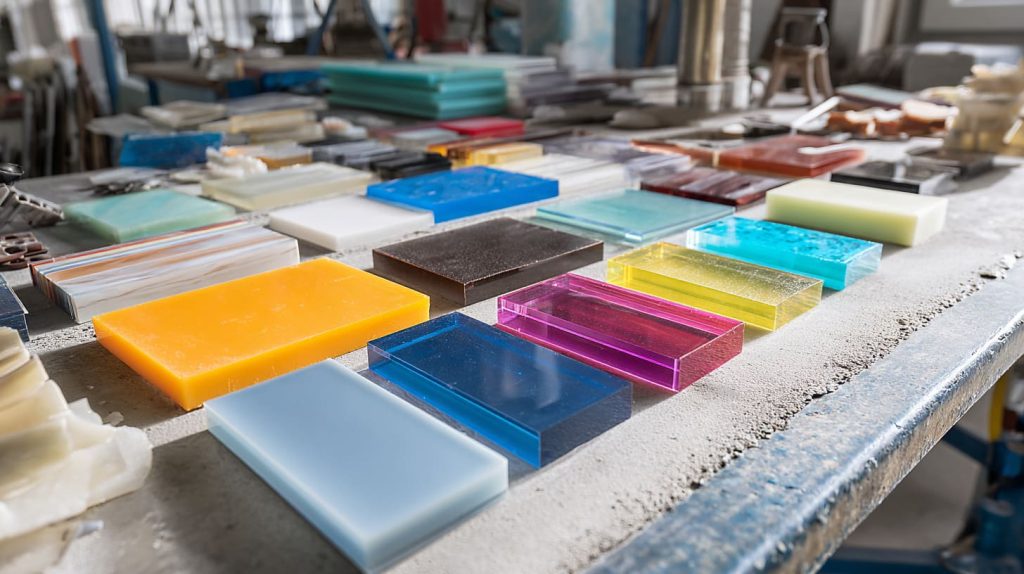
I have seen buyers spend a lot of time on shape and not enough time on material. That usually backfires. A beautiful part made from the wrong plastic is still the wrong part. It may crack, yellow, scratch, warp, or simply feel cheap in the user’s hand.
Thermoplastics vs. thermosets
At the most basic level, plastics are often grouped into thermoplastics and thermosets.
Thermoplastics soften when heated and harden again when cooled. That means I can cut them, bend them, machine them, and in many cases re-form them. This makes them very common in custom fabrication.
Thermosets cure into a fixed shape. Once that happens, they do not melt back into a soft, workable state the same way. They are useful in some demanding applications, but they are less common in the kind of custom sheet-based fabrication work I often deal with.
Here is the difference in simple terms:
| Type | Heat Response | Common Use in Fabrication |
|---|---|---|
| Thermoplastics | Soften with heat, can be re-formed | Very common |
| Thermosets | Set permanently after curing | Less common in custom sheet work |
That is why thermoplastics usually dominate custom plastic fabrication. They give more flexibility in cutting, forming, bending, and machining.
Common plastics used in fabrication
Not all plastics behave the same. Not even close. Here are some of the common ones I see in fabrication work.
| Material | What I Usually Use It For | Main Strength |
|---|---|---|
| Acrylic (PMMA) | Displays, boxes, signs, organizers | Clarity and clean look |
| Polycarbonate (PC) | Guards, covers, impact areas | High impact resistance |
| PVC | Industrial panels, chemical environments | Chemical resistance |
| ABS | Housings, covers, formed parts | Toughness and workability |
| HDPE | Utility parts, wear surfaces, tanks | Tough and chemical resistant |
| Polypropylene (PP) | Chemical parts, containers | Good chemical resistance |
| Nylon | Mechanical parts, wear items | Strength and wear resistance |
| PETG | Clear formed parts, display work | Good clarity and easier forming |
Acrylic is close to my daily language because I work with it so much. It is clear, clean-looking, and good for branding and display work. But I do not pretend it is perfect for everything. If the part needs very high impact resistance, polycarbonate may be the better choice. If the environment is chemically aggressive, PVC or PP may make more sense.
How to choose the right plastic material
This is the part where experience matters. I do not choose a material just because it is popular. I choose it because it matches the real job.
Here are the points I usually weigh first:
Strength and impact resistance
Some parts need to resist drops, hits, or rough handling. Acrylic looks great, but polycarbonate usually takes impact better. That does not make polycarbonate “better” in every case. It makes it better for impact-heavy use.
Transparency and appearance
If the part is for display, appearance may matter more than raw toughness. Acrylic often wins here because it has strong optical clarity and a premium visual feel.
Chemical resistance
Industrial use changes the whole conversation. If cleaners, oils, chemicals, or lab fluids are involved, a nice-looking material that reacts badly is a bad choice.
Heat resistance
Some plastics handle heat better than others. A part near lighting, motors, outdoor sun, or enclosed electronics may need more heat stability.
Outdoor UV exposure
Outdoor use sounds simple until yellowing starts. Some plastics handle UV exposure better than others, or need coatings or material upgrades.
Food-grade or industry-specific needs
Some projects need compliance, traceability, or special grades. That changes the material choice fast.
This table shows how I often compare materials early in a project:
| Need | Material Often Considered |
|---|---|
| Premium clarity | Acrylic |
| High impact resistance | Polycarbonate |
| Chemical resistance | PVC / PP / HDPE |
| Easy thermoforming | PETG / ABS |
| Mechanical wear | Nylon |
| Low-cost tough utility part | ABS / HDPE |
The mistake I see again and again is choosing material by habit. One buyer always wants acrylic because the last project used acrylic. That is understandable. But habits do not protect a design from a wrong application.
I tend to slow down when a client says, “Use the same plastic as before,” because what worked for a cosmetic organizer may fail badly on a machine cover or a hot enclosure.
Once the material is chosen, the next question is even more practical: how do we actually shape it? That is where fabrication methods come in.
What Are the Main Plastic Fabrication Methods?
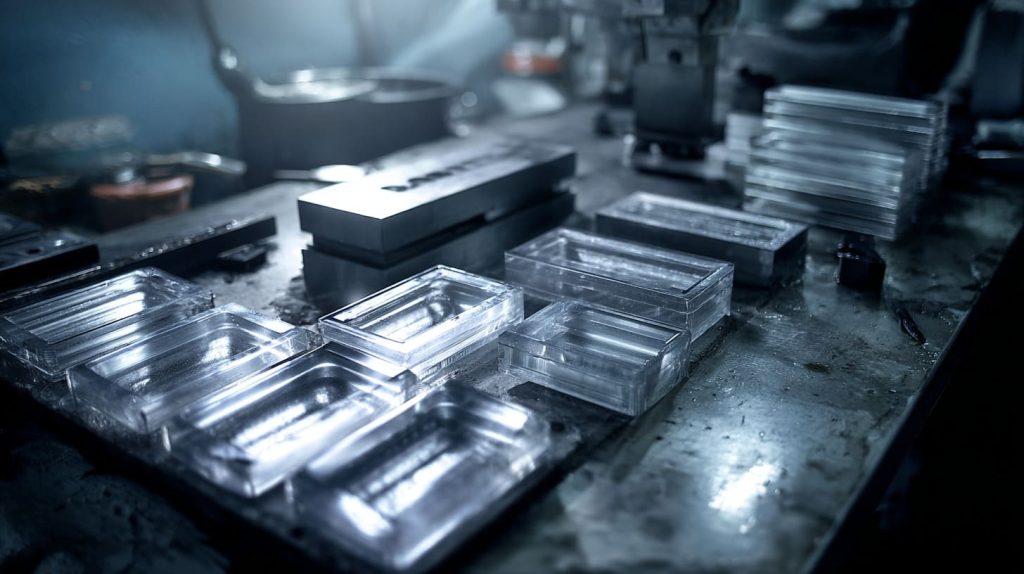
This is the part many people find most confusing, because plastic fabrication is not one process. It is a family of processes. I have had clients ask for “plastic fabrication” as if it were one machine with one button. I wish it were that easy.
Cutting and CNC machining
This is one of the most common starting points. Plastic sheets and blocks can be cut and machined into precise parts through several methods:
- CNC routing
- CNC milling
- drilling
- saw cutting
- laser cutting
Each one has its place.
CNC routing and CNC milling
CNC routing is great for shaped sheet parts, panels, cutouts, and repeat jobs. CNC milling goes deeper into precision features, pockets, profiles, and thicker parts.
I like CNC work when I need control. Hole locations matter. Edge paths matter. Tolerance matters.
Drilling and saw cutting
These are more basic, but still important. Saw cutting is useful for straight cuts and rough sizing. Drilling is simple in theory, but hole quality in plastic depends a lot on bit choice, heat control, and support.
Laser cutting
Laser cutting is very popular for acrylic. It gives sharp shapes and a polished edge effect on many clear acrylic parts. That makes it very attractive for display products and branded pieces.
But laser cutting is not perfect for every plastic. Some plastics react poorly to laser processing. Some need CNC instead.
| Method | Best For | Watch Out For |
|---|---|---|
| CNC routing | Sheet shapes, panels, repeat parts | Tool marks, setup time |
| CNC milling | Precision features, thicker parts | Higher machining cost |
| Saw cutting | Straight cuts, rough sizing | Limited shape freedom |
| Drilling | Holes and fastening points | Cracking, heat buildup |
| Laser cutting | Acrylic shapes, clear display parts | Not ideal for every plastic |
The real strength of cutting and CNC work is flexibility. It suits custom shapes, lower tooling cost, and low-to-medium volume work very well.
Thermoforming
Thermoforming shapes heated plastic sheet over a mold. The two common versions are vacuum forming and pressure forming.
Vacuum forming pulls heated sheet over a mold using vacuum force. Pressure forming adds more pressure and can create better detail.
I think of thermoforming as a very smart option when the part is light, wide, shallow, and does not need the same precision as injection molding.
It works well for:
- covers
- trays
- guards
- housings
- lightweight large parts
The beauty of thermoforming is that it can create 3D shapes from flat sheet without the full tooling cost of injection molding.
Still, it has limits. Wall thickness can vary. Sharp details may be softer. Deep draws need planning.
Plastic bending and line bending
This method is especially familiar in acrylic work. I heat a narrow line on the plastic sheet, then bend it into the angle I need.
It is simple in concept and very useful in practice.
I use line bending for:
- display stands
- brochure holders
- sign holders
- covers
- simple formed brackets
The nice part is speed. The risky part is control. Heat too much, and the surface can bubble or distort. Heat too little, and the bend can stress or crack later.
Why simple bends are not always simple
A one-line bend looks easy in a drawing. But material thickness, bend radius, optical quality, and angle consistency all matter. For a cheap utility part, small variation may be fine. For a premium retail display, small variation looks embarrassing.
I get cautious when the client wants a very polished, front-facing display bend with no tolerance for visual defects, because that is where “easy” parts stop being easy.
Plastic welding and joining
Many plastic products are not made from one piece. They are assembled. That brings joining methods into the picture.
Common joining methods include:
- hot air welding
- ultrasonic welding
- adhesive bonding
- mechanical fastening
Hot air welding
This is common with certain industrial plastics like PVC and PP. It is useful for tanks, liners, ducts, and fabricated industrial structures.
Ultrasonic welding
This method is often used for smaller plastic parts that need fast, clean joining in production.
Adhesive bonding
Bonding is very common in acrylic boxes, display products, and clear assemblies. A good bond can look clean and almost disappear. A poor bond can look cloudy, weak, or messy.
Mechanical fastening
Screws, inserts, clips, and bolts still matter. Sometimes bonding is better for looks. Sometimes mechanical assembly is better for maintenance or replacement.
| Joining Method | Common Use | Main Benefit |
|---|---|---|
| Hot air welding | Tanks, industrial assemblies | Strong weldable joints |
| Ultrasonic welding | Small production parts | Fast and repeatable |
| Adhesive bonding | Acrylic boxes, clear assemblies | Clean appearance |
| Mechanical fastening | Covers, service parts | Easy disassembly |
What makes me hesitate is not the joint itself, but the future maintenance question. A bonded part may look beautiful and still be the wrong choice if the customer needs to open it later.
Molding processes
Fabrication and molding often get mixed together in conversation. Molding includes:
- injection molding
- blow molding
- rotational molding
- compression molding
These are usually better for higher-volume production.
Injection molding
This is the big one for complex, repeatable plastic parts in volume. High tooling cost. Low unit cost at scale.
Blow molding
Used for hollow parts like bottles and tanks.
Rotational molding
Used for larger hollow parts with more gradual shapes.
Compression molding
Used in certain material systems and part styles.
Molding is powerful, but it is not always practical for custom lower-volume work. That is why I do not jump to it unless the quantities justify it.
Extrusion and pultrusion
Extrusion makes continuous plastic profiles like:
- tubes
- rods
- channels
- custom strips
Pultrusion is more associated with reinforced profiles, but the main idea is also continuous profile production.
These methods are useful when the cross-section stays the same לאורך the length of the part. That makes them very efficient for the right design.
Vacuum casting and prototyping methods
Before mass production, many projects need samples or small-batch prototypes. Vacuum casting and related prototyping methods help bridge that gap.
This is useful when:
- the design still needs testing
- the buyer wants pre-production review
- the project is too early for full tooling
- the order size is still uncertain
I do not like skipping prototype logic when the part has visual or fit requirements, because a drawing can hide problems that become obvious only when the part is in hand.
The more methods I look at, the clearer one thing becomes: the process is never just about machines. It is about sequence. That leads to the next question—how does the full fabrication flow actually work?
How Does the Plastic Fabrication Process Work?

People sometimes imagine fabrication as a single production step. I see it more like a chain. Each step hands risk or value to the next one. If the early steps are careless, later steps become expensive.
Step 1: Design and application review
Everything starts here. Before I think about machines, I think about use.
I ask simple questions:
- What does the part need to do?
- Where will it be used?
- Does it carry load?
- Does it need to look premium?
- Will it be seen up close?
- Does it need to resist impact, chemicals, or sunlight?
- Is it touched often?
A nice drawing is not enough. I need the application story. A display riser and a lab shield may both look like bent clear plastic, but their risk profile is very different.
Step 2: Material selection
Once the application is clear, I match the plastic to the need. This is where sheet material, resin type, thickness, clarity, toughness, and compliance all start to matter.
I do not like treating material choice as a price-first decision. Cheap material can create hidden costs later through breakage, returns, bad appearance, or rework.
Step 3: Process selection
Now I choose the fabrication method based on:
- shape
- quantity
- tolerance
- budget
- finish requirements
- lead time
This is where trade-offs become real. CNC may give precision but cost more. Laser may look cleaner on acrylic edges. Thermoforming may lower tooling cost for larger shaped covers. Injection molding may only make sense at higher volumes.
The decision is rarely about one “best” process. It is about the best fit for the job.
Step 4: Cutting, forming, machining, or molding
This is the physical production stage. The material is processed into part geometry.
Depending on the project, that may involve:
- cutting raw sheet
- CNC machining features
- heating and bending
- thermoforming
- molding
- trimming
- hole making
At this point, setup accuracy matters a lot. A small shift early can create a big issue later, especially in multi-part assemblies.
Step 5: Assembly and finishing
A fabricated part is often not finished right after shaping. It may still need:
- bonding
- polishing
- edge finishing
- printing
- coating
- hardware installation
- protective film handling
This stage often decides how “premium” the final product feels. Two parts can have the same geometry and look worlds apart because of finishing quality.
Step 6: Inspection and quality control
This is the stage I never like to rush.
I usually review:
| Check Point | What It Confirms |
|---|---|
| Dimensional check | Size and tolerance |
| Surface inspection | Scratches, marks, bubbles, haze |
| Fit test | Assembly accuracy |
| Edge review | Smoothness and consistency |
| Packaging check | Shipping protection |
One thing I have learned the hard way is that a part can pass dimensions and still fail the customer. Surface quality, fit feeling, and packaging condition matter just as much in many B2B projects.
The place I become most careful is right before packing, because that is where a technically good part can still lose value through surface damage or careless protection.
Once the process flow is clear, design details start to matter even more. A small design choice can make the whole fabrication chain easier or harder.
What Design Factors Should Be Considered in Plastic Fabrication?
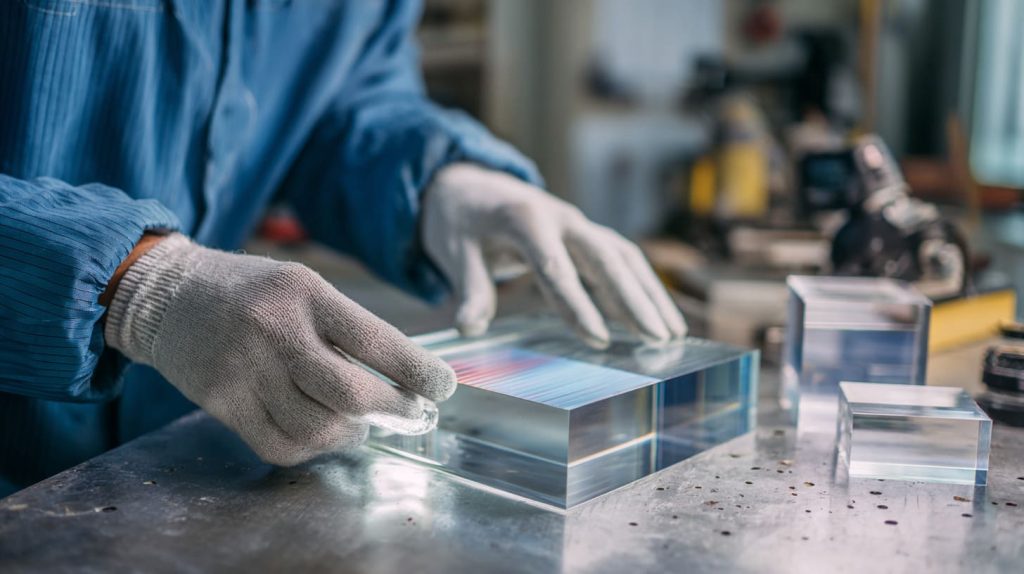
I have seen smart-looking designs fail for very ordinary reasons. A hole too close to the edge. A bend that looks fine on screen but stresses the material. A tolerance so tight that the part becomes expensive for no real benefit. Design is not just about shape. It is about what the shape asks the factory to do.
Part geometry and wall thickness
Shape affects manufacturability more than many people expect.
Simple flat parts are easier. Parts with deep forms, complex curves, sharp corners, or mixed thickness demands become harder.
Wall thickness also matters. If the part is too thin, it may flex, crack, or feel cheap. If it is too thick, it may cost too much, weigh too much, or behave badly in forming.
Why geometry changes cost quietly
A part may look only slightly different in CAD, yet that small change may require slower cutting, custom tooling, extra polishing, or more assembly steps.
I often compare part geometry like this:
| Design Feature | Easy or Hard? | Why |
|---|---|---|
| Flat simple panel | Easy | Fast cutting and handling |
| Straight bends | Moderate | Needs heat control |
| Complex formed shape | Harder | More setup and process control |
| Sharp internal corners | Harder | Stress and tooling issues |
| Very thin sections | Risky | More breakage or warping |
Tolerances and dimensional accuracy
Tighter tolerances usually mean more care, more machine time, and more cost.
That does not mean tight tolerance is bad. It just means it should be used on purpose.
I have seen buyers apply metal-style thinking to plastic parts and ask for precision that the application does not really need. That is where cost rises quietly.
When tighter is not smarter
If a display cover only needs to sit neatly over a product, a super-tight tolerance may add cost without adding value. But if a plastic part needs to fit into a mechanical assembly, then tolerance becomes much more important.
This is why I like to separate:
- critical dimensions
- visual dimensions
- non-critical dimensions
That keeps the quote and the production logic more honest.
Surface finish and visual requirements
Plastic parts are often seen, touched, and judged by eye. So finish matters.
Common finish needs include:
- polished edges
- frosted finishes
- printed surfaces
- low-scratch appearance
- high clarity
Acrylic is especially revealing. It shows scratches, haze, glue marks, edge quality, and cleaning issues very easily.
Surface quality is not one thing
A part can have great transparency but poor edges. Or beautiful edges but messy printed alignment. Or a nice front face and terrible backside handling marks.
I usually break visual review into smaller categories:
| Finish Area | What I Look For |
|---|---|
| Face surface | Scratches, haze, dents |
| Edges | Clarity, smoothness, burn marks |
| Print area | Sharpness, alignment, adhesion |
| Bond lines | Bubbles, whitening, overflow |
Structural performance
Some parts are decorative. Some are structural. Some are both.
Structural performance includes:
- load-bearing needs
- impact resistance
- flexibility
- creep over time
Plastic can hold up very well in the right use. But it is not magic. Some plastics sag under long-term load. Some crack under repeated stress. Some handle impact well but scratch easily.
The point is not to praise or criticize plastic. The point is to understand how it behaves.
Assembly requirements
A part rarely lives alone. It may need to join with screws, tabs, slots, holes, bonded joints, or modular pieces.
That affects the design from the beginning.
Assembly mistakes show up late
A design can look clean until someone actually tries to install it. Then suddenly a screwdriver does not fit, the bonded seam blocks access, or the hole alignment is too tight for fast assembly.
I usually become cautious when a design looks elegant but gives no thought to how a worker will actually hold, align, or fasten it.
Once design is settled, the next layer becomes more visible to the buyer: the finishing work that turns a functional plastic part into a polished product.
What Finishing Processes Are Used in Plastic Fabrication?
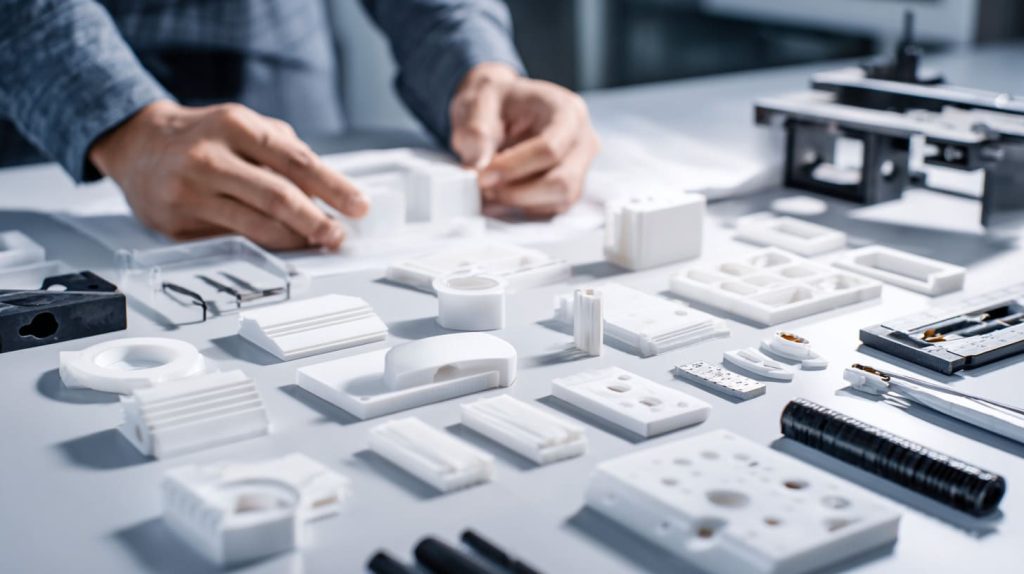
Finishing is where plastic fabrication becomes very honest. It reveals whether the factory cares only about shape or also about presentation. I have seen average parts rescued by careful finishing, and good parts ruined by lazy finishing.
Edge finishing and polishing
Edge finish changes the whole feel of a plastic product, especially on clear acrylic.
Common methods include:
- flame polishing
- buff polishing
- sanding
Flame polishing
This method can create a very clear, glossy edge on acrylic. It looks attractive, especially for display products.
But it needs control. Too much heat can create stress, edge distortion, or later cracking in some cases.
Buff polishing
Buffing can refine the edge and improve clarity. It takes labor, but it gives a more controlled finish in many jobs.
Sanding
Sanding is often part of edge preparation or a finish choice when a softer look is acceptable.
| Method | Best Use | Main Risk |
|---|---|---|
| Flame polishing | Clear premium acrylic edges | Heat stress |
| Buff polishing | Controlled refined edge finish | More labor time |
| Sanding | Utility finish or prep stage | Lower clarity |
Printing and decoration
Plastic parts often need branding, labeling, or visual design work.
That may include:
- UV printing
- screen printing
- engraving
- logo application
I have seen decoration treated as a late add-on. That is a mistake. Decoration should be planned early because it affects material choice, surface finish, protective film use, and packing.
Branding is not just about looks
A logo on a display stand is not only visual. It also changes positioning, user perception, and sometimes even cleaning behavior. A glossy printed part that scratches fast can damage a brand more than a plain part with no print.
Coating and protection
Some plastic parts need extra protection. That may include:
- scratch-resistant coatings
- UV-resistant coatings
- chemical-resistant finishes
Not every project needs coatings. But when the use environment is harsh, coatings can extend product life or improve appearance stability.
I do not automatically push coatings because they add cost. I only care when the environment justifies them.
Secondary assembly work
Finishing often includes more than surface treatment. It may also include:
- gluing
- welding
- hardware insertion
- labeling
- packaging
This is where the part becomes a product.
Here is how I often think about finishing value:
| Finishing Step | Why It Matters |
|---|---|
| Edge polishing | Improves look and touch |
| Printing | Adds branding and communication |
| Coating | Increases protection |
| Hardware insertion | Supports final use |
| Packaging | Protects value during shipping |
The point where I slow down most is protective handling after finishing, because a polished part is at its most vulnerable right before shipment.
Once finishing is understood, the upside of plastic fabrication starts to come into focus. And yes, there are real benefits—if the process is chosen well.
What Are the Benefits of Plastic Fabrication?

I understand why plastic fabrication stays so popular. It solves many problems in a practical way. Not every project needs metal. Not every part needs glass. Sometimes plastic is simply the cleaner answer.
Design flexibility
Plastic fabrication gives a lot of freedom in:
- shapes
- sizes
- colors
- branding
- assembly styles
This is especially useful for custom orders. I can change hole position, material thickness, bend angle, logo method, or overall dimensions without rebuilding an entire product system from zero.
That flexibility matters a lot in B2B work, where the buyer often needs a part to fit a very specific product or display plan.
Lightweight and durable parts
Plastic parts are usually easier to handle and transport than many metal alternatives. That helps in shipping, installation, and daily use.
Lightweight does not always mean weak. With the right material and design, plastic can perform very well.
Good chemical and corrosion resistance
This is a major strength in many environments. Plastic does not rust. That alone makes it attractive for retail, lab, utility, and light industrial use.
Some materials also perform well around cleaners, moisture, or chemical exposure. Of course, the exact resin matters.
Cost efficiency for the right project
This is important: plastic fabrication is not always the cheapest path. But for the right project, it can be very cost-efficient.
It often works well for:
- custom parts
- medium-volume jobs
- display products
- shaped covers
- branded assemblies
The cost logic becomes stronger when I need flexibility without heavy tooling investment.
Wide material and finish options
Plastic fabrication supports both function and appearance. That mix is one reason it stays useful.
A buyer may want:
- clear edges
- matte texture
- high impact resistance
- printed graphics
- polished premium look
- industrial chemical resistance
Plastic gives many paths to those results.
What makes me choose fabrication over other options is usually not one big advantage, but the way several small advantages add up into one workable solution.
Still, no method is perfect. The same strengths that make plastic useful can create weak points when the wrong expectations get attached to it.
What Are the Limitations or Challenges of Plastic Fabrication?
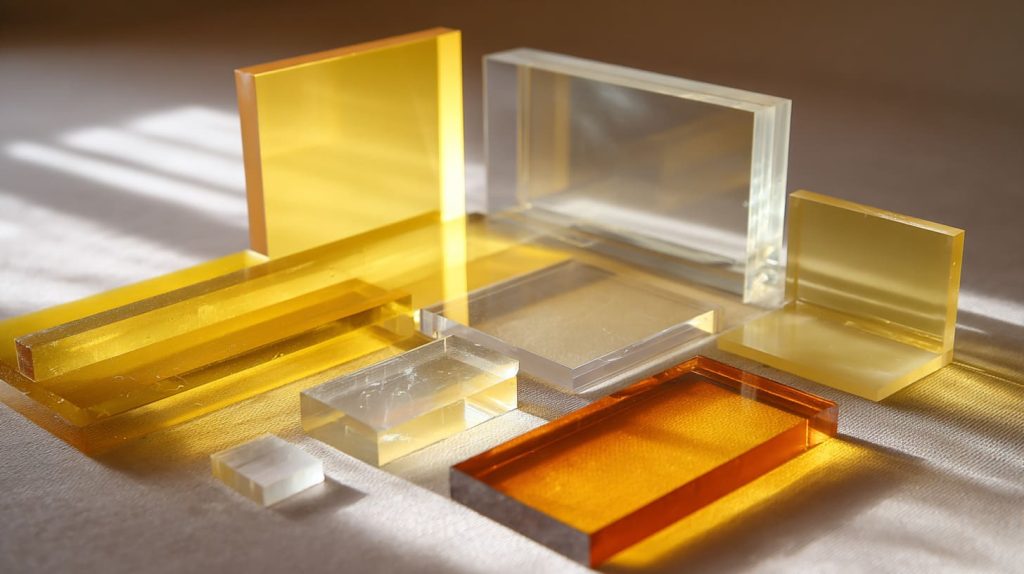
I do not trust articles that talk about plastic fabrication as if it only has strengths. Real work is never that neat. Plastic is useful. It is also easy to misuse.
Material limits under heat or load
Some plastics deform under heat. Some creep under long-term load. Some soften in ways buyers did not expect.
That does not make them bad materials. It means the load case and the environment must be real inputs, not afterthoughts.
A shelf display in an air-conditioned store is one thing. A clear cover near warm lighting or enclosed electronics is another.
Surface scratching and visual defects
This is a major issue for clear plastics like acrylic and polycarbonate. They look great when new. They also show scratches, dust, cleaning marks, and packing mistakes very clearly.
I have seen perfectly sized parts rejected because the customer focused on visual quality, not dimensions. And honestly, that was fair.
Tolerance challenges in some processes
Not every fabrication method gives the same level of precision.
Thermoformed parts, bent parts, and large shaped assemblies may have more variation than a machined part. That is not a flaw. It is the nature of the method.
The real issue comes when people expect one process to behave like another.
Environmental concerns
Waste, recyclability, and sustainability are part of the conversation now, and they should be.
Plastic fabrication creates scrap. Some materials recycle more easily than others. Some buyers now care about recycled content, lower waste, or longer-life products.
That does not create one easy answer. It creates a better question: how do I make a plastic part that performs well and creates less unnecessary waste?
Process mismatch can raise cost
This is one of the biggest hidden problems. Choosing the wrong process can hurt both price and performance.
| Wrong Choice | Likely Problem |
|---|---|
| Premium polishing on utility part | Unnecessary cost |
| Cheap material for demanding use | Failure or replacement |
| Injection molding for low volume | Tooling waste |
| Thermoforming for tight-fit precision need | Fit issues |
| Bonded assembly where maintenance is needed | Service trouble |
The moment I become most skeptical is when a quote looks impressively cheap but the process does not match the job. Cheap is easy to sell early. It is much harder to defend after failure.
After understanding both the benefits and the limits, the next logical question becomes: where is plastic fabrication actually used in the real world?
Where Is Plastic Fabrication Used?
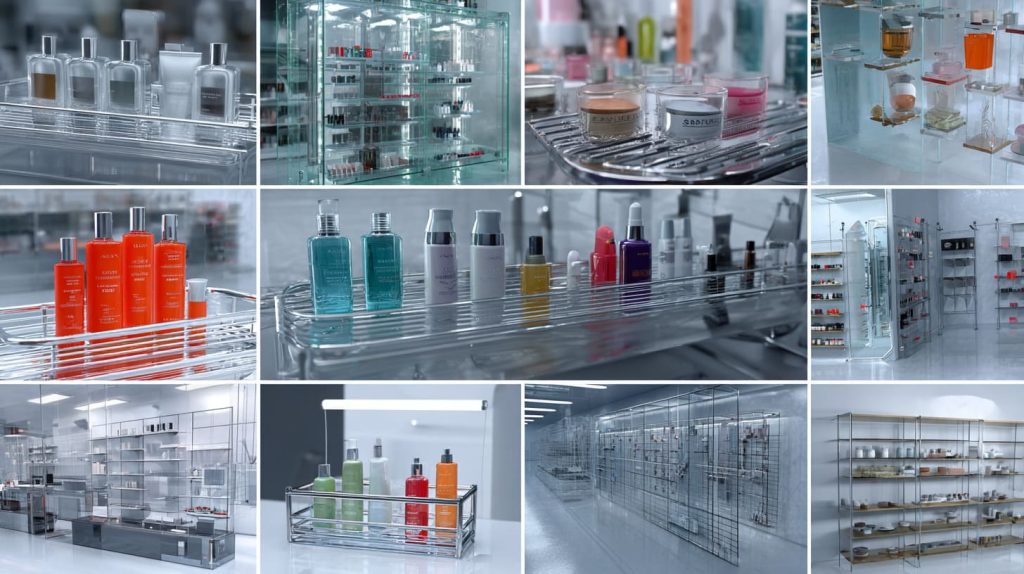
One reason plastic fabrication feels so broad is that it shows up almost everywhere. Once I started paying attention, I saw it in stores, labs, factories, offices, homes, and packaging projects all around me.
Retail and display applications
This is one of the most visible uses.
Common examples include:
- POP displays
- sign holders
- cosmetic organizers
- store fixtures
- risers
- product stands
Acrylic is especially strong here because it combines clarity, shape freedom, and branding potential.
I work in this space often, so I know how much visual quality matters. A display item is not just holding a product. It is quietly selling it.
Industrial and equipment applications
Plastic fabrication also shows up in more functional settings, like:
- guards
- covers
- machine panels
- enclosures
- shields
In these cases, the priorities may shift from beauty to toughness, chemical resistance, or safety visibility.
Medical and laboratory uses
Plastic is useful in medical and lab settings for parts such as:
- trays
- shields
- housings
- clear protective components
Cleanability, visibility, and controlled material choice matter a lot here.
Construction and architectural uses
Plastic fabrication is also used for:
- panels
- barriers
- partitions
- decorative features
- protective screens
Sometimes the goal is function. Sometimes it is appearance. Often it is both.
Household and consumer products
This space includes:
- organizers
- containers
- protective covers
- branded accessories
These products may look simple, but they still rely on good design, material fit, and clean finishing.
Here is a quick view:
| Application Area | Typical Fabricated Plastic Product |
|---|---|
| Retail | Display stands, holders, risers |
| Industrial | Guards, covers, equipment panels |
| Medical/Lab | Shields, trays, housings |
| Construction | Barriers, panels, partitions |
| Household | Organizers, containers, covers |
What often surprises people is not where plastic is used, but how differently it must behave in each of these markets.
That is why the next question matters so much. Knowing the use is one thing. Choosing the right method for that use is another.
How Do You Choose the Right Plastic Fabrication Method?
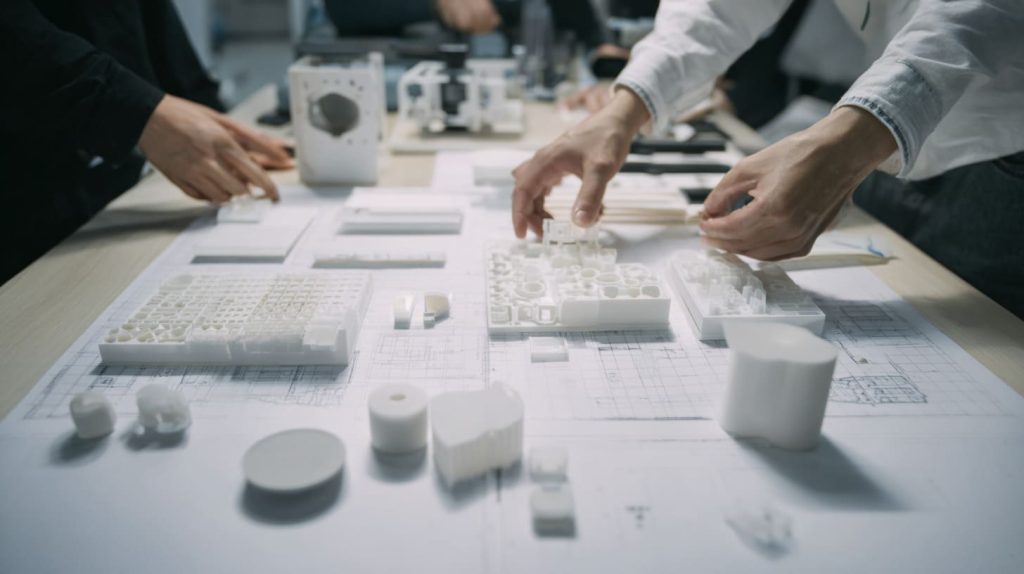
This is where good projects and frustrating projects start to separate. A buyer may know the product they want. A factory may know many processes. The hard part is matching the right process to the real need.
Based on production volume
Volume changes everything.
| Volume Level | Method Logic |
|---|---|
| Prototype | Fast, flexible, low tooling |
| Small batch | Fabrication-friendly methods |
| Medium volume | Balance between tooling and labor |
| Mass production | Often molding or dedicated tooling |
A prototype does not need the same economics as a mass product. I keep reminding myself of that because many mistakes begin when someone uses mass-production logic too early.
Based on part complexity
A simple flat part may suit laser cutting or CNC routing. A more complex 3D shape may suit thermoforming or molding.
Complexity does not only mean how the part looks. It also means:
- how many sides it has
- whether it needs bends
- whether it needs undercuts
- whether it needs hidden joints
- whether it needs assembly access
Based on material type
Some processes suit sheet materials better. Some suit pellet-based molding better.
If the design depends on flat clear sheet with polished edges, I may lean toward sheet fabrication. If the project needs a fully formed high-volume housing, molding may make more sense.
Based on budget and tooling
This is where trade-offs become very real.
- Low tooling methods give flexibility
- Mold-based methods can reduce unit cost at scale
- Some projects need speed more than unit efficiency
- Some need repeatability more than design freedom
Based on lead time
Lead time is not just shipping time. It includes setup time, tooling time, sample time, revision time, and approval time.
I have seen projects choose a theoretically cheaper method and then lose weeks on tooling, revisions, and setup. That is not always a good bargain.
The question I trust most here is simple: What does this project need right now—speed, flexibility, unit savings, or precision? That answer often points to the right method faster than any technical jargon does.
The method choice always leads into money. And once money enters the room, people want a clearer answer on cost.
How Much Does Plastic Fabrication Cost?
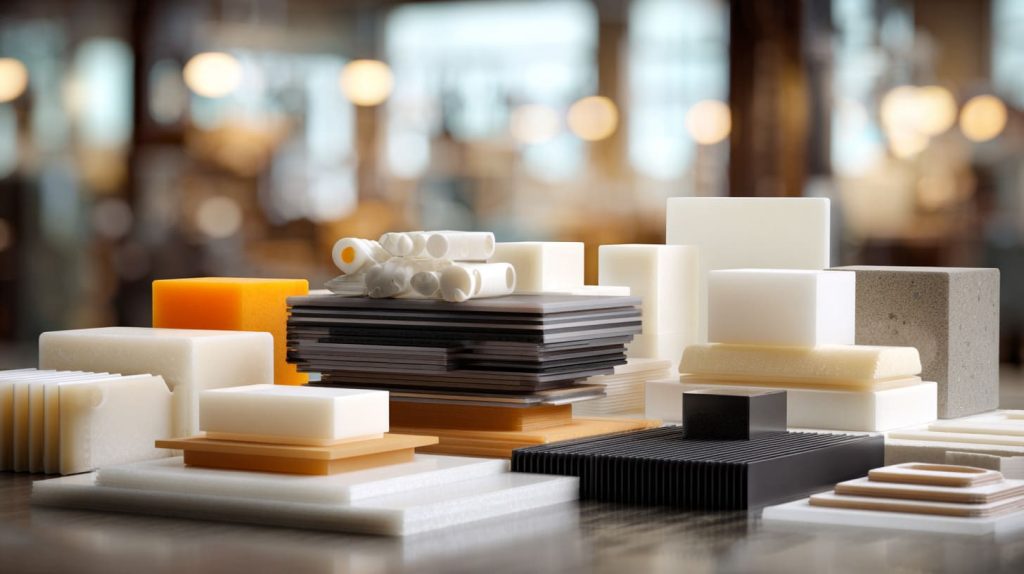
This is one of the first things buyers ask, and I understand why. Still, plastic fabrication cost is not one neat number. It is a mix of choices, and small changes can move the quote more than people expect.
Main cost drivers
The main drivers usually include:
- material choice
- part size
- thickness
- complexity
- tolerance
- finishing
- quantity
Here is a simple breakdown:
| Cost Driver | Why It Changes Price |
|---|---|
| Material | Some plastics cost much more than others |
| Size | Larger parts use more material and space |
| Thickness | More material and sometimes slower processing |
| Complexity | More machine time or assembly steps |
| Tolerance | Higher precision often means more control |
| Finishing | Polishing, printing, coating add labor |
| Quantity | Affects setup spread and unit economics |
Tooling cost vs. unit cost
This is the classic trade-off.
Custom fabrication often has lower tooling cost, but higher labor per part. Molding often has higher tooling cost, but lower unit cost in larger quantities.
Neither one is automatically better.
| Approach | Tooling Cost | Unit Cost | Best Fit |
|---|---|---|---|
| Fabrication | Lower | Higher at scale | Custom, low-to-medium volume |
| Molding | Higher | Lower at scale | Large-volume production |
I have seen buyers focus only on unit price and ignore tooling. I have also seen buyers avoid tooling so strongly that they overpay on labor for too long. Both mistakes are common.
Why custom projects need quote-based pricing
Custom plastic fabrication depends on project details. There is no true fixed catalog answer for a part that has custom size, material, finish, print, and assembly needs.
That is why quote-based pricing matters.
A meaningful quote usually needs:
- drawing or sample
- dimensions
- material request
- thickness
- quantity
- finish requirement
- application details
The thing I watch most carefully is not the first quote number, but whether the quote is built on real project understanding. A fast cheap quote based on weak details often turns into a slow expensive correction later.
And that naturally leads to a bigger question than price alone: who should make the part in the first place?
How Do You Choose a Reliable Plastic Fabrication Supplier?
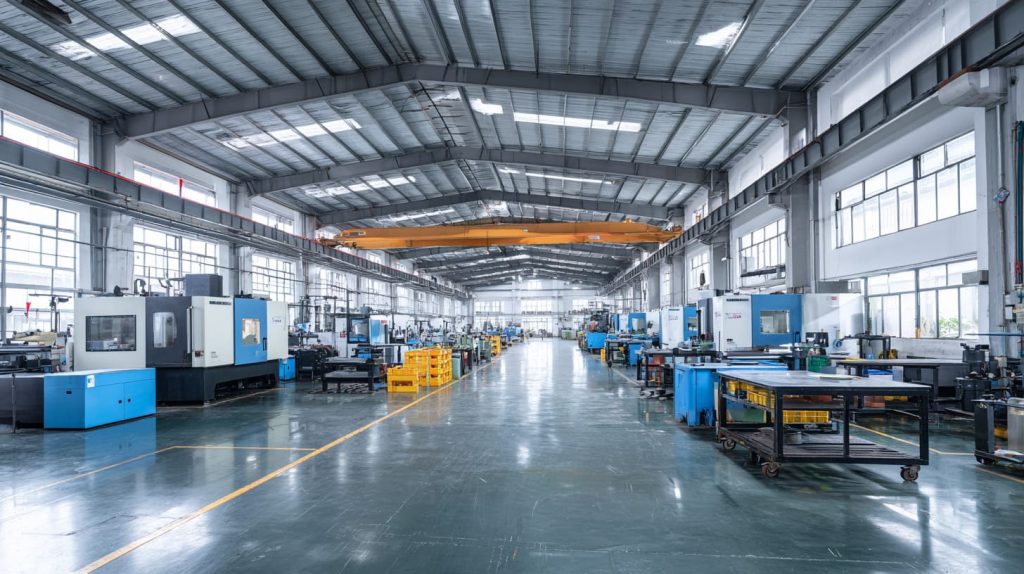
I have seen many supplier presentations. Most of them sound good. Nice machines. Nice words. Nice claims. That is not enough. A reliable supplier is not the one with the best brochure. It is the one that makes your custom project feel safer, clearer, and more predictable.
Check process capability
First, I want to know what the supplier can actually do in-house or control well.
That may include:
- CNC
- laser cutting
- bending
- bonding
- printing
- assembly
A supplier that understands the full chain is often easier to work with than one that handles only one step and outsources the rest loosely.
Review material knowledge
A strong supplier should not only ask, “What material do you want?” They should also ask, “What is the part used for?”
That difference matters.
If a supplier always pushes the cheapest material without discussing application, I get nervous. Good suppliers recommend based on use, not only on price.
Ask about quality control
Quality control should be visible, not vague.
I usually want to know about:
- certifications
- inspection flow
- sample approval
- packaging standards
- surface protection methods
Here is a quick supplier review table I like:
| Supplier Check | What I Want to See |
|---|---|
| Process capability | Real equipment and process fit |
| Material knowledge | Practical recommendations |
| QC system | Clear checks and standards |
| Custom experience | Past OEM or custom work |
| Communication | Fast, accurate, honest replies |
Look at customization experience
Custom work is not the same as selling standard items. A supplier for custom projects should understand:
- OEM projects
- brand printing
- structural changes
- drawing support
- sample development
That matters a lot for B2B buyers who need special dimensions, private labeling, and repeat consistency.
Evaluate communication and lead times
Communication is not a soft issue. It is a cost issue.
Weak communication causes:
- wrong assumptions
- slow revisions
- drawing mistakes
- missed delivery targets
- frustration on both sides
Lead time also matters, but I do not trust lead time promises that ignore process reality. A short promise is nice. A realistic promise is better.
The signal I trust most is how a supplier handles small details before the order is placed, because that usually predicts how they will handle larger problems later.
Once supplier choice is clearer, one last big point stands out for B2B readers in particular: why custom plastic fabrication matters so much in the first place.
Why Custom Plastic Fabrication Matters for B2B Buyers
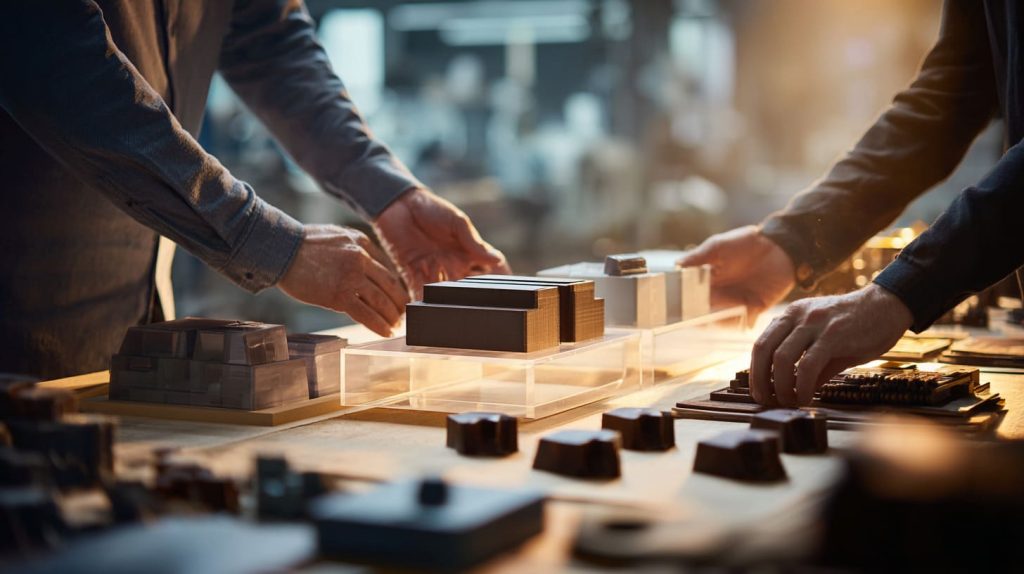
I work in custom manufacturing, so I have a front-row seat to this. Many B2B buyers are not looking for a random standard part. They are trying to solve a specific product problem, packaging need, display challenge, or equipment fit issue. That is where custom fabrication becomes much more than a production method. It becomes a business tool.
Better fit for unique product needs
Custom fabrication gives freedom that catalog products cannot.
That includes:
- custom shape
- custom size
- custom thickness
- logo application
- branded packaging
- special assembly details
For designers and purchasing teams, that freedom can save a project from awkward compromise.
Faster product development for niche applications
Some projects are too niche for full-scale molding right away. Some need fast samples, quick edits, and small-batch launch support.
Custom fabrication helps move from:
- concept
- to sample
- to revision
- to production
That speed can matter more than theoretical unit savings.
More control over function and appearance
B2B buyers often need both. A part may need to protect, support, display, and represent the brand at the same time.
That is very common in:
- retail display
- cosmetic presentation
- protective covers
- branded organizers
- product launch accessories
Stronger alignment with real market needs
The best custom plastic work feels specific. It reflects the actual product, the actual user, and the actual sales setting.
I have seen buyers force standard parts into custom jobs, and it usually shows. The fit is off. The look is off. The user experience is off.
I usually become more confident in custom fabrication when the buyer has a clear market goal, because then every design and process choice starts serving something real instead of just filling a drawing.
That brings me to the final point, and maybe the most useful one: how all of this should be judged together.
Conclusion
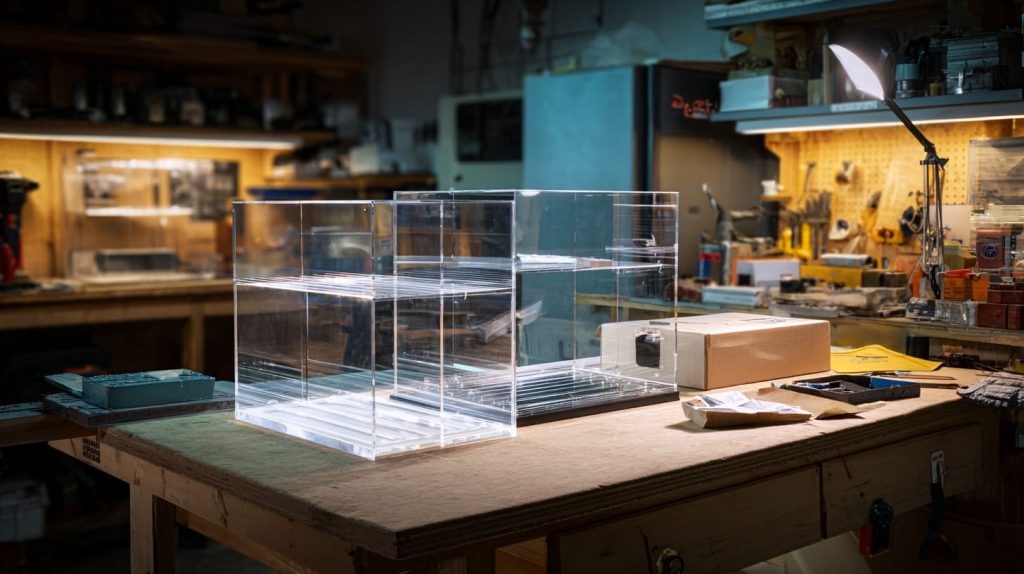
Plastic fabrication is not one machine, one method, or one easy definition. It is a broad way of turning plastic materials into usable parts through cutting, forming, machining, joining, finishing, and assembly. That is why it can serve so many industries, from retail displays to machine covers to custom organizers.
As I see it, the most important decisions always come back to a few practical things: the right material, the right method, the right design details, the right finish, the right quantity, and the right supplier. Miss one of those, and the project gets shaky. Match them well, and even a simple part can feel smart, clean, and dependable.
I do not judge plastic fabrication by how impressive the factory sounds. I judge it by whether the final part fits the real use, arrives in good condition, looks right in the customer’s hands, and makes the buyer feel they chose well.
If you are planning a custom acrylic or plastic project and want to sort out material, process, structure, or finishing details before you move forward, that is exactly the kind of discussion I like to have. You can use this article as your starting map, and when you are ready, you can bring your drawing, idea, or sample to the next conversation.