Skip to content

The showroom looked perfect on paper. Clean layout. Soft lighting. Strong brand colors. Yet visitors kept slowing down near the entrance, scanning the walls, and quietly asking, “Where do we go?” No one complained loudly. They just hesitated. And hesitation in a commercial space is never a good sign.
That moment made one thing very clear to me: directional signage is quiet, but it controls the whole experience.
Directional signage guides people through space. It reduces stress. It saves time. It protects brand image. In commercial projects, it is not decoration. It is infrastructure.
Today, designers and purchasing managers want signs that look modern, last long, and match brand tone. They also want practical installation and stable cost. I work with buyers like Jacky from Canada. He cares about clarity, durability, and long-term value. He does not want a sign that looks good for six months and then fades.
Here is my short answer:
Acrylic works for directional signage because it combines clarity, durability, flexibility in customization, and reasonable cost.
But that answer is too simple. So let me break it down step by step.
And before we talk about material, we need to talk about the role of signage itself.
What Is Directional Signage and Where Is It Used?
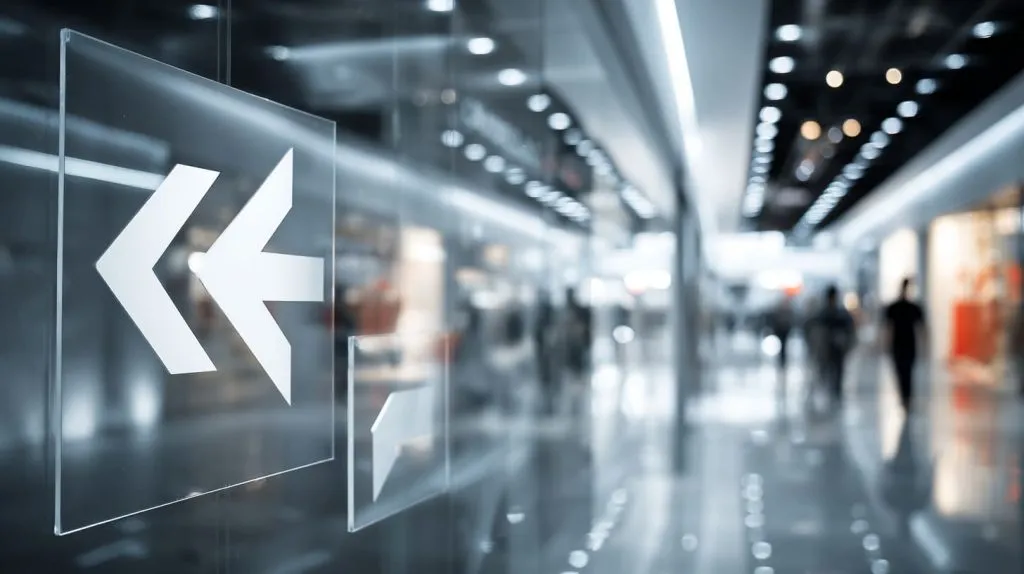
Directional signage is part of what people call wayfinding systems. I see it as a silent guide. It tells people where to go without speaking.
Common Applications of Directional Signage
I produce acrylic signage for many industries. Here is where I see it most:
| Location Type | Example Use | Risk If Poorly Designed |
|---|---|---|
| Retail malls | Floor directories, aisle markers | Customer confusion, lost sales |
| Office buildings | Room numbers, meeting room signs | Wasted time, bad first impression |
| Hospitals | Department guides | Stress, delays |
| Hotels | Elevator and room directions | Frustration, negative reviews |
| Exhibitions | Booth numbers | Missed traffic |
Each space has different traffic flow. A hospital sign must be clear and calm. A fashion retail sign must feel stylish.
So I always ask: What feeling should the sign create?
Core Functions of Wayfinding Systems
Directional signage does more than point left or right.
- It guides traffic flow.
- It reduces staff interruptions.
- It supports brand tone.
- It organizes space visually.
If the signage fails, staff answer the same questions all day. That costs money.
Now that we understand function, let us talk about something less glamorous but more important: material choice.
Why Is Material Choice Critical for Directional Signage?
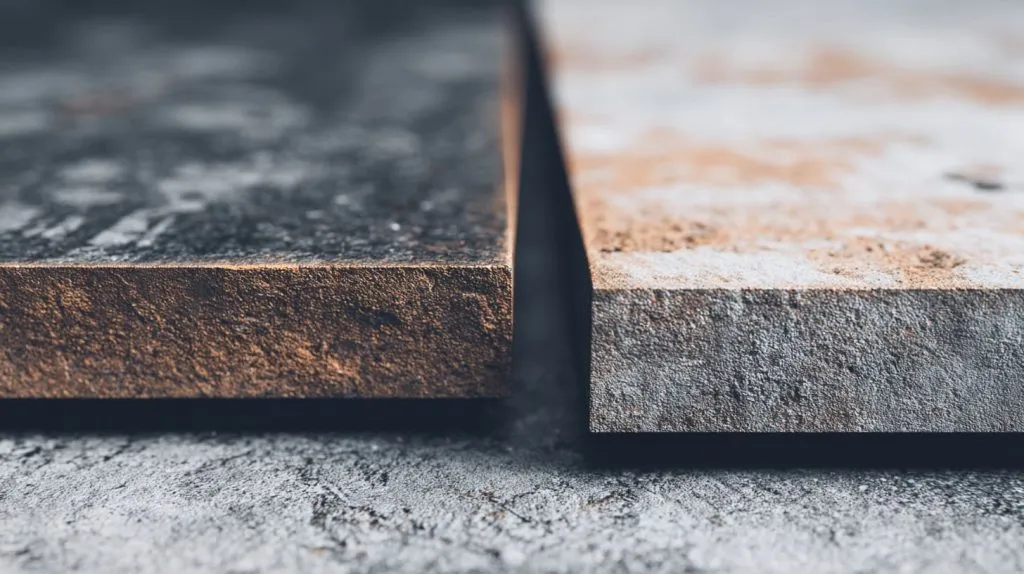
I once saw a beautiful metal sign installed in a humid coastal area. Six months later, corrosion appeared around the edges. The design was not wrong. The environment was ignored.
Material choice is never neutral.
Environmental Considerations
I always look at environment first.
| Factor | Indoor | Outdoor / Semi-Outdoor |
|---|---|---|
| UV Exposure | Low | High |
| Humidity | Controlled | Variable |
| Temperature | Stable | Expanding / contracting |
If UV is strong, the material must resist yellowing. If humidity is high, it must resist corrosion.
Design without environment awareness is incomplete.
Durability and Maintenance Factors
Signs get touched. Cleaned. Sometimes hit by carts.
Here is how I think:
- Is it scratch resistant?
- Can it handle impact?
- Is it easy to clean?
- Will it look good after 3 years?
Cheap foam boards fail fast. Thin PVC warps. Glass cracks. Acrylic sits in a good balance zone.
Cost and Lifecycle Evaluation
Initial price is only part of the story.
| Cost Aspect | Low-End Board | Acrylic |
|---|---|---|
| Initial Cost | Low | Moderate |
| Replacement Rate | High | Low |
| Brand Perception | Weak | Strong |
| Total Lifecycle Cost | Often higher | Often lower |
I always tell buyers: do not only compare unit price. Compare 3-year cost.
Once material logic becomes clear, acrylic starts to make more sense.
What Makes Acrylic a Strong Choice for Directional Signage?
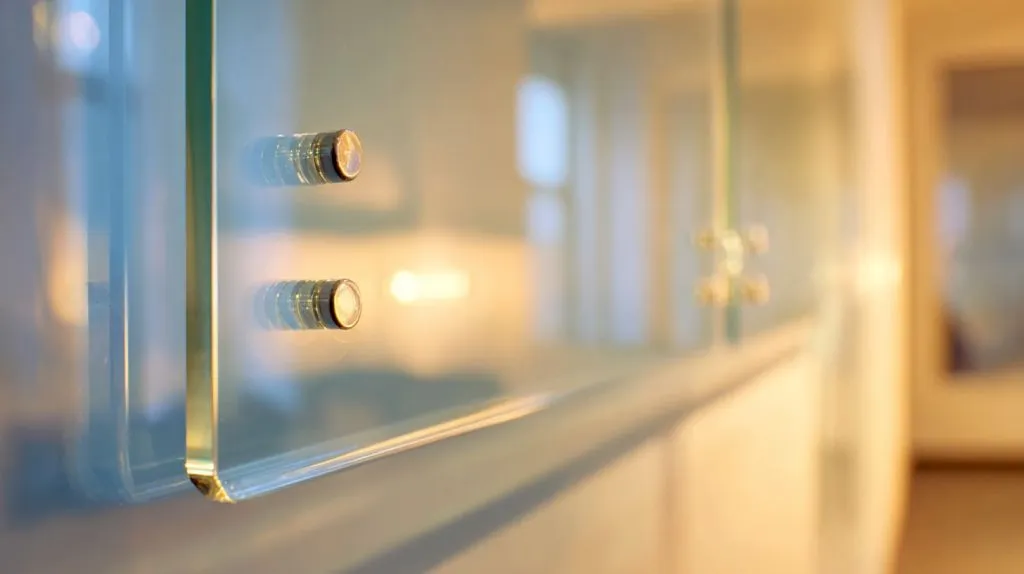
When I hold a polished acrylic panel under light, it almost feels like glass. But it behaves very differently.
Optical Clarity and Professional Appearance
Acrylic offers:
- High transparency
- Frosted options
- Opaque colors
- Light diffusion ability
| Visual Type | Effect |
|---|---|
| Clear | Clean, modern |
| Frosted | Soft, elegant |
| Colored | Brand alignment |
| Opaque | Strong contrast |
This flexibility allows me to match brand identity precisely.
Lightweight Yet Durable Structure
Glass looks premium. But glass is heavy.
Acrylic weighs less and reduces installation stress. It also lowers shipping risk. For bulk export projects, that matters.
I have seen projects delayed because glass panels broke during transport. Acrylic reduces that risk.
Weather and UV Resistance
Quality acrylic resists yellowing. It performs well in semi-outdoor settings. But I still evaluate climate carefully.
In very harsh sun exposure, material grade matters. Not all acrylic sheets are equal.
Material is only one comparison point. Many designers ask me directly: how does acrylic compare to others?
How Does Acrylic Compare to Other Signage Materials?
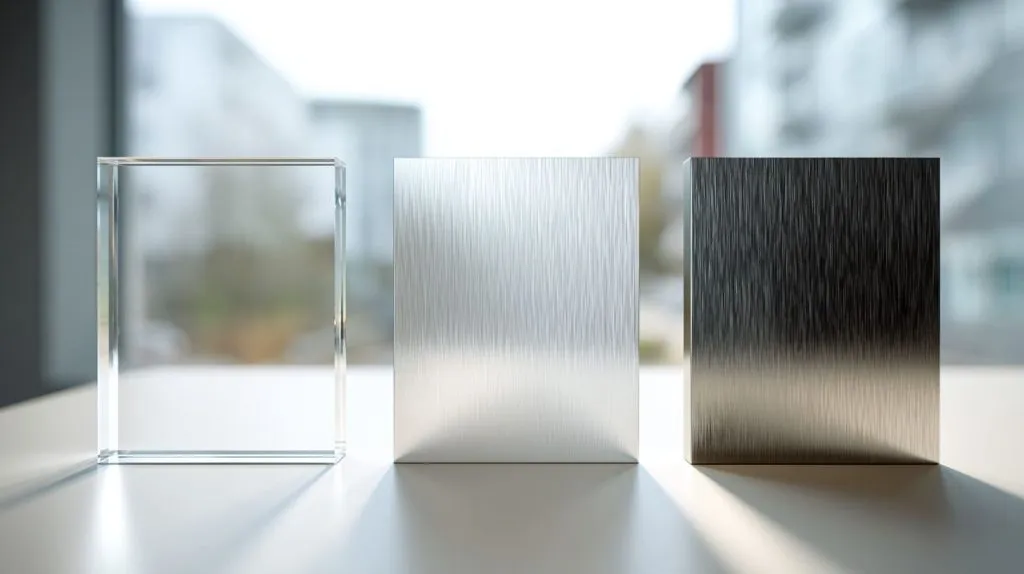
I never push one material blindly. I compare honestly.
Acrylic vs Glass
| Factor | Acrylic | Glass |
|---|---|---|
| Weight | Light | Heavy |
| Safety | Safer when broken | Sharp shards |
| Fabrication | Easy CNC & laser | Limited shaping |
| Cost | Lower overall | Higher |
Glass feels premium. Acrylic gives similar look with more flexibility.
Acrylic vs Metal
Metal feels industrial. Acrylic feels softer.
Metal may corrode. Acrylic does not rust.
Metal fits factories. Acrylic fits modern interiors.
Acrylic vs PVC or Foam Board
PVC is cheaper. But it feels cheaper.
Foam board works for temporary signage. Not for long-term commercial branding.
Acrylic sits in the middle: strong structure and strong perception.
Now we move to something designers love: customization freedom.
How Flexible Is Acrylic for Custom Design?
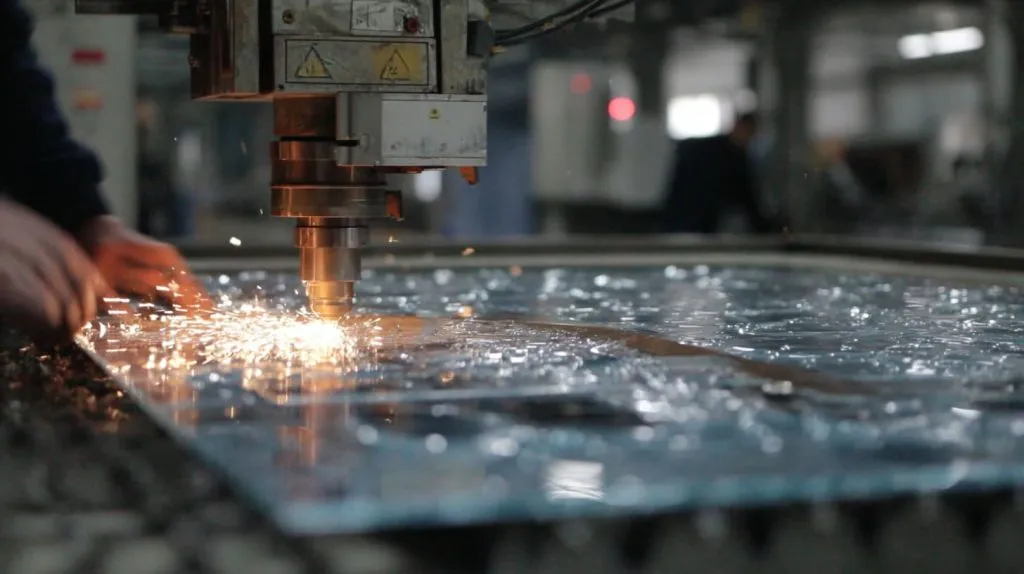
This is where I enjoy my work most.
CNC and Laser Cutting Capabilities
Acrylic works well with:
- Precision lettering
- Complex icons
- Custom shapes
Laser cutting gives smooth edges. CNC allows thicker structures.
I often challenge designers: if you can draw it, we can probably cut it.
Surface Treatments and Branding
Brand identity matters.
| Technique | Result |
|---|---|
| UV Printing | Full-color graphics |
| Screen Printing | Strong solid colors |
| Engraving | Elegant depth |
| Paint Filling | High contrast text |
| LED Integration | Backlit glow |
Each technique creates different emotional tone.
Thickness and Structural Options
Acrylic can be layered.
- Spacer-mounted floating signs
- 3D letters
- Multi-layer color effects
This structural depth adds visual richness.
And speaking of light, let us talk about illumination.
Is Acrylic Suitable for Illuminated Directional Signage?
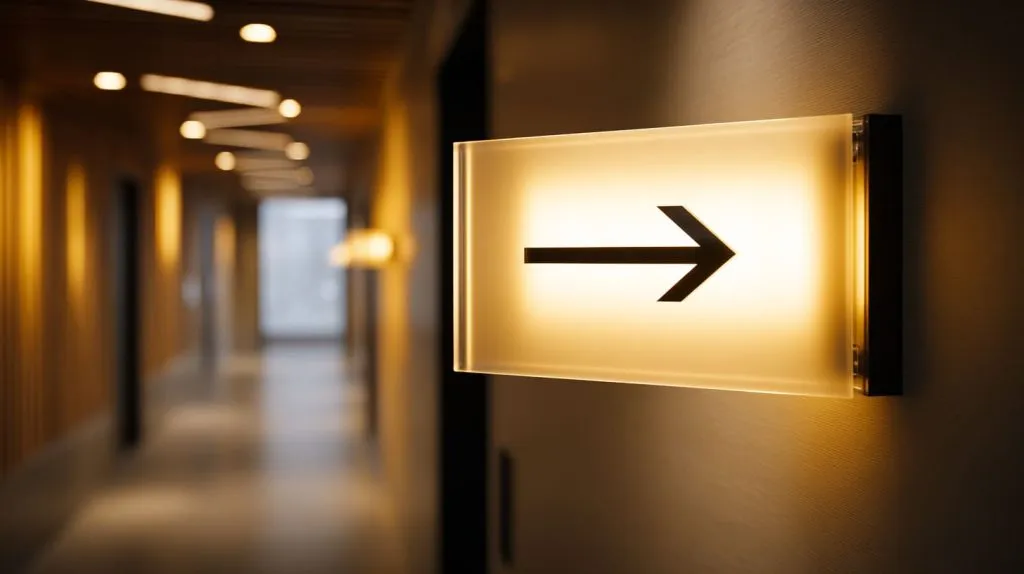
I love how light interacts with acrylic. It changes everything.
Light Transmission and Diffusion
Acrylic allows:
- Edge lighting
- Backlighting
- Even glow across surface
Light spreads smoothly. It does not create harsh shadows.
Compatibility with LED Systems
LED works well with acrylic because:
- It is energy efficient.
- Heat remains manageable.
- Long-term performance is stable.
Still, I always test thickness and LED placement. Poor design causes uneven glow.
Light adds emotion to space. But buyers must also consider practical ordering factors.
What Should B2B Buyers Consider When Ordering Custom Acrylic Directional Signs?
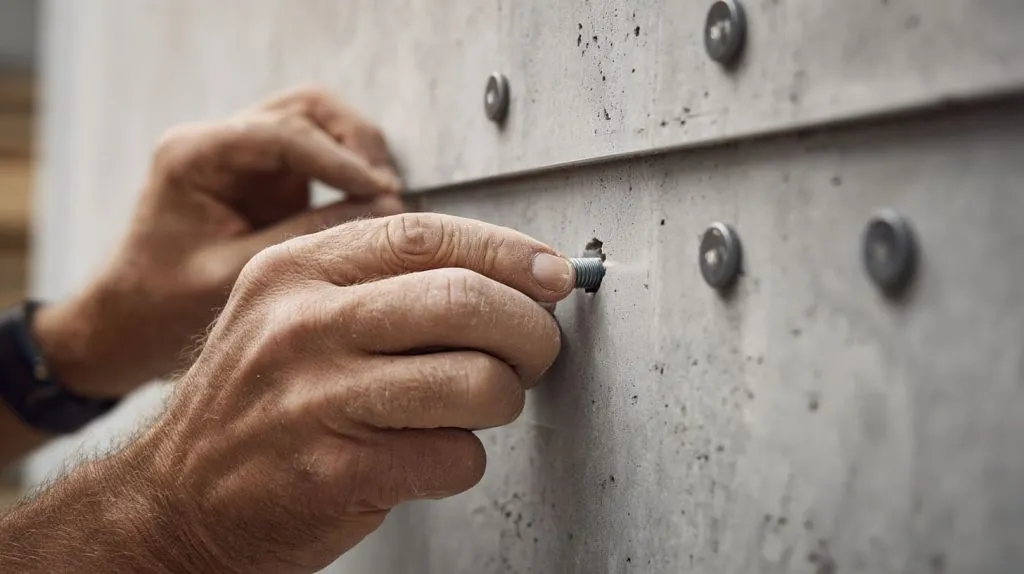
When I work with experienced buyers like Jacky, the conversation goes deeper.
Design and Engineering Details
I always confirm:
- Mounting method
- Hole tolerance
- Hardware type
- Wall material
Misaligned holes create installation problems. That small error costs time.
Quality Standards and Certifications
At Feilong Acrylic, we follow ISO9001 standards. Material origin matters.
| Quality Check | Why It Matters |
|---|---|
| Material grade | Prevent yellowing |
| Thickness tolerance | Ensure fit |
| Edge finishing | Improve safety |
| Print adhesion | Avoid peeling |
Quality consistency protects brand.
Lead Time and Production Capacity
We operate 5 production lines. We handle prototypes and bulk orders.
Consistency across batches is critical for large building projects.
A good sign system should not only function. It should also enhance brand presence.
How Does Acrylic Support Brand Image and Modern Interior Design?
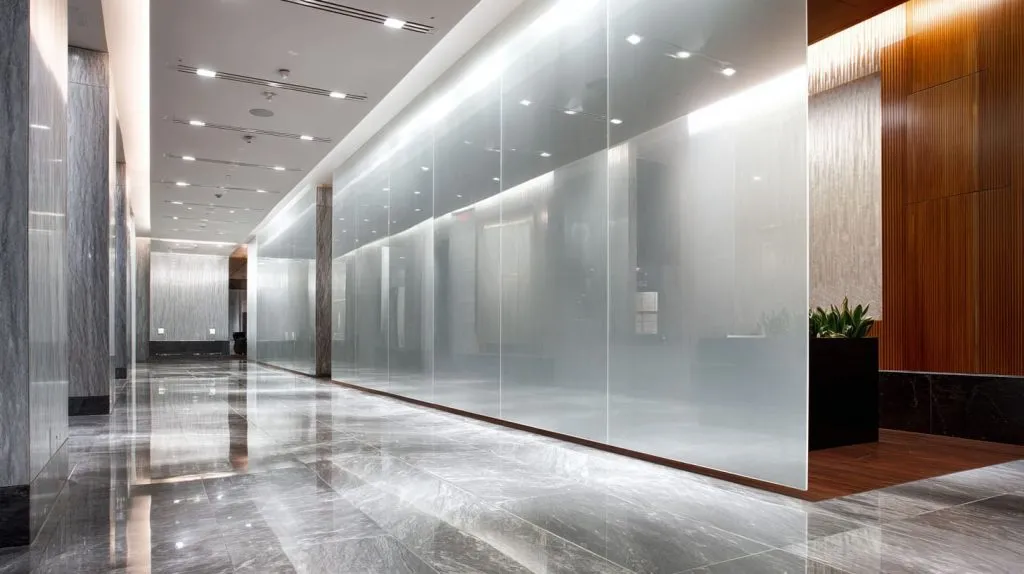
I once stood in a corporate lobby where transparent acrylic signs floated 20mm off the wall. The effect was subtle but powerful.
Clean and Minimal Aesthetic
Acrylic creates:
- Floating visual effect
- Light transparency
- Layered depth
This fits modern architecture.
Color Matching and Brand Consistency
We can match Pantone colors. Matte or gloss finish changes feeling.
Brand alignment builds trust.
Integration with Contemporary Architecture
Acrylic fits:
- Corporate lobbies
- Retail concept stores
- Luxury hotels
Material should serve design language, not fight it.
Still, no material is perfect.
What Are the Limitations of Acrylic in Directional Signage?

I always speak honestly.
Impact Limits in High-Traffic Areas
In very high-impact zones, polycarbonate may perform better. Acrylic is strong but not unbreakable.
Surface Scratching Risk
Acrylic can scratch. Protective coatings help. Regular cleaning with soft cloth matters.
Temperature Extremes
Acrylic expands slightly with heat. Installation must allow small movement gaps.
Ignoring these limits creates avoidable problems.
Now let me wrap this up clearly.
Conclusion
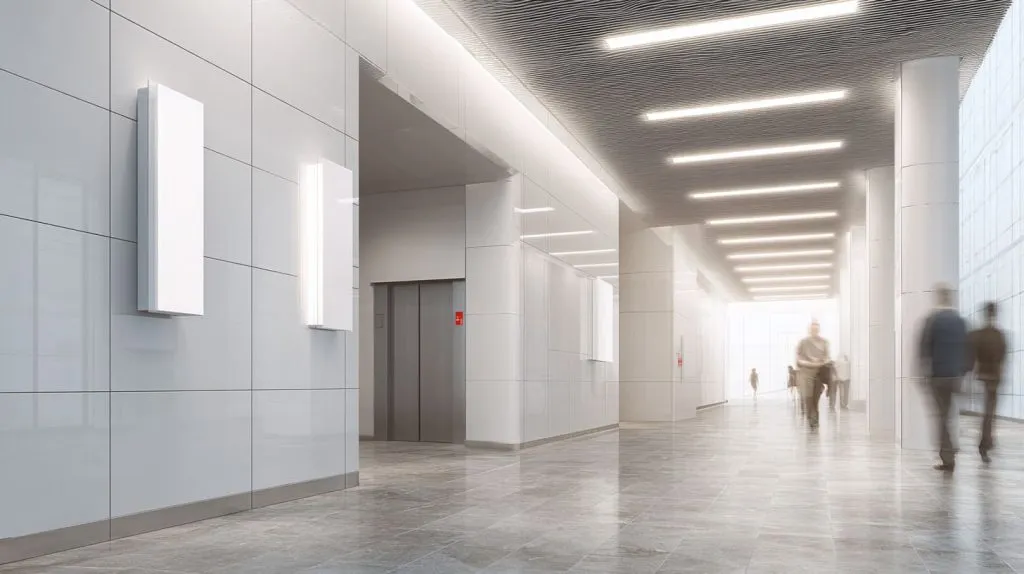
Acrylic offers clarity, flexibility, durability, and reasonable cost for directional signage. It balances visual appeal with structural performance. It supports branding and modern design. It works well in both indoor and semi-outdoor environments when designed correctly.
For B2B projects, the material decision affects installation, lifecycle cost, and brand image. Acrylic is not just a sheet. It is a strategic choice.
If you are planning a custom directional signage project and want consistent quality with stable production support, you can explore more at flacrylic.com. I am always open to discussing design details and finding the right solution for your project.