Skip to content
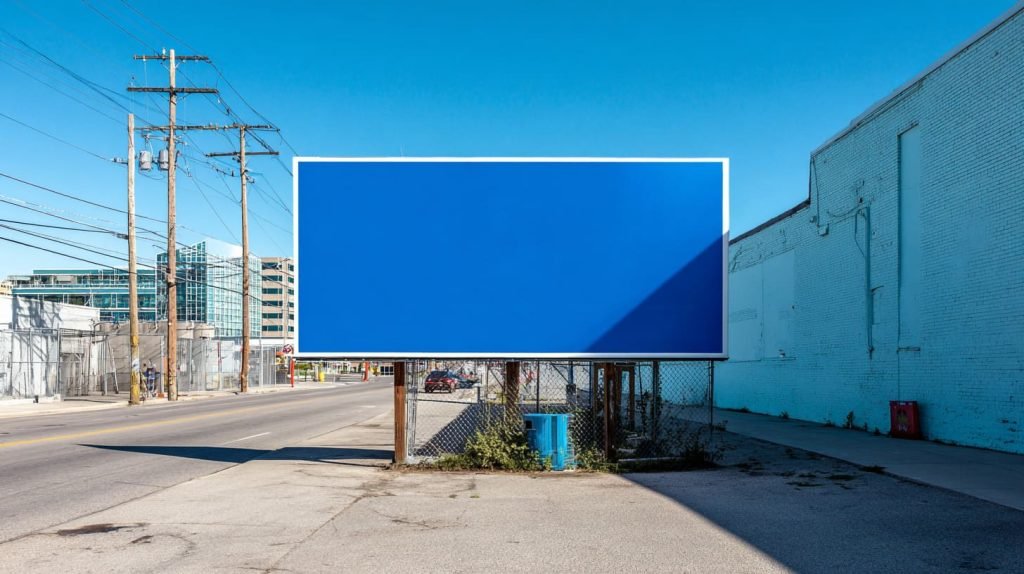
The email did not look dramatic. No capital letters. No complaints. Just two photos attached and one short line:
“Vincent, does this look normal to you?”
The first photo showed the sign on installation day. Deep blue. Sharp white. Clean edges. The second photo showed the same sign eight months later. The blue felt softer. The contrast was weaker. It did not look broken. It looked… tired.
That quiet difference is what makes outdoor signage tricky. Nothing explodes. Nothing cracks in half. The brand just slowly loses energy.
Fading is not only about color. It is about trust. When a storefront sign looks older than it should, people notice. They may not say it out loud, but they feel it.
The painful part is this: everyone involved usually followed instructions. The buyer asked for “UV printing.” The supplier delivered “UV printing.” The invoice was correct. And yet the result still disappointed.
I have learned that “UV printed” sounds like durability. It is not. It is only a process. Outdoor performance depends on the full system—ink, acrylic grade, surface prep, protection, and the real environment.
If a sign will face direct sun for most of the day, I never treat UV printing as the final answer. I treat it as step one.
In this article, I will break down why UV printing fades fast outdoors, what usually fails first, how long it should realistically last, and what you must clearly specify in B2B projects to avoid watching your brand fade earlier than planned.
Why Does UV Printing Fade Fast on Outdoor Acrylic?
Outdoor fading is a team effort. Sunlight is the loud bully, but heat and moisture do plenty of damage too. When a sign fades “too fast,” I do not look for one single cause. I look for the weakest link.
A practical thought I lean on is this: when a supplier says “outdoor OK,” I always ask myself, outdoor where—Florida noon or Vancouver shade? That one question changes the whole spec.
UV Ink Limitations Under Sunlight
UV printing cures ink with UV light. It locks ink onto the surface fast. That speed is great for production. It is also why many people assume it is “strong.” But long-term sun exposure is a different game.
- The curing process is fast.
- Outdoor UV exposure is daily, endless, and brutal.
Pigments are the first thing I suspect. Some colors fade faster. Reds and blues often cause trouble because the pigments can be less stable under constant UV.
Here is a simple way to think about it:
| What you see | What might be happening | Why it matters |
|---|---|---|
| Red looks pink | pigment breakdown | brand colors drift |
| Blue turns “grayish” | pigment loses saturation | logo looks tired |
| Black looks brown | mixed pigments shifting | contrast drops |
Another issue is where the ink sits. UV printing is usually a surface print. So the ink takes the hit first.
- Surface print = sunlight and scratches attack the ink directly
- Subsurface (second-surface) print = acrylic protects the ink like a shield
If your sign is customer-facing and close to hands, carts, and cleaning cloths, surface print is like putting your brand on the front bumper of a car.
Acrylic Substrate Factors
Acrylic is not one single material in real life. There is cast acrylic and extruded acrylic. Both are “acrylic,” but they behave differently.
Cast acrylic tends to:
- have better surface stability
- machine cleaner
- handle outdoor stress more calmly
Extruded acrylic tends to:
- be more cost-friendly
- be more sensitive to heat and stress
- show more movement under temperature swings
Heat expansion matters more than people think. Acrylic expands and contracts. Ink expands differently. If they move at different rates, the bond gets stressed. Over time, small stress becomes edge lifting, tiny cracks, or cloudy surface areas.
I judge acrylic choice by the life cycle, not the quote: if the customer wants a sign to look “new” for years, I push toward cast and better protection even if unit cost rises.
Environmental Stress Factors
Sun is obvious. The environment is sneaky.
- Direct sun vs shade: direct sun can cut lifespan dramatically
- Salt air: coastal projects can speed up degradation
- Pollution: dirty air plus sunlight can cause surface haze
- Freeze–thaw: Canada winters are not kind to rigid panels
Even the installation angle matters. A south-facing wall in Canada can still get strong sun exposure for many months.
Here is how I break down risk quickly:
| Environment | Risk level | Common failure |
|---|---|---|
| Shaded storefront | Low | slow color fade |
| South-facing wall | Medium | faster fade, mild chalking |
| Coastal, salty air | High | surface haze, adhesion stress |
| Cold + direct sun | High | micro-cracks, edge issues |
And this is where buyers get stuck: they think “outdoor” is one condition. It is not. Outdoor is a hundred different conditions.
If you want the next section to feel “too detailed,” good. That detail is exactly what keeps your sign from failing quietly.
What Actually Fails First: Ink, Adhesion, or Acrylic?
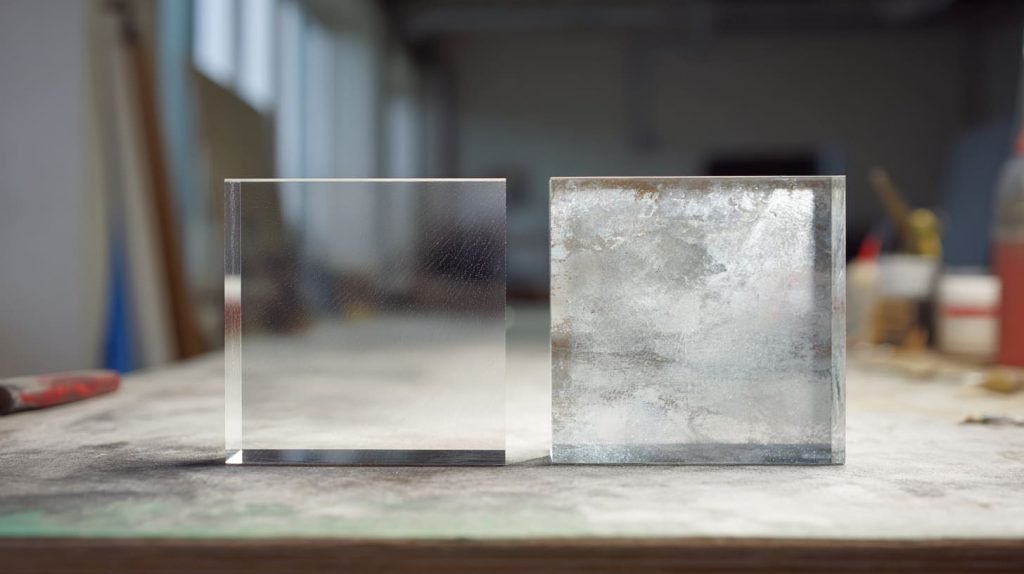
When a sign looks bad early, people blame “fading.” But fading can be the visible symptom of a deeper failure.
My own rule is: I don’t guess by looking at one photo. I ask for a close-up at three spots—center print, near edges, and near mounting holes—because each spot tells a different story.
Color Fading and Chalking
Color fading is the one everyone notices. Chalking is the one many people miss.
Chalking looks like:
- a slight powdery haze
- loss of deep gloss
- a “washed” look even when the ink is still there
It can come from:
- pigment breakdown
- surface degradation
- ink surface micro-damage that scatters light
When the surface starts to chalk, the sign can look older even if the color is “still acceptable.”
A quick field check I like:
- wipe a small area with a clean cloth
- compare before vs after
If the wiped area looks darker, you may have surface chalking or heavy contamination.
Adhesion and Peeling
Adhesion failure often starts small.
- a tiny lift at the edge
- a bubble near a corner
- a line that looks like “ink shrink”
Poor prep is common:
- dust
- oily fingerprints
- wrong cleaning solvent
- no surface treatment when needed
Heat cycling makes it worse. The panel warms in the sun, cools at night, repeats for months. That is a slow test you cannot cheat.
Here is a simple risk table:
| Condition | Adhesion risk | Why |
|---|---|---|
| Large flat panels | Medium | expansion stress over area |
| Many cutouts/holes | High | stress concentrates near features |
| Dark backgrounds | High | more heat absorption |
Sometimes buyers focus on ink brand. That helps, but if the surface prep is weak, premium ink still fails.
Micro-Cracks and Edge Degradation
Edge problems are the silent killers. You can have a beautiful face print, but edges start to craze or crack.
Laser-cut edges can have heat-affected zones. Under UV and temperature cycling, those zones can become weak points. If water enters micro-cracks, freeze–thaw can expand damage.
Edge sealing sounds boring. It is also the difference between “looks good for years” and “starts looking old in one winter.”
A detail I often call out to buyers: if the edge is exposed and the site has strong sun + cold nights, I treat edge finishing like a functional requirement, not a cosmetic preference.
Now that we know what fails first, the next question is the one every buyer asks me at some point—so how long should it last, really?
How Long Should Outdoor UV Printed Acrylic Last?
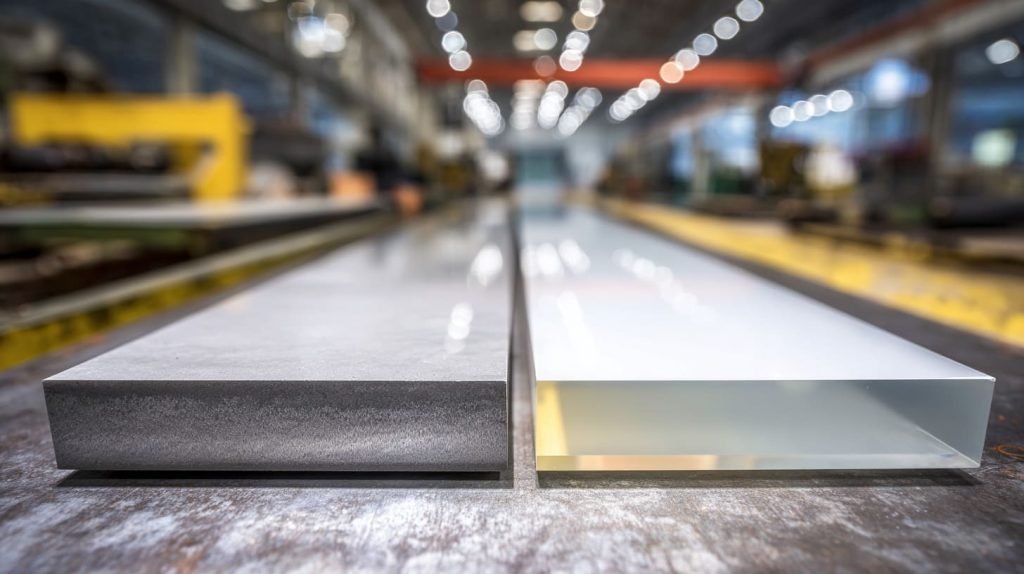
If you ask ten suppliers, you can get ten lifespans. That is why I do not answer “how long” without asking “under what spec and what environment.”
The way I personally judge expected lifespan is this: if nobody is willing to define “acceptable color shift,” then the project has no real durability target, only hope.
Typical Lifespan Expectations
These ranges are not magic. They are pattern-based expectations from real projects.
- 1–2 years: basic UV print, no added protection, full sun
- 3–5 years: decent materials, some protection, reasonable exposure
- 5+ years: premium spec, protection layer, smart print method, good installation
Here is a clearer table you can use in internal talks:
| Spec level | Typical build | Realistic expectation |
|---|---|---|
| Basic | surface UV print on standard acrylic | 1–2 years |
| Better | cast acrylic + improved ink + basic protection | 3–5 years |
| Premium | UV-stabilized cast + second-surface + protective layer | 5+ years |
Regional Climate Differences
Climate is not a side note. It is the main plot.
- Florida sun is not the same as Toronto sun
- Coastal air is not the same as dry inland air
- Industrial zones add grime and chemical exposure
A simple comparison:
| Region type | What changes | What I expect |
|---|---|---|
| High UV / hot | more heat, stronger UV | faster fade |
| Cold + sun | thermal cycling | cracking risk |
| Coastal | salt + moisture | haze, adhesion stress |
| Industrial | pollutants | surface dulling |
If you want a sign to look good for five years, it is not enough to say “UV printing.” You must design the sign like it will be attacked daily. Because it will.
Alright. So what do you specify so you do not rely on luck?
What to Specify to Prevent Premature Fading
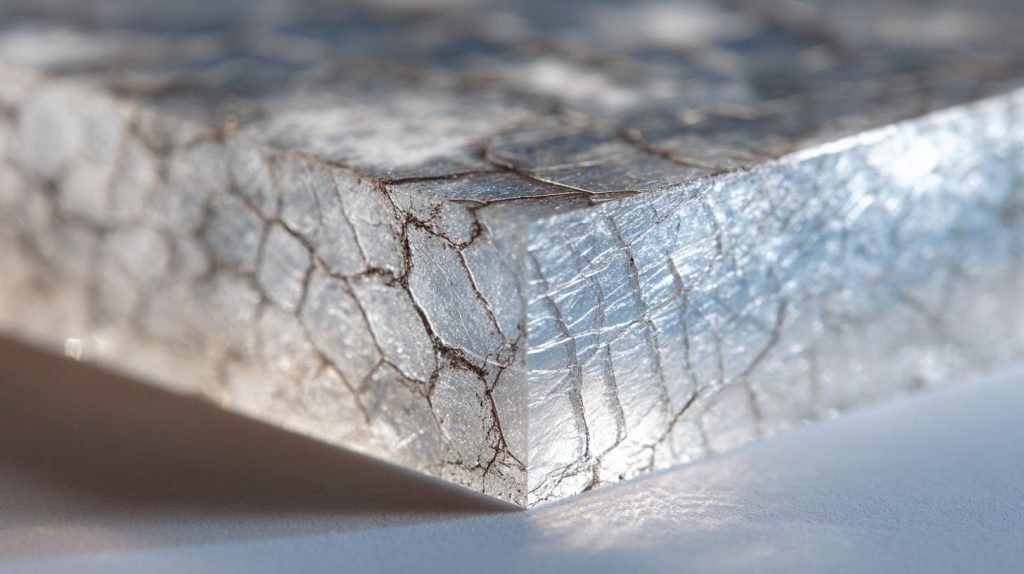
This is the part I wish more buyers enjoyed. Specs feel boring. But specs are the only thing that survives after people forget the meeting.
A decision I make on the buyer’s side is blunt: if the supplier cannot repeat my key specs back to me in one clean paragraph, I assume the project will drift during production.
Specify UV-Resistant Acrylic Material
Start with the substrate. If the base is weak, everything on top suffers.
What to specify:
- cast acrylic for better stability
- UV-stabilized acrylic when exposure is heavy
- thickness that matches size and mounting method
A practical thickness guideline many buyers find useful:
| Panel size (approx.) | Indoor thickness | Outdoor thickness (typical) |
|---|---|---|
| < 300 mm | 3 mm | 4–5 mm |
| 300–600 mm | 4–5 mm | 5–8 mm |
| > 600 mm | 5–8 mm | 8–10 mm+ |
This is not a law. It is a safer starting point. Wind load, mounting, and heat still matter.
Specify Protective Coatings or Laminations
If the print is on the surface, protection is not optional for serious outdoor use.
Options:
- clear UV protective overlaminate
- hard coat for scratch resistance
- anti-graffiti layer if public-facing
Trade-offs are real:
| Protection type | Benefit | Cost / risk |
|---|---|---|
| UV overlaminate | slows fading | adds step, adds cost |
| Hard coat | resists scratches | may affect gloss/feel |
| Anti-graffiti | easier cleaning | may change appearance |
And yes—gloss vs matte matters. Matte can hide fingerprints but can also make colors look less “deep.” Gloss can make colors pop but shows scratches more.
My personal preference in high-traffic public spaces: I lean toward protection even if the finish is not “perfect,” because maintenance reality always wins.
Specify Printing Method and Ink Grade
If you do only one upgrade, consider second-surface printing.
- print on the back side of clear acrylic
- view from the front
- acrylic becomes a built-in protective shield
Also specify:
- outdoor-rated UV inks (ask for lifespan data, not promises)
- multi-layer printing where needed (white layer for opacity, for example)
A quick method comparison:
| Method | Durability feel | Best for |
|---|---|---|
| Surface UV print | easiest, fastest | short-term or shaded |
| Second-surface UV | better protection | long-term branding |
| Screen print | thick ink, stable | long runs, high durability |
Specify Surface Preparation and Adhesion Standards
This is where many failures are born.
Ask for:
- surface cleaning method
- treatment method if needed (flame/corona)
- adhesion testing reference (cross-hatch style test)
You can even require simple checks:
| Check item | What to ask for | Why |
|---|---|---|
| Adhesion test | pass/fail photos | prevents peeling surprises |
| Color reference | match to standard | reduces “close enough” |
| Sample aging | accelerated exposure data | predicts early failure |
At this point, some buyers ask me, “If UV printing needs all this, should I use something else?” Fair question. Let’s talk about alternatives.
Should You Consider Alternatives to Standard UV Printing?
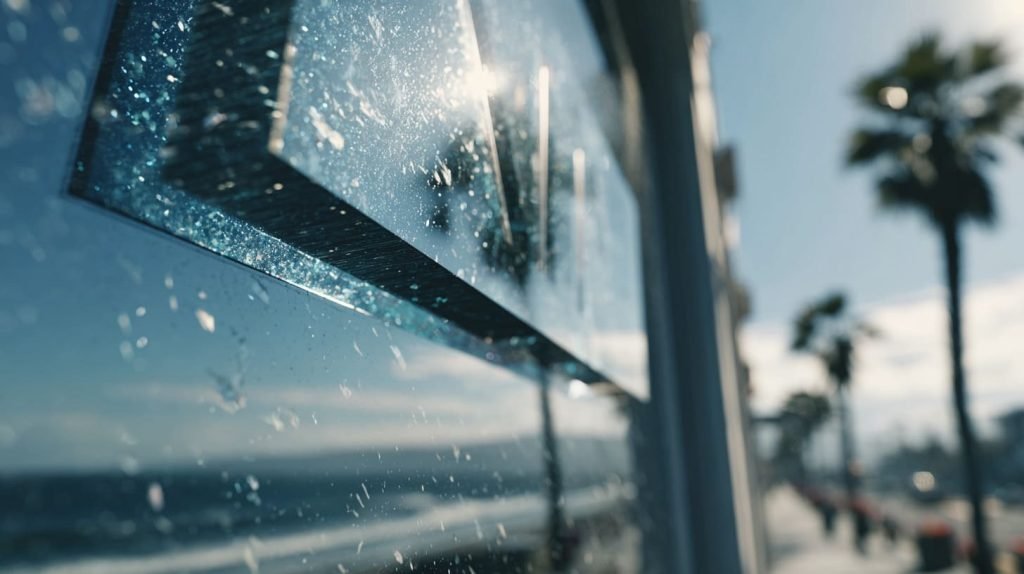
UV printing is not bad. It is just not a blanket guarantee.
What I consider first is the project’s “pain tolerance”: if replacing the sign later is easy and cheap, UV print may be fine; if replacement is a nightmare, I push for a tougher method.
Reverse Second-Surface Printing
This is still UV printing, just smarter placement.
Benefits:
- ink is protected from scratches and direct UV
- cleaning is easier because you wipe acrylic, not ink
Limits:
- works best with clear acrylic
- design must consider viewing direction and backing
Screen Printing for Long-Term Projects
Screen printing is old school. That is why it can be strong.
- thicker ink layers
- often better pigment durability
- consistent for long runs
The downside:
- higher setup cost
- less flexible for tiny batch personalization
For B2B projects with stable designs and volume, screen printing can be a calm, reliable choice.
Vinyl Overlay or Hybrid Methods
Vinyl is not “cheap” by default. Good vinyl with lamination can be tough.
Hybrid approach:
- print on vinyl
- laminate for UV and scratch protection
- apply onto acrylic
When it makes sense:
- complex colors
- shorter lead times
- easy replacement needs
A simple comparison table:
| Option | Best advantage | Common weakness |
|---|---|---|
| UV print | fast, flexible | needs protection in harsh sun |
| Screen print | durable, stable | setup cost |
| Vinyl + laminate | replaceable, flexible | adhesion quality varies |
Now we get to the part where experienced buyers like Jacky usually smile: writing a clear spec that suppliers cannot “interpret” too freely.
How to Write a Clear Technical Specification for Suppliers
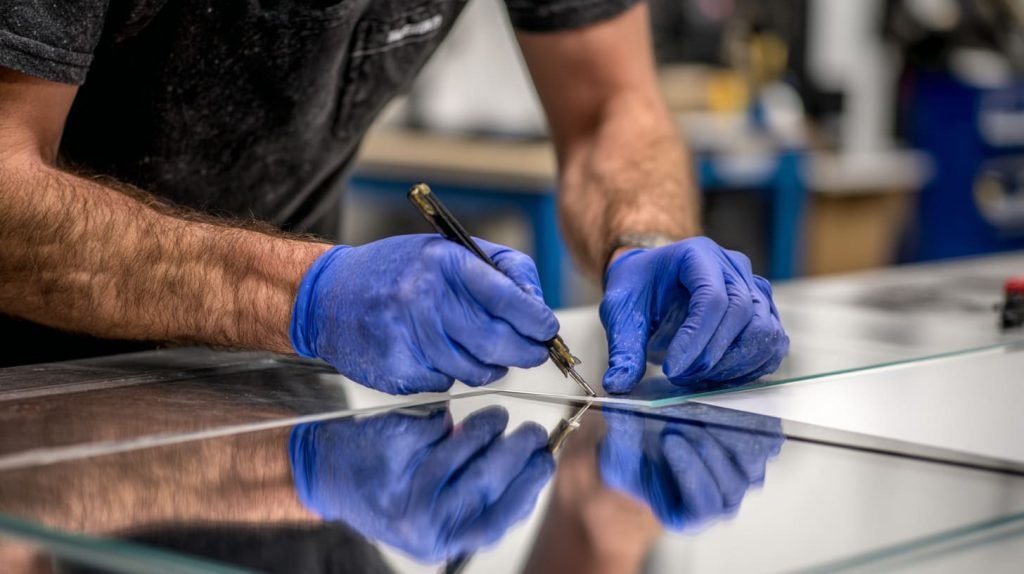
A spec is not a poem. It should not be open to interpretation.
One way I keep myself honest is this: if a supplier could deliver something weak and still claim they followed the spec, then the spec is missing the real requirement.
Define Performance, Not Just Process
Do not only say “UV printing.” Say what you want the sign to do over time.
Examples:
- “Target outdoor appearance life: 5 years minimum”
- “Acceptable color shift: define limits or reference samples”
- “Must include protective layer for direct sun exposure”
Performance-based specs reduce games.
Request Test Standards and Reports
You do not need a lab degree to ask for real testing.
Ask for:
- accelerated weathering results (UV exposure simulation)
- color retention benchmarks
- adhesion evidence
Even basic reporting helps. It forces discipline.
A simple request template:
| Test area | What to request | Proof format |
|---|---|---|
| Weathering | hours of exposure + result | photos + notes |
| Adhesion | cross-hatch result | photo + pass statement |
| Color | before/after comparison | chart or photos |
Clarify Installation Conditions
Installation is part of the spec.
State:
- sun exposure orientation (south-facing, etc.)
- mounting method (standoff, flush, frame)
- ventilation behind panel
A panel mounted tight against a hot wall can trap heat. That heat can cook adhesives and stress ink. Small detail, big outcome.
And now, the uncomfortable part: the mistakes buyers keep repeating. I say this with love, because I have seen smart people do all of them.
Common Mistakes B2B Buyers Make
These mistakes do not happen because buyers are careless. They happen because everyone is busy, and “UV printing” sounds like it should be enough.
The way I judge risk here is simple: if the only requirement is “looks good on delivery day,” then the project is already drifting toward failure.
Focusing Only on Price per Piece
Unit price is easy to measure. Replacement cost is not.
Hidden costs:
- installer labor again
- lift rental again
- downtime and rework
- brand embarrassment
A quick cost view:
| Cost type | Often counted | Often ignored |
|---|---|---|
| Panel cost | ✅ | |
| Printing cost | ✅ | |
| Re-installation | ✅ | |
| Site access | ✅ | |
| Brand damage | ✅ |
Accepting “Outdoor Suitable” Without Proof
“Outdoor suitable” is a sales phrase. It is not a spec.
If you accept it, you accept the supplier’s definition of outdoor. And their definition may be “under a roof in mild weather.”
Skipping Sample Weather Testing
A pilot sample can save a project.
Even a short field test helps:
- mount a sample in real sun
- compare after weeks/months
- observe cleaning and scratch behavior
Time compression testing is not perfect, but it is better than blind trust.
Now let me bring this back to what I actually do at Feilong Acrylic, because this is not theory for me. This is daily work.
How Feilong Acrylic Approaches Outdoor UV Projects
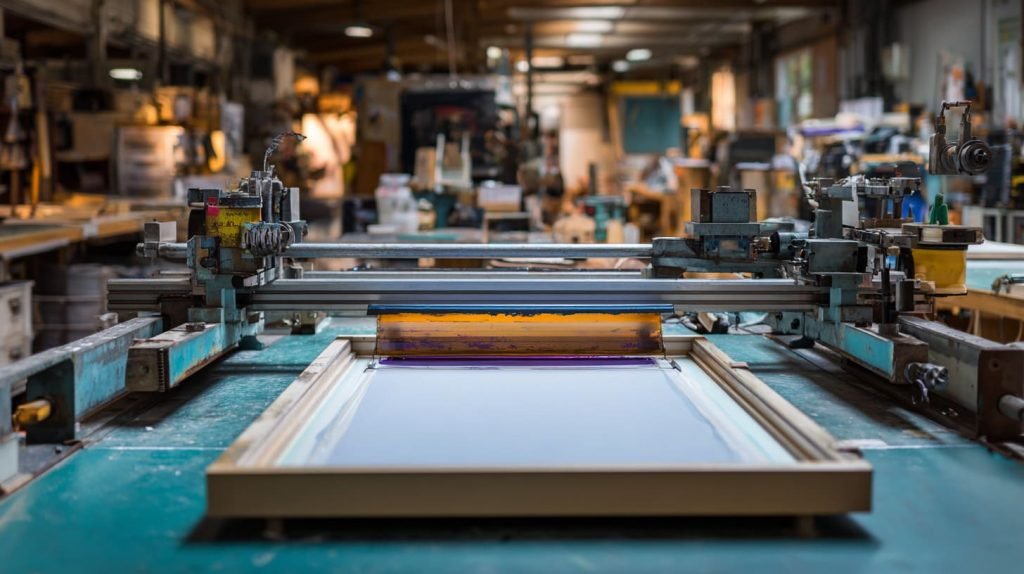
When a buyer asks me for outdoor UV signage, I do not start with a quote. I start with a few uncomfortable questions, because those questions protect both sides.
A personal decision I stick to: I would rather lose a fast order than ship a sign that will make the buyer look bad six months later.
Material Selection Strategy
I match material to climate and exposure.
- high-transparency acrylic for clean visuals
- UV-stabilized options for harsh exposure
- cast acrylic for better stability in demanding installs
I also think about thickness, edge finishing, and mounting points as one system, not separate line items.
Printing and Protection Workflow
I often recommend:
- second-surface printing when the design allows it
- protective coatings when surface print must be used
- color strategy adjustments for fade-sensitive tones
Sometimes the “best” choice is not the most beautiful sample. It is the one that stays stable.
Pre-Production Validation
I like validation that is easy to understand.
- a sample that matches the approved color
- a simple durability expectation written clearly
- exposure simulation when needed
- honest talk about trade-offs
I also explain what will happen in real life. Not in a scary way. Just in a respectful way: sun will win if we under-spec.
Now we can wrap this up the right way—by turning all this into clear thinking you can use on your next project.
Conclusion
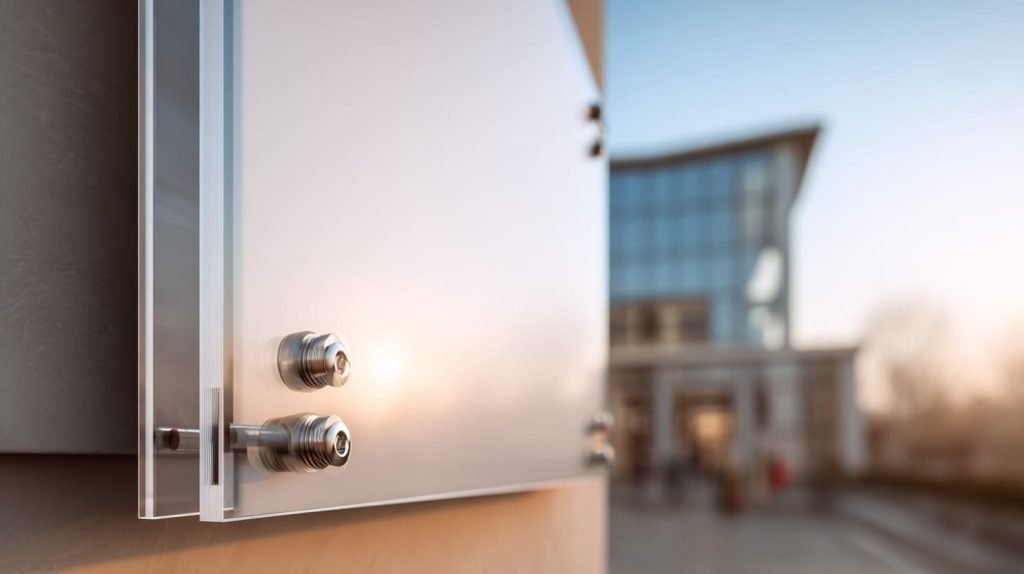
UV printing fading fast is usually not a mystery. It is a spec gap. People ask for a process and expect a performance result. Then the sun arrives and teaches everyone the same lesson.
I think this way because I have watched what happens after shipment. I have seen signs that look perfect on day one and still fail early. And almost every time, the pattern is the same:
- the acrylic grade was not defined clearly
- the protection layer was skipped to save cost
- the print placement made the ink take direct abuse
- the environment was treated like a footnote
- “outdoor suitable” replaced real testing
I do not push heavier specs because I like complexity. I push them because the real cost lives in replacement, labor, and brand damage, not in the ink line on a quotation sheet.
If you are a buyer like Jacky—someone who has to defend decisions inside a company—then your strongest move is simple: stop buying “UV printing,” and start buying a defined outdoor lifespan with clear materials, protection, and proof.
If you want, send me your project basics:
- install location and sun exposure
- panel size and mounting style
- target lifespan (1 year? 3 years? 5 years?)
- your brand colors that must stay stable
I will help you turn that into a clean, supplier-ready specification, so the next photo you receive is a proud one, not a worried one.