Skip to content
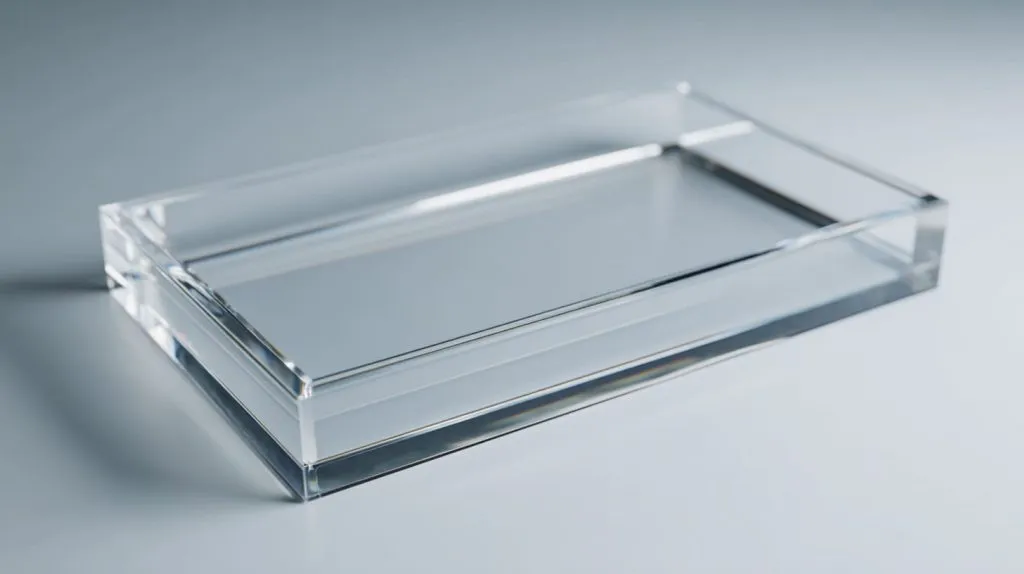
Acrylic can fool people.
I have seen a display stand catch good light, look clean from every angle, and give that expensive first impression buyers like. The edges shine. The surface looks smooth. The box feels neat on the table. Then a few weeks later, the complaints start coming in. The panel bends a little. The corners show stress. The surface picks up marks too fast. Nothing has fully broken, yet the product has already failed in the way that matters.
That is the gap I want to talk about here. The gap between looking premium and actually performing like a premium product.
I do not say this as an outsider. I say this as someone who has spent years around custom acrylic work, factory discussions, buyer questions, and real product use. I have seen pieces that looked excellent in the sample room but started losing value the moment they entered shipping, retail display, or daily handling. That kind of failure is quiet. It does not arrive with drama. It arrives with disappointment.
A lot of people still think failure starts at the moment of breakage. I do not agree. In acrylic products, failure often starts much earlier. It starts when a shelf begins to sag under a normal load. It starts when a once-clear surface turns tired. It starts when a customer touches the piece and feels something is off, even if he cannot explain it in technical words.
I tend to trust the product that survives boring, normal use more than the one that only looks impressive in a clean photo.
That is why this topic matters so much to me. Premium acrylic products often fail before they break because acrylic is judged in layers. First by looks. Then by feel. Then by function. Then by durability. The trouble is that many suppliers, and even some buyers, stop judging too early.
Here is a simple way I think about it:
| Stage | What the buyer sees first | What often gets missed |
|---|---|---|
| Visual check | Clarity, shine, polished edges | Internal stress, weak structure |
| Handling check | Smooth touch, neat finish | Flex, wobble, poor support |
| Use check | “It works” on day one | Deformation over time |
| Long-term check | Customer feedback, returns | Real failure pattern |
I have visited projects where the buyer was happy at sampling stage, only to become frustrated after a batch reached stores. The display did not collapse. That was not the problem. The problem was that it stopped feeling premium. And once that happens, the product has already lost a big part of its value.
That slow kind of failure is more common than many people admit.
So in this article, I want to look at acrylic failure in a more honest way. Not just cracks. Not just breakage. I want to talk about the earlier signals. The softer signals. The signals that cost money long before anyone uses the word “defect.”
And once we see that clearly, a lot of design choices start looking very different.
The moment I stop looking at acrylic as a showroom material and start looking at it as a working material, the whole conversation gets more serious.
A lot of this becomes clearer once we ask a very basic question that people often skip too fast: what does failure actually mean?
What Does “Failure” Really Mean in Acrylic Products?
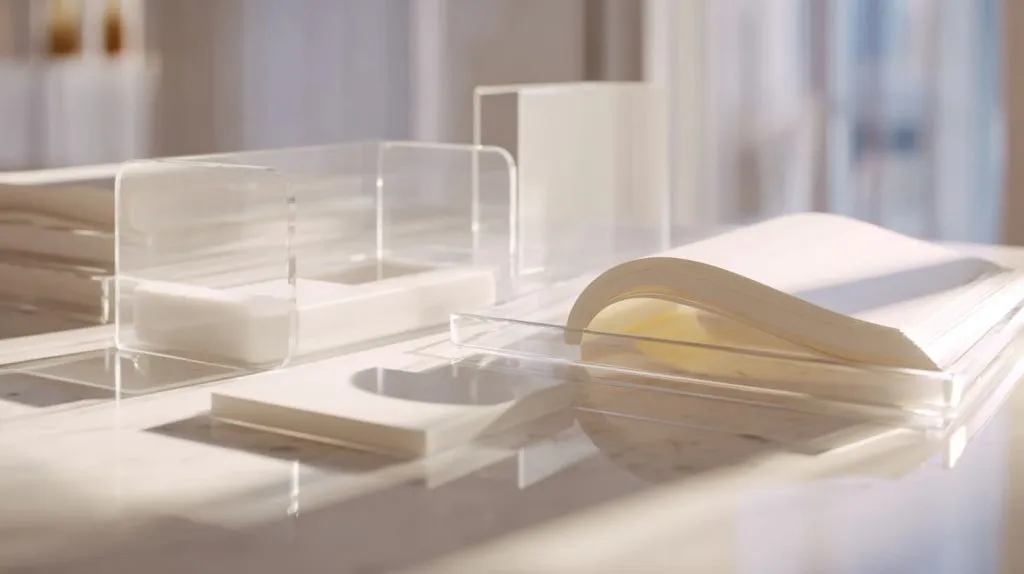
When people say an acrylic product failed, they often picture a crack, a snapped panel, or a broken corner. I understand that instinct. Physical breakage is obvious. It is easy to photograph. It is easy to blame. It is easy to count.
But that is only one part of the story.
In my work, I have learned that acrylic failure usually starts earlier and in quieter ways. A display can still stand upright and already be failing. A box can still hold its shape and already be disappointing the buyer. A shelf can still work and already be telling you it was not designed with enough respect.
I look at failure in acrylic products in at least three ways: functional failure, perceived quality failure, and commercial failure. Once I started separating those three, I began making better decisions.
One thing I weigh very carefully is whether the product still does its job with the same confidence after normal use, because a product that only works when handled gently is already on the edge.
Functional failure vs structural breakage
Functional failure comes before structural breakage more often than many people think.
Acrylic is a material that can stay visually whole while losing real usefulness. A tray can bow. A sign holder can lean. A lid can become loose. A riser can wobble. None of those cases may involve a dramatic crack. Still, the product is no longer doing its job well.
I have seen this happen with cosmetic displays and acrylic boxes. The product arrives fine. It looks fine in the first inspection. Then load gets added. Time passes. Cleaning happens. Moving happens. The shape starts changing in small ways. That small change is enough to reduce confidence.
Here is how I separate the two:
| Type | What it looks like | Why it matters |
|---|---|---|
| Functional failure | Flex, sagging, wobble, instability | Product loses usability |
| Structural breakage | Cracks, chips, snapped joints | Product becomes damaged or unsafe |
A buyer might tolerate a broken unit if it is only one damaged piece in transport. But a buyer gets much more uneasy when many units remain intact yet feel weak. That creates a harder conversation. The product is not “broken enough” to reject in a simple way, but it is not good enough to trust.
Small deformation can become a big problem
I think this is where many teams make a mistake. They treat bending as a cosmetic issue. I do not.
Bending changes user behavior. A tilted brochure holder makes the printed material look messy. A slightly bowed lid changes how a customer opens and closes a box. A shelf with too much flex makes the whole display feel cheap, even when the acrylic is clear and well-polished.
That means the product is already failing in use.
Acrylic does not need a dramatic crack to lose value
This matters a lot in B2B work. Retail fixtures, organizers, and display parts are judged every day by store staff, end customers, and purchasing teams. If the piece loses confidence before it loses shape entirely, it has still failed where business value lives.
Perceived quality failure
This type of failure is softer, but it is very real.
Acrylic products get judged with the eyes and hands before anything else. A surface full of fine scratches, a cloudy edge, whitening near a bend, or a slightly yellow tone can ruin the premium feeling almost immediately. The product may remain fully usable, but the customer no longer sees it as high-quality.
I have watched buyers react to this in a very human way. They do not always say, “This product has micro-abrasion.” They say things like, “It feels cheaper than I expected,” or “The finish is not as good as the sample,” or simply, “Something is wrong.”
That response matters.
| Perceived issue | What the customer often feels | Hidden result |
|---|---|---|
| Fine scratches | Used too soon, poor surface quality | Lower trust |
| Haze or cloudiness | Less premium, less clean | Lower display value |
| Edge whitening | Weak or stressed area | Fear of later cracking |
| Yellowing | Aging, lower-grade material | Brand image damage |
Premium is partly emotional
This is the uncomfortable truth: premium is not only about engineering. Premium is also about emotional reaction.
I can deliver a structurally acceptable acrylic piece, but if the finish makes the customer hesitate, the job is not really done. That is why I pay close attention to how the product ages visually, not only how it survives mechanically.
The sample trap is real
I have seen a polished sample win approval in a meeting room and still turn into a weak production choice. Why? Because the sample lived in perfect conditions. The real batch did not. Once packed, shipped, unpacked, wiped, and displayed, the same surface started showing problems.
That is not bad luck. That is incomplete judgment.
Commercial failure in B2B context
This is the layer many people feel most strongly, even if they do not describe it this way.
Commercial failure is what happens when all the small weaknesses become business problems. Returns go up. Complaints increase. Store staff lose confidence. The buyer spends more time explaining issues internally. A “premium” product starts costing more than expected.
I have seen this happen even when breakage rate was low.
That surprises some people. They assume low breakage means success. I do not see it that way. If the display looks tired after a short time, if units arrive with surface marks, if customers feel the product does not match the price level, then the commercial result is already poor.
The real cost is usually wider than the damaged part
Acrylic failure in B2B does not stop at one bad unit. It spreads.
- It affects the buyer’s trust in the supplier
- It affects the retailer’s trust in the product
- It affects the brand’s visual presentation
- It affects reorder confidence
- It affects internal time spent solving avoidable issues
Here is a practical view:
| Failure type | Direct cost | Hidden cost |
|---|---|---|
| Cracked part | Replacement | Freight, handling |
| Surface damage | Rework or return | Brand image loss |
| Sagging or wobble | Complaints | Lower reorder confidence |
| Yellowing or haze | Product rejection | Store presentation damage |
I have learned that a premium acrylic product does not fail only when it breaks. It fails when it stops supporting the value it was supposed to create.
And that takes us to a harder question. If the product looks good at first, why does it still fail so early?
Why Premium Acrylic Products Fail Early Despite Good Appearance

Good appearance can hide weak thinking.
That sentence may sound sharp, but I believe it. I have seen too many acrylic products that looked refined in a sample photo and felt disappointing in real use. The edges were polished. The transparency was strong. The lines were clean. But the design itself had blind spots. It was built to impress quickly, not to live well.
That is why some premium-looking acrylic products fail much earlier than people expect. The trouble is not always bad material. The trouble is often a bad priority order.
I pay more attention to what the product will face after shipping than to how pretty it looks under factory lights, because acrylic is honest in use even when it looks flattering in a sample room.
Overemphasis on visual design
Acrylic has a visual advantage. Everyone knows that. It can look clean, bright, modern, and high-end very easily. That is part of its power. It is also part of the danger.
When a project team falls in love with appearance too early, structure starts losing ground.
I have seen designs with:
- very thin walls for a cleaner look
- large unsupported panels for a floating visual effect
- polished edges everywhere, even where stress risk was already high
- minimal support because extra support looked “too heavy”
All of those choices can look smart in a rendering. They can become annoying in real life.
That is the trap. The more the project chases visual lightness, the easier it becomes to remove the very things that protect the product.
A tall display stand may look elegant with thin side panels. But if those panels take side pressure during handling, the design may already be underbuilt. A box may look better without visible reinforcement. But if the lid flexes and the corners carry too much stress, the premium feel disappears fast.
Here is a simple comparison:
| Design focus | Short-term result | Long-term risk |
|---|---|---|
| Clarity and polish only | Strong first impression | Weak durability |
| Minimal structure for clean appearance | Elegant look | Flex and instability |
| Balanced aesthetics and support | Good appearance | Better service life |
Good-looking is not the same as well-resolved
I think many acrylic failures start in that exact misunderstanding. Teams approve what looks finished, not what is actually resolved.
Misunderstanding material behavior
Acrylic is a useful material, but it is not a forgiving material.
That matters.
People sometimes treat acrylic as if it can behave like tougher plastics or as if beauty alone proves strength. It does not. Acrylic is rigid, which people often like. It can hold a crisp shape and maintain excellent clarity. But it is also more brittle than materials like polycarbonate. It does not welcome stress concentration. It does not forgive bad edge design. It does not enjoy careless impact.
That means a product can appear solid while already carrying design weakness.
Rigid does not mean tough
I think this confusion causes a lot of poor decisions. A rigid panel feels strong in the hand. So people assume it is strong in every way. But rigidity and impact resistance are not the same thing.
Acrylic can resist bending in some designs and still crack unexpectedly at a drilled hole, bonded corner, or sharp inner edge. That is why I try not to judge strength by touch alone.
Stress has favorite hiding places
When an acrylic product fails early, I often look at the same areas first:
- corners
- holes
- bonded seams
- unsupported spans
- polished edges with heat history
Those areas carry stories.
| Acrylic behavior | What people assume | What actually happens |
|---|---|---|
| Rigid panel | “It feels strong” | May still crack under local stress |
| Crystal-clear finish | “It looks premium” | Says nothing about internal stress |
| Thick-looking edge | “It must be durable” | May still fail at joints or corners |
Incomplete real-world testing
This problem is bigger than many people admit.
A lot of acrylic products pass sample review because sample review is too gentle. The piece sits on a clean table. The buyer checks transparency. The fit looks fine. The dimensions are acceptable. Maybe the item is assembled once or twice. Then the project moves forward.
But real life is much rougher.
The product will be:
- packed
- stacked
- shipped
- unpacked
- cleaned
- moved
- touched by different people
- loaded with real items
- exposed to light, heat, and repeated handling
If the design has not mentally walked through those steps, then the testing was incomplete.
Ideal conditions create false confidence
I have seen products look excellent in a controlled sample setting and disappoint in the field because nobody asked enough ugly questions.
What happens if the carton gets slight compression?
What happens if store staff wipes the surface daily?
What happens if the shelf carries a little more than expected?
What happens if the customer opens and closes the lid hundreds of times?
Those are not side questions. Those are the real questions.
Testing should match use, not hope
This is where I think many premium acrylic products lose the plot. The testing proves the product can exist. It does not prove the product can last.
| Test type | What it tells you | What it misses |
|---|---|---|
| Visual sample check | Finish and appearance | Long-term use behavior |
| Basic fit test | Assembly correctness | Load and transport stress |
| Short-term handling | First impression | Aging and repeated use |
| Real-use simulation | More honest result | Takes more effort and time |
That extra effort is exactly what separates a premium-looking product from a genuinely premium product.
Once I realized how often early failure starts with small flex and hidden stress, thickness became impossible to treat as a minor detail.
The Hidden Role of Acrylic Thickness in Early Failure
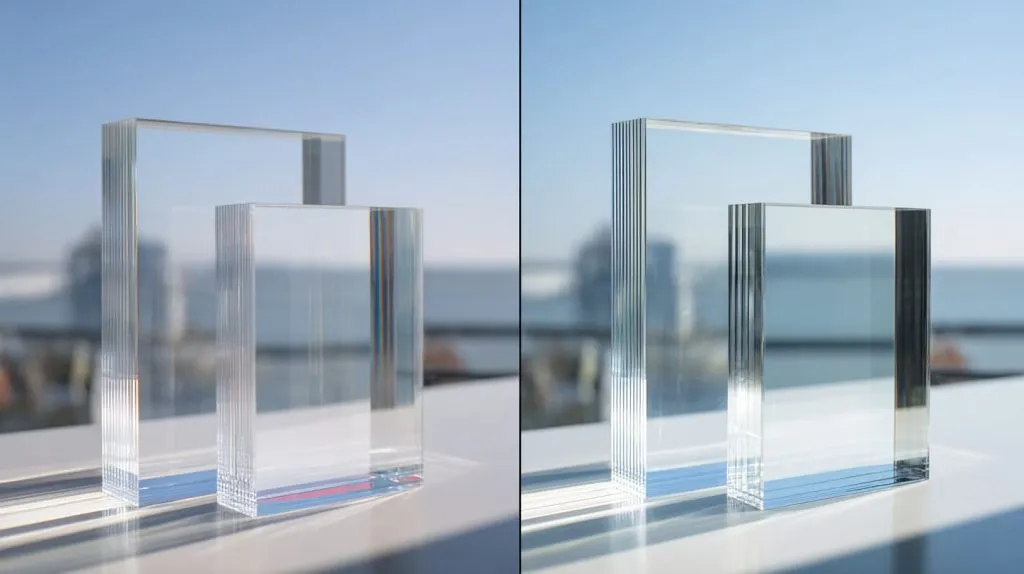
Thickness looks like a simple number on a drawing. In real work, it behaves like a decision with a long shadow.
I have seen people glance at acrylic thickness and treat it like a cost lever first. They compare 2 mm, 3 mm, 4 mm, and 5 mm as if the difference is mostly about price. That feels neat on paper. It rarely stays neat in use.
Acrylic thickness affects stiffness, feel, stability, shipping safety, edge appearance, and long-term confidence. It also changes how forgiving the product will be when the design is less than perfect. A slightly weak design becomes much riskier when the sheet is too thin.
I almost never judge thickness in isolation; I judge it together with span, load, product size, and how rough the real handling will be.
Thickness vs stiffness relationship
Acrylic thickness is not only about whether the sheet can exist without breaking. It is about how much it moves under normal use. That movement matters.
Thin panels flex more. Once they flex more, stress begins to collect in places that may not look dangerous at first. Joints feel it. Corners feel it. Bonded areas feel it. The user feels it too, sometimes before the engineer does.
A little flex can create a chain reaction
This is one thing I have learned the boring way. A small amount of flex does not always stay small. It can trigger a wider problem.
For example:
- a shelf flexes under load
- the bonded seam takes more force
- the corner begins to whiten
- the whole product starts looking tired
- the user starts handling it more carefully
- confidence drops
The first problem was not a crack. The first problem was thickness judgment.
Thickness changes the emotional feel too
This part gets overlooked. A product that flexes too easily often feels cheap, even when the material is clear and the finish is attractive. The user may not understand why. He just senses weakness.
| Thickness effect | Thin sheet result | Better-sized sheet result |
|---|---|---|
| Stiffness | More flex | More stable feel |
| Stress at joints | Higher | Lower |
| Handling confidence | Lower | Higher |
| Premium impression | Less convincing | More convincing |
Common thickness mistakes
The most common mistake is simple: using a thickness that works in a drawing but not in life.
I have seen 2 mm or 3 mm chosen for products that really needed 4 mm or 5 mm in key areas. I have also seen thickness applied too evenly, which creates another kind of inefficiency. Some sections need more support. Some do not. Good thickness planning is not only about adding material. It is about placing strength where it matters.
Thin everywhere is usually a lazy shortcut
Sometimes the project chooses a thinner sheet because the cost looks better. Sometimes the designer wants the product to look lighter. Sometimes the supplier wants easier bending or lower material spend. I understand all of that.
But when the part has long spans, moving loads, or repeated handling, thin acrylic becomes a risky shortcut.
Span length matters more than many people expect
A small acrylic box and a large display shelf do not play by the same rules. Even if both use the same material, the effect of thickness changes with geometry.
Here is a simple way I think about it:
| Situation | Thickness risk |
|---|---|
| Small part, short span | Lower risk with thinner sheet |
| Large panel, long span | Higher risk with thinner sheet |
| Repeated handling | Thickness matters more |
| Heavy product load | Thickness matters much more |
I have watched projects struggle because someone copied thickness from a smaller product into a bigger one. That almost always ends badly.
Cost illusion vs lifecycle cost
This is the part I wish more buyers and suppliers discussed honestly.
A thinner acrylic sheet may reduce the first quote. That is true. But first cost is not total cost. If the thinner choice increases returns, rework, scratches, seam stress, or replacement frequency, then the “saving” was not really a saving.
I have seen this happen many times in display products. The first quote looked competitive. The later headache was not.
Cheap material choices can become expensive business choices
Here is the pattern:
- thinner sheet reduces material cost
- product feels weaker
- transport risk rises
- complaint rate rises
- replacements and distrust grow
The original saving starts looking very small.
Better thickness can lower stress everywhere else
This is something I respect more now than I did years ago. The right thickness does not just help the panel itself. It helps the whole product system.
- seams stay calmer
- supports do less work
- handling feels safer
- the premium feel lasts longer
| Cost view | Thin acrylic choice | Better-judged thickness |
|---|---|---|
| Material cost | Lower upfront | Higher upfront |
| Return risk | Higher | Lower |
| Rework chance | Higher | Lower |
| Customer trust | Easier to lose | Easier to keep |
| Total project cost | Often unstable | More predictable |
I am not saying thicker is always better. That would be lazy thinking in the other direction. I am saying thickness is too important to treat as a quick cost cut.
And once thickness is wrong, structural design mistakes become even more dangerous.
Structural Design Mistakes That Lead to Early Failure
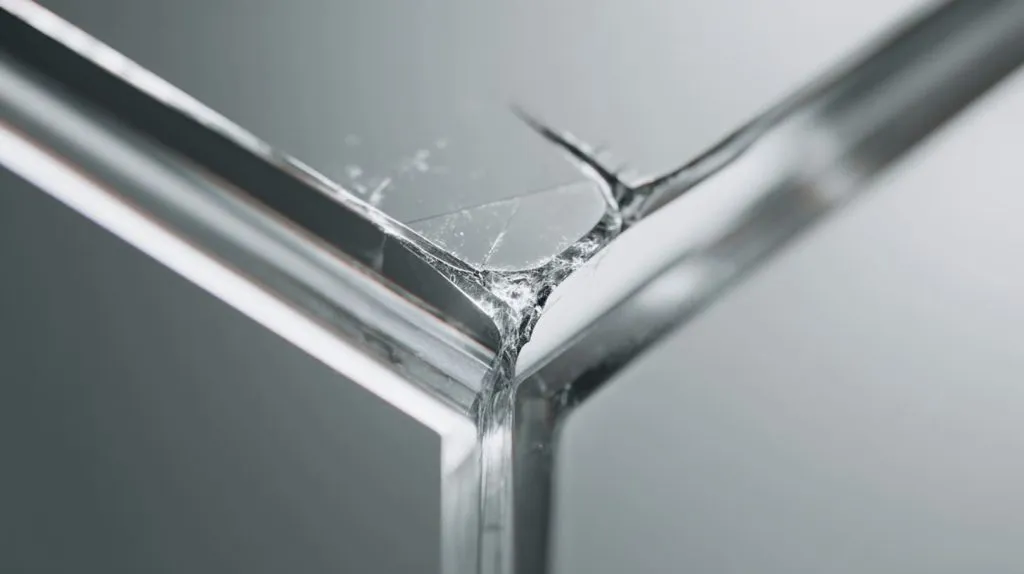
Some acrylic products fail early not because the material is bad, but because the structure quietly sets the material up to struggle.
I have seen this again and again. The acrylic is clear. The finish is nice. The machining is acceptable. But the structure asks the material to do things it does not handle well. That is like asking a careful person to carry a bad plan. The weakness may not show on day one, but it shows.
Acrylic rewards thoughtful structure. It punishes weak details.
When I review an acrylic design, I do not only ask whether it looks neat; I ask where the force is traveling, where the stress is gathering, and where the product will begin to complain first.
Weak joints and bonding issues
Bonding is one of the most underestimated parts of acrylic performance.
People sometimes talk about acrylic bonding as if it is just an assembly step. I do not see it that way. In many products, the bond line is a structural decision. If it is weak, uneven, poorly prepared, or badly placed, the product begins aging the moment it is assembled.
A clean seam is not always a strong seam
This catches people off guard. A bonded corner can look beautiful and still carry risk. The seam may be visually neat but mechanically stressed. If the surface preparation was poor, if the adhesive process was rushed, or if the joint is forced to take too much load, failure begins quietly.
I have seen corners that stayed transparent and still became weak because the real issue was not clarity. The real issue was stress.
Bad bonding usually tells on itself later
At first, the piece may pass inspection. Later, signs begin to appear:
- seam whitening
- bubbles or visual inconsistency
- local cracking near corners
- reduced rigidity
- separation under repeated handling
| Bonding issue | Early sign | Later result |
|---|---|---|
| Poor adhesive control | Uneven seam look | Weak connection |
| Dirty surface prep | Bond inconsistency | Premature separation |
| Overstressed joint design | Fine whitening | Crack growth |
| Sharp seam geometry | Local stress | Corner failure |
Lack of reinforcement
This is another classic problem.
Designers often want acrylic products to look light and open. I understand that. But when support gets removed just to preserve a cleaner look, the product may start depending too much on the flat sheet itself. That is risky.
Large acrylic panels without support can flex, twist, or feel uncertain even under normal use. The user may not know the technical cause. He will still feel the weakness.
Support is not the enemy of elegance
I think this is where some designs become too proud of their simplicity. They remove ribs, braces, or discreet supports because they fear a heavier look. But smart reinforcement does not have to ruin the design. In many cases, it protects the design.
Support can be:
- hidden
- integrated into geometry
- placed in low-visibility areas
- designed to follow the visual rhythm
Flat panels need respect
A large flat acrylic area looks great in a rendering. In use, it can become the part that betrays the project first.
| Structural choice | Risk level |
|---|---|
| Large unsupported panel | High |
| Panel with hidden support | Lower |
| Long shelf without rib or bracket | High |
| Properly reinforced shelf | Lower |
I have learned that when a design relies on hope instead of reinforcement, the customer usually ends up doing the final test.
Poor edge and corner design
Corners are where acrylic often tells the truth.
A sharp internal corner may look precise, but it can become a stress collector. Holes placed too close to an edge do the same. Small geometric decisions like these often decide whether the product stays stable or begins cracking early.
Sharp geometry creates stress concentration
This is not abstract theory. I have seen it in real parts. When force moves through acrylic, it does not spread evenly if the geometry is careless. It gathers in tight places.
That is why I prefer:
- smoother transitions
- enough edge distance
- radius where needed
- less aggressive stress concentration
Precision can become a trap
Acrylic buyers and designers often like crisp shapes. I like them too. But crisp is not the same as wise. A sharp detail that weakens the part is not premium. It is only visually strict.
| Detail | Looks good on drawing | Risk in use |
|---|---|---|
| Sharp inside corner | Yes | Higher crack risk |
| Small radius transition | Yes | Lower stress risk |
| Hole near edge | Possible | Higher edge failure risk |
| Better edge spacing | Slightly more space used | Safer structure |
The more I work with acrylic, the less I trust structure that is only visually disciplined. I want structure that can survive ordinary abuse without asking for sympathy.
And even a strong structure can still be damaged by poor finishing, which is where a lot of hidden trouble begins.
Surface Treatment and Finishing Problems
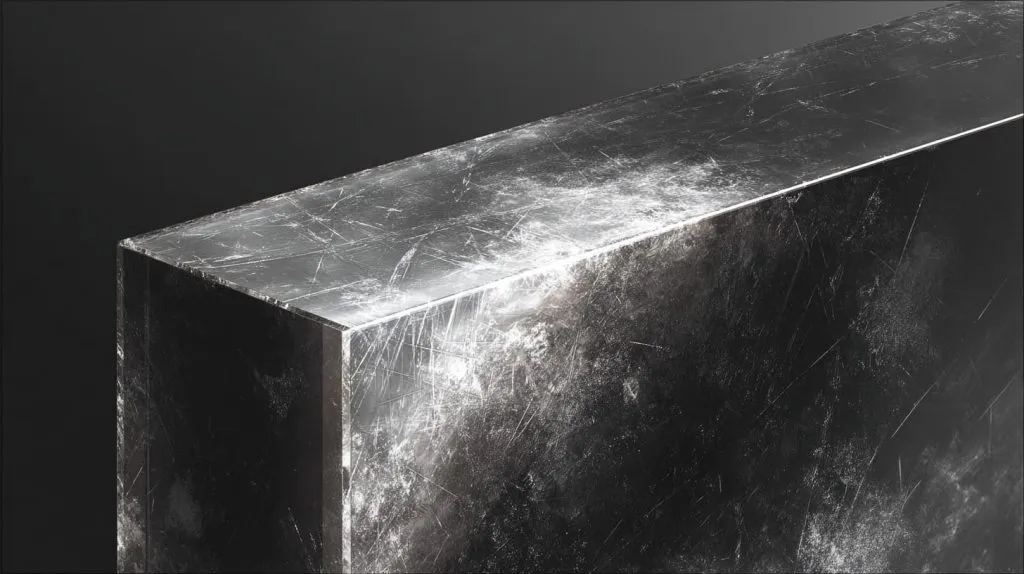
Finishing can make acrylic look expensive very quickly. It can also weaken it very quietly.
That is why I never treat finishing as the harmless beauty step at the end. Surface treatment changes how the product is seen, but it can also change how the product behaves. A polished edge, a cleaned surface, or a removed protective film may seem like small details. In real work, they often decide whether the product stays premium or starts aging too fast.
I have seen acrylic pieces lose value not because the design was wrong, but because the finishing choices were rushed, overdone, or misunderstood.
A finish that impresses me on day one does not win my trust unless it also leaves the material calm, stable, and ready for handling.
Over-polishing and heat stress
A polished edge can look beautiful. That part is true. The problem starts when people treat a beautiful edge as proof of good process.
Acrylic polishing, especially flame polishing, can introduce heat. Heat changes things. If the process is not controlled well, the edge may look bright while the material carries internal stress. That stress does not always show immediately. It can show later as crazing, micro-cracks, or strange weakness near the edge.
Shine can hide damage
This is one of the hardest things for newer buyers to trust. They assume the best-looking edge must be the best edge. I do not assume that anymore.
An over-polished edge may:
- look smooth
- photograph well
- feel finished
- carry stress under the surface
That last part matters most.
Not every pretty edge is a healthy edge
I have looked at finished acrylic parts that seemed excellent at first glance, then showed trouble after bonding, handling, or cleaning. In many of those cases, the edge treatment had already pushed the material too far.
| Finishing choice | Visual effect | Hidden risk |
|---|---|---|
| Light, controlled polish | Clean edge | Lower stress |
| Aggressive flame polish | High gloss | Higher stress |
| Poor process consistency | Uneven look | Unstable durability |
Protective film removal timing
This sounds like a small factory detail. It is not.
Protective film exists for a reason. It protects the acrylic surface during cutting, movement, assembly, and packing. If that film comes off too early, the surface begins collecting risk fast. Scratches appear. Finger marks build up. Small contact damage becomes much more likely.
I have seen products lose their premium feel before leaving production simply because the protective film was removed too early.
Timing matters more than people expect
Some teams remove film early because they want easier visual inspection. Some do it for convenience during assembly. Sometimes the workflow just slips into a bad habit. The result is usually the same: more exposure, more surface damage, more avoidable frustration.
Logistics can be rough on exposed acrylic
Even if the factory handles the product carefully, packing, unpacking, and transport add more chances for damage. Acrylic surfaces are honest. They show careless timing.
| Film handling choice | Result |
|---|---|
| Remove late, near final stage | Better protection |
| Remove early during production | More surface risk |
| Poor handling after removal | Scratch and haze issues |
Chemical exposure during cleaning
Cleaning sounds harmless. With acrylic, it is not always harmless.
Some cleaning agents attack the surface slowly. Others create visible crazing or haze more quickly, especially when the material already has internal stress. Alcohol, solvent-heavy cleaners, and incompatible chemicals can damage acrylic in ways users do not expect.
I have seen products that were structurally fine but looked tired far too early because the wrong cleaner was used again and again.
A clean surface can still be a damaged surface
This is where a lot of confusion begins. The user thinks he is caring for the product. In reality, he may be shortening its life.
That is why I always think about cleaning during design and product planning:
- Who will clean this?
- What will they use?
- How often will they wipe it?
- Will the surface face aggressive retail cleaning?
Those are not side questions. They are part of durability.
Material stress and chemical exposure often work together
This is what makes the problem tricky. A chemically aggressive cleaner may do little harm to a calm part, but it can do much more harm to a stressed part. That means the damage is often a combination failure.
| Cleaning condition | Likely result |
|---|---|
| Acrylic-safe cleaner + stable material | Better long-term clarity |
| Harsh cleaner + stressed surface | Higher crazing risk |
| Frequent wiping + poor surface care | Faster loss of premium look |
The more I watch finishing problems in real projects, the more I see that many acrylic failures are not caused by one dramatic mistake. They are caused by small process choices that keep stacking up.
And once the product enters real environments, those small choices get tested very fast.
Environmental and Usage Factors Often Ignored

Acrylic does not live in a vacuum. It lives in light, heat, movement, dust, hands, stores, trucks, and cleaning routines.
That is obvious once you say it out loud. Still, many acrylic products are designed and approved as if they will spend their whole lives sitting in calm, indoor perfection. That mismatch causes a lot of disappointment.
I have seen products that were fine on the bench but weak in real environments because nobody gave enough respect to what the product would actually face. The material was not the only issue. The imagination was.
The first thing I ask myself is not whether the acrylic looks good today, but whether the environment will slowly turn today’s good sample into tomorrow’s complaint.
UV exposure and yellowing
Clear acrylic looks wonderful under good light. That is part of its appeal. But light is not always friendly.
Strong sunlight, long exposure near windows, or harsh retail lighting can speed up aging. Over time, some acrylic products begin to yellow, lose clarity, or look older than the buyer expected. That is especially painful in premium applications, because visual freshness is part of the product’s value.
Not all “clear” stays clear the same way
This is a point buyers should question harder. Two clear acrylic products may look very similar at the start. Their long-term behavior may be very different depending on raw material quality, UV resistance, and actual use conditions.
I have seen a product stay beautiful in a controlled office and age poorly in a bright commercial space. Same design. Different environment.
Outdoor thinking matters even for indoor products
Some people hear “UV” and think only about outdoor signage. I do not. Indoor displays near windows or strong lighting can also age faster than expected.
| Environment | UV risk |
|---|---|
| Indoor, low light | Lower |
| Indoor, window-facing | Medium to high |
| Retail under strong lighting | Medium |
| Outdoor use | High |
Temperature and humidity effects
Acrylic responds to temperature changes. It expands and contracts. If the design is tight, stressed, or poorly supported, that movement can create trouble.
Humidity may not attack acrylic the way it affects some other materials, but changing conditions can still influence the whole product system, especially when bonding, tolerances, or fit are already marginal.
Stable drawings do not guarantee stable behavior
This is one reason I prefer to think beyond nominal dimensions. A design can be dimensionally correct on paper and still become uncomfortable when heat changes how the parts sit together.
I have seen lids fit well in one condition and become less friendly in another. I have seen long panels behave differently after shipping from one climate to another. Those changes may be small. They still matter.
Tight tolerances can backfire
Acrylic products often look best when the fit is precise. But precision without environmental margin is risky. A product that leaves no room for movement may create its own stress later.
| Condition | Possible effect on acrylic product |
|---|---|
| Higher temperature | Expansion, fit stress |
| Lower temperature | Increased brittleness in some situations |
| Repeated condition changes | Long-term stress buildup |
| Tight assembly without margin | More deformation risk |
Handling and transport stress
A lot of acrylic products survive production and fail during ordinary movement.
This part frustrates me because it is so common and so avoidable. The product is picked up, packed, stacked, shipped, unpacked, and placed. At each step, small impacts and repeated contact add up. The damage may not be dramatic. That is exactly why it gets missed.
Micro-damage is still damage
Acrylic can carry tiny damage that does not become visible until later. A corner gets a small hit. A panel rubs against packaging. A bonded area feels extra force during transit. The product arrives looking almost fine. Later, the weakness grows.
That makes transport risk especially dangerous. It can plant the seed of failure before the customer even starts using the piece.
Repeated handling changes the product story
Many buyers inspect a sample once or twice. Real products get handled many more times by many more people. That changes everything.
| Stage | Stress source |
|---|---|
| Packing | Compression, rubbing |
| Shipping | Vibration, impact |
| Unpacking | Sharp contact, careless movement |
| Store setup | Repeated handling |
| Daily use | Touch, cleaning, repositioning |
The products I trust most are the ones designed with boring abuse in mind. Not abuse in the dramatic sense. Just ordinary human clumsiness. That is the real test.
And even if the design is thoughtful and the environment is understood, manufacturing quality can still quietly decide whether the product holds up or disappoints.
Manufacturing Quality Gaps Behind “Premium” Products
“Premium” is one of those words that gets used too easily.
I have seen acrylic products called premium because they looked polished, because the edges were glossy, or because the packaging felt nice. Sometimes that label was deserved. Sometimes it was just surface theater hiding weak manufacturing discipline.
That is why I think premium acrylic products only stay premium when the factory process is steady, honest, and repeatable. One beautiful sample means very little if the production line cannot hold the same standard.
I do not get too excited by a single nice-looking part; I want to know whether the next hundred pieces will show the same calm quality when the process gets busy.
Inconsistent raw material quality
Raw material choice matters much more than many people think.
Acrylic is not just acrylic. Material sources differ. Grades differ. Purity differs. Optical performance differs. Long-term behavior differs. A sheet that looks clear enough on day one may not behave the same over time as a better-grade sheet.
Virgin and recycled content create different trade-offs
This topic deserves honesty. Recycled content can have value in some applications. I respect that conversation. But trade-offs are real. When clarity, consistency, and premium presentation matter a lot, raw material variation becomes a bigger issue.
The question is not only “Can this sheet be used?”
The better question is “Can this sheet support the product promise over time?”
Visual clarity is only one part of the material story
I have seen materials that looked acceptable but behaved differently during cutting, polishing, or aging. That is why I do not judge raw material only by initial appearance.
| Material concern | Why it matters |
|---|---|
| Optical clarity | Affects premium visual feel |
| Internal consistency | Affects processing stability |
| Material purity | Affects long-term behavior |
| Batch variation | Affects repeatability |
Process control issues
Even good acrylic can become a disappointing product if the factory process lacks control.
CNC cutting, laser cutting, bonding, polishing, cleaning, packing—each step can introduce variation. That variation may not ruin every part. But it makes the batch less trustworthy.
I have seen the same design look excellent from one run and noticeably weaker from another simply because process discipline slipped.
Premium work needs steady hands, not only nice machines
Machines matter. Skilled workers matter. Process rules matter more than people sometimes admit. A good machine in a loose process still produces unstable results.
Common process gaps include:
- inconsistent cut quality
- overheating during processing
- uneven polishing
- variable bonding methods
- careless final handling
Batch consistency is part of the product
A lot of buyers focus on whether the approved sample was good. I understand why. Still, the deeper question is whether the production batch behaves like the approved sample.
That is where real premium manufacturing shows itself.
| Process area | Weak control result |
|---|---|
| Cutting | Roughness, stress, variation |
| Polishing | Surface inconsistency, heat stress |
| Bonding | Uneven seam quality |
| Assembly handling | Scratches and fit issues |
| Packing | Transit vulnerability |
Lack of standardized QC for stress and durability
This is a big gap.
Some factories inspect appearance well but do not inspect stress, load response, aging risk, or real-use durability with the same seriousness. The part passes because it looks clean. That is not enough for me.
Acrylic products can hide weakness behind a good surface. That means QC has to go beyond surface beauty.
Appearance-only QC creates false comfort
I have seen inspection reports that looked fine on paper because the dimensions were correct and the finish looked acceptable. Then later the product showed flex, corner stress, or customer complaints. The missing link was durability thinking.
A more serious QC mindset asks:
- how does the part behave under normal load?
- where does the stress sit?
- how does the edge look after processing?
- what happens after repeated handling?
- does the product still feel premium after routine use?
Premium means controlled risk
That is how I think about it now. Premium is not only a high standard of appearance. Premium is low uncertainty.
| QC style | What it catches | What it misses |
|---|---|---|
| Appearance-only QC | Surface, dimensions | Hidden stress, use failure |
| Broader functional QC | More real issues | Requires more effort |
| Stress-aware QC mindset | Better long-term reliability | Slower but wiser |
Once I accepted that, I stopped being impressed by “premium” claims without process proof.
And from there the question becomes more useful: how do I design acrylic products that hold up better in the first place?
How to Design Acrylic Products That Last Longer
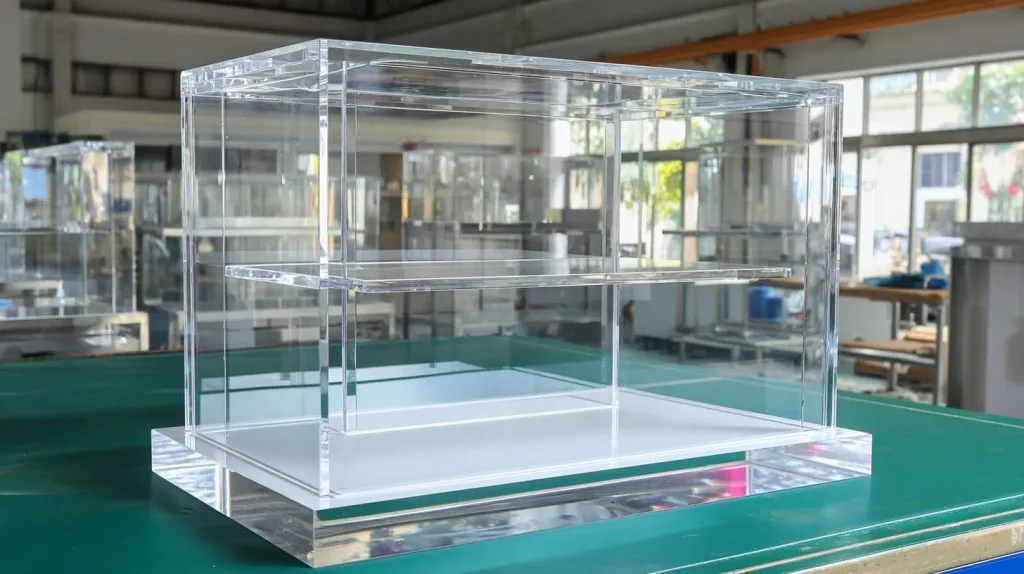
The good news is that early acrylic failure is not some mysterious curse. A lot of it can be reduced with better decisions early on.
I do not believe in chasing perfect design, because real projects always have trade-offs. Budgets exist. Lead times matter. Visual goals matter. Still, I do believe that many problems become much smaller when the design starts from real use instead of sample-room beauty.
The acrylic products that last longer usually come from a more grounded mindset. The design respects the material. The structure respects the load. The finish respects the process. The supplier respects how people actually use the product.
The choices I trust most are the ones that solve stress before it appears, not the ones that hope surface beauty will distract from weak fundamentals.
Design for real-world use, not just display
This sounds obvious. It still gets ignored.
Designing for real use means asking what the product will actually face after production. Will it hold cosmetics, brochures, electronics, or household items? Will it be moved often? Will store staff wipe it every day? Will customers touch it constantly? Will it ship long distance?
Those questions shape better design.
Use conditions should shape the drawing
I have seen projects improve a lot just because the team stopped asking, “Does this look clean?” and started asking, “What will happen after three months of normal use?”
That shift changes decisions about:
- thickness
- support
- edge treatment
- bonding method
- cleaning expectations
- packaging
Real-world design is not ugly design
Some people fear practical design will ruin the premium look. I do not think that is true. Thoughtful engineering can protect aesthetics instead of fighting them.
| Design mindset | Result |
|---|---|
| Designed for visual approval only | Higher early-failure risk |
| Designed for real handling and load | Better long-term value |
| Designed for both | Best balance |
Optimize thickness and structure together
I touched on thickness earlier, but here it matters even more. Thickness alone is not the answer. Structure alone is not the answer. The two need to work together.
A product does not become smarter just because every panel gets thicker. That can waste cost and still miss the real weak point. At the same time, clever structure cannot always rescue a badly underbuilt thickness choice.
Smart strength is placed, not sprayed everywhere
What I like to see is targeted strength:
- extra support where the span is long
- better thickness where the load sits
- calmer geometry at stress points
- reinforcement that helps without making the product bulky
That kind of design usually feels more mature.
Overdesign can create new problems too
I should say this clearly: more material is not always better. Too much thickness can add cost, weight, and sometimes visual heaviness that the project does not need. Good design is not about fear. It is about judgment.
| Approach | Strength | Cost control | Visual result |
|---|---|---|---|
| Thin with weak structure | Poor | Looks cheap later | Risky |
| Thick everywhere | Good in some ways | Poor | Can feel heavy |
| Balanced thickness + support | Better | Smarter | More stable premium feel |
Choose the right finishing and processing methods
Acrylic durability is shaped not just by design but by how the design is processed.
A strong drawing can still produce a weak product if the finishing method adds stress or damages surface stability. That is why I like finishing decisions that support calm material behavior, not just a flashy first impression.
Process should protect the material
I prefer finishing methods that keep the acrylic stable:
- controlled polishing
- careful bonding
- better edge treatment choices
- cleaner handling discipline
That does not mean the product has to look plain. It means the finish should serve the product, not bully it.
Fast process is not always good process
I have seen rushed finishing create later pain. A quicker step in the factory can become a slower problem in the market.
Work with manufacturers who understand failure modes
This point matters more than many buyers admit.
Acrylic manufacturing is not only about following a drawing. A good manufacturer should also understand where the drawing may fail in real life. That kind of feedback is valuable. It saves time. It saves money. It saves awkward conversations later.
I respect suppliers who push back when a design looks fragile. That usually means they have seen enough failure to speak honestly.
Production without judgment is dangerous
A factory that only says yes may feel easy at first. But if that factory does not warn you about weak spans, risky bonding, or bad thickness choices, then the smooth communication is not really helping.
Experience should show up before the batch ships
A capable manufacturer should be able to comment on:
- likely stress areas
- thickness suitability
- finishing risk
- packaging needs
- long-distance shipping behavior
| Supplier type | What happens |
|---|---|
| Only follows drawing | Risk stays hidden |
| Gives engineering feedback | Risk gets reduced earlier |
| Understands export use conditions | Better long-term outcome |
By the time I reach this point in a project, I usually start thinking about the buyer side too. Because experienced buyers tend to notice very different things from inexperienced ones.
What Experienced Buyers (Like Jacky) Pay Attention To

Experienced buyers rarely get fooled for long.
They may still appreciate a beautiful sample. Of course they do. But they usually do something else too. They keep looking. They touch more carefully. They ask questions that sound simple but are actually very sharp. They want to know whether the product will survive ordinary business reality, not just whether it looks nice in a meeting.
I have always respected buyers like that. They make projects better.
The buyers I trust most are the ones who keep digging after the first good impression, because they know premium acrylic is judged by what happens later, not by how quickly the sample wins a smile.
Asking the right technical questions
A strong buyer does not ask random technical questions just to sound professional. He asks the questions that reveal risk.
I have seen experienced buyers ask about:
- thickness in key areas
- load expectations
- bonding method
- material grade
- support structure
- finishing process
- packaging method
Those questions tell me the buyer understands how acrylic really fails.
Good questions often sound basic
That is something I like. The most useful questions are often not dramatic. They are practical.
- How much weight will this shelf carry?
- Why is this area only 3 mm?
- Was this edge flame polished?
- How is this corner bonded?
- What happens during shipping?
Simple questions. Serious consequences.
Technical curiosity lowers commercial risk
A buyer who asks these questions early often saves everyone trouble later. The supplier gets clearer expectations. The design gets stronger. The batch becomes safer.
| Buyer question | What it reveals |
|---|---|
| What is the sheet thickness? | Strength and stiffness logic |
| What bonding method do you use? | Joint reliability |
| How is the part packed? | Shipping risk |
| What material grade is this? | Clarity and durability expectations |
Evaluating samples beyond appearance
This is where experienced buyers separate themselves fast.
A less experienced buyer may check clarity and dimensions, then stop. A stronger buyer usually goes further. He flexes the piece a little. He looks at the edge under light. He checks corners. He thinks about how the piece will be handled after it leaves the factory.
I like buyers who do that because they are testing the product honestly.
A sample should be questioned, not admired
I do not mean the buyer should be distrustful in a hostile way. I mean he should stay awake.
Some of the best sample checks are simple:
- light flex test
- close look at bonding lines
- edge inspection for stress signs
- fit check under gentle repeated use
- discussion of actual use environment
Real-use imagination matters a lot
The buyer does not need a lab. He needs imagination and experience.
| Sample check | Why it matters |
|---|---|
| Flexing lightly by hand | Exposes weak stiffness |
| Looking at corners closely | Shows stress concentration |
| Inspecting surface after handling | Reveals scratch sensitivity |
| Discussing shipping and setup | Reveals hidden business risk |
Balancing cost, quality, and risk
This is probably the hardest part of buying acrylic well.
No buyer has unlimited budget. I understand that. Every project has pressure. Still, experienced buyers usually know that the cheapest option on the quote sheet can become the most expensive option in the full project.
That is why better buyers think in layers:
- first cost
- damage risk
- return risk
- brand image
- reorder stability
I have seen projects chase the look of premium while cutting the structure, thickness, or process behind it. That almost always creates tension later. The product still wants to perform at a higher level, but the decisions behind it do not support that goal.
Good buyers know when a low price is suspicious
Not every low quote is bad. But some low quotes are built on fragile assumptions. An experienced buyer senses that and asks where the cost disappeared.
| Buying choice | Short-term feeling | Long-term result |
|---|---|---|
| Lowest quote | Feels efficient | May create later pain |
| Best-balanced quote | Feels less dramatic | Often safer overall |
| Premium quote without proof | Feels reassuring | Still needs checking |
That is the kind of thinking I respect most. Not fear. Not overspending. Just sober judgment.
And that is really the heart of this whole topic.
Conclusion

I think premium acrylic products often fail before they break because people keep judging them too late.
They wait for the crack. They wait for the obvious damage. They wait for the dramatic failure. By that time, the product has often been failing for a while. It may have already lost stiffness, lost clarity, lost confidence, or lost commercial value. The break was only the final sentence. The real story started much earlier.
That is why I hold this view so strongly.
I do not believe acrylic products should be judged by first impression alone. I believe they should be judged by how they carry themselves through real use. I care about whether the panel stays calm under load. I care about whether the seam keeps its confidence. I care about whether the finish still feels premium after normal cleaning, shipping, and handling. Those are the places where honest quality shows up.
For me, the biggest lesson is simple: good acrylic work is not just visual work. It is structural judgment, process discipline, material understanding, and a realistic view of how the product will live after production.
I reached that view because I have seen too many “good-looking” pieces create avoidable problems later. A shelf looked elegant, but it flexed too much. A bonded box looked neat, but the corners stressed too early. A polished edge looked expensive, but the material underneath was already unhappy. Those moments change how I think. They make me slower to trust appearance and quicker to ask tougher questions.
What usually decides my final judgment is not whether the acrylic shines under factory lights, but whether the design still makes sense after I imagine shipping, repeated handling, cleaning, loading, and the small abuse of normal use.
That is also why I believe buyers and manufacturers need to work more honestly together. Buyers should ask harder questions. Manufacturers should give more real feedback, not just easy agreement. If both sides do that, premium acrylic products become much more likely to stay premium after the product leaves the sample table.
So if you are designing, sourcing, or reviewing an acrylic product now, I would not stop at “Does it look good?” I would ask a tougher question:
Will it still feel good after real life starts?
That question has saved me from more mistakes than any polished sample ever has.
And if you are working on a custom acrylic project right now, I would strongly suggest reviewing the product from four angles before you approve it: structure, thickness, finishing, and use environment. That simple check can prevent a surprising amount of trouble.
If you want, you can also use this article as a checklist with your supplier or internal team. Go through the design. Challenge the weak points. Ask where early failure might begin. That conversation is often where the best product decisions start.