Skip to content
A sheet of clear plastic can cause more trouble than many buyers expect.
It looks clean. It looks modern. It looks safe. That is exactly why people get pulled in too fast. I have seen a transparent panel on a drawing make everyone relax before the real questions even start. The shape is neat. The thickness looks serious. The quote looks manageable. Then later, someone realizes that “clear” and “secure” were never the same thing.
[Plexiglass and polycarbonatecan look similar at first glance, but they behave very differently under impact, pressure, wear, and real security risk. Most buyer mistakes happen when appearance and price get more attention than actual use conditions.
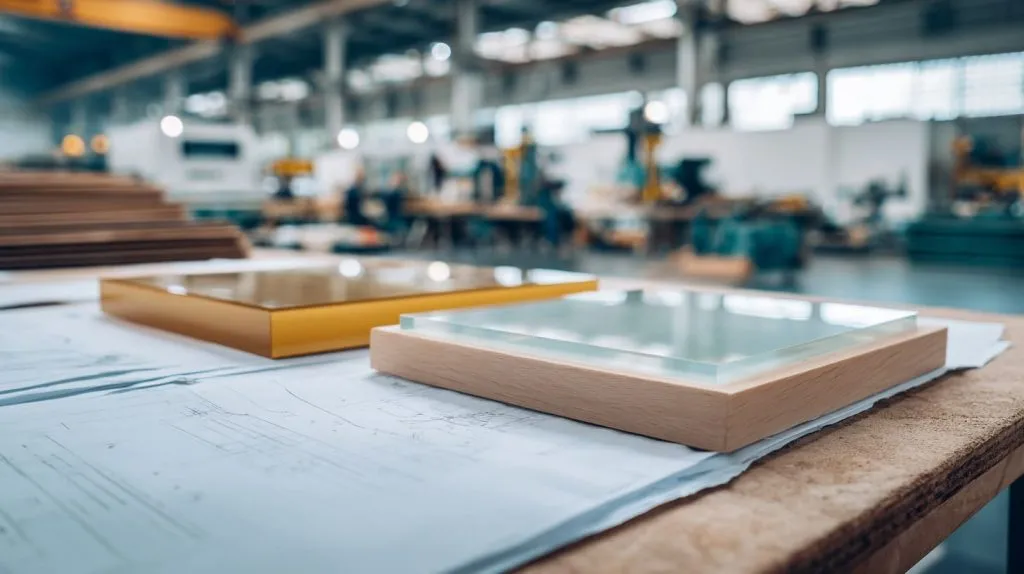
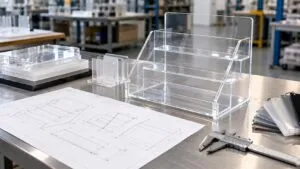
I work around custom acrylic products all the time, so I understand why buyers lean toward what they already know. Acrylic is familiar. It is common in displays, covers, boxes, and branded retail fixtures. It is also easy to like because it looks beautiful. The edges can be polished. The surface can feel crisp. The whole part can look expensive even when the budget is tight.
But security is where the conversation changes.
A panel used in a store display and a panel used in a protective barrier may both be transparent, yet they are not solving the same problem. One is there to present. One is there to resist. One needs clarity first. The other may need toughness first. When those two jobs get mixed together, buyers make the wrong choice for very ordinary reasons. They trust the look. They trust the thickness. They trust the quote. Then they discover the material was never matched to the risk.
The first thing that usually worries me is not the material itself. It is the way buyers use the word strong too loosely, because that one word hides too many different meanings.
I wrote this guide for people like Jacky. Buyers and designers who are not new to manufacturing. People who have seen samples, talked with factories, checked tolerances, and still know that material decisions can go sideways in surprisingly simple ways. I want to make the comparison practical. Not abstract. Not textbook-like. Just useful.
Before we talk about security failure, we need to clear up the first trap: what these two materials actually are.
What Is Plexiglass (Acrylic) and What Is Polycarbonate?
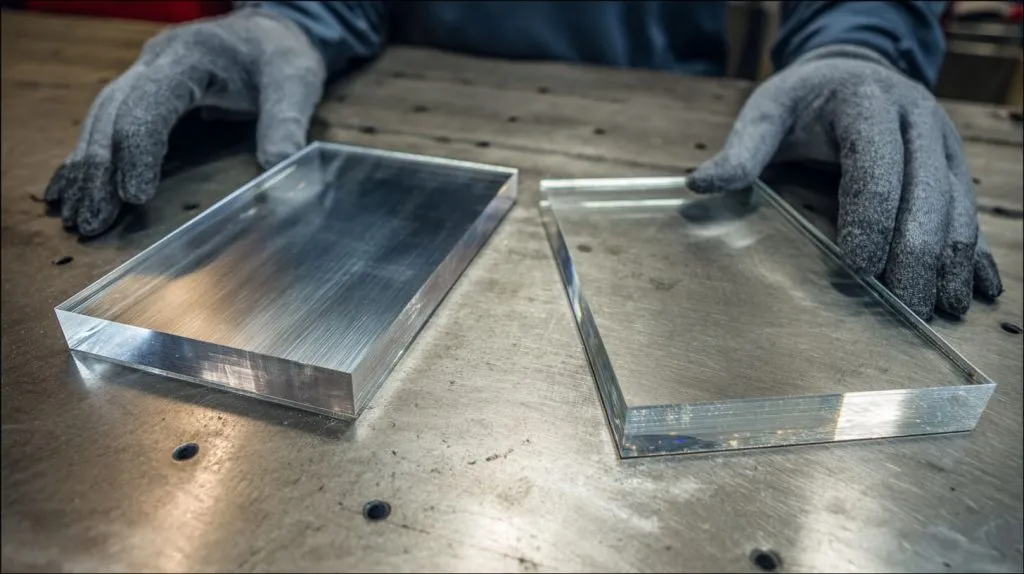
People often compare plexiglass and polycarbonate as if they are two versions of the same thing. I do not look at them that way. They are both clear plastics, yes. But that is only the beginning. Once impact, safety, long-term use, and user behavior enter the picture, the gap becomes much wider.
What is plexiglass (PMMA)?
Plexiglass is a common market name for acrylic, and PMMA is the technical material family behind it. In daily work, most buyers simply say acrylic or plexiglass. That is fine, as long as everyone in the project means the same material.
Acrylic has a lot going for it:
- Very high optical clarity
- Good surface hardness
- Nice glossy look
- Easy to machine and polish
- Strong visual value for retail and display work
I have used acrylic in many projects where appearance mattered a lot. Display risers. Cosmetic organizers. Product holders. Branded boxes. Sign parts. In those jobs, acrylic often feels like the right answer because it gives a clean and premium result without making the part feel dull or heavy.
Here is a simple way I look at it:
| Property | Plexiglass / Acrylic |
|---|---|
| Clarity | Excellent |
| Surface hardness | Good |
| Rigidity | High |
| Impact resistance | Moderate |
| Edge finish | Very attractive |
| Typical use | Displays, boxes, retail fixtures |
Acrylic is rigid. That can be useful. A panel stays flat. A box keeps its shape well. A cover can feel crisp and clean. But rigidity also means the material has less willingness to absorb force by bending. That matters later.
What is polycarbonate (PC)?
Polycarbonate is also a transparent plastic, but it behaves in a much tougher way. It takes force differently. It bends more before it fails. It can absorb impact in a way acrylic usually cannot.
That is why polycarbonate shows up in more demanding jobs, such as:
- Machine guards
- Protective shields
- Security glazing systems
- Industrial covers
- Barriers in high-contact spaces
When I explain polycarbonate to buyers, I usually describe it as the material that looks less impressive on the sales sheet if you only care about beauty, but becomes much more impressive once real abuse starts.
| Property | Polycarbonate |
|---|---|
| Clarity | Very good |
| Surface hardness | Lower than acrylic |
| Flexibility | Higher |
| Impact resistance | Excellent |
| Edge finish | Functional, less decorative |
| Typical use | Guards, shields, security panels |
One small but important detail often gets missed here. Polycarbonate can look a little less “perfect” in a visual luxury sense than acrylic. Some buyers notice that right away. But the same buyer may later realize that a slightly less glamorous surface was a fair trade for much better toughness.
Why they look similar but behave differently
This is where buying mistakes start.
Acrylic and polycarbonate are both clear. They can both be cut into panels. They can both be machined. They can both sit in a metal frame. So on a drawing or in a sample room, they may seem interchangeable. They are not.
The more useful comparison is this:
| Question | Acrylic | Polycarbonate |
|---|---|---|
| Which looks clearer and more premium? | Usually acrylic | Good, but less crisp |
| Which resists impact better? | Limited | Much better |
| Which scratches less easily? | Better | Worse |
| Which is more common in display work? | Yes | Less often |
| Which is more suitable for security risk? | Usually no | Often yes |
At quotation stage, I pay close attention when a buyer only says “transparent plastic panel” and nothing else, because that usually means the real performance target has not been discussed yet.
A clear panel can charm people fast. The next question is harsher, and much more important: which one is actually stronger when security is part of the job?
Which Material Is Stronger for Security Applications?
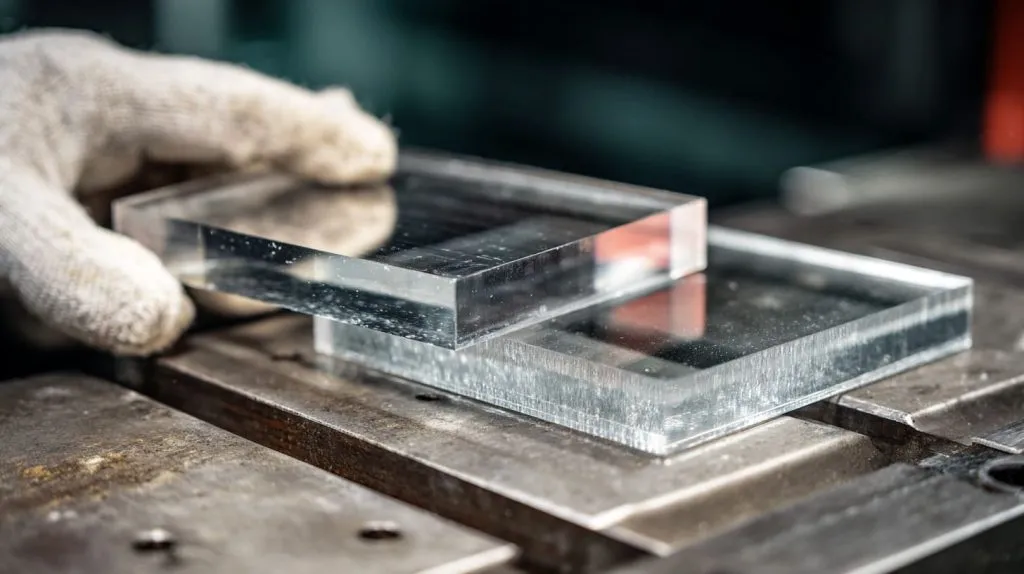
This is the part where nice-looking samples start losing their power. Security is not about which panel looks thick on a table. Security is about what happens when a person hits it, drops something against it, leans hard on it, attacks it, or simply uses it in a rough environment every day.
Impact resistance comparison
Polycarbonate is far stronger in impact resistance than standard acrylic. That is not a small difference. It is the center of the whole security comparison.
Acrylic can take some impact better than regular glass, and that fact often gets stretched too far in sales talk. People hear “stronger than glass” and quietly translate it into “good for security.” That leap is where projects go wrong.
A more practical comparison looks like this:
| Factor | Acrylic | Polycarbonate |
|---|---|---|
| Relative impact resistance | Better than ordinary glass | Far higher than acrylic |
| Response to sudden force | Can crack or chip | Usually bends or absorbs |
| Use in protective barriers | Limited | Common |
| Use in abuse-prone environments | Risky | Better choice |
I do not treat “stronger than glass” as a buying conclusion. I treat it as a starting point that still needs context.
Failure behavior under force
The way a material fails matters just as much as the force it can take.
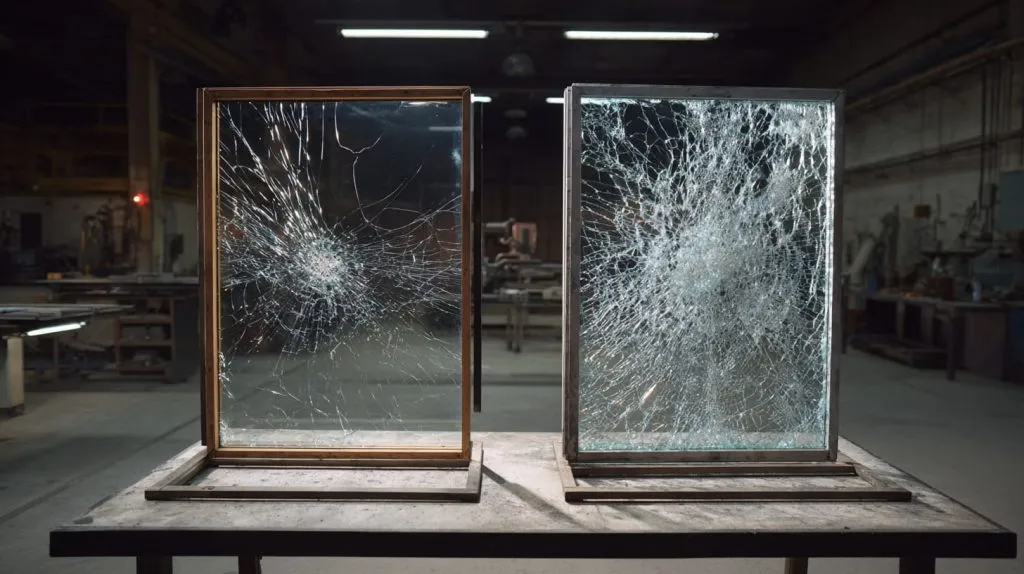
Acrylic is more likely to crack, chip, or break in a more brittle way when force goes beyond its comfort zone. Polycarbonate is more likely to deform, bend, or keep holding together longer. That difference changes safety, repair cost, and user risk.
I once saw a buyer focus only on thickness because the panel looked robust. But a thick brittle panel can still fail in a bad way. That is the detail many teams do not stop to imagine.
Here is the real question I ask myself: If this panel gets hit harder than planned, how do I want it to fail? That question alone often pushes the answer away from acrylic and toward polycarbonate.
Bullet resistance and security ratings
This section needs plain language.
Standard acrylic is not bullet-resistant in the way most people mean that phrase. Standard polycarbonate is also not a magic bulletproof sheet by itself. Real ballistic systems usually involve tested constructions, often layered or laminated, with defined thicknesses and formal ratings.
Polycarbonate plays an important role in many security and ballistic glazing systems because of its toughness and energy absorption. Acrylic may appear in multi-layer structures too, but not as a casual swap-in for security work.
| Security topic | Acrylic | Polycarbonate |
|---|---|---|
| Standard panel suitable for ballistic use? | No | Not by itself |
| Used in tested multi-layer security systems? | Sometimes in specific structures | Very often |
| Good default choice for impact-heavy security risk? | Usually no | Often yes |
The moment a buyer says “security,” “attack resistance,” or “protective barrier,” I stop thinking about showroom beauty first and start thinking about force path, failure mode, and tested construction.
Once strength is clearer, the next step is even more revealing: where buyers actually go off track.
Where Do Buyers Most Often Make the Wrong Choice?
Most buying mistakes do not start with bad intentions. They start with reasonable shortcuts. Budget pressure. Familiar materials. Tight timelines. A sample that looked convincing. All of that feels normal. Then the shortcut turns into a weak material decision.
Choosing based on price instead of risk
I understand why buyers start with cost. Everyone has a budget line staring at them. But a low material price can become an expensive decision if the panel fails early, scratches too fast, or creates liability in a risky setting.
Here is the cost trap in simple form:
| Buying focus | What seems true at first | What may happen later |
|---|---|---|
| Lower sheet price | “We saved money” | More replacements |
| Faster quote approval | “We kept the project moving” | More complaints |
| Familiar acrylic option | “This should be good enough” | Wrong fit for security use |
I get uneasy when the material choice is made before the team agrees on the actual threat level, because cheap and wrong is rarely cheap for long.
Overestimating acrylic strength
Acrylic is not weak in every context. That is important to say. It can be a very good material. The problem is that buyers sometimes ask it to do a job it was never meant to do.
I have seen acrylic treated like “strong clear panel = security panel.” That is too broad. It works for display cases, branded covers, light-duty barriers, and many low-risk jobs. It becomes much more questionable once repeated force, vandal risk, or aggressive user contact enters the scene.
Ignoring application-specific risks
Not every “clear panel” lives the same life.
A panel in a cosmetic display faces one kind of world. A panel in a public-facing protective barrier faces another. A machine guard sees a different kind of abuse again. Buyers often under-specify risk because they look at the part, not the behavior around the part.
A useful way to judge this is by environment:
| Environment | Main concern | Better material direction |
|---|---|---|
| Retail display | Clarity, look, branding | Acrylic |
| Office partition | Light contact, appearance | Depends |
| Protective barrier | Repeated impact risk | Polycarbonate |
| Industrial zone | Tool contact, rough use | Polycarbonate |
| Premium showcase | Visual finish | Acrylic |
A panel does not fail because its data sheet looked bad. It fails because the real world around it was tougher than the buyer imagined.
Confusing thickness with strength
This mistake happens all the time.
A thicker acrylic panel does not automatically become the right security material. Thickness can improve some aspects, yes. But material behavior still matters. A thick brittle panel and a tough impact-resistant panel are not solving force in the same way.
I often remind buyers of this simple point:
- Thickness affects stiffness
- Thickness affects weight
- Thickness affects cost
- Thickness does not erase brittle behavior
When I hear “let’s just make the acrylic thicker,” I usually slow the discussion down, because that sentence often hides a material mismatch rather than a real solution.
And yet, security is not the only factor. Some buyers care deeply about how the panel looks day after day. That is where appearance enters again, and the balance gets more interesting.
How Do Optical Clarity and Appearance Compare?
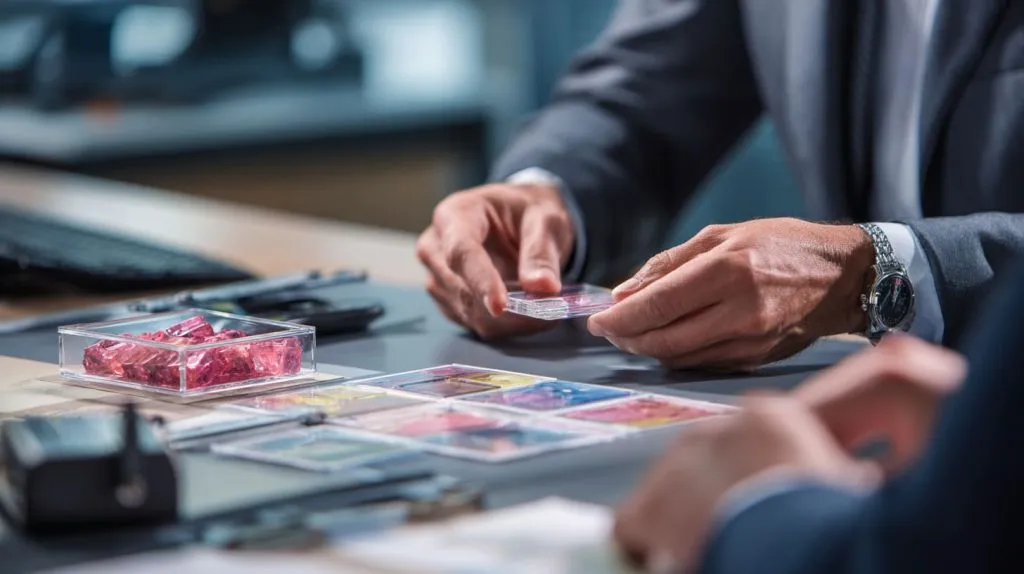
This is the section where acrylic wins a lot of hearts. And honestly, I understand why. If your eye cares first, acrylic often feels more satisfying.
Light transmission and visual quality
Acrylic is widely liked for its excellent clarity. It has that clean, bright, polished look buyers often want in retail, display, and premium presentation jobs. When people say a clear plastic panel looks “more beautiful,” they are often talking about acrylic without naming it.
Polycarbonate is still clear. It is not ugly. But it usually does not give the same crisp visual feel that good acrylic can give.
| Optical factor | Acrylic | Polycarbonate |
|---|---|---|
| Visual crispness | Excellent | Very good |
| Luxury display feel | Strong | Moderate |
| Premium edge look | Strong | Less decorative |
| Best for visual merchandising | Yes | Sometimes |
I tend to favor acrylic when the panel’s job is to help a product look cleaner, brighter, and more premium, not when it must stand up to serious abuse.
Surface finish and scratch resistance
This part surprises many people. Polycarbonate is tougher in impact, but its surface is softer. Acrylic is more scratch-resistant in normal handling.
That means:
- Acrylic often stays nicer-looking in display use
- Polycarbonate may need coatings in demanding visual applications
- Surface wear can change long-term appearance more than buyers expect
A buyer once focused only on “unbreakable” language around polycarbonate and forgot that daily wiping, touching, and abrasion could make the panel look tired much faster. Toughness solved one problem but created another.
Aging and yellowing over time
Long-term appearance depends on grade, coating, UV exposure, cleaning method, and environment. Acrylic often performs well in outdoor clarity and visual stability. Polycarbonate may need the right grade or surface protection to manage long-term weathering better.
This is the kind of topic that gets missed when the buyer chooses from a basic material label instead of a full specification.
Before I approve a clear panel for an outdoor-facing project, I want to know how it will look after months of sun, dust, cleaning, and fingerprints, not just how it looks on sample day.
Looks matter. They really do. But once the panel starts getting touched, cleaned, and used every day, maintenance starts telling a different story.
What About Durability, Maintenance, and Lifespan?
A beautiful panel on day one is easy. A panel that still works and still looks acceptable after months of real use is the harder test.
Scratch resistance in daily use
Acrylic usually handles normal surface scratching better than polycarbonate. In places with frequent wiping, retail contact, or visual inspection, that can matter a lot.
Polycarbonate may stay structurally safer under impact, yet start looking worn faster if the surface gets rubbed often.
| Daily-use factor | Acrylic | Polycarbonate |
|---|---|---|
| Scratch resistance | Better | Lower |
| Visual aging in contact areas | Better | Can degrade faster |
| Structural survival under impact | Lower | Better |
That is why I never ask only, “Will it break?” I also ask, “What will it look like after six months of ordinary abuse?”
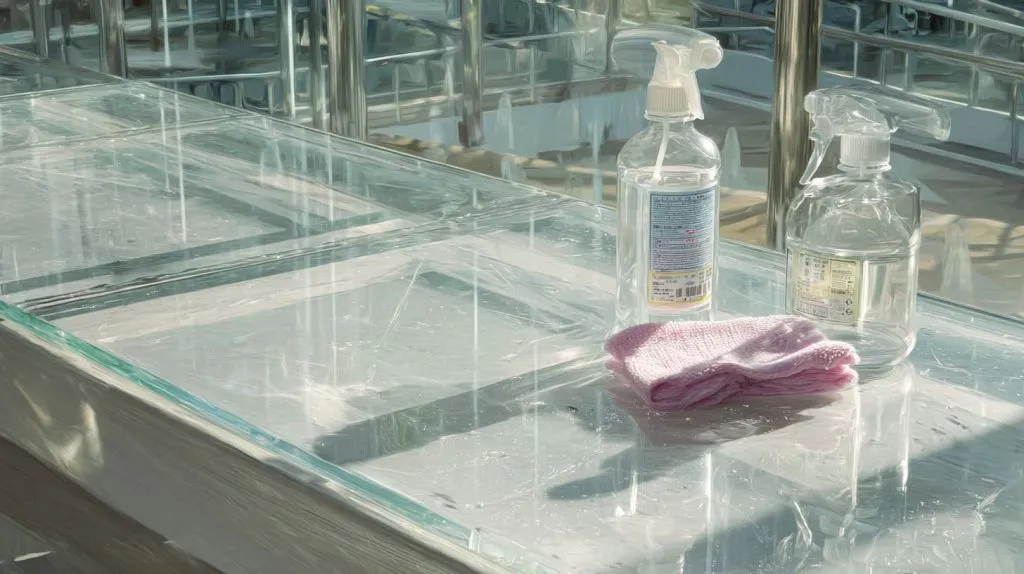
Chemical resistance and cleaning
Cleaning is not a small issue. It can ruin good material choices.
Some cleaners, solvents, or harsh chemicals can damage clear plastics. Stress cracking, haze, and surface damage can appear when the wrong cleaner is used or when staff are not trained.
I have seen maintenance teams wipe panels with whatever is nearby. That is real life. Not ideal life. So the buyer has to plan for that.
A simple review table helps:
| Maintenance topic | Acrylic | Polycarbonate |
|---|---|---|
| Tolerance for rough wiping habits | Moderate | Moderate |
| Sensitivity to wrong cleaner | Can be high | Can be high |
| Need for cleaning guidance | Yes | Yes |
Long-term wear and replacement cycles
Lifespan is not only about survival. It is about acceptable condition.
Acrylic may last well in low-impact, appearance-focused jobs. Polycarbonate may last better in abuse-heavy settings even if the surface gets tired sooner. So the right question is not “Which lasts longer?” The better question is “Which lasts better for this job?”
One detail I check carefully is who will judge failure later: the safety manager, the store manager, or the customer standing in front of the panel, because each one notices a different kind of problem first.
That brings us to the part buyers care about almost immediately: cost, fabrication, and factory practicality.
How Do Cost and Manufacturing Factors Compare?
Material choice does not live in theory for long. Sooner or later, it lands on a quote, a machining path, a lead time, and a production discussion.
Material cost comparison
In many cases, polycarbonate costs more than acrylic. That is one reason buyers keep trying to make acrylic fit jobs where it does not belong.
Acrylic often gives a more budget-friendly path for:
- Retail displays
- Branded boxes
- Light-duty covers
- Visual presentation parts
Polycarbonate usually asks for more upfront, especially when thicker grades, coatings, or performance requirements are involved.
| Cost factor | Acrylic | Polycarbonate |
|---|---|---|
| Raw sheet cost | Lower | Higher |
| Visual value per dollar | Strong | Moderate |
| Security value per dollar | Weak in risky use | Stronger |
I do not treat price as the enemy. I just do not let it speak first when the application carries safety risk.
Fabrication and machining differences
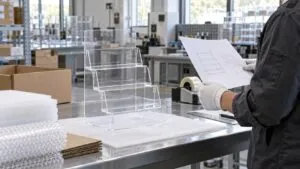
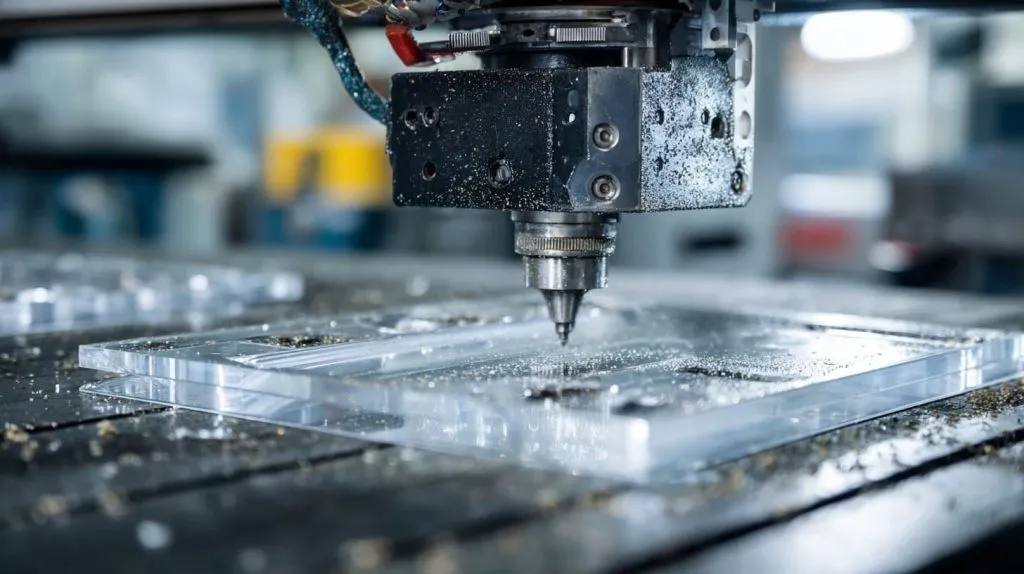
Acrylic machines, bonds, polishes, and presents very nicely. That is one reason factories like working with it for display and custom presentation products.
Polycarbonate can also be fabricated, but the job may be more focused on function than decorative perfection. Edge beauty is not usually its star feature. Toughness is.
Here is a broad comparison:
| Fabrication topic | Acrylic | Polycarbonate |
|---|---|---|
| CNC cutting | Good | Good |
| Polished edge appearance | Excellent | Less elegant |
| Decorative bonding work | Strong | Less common |
| Heat forming practicality | Good | Good |
| Security-use shaping | Limited | Better |
MOQ and custom manufacturing considerations
For B2B projects, MOQ and production flow matter. Acrylic often suits a wider range of custom display-style projects because the material is so common in that world. Polycarbonate may still be available and workable, but the whole project usually becomes more performance-driven and more spec-sensitive.
I get more cautious when a supplier talks beautifully about processing but says little about grade, impact behavior, coating options, or end-use risk, because that usually means the factory is thinking like a display shop, not like a security-minded manufacturer.
Once cost and processing are on the table, the choice starts getting clearer. The next two sections make that practical.
When Should You Choose Plexiglass?
I do not think acrylic deserves the criticism it sometimes gets in these comparisons. The problem is not acrylic. The problem is using it in the wrong place.
Best use cases
Acrylic is a smart choice when the job values:
- High clarity
- Good appearance
- Strong branding effect
- Clean polished edges
- Lower-risk use environments
Common good-fit examples include:
- Cosmetic organizers
- Product display stands
- Retail boxes
- Branded covers
- Low-risk transparent panels
Why it works well in these scenarios
Acrylic gives a lot of visual reward for the cost. It looks bright. It feels neat. It photographs well. It works beautifully in customer-facing spaces where elegance matters.
In many of the projects I handle, acrylic wins because the customer is trying to sell, present, organize, or highlight a product. In that job, toughness beyond a certain point is not the main value. Appearance is.
| Choose acrylic when... | Reason |
|---|---|
| Visual quality matters most | Excellent clarity |
| Surface beauty matters | Great finish |
| Impact risk is low | Suitable |
| Custom display work is central | Very practical |
Limitations to be aware of
Acrylic has limits, and I prefer to state them directly:
- It is not the right default for high-risk security use
- It can crack under heavier force
- It does not become a true protective material just because it is thick
- It should not be sold as a security answer when the use case says otherwise
I choose acrylic with confidence when the panel’s job is to look good and live a relatively calm life, not when it may get tested by impact, aggression, or rough handling.
That naturally raises the other side of the decision.
When Should You Choose Polycarbonate?

Polycarbonate earns its place when the project stops being decorative first and starts being protective first.
Best use cases
Polycarbonate is often the better fit for:
- Protective barriers
- Machine guards
- Public-facing shields
- High-contact zones
- Industrial settings
- Security glazing systems
These are not jobs where I want to gamble on brittleness. These are jobs where I care more about how the panel behaves under stress than how perfect it looks under showroom lights.
Why it performs better
Its biggest advantage is toughness. It absorbs impact far better than acrylic. It bends more. It resists breakage better in rough conditions. That makes it much more convincing in real security-related use.
| Choose polycarbonate when... | Reason |
|---|---|
| Impact is likely | Better energy absorption |
| User behavior is rough | More forgiving |
| Safety matters more than showroom beauty | Better fit |
| Protective function leads the design | Stronger choice |
Trade-offs to consider
Polycarbonate is not a perfect material either.
Its trade-offs often include:
- Higher material cost
- Softer surface
- More visible scratching over time
- Less polished visual effect than acrylic
The deciding question for me is simple: would I rather manage surface wear, or explain a cracked panel after a failure? In many security settings, that answer is easy.
Sometimes, though, the smartest answer is not choosing only one material. It is combining them.
Can You Combine Both Materials for Better Performance?
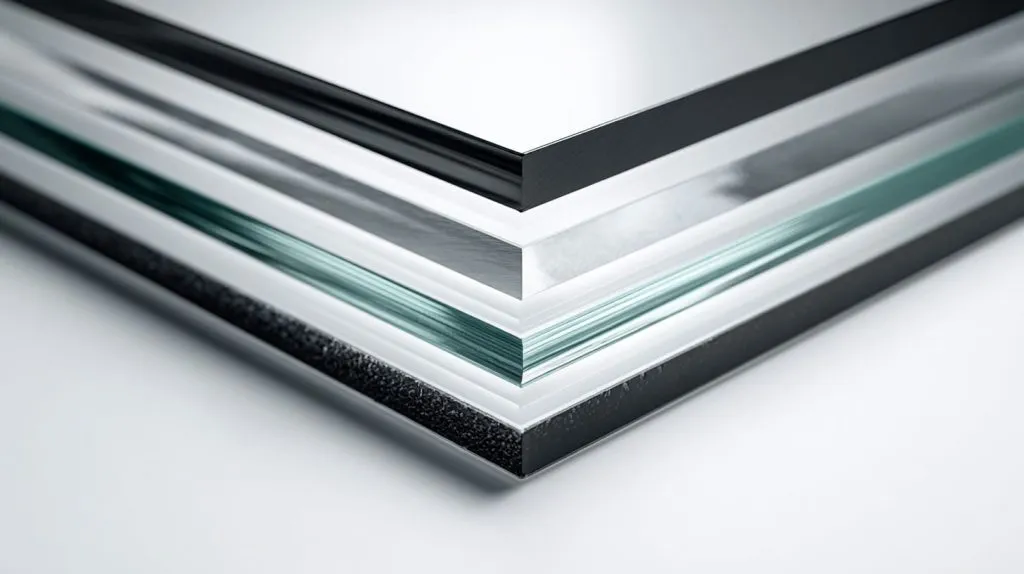
This is where the conversation gets more interesting, and more realistic.
Laminated solutions
In some cases, layered constructions using acrylic and polycarbonate can offer a more balanced result. One layer may help with surface hardness or visual quality. Another may help with impact absorption.
That does not mean any random stacked sheet becomes a security product. It means engineered combinations can solve mixed needs better than a single material alone.
Typical security panel structures
In more advanced protective or security glazing systems, multiple layers may be used together with adhesives, air gaps, coatings, or other materials. The design depends on the threat, the standard, and the installation method.
| Panel approach | Main goal |
|---|---|
| Single acrylic sheet | Clarity, cost, appearance |
| Single polycarbonate sheet | Toughness, impact resistance |
| Multi-layer system | Balanced performance |
| Tested security laminate | Defined protective result |
Cost vs performance balance
Hybrid construction can make sense when the project needs:
- Better visual quality than pure polycarbonate
- Better impact behavior than pure acrylic
- A custom performance balance
- More controlled end-use performance
The part that deserves respect here is testing. I do not trust layered ideas just because they sound smart on paper. A stack-up only becomes meaningful when its real behavior is known.
At this stage, most buyers do not need more theory. They need a way to make a decision with less regret.
How Should B2B Buyers Evaluate the Right Material?
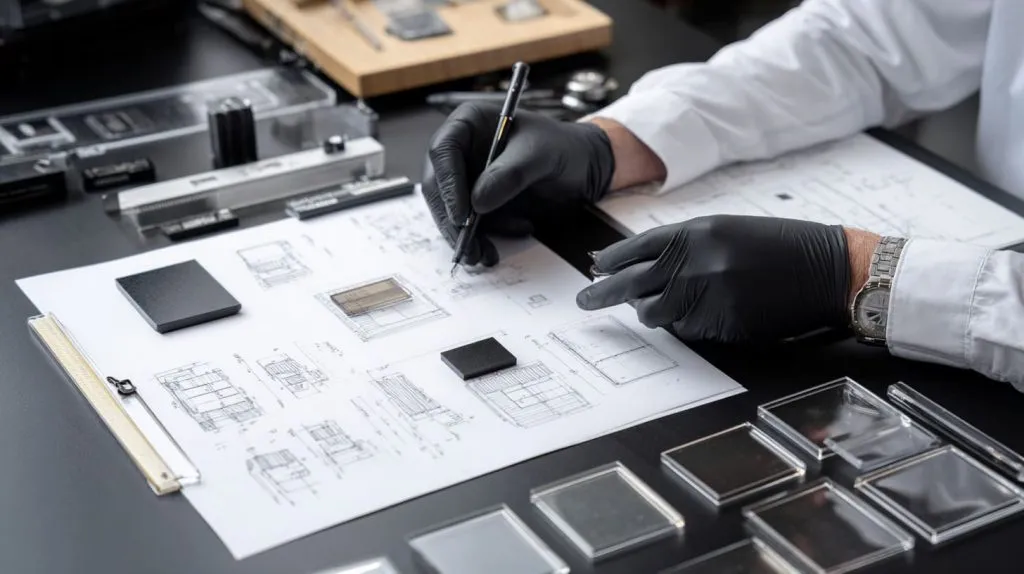
This is the section I wish more buyers started with. It saves time. It saves bad sampling. It saves awkward conversations after delivery.
Key decision checklist
I like to ask these questions early:
- What kind of force may hit this panel?
- Who will use or touch it?
- Is the main goal visual or protective?
- What happens if the panel fails?
- What matters more over time: clarity, scratch resistance, or impact survival?
- Is this a low-risk retail job or a real security job?
A simple comparison table helps:
| Decision factor | Acrylic | Polycarbonate |
|---|---|---|
| Budget-first display work | Strong fit | Less ideal |
| Impact-heavy environment | Weak fit | Strong fit |
| Premium visual merchandising | Strong fit | Moderate |
| Protective barrier use | Weak fit | Strong fit |
| Scratch-sensitive environment | Better | Worse |
When I review a clear-panel project, I do not ask “Which plastic do we like?” I ask “Which failure would hurt us more?” That question usually brings the right answer much faster.
Questions to ask your supplier
Do not stop at material name. Ask deeper.
- What exact grade is being quoted?
- Is this virgin material or mixed source?
- Is there UV protection?
- Has the panel been tested for impact or only described generally?
- Are there coatings available for scratch resistance?
- Has the supplier done similar applications before?
- What cleaning guidance should end users follow?
Common sourcing mistakes in China manufacturing
I work with China manufacturing, so I say this with respect, not criticism. A lot of sourcing mistakes happen because the brief is too simple.
Common examples include:
| Sourcing mistake | What goes wrong |
|---|---|
| Drawing says only “clear plastic” | Wrong material gets quoted |
| Thickness is specified, use case is not | Supplier guesses |
| Security language is vague | Performance mismatch |
| No test request | Claims stay unverified |
| Sample judged only by look | Real risk is ignored |
I have seen experienced buyers make these mistakes too. Not because they lacked skill, but because the part looked easy. Clear panels often look simple right before they become expensive.
One last thing matters here. A buyer should not feel embarrassed for asking basic questions. In my experience, simple questions prevent complex losses.
Conclusion
I see this comparison in a very practical way now. Acrylic and polycarbonate are not enemies. They are tools. Good tools. Useful tools. But they solve different problems.
Acrylic gives me clarity, surface beauty, strong retail presence, and good value in display-focused work. That is why I keep choosing it for custom boxes, organizers, display parts, and other low-risk transparent products. It does that job very well. I trust it there.
Polycarbonate gives me more confidence when force, impact, public contact, or security risk becomes part of the project. It is not as elegant on the surface, and it often costs more, but that trade makes sense when the panel must survive more than normal life.
The biggest mistake, in my view, is choosing by appearance and price before defining the real job. That is why buyers get trapped. A thick, clear, lower-cost panel can feel like a smart decision until the wrong person hits it, leans on it, or tests it in a way the quotation never imagined.
My opinion comes from how I judge risk in real work. I do not start with the material name anymore. I start with the scene around the material. Who touches it? How hard can it be hit? What kind of failure is acceptable? What kind of failure becomes a problem? That is how I end up with a conclusion I trust.
If you are choosing between plexiglass and polycarbonate for a real project, I suggest slowing down for one more round of questions before approving the drawing. Match the panel to the risk, not to the look. And if you need custom acrylic products for display, retail, branding, or other low-risk transparent applications, you can always review the job with us at Feilong Acrylic through flacrylic.com. I would rather help define the right use case early than watch a buyer fix the wrong material choice later.