Skip to content
Acrylic is one of those materials that can look very honest at first.
Clear sheet. Smooth surface. Bright edge. Easy to understand.
But after the product leaves the factory, the real story starts. A display stand sits under store lighting. A cosmetic organizer gets cleaned every morning. A sign panel travels across the ocean in a container. A customer tightens one screw a little too much. Then, after a few weeks or a few months, the buyer sends a photo.
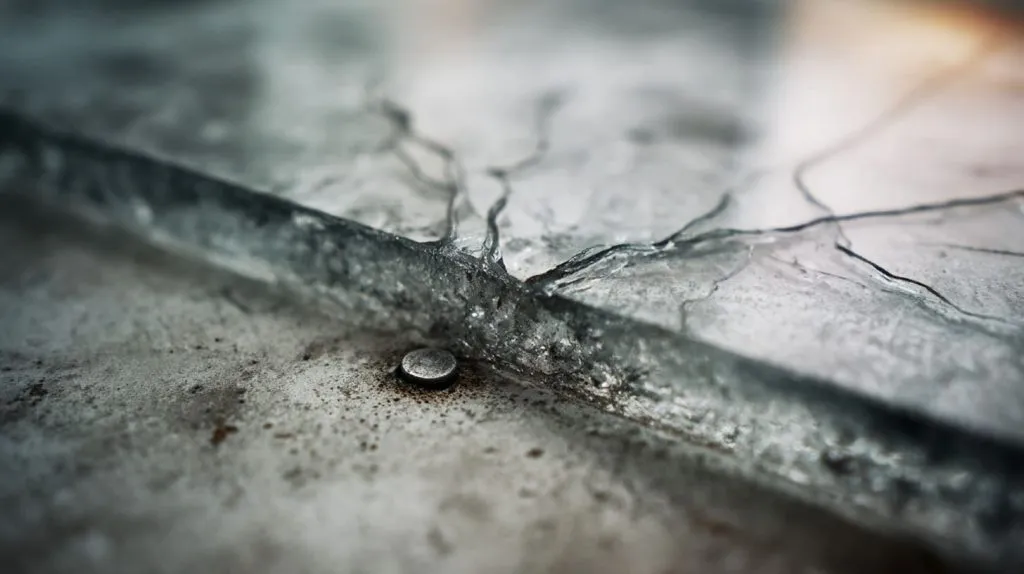
A bent panel.
A white stress mark near the edge.
A printed logo that does not look as clean as expected.
That is when the simple question becomes a serious one:
Was the acrylic sheet the right choice from the beginning?
Cast acrylic and extruded acrylic are both PMMA materials. They can both be clear. They can both be cut, polished, printed, and formed. But they do not behave exactly the same. The difference is not only in the price. It is also in the way each material reacts to heat, machining, chemicals, stress, and daily use.
For custom acrylic products, warranty problems rarely come from one single mistake. They usually come from a chain of small decisions. The sheet type. The thickness. The cutting method. The polishing method. The screw design. The packaging. The end-use environment.
A buyer may save money on the sheet, but lose more money later on replacement parts, shipping, and customer trust.
Cast acrylic usually creates fewer warranty problems in premium, machined, polished, or heat-sensitive applications. Extruded acrylic can work well in simple flat products and cost-sensitive projects, but it has a higher risk of stress, melting, warping, and chemical crazing when the design or process is not controlled.
I do not judge acrylic only by how it looks on the table. I judge it by what may happen after cutting, cleaning, shipping, assembly, and real customer use.
That small difference in thinking can save a buyer from a very expensive complaint later.
Let’s start with the basic difference, because many warranty problems are already hiding there.
What Is the Difference Between Cast and Extruded Acrylic?
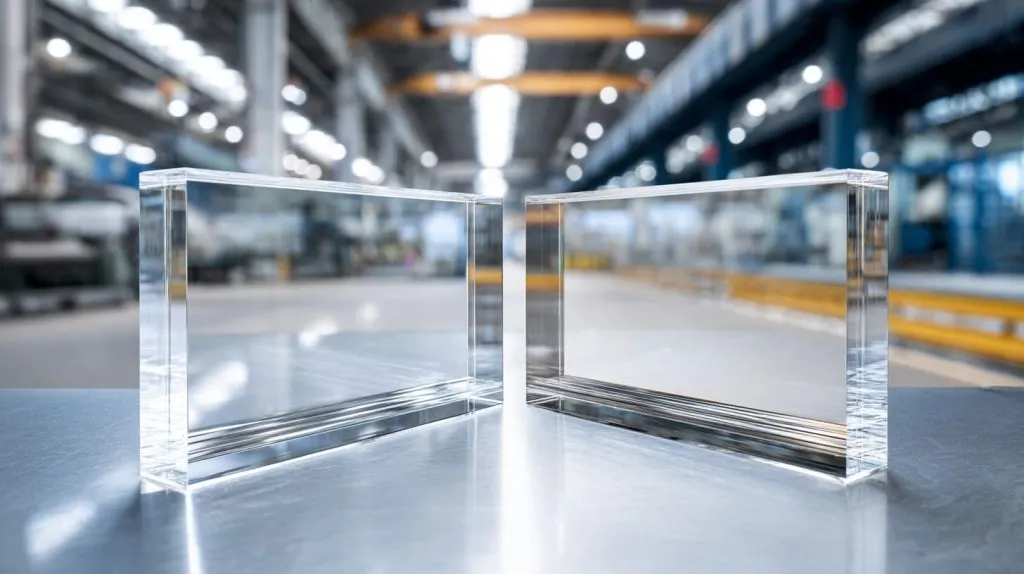
Cast acrylic and extruded acrylic may look almost the same to a normal customer. If I put two clear sheets on a clean table, many people will only see two shiny plastic panels.
But inside the material, they are not the same.
They are made in different ways. And that difference follows the product all the way to cutting, polishing, bending, printing, shipping, and final use.
The first thing I check is not only the material name on the quote sheet. I also ask myself how the product will be processed after the sheet is selected, because a sheet that looks “good enough” before production may become risky after laser cutting, drilling, polishing, or assembly.
How cast acrylic is manufactured
Cast acrylic is made by pouring liquid acrylic material into a mold or between glass plates. Then it cures slowly.
This slower process gives the material better internal stability. It also often gives cast acrylic a better surface feel and better machining behavior.
In simple words, cast acrylic is like bread baked slowly in an oven. It takes more time, but the inside structure is often more stable.
For custom acrylic products, that matters.
Cast acrylic usually performs better when the product needs:
- CNC machining
- Drilling
- Polishing
- Engraving
- Thicker sheet
- High optical clarity
- Better chemical resistance
- Better long-term appearance
This is why I often prefer cast acrylic for premium retail displays, thick acrylic blocks, cosmetic displays, luxury product stands, and custom parts with complicated shapes.
How extruded acrylic is manufactured
Extruded acrylic is made through a continuous extrusion process. The acrylic material is pushed through rollers or a die to form sheet.
This process is faster. It is also more cost-efficient. The thickness is usually more uniform than cast acrylic.
That sounds good, and sometimes it really is good.
Extruded acrylic can be a smart choice for:
- Simple flat panels
- Budget-sensitive displays
- Large quantity orders
- Simple protective covers
- Products with limited machining
- Projects where thickness consistency matters
But extruded acrylic often has more internal stress. It may also melt more easily during laser cutting or machining. It can be more sensitive to solvents and heat.
This does not mean extruded acrylic is bad. It means the project must respect its limits.
Why the manufacturing process affects performance
The manufacturing process decides many small material behaviors.
Here is a simple comparison:
| Factor | Cast Acrylic | Extruded Acrylic | Warranty Risk |
|---|---|---|---|
| Internal stress | Usually lower | Usually higher | Higher stress can lead to cracks or crazing |
| Machining behavior | Cleaner and more stable | Easier to melt or gum up | Poor edges can become weak points |
| Thickness tolerance | Less uniform | More uniform | Depends on design needs |
| Heat resistance | Usually better | Usually lower | Heat can cause warping |
| Chemical resistance | Usually better | More sensitive | Cleaners can trigger cracks |
| Cost | Higher | Lower | Low cost can hide future risk |
| Optical quality | Very good | Good | Depends on application |
Many buyers ask, “Which one is stronger?”
I think that question is a little too simple.
A better question is:
Which one is safer for this exact product, this exact process, and this exact use environment?
For example, a simple flat price tag holder may work perfectly with extruded acrylic. But a thick polished cosmetic display with drilled holes, UV printing, and LED lighting may need cast acrylic to reduce risk.
Typical industries using each type
Both materials are used in many industries. The key is matching the material to the real use.
| Application | Common Material Choice | Reason |
|---|---|---|
| Retail display stands | Cast or extruded | Depends on shape, price, and brand level |
| Cosmetic organizers | Often cast for premium items | Better edge finish and surface feel |
| Flat signage panels | Often extruded | Cost and thickness control |
| LED light displays | Often cast | Better heat and stress performance |
| Industrial covers | Depends on environment | Heat, impact, and chemical exposure matter |
| Acrylic boxes | Cast for premium/custom; extruded for simple | Design and assembly method decide |
| Engraved awards | Cast | Better engraving and polished look |
The mistake is not choosing extruded acrylic. The mistake is using extruded acrylic in a job where the buyer expects cast acrylic behavior.
That is where warranty problems begin quietly.
And the first place they often show up is fabrication.
Which Acrylic Type Cracks More Easily During Fabrication?
Acrylic cracks do not always happen because the product is weak.
Sometimes the crack is born during fabrication, but it does not show itself right away.
That is the dangerous part.
The product may pass inspection. The surface may look clean. The edge may shine. The buyer may approve the sample. Then later, after shipping or assembly, a small crack appears near a corner or screw hole.
This is where I become very careful, because a beautiful acrylic edge can still hide stress if the cutting, drilling, or polishing process was too aggressive.
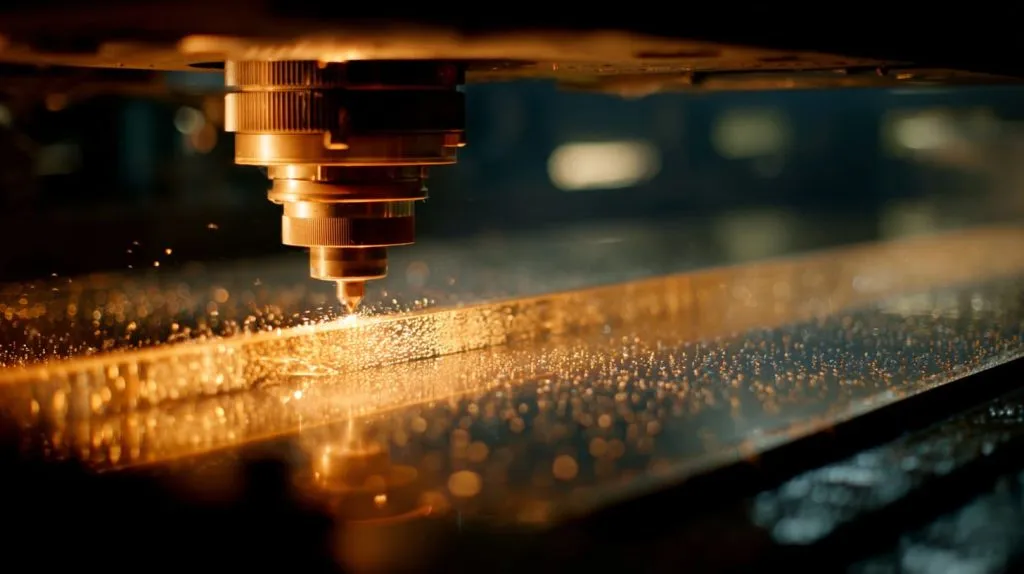
Laser cutting is common in acrylic manufacturing. It is fast, clean, and suitable for many display products.
But laser cutting uses heat.
Heat can create stress along the cut edge. The edge may look smooth, but inside the material there may be tension. If the product later faces alcohol cleaner, screw pressure, bending, or temperature change, that edge may start to craze or crack.
Extruded acrylic is usually more sensitive here. It can melt more easily during cutting. It can also create more stressed edges.
Cast acrylic usually handles laser cutting better, but it is not magic. If the cutting speed, power, or cooling is wrong, cast acrylic can also have edge stress.
How drilling and CNC machining affect both materials
Drilling is one of the most common places where acrylic problems begin.
Acrylic does not like sudden pressure. It also does not like sharp stress points. A hole is a stress point by nature.
If the drill bit is too aggressive, the hole edge may chip. If the speed is too high, heat builds up. If the hole is too close to the edge, the part may crack during assembly.
Here is how I usually compare the two:
| Fabrication Step | Cast Acrylic | Extruded Acrylic | What Can Go Wrong |
|---|---|---|---|
| Laser cutting | Cleaner edge in many cases | More melting risk | Edge stress, cloudy edge, cracks |
| CNC cutting | More stable | Can melt or stick | Rough edges, poor fit |
| Drilling | Better chip control | Easier to crack or melt | Cracks near holes |
| Tapping threads | Better for custom parts | More risk under stress | Thread cracks |
| Polishing | Better final clarity | More stress risk if overheated | Crazing after polishing |
When I see a drawing with many holes, tight corners, and small screw distances, I do not only think about the sheet cost. I think about whether the material will forgive the design. Extruded acrylic is less forgiving in many of these situations.
Why flame polishing can create future cracking problems
Flame polishing can make acrylic edges look very bright. Many buyers love that clean, shiny edge.
But flame polishing also uses heat.
If the operator uses too much flame, the edge can become stressed. The part may look beautiful on day one. Then later, when it touches alcohol, glue, or cleaner, small white cracks can appear.
This is called crazing.
It is one of the most annoying warranty issues because the buyer may say, “The product was fine when we received it. Why did it crack after cleaning?”
The answer is often hidden stress.
Extruded acrylic is more risky here because it already has more internal stress from production. Flame polishing can add more.
Cast acrylic is usually safer for flame polishing, but the process still needs control.
Real factory situations that lead to warranty claims
In factory work, cracks often come from very normal-looking details.
Not big mistakes.
Small ones.
For example:
- A screw hole is placed too close to the edge.
- The buyer wants a very thin sheet to save cost.
- The design has a sharp inside corner.
- The edge is laser cut and then flame polished.
- The product is packed tightly with pressure on one corner.
- The final user cleans it with alcohol.
- The assembly worker tightens screws by hand without torque control.
Then the complaint arrives.
| Warranty Symptom | Possible Cause | Material Risk |
|---|---|---|
| Crack near screw hole | Hole too small or screw too tight | Higher in extruded acrylic |
| Edge splitting | Heat stress from cutting | Higher in extruded acrylic |
| White stress marks | Internal stress plus cleaner | Higher in extruded acrylic |
| Corner crack | Sharp corner design | Both materials |
| Crack after assembly | Poor hole design or pressure | Both, but cast is more forgiving |
Acrylic does not always complain loudly during production. Sometimes it waits until the customer touches it.
That is why heat behavior becomes the next big thing to study.
Does Extruded Acrylic Create More Heat-Related Warranty Problems?
Heat is quiet.
It does not always burn the product. It just changes the product little by little.
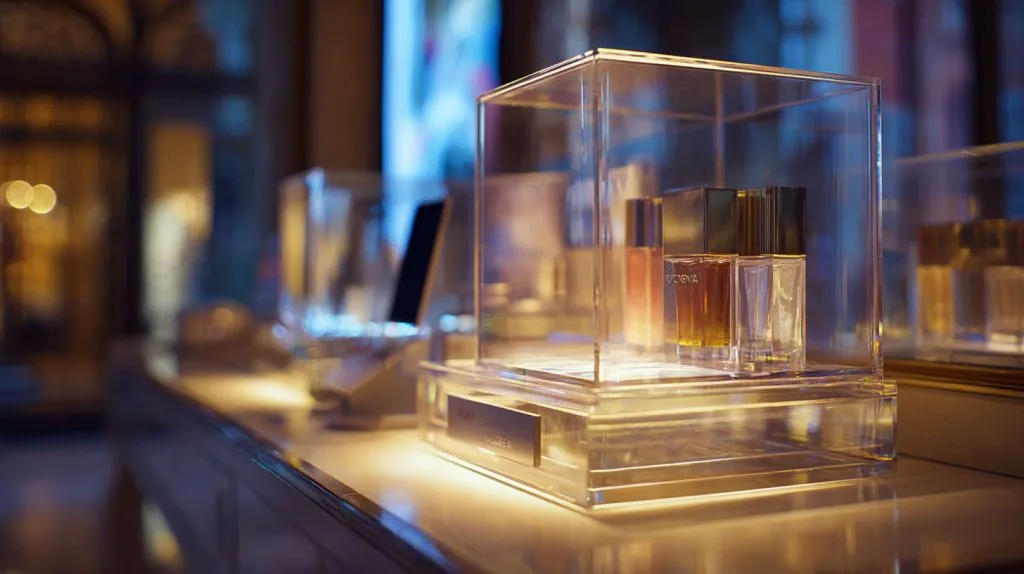
A retail display may sit under lights. A sign panel may face sunlight through a window. A cosmetic display may be near LED strips. A transparent cover may sit inside a warm machine area.
After some time, the panel may bend. The flat surface may become wavy. The product may no longer look premium.
When I evaluate heat risk, I do not only ask how hot the room is. I ask where the heat collects, because a small LED strip, a dark printed area, or a closed display box can create a hotter local spot than the buyer expects.
How heat changes acrylic behavior
Acrylic expands and contracts with temperature.
This is normal.
But if the design does not allow movement, stress builds up. If the sheet is too thin, it may deform. If the product is near constant heat, the shape may slowly change.
Acrylic does not need extreme heat to create trouble. Long-term mild heat can also cause problems.
Common heat-related problems include:
- Warping
- Bowing
- Edge distortion
- Loose assembly
- Cracks around fixed points
- Surface waves
- Poor fitting after temperature change
For display products, appearance is part of function. A wavy panel may still “work,” but the customer sees it as a quality problem.
Why extruded acrylic softens faster
Extruded acrylic usually has lower heat resistance than cast acrylic. It can soften or deform more easily.
This matters a lot in products close to:
- LED lights
- Window sunlight
- Store lighting
- Warm equipment
- Closed display cases
- Dark printed surfaces
- Heat during printing or forming
Cast acrylic usually gives more safety margin. It still expands. It still needs good design. But it is often more stable under heat.
Here is a practical comparison:
| Heat Factor | Cast Acrylic | Extruded Acrylic | Warranty Concern |
|---|---|---|---|
| Heat resistance | Better | Lower | Warping risk |
| Dimensional stability | Better | Lower | Poor fitting over time |
| LED display use | Safer | Needs caution | Local deformation |
| Sun-facing indoor display | Better choice | Risk depends on thickness | Bowing or waves |
| Thin sheet performance | Better but still limited | More risky | Bending during use |
Common failures in retail and lighting applications
Retail displays are tricky because they must look clean every day.
A small shape change can make the whole display feel cheap.
I have seen cases where a display looked perfect in the sample room. Then the buyer used it near warm lighting. After some time, the front panel became slightly bent. Not broken. Not dramatic. Just wrong enough to upset the brand owner.
That is the problem with heat deformation.
It is not always a full failure. It is often an appearance failure.
Common examples include:
| Product Type | Heat Risk | Possible Complaint |
|---|---|---|
| LED acrylic sign | Heat near light source | Wavy face panel |
| Cosmetic display | Store lighting | Bent shelves or dividers |
| Window display | Sunlight exposure | Panel bowing |
| Display box | Closed air space | Deformed cover |
| Printed acrylic panel | Dark ink absorbs heat | Local warping |
This is where buyers sometimes misunderstand cost.
They compare sheet prices, but the real cost is the replacement of a finished product. That includes cutting, printing, assembly, packing, shipping, and customer service.
When cast acrylic performs better under heat
Cast acrylic is usually a safer choice when heat is part of the real environment.
I prefer cast acrylic for:
- Premium LED displays
- Light boxes
- Thick acrylic parts
- Products with polished edges
- Products near store lighting
- Long-term commercial displays
- Acrylic parts with tight assembly tolerance
But I still do not treat cast acrylic as a free pass.
If a design traps heat, any acrylic can suffer. If the sheet is too thin, any acrylic can bend. If the hole design is too tight, expansion can create stress.
A better design may include:
- More thickness
- Better support
- Larger screw holes
- Slots instead of tight holes
- Space for expansion
- Better distance from heat source
- Ventilation in hidden areas
Acrylic is not only a material choice. It is a design decision.
And heat is not the only invisible enemy. Chemicals can be even more surprising.
Which Acrylic Has Better Chemical Resistance?
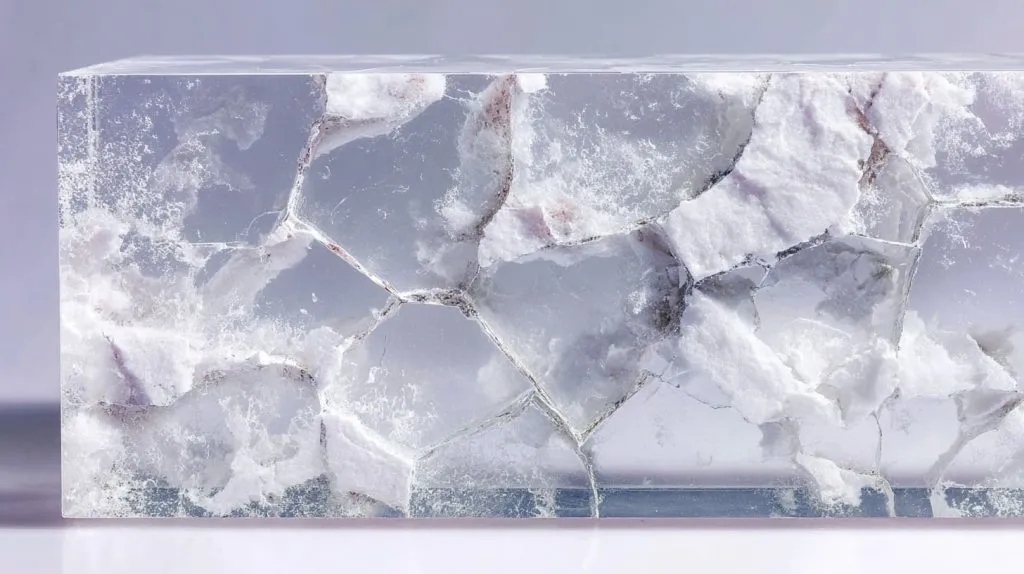
Many warranty problems start with one innocent action.
Someone cleans the display.
That is it.
A shop worker takes a cloth and a bottle of cleaner. They wipe the acrylic surface. The product looks clean for a while. Then small lines appear near the edges, holes, or polished areas.
The buyer says, “The material cracked by itself.”
The factory says, “Maybe the cleaner was wrong.”
Both may be partly right.
My first warning sign is a product that combines high stress and frequent cleaning, because acrylic may survive one of them, but it may not forgive both at the same time.
How cleaners damage acrylic surfaces
Acrylic does not like many strong chemicals.
Some cleaners can attack the surface. Others can enter stressed areas and create crazing.
Risky chemicals may include:
- Alcohol-based cleaners
- Ammonia-based cleaners
- Strong solvents
- Some adhesive removers
- Some perfume or cosmetic ingredients
- Industrial cleaning liquids
This is especially important for cosmetic displays.
Cosmetic stores look clean, but the environment can be chemically active. Perfume, skincare products, alcohol wipes, and cleaning sprays may all touch the acrylic.
A display sitting in a cosmetic shop has a harder life than many people think.
Why stress crazing appears later
Stress crazing looks like tiny cracks or white lines inside the acrylic.
It often appears near:
- Laser-cut edges
- Flame-polished edges
- Screw holes
- Glued joints
- Bent areas
- Tight corners
- Engraved areas
The tricky part is timing.
The product may not craze during production. It may not craze during inspection. It may not craze during shipping.
Then the final user cleans it, and the hidden stress reacts with the chemical.
This delayed failure creates confusion.
| Cause | Immediate Result | Later Result |
|---|---|---|
| Laser cutting heat | Smooth edge | Possible edge stress |
| Flame polishing | Bright edge | Possible crazing after cleaner |
| Tight screw | Strong assembly | Crack near hole |
| Solvent cleaner | Clean surface | White lines or cracks |
| Glue overflow | Fixed joint | Crazing around bond line |
Cast acrylic usually has better chemical resistance than extruded acrylic. It also tends to have less internal stress. So in chemical exposure situations, cast acrylic is often safer.
Which material survives daily commercial cleaning better
For daily cleaning, cast acrylic is usually the better choice.
But the cleaning method still matters.
A good material can still fail under bad cleaning.
Here is how I usually guide buyers:
| Cleaning Situation | Better Material Choice | Extra Advice |
|---|---|---|
| Light dust wiping | Cast or extruded | Use soft cloth |
| Frequent retail cleaning | Cast preferred | Avoid alcohol and ammonia |
| Cosmetic counter | Cast preferred | Test cleaner before mass use |
| Medical display area | Cast preferred | Confirm disinfectant compatibility |
| Industrial shop | Case-by-case | Check chemical exposure first |
If the buyer cannot control the final user’s cleaner, I become more conservative. I may suggest cast acrylic, better edge finishing, annealing, or a design that reduces stress points.
The material choice should match real user behavior, not only the buyer’s written specification.
Industries with high chemical exposure risks
Some industries naturally create more chemical risk.
Cosmetic stores are one clear example. The display may touch perfume, lotion, alcohol, makeup remover, and daily cleaner.
Medical display areas can also be risky because disinfectants may be used often.
Retail counters may use fast cleaning methods. Workers may not read care instructions. They may use whatever cleaner is nearby.
| Industry | Chemical Risk | Common Acrylic Problem |
|---|---|---|
| Cosmetic retail | Perfume, alcohol, skincare | Crazing near edges |
| Medical display | Disinfectants | Surface cracks |
| Jewelry counter | Daily cleaner | Haze or small cracks |
| Electronics retail | Cleaner spray | Edge stress marks |
| Industrial display | Oil or solvent | Surface damage |
Acrylic warranty is not only about what happens inside the factory. It is also about what happens on a busy Monday morning when someone cleans fast.
And after cleaning, another risk comes before the customer even opens the carton.
Shipping.
Which Acrylic Creates More Problems During Shipping?
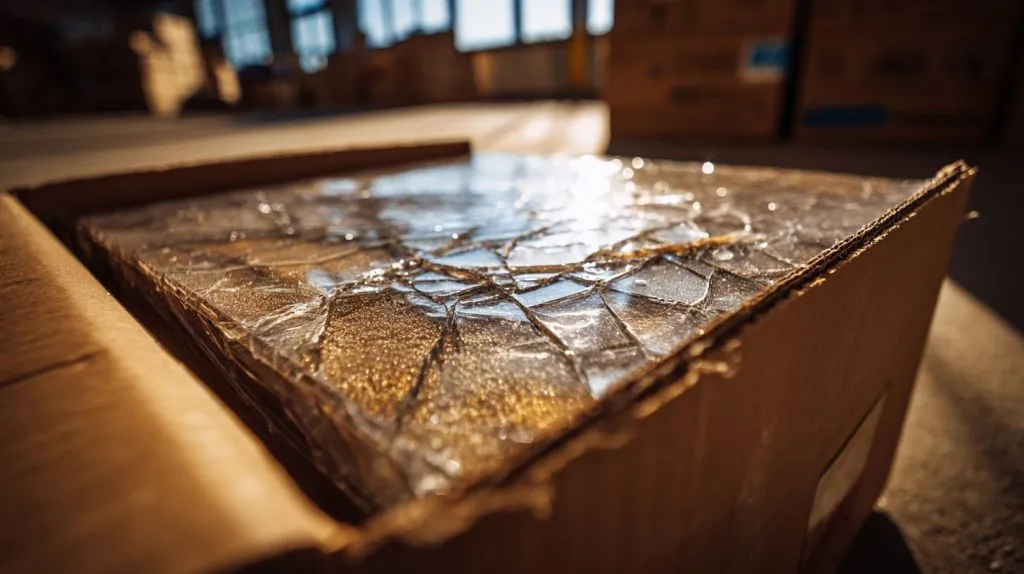
Shipping is the part of the project that nobody wants to think about too much.
The product is already finished. The buyer approved the sample. The invoice is done. The cartons look strong. Everyone wants the goods to arrive safely.
But acrylic has a memory.
If the edge has stress, shipping pressure can reveal it. If the panel is thin, stacking can bend it. If the carton is hit, a small corner crack can travel across the part.
I always look at packaging as part of the product, because a strong acrylic design with weak packing is still a weak delivery.
Why sheet stability matters during transportation
During international shipping, acrylic products may face:
- Long container time
- Temperature changes
- Stacking pressure
- Vibration
- Rough handling
- Humidity changes
- Carton compression
Even if acrylic does not absorb much moisture, the whole packaging system can change under shipping conditions. Cartons soften. Foam compresses. Parts rub against each other.
Cast acrylic is usually more stable and rigid. Extruded acrylic may bend more easily, especially in thinner sheets.
This matters for large flat panels, shelves, and long display parts.
How edge quality affects shipping damage
Edges are very important.
A rough edge, stressed edge, or sharp inside corner can become the starting point of damage.
During shipping, the product may not break in the middle. It often breaks from a weak edge or corner.
Common edge-related failures include:
- Corner chips
- Edge cracks
- Crack from screw hole to edge
- Split glued joints
- White stress lines
- Scratches from part-to-part contact
Here is a simple risk table:
| Edge Condition | Shipping Risk | How to Reduce Risk |
|---|---|---|
| Sharp corner | Easy to crack | Add radius |
| Laser-cut stressed edge | Crazing or splitting | Adjust cutting process |
| Poor polishing | Weak edge | Use controlled polishing |
| Hole too close to edge | Crack during vibration | Increase distance |
| No protective film | Scratches | Keep film during packing |
Acrylic often fails from the smallest detail. A 2 mm radius can sometimes save more trouble than a long email after the complaint.
Why thinner extruded acrylic bends more easily
Extruded acrylic can be useful for thinner flat products. But thin panels need better support during shipping.
A thin extruded panel may flex under pressure. If it is packed tightly with other parts, bending stress can stay in the product. When the customer opens the carton, the panel may not sit flat.
This is not always “broken,” but it can still become a complaint.
For retail displays, flatness matters. A bent shelf or front panel can make the finished product look cheap.
| Product Shape | Shipping Risk | Material Note |
|---|---|---|
| Long thin shelf | Bending | Cast or thicker extruded may be safer |
| Large flat panel | Bowing | Needs flat support |
| Thin sign face | Surface waves | Extruded needs careful packing |
| Acrylic box | Corner cracks | Joint strength matters |
| Display rack | Pressure on arms | Reinforced packing needed |
Packaging strategies factories use to reduce claims
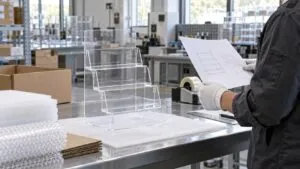
Good packaging is not just a carton.
It is a system.
For acrylic products, I normally think about four layers:
Surface protection
- Protective film
- Soft wrapping
- Scratch prevention
Corner protection
- Foam corners
- Edge guards
- Extra space around fragile points
Shape support
- Inner foam structure
- Dividers
- Flat board support for panels
Outer carton strength
- Strong carton
- Proper carton size
- Pallet protection for bulk shipment
Here is a practical packaging checklist:
| Packaging Point | Why It Matters |
|---|---|
| Keep protective film on acrylic | Reduces scratches |
| Avoid part-to-part rubbing | Prevents surface damage |
| Support long panels | Reduces bending |
| Protect corners separately | Prevents crack start points |
| Use foam dividers | Stops pressure concentration |
| Test carton compression | Reduces stacking damage |
Shipping can turn a small material weakness into a real warranty problem.
But sometimes the complaint is not about cracks or bending. Sometimes it is about the brand image printed on the acrylic.
That brings us to printing and branding.
Which Acrylic Performs Better for Printing and Branding?
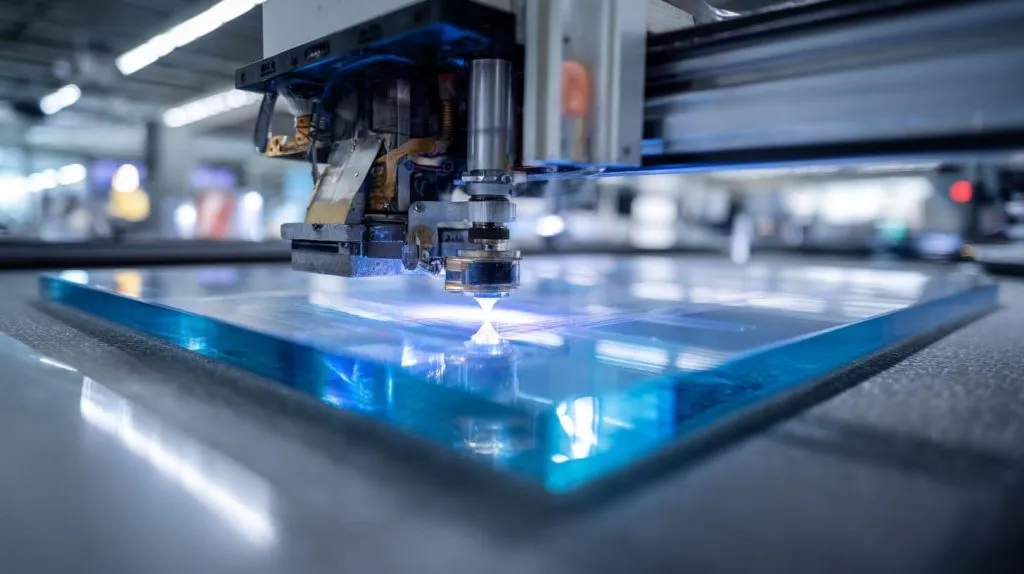
Branding looks simple from the outside.
Put the logo here. Print the color there. Make the edge nice. Ship the goods.
But printed acrylic products have their own risks. Ink adhesion, surface quality, heat, cleaning, and handling all affect the final result.
When I see a branded acrylic display, I do not only look at whether the logo is beautiful. I check whether the printing method matches the material, the surface, and the cleaning environment, because a perfect logo on day one means little if it peels or scratches after two months.
UV printing compatibility differences
UV printing is common for acrylic displays, signs, panels, and branded retail products.
Both cast and extruded acrylic can be UV printed. But the result depends on:
- Surface cleanliness
- Surface energy
- Ink type
- UV curing settings
- Adhesion testing
- Protective coating
- Final use environment
Cast acrylic often gives a better premium feel. It also performs well with engraving and polished edges. Extruded acrylic can also print well, especially for flat panels and large quantity projects.
But if the product needs high-end branding, I become more careful with material choice and testing.
Why some printed acrylic products peel or bubble
Printing failure may not happen immediately.
The print may look fine after production. Then it peels, bubbles, or scratches after shipping or cleaning.
Common reasons include:
| Problem | Possible Cause |
|---|---|
| Ink peeling | Poor surface cleaning or weak adhesion |
| Bubbles | Trapped dust, moisture, or wrong process |
| Scratches on print | No protective coating or poor packing |
| Color change | UV exposure or chemical cleaning |
| Edge lifting | Poor lamination or heat exposure |
Heat can also matter. If a printed panel sits under strong light, dark ink may absorb more heat. That can increase local deformation risk.
So the material and the printing design should be considered together.
A black printed acrylic panel under lighting is not the same as a clear acrylic panel in a cool room.
Screen printing and engraving performance comparison
Screen printing is still useful for many acrylic products, especially when the buyer needs simple colors or repeat orders.
Engraving is also common for awards, signs, labels, and decorative displays.
Cast acrylic usually performs better for engraving. The engraved area often looks cleaner and more frosted. The edge polish is also usually nicer.
Extruded acrylic may engrave with less clean contrast. It may also react differently to heat during laser engraving.
| Branding Method | Cast Acrylic | Extruded Acrylic |
|---|---|---|
| UV printing | Very good | Good if surface is controlled |
| Screen printing | Very good | Good |
| Laser engraving | Cleaner frosted effect | Less ideal in many cases |
| Edge polishing | Better premium look | More stress risk |
| Printed flat panels | Good | Often cost-effective |
For premium branded displays, I usually lean toward cast acrylic. The final look often feels more solid and expensive.
For simple printed flat panels, extruded acrylic can be a practical choice.
Best choices for branded retail displays
Brand owners care about small details.
They may not know the technical difference between cast and extruded acrylic. But they will notice:
- A cloudy edge
- A warped panel
- A scratched surface
- A poor printed logo
- A crack near a screw
- A cheap-looking finish
For luxury products, cosmetics, jewelry, watches, and electronics, the display is part of the brand story.
The acrylic display is not only holding the product. It is also holding the customer’s first impression.
| Brand Display Type | Suggested Choice | Reason |
|---|---|---|
| Luxury cosmetic display | Cast acrylic | Better finish and durability |
| Simple promotional stand | Extruded acrylic | Cost-effective |
| Logo sign with polished edge | Cast acrylic | Cleaner edge and engraving |
| Flat printed panel | Extruded or cast | Depends on budget and quality level |
| LED branded display | Cast acrylic | Better heat stability |
Printing problems can hurt a brand faster than a hidden technical issue. Customers see the logo first.
But warranty complaints do not come from one category alone. They collect over time.
So now we need to ask the big question.
Which Acrylic Creates More Long-Term Customer Complaints?

If we only look at the sheet price, extruded acrylic often looks attractive.
If we only look at premium finish, cast acrylic often looks safer.
But warranty complaints do not care about our first impression. They care about the whole product life.
The real question is not, “Which acrylic is better?”
The real question is:
Which acrylic creates fewer problems for this exact product after fabrication, shipping, cleaning, and daily use?
The part that often decides the complaint is not the sheet type alone. It is the gap between what the buyer expects and what the material can safely handle.
Most common warranty complaints from buyers
In acrylic products, I often see warranty complaints in several main areas.
| Complaint Type | Common Cause | More Common Risk |
|---|---|---|
| Cracking | Stress, drilling, tight screws | Extruded acrylic if poorly processed |
| Warping | Heat, thin sheet, poor support | Extruded acrylic |
| Crazing | Cleaner plus hidden stress | Extruded acrylic |
| Scratches | Handling, cleaning, packaging | Both |
| Edge chips | Poor edge finishing or shipping | Both |
| Yellowing complaint | Wrong expectation or poor material | Depends on material quality |
| Poor printing | Adhesion or packing issue | Both |
Cast acrylic usually reduces some risks. But it cannot fix bad design.
Extruded acrylic can work well. But it needs tighter control in risky applications.
This is why I never like simple material answers.
Why the cheapest acrylic sometimes becomes the most expensive
A cheaper sheet can reduce the first quote.
That is real.
But if the finished product fails, the cost becomes much larger.
The buyer may face:
- Replacement product cost
- New packaging cost
- Air freight cost
- Customer complaint handling
- Lost shelf time
- Brand reputation damage
- Supplier trust issues
Here is a simple cost comparison:
| Cost Item | Before Order | After Warranty Problem |
|---|---|---|
| Sheet cost | Easy to compare | Already spent |
| Fabrication cost | Included in quote | Must be repeated |
| Printing cost | Included in quote | Must be repeated |
| Packing cost | Often ignored | Must be repeated |
| Shipping cost | Planned | May become urgent air freight |
| Customer trust | Hard to measure | Very expensive to repair |
A buyer may save 8% on material and lose 30% later on after-sales handling.
That is not good purchasing. That is delayed cost.
The role of factory process control in reducing problems
Material matters. Process control matters just as much.
A good factory should think about:
- Sheet source
- Material grade
- Cutting method
- Drill speed
- Hole size
- Edge polishing method
- Glue selection
- Annealing when needed
- Printing adhesion
- Packaging design
- Final inspection
Annealing can help reduce stress in some acrylic products. It is especially useful for parts with more machining, polishing, or chemical exposure risk.
But annealing also adds time and cost.
So the factory must judge when it is necessary.
| Process Control Point | Why It Matters |
|---|---|
| Proper cutting settings | Reduces edge stress |
| Correct drilling method | Prevents cracks near holes |
| Rounded corners | Reduces crack start points |
| Controlled polishing | Prevents crazing |
| Good glue method | Reduces joint stress |
| Annealing when needed | Reduces internal stress |
| Real packaging test | Reduces shipping claims |
Acrylic warranty is often decided before the product is assembled.
That may sound strange, but it is true.
How experienced buyers evaluate total risk instead of sheet price
Experienced buyers do not only ask, “How much is cast acrylic?” or “How much is extruded acrylic?”
They ask better questions.
For example:
- Will this product be cleaned daily?
- Will it sit near heat?
- Will it use screws?
- Will it need polished edges?
- Will it carry weight?
- Will it ship assembled or flat-packed?
- Will the customer touch it often?
- Will the brand accept small visual defects?
- Will replacement shipping be expensive?
That is how a buyer moves from price thinking to risk thinking.
| Buyer Question | Why It Matters |
|---|---|
| Where will the product be used? | Environment controls failure risk |
| How will users clean it? | Cleaner can cause crazing |
| Is the product near light or heat? | Heat can cause warping |
| Are there many drilled holes? | Holes can crack |
| Is the item premium branded? | Surface and edge quality matter |
| Is shipping distance long? | Packaging risk increases |
| Can the user accept small deformation? | Appearance standards differ |
For simple, low-risk products, extruded acrylic may be perfectly fine.
For premium, machined, heated, chemically exposed, or long-life products, cast acrylic is often the safer choice.
But buyers still need a practical decision method.
So let’s make the choice easier.
How Should Buyers Choose Between Cast and Extruded Acrylic?
Acrylic selection should not feel like a guessing game.
It should feel like a project decision.
The material should match the design, process, budget, and real use. If one part of that chain is ignored, the product may still look good in the sample stage, but problems may appear later.
Before I recommend cast or extruded acrylic, I try to imagine the product after six months of use, not only after six minutes on the inspection table.
When extruded acrylic is the smarter choice
Extruded acrylic can be a smart choice when the design is simple and the risk is low.
I may choose extruded acrylic for:
- Simple flat displays
- Price-sensitive promotional products
- Large quantity projects
- Protective covers with basic shapes
- Simple signage panels
- Products with limited drilling or polishing
- Indoor use with low heat and low chemical exposure
Extruded acrylic has real advantages:
| Advantage | Why Buyers Like It |
|---|---|
| Lower cost | Better for tight budgets |
| Uniform thickness | Useful for flat panels |
| Faster supply | Good for volume orders |
| Good clarity | Suitable for many displays |
| Easy for simple shapes | Good production efficiency |
But I would be careful if the product needs many holes, polished edges, bending, heat exposure, or frequent cleaning.
In those cases, the low sheet cost may not be worth the risk.
When cast acrylic is worth the higher cost
Cast acrylic is usually worth the cost when the product needs better long-term stability, cleaner machining, or a more premium finish.
I may choose cast acrylic for:
- Luxury retail displays
- Cosmetic display stands
- Thick acrylic blocks
- Engraved awards
- Polished-edge products
- LED displays
- High-end signage
- Products with many drilled holes
- Products exposed to cleaners
- Custom parts with tight quality expectations
Cast acrylic gives more room for safety.
| Project Need | Why Cast Acrylic Helps |
|---|---|
| Premium appearance | Better edge and surface feel |
| CNC machining | Cleaner cutting behavior |
| Engraving | Better frosted effect |
| Chemical exposure | Better resistance |
| Heat exposure | Better stability |
| Complex assembly | Less stress risk |
| Long-term display use | Fewer appearance complaints |
But cast acrylic is not always necessary.
If the product is simple and the buyer only needs a cost-effective flat panel, cast acrylic may be overkill.
Good material selection is not about choosing the most expensive option. It is about choosing the option that matches the risk.
Questions buyers should ask suppliers before ordering
Before placing an order, I suggest buyers ask practical questions.
Not vague questions like, “Is the quality good?”
That question is too easy to answer.
Ask questions that reveal risk.
| Question | Why It Helps |
|---|---|
| Is the sheet cast or extruded? | Confirms material type |
| What brand or grade is the acrylic? | Helps judge consistency |
| Will the edges be laser cut, CNC cut, or polished? | Shows fabrication risk |
| Are the holes drilled or laser cut? | Affects cracking risk |
| Do you recommend annealing? | Shows stress control thinking |
| Can this product handle alcohol cleaning? | Tests real-use risk |
| How will the product be packed? | Reduces shipping claims |
| Is the sample made with the same material as mass production? | Avoids sample-production mismatch |
That last question is very important.
Sometimes a sample is made with one material, but mass production uses another to reduce cost. This can create a serious expectation gap.
For custom acrylic products, sample consistency matters.
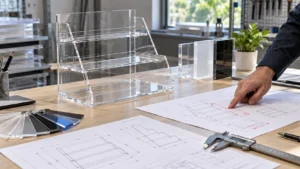
A simple decision framework for product designers
Here is the simple framework I use.
| Project Condition | Better Choice |
|---|---|
| Simple flat indoor panel | Extruded acrylic |
| Premium cosmetic display | Cast acrylic |
| Many drilled holes | Cast acrylic |
| Tight budget, simple design | Extruded acrylic |
| LED or heat exposure | Cast acrylic |
| Frequent cleaning | Cast acrylic |
| Large promotional order | Extruded acrylic |
| Thick polished block | Cast acrylic |
| Complex CNC machining | Cast acrylic |
| Short-term display use | Extruded acrylic may work |
| Long-term brand display | Cast acrylic |
I also like this quick risk scoring method:
| Risk Factor | Low Risk | High Risk |
|---|---|---|
| Heat | Cool indoor use | LED, sunlight, warm area |
| Chemicals | Dry display | Daily cleaner, cosmetics |
| Machining | Simple cut | Many holes, CNC, polishing |
| Appearance | Basic function | Premium brand display |
| Shipping | Small and strong | Large, thin, fragile |
| Use time | Short promotion | Long-term store use |
If most factors are low risk, extruded acrylic may be fine.
If several factors are high risk, I usually move toward cast acrylic.
Acrylic does not reward blind cost saving. It rewards honest project judgment.
Now let’s close this in the same way I would explain it to a serious buyer before production starts.
Conclusion
Cast acrylic and extruded acrylic both have value.
I do not see one as “good” and the other as “bad.” That kind of thinking is too simple for real manufacturing.
Extruded acrylic can be a smart choice for simple flat parts, large quantity projects, and budget-sensitive displays. It can help buyers control cost. It can also give good clarity and stable thickness.
Cast acrylic is usually safer for premium displays, polished edges, drilling, CNC machining, heat exposure, chemical exposure, and long-term commercial use. It often creates fewer warranty risks when the product needs a better finish and more stable performance.
The point I care about most is this:
Warranty problems usually come from wrong matching, not only wrong material.
A buyer may choose extruded acrylic for a product that should have used cast acrylic. A factory may cut too fast, polish too hot, drill too close to the edge, or pack too tightly. A final user may clean the product with the wrong chemical. Each small choice adds pressure.
Then the acrylic “fails.”
But many times, the failure started earlier in the decision process.
My own view is simple. I prefer to spend more time before production asking boring questions. Where will the product be used? How will it be cleaned? Will it sit near heat? Will there be screws? Will the edge need polishing? Will the brand accept small defects? These questions do not sound exciting, but they protect the buyer’s money.
For custom acrylic displays, boxes, stands, organizers, and branded retail products, the right material choice can reduce cracks, warping, crazing, shipping damage, and customer complaints.
If you are developing a custom acrylic product and you are not sure whether cast or extruded acrylic is safer, send us your drawing, application details, thickness request, quantity, and use environment.
At Feilong Acrylic, we can help review the design from a real production point of view. We can suggest the suitable material, fabrication method, and packaging plan before the problem becomes a warranty claim.