Skip to content

I've always found working with plexiglass both rewarding and a bit tricky. The first time I tried drilling through it, I ended up with cracks and a ruined piece. Over the years, I've picked up some tips that make the process smoother and thought I'd share them with you.
To drill through plexiglass without cracking it, use a specialized plexiglass drill bit or modify a regular one by dulling the tip slightly. Secure the plexiglass firmly, use a slow drill speed, and apply gentle, consistent pressure. This prevents overheating and cracking, ensuring a clean hole.
But there's more to it than just that. Let's delve deeper into the nuances of drilling through plexiglass.
How do you drill through plexiglass?
Drilling through plexiglass isn't as daunting as it seems once you know the right techniques. I've learned that preparation is key to preventing unwanted cracks or chips.
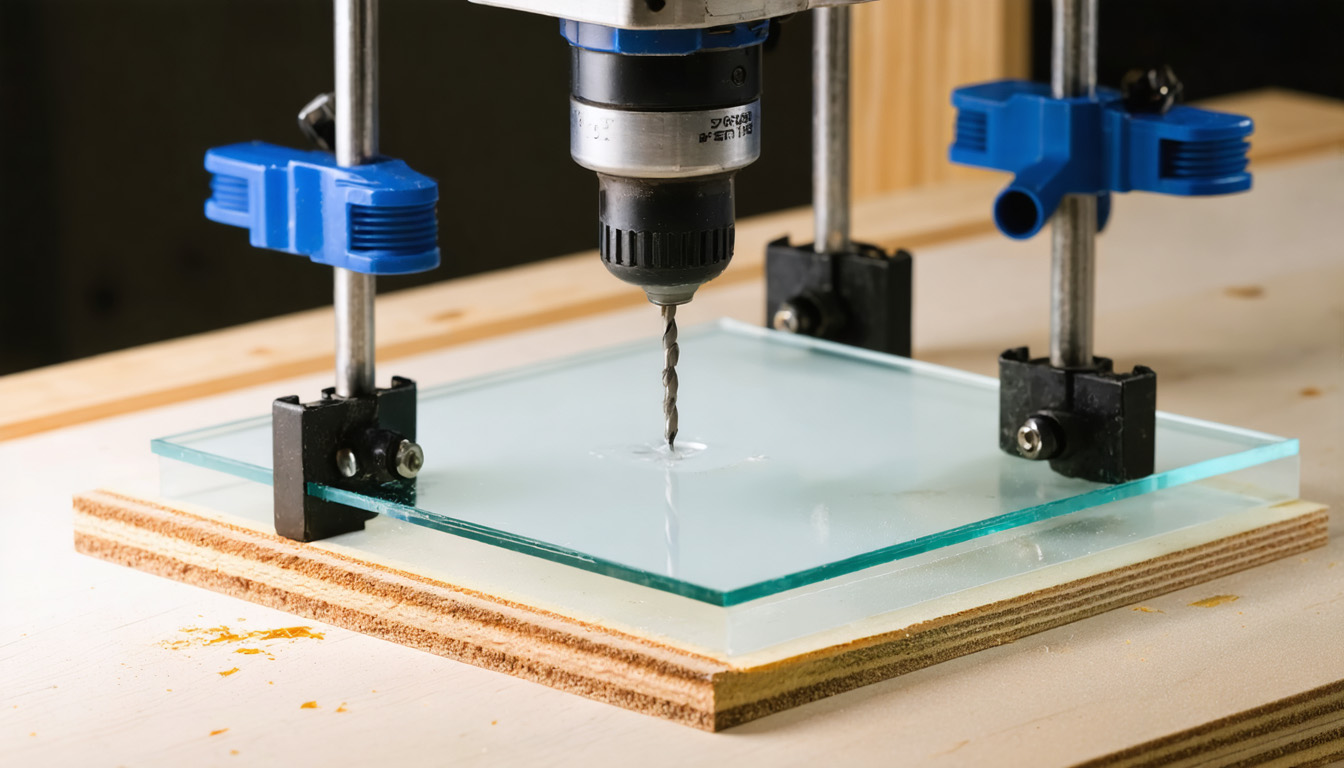
Start by marking the spot where you want to drill. Use a sharp drill bit designed for acrylics or modify a standard bit by dulling its tip. Secure the plexiglass on a flat surface with clamps, and drill at a slow speed with light pressure to avoid generating too much heat.
Choosing the Right Tools
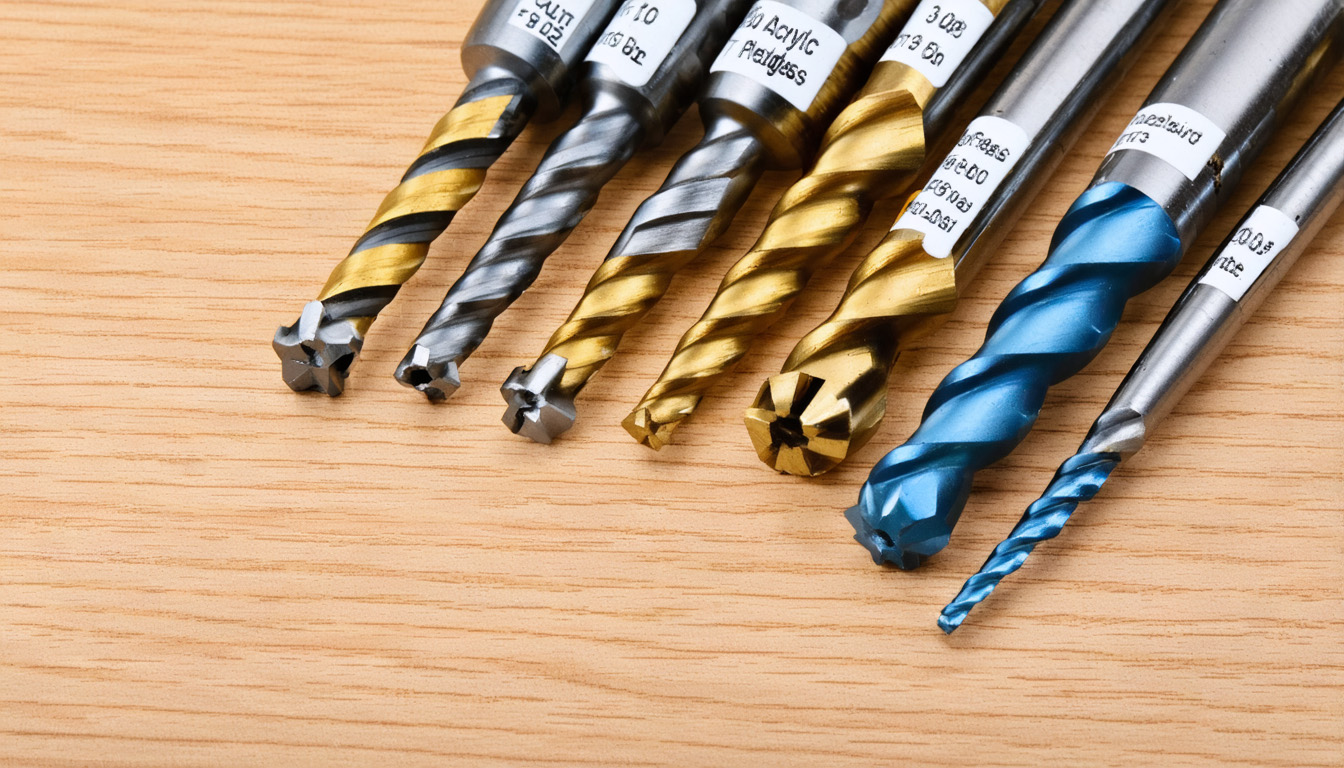
Using the correct drill bit makes a world of difference. Acrylic drill bits have a different tip angle, which helps in cutting through plexiglass smoothly.
| Drill Bit Type | Suitable for Plexiglass |
|---|---|
| Standard Metal Bit | No |
| Modified Metal Bit | Yes (if the tip is dulled) |
| Acrylic/Plexiglass Bit | Yes |
Securing the Material
Always place the plexiglass on a sturdy surface. Clamps prevent movement, reducing the risk of cracks.
- Use rubber clamps to avoid scratches.
- Place a scrap piece of wood underneath to prevent a blowout when the drill exits.
Drilling Technique
- Speed: Keep the drill speed low.
- Pressure: Apply steady, gentle pressure.
- Cooling: Occasionally lift the drill to allow heat to dissipate.
Following these steps makes drilling a straightforward task, and the plexiglass remains intact.
What speed do you drill plexiglass?
Speed control is crucial when drilling plexiglass. I learned this the hard way when I rushed and ended up melting the material.
When working with plexiglass, drill at a slow speed, typically under 500 RPM. This reduces heat buildup, which can melt the material or cause cracks. Taking your time and applying gentle pressure for a clean hole is better.
Understanding Drill Speeds
High speeds generate friction, leading to heat. Heat is the enemy of plexiglass.
- Low Speed (<500 RPM): Ideal for plexiglass.
- Medium Speed (500-1500 RPM): Use with caution.
- High Speed (>1500 RPM): Not recommended.
Tips for Managing Heat
- Pause Regularly: Let the material cool down.
- Use Lubricants: Water or drilling oils can reduce heat.
- Sharp Bits: Sharp tools require less force, reducing friction.
By controlling the speed, you ensure the plexiglass remains cool and crack-free during drilling.
When holes are drilled completely through Plexiglas?
Drilling all the way through plexiglass requires a bit of finesse to prevent chipping on the exit side. I've found that backing the material helps immensely.
When drilling completely through plexiglass, place a backup material like wood underneath. This supports the plexiglass as the drill exits, preventing chipping or blowout. Drill slowly and maintain steady pressure throughout the process.

The Role of Backup Material
Supporting the backside of the plexiglass is essential.
- Prevents Blowout: The backup material absorbs the drill's force as it exits.
- Provides Stability: Keeps the plexiglass from flexing.
Drilling Technique for Through Holes
- Secure Both Materials: Clamp the plexiglass and backup material together.
- Consistent Pressure: Don't push too hard as the drill breaks through.
- Finish Gently: Slow down even more as you near the exit point.
This method ensures clean holes without damaging your plexiglass piece.
How do you enlarge a hole in plexiglass?
Enlarging holes can be tricky. I remember trying to force a larger drill bit into an existing hole—not the best idea.
To enlarge a hole in the plexiglass, use a step drill bit or reamer. These tools gradually increase the hole size without applying excessive force. Secure the plexiglass, and drill slowly to prevent cracking or chipping around the hole.
Tools for Enlarging Holes
- Step Drill Bit: Ideal for incremental increases.
- Reamer: Smoothly enlarges holes with minimal stress.
| Tool | Best For |
|---|---|
| Step Drill Bit | Small to medium holes |
| Reamer | Precise enlargements |
Technique Tips
- Avoid Standard Bits: They can catch and crack the plexiglass.
- Secure Material: Prevents movement during drilling.
- Lubricate if Necessary: Reduces friction and heat.
Taking it slow and using the right tools makes enlarging holes a safe task.
What is the best drill bit for drilling plexiglass?
Using the right drill bit is half the battle won. After experimenting with various types, I've settled on what works best.
Specialized plexiglass or acrylic drill bits are the best for drilling plexiglass. They have a tip angle of 60-90 degrees, which reduces chipping and cracking. If unavailable, you can modify a standard metal drill bit by dulling its sharp tip slightly.
Characteristics of Ideal Drill Bits
- Tip Angle: Less aggressive to prevent cracking.
- Flute Design: Helps remove debris efficiently.
- Material: High-speed steel or carbide-tipped for durability.
Modifying Standard Bits
If specialized bits aren't accessible:
- Dull the Tip: Use a sharpening stone to slightly flatten the sharp point.
- Adjust the Angle: Aim for a 60-90 degree tip angle.
- Test on Scrap Material: Ensure it works smoothly before the actual piece.
Investing in the right drill bit saves time and prevents material waste.
How to drill through plastic without cracking it?
Plastic materials can be unforgiving. I've cracked my fair share before mastering the technique.
To drill through plastic without cracking, use a sharp drill bit appropriate for plastic, secure the material firmly, and drill at a slow speed with light pressure. Cooling the drill bit periodically and using a backing material can also help prevent cracks.
General Tips for Drilling Plastic!
- Use the Right Bit: Acrylic or brad-point bits work well.
- Secure the Plastic: Clamps keep it steady.
- Control Speed and Pressure: Reduces heat and stress.
Cooling Techniques
- Pause Drilling: Allow heat to dissipate.
- Use Coolants: Water can act as a simple coolant.
- Sharp Tools: Require less force, generating less heat.
By applying these methods, drilling through plastic becomes a hassle-free process.
Conclusion
Drilling through plexiglass doesn't have to be a nerve-wracking experience. With the right tools, techniques, and a bit of patience, you can achieve clean, precise holes without any cracks or chips. I hope these tips help you in your next plexiglass project!