Skip to content

I remember the first time I saw a fluorescent acrylic painting. It was in a small gallery downtown, and I felt like I had stepped into another dimension filled with neon glow. That night, I couldn’t stop thinking about how these luminous works could lose their spark if not cared for properly. Over the years, I’ve learned a few things about preserving these stunning pieces, and I'd love to share them with you now.
Overview of Fluorescent Acrylic Paintings
Fluorescent acrylic paintings aren’t just regular acrylic pieces. They contain special pigments that glow under certain light conditions. These pigments offer a jaw-dropping visual impact. But they also come with a set of vulnerabilities. I’ve often compared them to delicate flowers: they need the right environment, protection, and cleaning routine to keep their radiance.
From a critical angle, I ask myself: Is it always worth using fluorescent pigments, given their sensitivity? On one hand, they add a unique glow. On the other, they demand more effort to preserve. Understanding these trade-offs helps me prepare for the extra work.
Importance of Proper Preservation
I’ve met fellow collectors who regretted not taking early preservation steps. Their paintings faded faster than they expected. As someone who works closely with acrylic materials at Feilong Acrylic, I always emphasize the value of prevention. Proper preservation can save both time and money while protecting artwork that holds emotional or cultural significance.
Yet, I also wonder if extended preservation measures might compromise the painting’s original texture or color. That’s why it’s important to use the right methods from the start. It’s like giving your painting a suit of armor—without sacrificing its beauty.
Before we dive into specific preservation strategies, let me explain how these paintings are made and why they can be so tricky. Trust me, you’ll want to know the basics before you apply any techniques. This knowledge also makes the next part more interesting, so keep reading.
Understanding Fluorescent Acrylic Paintings

I once visited a friend’s workshop where he combined fluorescent pigments with acrylic binders. He compared it to mixing flour and sugar for a cake—every ingredient had to be perfectly balanced. After seeing his process, I realized why these paintings can be fragile.
The Composition of Fluorescent Pigments
Fluorescent pigments typically contain compounds that absorb light and re-emit it at higher wavelengths. This is where the magical glow comes from. It’s almost like a tiny science experiment on canvas. When I step back and think critically, I consider the environmental toll. Some fluorescent pigments might include ingredients that aren’t eco-friendly. That’s why I encourage looking for options certified as safe and sustainable if possible.
Key Properties of Acrylic Binders
The acrylic binders serve as the “glue” holding everything together. They provide flexibility and adhesion. But they have limits. High heat or intense light can weaken them. In my experience, even the best acrylic binder can yellow over time if exposed to harsh conditions. It’s helpful to take an honest look at how much sunlight your artwork might encounter. If it’s a lot, protective measures become vital.
Common Fading and Color Shift Challenges
One painting I saw had a patchy glow, with some colors bright and others dull. The artist told me it was because he used low-quality pigments. On another note, moisture can also warp the binder, leading to uneven surfaces and color distortion. We must weigh the brilliance of fluorescent paint against its potential downsides. By doing so, we’re more prepared to tackle issues like fading.
Let’s move forward and see what can undermine our paintings in their everyday environment. Sometimes, it’s the simple stuff—like how we manage temperature or dust—that makes the biggest difference.
Environmental Factors Affecting Longevity

I once stored a bright orange fluorescent piece in a damp warehouse. Big mistake. It warped within weeks. I realized then that environment is everything. It’s like putting a delicate orchid in direct sunlight—it’s going to suffer.
Temperature and Humidity Control
If the temperature rises too high, pigments can degrade faster. Humidity can encourage mold growth, which leads to irreversible damage. I often ask myself: is it worth displaying a painting in a room if it’s not climate-controlled? Sometimes it’s better to keep it in a stable environment, especially if you value its glow.
Temperature & Humidity Table
| Factor | Recommended Range | Potential Impact if Ignored |
|---|---|---|
| Temperature | 18-24°C (64-75°F) | Accelerated fading, warping |
| Relative Humidity | 40-50% | Mold growth, color shifts, curling |
By looking at this table, I see clear guidelines that help me avoid climate mishaps. It’s simple but effective, like a handy roadmap.
Optimal Lighting Conditions
Lighting can make or break the life of a fluorescent acrylic painting. I keep my brightness levels moderate. Direct sunlight is gorgeous but also harmful. I consider investing in LED lights with low heat output. That way, I protect the painting and still enjoy its vibrant colors.
The critical question here is whether to display the painting under strong UV lights to amplify the glow or to safeguard it by limiting exposure. Balancing these desires can be tough, but proper lighting technology can help. Think of it as finding that sweet spot between art appreciation and art conservation.
Avoiding Harmful Pollutants and Dust
Dust is sneaky. It accumulates in corners and sticks to surfaces. I’ve learned the hard way that frequent gentle cleaning is essential. Pollutants like smoke or chemical fumes can also react with paint layers. I ask myself: is my artwork near a cooking area or a fireplace? If yes, I move it to a safer spot. It’s better to be proactive than see that hazy film develop over time.
Now that we’ve looked at what can go wrong in our daily environment, let’s explore how we can shield these paintings effectively. Sometimes, a protective coating goes a long way.
Protective Coatings and Sealing Methods
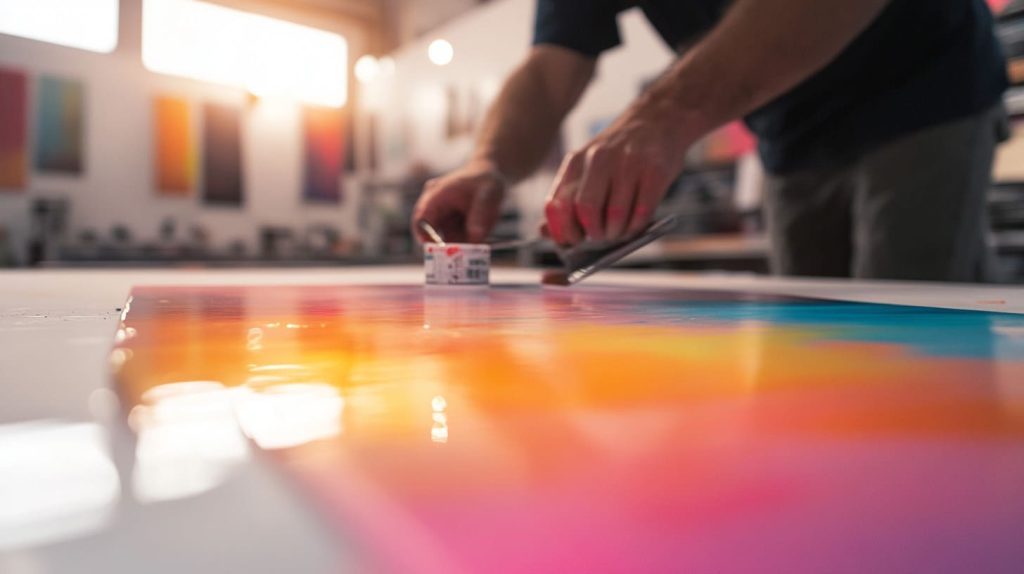
After helping a friend restore a water-damaged painting, I realized how a good varnish could have saved him a lot of hassle. A protective layer isn’t just for show. It can be the difference between a painting that thrives and one that fades away.
Choosing UV-Resistant Varnishes
I like to compare UV-resistant varnishes to sunblock. They minimize harmful rays. But not all brands are made equal. Some are thick, others are thin. Each has pros and cons. It’s wise to look for a varnish specifically designed for fluorescent or brightly colored artwork.
Still, I sometimes question: do we risk altering the painting’s original sheen? High-gloss varnishes can deepen colors but can also create reflections. It’s a personal choice, one that requires testing on a small area first.
Proper Application Techniques
Applying varnish in a dust-free space is key. I remember trying to varnish a piece in a room with an open window. A gust of wind blew dust all over. I spent hours fixing that mess. Using a soft brush or spray ensures an even coat. From a critical standpoint, over-varnishing can create a plastic-like appearance. So, moderation is important.
Layering and Maintenance of Varnish
Adding multiple thin coats can offer better protection. Yet, each coat must dry thoroughly. If not, moisture could get trapped. On the flip side, too many layers might dull the fluorescent effect. I like to weigh how visible the painting will be—if it’s in a gallery, maybe I add extra layers for safety. If it’s a private collection, fewer layers might suffice.
Next, we’ll explore how to clean these works in a gentle way. Because even the best coating won’t save your painting if you scrub it with a rough cloth.
Safe Cleaning and Maintenance Routines
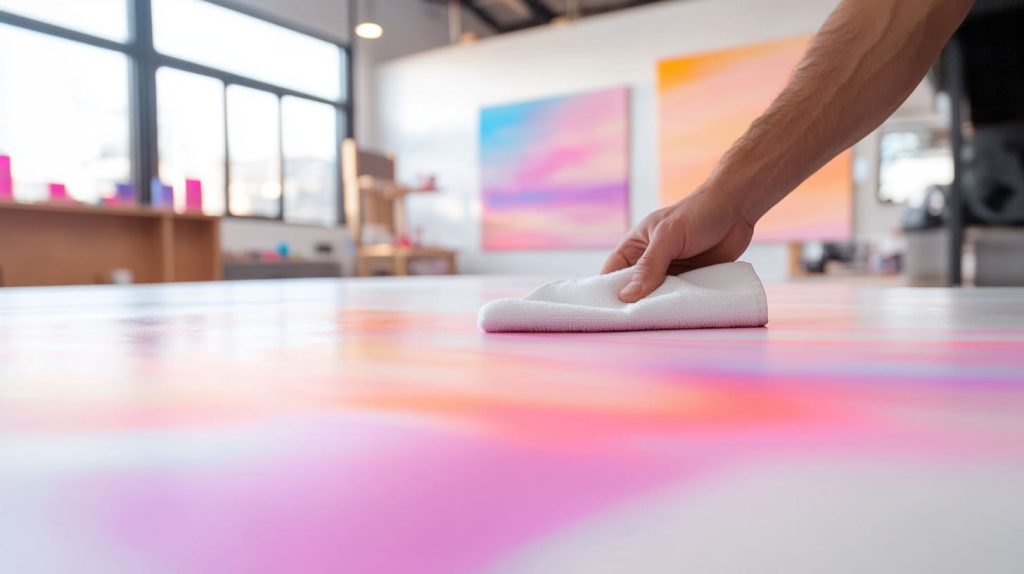
I learned about cleaning fluorescent acrylic paintings the hard way when I accidentally scratched a precious piece with a harsh cloth. It taught me the value of using soft and non-abrasive materials. Treat your painting like a newborn.
Recommended Cleaning Materials and Tools
I like using a microfiber cloth or a soft feather duster. You can also consider specialized brushes. The idea is to remove dust without grinding it into the surface. If there’s a stubborn spot, a tiny amount of mild soapy water can help. From another angle, though, I always question whether to avoid any liquid, because moisture can seep in if the varnish isn’t perfect.
Cleaning Essentials Table
| Material | Usage | Pros | Cons |
|---|---|---|---|
| Microfiber Cloth | Light dusting, polishing | Soft, reduces scratches | Needs frequent washing |
| Feather Duster | Quick dust removal | Easy to use | Not for stubborn stains |
| Mild Soapy Water | Stain removal (very small amounts) | Gentle cleaning | Risk of residue if not rinsed |
Gentle Surface Cleaning Methods
Soft, circular motions work well. I avoid pressing too hard. A friend once said, “It’s like wiping a baby's tears.” That visual always stuck with me. If you press too hard, you might remove paint layers or scuff the surface. From a critical standpoint, we sometimes wonder if minimal cleaning is best—only when absolutely necessary. That’s a decision each owner must make.
Regular Inspection and Upkeep Checklist
Inspect the painting monthly. Check for signs of fading, dust buildup, or moisture damage. I keep a log to note any changes. Some folks might find this excessive, but I’d rather catch small issues early. A short and simple checklist can go a long way:
- Look for fading edges.
- Gently remove dust.
- Check the varnish for cracks.
- Confirm the room’s temperature is stable.
We’ve covered cleaning. Let’s see how to store or display these paintings so they keep glowing without interruption.
Storage and Display Considerations

I once kept a vibrant pink painting in a dark storage room, and when I took it out months later, it looked just as bright. Proper storage saved that piece. It was a relief and a lesson learned.
Selecting the Right Storage Materials
I use acid-free materials whenever possible. Cardboard boxes that contain acids can yellow or degrade your painting over time. It’s important to weigh the cost of premium storage solutions against the potential damage from cheaper options. For me, the math always leans toward investing in good materials.
Ideal Display Conditions
I like to display fluorescent paintings in areas where I control the lighting. Indirect light or adjustable LEDs are often best. I also consider visitors—do I want them to experience the full glow, or is a softer effect enough? Either way, I avoid direct sun. My aim is for a balanced environment that doesn’t push the painting to its breaking point.
Utilizing Protective Acrylic Cases or Frames
At Feilong Acrylic, we’ve designed custom acrylic cases that help preserve fluorescent works. These cases act like a shield, keeping out dust and reducing UV exposure. I’ve watched how a well-fitted case can make the difference between a faded painting and one that retains its vibrancy. Critically speaking, some purists argue that cases reduce the intimacy with the artwork. I understand that viewpoint. But if you weigh it against the possibility of irreversible fading, a protective case might be the better choice.
Let’s now wrap up this conversation with a final look at key takeaways. I believe a little knowledge goes a long way in preserving the magic of fluorescent acrylic art.
Conclusion

Recap of Key Preservation Strategies
Preserving fluorescent acrylic paintings comes down to careful attention. Manage your environment. Apply protective coatings wisely. Clean gently with the right tools. Store or display your artwork in conditions that support its unique glow. Every step matters.
Final Thoughts and Next Steps
I’ve seen the heartbreak of a cherished piece losing its luster. Yet, I’ve also witnessed the joy of seeing those neon hues remain vivid over time. With the right approach, you can keep your fluorescent acrylic paintings shining for years. And if you ever need specialized acrylic cases or stands, you know we at Feilong Acrylic have the know-how to help. I hope these tips guide you well on your journey of protecting what you love.