Skip to content
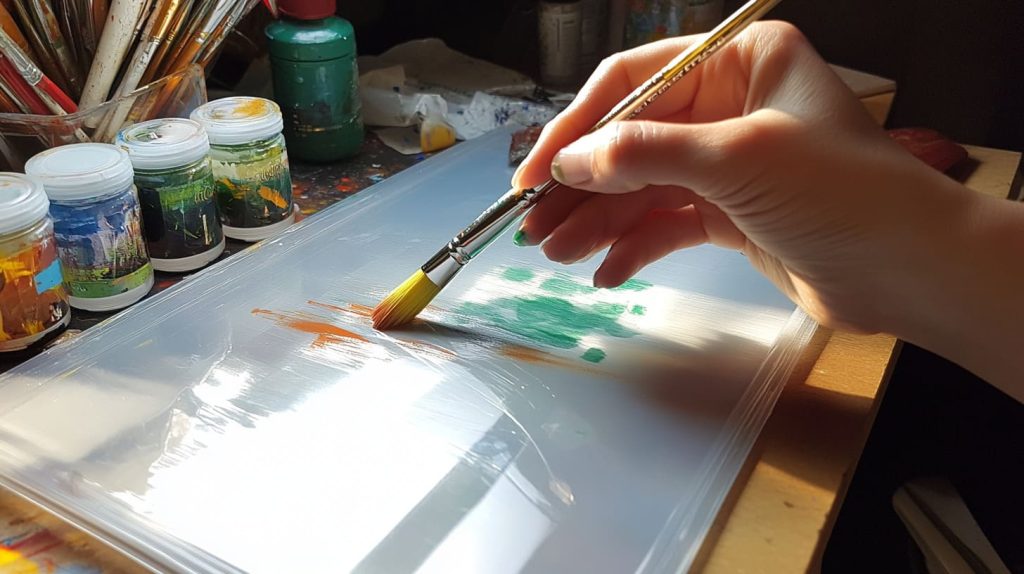
You’re holding a freshly cleaned piece of plastic, brush in hand, and a jar of acrylic paint open beside you. It feels like it should be simple—dip, stroke, done. But then, halfway through your project, the paint starts sliding, pooling, or flaking off like it never wanted to stick in the first place.
I’ve seen this happen dozens of times, especially in our workshop at Feilong Acrylic when clients request custom-painted prototypes or display pieces. It’s not always the paint’s fault, and it’s definitely not yours either. The truth is, plastic surfaces have their own quirks and rules—ones that acrylic paint doesn’t naturally play well with.
This guide is here to break down why that happens—and more importantly, how you can make acrylic paint bond beautifully to plastic, whether you're prepping for mass production or just trying to get a clean finish on a sample piece.
Now let’s dive deeper into what’s really stopping acrylic paint from sticking—and what to do about it.
Why Acrylic Paint Doesn’t Naturally Stick to Plastic
Low Surface Energy and Poor Wetting
When a surface has low surface energy—think of Teflon or a well-waxed car—liquids bead up instead of spreading. Most consumer plastics sit in the same slipperier-than-soap category. Paint can’t dig in; it just perches.
Non-Porous & Ultra-Smooth Surfaces
Unlike wood or unglazed ceramics, plastic has zero pores. There’s nowhere for pigment to anchor. A smooth ABS sheet feels like glass under a fingertip. The smoother the surface, the easier paint slides off.
Plasticizers, Oils, and Mold-Release Residues
Manufacturers add plasticizers for flexibility and coat molds with release agents so parts pop out cleanly. Both leave invisible films that repel water-based paints. If you’ve ever touched a new phone case and felt a faint slickness—that’s what we’re fighting.
A quick reality check: knowing the “why” is useful, but the real magic starts when we identify exactly which plastic we’re dealing with…
Identifying Types of Plastic and Their Paintability
High- vs Low-Surface-Energy Plastics (ABS/PVC vs PE/PP)
- High-energy group: ABS, PVC, polycarbonate. Paint has a fighting chance here.
- Low-energy group: Polyethylene (PE), polypropylene (PP). Expect serious prep or special primers.
Quick Field Tests to Spot the Resin Family
- Water Drop Test: Does the droplet spread (maybe ABS) or bead tightly (likely PE/PP)?
- Flex Snap: ABS snaps clean, PP bends and turns white.
- Smell of a Shave: Heat a tiny sliver—ABS smells acrid, PE smells like candle wax.
How Recycling Codes Guide Adhesion Expectations
| Code | Polymer | Surface Energy | Paint Difficulty |
|---|---|---|---|
| #2 | HDPE | Very Low | Hard |
| #5 | PP | Very Low | Hard |
| #7 | ABS/PC | Moderate | Easier |
Once you tag your plastic, the next step is clearing all the invisible grime and controlling the workshop climate…
Key Factors Influencing Adhesion Performance
Surface Cleanliness & Contaminants
Dust, fingerprints, and silicone sprays block adhesion. I wipe parts twice: first with warm, soapy water, then with 70 % isopropyl alcohol.
Ambient Temperature, Humidity & Cure Time Windows
Paint films cure slower in cold or wet air. I aim for 20-25 °C and under 60 % humidity, using a dehumidifier during sticky Guangdong summers.
Flexibility and Thermal-Expansion Mismatch
Plastic expands more than paint when heated. If the coating can’t flex, micro-cracks appear. Flexible additives—or simply thinner coats—keep stress in check.
Clean, dry, and steady climate set the stage, but prep work is only half the story. Let’s roll up our sleeves and see how to rough up that slippery surface…
Surface-Preparation Techniques That Work
Cleaning & Degreasing: Soap, IPA, Anti-Static Wipes
A double-clean routine removes oils and static charges that attract dust. Static sounds trivial—until stray fibers land in your wet coat like bugs on fresh asphalt.
Mechanical Abrasion: Sanding, Micro-Etching, Scotch-Brite
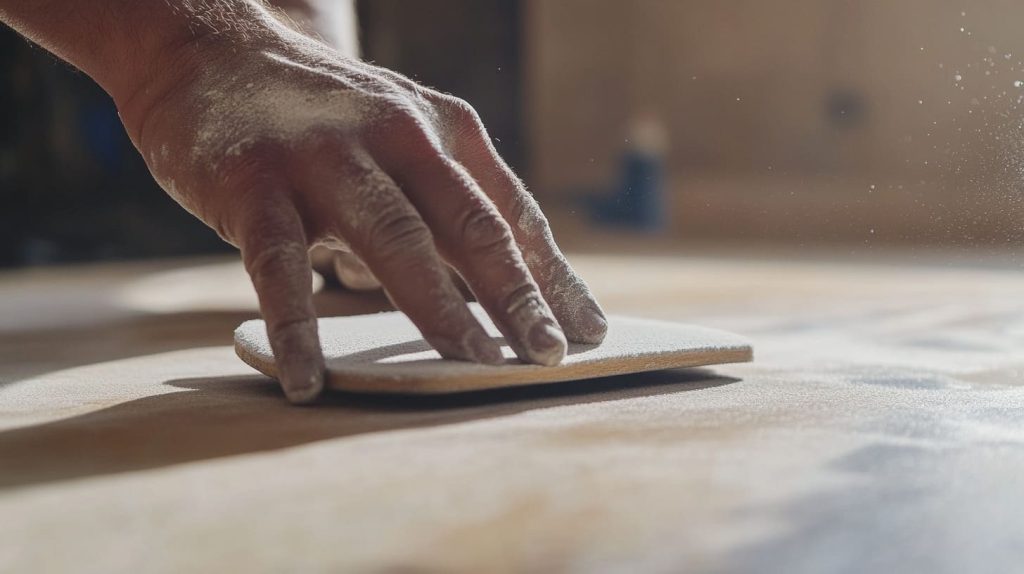
I start with 400-grit, finish with 800, and rinse the dust away. A frosted haze is perfect; deep grooves are not. For tight corners, Scotch-Brite pads save the day.
Chemical & Physical Treatments: Flame, Corona, Plasma
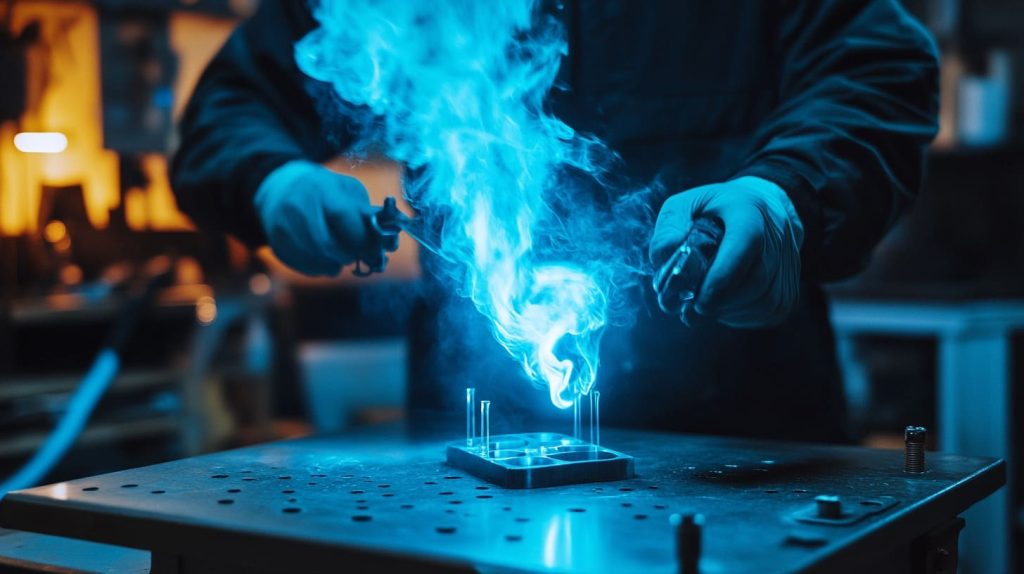
- Flame treating passes the part quickly through a blue flame.
- Corona and plasma treatments create polar sites on low-energy plastics, boosting adhesion up to 600 %.
| Method | Equipment Cost | Learning Curve | Best For |
|---|---|---|---|
| Flame | Low | Easy | Small runs |
| Corona | Medium | Moderate | Flat sheets |
| Plasma | High | Advanced | Complex shapes |
With the surface officially toothy, we still need the secret handshake between paint and polymer—enter primers and adhesion promoters…
Primers and Adhesion Promoters for Plastic
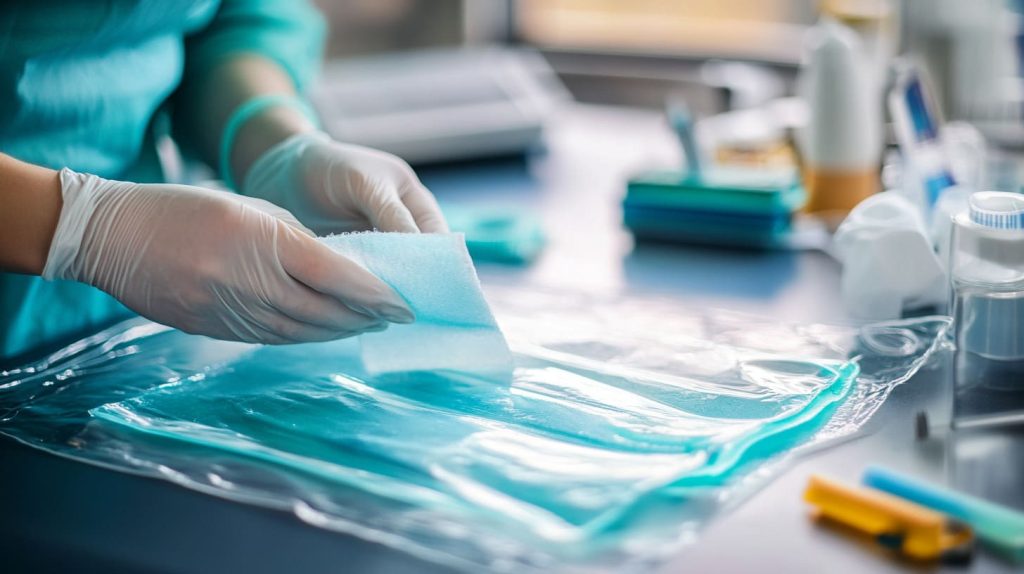
When a Dedicated Plastic Primer Is Mandatory
Low-energy plastics almost demand a specialty primer. Skip it, and you’ll be repainting next week.
Comparing Go-To Brands (Krylon Fusion, Rust-Oleum 2X, Tamiya Fine Surface)
| Brand | Base Type | Dry-to-Touch | Ideal Plastic |
|---|---|---|---|
| Krylon Fusion | Alkyd | 15 min | PP, PE |
| Rust-Oleum 2X | Acrylic | 20 min | ABS, PVC |
| Tamiya Fine | Lacquer | 10 min | Model-grade PS |
DIY vs Industrial-Grade Adhesion Promoters
DIY rattle cans work for prototypes. In Feilong’s production line, we switch to a two-part chlorinated polyolefin (CPO) promoter that bonds like epoxy and smells like victory.
Primer on, tack-free, and ready—time to pick the paint itself, because not all acrylics wear the same armor…
Choosing the Right Acrylic Paint Formulation
Standard Craft Acrylics vs Plastic-Specific Blends
Craft paints dry soft but scratch easily. Plastic blends (check the label) include flex agents and stronger binders.
Viscosity, Pigment Load & Built-In Flex Agents
High pigment equals fewer coats, but too thick can trap bubbles. I thin heavy paints with up to 10 % water for smooth passes through a 1.3 mm spray tip.
Colorfastness, UV Resistance & Outdoor Rating
Outdoor signage needs UV blockers. I learned this the hard way when a bright orange display faded to peach in a Vancouver storefront within a month.
Paint chosen, gun loaded—let’s walk through the actual dance steps on the shop floor…
Step-by-Step Painting Workflow
Workspace Setup & PPE for Pros and Hobbyists
- N95 mask or respirator
- Nitrile gloves
- Grounded booth with laminar airflow
Layering Strategy: Thin Coats, Flash Times, Tack Checks
- First mist coat: almost translucent.
- Second medium coat: 10-minute flash.
- Optional third coat: only if coverage looks thin.
Curing, Forced-Air Drying & Oven-Bake Options
Room cure works, but a 60 °C oven cuts cure time in half. Just watch the plastic’s softening point—no one wants saggy edges.
Coats are dry and look glossy, yet durability comes from what you do next—seal it like you mean it…
Sealing and Protecting the Finish
Clear-Coat Choices: Acrylic, PU, Epoxy, UV-Cured
| Clear Coat | Hardness | Yellowing Risk | Recoat Time |
|---|---|---|---|
| Acrylic | Medium | Low | 30 min |
| PU | High | Medium | 2 h |
| Epoxy | Very High | High | 6 h |
| UV-Cured | High | Very Low | Instant |
Scratch, Chemical & Weather-Resistance Testing
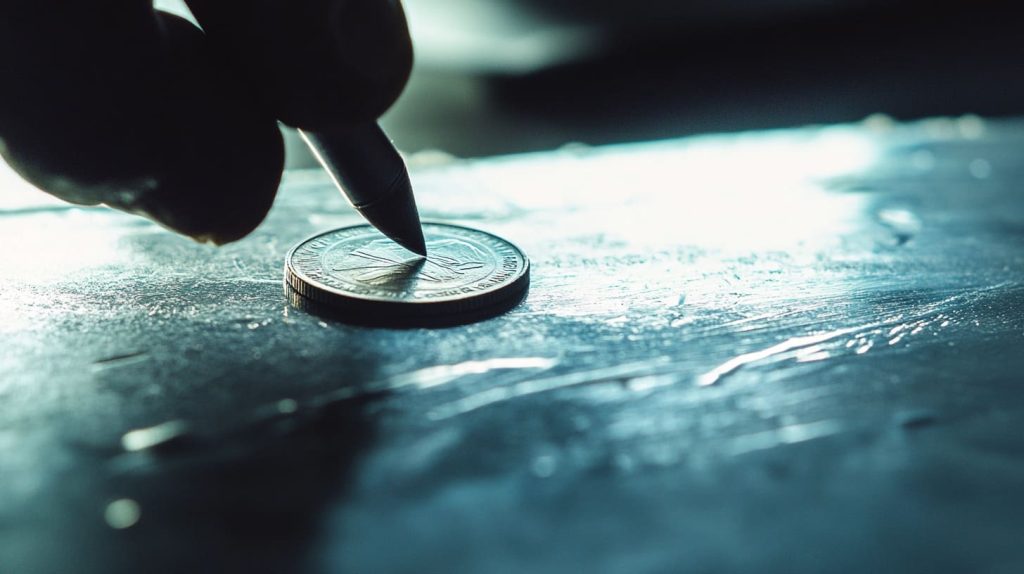
We use a coin-scratch test and 24-hour alcohol rub. If it passes, it’s ready for Jacky’s cosmetic displays.
Maintenance Tips for Long-Term Durability
Gentle soap, no ammonia cleaners, and microfiber cloths keep the shine without clouding the clear coat.
Even with the best prep, mistakes sneak in. Let’s troubleshoot before that trade-show deadline hits…
Common Mistakes and How to Fix Them
Peeling, Flaking, Bubbling — Root Causes & Remedies
- Peeling: surface not scuffed enough. Sand and re-prime.
- Bubbles: air trapped; thin paint or lower gun pressure.
Stress-Cracks from Flex or Impact
Use flexible additives or switch to a softer clear coat.
Color Shift, Streaks, and Coverage Issues
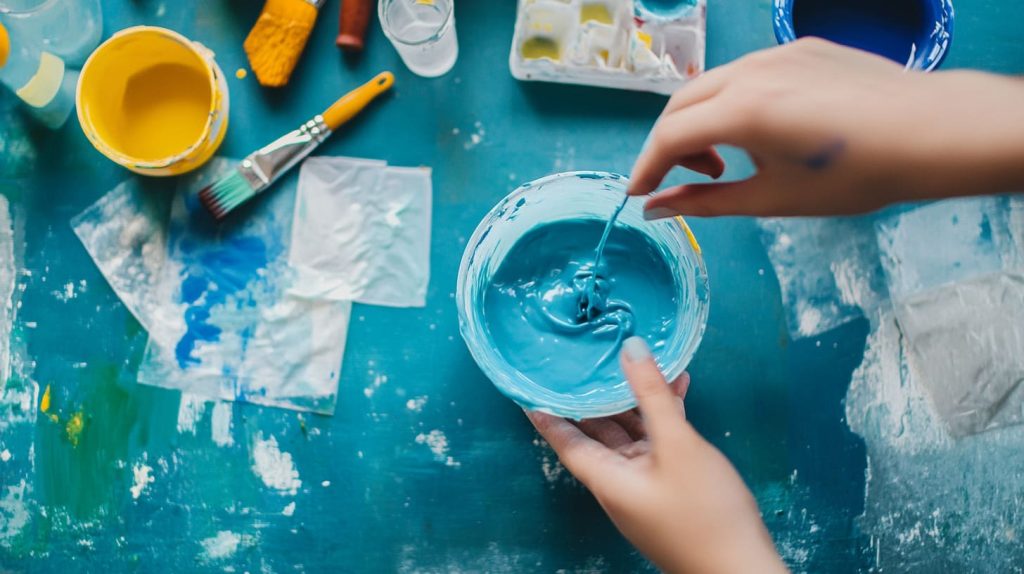
Mix gently but thoroughly; strained paint stops pigment lumps that streak.
That covers the pitfalls, but where does all this matter in real life? Let’s dive into actual use cases…
Application Scenarios for Designers & Manufacturers

Retail Display Prototypes & Short-Run Productions
Fast color tweaks help buyers visualize final branding without re-tooling molds.
Cosmetic Organizers and Décor Pieces for Feilong Acrylic Clients
Our clients love seasonal shades. A primed, paintable base lets them refresh a line without starting from scratch.
Outdoor Signage, Automotive Trim & Industrial Casings
UV-stable clear coats and flexible primers turn plain polycarbonate sheets into weather-proof signs that survive Canadian winters.
Great applications flourish only when safety and sustainability stay front and center…
Environmental and Safety Considerations
VOCs, Solvent Choice, Worker Exposure Limits
Switching to low-VOC water-borne paints cut our booth emissions by 60 %. My lungs thanked me first.
Recyclability, End-of-Life, and Compliance (RoHS, REACH)
Choosing paints free of heavy metals keeps finished parts compliant with EU regulations, smoothing export paperwork for Jacky’s team.
Choosing Low-Odor, Low-Emission Systems
Water-based primers plus UV clear coats keep odors down, a blessing when the factory doors stay shut on rainy days.
You’ve stuck with me through a whirlwind of chemistry, sanding, and storytelling—time to wrap this up…
Conclusion
Painting plastic isn’t witchcraft; it’s a series of small, disciplined steps. Clean, scuff, prime, paint, seal. Whenever I skip one, the result reminds me—usually in flakes on the floor. Follow the workflow, treat each surface like a puzzle, and your acrylic paint will stick around long enough to impress end clients and maybe even your toughest critic—yourself.