Skip to content
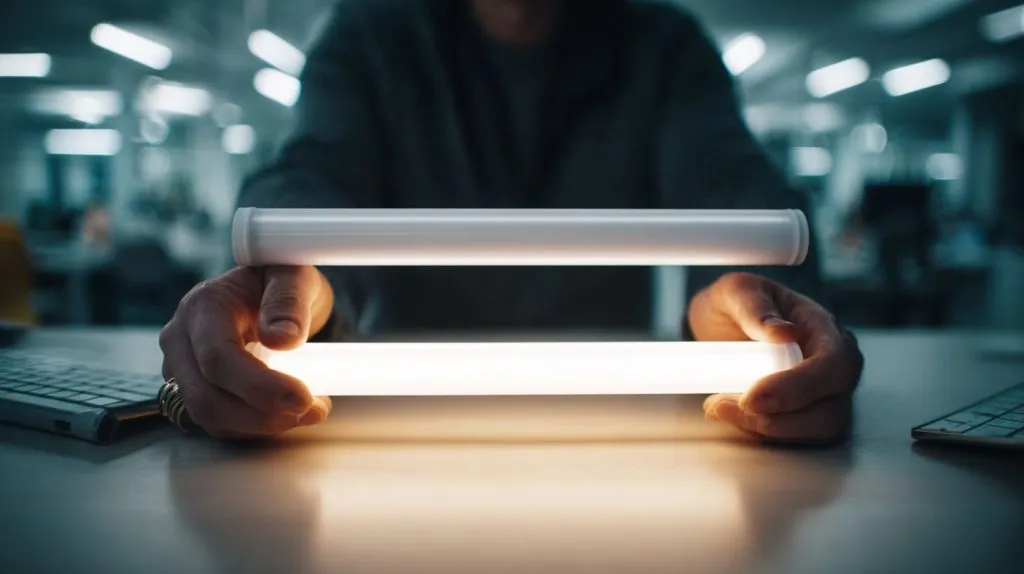
Choosing between plastic and glass LED tubes often starts with a simple moment — like comparing samples on a client’s desk. One looks sleek and glossy, the other feels lighter in the hand. That contrast always sparks questions.
Plastic LED tubes are more durable and safer in tough environments, while glass tubes offer better light clarity but are fragile.
Some people swear by the clarity of glass. Others need the ruggedness of plastic. If you’ve ever felt stuck between the two, you’re not alone. Let’s dive in together.
Which LED tubelight is good for eyes?
Everyone wants lighting that’s kind on the eyes — especially in offices, schools, or workbenches.
Flicker-free LED tubes with high CRI (Color Rendering Index) and low blue light output are best for eye comfort.
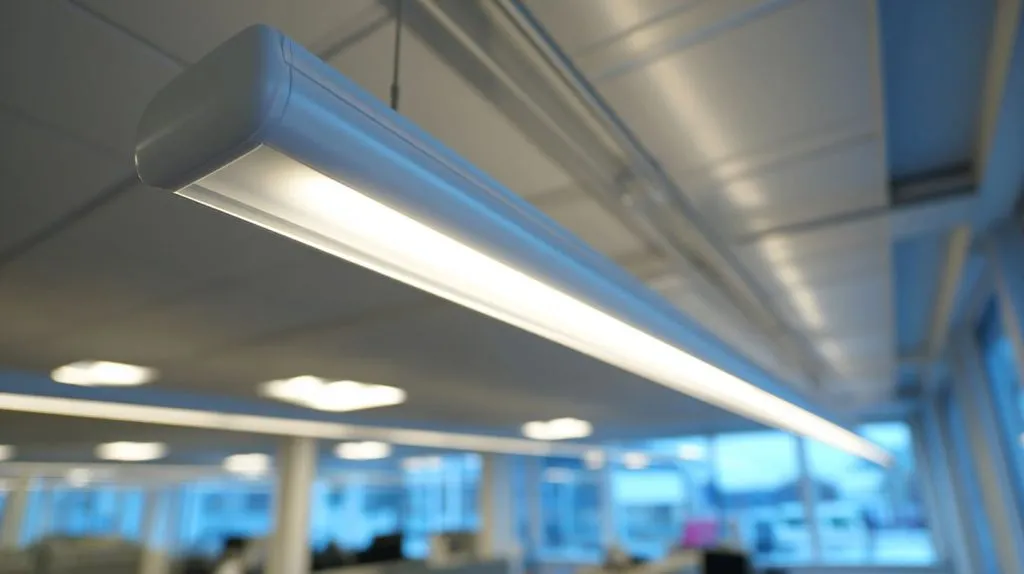
Flicker Isn’t Always Visible — But Your Eyes Notice
Even when you can’t see flicker, your brain and eyes can still feel it. Many low-quality LED drivers cut corners here. What matters most?
- High CRI (above 80): Gives natural, accurate colors
- Flicker-free drivers: No invisible strobe effect
- Low glare designs: Frosted diffusers help
Plastic and glass can both support eye-safe designs — the secret is inside the electronics, not the shell.
How can you tell if an LED light is good quality?
You don’t always need fancy tools. Sometimes, you just need to look and feel.
Good LED lights have consistent brightness, solid build, flicker-free output, and meet certifications like UL, CE, or RoHS.
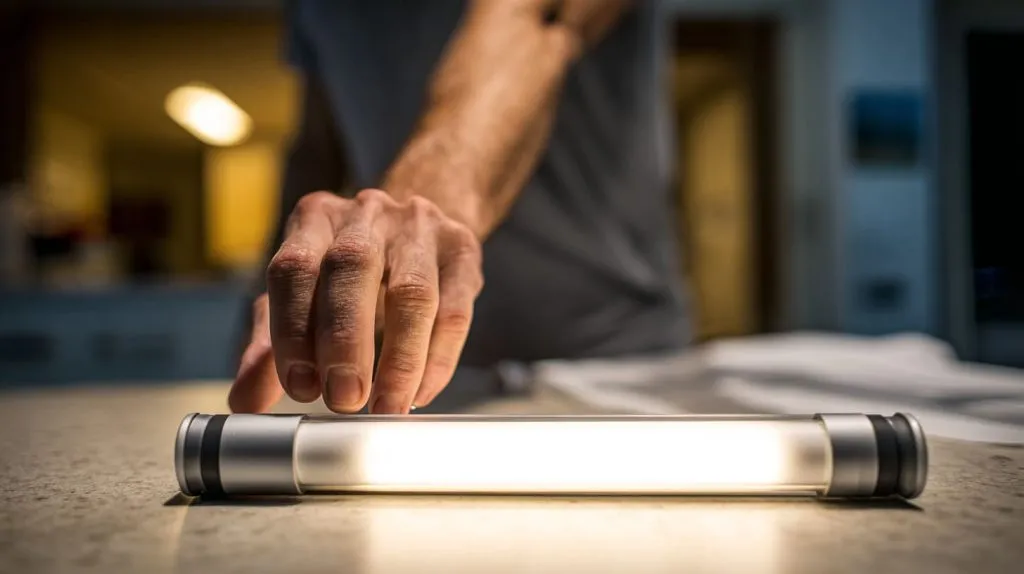
Things I Always Check Before Buying
- Weight: Cheap plastic models feel flimsy
- Driver type: Is it isolated? Flicker-free?
- Color consistency: Does it match across multiple tubes?
- Certifications: If they can’t show the reports, it’s a red flag
What are the key differences between plastic and glass LED tubes?
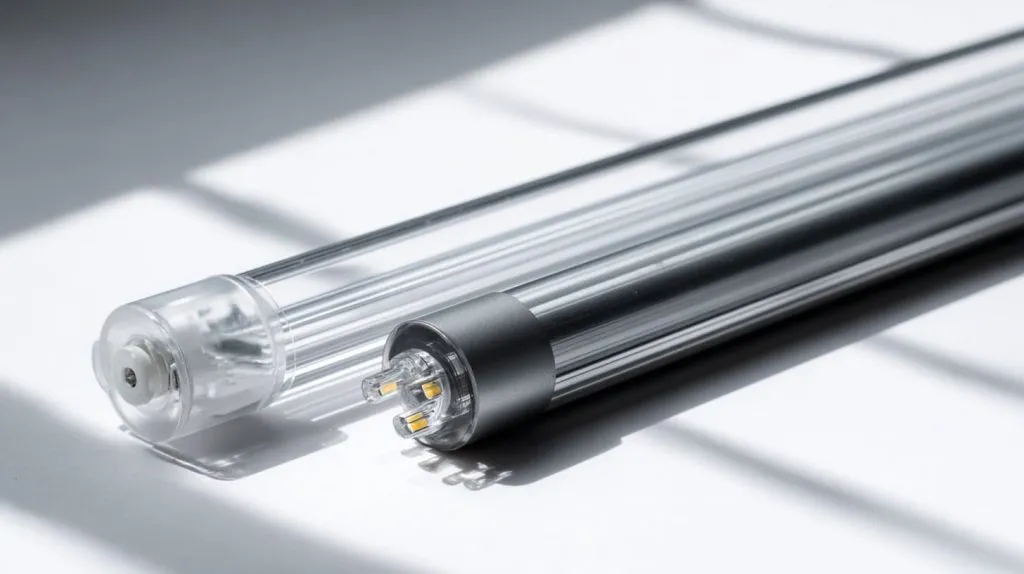
They look similar on the outside — but feel and perform very differently.
Plastic tubes are lightweight, impact-resistant, and safer to handle. Glass tubes are heavier, fragile, but offer cleaner diffusion.
| Feature | Plastic Tube | Glass Tube |
|---|---|---|
| Durability | Shatter-resistant | Can break on impact |
| Weight | Lightweight | Heavier |
| Heat Dissipation | Lower than glass | Better heat performance |
| Aesthetics | Can yellow over time | Stays clearer longer |
| Cost | Usually cheaper | Slightly higher |
If you’re buying for factories or schools, plastic wins. For boutique hotels or showrooms? Glass might still shine.
Which LED tube type offers better durability in industrial environments?
Tough environments need tough materials. That’s a rule I never bend.
Plastic LED tubes handle shocks, falls, and rough handling better in industrial use.
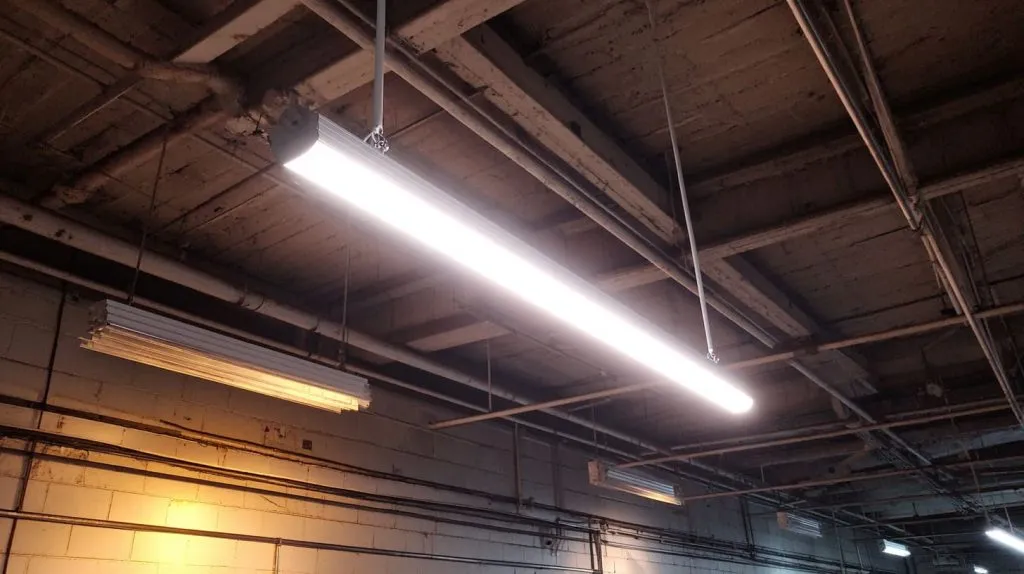
In My Factory Experience
We once supplied plastic LED tubes for a textile warehouse. Workers accidentally knocked down lights weekly. Not a single crack. If they’d used glass? It would’ve been a mess — literally and financially.
Is there a price difference between plastic and glass LED tubes?
It’s one of the first things buyers ask me. And for good reason.
Plastic LED tubes are typically more cost-effective, especially for large installations.

Why the Price Gap?
- Plastic is easier to mold and transport
- Glass costs more to ship and package
- Bulk orders make plastic even cheaper per unit
That said, some glass tubes with basic internals can undercut premium plastic ones — always compare specs, not just price.
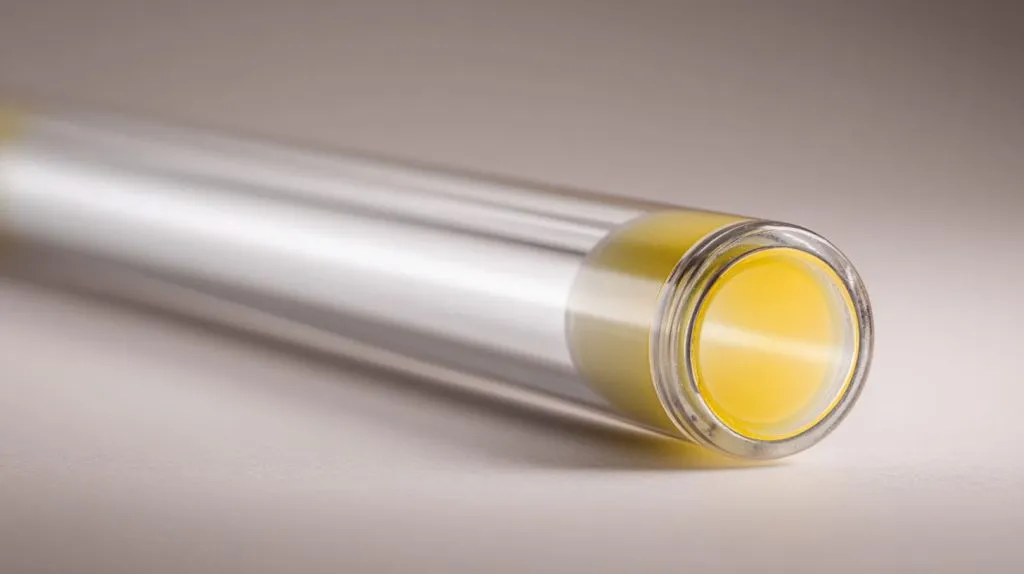
Do plastic LED tubes yellow over time?
Yes, but not always — it depends on the material quality.
Lower-grade plastic tubes can yellow from UV and heat, but UV-stabilized plastics resist this well.
What to Ask Your Supplier
- Are they using polycarbonate or acrylic blend?
- Any UV stabilizers added in the extrusion?
- Do they offer GSG-certified or RoHS-compliant materials?
In my experience, only cheap, unbranded tubes yellow fast.
Are plastic LED tubes safer than glass tubes in high-traffic areas?
This one’s a no-brainer for schools, hospitals, and public halls.
Plastic LED tubes are far safer in crowded or accident-prone spaces due to their shatterproof design.
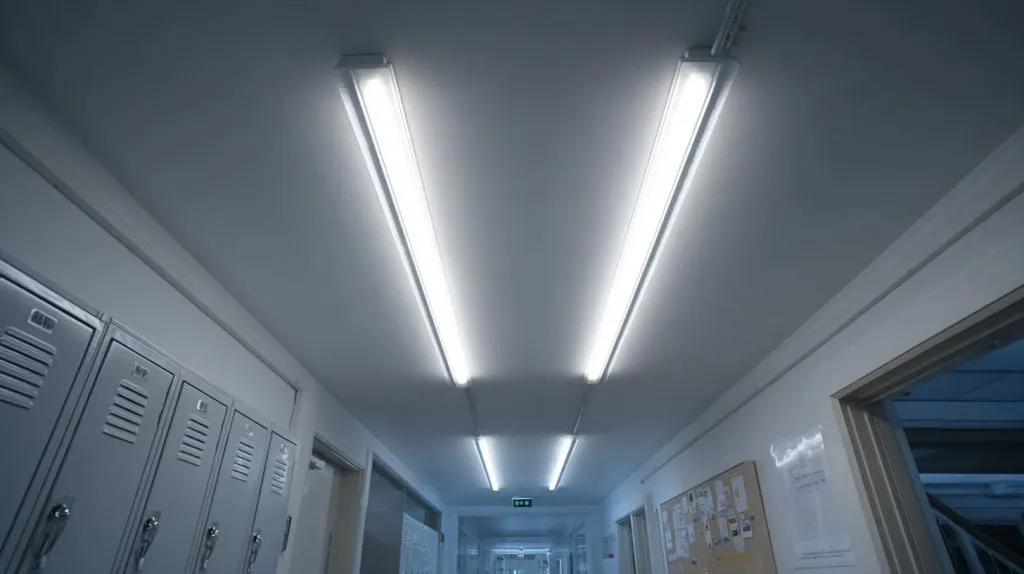
Real Story from a School Project
We switched a school hallway from glass to polycarbonate tubes. A month later, a basketball hit the ceiling light. No shards. No panic. That one decision saved the school from injury and insurance claims.
Which LED tube material is more energy efficient?
This surprised even me when I first learned it.
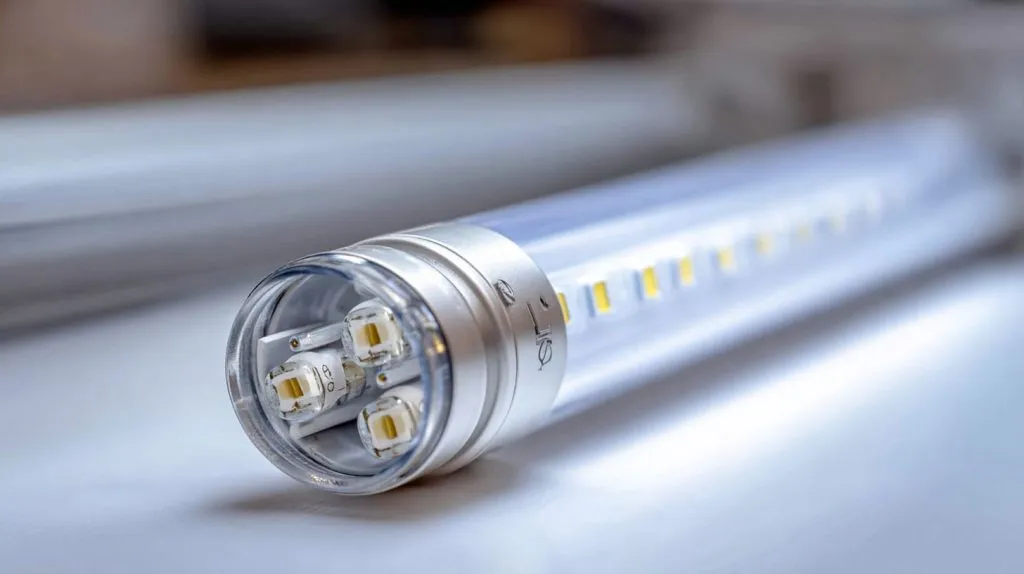
Energy efficiency depends more on the internal driver and LED chips than the outer material.
So Why Does It Matter Then?
While plastic or glass won’t directly affect watts, heat management does impact lifespan. And glass has a slight edge in heat dissipation — if the housing is well-ventilated.
Can both plastic and glass LED tubes meet UL or CE certifications?
Certifications aren’t about looks — they’re about safety and performance.
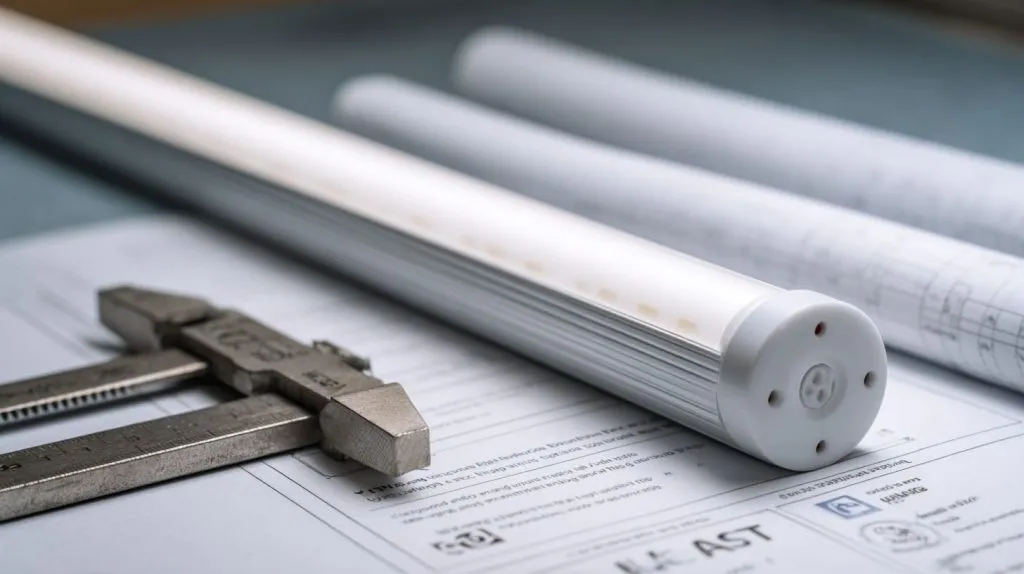
Yes, both plastic and glass LED tubes can meet UL, CE, RoHS, or DLC standards if properly designed and tested.
What I Always Ask for:
- UL file number or CE cert PDF
- Test reports on flicker, surge, lifespan
- Material spec sheet (especially for fire rating)
Cheap doesn’t mean unsafe — but untested usually does.
How does the light diffusion differ between plastic and glass LED tubes?
Some people can spot the difference just by looking. Others? Only after installation.
Glass tubes tend to offer clearer, more uniform light diffusion. Plastic can look slightly more diffused or hazy.
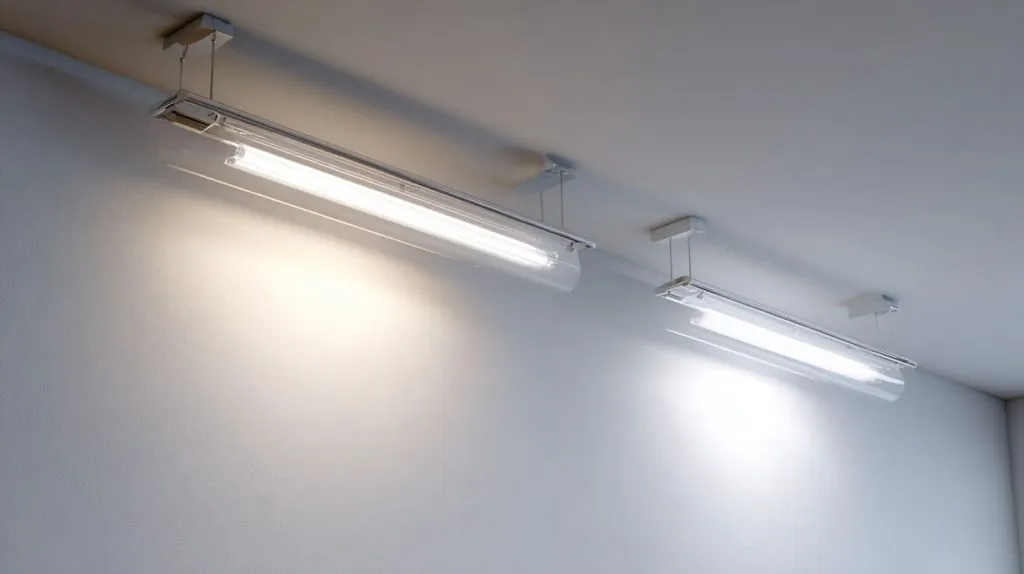
Visual Comparison Table
| Material | Light Spread | Appearance |
|---|---|---|
| Plastic | Softer, wider glow | Slightly milky |
| Glass | Crisp, clean lines | Clearer glow |
If your client wants perfect, photo-ready lighting — glass may win. For everyday workspaces, plastic is more forgiving.
What type of LED tube is better for humid or outdoor conditions?
Moisture changes everything — and it can destroy the wrong product.
Plastic LED tubes with sealed end caps are better suited for humid or outdoor areas.
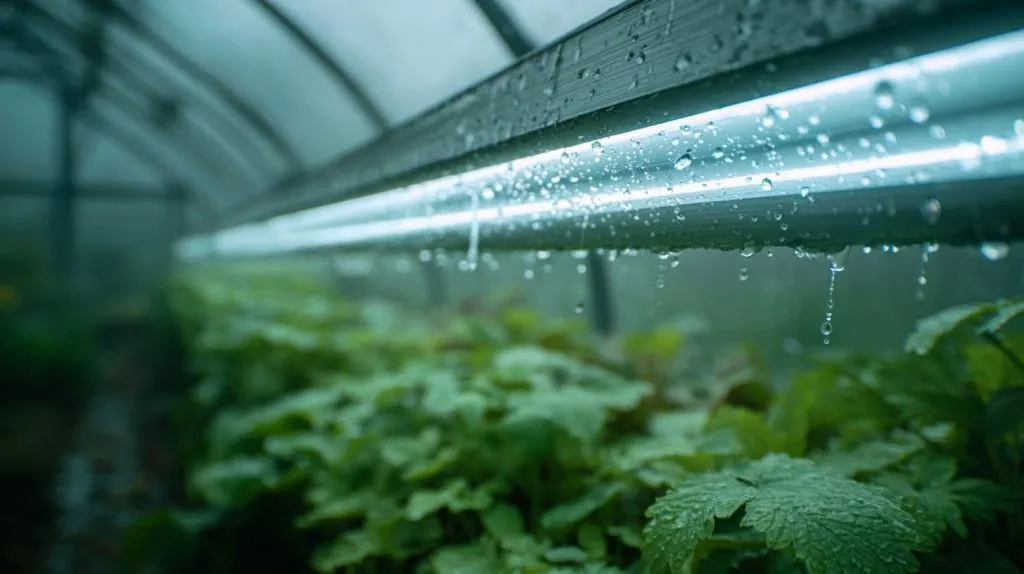
Watch Out for These Outdoor Factors
- IP rating: IP65+ if you’re using them outdoors
- Gasket sealing: Check end-cap fit and glue
- Metal pins: Should be rust-resistant (nickel-plated)
We’ve built custom tubes for greenhouse clients. The trick isn’t just the tube — it’s sealing, wiring, and environment control.
Conclusion
Plastic LED tubes are more durable and safer, especially for high-traffic and industrial areas. But for crystal-clear diffusion and aesthetic installs, glass still has a place.