Skip to content
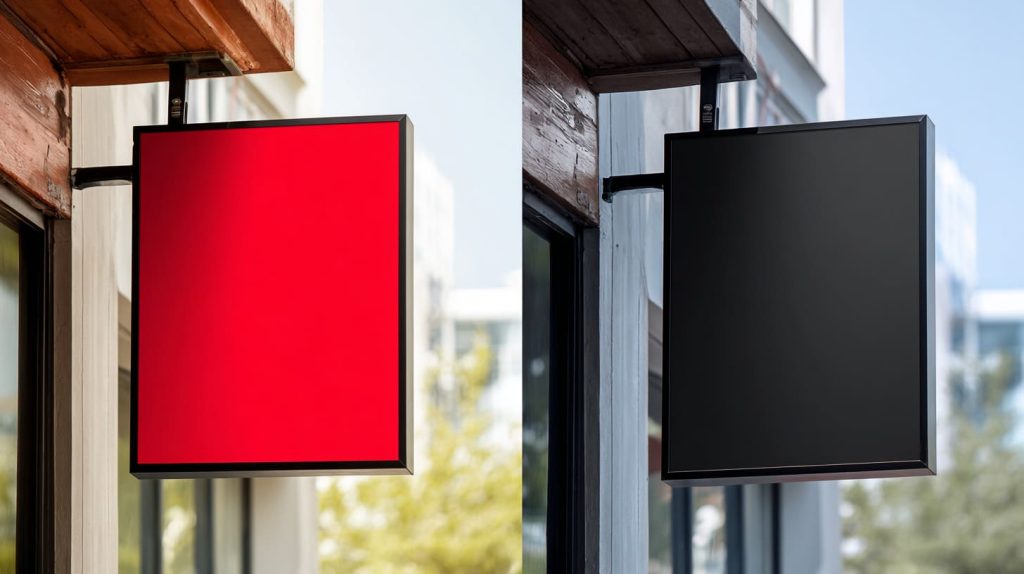
A client once sent me two photos of the same outdoor sign. The first photo was taken the day it was installed. The colors looked deep and confident. The second photo was taken three years later. The red felt softer. The black was not as strong.
He did not ask about price. He asked one simple question:
“Vincent, is this normal?”
That question always carries weight. Because when we talk about UV printed acrylic signs outdoors, we are not only talking about ink. We are talking about brand image. We are talking about maintenance cost. We are talking about whether a buyer like Jacky will need to explain to his boss why the signage looks tired too soon.
I have worked with many B2B buyers who care less about cheap quotes and more about lifespan. If a sign lasts two years, that is one story. If it lasts eight years, that is another story.
In this article, I will break it down clearly:
- What UV printed acrylic signs really are
- How long they usually last outdoors
- What affects their lifespan
- How fading happens
- And how we can extend durability in real projects
Let’s start from the basics. Because many problems begin with misunderstanding the technology.
What Are UV Printed Acrylic Signs?
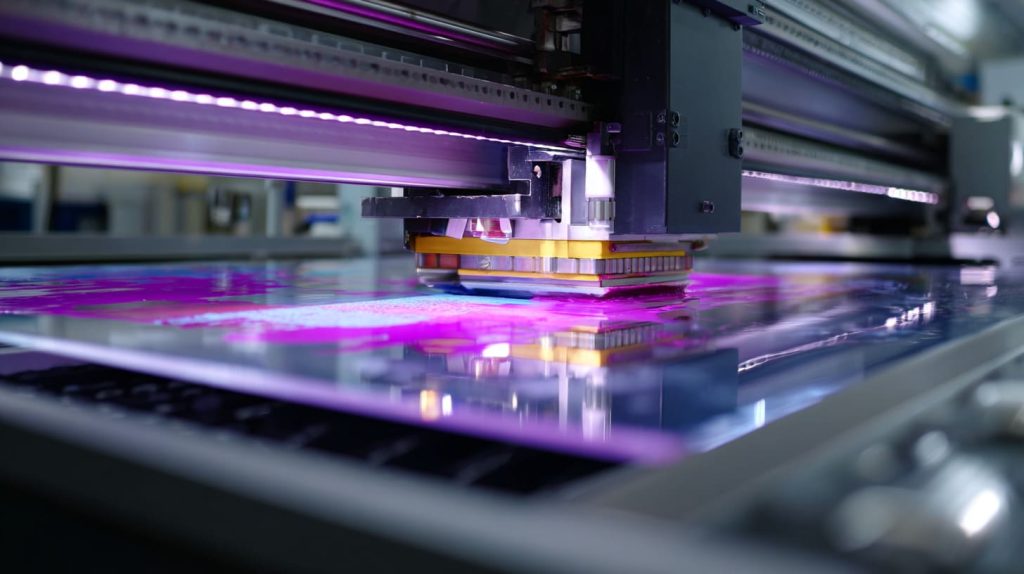
When people hear “UV printing,” they often assume it means the print resists UV light forever. That is not true. The name comes from the curing process, not from unlimited sun resistance.
What Is UV Printing Technology?
UV printing is a direct digital printing process. The printer sprays ink directly onto the acrylic surface. Then UV lamps cure the ink instantly.
I like this process because:
- The ink dries immediately
- The adhesion is strong
- The color detail is sharp
Here is a simple comparison:
| Feature | UV Printing | Traditional Solvent Printing | Screen Printing |
|---|---|---|---|
| Drying Time | Instant | Slow | Medium |
| Detail Level | High | Medium | Medium |
| Setup Cost | Low for small batch | Medium | High for small batch |
| Customization | Easy | Limited | Limited |
For custom B2B orders, UV printing gives flexibility. Jacky can adjust colors. He can test designs. He can run smaller quantities.
But flexibility does not automatically mean long-term outdoor durability. That depends on more than the ink type.
Why Acrylic Is Commonly Used for Outdoor Signs
I use acrylic often because it balances look and performance.
- It has high transparency
- It resists many weather conditions
- It has a smooth surface that holds ink well
Here is a quick material comparison:
| Material | Clarity | Weather Resistance | Surface Smoothness | Outdoor Use |
|---|---|---|---|---|
| Acrylic | High | Good | Very smooth | Good |
| PVC | Low | Medium | Medium | Limited |
| Polycarbonate | Medium | High impact resistance | Slightly textured | Good but costly |
Acrylic is not perfect. But for signage, it offers a clean look and stable base.
Now that we understand the structure, let’s talk about the real question everyone asks.
How Long Do UV Printed Acrylic Signs Last Outdoors?
When a buyer asks me about lifespan, I never give one fixed number. I ask about location first.
Average Lifespan in Real Outdoor Conditions
In normal outdoor conditions:
- Without extra protection: 2–5 years
- With clear coating or lamination: 5–8+ years
Climate matters a lot.
| Environment | Expected Lifespan (No Extra Protection) |
|---|---|
| Mild climate (Canada) | 3–5 years |
| Strong sun (Southern US) | 2–4 years |
| Tropical regions | 2–3 years |
I have seen signs in Canada still look strong after four years. I have also seen signs in hot coastal areas fade faster.
The sun does not treat every country equally.
Indoor vs. Outdoor Lifespan Comparison
Indoor signs often last 8–10 years or more. Sometimes even longer.
The main difference is UV exposure from sunlight.
Indoors:
- Limited direct UV radiation
- Stable temperature
- Less moisture stress
Outdoors:
- Continuous sun
- Rain
- Temperature change
- Wind pressure
The sun is the biggest enemy. And that leads us to the deeper question.
What exactly controls the lifespan?
What Factors Affect the Outdoor Lifespan?
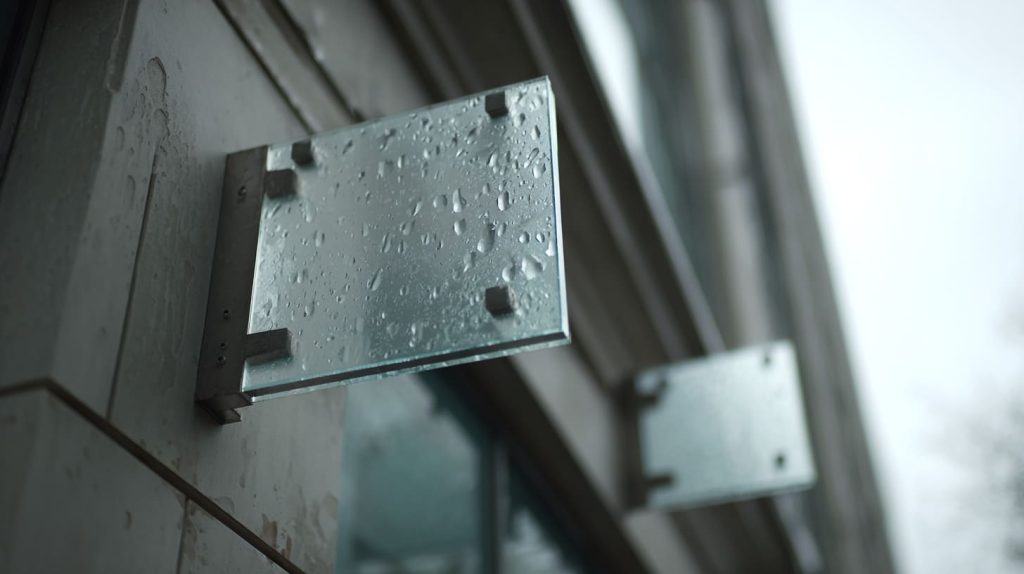
Many people blame only the ink. That is too simple. Outdoor durability is a system.
Sunlight & UV Exposure
Direct sunlight every day is very different from shaded placement.
| Placement | UV Impact |
|---|---|
| South-facing wall, full sun | High stress |
| Under canopy | Medium |
| Indoor near window | Low |
Jacky once asked me why two signs from the same batch aged differently. One was under a roof. The other faced open sky all day. The difference was obvious after two years.
Geography also matters. Tropical regions stress the ink more than cold climates.
Ink Quality & Printing Process
Not all UV inks are equal.
Industrial-grade UV ink:
- Better pigment stability
- Stronger adhesion
Low-cost ink:
- Faster fading
- Weaker bonding
Printer calibration also matters. If curing is weak, ink adhesion suffers.
Acrylic Material Grade
There are two main types:
| Type | Quality | Long-Term Clarity |
|---|---|---|
| Virgin cast acrylic | High | Stable |
| Extruded acrylic | Lower cost | Slightly less stable |
Cast acrylic usually performs better outdoors. It resists stress better.
Installation Method & Orientation
Horizontal panels suffer more water pooling.
Poor ventilation traps heat.
Stress from over-tightened screws can cause micro cracks.
Small installation mistakes can shorten lifespan quietly.
All these factors work together. None of them act alone.
Does UV Printing Fade Over Time?
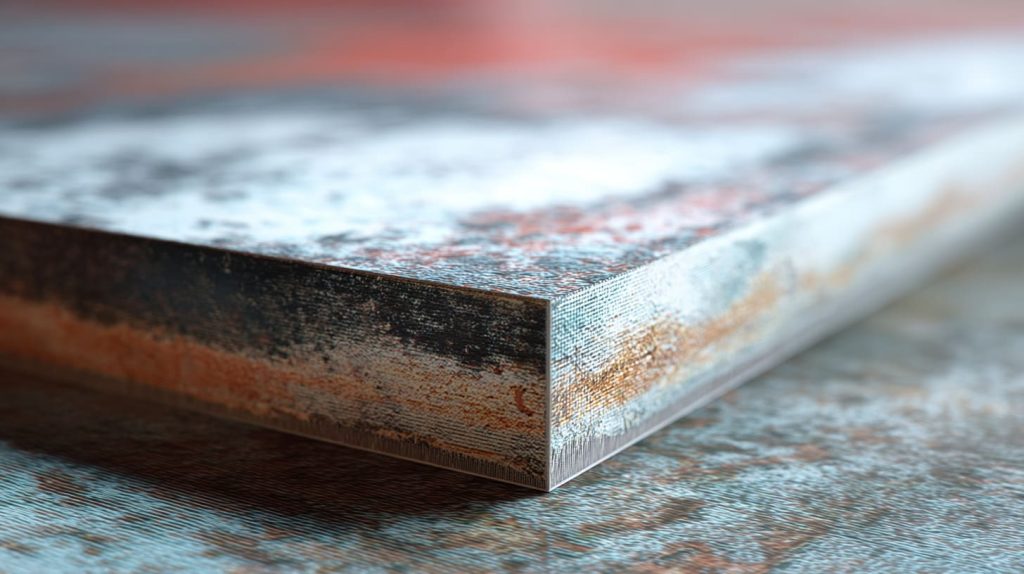
Yes. It fades. The real question is how.
How UV Ink Degrades
Sunlight breaks down pigment molecules slowly.
Red and yellow pigments fade faster than black.
This is why some logos shift tone unevenly.
Early Signs of Fading
I usually notice:
- Slight color softening
- Surface chalking
- Fine cracking on extreme exposure
It rarely looks dramatic at first. It looks subtle.
Is Fading Sudden or Gradual?
Most fading is gradual. It builds slowly.
But once protective layers weaken, the speed can increase.
That is why planning protection from the beginning is smarter than repairing later.
So how do we extend lifespan?
Can You Extend the Lifespan of UV Printed Acrylic Signs?
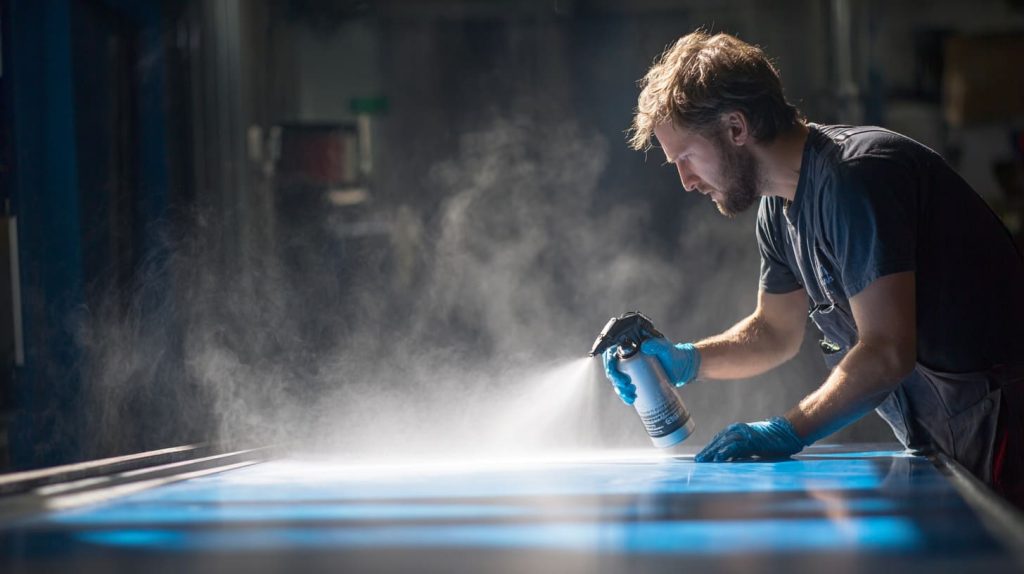
Yes, we can. But each method has trade-offs.
Applying Protective Clear Coating
UV-resistant clear coating can add extra years.
Benefits:
- Extra UV barrier
- Better surface hardness
Limits:
- Adds cost
- Requires even application
Adding Lamination or Acrylic Overlay
Another method is adding a second acrylic layer.
| Method | Cost | Durability Gain |
|---|---|---|
| Clear coating | Low to medium | +1–3 years |
| Acrylic overlay | Medium | +3–5 years |
Overlay protects the print physically.
But it increases material and assembly cost.
Choosing Reverse Printing (Backside Printing)
Reverse printing means printing on the back of clear acrylic.
The front surface stays clear and smooth. The ink sits behind it.
This protects ink from:
- Direct rain
- Physical scratches
- Some UV impact
For long-term signage, I often suggest reverse printing when design allows it.
Now let’s compare UV printing with other outdoor options.
How Do UV Printed Signs Compare to Other Outdoor Sign Options?
Buyers like Jacky always compare methods. That is smart.
UV Printing vs. Screen Printing
Screen printing can offer strong durability for large batch.
But it has higher setup cost.
UV printing wins in flexibility.
UV Printing vs. Vinyl Graphics
Vinyl can peel. Edges can lift over time.
UV print bonds directly to surface. It does not peel the same way.
But vinyl can be replaced more easily.
UV Printing vs. Engraved Acrylic
Engraving lasts longer in harsh sun.
But engraving limits color design.
Here is a summary:
| Method | Flexibility | Durability | Cost for Small Batch |
|---|---|---|---|
| UV Printing | High | Medium | Good |
| Screen Printing | Medium | Medium-High | Poor |
| Vinyl | High | Medium | Good |
| Engraving | Low | High | Medium |
There is no perfect solution. There is only the right match for the project.
Which leads to a strategic question.
Is UV Printing Suitable for Long-Term Outdoor Branding?
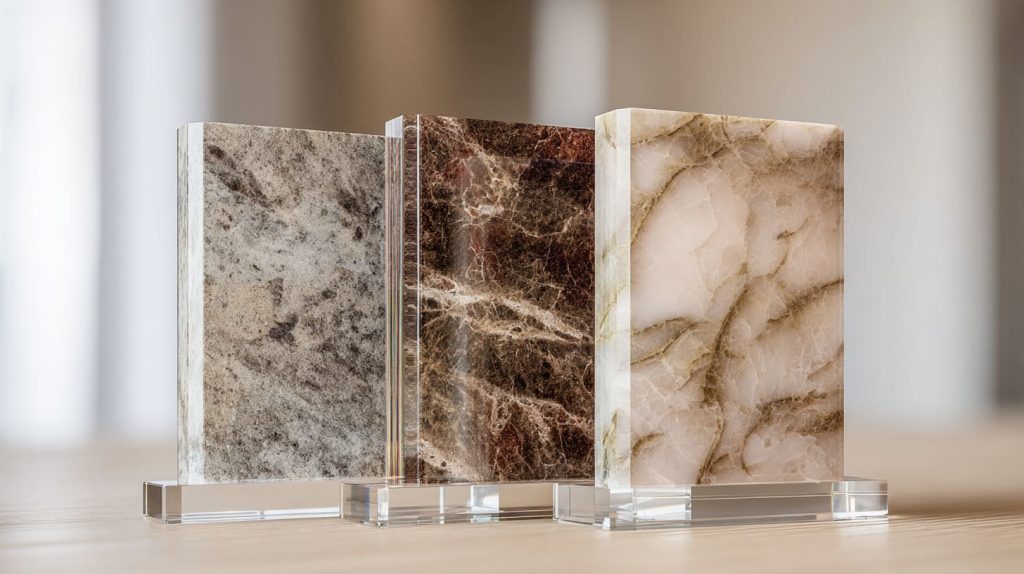
I never answer this with yes or no. I ask about goals.
Short-Term Promotions vs. Permanent Installations
For:
- Retail campaigns
- Event signage
- Directional wayfinding
UV printing works very well.
For:
- 10-year permanent exposure in harsh sun
Other solutions may be stronger.
ROI Consideration for B2B Buyers
Jacky once told me he calculates cost per year.
If a sign costs $100 and lasts 5 years, that is $20 per year.
If another solution costs $180 and lasts 8 years, that is $22.5 per year.
Then he adds brand image risk into the decision.
Cost is not only purchase price. It is replacement, labor, and reputation.
Now let’s talk about how to specify correctly from the start.
How to Specify UV Printed Acrylic Signs for Maximum Outdoor Durability?
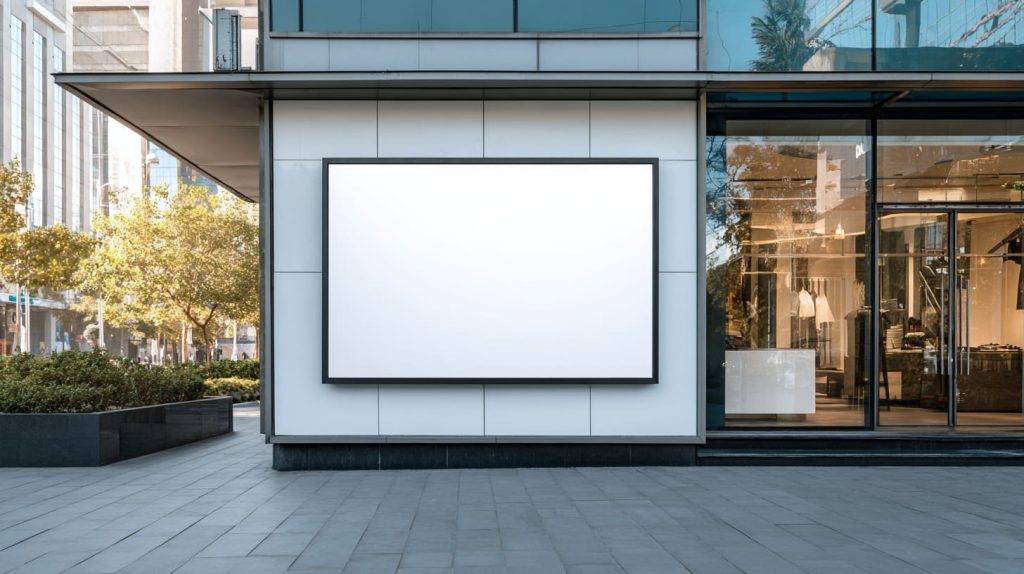
Clear specification reduces surprises.
Material Thickness Recommendation
| Thickness | Use Case |
|---|---|
| 3mm | Small indoor-outdoor signs |
| 5mm | Standard outdoor signage |
| 8mm+ | Large panels, high wind areas |
Thicker panels reduce flex stress.
Ink Certification & Testing
I always recommend asking suppliers:
- Do you have UV resistance rating?
- Do you have outdoor aging test data?
Good suppliers should provide sample aging information.
Quality Control Checklist for Buyers
Before shipment:
- Check surface for uniform curing
- Perform adhesion scratch test
- Inspect packaging protection
Small QC steps protect long-term brand performance.
Conclusion
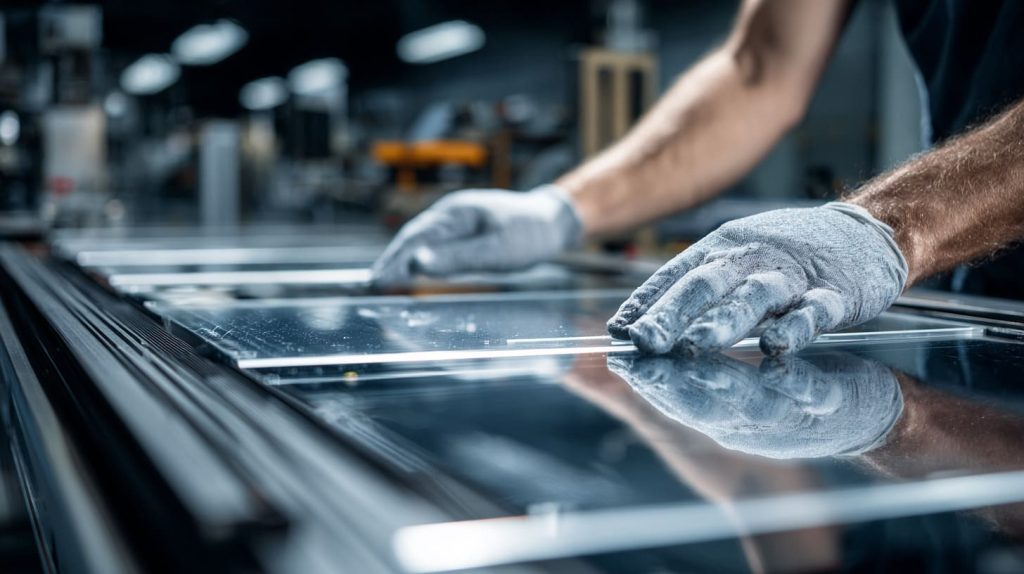
UV printed acrylic signs can last several years outdoors. Most projects fall into the 2–5 year range without protection. With smart material choice and extra protection, lifespan can reach 5–8 years or more.
The real lifespan depends on:
- Sun exposure
- Ink quality
- Acrylic grade
- Installation method
- Protective layers
For B2B buyers like Jacky, understanding these factors reduces risk. It protects brand image. It improves ROI decisions.
If you are planning outdoor signage and want honest advice on durability options, you can always discuss your environment and project details with me. I prefer clear conversations before production rather than explanations after fading.
Good signage should age with dignity, not surprise you.