Skip to content

Acrylic edges can look beautiful from the front, then suddenly look cheap from the side. A cloudy edge can quietly lower the value of the whole display.
Yes, acrylic can be flame polished. Flame polishing uses a clean, controlled flame to slightly melt the acrylic edge, making it smoother, glossier, and clearer. It works best on properly prepared edges, but it also needs skill because overheating can cause bubbles, stress, cracks, or later bonding problems.
I always think of flame polishing like ironing a shirt. The heat can make the edge look clean and sharp. But one careless second can leave a mark that cannot be hidden.
What Is Flame Polishing in Acrylic Manufacturing?
Flame polishing sounds rough at first. Fire and acrylic do not sound like a friendly pair. But in skilled hands, it can be very precise.
Flame polishing is a finishing process where a small, clean flame passes over an acrylic edge. The surface melts very slightly, flows flat, and becomes glossy. It is often used after cutting, routing, sanding, or laser cutting.
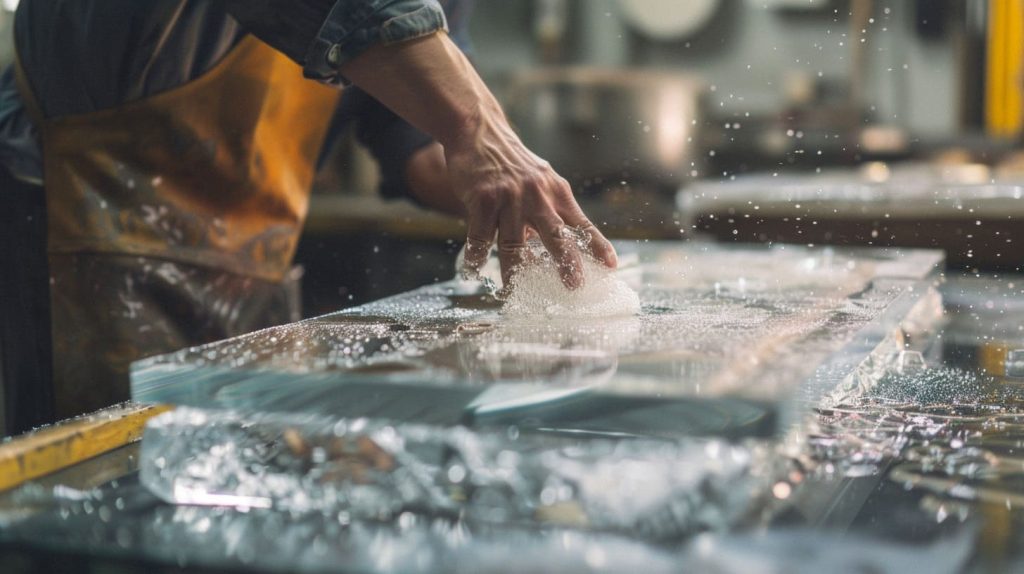
How the process works
The idea is simple.
The factory does not burn the acrylic.
The worker only heats the very top surface of the edge.
That thin surface layer softens for a moment. Then it cools down again. If the edge was prepared well, the result can look bright and clear.
A good flame-polished edge can almost look like glass.
But that result does not happen by magic. The edge must be clean. The movement must be steady. The flame must be right. The worker also needs to know when to stop.
Basic flame polishing steps
| Step | What happens | Why it matters |
|---|---|---|
| Cutting | Acrylic is cut to shape | Cutting marks may remain |
| Sanding or scraping | Rough marks are reduced | Flame polishing cannot hide deep damage |
| Cleaning | Dust and oil are removed | Dirt can burn into the edge |
| Flame polishing | Flame passes across the edge | Surface becomes glossy |
| Cooling | Acrylic rests naturally | Fast cooling can increase stress |
For me, the most important detail is not the flame itself. It is the edge before the flame touches it. A bad edge does not become perfect just because it meets fire.
Can All Types of Acrylic Be Flame Polished?
Not every acrylic sheet reacts in the same way. Some behave nicely. Some become nervous under heat.
Most acrylic sheets can be flame polished, but cast acrylic and extruded acrylic respond differently. Cast acrylic usually handles flame polishing better. Extruded acrylic can polish quickly, but it may also be more sensitive to heat stress and cracking.
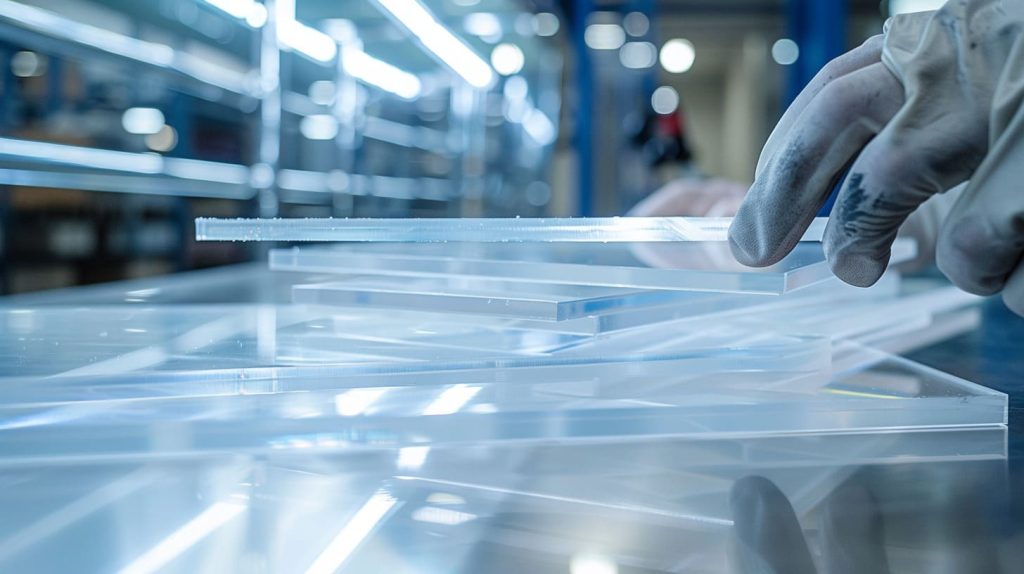
Cast acrylic vs extruded acrylic
Acrylic buyers often ask, “Can this material be flame polished?”
My answer is usually, “Yes, but what kind of acrylic are we using?”
Cast acrylic and extruded acrylic look similar at first. But they are made in different ways. Because of that, they react differently when heated.
| Acrylic type | Flame polishing behavior | Common concern |
|---|---|---|
| Cast acrylic | Usually more stable and forgiving | Needs good edge preparation |
| Extruded acrylic | Polishes fast and easily | Higher risk of stress marks or cracking |
| Colored acrylic | Depends on color and pigment | Color may show heat marks |
| Frosted acrylic | Usually not ideal for glossy edge needs | Flame may change surface look |
| Mirrored acrylic | Needs extra care | Back coating can be damaged |
A small sample tells me more than a nice material name. When I deal with a new acrylic color or special sheet, I prefer to test one corner first before I approve the full batch.
Why material grade matters
Even within the same acrylic type, quality can change the result.
Poor acrylic may show:
- Tiny bubbles near the edge
- Uneven gloss
- Yellow marks
- Stress cracks after several days
- Edge waves under strong light
This is why factories should not only ask about thickness and size. We also need to ask about the final use. A cosmetic display, a photo frame, and an industrial cover do not need the same visual standard.
Does Flame Polishing Make Acrylic Clearer?
A dull edge can make acrylic look cheaper than it really is. Flame polishing can help, but it has limits.
Flame polishing can make acrylic edges clearer because it smooths tiny surface scratches and cutting marks. But it does not remove deep cracks, chips, internal stress, or poor cutting quality. The best clarity comes from good cutting, sanding, and controlled flame polishing together.
What actually becomes clearer?
Flame polishing improves the outer surface of the edge. It does not change the full body of the sheet.
So it helps most when the problem is on the edge surface.
| Edge condition | Can flame polishing improve it? | Result |
|---|---|---|
| Light sanding marks | Yes | Clearer and glossier |
| Fine saw marks | Usually yes | Better, if prepared first |
| Deep chips | No | Chips may still show |
| Internal cracks | No | Risk may increase |
| Burn marks | Not really | May become worse |
| Dust inside material | No | Still visible |
I always look at the edge under side light before polishing. If I can see deep damage, I do not expect the flame to fix it. Fire is not a repair tool. It is a finishing tool.
Why clear edges matter in displays
For retail displays, the side edge is not a small detail.
Customers may not say, “This edge is poorly finished.”
But they feel it.
A cloudy edge can make a display feel unfinished.
A glossy edge can make the same display feel more expensive.
This is especially true for:
- Cosmetic display stands
- Acrylic jewelry blocks
- Acrylic boxes
- Logo display bases
- Photo blocks
- Countertop organizers
A clean edge does not shout. It whispers quality.
What Are the Advantages of Flame Polishing Acrylic Edges?
Flame polishing is popular because it is fast and visually strong. That is why many acrylic factories use it every day.
The main advantages of flame polishing acrylic edges are high gloss, better clarity, fast processing, lower finishing cost, and a clean glass-like look. It is useful for display products, boxes, stands, and parts where edge appearance matters.

Why factories like flame polishing
In acrylic manufacturing, time matters. A beautiful finish is good. A beautiful finish that can be repeated in production is better.
Flame polishing gives factories a practical balance between appearance and speed.
| Advantage | What it means for buyers |
|---|---|
| Fast processing | Shorter production time |
| Glossy edge | Better visual value |
| Lower labor cost than hand polishing | More practical for bulk orders |
| Good for complex shapes | Useful for displays and custom parts |
| No heavy polishing machine needed for every edge | Flexible for small details |
When I judge a project, I do not ask only, “Which method looks best?” I also ask, “Can this method stay stable across 500 or 5,000 pieces?”
Where flame polishing works especially well
Flame polishing is often a good choice for:
- Straight display edges
- Acrylic boxes
- Product risers
- Cosmetic shelves
- Clear acrylic stands
- Laser-cut small parts
- Decorative edges
It is also useful when a project has many small exposed edges. Diamond polishing may be too slow or too difficult for some shapes.
The emotional side of a clean edge
This may sound small, but I believe edge finishing is one of those details buyers remember.
A customer may touch the edge before they read the product label.
A retailer may judge the display before placing products on it.
A brand owner may see the edge first under store lighting.
That small shine can carry a lot of weight.
What Are the Risks of Flame Polishing Acrylic Sheets?
Flame polishing looks simple from the outside. That is exactly why mistakes happen.
The main risks of flame polishing acrylic are overheating, bubbles, edge waves, stress marks, cracking, yellowing, and later glue failure. These problems usually come from poor edge preparation, wrong flame control, or polishing material that already has internal stress.
Common flame polishing problems
Heat is helpful only when it is controlled.
Too little heat does almost nothing.
Too much heat damages the edge.
| Problem | Likely cause | What it looks like |
|---|---|---|
| Bubbles | Flame stays too long | Tiny dots inside edge |
| Yellow marks | Dirty flame or overheating | Warm yellow edge |
| Wavy edge | Uneven movement | Distorted reflection |
| Cracks later | Material stress | Hairline cracks |
| Glue failure | Surface stress or poor bonding | Joint opens or turns white |
| Burn marks | Flame too close | Dark or rough areas |
This is where many projects go wrong: the edge looks nice today, but the stress shows up later when the product is glued, packed, shipped, or cleaned.
Why timing matters
Flame polishing is a second-by-second job.
A skilled worker knows the sound, the distance, and the speed. This is not something I like to leave to guesswork, especially on expensive display parts.
For high-value products, I prefer to do a small test first and check it after cooling. If the edge still looks stable after rest time, I feel more confident about production.
Hidden risk: stress inside acrylic
Acrylic can hold internal stress from cutting, bending, laser cutting, or machining.
Flame polishing can bring that stress to the surface.
That is why some parts crack not during polishing, but later.
It feels unfair. The product looked fine. Then one day, small cracks appear near the edge. In many cases, the flame did not create all the stress. It only revealed it.
Is Flame Polishing Better Than Diamond Polishing?
Many buyers want one “best” answer. But acrylic finishing rarely works that way.
Flame polishing is better for fast, glossy finishing on many acrylic display edges. Diamond polishing is better for very flat, premium, and controlled edges. The better choice depends on shape, quantity, edge quality, budget, and final visual standard.
Flame polishing vs diamond polishing
Both methods can make acrylic edges clear. But they do it in different ways.
| Factor | Flame polishing | Diamond polishing |
|---|---|---|
| Finish style | Glossy and bright | Flat, clean, premium |
| Speed | Fast | Slower |
| Cost | Usually lower | Usually higher |
| Best for | Small edges, displays, complex shapes | Straight panels, premium edges |
| Risk | Heat stress and bubbles | Tool marks if machine setup is poor |
| Shape limit | More flexible | Better for straight edges |
For a luxury acrylic block, I may lean toward diamond polishing. For a custom cosmetic display with many small exposed edges, flame polishing may be the more realistic choice.
When diamond polishing is worth it
Diamond polishing can be better when:
- The edge is long and straight
- The product must look very premium
- The edge will be viewed closely
- The buyer wants a flatter reflection
- Heat stress must be reduced
When flame polishing makes more sense
Flame polishing can be better when:
- The shape is complex
- The quantity is large
- The budget needs control
- The edge is small
- The product is a display item, not an optical part
A good factory does not defend one method blindly. We choose the finish that fits the product.
Can Cast Acrylic and Extruded Acrylic Be Flame Polished Differently?
This is a small detail, but it can change the whole result.
Yes, cast acrylic and extruded acrylic should be flame polished differently. Cast acrylic usually allows more control and better stability. Extruded acrylic often needs faster movement, lower heat exposure, and more care because it can soften and stress more easily.
Why they respond differently
Cast acrylic is often more stable during flame polishing. It does not mean it is impossible to damage. It only gives the worker a little more room.
Extruded acrylic can look good very quickly. But it can also react quickly. That is both the benefit and the danger.
| Material | Worker approach | Main caution |
|---|---|---|
| Cast acrylic | Slightly more controlled passes | Avoid overheating thick edges |
| Extruded acrylic | Faster pass, less heat | Avoid stress cracking |
| Thin extruded acrylic | Very light flame contact | Avoid warping |
| Thick cast acrylic | More preparation first | Avoid surface bubbles |
I treat extruded acrylic like a nervous customer. It can behave well, but I do not push it too hard.
Practical factory control
For cast acrylic, I may allow more flame polishing on visible display edges.
For extruded acrylic, I prefer:
- Cleaner cutting
- Lighter flame movement
- More cooling time
- Less polishing near glued joints
- Testing before bulk production
The buyer’s question should be more specific
Instead of asking, “Can this acrylic be flame polished?”
A better question is:
“Can this exact acrylic material, thickness, edge shape, and final use be flame polished safely?”
That question is more useful. It helps the factory make the right decision.
Why Does Acrylic Crack After Flame Polishing?
Cracking after flame polishing can feel confusing. The edge looked beautiful at first. Then the problem arrived later.
Acrylic can crack after flame polishing because heat adds stress to the edge or exposes stress already inside the material. Poor cutting, laser heat, tight bending, solvent glue, sharp corners, and fast cooling can all make cracks more likely.
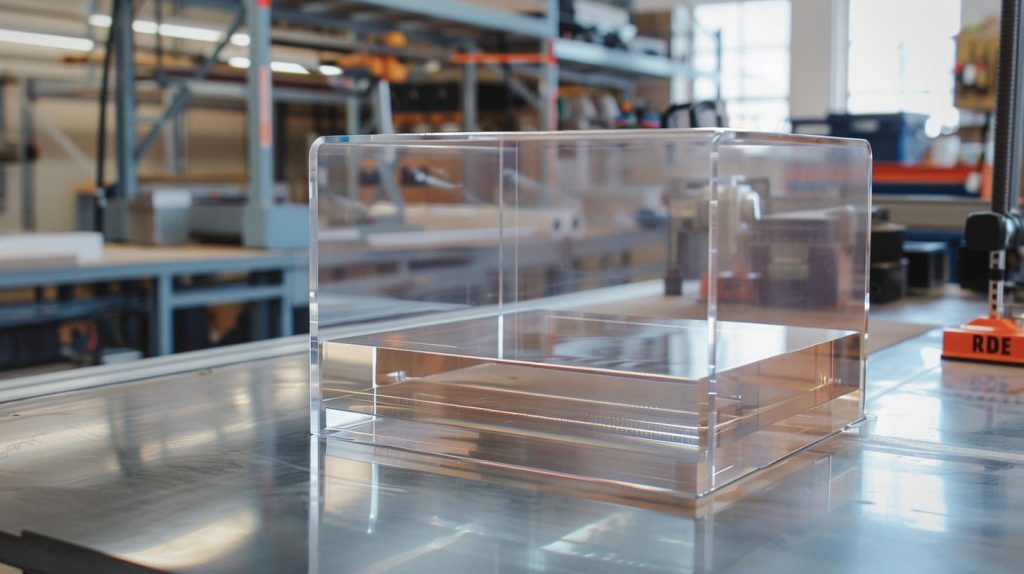
Why cracks appear later
Acrylic does not always fail at the moment of polishing.
Sometimes the crack appears after:
- Gluing
- Printing
- Packing
- Shipping
- Cleaning
- Temperature change
- Long storage
The edge may look fine on day one. But the material remembers the stress.
When I see cracks near a polished edge, I do not blame only the last process. I check the full story: cutting, machining, flame polishing, bonding, and even packaging pressure.
Main causes of post-polishing cracks
| Cause | How it creates risk |
|---|---|
| Rough cutting | Creates small starting points for cracks |
| Laser heat | Adds thermal stress near the edge |
| Too much flame | Adds new stress |
| Solvent glue | Attacks stressed acrylic |
| Sharp inside corners | Focuses stress |
| Tight packaging | Applies pressure during transport |
| Poor material quality | Makes behavior less stable |
How factories reduce cracking
A factory can reduce cracking by:
- Using sharp cutting tools
- Sanding or scraping before polishing
- Avoiding too much heat
- Keeping flame movement even
- Using better acrylic material
- Avoiding flame polishing near high-stress joints
- Testing glue compatibility after polishing
Cracking is not bad luck. Most of the time, it is a chain of small choices.
Can Flame Polished Acrylic Be Glued or Printed Later?
This question matters a lot for acrylic boxes and displays. A shiny edge is useless if the next process fails.
Flame polished acrylic can sometimes be glued or printed later, but it needs caution. Flame polishing can create surface stress, and solvent glue may cause whitening or cracking. For bonded or printed areas, factories often polish after assembly or avoid flame polishing the bonding surface.
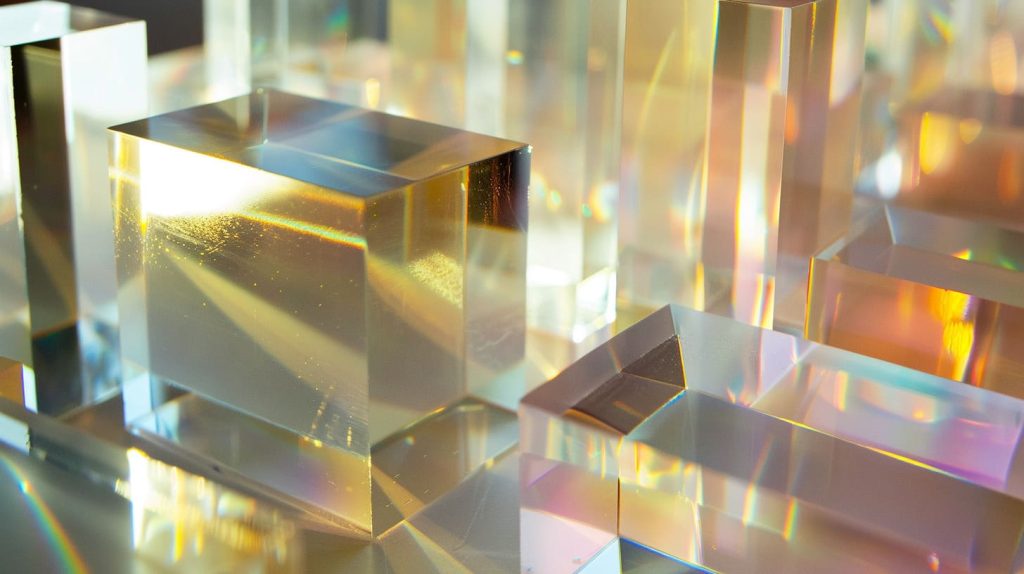
Why glue can become a problem
Solvent glue works by softening acrylic surfaces so they can bond together.
If the flame-polished area already has heat stress, the glue can make that stress visible. The result may be white marks, tiny cracks, or weak joints.
| Later process | Risk after flame polishing | Safer approach |
|---|---|---|
| Solvent bonding | Cracking or whitening | Avoid polishing bonding surfaces |
| UV bonding | Surface issue or weak bond | Test first |
| Screen printing | Poor ink adhesion in some cases | Clean and test |
| Digital printing | Surface energy may change | Sample check |
| Laser engraving | Heat stress may increase | Avoid double heat if possible |
When I review a drawing, I look at which edges will be glued and which edges will be seen. I do not want to polish an edge beautifully and then destroy it with glue.
Best order for acrylic displays
For many display products, the process order matters.
A common order may be:
- Cut the acrylic parts
- Prepare edges
- Bond the structure
- Clean the product
- Flame polish exposed edges if suitable
- Inspect under light
But this order can change. For some boxes, polishing before bonding is better. For others, polishing after bonding is safer.
Printing needs testing
Printing on acrylic is not only about ink. It is also about surface condition.
If the flame touched an area where printing must happen, the ink may behave differently. This is why I prefer to keep flame polishing away from print areas unless we test it.
What Thickness of Acrylic Works Best for Flame Polishing?
Thickness changes how acrylic reacts to heat. Thin sheets and thick blocks do not behave the same.
Flame polishing works best on medium acrylic thicknesses with clean, prepared edges. Very thin acrylic can warp from heat, while very thick acrylic may show bubbles, waves, or uneven clarity if the flame is not controlled well.

General thickness behavior
There is no one perfect thickness for every project. But there are patterns.
| Acrylic thickness | Flame polishing behavior | Factory caution |
|---|---|---|
| 1-2 mm | Easy to warp | Use very light heat |
| 3-5 mm | Often suitable | Good for displays |
| 6-10 mm | Usually workable | Needs steady movement |
| 12 mm+ | More difficult | Risk of bubbles and uneven gloss |
| Thick blocks | Needs special care | Diamond polishing may be better |
For thin acrylic, I worry about shape. For thick acrylic, I worry about heat marks and internal stress.
Why edge area matters
A 3 mm sheet has a small edge.
A 20 mm block has a large edge.
The flame must heat the surface evenly. On thick acrylic, the worker may need more time, but more time also means more risk.
That is the trade-off.
Best use cases by thickness
| Product type | Common thickness | Flame polishing suitability |
|---|---|---|
| Cosmetic display shelf | 3-5 mm | Good |
| Acrylic box | 3-6 mm | Good, with care |
| Product riser | 5-10 mm | Good |
| Acrylic photo block | 10-20 mm | Test first |
| Thick luxury display base | 20 mm+ | Diamond polishing may be better |
Acrylic thickness is not just a number on a drawing. It changes the finishing method, production time, and final risk.
How Do Factories Flame Polish Acrylic Displays and Boxes?
Acrylic displays and boxes are not just flat sheets. They have corners, joints, angles, and visible edges.
Factories flame polish acrylic displays and boxes by preparing the edges, controlling the flame, moving quickly across exposed areas, avoiding glued joints when needed, and inspecting the finished product under light. The goal is a clear edge without stress, bubbles, or distortion.
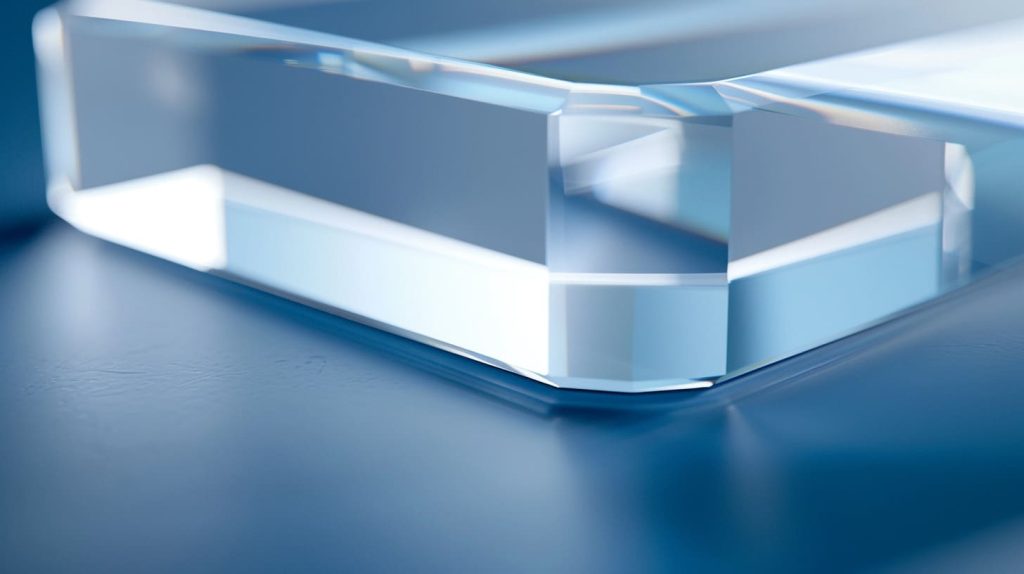
Typical factory workflow
A good factory does not randomly pass fire over a product.
The worker follows a process.
| Stage | What the factory checks |
|---|---|
| Drawing review | Which edges are visible? |
| Material selection | Cast or extruded acrylic? |
| Cutting | Are edges clean enough? |
| Edge preparation | Is sanding needed? |
| Bonding plan | Which edges need glue? |
| Flame polishing | Is flame speed stable? |
| Inspection | Are there bubbles, waves, or cracks? |
| Packing | Will pressure damage polished edges? |
The corner is where I slow down. Straight edges are easier, but corners often tell the truth about the worker’s skill.
Why boxes need special care
Acrylic boxes often have glued corners. Flame polishing near these joints can be risky.
If the flame gets too close, the joint may show bubbles or stress marks. If the edge is polished before gluing, the bond may become weaker.
So the factory needs to decide:
- Should the edge be polished before bonding?
- Should it be polished after bonding?
- Should this edge be diamond polished instead?
- Should we leave some hidden edges unpolished?
Inspection under real light
I do not like judging acrylic only under factory ceiling lights.
A good inspection checks:
- Side reflection
- Edge clarity
- Corner distortion
- Glue line condition
- Small bubbles
- Surface dust
- Packing marks
Store lighting can be unforgiving. A small edge wave can look much bigger under bright LED light.
Does Flame Polishing Affect Acrylic Strength or Durability?
Acrylic can look stronger when the edge is smooth. But looks and strength are not always the same thing.
Flame polishing can slightly affect acrylic strength if it adds heat stress to the edge. A controlled process usually keeps the product stable, but overheating, sharp corners, solvent bonding, and poor material can reduce durability or increase cracking risk.

Strength is about more than the surface
A polished edge can reduce tiny rough marks. That may help in some cases.
But heat can also create stress. If the product will carry weight or face impact, this detail matters.
| Factor | Effect on durability |
|---|---|
| Smooth edge | May reduce small surface flaws |
| Too much heat | Can add stress |
| Sharp inside corner | Can start cracks |
| Heavy load | May expose weak points |
| Solvent glue | Can attack stressed edges |
| Outdoor heat | Can add more movement |
I do not use flame polishing as a strength solution. I use it as a visual finishing method, then I check whether the structure still makes sense.
When durability matters more than gloss
For display products, gloss matters.
For load-bearing parts, machine covers, or structural acrylic parts, durability may matter more.
In those cases, I may choose:
- CNC clean cutting
- Diamond polishing
- Rounded corners
- Thicker material
- Better bonding design
- Less heat finishing
Small design changes help
Sometimes a small radius on a corner does more for durability than a beautiful polished edge.
That is the kind of detail buyers may not see on a quotation sheet. But it can decide whether the product survives real use.
Can You Flame Polish Laser-Cut Acrylic Edges?
Laser-cut edges already look glossy. So many buyers think they do not need any extra finishing.
Yes, laser-cut acrylic edges can sometimes be flame polished, but it is not always necessary. Laser cutting already uses heat, so extra flame polishing can increase stress, bubbles, or cracking. It is safer to test first, especially on thick or extruded acrylic.
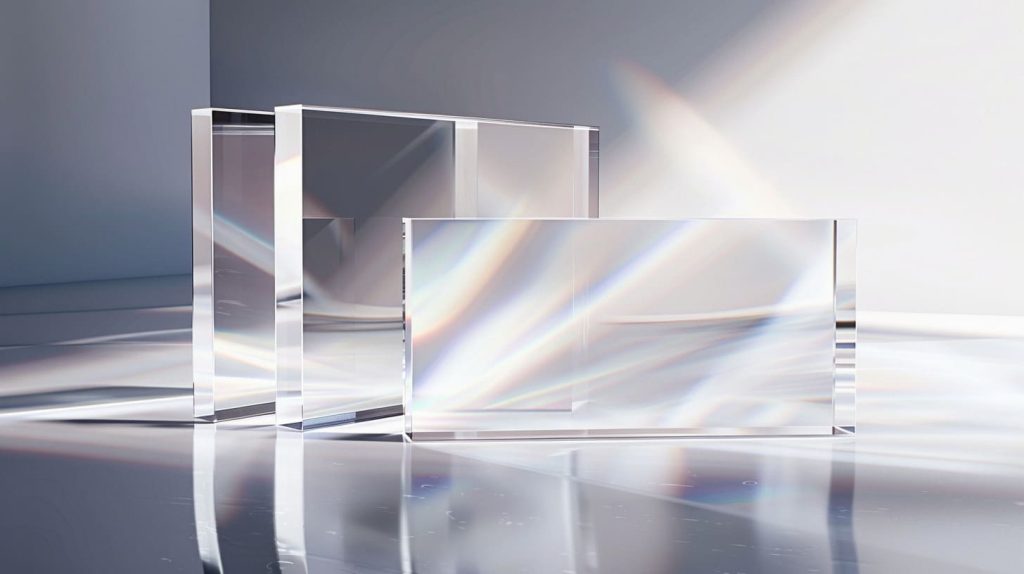
Laser cutting already adds heat
Laser cutting melts the acrylic edge while cutting. That is why the edge can look shiny.
But that shiny edge may also hold heat stress.
Adding flame polishing after laser cutting can be like heating the same place twice.
| Laser-cut edge condition | Should it be flame polished? |
|---|---|
| Clean and glossy | Usually not needed |
| Slight smoke mark | Clean first, then test |
| Small rough area | Light polishing may help |
| Thick acrylic edge | Test carefully |
| Extruded acrylic | Higher risk |
| Edge will be glued | Be very careful |
When I see a laser-cut edge that already looks clear, I ask a simple question: are we improving it, or are we just adding risk because we want to do more?
When flame polishing helps after laser cutting
It may help when:
- The edge has small uneven spots
- The product is decorative
- The edge is visible from the front
- The material is cast acrylic
- The shape is complex and hard to diamond polish
When it is better to avoid it
It may be better to avoid flame polishing when:
- The edge will be glued
- The acrylic is thin and easy to warp
- The acrylic is extruded and stressed
- The edge already looks good
- The part has sharp inside corners
More finishing is not always better. Sometimes the cleanest decision is to stop.
What Tools Are Used for Flame Polishing Acrylic?
The tool looks simple, but the setup matters. A poor flame can ruin a good acrylic part.
Factories usually use hydrogen-oxygen flame polishers, propane torches, or specialized gas polishing tools for acrylic. The best tool depends on product size, edge shape, finish standard, and factory skill. Clean flame control is more important than tool size.
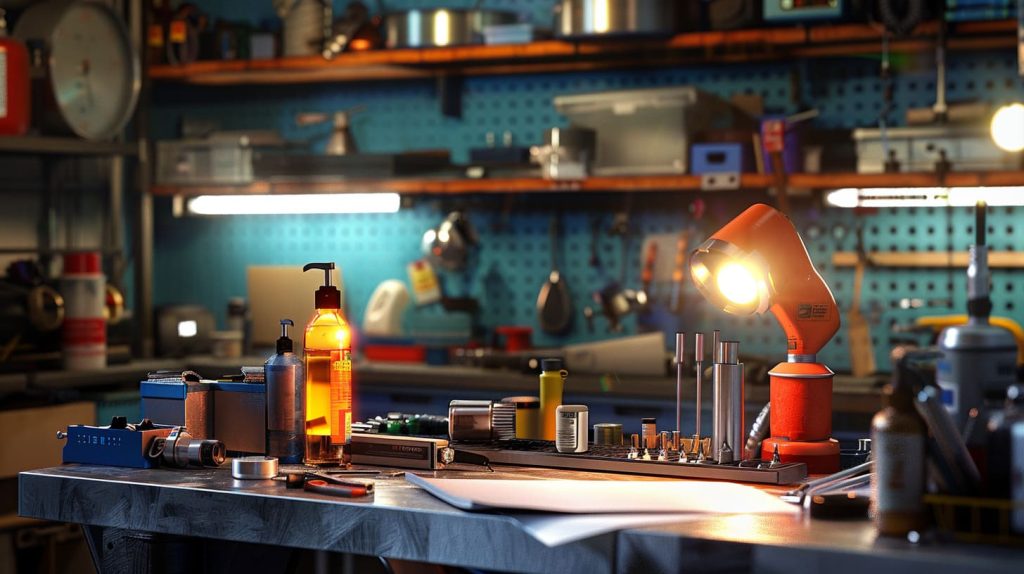
Common tools used in factories
| Tool | Common use | Main benefit | Main risk |
|---|---|---|---|
| Hydrogen-oxygen flame polisher | Fine acrylic edges | Clean, precise flame | Needs skill and safety control |
| Propane torch | Larger or rougher work | Easy to use | Can be less clean |
| Butane torch | Small jobs | Portable | Limited control |
| Edge scraper | Before polishing | Removes rough lines | Needs hand skill |
| Sandpaper | Edge preparation | Smooths marks | Too rough if poorly used |
| Air blower | Cleaning | Removes dust | Cannot remove oil |
A clean flame is like a clean brush. If the flame is dirty or unstable, the edge may show it immediately.
Tool is not the whole answer
I have seen beautiful results from a simple setup and poor results from expensive tools.
Why?
Because the worker matters.
The worker controls:
- Flame distance
- Flame angle
- Moving speed
- Number of passes
- Cooling time
- Edge preparation
- Where to stop
Safety also matters
Flame polishing uses heat and gas. A proper factory should control ventilation, gas storage, worker training, and fire safety.
Acrylic finishing should look clean. The workshop should also feel controlled.
Is Flame Polishing Suitable for Cosmetic Display Products?
Cosmetic displays are unforgiving. They sit under bright lights, close to beautiful packaging, and near customers’ hands.
Yes, flame polishing is often suitable for cosmetic display products because it gives acrylic edges a clear, glossy, premium look. It works well for shelves, risers, trays, and stands, but the factory must control stress, glue lines, and visible corners carefully.
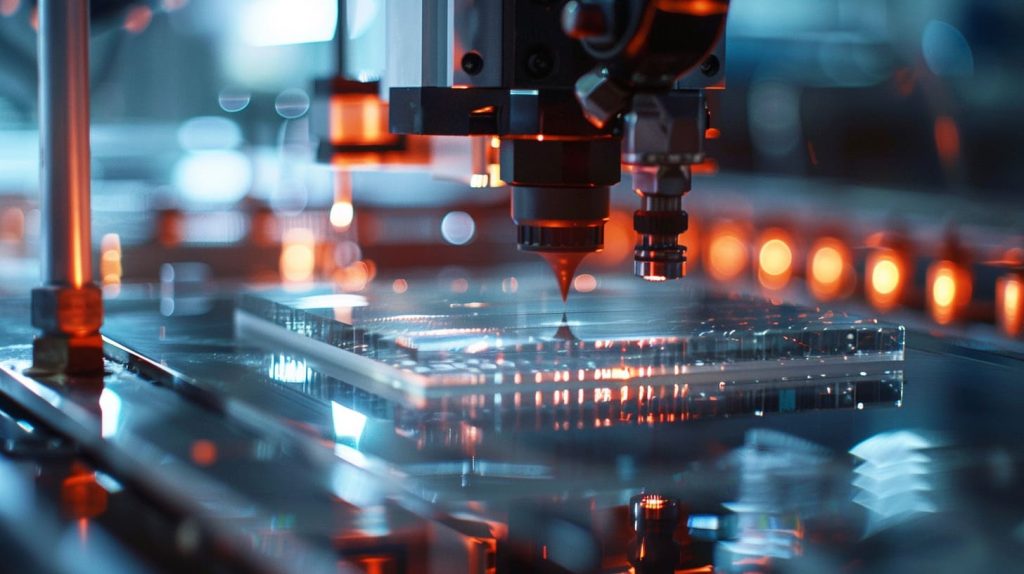
Why cosmetic displays need clean edges
Cosmetic products sell emotion.
The display should not steal attention in a bad way. It should support the product quietly.
A rough edge can make the display look cheap. A glossy edge can make the same acrylic look more refined.
| Cosmetic display part | Flame polishing suitability | Notes |
|---|---|---|
| Clear shelves | Good | Edges are visible |
| Lipstick holders | Good | Small edges need control |
| Perfume risers | Good | Gloss improves value |
| Acrylic trays | Good | Corners need care |
| Glued boxes | Use caution | Joint stress matters |
| Printed logo areas | Test first | Avoid print adhesion issues |
For cosmetic displays, I often care about reflection more than thickness. A tiny edge wave can look messy beside shiny packaging.
Where flame polishing adds value
Flame polishing can help cosmetic displays feel:
- Cleaner
- Lighter
- More transparent
- More premium
- More brand-friendly
This is useful for retail counters, beauty shops, department stores, and exhibition displays.
Where I would be careful
I would be careful when the display has:
- Many glued joints
- Thick acrylic blocks
- Printed logos near edges
- Sharp inside corners
- Very thin parts
- Heavy products on shelves
A cosmetic display must look good, but it must also survive cleaning, shipping, and daily handling.
Conclusion
Flame polishing can make acrylic edges clear and beautiful, but it is not a magic fix. Material, thickness, cutting quality, glue, and worker skill all matter. If you need custom acrylic displays or boxes, send the drawing and use details to choose the safest finish.