Skip to content

Acrylic picture frames have become everywhere—from my office desk to client showrooms. They look clean, light, and modern. I noticed quickly, though, that many buyers ignore a subtle risk: scratches. These tiny marks can dull clarity, shorten frame life, and make maintenance a pain. I learned early that understanding scratch risks helps in picking the right frame. Buyers should know which materials, handling, and cleaning habits protect their investment.
What Makes Acrylic Picture Frames So Popular?
Superior Optical Clarity
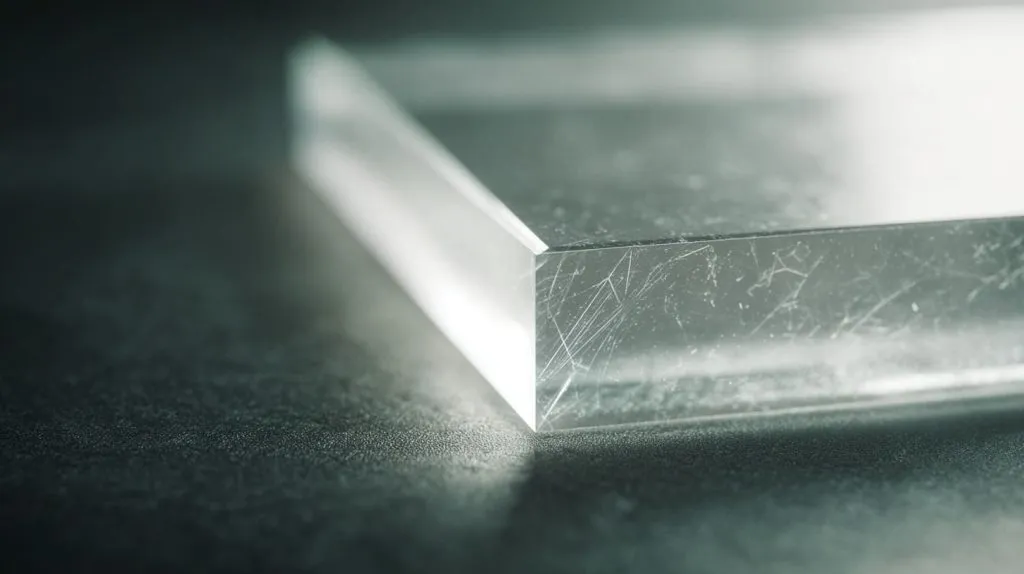
Acrylic almost matches glass in transparency. Photos pop, colors are sharp, and edges look clean. I always compare the clarity of acrylic against premium prints. If I see even slight yellowing or clouding, I reconsider the supplier.
Lightweight and Safer Than Glass
Acrylic is lighter and less likely to break. Moving frames around or shipping them is easier. I’ve handled hundreds in client setups; the risk of breakage is noticeably lower than glass.
Customization Flexibility
Frames come in different thicknesses, sizes, and shapes. I often design a frame tailored to a store display. This flexibility makes acrylic ideal for retail, galleries, and home décor.
Why Businesses Frequently Choose Acrylic Frames
Cost-effective customization and branding options make acrylic frames popular. Shipping is also simpler than glass, which reduces logistics headaches. What I usually check first is whether the frame’s finish will hold up under repeated handling.
Why Are Acrylic Picture Frames More Prone to Scratches?
Understanding Acrylic Surface Hardness
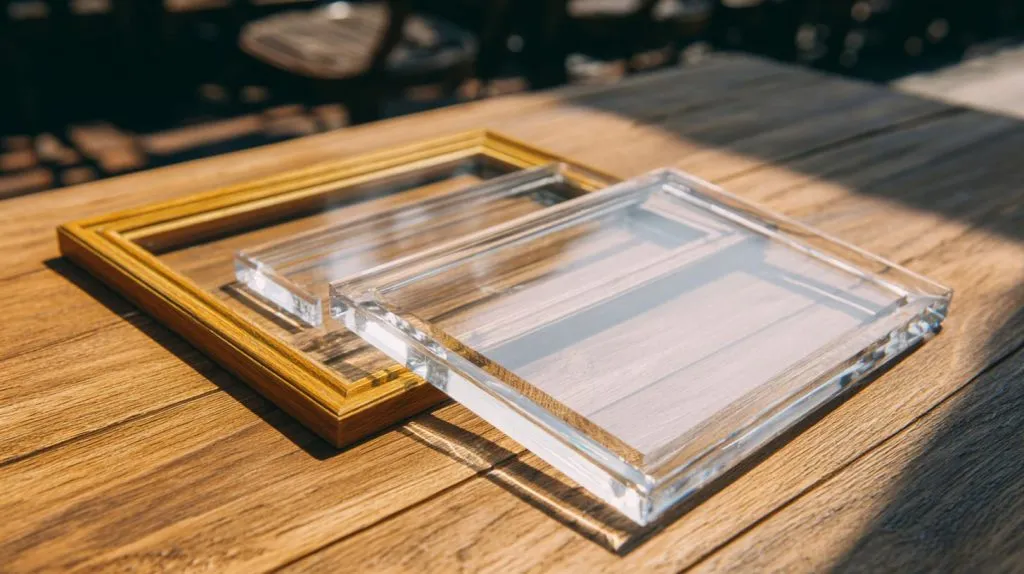
Acrylic is softer than glass. Minor abrasions leave marks easily. I often test samples by rubbing lightly with a cloth to gauge scratch resistance.
Common Causes of Everyday Scratches
Dust during cleaning, rough cloths, or jewelry can leave micro-marks. I noticed a simple mistake—wiping without dusting first—creates small scratches that worsen over time.
Environmental Factors That Accelerate Surface Wear
High-traffic areas, moving frames around, and exposure to abrasive particles all increase damage. I always ask where the frame will live before recommending a design.
The Science Behind Micro-Scratches
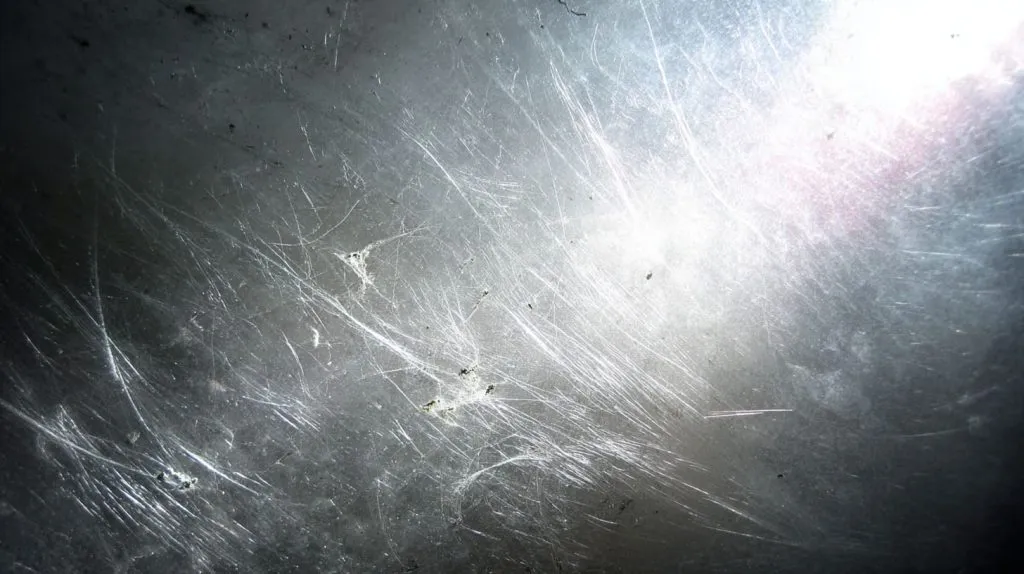
Tiny scratches scatter light and become visible with angles and reflection. When I install a frame under showroom lights, I check for these tiny flaws; they can make a new frame look worn instantly.
What Types of Scratch Damage Commonly Occur on Acrylic Frames?
Hairline Surface Scratches
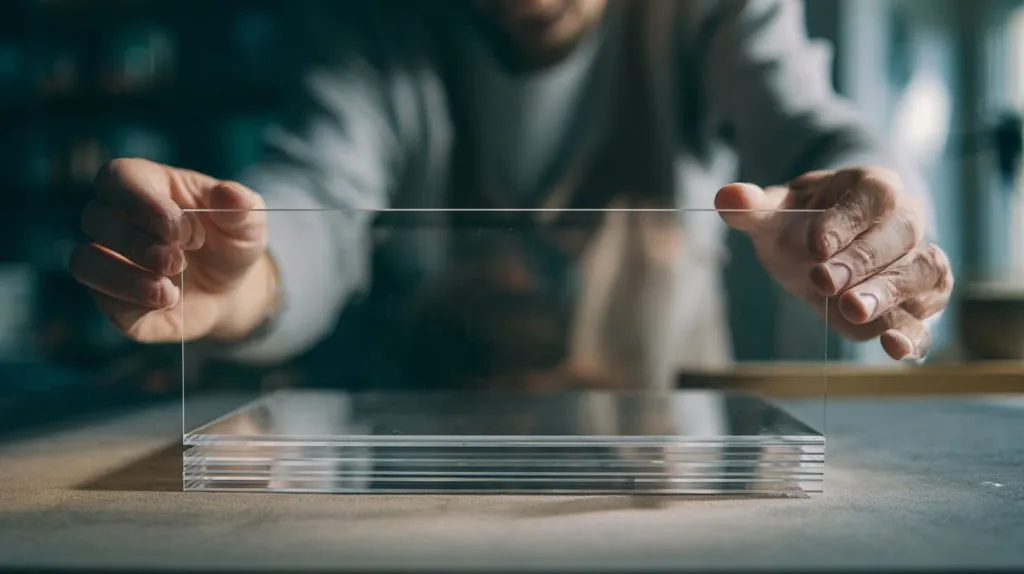
Caused by cleaning dust or cloth friction. They often appear after routine wipes.
Swirl Marks and Cleaning Haze
Circular motions or harsh polishes create patterns visible under light. I often spot these on display samples and recommend technique changes.
Deep Gouges and Impact Scratches
These happen with sharp tools or accidental drops. Transporting frames is the riskiest moment.
Edge and Corner Damage
Corners catch knocks easily. In practice, I often pad edges during shipping to prevent small but noticeable dings.
How Does Scratch Damage Affect Frame Performance and Appearance?
Reduced Visual Clarity
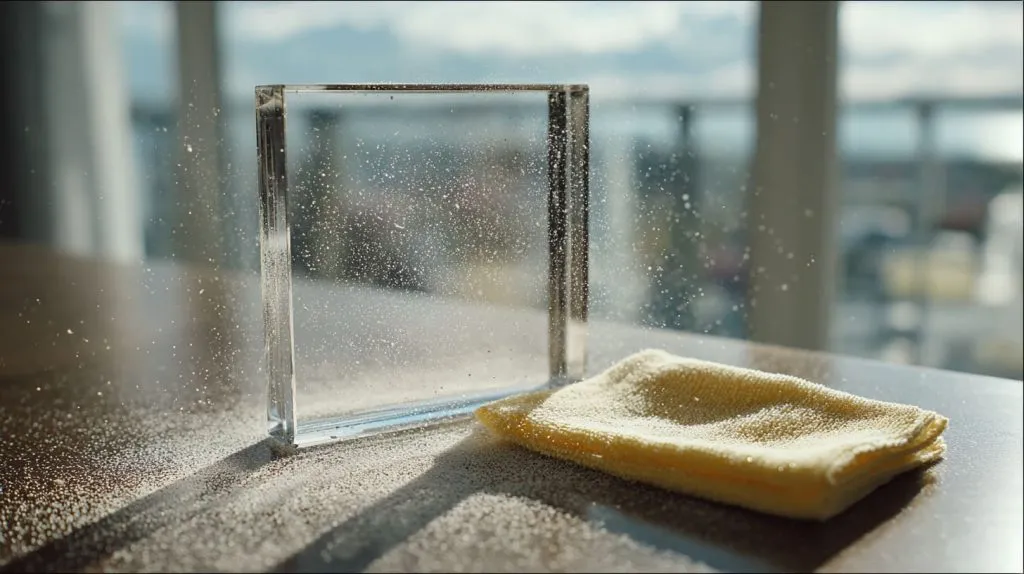
Scratches distort the image and scatter light. I’ve seen a subtle scratch ruin the effect of an expensive photo.
Decreased Premium Appearance
Even minor marks can make high-end displays look cheap.
Long-Term Material Aging
Dirt builds in scratches and becomes harder to clean. I usually check whether frames can be polished without losing shape.
Potential Impact on Brand Presentation
In retail, scratched frames can affect how customers perceive products. I always think about the first impression and how tiny flaws can lower confidence.
Which Environments Create the Highest Scratch Risk?
Retail Stores and Commercial Displays
Frequent customer contact and daily cleaning increase risk.
Children's Rooms and Schools
Kids are curious and rough. I always advise thicker acrylic or protective layers here.
Trade Shows and Exhibitions
Frames get packed, unpacked, and handled often. I plan protective packaging carefully.
Public Waiting Areas and Offices
High-touch areas wear frames quickly. I check if frames can withstand repeated cleaning without damage.
How Can Buyers Prevent Acrylic Frame Scratches?

Use Proper Cleaning Materials
Microfiber or anti-static cloths reduce scratches. I always supply a recommended cleaning kit for first-time clients.
Choose Acrylic-Safe Cleaning Solutions
Certain cleaners damage acrylic. I compare chemical lists before choosing a solution.
Develop Correct Cleaning Techniques
Dust removal first, then wipe gently. I demonstrate this to staff handling frames.
Safe Handling and Storage Practices
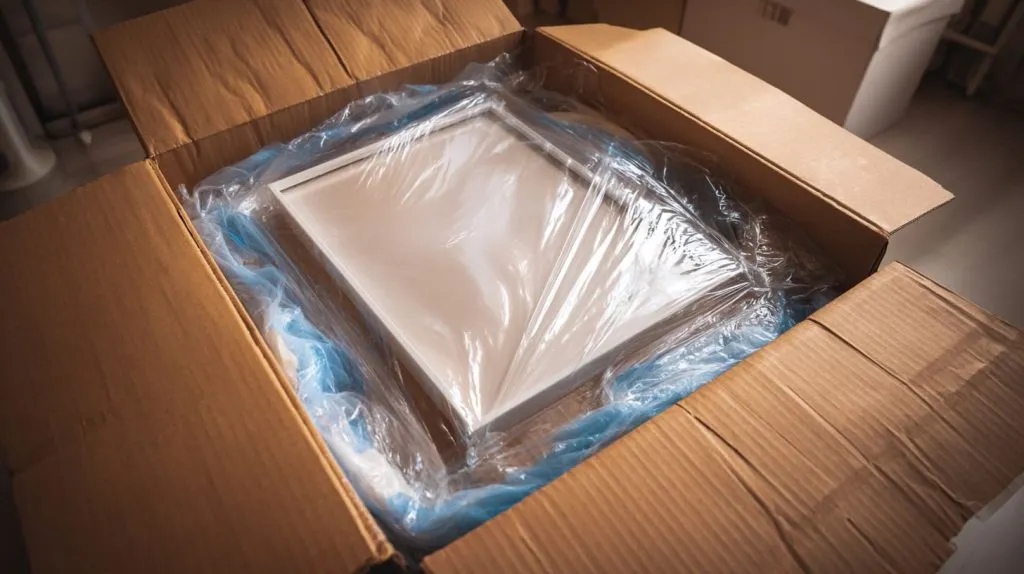
Packaging and stacking properly is critical. I often label packages with orientation to prevent scratches during storage.
What Cleaning Mistakes Cause the Most Damage?

Using Paper Towels
Fibers act like sandpaper.
Dry Wiping Dusty Surfaces
Turns dust into abrasives.
Using Household Glass Cleaners
Chemicals can cloud acrylic.
Applying Excessive Pressure
Pushing too hard leaves deep marks. I often remind teams that gentle is better than fast.
Can Scratched Acrylic Picture Frames Be Repaired?
Minor Scratch Removal Methods
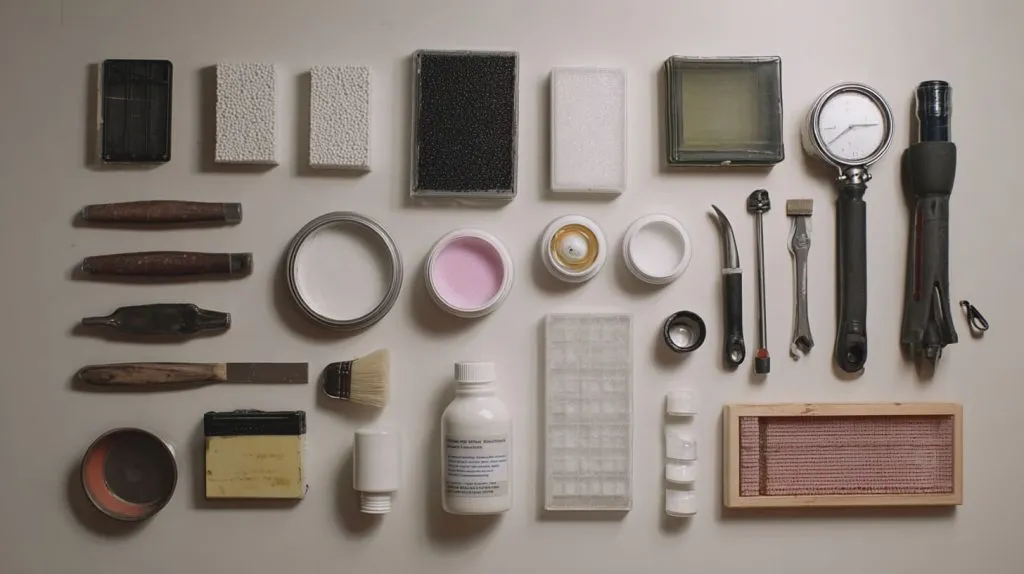
Polishing compounds can fix surface scratches.
Professional Polishing Solutions
Experts can restore deeper scratches.
Limitations of Scratch Repair
Deep gouges often remain visible. I usually weigh cost versus replacement for clients.
Cost Comparison: Repair vs Replacement
Sometimes buying new frames is cheaper than extensive repair.
Are Scratch-Resistant Acrylic Frames Worth the Extra Cost?

What Is Scratch-Resistant Acrylic?
Hard coatings protect the surface. I check the coating quality before ordering.
Performance Comparison
Coated acrylic lasts longer than standard.
Cost-Benefit Analysis
Initial cost is higher, but maintenance is lower. I calculate long-term value for commercial clients.
Ideal Applications for Scratch-Resistant Frames
High-traffic or public displays benefit most.
Acrylic vs Glass: Which Material Handles Scratches Better?
Scratch Resistance Comparison
Glass is harder but heavier.
Safety and Durability Trade-Offs
Acrylic is safer for drops.
Maintenance Requirements
Glass shows fewer scratches but needs careful handling.
Choosing the Right Material for Different Applications
I consider traffic, display type, and installation before deciding.
What Should B2B Buyers Consider Before Ordering Acrylic Picture Frames?

Evaluating End-Use Environment
Indoor, outdoor, or commercial use matters. I ask clients about daily handling.
Selecting Appropriate Acrylic Thickness
Thicker sheets resist scratches better.
Discussing Protective Options with Manufacturers
Hard coatings, films, and edge protection help.
Questions to Ask Your Acrylic Frame Supplier
I usually confirm scratch ratings, cleaning advice, and warranty terms.
How Can Custom Acrylic Frame Manufacturers Help Reduce Maintenance Risks?

Material Selection Guidance
Choosing quality acrylic is the first step.
Surface Protection Solutions
Hard coatings and protective films reduce damage.
Design Features That Minimize Damage
Rounded edges and spacers prevent knocks.
Importance of Working With Experienced Manufacturers
Experienced suppliers ensure consistency and long-term frame performance. I always check past projects before committing.
Conclusion

Scratches on acrylic frames are subtle but impactful. Understanding the material, handling, and maintenance reduces risks. For long-term clarity and appearance, prevention is better than repair. I recommend choosing quality acrylic, applying proper cleaning, and considering scratch-resistant options. This approach helps frames stay visually sharp and protects your investment. If you want the best results, work closely with experienced manufacturers and plan for everyday handling.