Skip to content
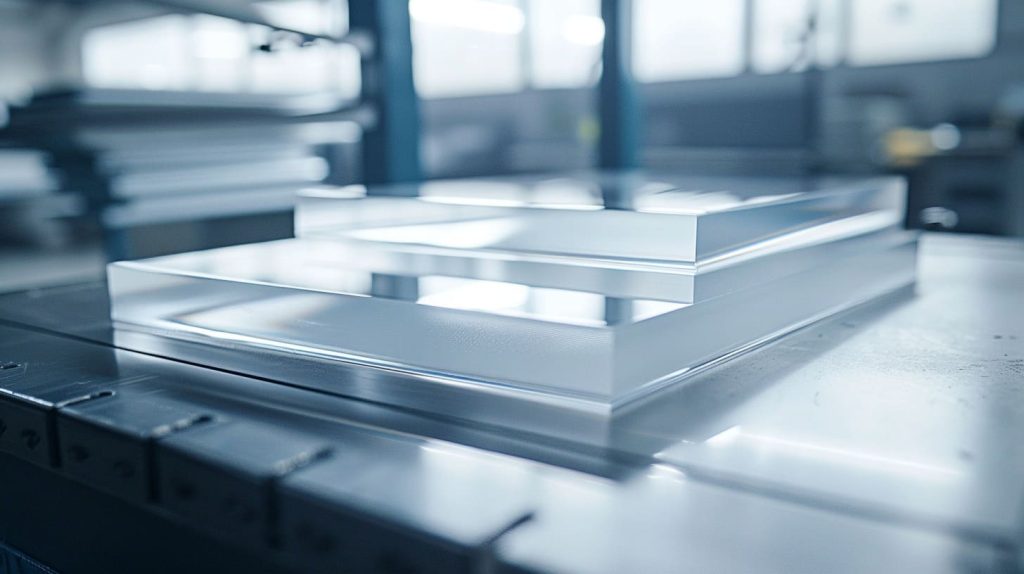
A clear acrylic sheet can be a little tricky.
On the table, it looks simple. Clean. Bright. Transparent. Almost innocent.
A buyer may look at two samples and say, “They look the same. Why is this one more expensive?” I understand that question very well. I have heard it many times when working with acrylic display cases, store fixtures, light boxes, and custom acrylic furniture parts.
And honestly, I do not blame the buyer.
Acrylic can fool the eye at the beginning.
A standard acrylic sheet and a UV-resistant acrylic sheet may both look beautiful on day one. Both can be clear. Both can be polished. Both can be cut, bent, glued, engraved, and made into a nice custom product.
But the real difference does not always show in the sample room.
It shows later.
It shows after the product sits near a sunny window.
It shows after a sign faces summer heat for one year.
It shows when an outdoor display starts to turn yellow.
It shows when a customer calls and says, “The display does not look new anymore.”
That is the painful part.
For acrylic buyers, designers, and sourcing managers, the question is not only, “Which sheet looks clear today?” The better question is, “Where will this acrylic live after delivery?”
I often judge acrylic material by its final environment, not by its first appearance, because a perfect sample under factory lights can become a weak product under real sunlight.
UV-resistant acrylic and standard acrylic are not enemies. They are just made for different jobs. Standard acrylic can be a smart choice for many indoor products. UV-resistant acrylic is usually the safer choice when sunlight, outdoor air, or long-term appearance matters.
In this article, I will walk through the real differences between them. I will keep it practical. No fancy textbook fog. Just the kind of thinking I use when helping buyers choose acrylic for real custom products.
Before we talk about yellowing, price, and outdoor life, we need to start with the material itself.
What Is UV-Resistant Acrylic?

UV-resistant acrylic is acrylic material designed to handle sunlight better than regular acrylic. It is still acrylic. It is still PMMA. But it has better protection against ultraviolet light.
I like to think of it like sunscreen built into the material.
Normal skin can face sunlight for a short time. But if someone works outside every day, sunscreen becomes important. Acrylic has a similar problem. Standard acrylic can handle light, but long exposure to strong UV can slowly damage its appearance and strength.
UV-resistant acrylic is made to slow down that damage.
What makes acrylic UV-resistant?
UV-resistant acrylic usually includes UV stabilizers or special additives. These help reduce the damage caused by ultraviolet light. They can help the acrylic keep its clarity, color, and surface appearance for a longer time.
The base material may look similar to standard acrylic, but the performance goal is different.
| Feature | UV-Resistant Acrylic | Standard Acrylic |
|---|---|---|
| Base material | PMMA acrylic | PMMA acrylic |
| UV protection | Higher | Lower or normal |
| Outdoor aging resistance | Better | Weaker |
| Yellowing resistance | Better | Depends on exposure |
| Main use | Outdoor or sunlight-facing products | Indoor products |
The key point is simple: UV-resistant acrylic is not magic. It does not make acrylic indestructible. It only gives the material better protection against sunlight damage.
This is where many projects go wrong: buyers compare the sheet price first, but I usually compare the product’s exposure time first, because sunlight is not a one-day test.
How UV-resistant acrylic is commonly used
UV-resistant acrylic is used when appearance matters for a long time.
Common applications include:
- Outdoor signs
- Retail window displays
- LED light boxes
- Museum and gallery display covers
- Outdoor furniture parts
- Architectural panels
- Brand logo displays near windows
- Protective covers in bright areas
I once worked on a project where the buyer wanted a clear acrylic display near a large glass wall. The product was technically “indoor.” But the sunlight hit it for several hours every afternoon. That was not a normal indoor condition anymore. That was a slow outdoor test with air conditioning.
That small detail changed the material choice.
Why UV-resistant acrylic costs more
UV-resistant acrylic usually costs more because the material formulation is better for long-term use. The supplier may also need better grade raw material, more stable production control, or specific material data.
The extra cost is not only for the sheet. It is for fewer problems later.
| Cost Factor | Why It Matters |
|---|---|
| UV additives | They improve sunlight resistance |
| Better raw material | It helps keep clarity and color |
| Quality control | It reduces batch difference |
| Longer outdoor life | It lowers replacement risk |
| Better appearance retention | It protects the brand image |
For a short-term indoor product, this extra cost may not be needed. But for a store sign, outdoor panel, or premium display, the higher material cost can be much cheaper than replacing a failed product later.
Acrylic is strange like that. The expensive choice can become the cheaper choice after six months.
Now let’s look at the material buyers often compare it with: standard acrylic.
What Is Standard Acrylic?
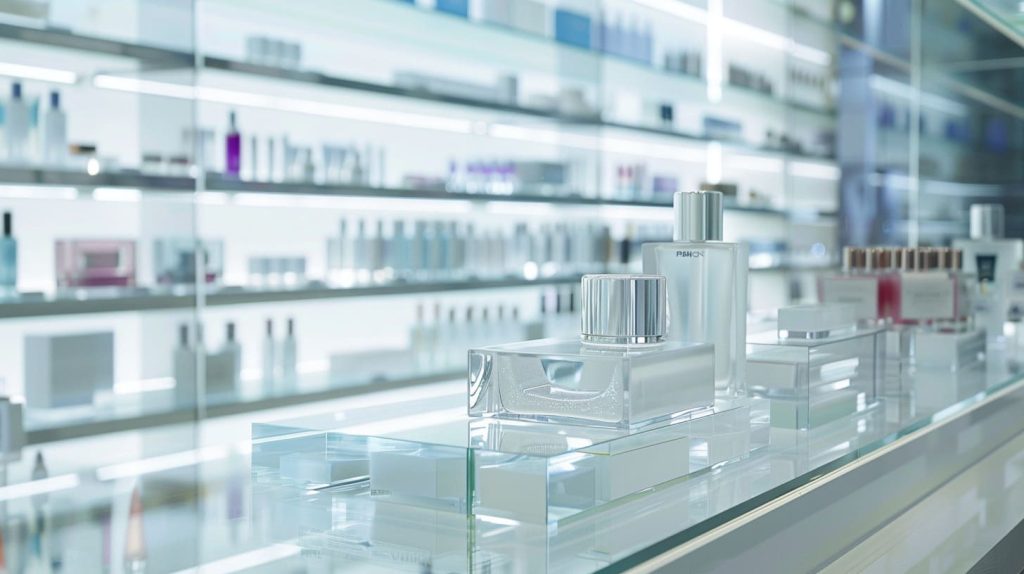
Standard acrylic is the normal acrylic sheet used in many indoor products. It is clear, light, easy to process, and usually more affordable than UV-resistant acrylic.
Most acrylic display products you see in offices, stores, homes, and showrooms are made from standard acrylic.
And to be fair, standard acrylic is not a bad material.
It is actually a very useful material when it is used in the right place.
How standard acrylic is manufactured
Standard acrylic is made from PMMA, which is short for polymethyl methacrylate. Most buyers do not need to remember that long name. In daily work, we simply call it acrylic.
Standard acrylic is usually made in two common ways:
| Type | Basic Description | Common Strength | Common Weakness |
|---|---|---|---|
| Cast acrylic | Liquid acrylic material is poured into molds and cured | Better optical quality and stress resistance | Higher cost |
| Extruded acrylic | Acrylic is pushed through rollers or dies | Lower cost and stable thickness | More internal stress |
Both cast and extruded acrylic can be used for custom products. The choice depends on the product design, budget, tolerance, bending needs, and final use.
For example, if I need a polished display block or premium display case, I usually prefer cast acrylic. If the product needs simple cutting and large-volume production with tight sheet thickness, extruded acrylic may make sense.
Where standard acrylic performs well
Standard acrylic works very well indoors.
It is common in:
- Cosmetic organizers
- Indoor display cases
- Office brochure holders
- Retail countertop displays
- Acrylic boxes
- Photo frames
- Small furniture parts
- Indoor POP displays
For these uses, the acrylic may not face strong sunlight. It may only need to look clear, hold shape, and match the buyer’s design.
| Indoor Product | Is Standard Acrylic Usually Enough? | Notes |
|---|---|---|
| Cosmetic organizer | Yes | Good clarity and easy cleaning |
| Indoor display box | Yes | Works well away from strong sunlight |
| Office sign holder | Yes | Low UV exposure |
| Countertop display | Yes | Good balance of price and look |
| Window-facing display | Maybe | Need to check sunlight exposure |
A buyer once sent me a drawing for a small acrylic display stand. The product sat inside a department store, but right beside the glass entrance. The buyer called it an indoor display. I called it a sunlight-facing display. Both were true. But only one description helped us choose the right material.
The detail I do not ignore is the product position inside the store, because “indoor” can still mean UV exposure if the display lives beside a window.
The limitations of standard acrylic outdoors
Standard acrylic can have problems outdoors or in strong sunlight.
Possible issues include:
- Yellowing
- Haze
- Loss of gloss
- Surface aging
- Brittleness
- Small cracks
- Reduced optical clarity
These issues do not always happen quickly. That is why they are dangerous. A sample may pass approval. The first shipment may look fine. Then the problem appears months later, after the product has already reached the final customer.
Standard acrylic is like a good indoor jacket. It works beautifully in the right weather. But if you wear it into heavy rain and strong sun every day, you cannot blame the jacket alone.
So, what exactly separates these two materials when real use begins?
What Is the Main Difference Between UV-Resistant Acrylic and Standard Acrylic?
The main difference is long-term performance under UV light.
UV-resistant acrylic is made to resist sunlight damage better. Standard acrylic is made for normal acrylic applications, especially indoor use. They may look similar at first, but they age differently.
That is the heart of the issue.
UV stability and sunlight performance
UV stability means the material can keep its appearance and properties after exposure to ultraviolet light.
For acrylic products, UV stability affects:
- Yellowing resistance
- Transparency
- Gloss
- Color stability
- Surface quality
- Long-term strength
| Performance Area | UV-Resistant Acrylic | Standard Acrylic |
|---|---|---|
| Direct sunlight | Better choice | Higher risk |
| Long-term clarity | More stable | May decline faster |
| Yellowing resistance | Stronger | Weaker |
| Outdoor aging | Slower | Faster |
| Premium signage | Better fit | Risky for long life |
When I compare these materials, I do not ask only if the acrylic will be outside; I ask how embarrassing failure would be if the acrylic turns yellow in front of the customer’s own customers.
That question changes the decision quickly.
A cheap sign that fails in a hidden warehouse may be acceptable. A yellowed logo in front of a luxury retail store is a very different story.
Durability differences over time
UV damage does not only affect color. It can also affect strength.
Over time, standard acrylic exposed to strong UV may become more brittle. Small cracks may appear near drilled holes, bent edges, glued joints, or stressed corners.
These weak points matter.
| Product Area | Why It Can Fail |
|---|---|
| Drilled holes | Stress gathers around the hole |
| Bent corners | Heat bending creates internal stress |
| Glued joints | UV and heat may weaken appearance |
| Polished edges | Cracks may start from small defects |
| Outdoor mounting points | Wind and heat add more stress |
Acrylic failure often starts in boring places. A screw hole. A corner. A joint. A tiny polished edge. Not very dramatic. But very expensive when it happens after shipping.
Optical clarity comparison
Acrylic is often chosen because it looks clear and clean. So clarity is not a small detail. It is the product’s face.
UV-resistant acrylic usually keeps better optical clarity under sunlight. Standard acrylic can stay clear indoors for a long time, but outdoor exposure can change its look.
| Optical Factor | Why Buyers Should Care |
|---|---|
| Light transmission | Important for displays and light boxes |
| Color consistency | Important for brand image |
| Surface gloss | Important for premium appearance |
| Haze level | Important for clear covers and windows |
| Edge clarity | Important for polished custom products |
If the product is a protective cover for a machine, small haze may not hurt much. If the product is a museum display cover or premium retail case, haze can make the whole product feel cheap.
Lifespan comparison
Lifespan depends on climate, thickness, sheet grade, processing, installation, and maintenance. But as a general rule, UV-resistant acrylic is safer for outdoor or sunlight-facing use.
| Use Condition | Standard Acrylic | UV-Resistant Acrylic |
|---|---|---|
| Indoor, no sunlight | Good choice | Good but may be unnecessary |
| Indoor, near window | Depends on exposure | Safer choice |
| Outdoor, short-term | Possible | Better |
| Outdoor, long-term | Higher risk | Recommended |
| Premium brand display | Risk depends on location | Better choice |
The main difference is not only material chemistry. It is risk control.
And one of the most common risks has a very simple name: yellowing.
Does UV-Resistant Acrylic Turn Yellow Less Easily?
Yes. UV-resistant acrylic usually turns yellow less easily than standard acrylic under sunlight.
But I want to be careful here.
“Less easily” does not mean “never.” No plastic lives forever in harsh outdoor conditions. Heat, UV, moisture, dust, cleaning chemicals, and installation stress can all affect the final result.
Still, UV-resistant acrylic gives much better protection when sunlight exposure is a real part of the product’s life.
Why acrylic yellows under sunlight
Acrylic can yellow when UV light slowly affects the material surface or structure. The process can be made worse by heat, pollution, poor raw material, and bad processing.
Common reasons include:
- UV radiation
- Oxidation
- Surface aging
- Heat buildup
- Chemical exposure
- Poor-quality sheet material
Yellowing is not just a color issue. It changes how the product feels.
A clear display becomes old.
A clean sign becomes tired.
A premium brand display becomes a complaint.
One small color shift can make a whole product look like it has lost its dignity.
How UV-resistant acrylic delays yellowing
UV-resistant acrylic uses additives or special material design to slow down UV damage. These UV inhibitors help the material hold its clarity longer.
| Factor | Standard Acrylic | UV-Resistant Acrylic |
|---|---|---|
| UV protection | Normal | Improved |
| Yellowing speed outdoors | Faster | Slower |
| Long-term clear look | Less stable | More stable |
| Buyer risk | Higher for outdoor use | Lower for outdoor use |
A buyer may not notice yellowing at first because the change can be slow. That is the trap. The eye gets used to it until a new sample is placed beside the old product. Then the difference becomes obvious.
The thing I always watch is whether the acrylic will be judged beside a fresh product later, because old yellow acrylic looks much worse when a customer compares it with a new clear sample.
Real-world outdoor examples
Let’s make this practical.
| Application | Yellowing Risk With Standard Acrylic | Better Choice |
|---|---|---|
| Storefront signage | High | UV-resistant acrylic |
| Outdoor menu board | High | UV-resistant acrylic |
| Bus stop panel | High | UV-resistant acrylic |
| Exterior brand logo | High | UV-resistant acrylic |
| Indoor cosmetic display | Low | Standard acrylic |
| Office display case | Low | Standard acrylic |
For a storefront sign, yellowing is not only a technical failure. It is a branding failure. The sign may still “work,” but it no longer speaks with confidence.
For an outdoor menu board, yellowing can make the surface look dirty even when it is clean. That is frustrating for the end user.
For a bus stop panel, yellowing can reduce visibility and make maintenance more frequent.
This is why I do not treat yellowing as a small cosmetic issue. In many commercial products, appearance is part of the product function.
And that brings us to the bigger outdoor question.
Is UV-Resistant Acrylic Better for Outdoor Applications?
Yes, UV-resistant acrylic is usually better for outdoor applications.
Outdoor use is hard on acrylic. Sunlight is only one part of the problem. Heat, rain, wind, dust, snow, salt air, and cleaning methods also join the party. And they are not polite guests.
Outdoor environments that damage standard acrylic
Standard acrylic may suffer faster in these conditions:
- Direct sunlight
- Coastal air
- High heat
- Dry desert-like sunlight
- Snow and freeze-thaw cycles
- Outdoor dust
- Frequent cleaning
- Poor ventilation behind panels
| Environment | Main Risk |
|---|---|
| Coastal area | Salt air and UV damage |
| Hot climate | Heat stress and faster aging |
| Cold climate | Expansion and contraction stress |
| High-altitude area | Strong UV exposure |
| Street-facing sign | Sun, dust, cleaning, vibration |
Outdoor acrylic does not fail from one thing only. It often fails from a group of small attacks.
The detail I check before suggesting outdoor acrylic is not just the country or city; I want to know if the product faces afternoon sun, because that heat can punish acrylic much harder than morning light.
Best outdoor uses for UV-resistant acrylic
UV-resistant acrylic is a good choice for:
- Exterior signage
- Outdoor protective covers
- LED signage panels
- Architectural glazing
- Outdoor display windows
- Brand logo panels
- Outdoor furniture parts
- Public information boards
These products need to look good for a long time. They also need to keep enough strength and clarity during use.
For LED signage, the issue can be even more serious. The acrylic may face UV from outside and heat from inside. If the panel is poorly designed, the material takes stress from both sides.
Situations where standard acrylic may still work outdoors
Standard acrylic is not automatically wrong outdoors. It may work when the product is:
- Used for a short-term promotion
- Installed under a covered area
- Protected from direct sunlight
- Low-cost and easy to replace
- Not used for premium brand display
- Used in mild weather for a short time
| Project Type | Standard Acrylic Possible? | Reason |
|---|---|---|
| 2-week outdoor event display | Yes | Short lifespan |
| Covered patio sign | Maybe | Depends on sunlight |
| Long-term storefront sign | Not ideal | High aging risk |
| Outdoor luxury display | No | Brand risk is too high |
| Temporary fair booth | Yes | Low long-term exposure |
This is where practical sourcing becomes interesting. The “best” material is not always the most expensive one. The best material is the one that fits the real risk.
A temporary display does not need a 10-year mindset. A permanent outdoor sign does.
But what actually happens to standard acrylic when UV exposure continues month after month?
How Does UV Exposure Affect Standard Acrylic Over Time?
UV exposure affects standard acrylic slowly at first. Then the damage becomes easier to see.
This slow process is why many buyers underestimate the risk. A sample test for one week cannot show what one summer can do. A bright showroom cannot copy three years of outdoor weather.
Early-stage surface changes
The first changes are often small.
You may see:
- Slight loss of gloss
- Minor haze
- Light discoloration
- Surface roughness
- Less “fresh” appearance
The product still works. The buyer may not complain. But the material has started to age.
| Early Sign | What It Means |
|---|---|
| Lower gloss | Surface has started aging |
| Slight haze | Clarity is weakening |
| Minor yellow tone | UV effect may be starting |
| Rougher surface | Dirt may stick more easily |
This stage is easy to ignore. But it matters for premium display products.
A clear acrylic display does not need to become broken to become unacceptable. Sometimes it only needs to stop looking new.
Long-term structural problems
After longer exposure, the problem can move from appearance to structure.
Possible issues include:
- Micro cracks
- Brittleness
- Reduced impact resistance
- Edge cracking
- Stress marks near holes
- Weakness near bent areas
| Weak Area | Possible UV-Related Problem |
|---|---|
| Screw holes | Cracks around fixing points |
| Bent edges | Stress whitening or cracking |
| Glued corners | Visible aging or weak joints |
| Polished edges | Small cracks from stress |
| Large panels | Warping or surface aging |
Here is the part many people miss: acrylic processing also affects outdoor life.
A poorly drilled hole, sharp inside corner, or stressed bend can become the starting point for failure. UV exposure then makes the weak area worse.
When a product will face sunlight, I pay more attention to processing stress than usual, because UV damage loves small mistakes that were already hiding in the part.
How climate changes the damage speed
Climate changes everything.
| Climate Type | What Usually Happens |
|---|---|
| Tropical area | Heat and UV speed up aging |
| Dry high-UV region | Yellowing and brittleness may appear faster |
| Coastal area | Salt, moisture, and sunlight create mixed stress |
| Cold outdoor area | Expansion and contraction affect holes and joints |
| Urban street area | Pollution and cleaning can affect surface appearance |
Acrylic in Canada and acrylic in the Middle East may not age the same way. Acrylic near the sea and acrylic inside a shopping mall may not face the same enemy.
So when buyers only say “outdoor use,” I usually ask more questions. Outdoor where? Under shade or direct sun? Mounted flat or vertical? Near the sea? Cleaned with what chemical?
Those small answers can save a large order.
Now let’s talk about the question every buyer eventually asks: price.
Is UV-Resistant Acrylic More Expensive?
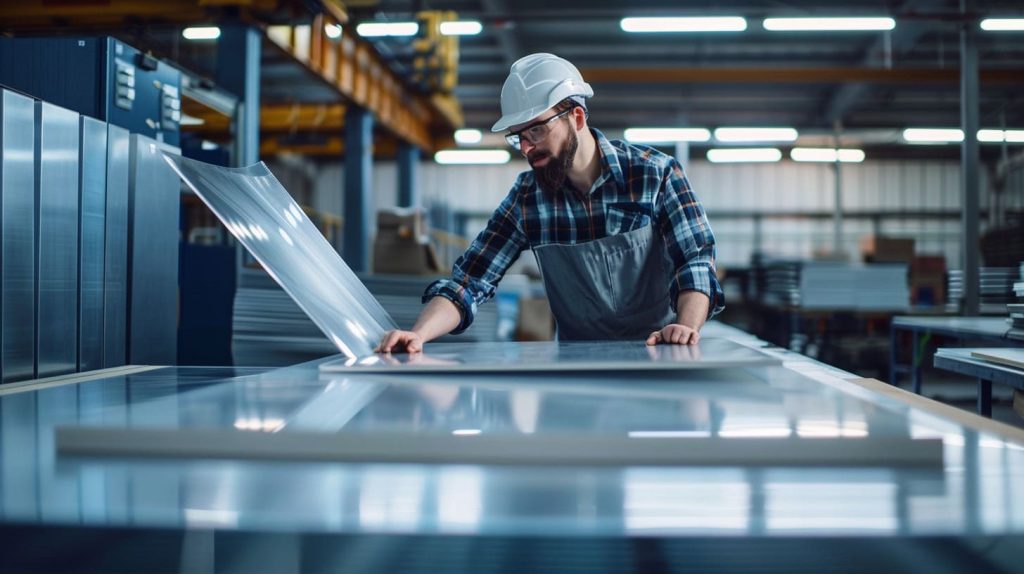
Yes, UV-resistant acrylic is usually more expensive than standard acrylic.
But the smarter question is not only, “How much more does the sheet cost?” The smarter question is, “How much will failure cost later?”
That is the question many purchasing teams learn the hard way.
Material cost comparison
UV-resistant acrylic can cost more because of:
- Better raw material grade
- UV additives
- More controlled production
- More stable optical performance
- Better outdoor aging resistance
| Cost Area | Standard Acrylic | UV-Resistant Acrylic |
|---|---|---|
| Sheet price | Lower | Higher |
| Outdoor risk | Higher | Lower |
| Replacement risk | Higher outdoors | Lower outdoors |
| Suitable for indoor products | Yes | Yes, but often unnecessary |
| Suitable for long outdoor use | Risky | Better |
A buyer may save money on the first order by choosing standard acrylic. But if the product yellows, cracks, or loses clarity too early, the real cost becomes much larger.
That cost may include:
- Replacement products
- Extra shipping
- Customer complaints
- Brand damage
- Lost trust
- Rework time
- Supplier dispute
The cost I worry about most is not always material cost; it is the cost of explaining a visible failure to the final customer after everyone thought the project was finished.
Why many buyers still choose UV-resistant acrylic
Many experienced buyers choose UV-resistant acrylic because it reduces uncertainty.
They may pay more at the beginning, but they gain:
- Longer outdoor life
- Better appearance retention
- Fewer replacements
- Lower maintenance pressure
- Better customer confidence
For B2B custom products, trust matters. If a buyer sells the display or sign to their own customer, they do not want that product to come back as a complaint.
The acrylic sheet is only one part of the project cost. But it can decide the whole product experience.
Cost vs lifespan comparison table
Here is a simple way to think about it.
| Use Case | Standard Acrylic | UV-Resistant Acrylic | Better Buying Logic |
|---|---|---|---|
| Indoor display case | Good choice | Usually not needed | Save cost |
| Indoor cosmetic organizer | Good choice | Usually not needed | Standard acrylic is enough |
| Window display with strong sun | Risky | Safer | Check sunlight exposure |
| Outdoor sign, long-term | High risk | Recommended | Pay more to reduce failure |
| Temporary outdoor display | Possible | Better but may be overkill | Match lifespan to budget |
| Premium brand logo | Risky outdoors | Recommended | Protect brand image |
I like to separate projects into two groups:
| Project Mindset | Best Material Thinking |
|---|---|
| Short product cycle | Standard acrylic may be enough |
| Long brand exposure | UV-resistant acrylic is safer |
| Low visibility product | Cost may matter more |
| High visibility product | Appearance risk matters more |
| Easy replacement | Lower material grade may be acceptable |
| Hard replacement | Choose safer material |
Acrylic price is easy to compare. Failure cost is harder to see. That is why it gets ignored.
And that leads to another important question: how can a buyer know if the material is really UV-resistant?
How Can Buyers Identify UV-Resistant Acrylic?
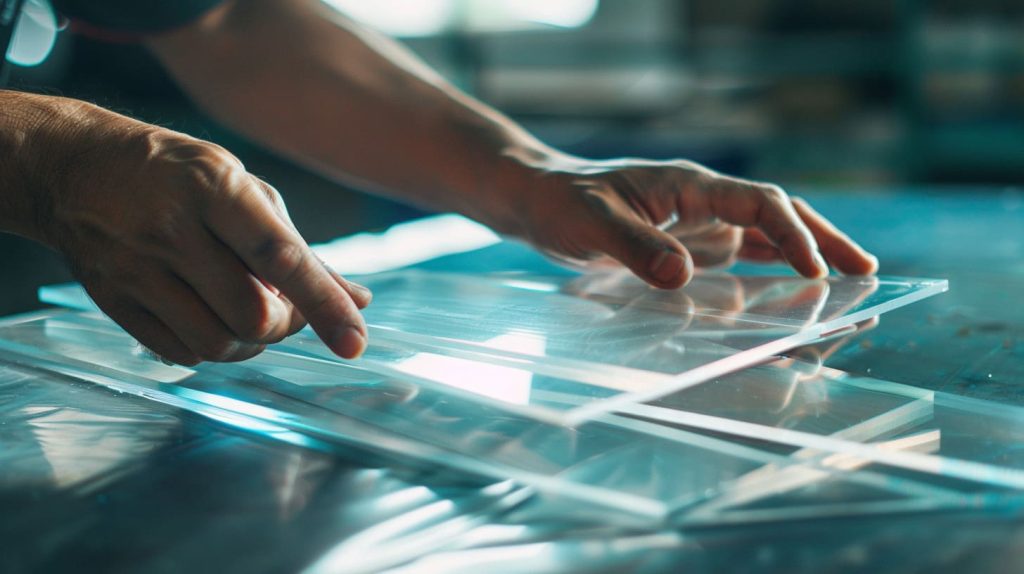
Buyers can identify UV-resistant acrylic by asking for clear material information, supplier experience, and proof of performance. The goal is not to collect beautiful words. The goal is to reduce risk before production.
A supplier saying “good quality” is not enough.
Good for what?
Good for indoor?
Good for outdoor?
Good for one year?
Good for five years?
Good under direct sunlight?
These questions matter.
Questions buyers should ask suppliers
Before ordering UV-resistant acrylic, buyers should ask:
- Is this sheet made for outdoor use?
- Does it include UV protection?
- Is there a material data sheet?
- Is there any outdoor lifespan reference?
- Is there a UV warranty?
- Is the sheet cast or extruded?
- What brand or grade is the raw material?
- Has this material been used in similar products before?
- Can the supplier share aging test information?
| Buyer Question | Why It Matters |
|---|---|
| Is it UV-resistant grade? | Confirms material type |
| Is it suitable for outdoor use? | Avoids wrong material selection |
| Is there a data sheet? | Gives basic technical support |
| What is the expected lifespan? | Helps plan product risk |
| Any similar case? | Shows practical experience |
I do not trust vague material descriptions when the product is outdoor-facing, because vague words become very expensive when the acrylic starts aging too early.
Common testing and certifications
Buyers may look for:
- Weather resistance testing
- UV exposure testing
- Optical clarity data
- Yellowing resistance data
- Material safety information
- Supplier quality control records
For custom acrylic products, not every project needs full lab testing. That can be too slow or too costly. But for large outdoor orders, premium branding projects, or long-term installations, some level of proof is useful.
| Proof Type | When It Helps Most |
|---|---|
| Material data sheet | Basic material confirmation |
| UV test report | Outdoor performance check |
| Sample aging test | Project-specific comparison |
| Supplier production records | Batch control |
| Similar project photos | Practical reference |
A good supplier should not feel offended by these questions. In serious B2B work, these questions protect both sides.
Red flags during sourcing
Some warning signs should make buyers slow down.
| Red Flag | Possible Risk |
|---|---|
| Very low price | Wrong grade or poor raw material |
| No data sheet | Hard to verify claims |
| Supplier avoids UV questions | Lack of experience |
| Only says “same as others” | No clear material control |
| No project details asked | Supplier may not understand final use |
| Price changes too much between batches | Material source may be unstable |
Acrylic sourcing is not only about finding someone who can cut and polish sheets. It is about finding someone who understands where the product will be used.
If the supplier does not ask about sunlight, location, thickness, installation, or product life, I become careful.
Material grade matters. But acrylic type also matters. That is why we need to talk about cast and extruded acrylic.
Cast Acrylic vs Extruded Acrylic: Which Handles UV Better?
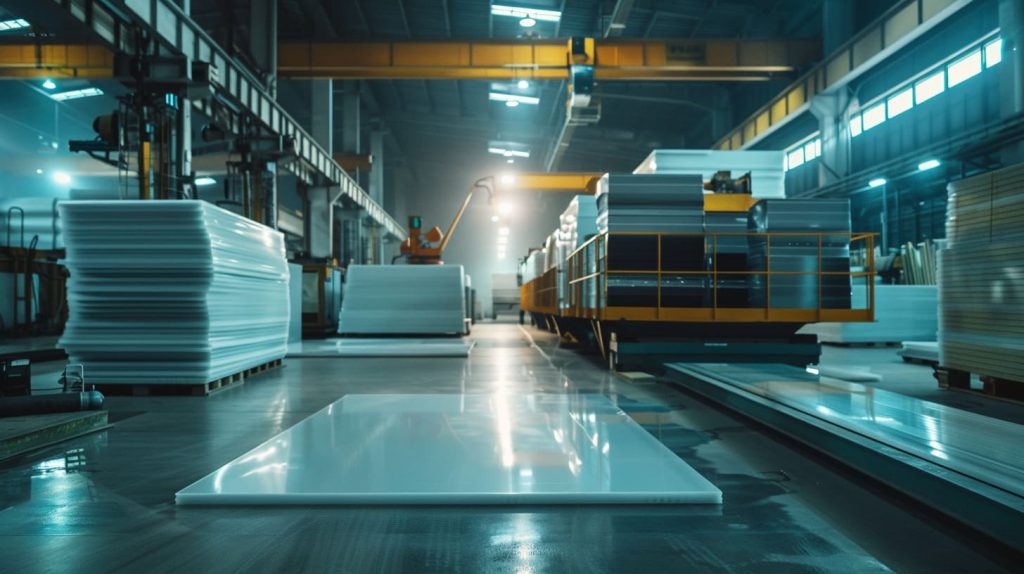
Cast acrylic usually handles outdoor and premium applications better than extruded acrylic, especially when the product needs better optical clarity, better stress resistance, and longer-term stability.
But this does not mean extruded acrylic is useless.
It means each material has a job.
Why cast acrylic usually performs better outdoors
Cast acrylic is made by pouring liquid acrylic material into molds and curing it. This process usually gives it better internal structure and lower stress.
Common advantages include:
- Better optical clarity
- Better surface quality
- Better chemical resistance
- Better stress resistance
- Better performance for polishing
- Better suitability for premium custom products
| Feature | Cast Acrylic | Extruded Acrylic |
|---|---|---|
| Optical clarity | Very good | Good |
| Internal stress | Lower | Higher |
| Polishing result | Better | Good, but more sensitive |
| Outdoor premium use | Better | Depends on grade |
| Cost | Higher | Lower |
When I see a premium outdoor signage project, I usually lean toward cast acrylic first, because the material gives me more safety around edges, holes, and polished surfaces.
That does not mean I never use extruded acrylic. It means I do not want to save a little material cost and then fight cracks, stress marks, or poor aging later.
Extruded acrylic outdoor limitations
Extruded acrylic is made by pushing acrylic through production equipment. It has stable thickness and lower cost, which can be helpful in many projects.
But it may have more internal stress. That can matter when the product is:
- Drilled
- Bent
- Polished
- Glued
- Installed outdoors
- Exposed to heat
- Fixed with screws
| Design Feature | Risk With Extruded Acrylic |
|---|---|
| Tight screw fixing | Stress cracking |
| Heat bending | Stress marks |
| Outdoor mounting | Expansion pressure |
| Flame polishing | Edge stress |
| Large flat panel | Warping risk |
Extruded acrylic can work well for simple indoor products. It can also work in some outdoor products if the grade is suitable and the design is simple. But for high-end outdoor products, cast acrylic often gives more peace of mind.
For premium signage, luxury displays, architectural projects, and long-term brand installations, cast UV-resistant acrylic is often the better choice.
| Project Type | Suggested Material |
|---|---|
| Luxury store logo | Cast UV-resistant acrylic |
| Outdoor brand sign | Cast UV-resistant acrylic |
| Short-term promotion sign | Standard or extruded acrylic may work |
| Indoor POP display | Standard acrylic often enough |
| Museum display cover | Cast acrylic, possibly UV-filtering grade |
| Outdoor architectural panel | UV-resistant grade, thickness checked carefully |
The material decision should match the product’s job.
If the acrylic is part of a brand image, I treat it more seriously. If the product is temporary, hidden, or easy to replace, I may choose a more economical option.
But even the right material can fail if the thickness is wrong.
What Thickness Works Best for Outdoor UV-Resistant Acrylic?

The best thickness depends on the product size, installation method, wind load, heat exposure, and design structure. There is no single perfect thickness for every outdoor acrylic product.
Acrylic thickness is not only about strength. It also affects weight, cost, bending behavior, thermal movement, and appearance.
Thin sheets vs thick sheets
Thin acrylic sheets are lighter and cheaper. They can be easier to bend or form. But they may flex more and feel less stable.
Thick acrylic sheets feel stronger and more premium. But they cost more, weigh more, and may need better installation support.
| Thickness Choice | Advantage | Risk |
|---|---|---|
| Thin sheet | Lower cost, lighter weight | More flex, less rigid |
| Medium sheet | Balanced strength and cost | Needs correct design |
| Thick sheet | Stronger, premium look | Higher cost, heavier |
| Very thick sheet | Strong visual depth | More machining cost |
I never choose thickness by habit alone, because a 3 mm sheet can be fine for one display and completely wrong for another panel twice the size.
Size changes everything.
A small acrylic cover may be strong enough at 3 mm. A large outdoor sign panel may need more thickness or support ribs.
Common thickness recommendations
Here is a basic reference. Final thickness should always depend on design details.
| Application | Common Thickness Range | Notes |
|---|---|---|
| Small outdoor sign face | 3-5 mm | Depends on size and fixing |
| Medium signage panel | 5-8 mm | Needs good support |
| Large outdoor panel | 8-12 mm or more | Check wind and mounting |
| Protective cover | 4-8 mm | Depends on impact risk |
| Outdoor furniture part | 8-20 mm | Depends on load and shape |
| Light diffuser | 2-5 mm | Depends on LED design |
Thickness alone does not solve everything. A thick sheet with poor mounting can still fail. A thinner sheet with smart support can perform better than expected.
Why thickness affects long-term durability
Outdoor acrylic expands and contracts with temperature changes. If the sheet is fixed too tightly, stress can build up.
This matters near:
- Screw holes
- Corners
- Edges
- Mounting brackets
- Glued joints
- Large flat areas
| Design Detail | What To Check |
|---|---|
| Screw holes | Leave room for expansion |
| Large panels | Add support or frame |
| Edge distance | Avoid holes too close to edge |
| Heat exposure | Allow movement |
| Wind load | Use proper thickness and fixing |
Acrylic is not metal. It needs room to move. If the installation traps it too tightly, the material may crack even if the sheet grade is good.
This is why I like to review the drawing before production, not after the product fails.
Now that thickness is clear, let’s look at where UV-resistant acrylic really earns its place.
What Are the Best Applications for UV-Resistant Acrylic?
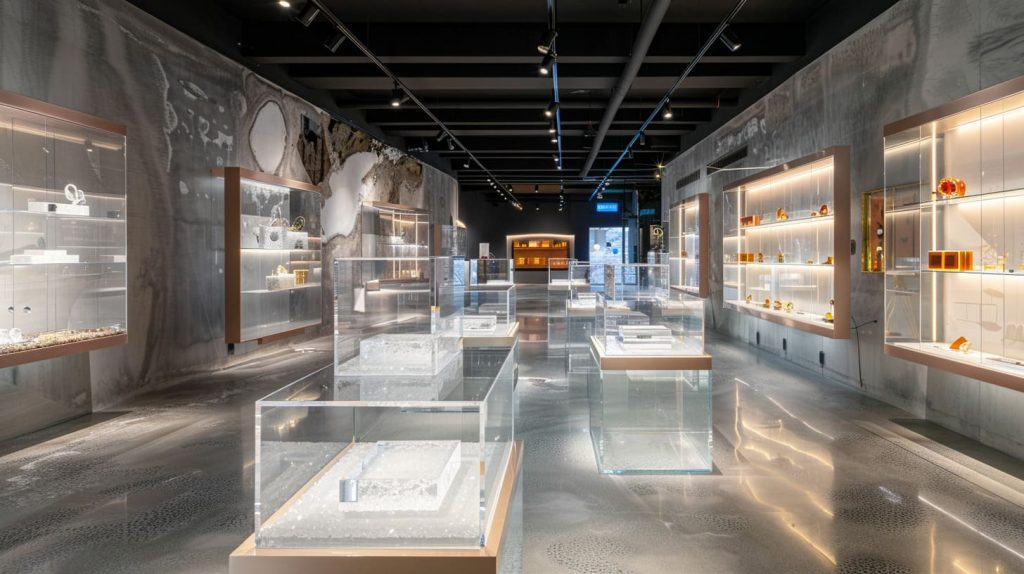
UV-resistant acrylic is best for products that face sunlight, need long-term clarity, or carry visible brand value.
In simple words, use it where yellowing, haze, or early aging would hurt the product’s purpose.
Retail and commercial applications
Retail products often need to stay beautiful. That is the whole point.
UV-resistant acrylic works well for:
- Outdoor store signage
- Window display panels
- Brand logo signs
- Light box faces
- Outdoor menu boards
- Display covers near glass walls
- Mall entrance displays
| Application | Why UV Resistance Helps |
|---|---|
| Storefront sign | Keeps brand image clean |
| Window display | Handles sunlight through glass |
| Brand logo | Reduces yellowing risk |
| Light box panel | Helps maintain clean light output |
| Menu board | Keeps surface looking fresh |
The mistake I see often is treating window displays as normal indoor displays, even when the sun hits them every day like a silent hammer.
Acrylic behind glass can still age. Sunlight does not ask permission.
Industrial and architectural applications
UV-resistant acrylic can also be used in industrial or architectural projects.
Examples include:
- Outdoor protective machine covers
- Exterior decorative panels
- Public installation covers
- Transparent barriers
- Equipment display windows
- Outdoor lighting covers
| Application | Main Concern |
|---|---|
| Machine cover | Safety and clarity |
| Exterior panel | Weather and appearance |
| Public display | Long-term durability |
| Lighting cover | Heat and UV exposure |
| Transparent barrier | Impact and aging |
For industrial projects, the appearance may not need to be luxury-level. But failure can still create maintenance trouble. A yellowed or cracked cover may reduce visibility. A brittle cover may become unsafe.
Premium custom acrylic products
UV-resistant acrylic also makes sense for premium custom products.
These may include:
- Luxury acrylic displays
- Museum-grade covers
- Designer furniture components
- High-end brand fixtures
- Outdoor art display covers
- Architectural acrylic features
Premium products are less forgiving. A small defect feels bigger because the buyer expects a cleaner result.
| Premium Product | Why Material Choice Matters |
|---|---|
| Luxury display case | Clarity is part of value |
| Museum cover | Protection and optical quality matter |
| Designer furniture | Surface aging affects appearance |
| Brand fixture | Yellowing hurts brand feeling |
| Architectural feature | Replacement may be difficult |
For premium acrylic products, I always think about the emotional side too. The customer does not only buy a clear sheet. They buy confidence. They buy the feeling that the product will still look right after it leaves the factory.
That feeling can disappear very fast when the wrong material meets the wrong environment.
So how should a buyer make the final choice?
How Should Buyers Choose Between UV-Resistant and Standard Acrylic?
Buyers should choose between UV-resistant acrylic and standard acrylic by looking at the final environment, product lifespan, visual standard, and replacement cost.
I know price matters. It always matters. But price should not stand alone in the room like a king.
The real decision needs more context.
Questions buyers should ask before ordering
Before choosing the material, I suggest asking these questions:
- Will the product be used indoors or outdoors?
- Will it face direct sunlight?
- Will it sit near a window?
- How many years should it last?
- Is it a premium visible product?
- Can it be replaced easily?
- What happens if it turns yellow?
- Will it face heat, rain, salt, or snow?
- Is the product thick enough for its size?
- Are there holes, bends, or glued joints?
| Question | Why It Matters |
|---|---|
| Indoor or outdoor? | Sets the basic material direction |
| Direct sunlight? | Shows UV risk |
| Expected lifespan? | Helps avoid overbuying or underbuying |
| Premium appearance? | Raises quality requirements |
| Replacement difficulty? | Changes cost calculation |
| Climate condition? | Affects aging speed |
The first thing I try to protect is not the acrylic sheet; I try to protect the buyer from choosing a material based on a sample that does not represent the real working environment.
Samples are useful. But samples do not show time.
When standard acrylic is the smarter choice
Standard acrylic can be the smarter choice when:
- The product is used indoors
- The budget is tight
- The product has a short life cycle
- The product does not face strong sunlight
- Replacement is easy
- The visual standard is normal
- Outdoor exposure is very limited
| Situation | Why Standard Acrylic Makes Sense |
|---|---|
| Indoor cosmetic organizer | Good clarity at better cost |
| Office display holder | Low UV risk |
| Short-term retail display | No need to overpay |
| Low-cost promotional stand | Budget matters more |
| Product used away from windows | Standard material is usually enough |
I do not like wasting the buyer’s budget. If standard acrylic can do the job well, I will not push UV-resistant acrylic just because it sounds better.
Better material is only better when the project needs it.
When UV-resistant acrylic is worth the investment
UV-resistant acrylic is worth it when:
- The product is outdoors
- The product faces direct sunlight
- The display is near a large window
- The product carries brand value
- Long-term clarity matters
- Replacement is expensive
- The product is used in harsh climates
- The buyer wants fewer complaints later
| Situation | Why UV-Resistant Acrylic Is Better |
|---|---|
| Outdoor signage | Reduces yellowing risk |
| Window-facing retail display | Handles daily sunlight better |
| Premium logo display | Protects brand appearance |
| Outdoor furniture part | Better long-term stability |
| Public installation | Lower maintenance pressure |
| Architectural panel | Replacement is difficult |
For many B2B buyers, the right choice is not about buying the strongest material every time. It is about avoiding the wrong weakness.
That is a small difference. But in real production, it matters a lot.
Now let’s bring everything back to one simple decision.
Conclusion
UV-resistant acrylic and standard acrylic can look almost the same when they are new. That is why many buyers compare them only by price at first.
But their long-term performance can be very different.
Standard acrylic is often a good choice for indoor products. It works well for display cases, cosmetic organizers, office fixtures, acrylic boxes, and many retail products that stay away from strong sunlight.
UV-resistant acrylic is the safer choice for outdoor products or sunlight-facing products. It helps reduce yellowing, haze, brittleness, and early aging. It is usually better for exterior signs, window displays, LED light boxes, outdoor panels, and premium brand fixtures.
The way I see it, acrylic selection is not only a material question. It is a future complaint question.
If the product will stay indoors and the buyer needs good value, standard acrylic can be a smart choice. If the product will face sunlight, weather, or long-term public display, UV-resistant acrylic usually gives better protection.
Here is the simple comparison I would keep in mind:
| Buying Situation | Better Choice |
|---|---|
| Indoor display, low sunlight | Standard acrylic |
| Indoor display beside strong window light | UV-resistant acrylic may be safer |
| Outdoor short-term promotion | Standard acrylic may work |
| Outdoor long-term signage | UV-resistant acrylic |
| Premium brand display | UV-resistant acrylic |
| Budget indoor product | Standard acrylic |
| Hard-to-replace outdoor panel | UV-resistant acrylic |
At Feilong Acrylic, we make custom acrylic products for B2B buyers, not retail catalog items. So I usually care less about selling “one material” and care more about matching the sheet, thickness, processing, and design to the real use.
If you are developing acrylic displays, signs, boxes, racks, furniture parts, or custom outdoor acrylic products, the safest step is to share the product drawing, use environment, expected lifespan, and target budget before production.
Acrylic looks simple.
But the right acrylic choice can save the whole project from becoming a yellow, cracked, expensive lesson.