Skip to content
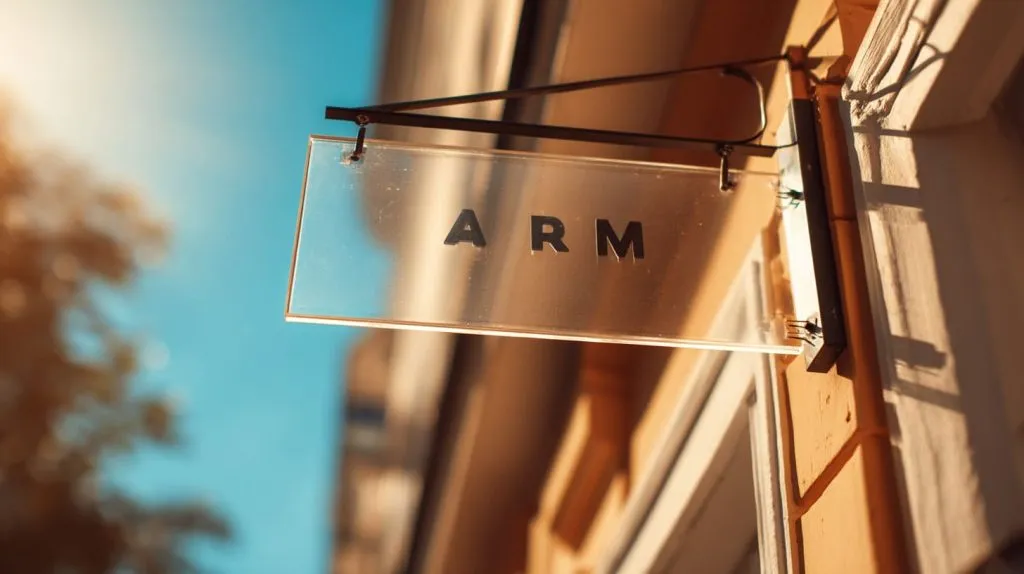
Acrylic looks honest at first glance.
Clear. Clean. Smooth. Easy to shape. Easy to polish. Easy to love.
That is why many buyers send me outdoor project drawings and say, “Can you quote this in acrylic?” I understand why they ask. Acrylic can look beautiful in signage, display boxes, outdoor brand panels, protective covers, and transparent structures. It gives a project a modern feeling without making it look heavy.
But I do not quote every acrylic project right away.
Sometimes I pause.
Sometimes I ask more questions.
And sometimes I tell the customer, “I do not suggest acrylic for this condition.”
That sentence is not easy to say. Nobody likes to slow down a quotation. Nobody likes to sound negative when a buyer is ready to move forward. But after working with custom acrylic products for many years, I have learned one simple thing: the wrong material can make a cheap quote become an expensive mistake.
Acrylic is not a magic material. It has strengths. It also has limits.
For indoor display stands, cosmetic organizers, acrylic boxes, photo frames, and retail display tools, acrylic is often a very good choice. It is clear. It is light. It can be made into many shapes. It helps the product look better.
For outdoor use, I think differently.
Before I talk about price, I look at the real environment.
Will the product sit under strong sun every day?
Will people touch, hit, or abuse it?
Will the temperature change a lot?
Will strong wind push against the panel?
Will salt air or chemicals attack the surface?
These questions sound simple. But they decide whether acrylic is suitable or not.
A buyer like Jacky, who has worked with China manufacturers many times, already knows one thing: a quote is not only about material cost. A quote is also about risk. It is about the life of the product after it leaves the factory.
That is why I sometimes reject acrylic before quoting a project. Not because I do not want the order. Not because acrylic is bad. I do it because I want the final product to survive in the real world, not just look good in a drawing.
So in this article, I want to share the five outdoor conditions that make me stop and review the material before I quote an acrylic project.
Not from a textbook.
From factory work. From customer drawings. From projects where one small outdoor detail could change everything.
Does Constant UV Exposure Make Acrylic a Poor Choice?
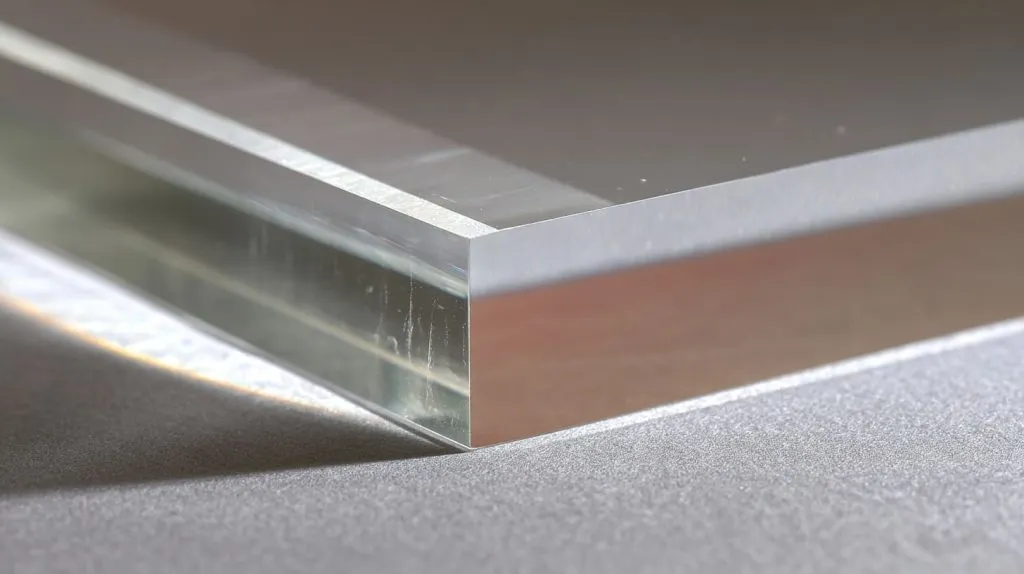
Sunlight is quiet.
It does not look dangerous like a hammer or a storm. It does not break a product in one second. It just stays there. Day after day. Month after month. Year after year.
That is exactly why I take UV exposure seriously.
Acrylic is often chosen because it has good clarity. A clear acrylic display or sign panel can look almost like glass. For many buyers, this is the main reason they choose acrylic in the first place.
But outdoor sunlight can slowly change the story.
How sunlight affects acrylic over time
Strong sunlight can affect acrylic in several ways. The result depends on the acrylic grade, exposure time, thickness, color, location, and maintenance.
| UV-related issue | What may happen | Why it matters for buyers |
|---|---|---|
| Yellowing | Clear acrylic may slowly lose its clean look | The product may look old before its structure fails |
| Surface dullness | The surface may lose its polished shine | Retail and brand projects may look cheaper |
| Loss of clarity | Light transmission may become weaker | Display value drops |
| Edge change | Polished edges may look less bright | Premium appearance is affected |
| Heat build-up | Dark colors may absorb more heat | Stress and deformation risks increase |
Clear acrylic often performs better than many people expect, especially when good outdoor-grade material is used. But I do not judge only by material name. I judge by the real location.
Acrylic in a shaded outdoor café is one thing.
Acrylic on a roadside sign in a hot country is another thing.
That difference matters.
When UV-resistant acrylic is still not enough
Many customers ask me, “Can we use UV-resistant acrylic?”
Yes, we can.
But UV-resistant does not mean “no aging forever.” It means the material has better resistance. It does not cancel the outdoor environment.
This is where I become careful. I do not reject a project only because there is sunlight. I reject or review it when sunlight becomes constant, direct, and long-term.
For example:
- A clear acrylic cover used outdoors for two months during a promotion may be fine.
- A display case under a shop awning may be fine.
- A sign panel facing direct sun for five years may need a deeper review.
- A large transparent cover in a desert-like area may not be a good acrylic project.
The detail I care about most is not only “outdoor or indoor.” I care about how many hours of direct sun the product receives every day, because two products with the same drawing can age very differently under different sunlight.
Better alternatives I consider
When the UV condition looks too harsh, I may suggest other materials. I do not do this to make the project complicated. I do it because the project may need a material with better long-term outdoor stability.
| Material | When I may consider it | Main trade-off |
|---|---|---|
| Polycarbonate | When impact resistance and outdoor use both matter | It may scratch more easily than acrylic |
| Metal | When structure and long life matter more than transparency | It loses the clear visual effect |
| Tempered glass | When clarity and outdoor aging matter | It is heavier and harder to customize |
| Composite panel | When signage needs outdoor stability | It is not transparent |
| Outdoor-grade acrylic | When the exposure is moderate and design is controlled | It still needs correct thickness and fixing |
Acrylic is not always the weak choice. Sometimes it is still the best choice. But if the buyer expects a long service life under strong sun, I need to ask more questions before giving a number.
My judgment criteria before quoting
Before I quote an outdoor acrylic project with UV exposure, I usually ask:
| Question | Why I ask |
|---|---|
| Where will the product be installed? | Different regions have very different sunlight strength |
| Will it face direct sun? | Direct sunlight changes aging speed |
| Is it clear, white, black, or colored acrylic? | Colors react differently under sunlight |
| How long should it last? | A 3-month project and a 5-year project need different thinking |
| Is the surface easy to clean or replace? | Maintenance changes the acceptable risk |
| Is the product for decoration or safety? | Safety-related parts need stricter judgment |
If a buyer only wants the lowest price, acrylic may look attractive. But if the buyer wants stable outdoor performance, I have to slow down and check the sun exposure first.
Acrylic can handle many outdoor jobs, but the sun has patience. It waits longer than most buyers plan for.
And sunlight is only the first problem. The next one is less patient. It arrives with a bump, a hit, or a careless hand.
Can Extreme Impact Risks Eliminate Acrylic from Consideration?
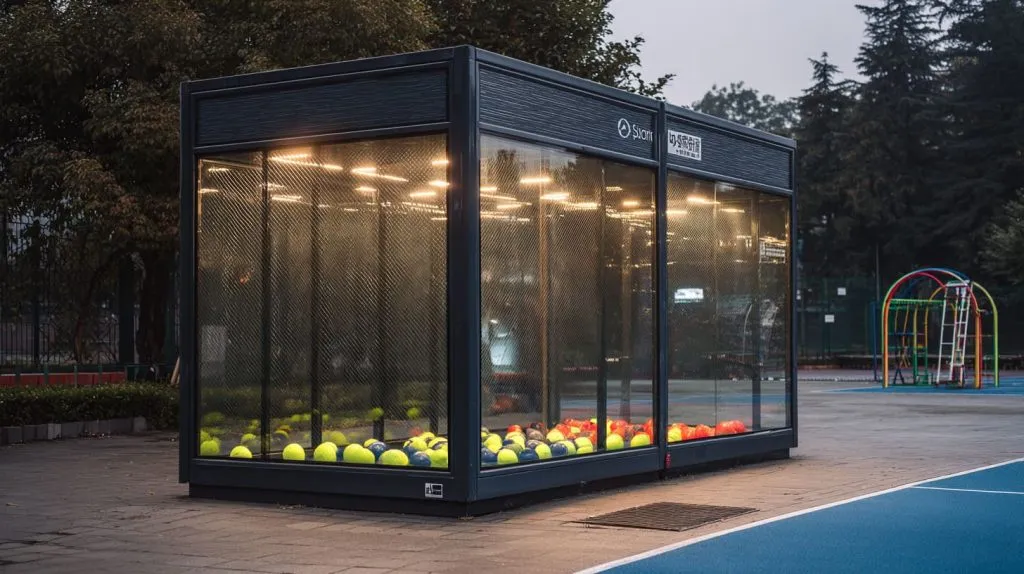
Acrylic is strong in a clean, controlled way.
It holds shape well. It can be cut cleanly. It can be polished beautifully. It can feel solid when you hold it.
But impact is different.
Impact does not care how nice the edge looks. It does not care how clean the drawing is. One hard hit can expose the limit of the material.
That is why I always ask where the product will be used.
Understanding acrylic's strength and weakness
Acrylic has good rigidity. This means it can stay firm and flat when the design is correct. For display stands, boxes, racks, covers, and panels, this is a useful strength.
But acrylic is not the best material for high-impact environments.
Compared with polycarbonate, acrylic is more brittle. It can crack when the force is sharp, sudden, or repeated. The risk becomes higher near holes, corners, screw points, and thin edges.
| Property | Acrylic | Polycarbonate |
|---|---|---|
| Clarity | Very good | Good |
| Surface hardness | Better | Usually lower |
| Impact resistance | Moderate | Much higher |
| Scratch resistance | Better | Easier to scratch |
| Easy polishing | Good | More difficult |
| Common use | Displays, signs, boxes, covers | Safety shields, impact guards, protective panels |
This is why I do not say one material is always better. I ask what kind of abuse the product will face.
Acrylic may look better.
Polycarbonate may survive better.
That trade-off decides the quote.
Outdoor environments with frequent impact hazards
Some outdoor places are simply not friendly to acrylic. Not because the material is poor, but because people and environments are unpredictable.
| Outdoor location | Impact risk | My concern |
|---|---|---|
| Sports facilities | Balls, equipment, body contact | Sudden hits may crack panels |
| Public transportation areas | Bags, carts, crowds | Corners and edges may break |
| Schools | Kids touching, pushing, hitting | Repeated abuse is hard to control |
| Playgrounds | Random impact | Safety risk becomes important |
| Street retail displays | Pedestrians, delivery carts | Damage may happen after installation |
| Public signboards | Vandalism | Acrylic may not survive intentional force |
A customer once sent me a drawing for a clear outdoor display cover near a public walkway. The design looked simple. The acrylic thickness also looked acceptable. But the installation point was close to a loading area where workers moved carts every day.
On paper, the project was easy.
In real life, it was waiting to be hit.
That is the kind of detail I do not ignore.
Real-world failure scenarios I have seen
Acrylic failure often starts from small weak points.
A crack does not always appear in the middle of a panel. It often begins where stress is concentrated.
Common weak areas include:
- Screw holes too close to the edge
- Sharp inside corners
- Thin connection points
- Long unsupported panels
- Poorly polished cut edges
- Over-tightened screws
- Poor packaging before installation
- Wrong installation method
Here is a simple example.
A buyer may request a thick acrylic panel and think thickness solves the impact problem. But if the screw hole is too close to the corner, the thick panel can still crack. The material is stronger, but the stress point is still weak.
A thicker mistake is still a mistake.
This is where many projects go wrong: the buyer pays more for thickness, but the design still has a fragile point near the fastener.
Materials I usually recommend instead
If the impact risk is high, I may suggest another material or a mixed-material structure.
| Situation | Better option I may suggest | Reason |
|---|---|---|
| Public safety shield | Polycarbonate | Better impact resistance |
| Outdoor machine guard | Metal frame + polycarbonate panel | Stronger structure |
| Anti-vandal sign | Metal or composite panel | Better abuse resistance |
| Public display box | Acrylic + metal protection | Better balance of appearance and strength |
| Sports area panel | Polycarbonate | Safer under sudden impact |
I may still use acrylic in some high-risk projects, but only if the design reduces risk. For example, I may suggest round corners, larger fixing distance, rubber washers, thicker support frames, or replaceable panels.
Acrylic can be beautiful. But beauty is not enough when the product lives in a place where people kick, hit, push, and test it without permission.
And even when nobody touches the product, the weather may still attack it from another direction.
Is Severe Temperature Fluctuation a Red Flag for Acrylic?
Temperature is sneaky.
A product can look perfect in the factory. It can pass packing inspection. It can arrive at the customer’s site with no visible problem.
Then the real test begins.
Hot afternoon. Cold night. Rain. Sun again. Winter. Summer. Expansion. Shrinkage.
This slow movement can create trouble if the design does not allow the material to breathe.
How acrylic reacts to heat and cold
Acrylic expands and contracts when temperature changes. This is normal. Many materials do this. The issue is not the movement itself. The issue is whether the design allows movement.
If the acrylic panel is locked too tightly, stress can build up.
If screw holes are too small, the panel may not move freely.
If the structure is large and flat, the expansion becomes more obvious.
| Temperature issue | What may happen | Design concern |
|---|---|---|
| Heat expansion | Panel becomes slightly larger | Tight fixing may cause stress |
| Cold contraction | Panel becomes slightly smaller | Gaps or tension may appear |
| Repeated cycling | Stress builds over time | Cracks may form near holes |
| High heat | Warping risk increases | Large panels need support |
| Freezing conditions | Brittleness may increase | Impact risk becomes higher |
Acrylic does not fail just because the weather is hot or cold. It fails when the design ignores the movement caused by weather.
That is a different problem.
And it is a problem I can often see before production.
Outdoor applications exposed to extreme weather
Not all outdoor projects face the same temperature stress.
A small acrylic sign under shade is not the same as a large acrylic cover on a rooftop.
Here are conditions that make me more careful:
| Environment | Why I review carefully |
|---|---|
| Desert climates | Strong heat and direct sun can cause expansion and stress |
| Northern cold regions | Low temperature may make impact damage more likely |
| Rooftop installations | Heat, wind, and sun combine together |
| Outdoor machine covers | Equipment heat may add to weather heat |
| Closed display boxes | Heat can build inside the box |
| Dark acrylic panels | Dark colors absorb more heat |
I once reviewed a drawing for a large outdoor transparent cover. The buyer wanted thick acrylic because they believed thickness meant safety. But the product had long flat surfaces, fixed tightly at many points, and no room for expansion.
The material was not the only issue.
The structure was the bigger issue.
Acrylic can move with temperature. If the design refuses to let it move, the material pays the price.
Design challenges caused by temperature changes
Temperature problems often show up as design problems.
For example, the buyer may ask for a very tight fit because it looks clean. I understand this. Tight gaps look premium in a drawing. But outdoors, tight gaps can become stress traps.
| Design detail | Risk under temperature change | Better thinking |
|---|---|---|
| Very tight screw holes | Stress around holes | Use larger holes with washers |
| Sharp inside corners | Crack starting point | Use rounded corners |
| Long unsupported panel | Warping or bending | Add frame or support |
| No expansion gap | Panel stress | Leave controlled tolerance |
| Dark color acrylic | More heat absorption | Review location and material |
| Fully sealed box | Heat build-up | Consider ventilation |
The part I study first is not only the acrylic sheet thickness. I look at how the material is held, because outdoor temperature can turn a clean fixed point into a slow cracking point.
When another material becomes the safer option
If the temperature change is too severe, or if the design cannot be changed, I may suggest another material.
| Project condition | Possible safer choice |
|---|---|
| Large outdoor flat panel | Aluminum composite panel or metal |
| Transparent safety cover in cold area | Polycarbonate |
| Heat-heavy equipment cover | Metal with ventilation |
| Long-term rooftop installation | Metal frame + selected panel material |
| Tight mechanical fit outdoors | Material with better dimensional stability |
This does not mean acrylic cannot be used outdoors in different temperatures. It can. But it needs the right design.
Acrylic is not only a material choice. It is also a structure choice.
A buyer may ask, “Can you make this in acrylic?”
My real question is, “Can this acrylic part move, expand, and survive after installation?”
If the answer is no, I do not rush to quote.
Because the next outdoor condition can make even a strong panel nervous: wind.
Do High-Wind Locations Make Me Reject Acrylic Projects?
Wind sounds harmless until the panel becomes large.
A small acrylic sign on a counter does not care much about wind. A large outdoor panel on a wall cares a lot.
Wind pushes. Then it pulls. Then it pushes again.
The panel flexes. The screws take stress. The corners work harder. The frame starts to matter more than the sheet.
That is when I stop treating acrylic like only a display material and start thinking like a structure person.
Wind pressure and structural limitations
Acrylic has good stiffness for many display products. But large outdoor panels can face strong wind pressure. If the design is not strong enough, the panel may flex too much or crack near fixing points.
| Wind-related risk | What it means in real work |
|---|---|
| Panel flexing | Large acrylic sheets may bend under wind load |
| Fastener stress | Screws and holes may carry too much force |
| Edge cracking | Stress may concentrate at corners and edges |
| Frame failure | The supporting frame may be weaker than the panel |
| Vibration | Repeated movement may loosen hardware |
| Safety concern | Falling parts can become dangerous |
Many buyers focus only on sheet thickness. But wind load is not solved by thickness alone.
A thick acrylic panel with poor support can still fail.
A thinner panel with a good frame may perform better.
This is why I ask about installation before I quote.
Typical high-risk environments
Some locations make wind a serious design factor.
| Location | Why it is risky |
|---|---|
| Coastal areas | Strong wind and salt air often appear together |
| High-rise buildings | Wind can be stronger at height |
| Rooftop signs | Open exposure from many directions |
| Outdoor shopping centers | Large open spaces create wind pressure |
| Roadside signs | Passing vehicles can add air movement |
| Mountain areas | Weather can change fast |
A customer once asked for a large clear acrylic panel for a rooftop brand display. The drawing looked clean. The logo area was beautiful. But the installation location was exposed on three sides.
That changed everything.
The question was no longer, “Can we cut this panel?”
The question became, “Should this panel be acrylic at all?”
For large wind-exposed parts, I become more conservative because the failure is not only about product appearance; it may become a safety problem after installation.
Why thickness alone cannot solve every problem
Thickness helps, but thickness is not a full solution.
Acrylic thickness affects rigidity, cost, weight, and processing difficulty. If the panel becomes too thick, the cost rises. The weight rises. The installation becomes harder. The stress around holes may also become more serious if fixing is not designed well.
| Buyer idea | My concern |
|---|---|
| “Make it thicker.” | Thickness raises cost and weight |
| “Use more screws.” | More screws may create more stress points |
| “Use stronger glue.” | Outdoor movement may weaken bonding |
| “Make it one large piece.” | Large panels are harder to control |
| “No frame, clean look.” | Clean look may reduce support |
Acrylic is not like a stone wall. It needs smart support. It needs correct fixing. It needs room for movement.
If the buyer wants a large outdoor acrylic panel with no frame, no support, and long service life in strong wind, I will not feel comfortable quoting it as a normal acrylic job.
Alternative solutions I evaluate first
When wind risk is high, I may suggest a different design direction.
| Risk condition | Possible solution |
|---|---|
| Large panel area | Add metal frame or divide into smaller panels |
| Strong wind zone | Use metal or composite panel |
| Transparent panel needed | Use framed polycarbonate or thicker engineered acrylic |
| Rooftop installation | Ask for structural review |
| Screw stress risk | Use larger holes, washers, and flexible fixing |
| Vibration concern | Improve hardware and support spacing |
Sometimes acrylic can still be used if the design changes. For example, we can reduce panel size, add a frame, use better fixing hardware, and avoid sharp corners.
But if the buyer wants the same large flat panel in a windy place and only asks me to “quote cheaper,” I know the project is already walking toward trouble.
Wind is invisible in a drawing. But after installation, it becomes very real.
And in some places, wind brings another problem with it: salt, moisture, and chemicals.
Does Constant Contact with Chemicals or Salt Air Disqualify Acrylic?
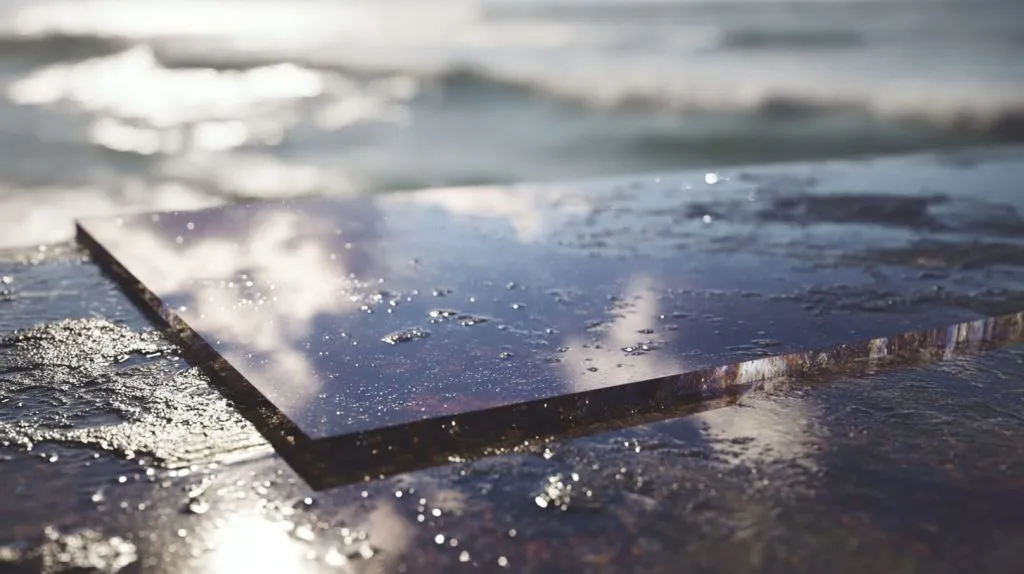
Acrylic hates certain chemicals.
That is the kind of simple sentence I wish every buyer knew before outdoor quoting.
Acrylic can look strong and glossy. But some cleaning agents, solvents, oils, and chemical vapors can damage it. The surface may become cloudy. Small cracks may appear. Edges may start to craze. A nice clear part can suddenly look tired and cheap.
And salt air adds another layer of trouble.
How chemicals affect acrylic surfaces
Chemical damage can be frustrating because it does not always happen immediately. Sometimes the product looks fine after cleaning. Then fine cracks appear later.
This is often called crazing. In simple words, it looks like tiny stress cracks inside or on the surface.
| Chemical exposure | Possible result |
|---|---|
| Alcohol-based cleaners | Surface stress or clouding in some conditions |
| Solvents | Cracking, crazing, surface damage |
| Strong detergents | Dullness or chemical marks |
| Oil and grease | Surface staining or cleaning difficulty |
| Industrial vapors | Long-term material attack |
| Wrong adhesive | Cracks near bonded areas |
The tricky part is that many people clean acrylic like they clean glass. That can be a mistake.
Glass can handle many cleaners that acrylic should not touch.
So if an outdoor product will be cleaned often by unknown staff, I need to think about user behavior, not only material data.
The risk I watch closely is the cleaning habit after delivery, because one wrong cleaner used every week can damage acrylic faster than the outdoor weather itself.
Coastal environments and salt exposure
Salt air does not attack acrylic in the same way it attacks metal, but coastal environments are still difficult.
Why?
Because the full system includes more than acrylic.
There are screws, hinges, locks, brackets, magnets, printed logos, adhesives, and packaging decisions. Salt air can corrode hardware. Moisture can affect connections. Cleaning may become more frequent. Wind may be stronger.
| Coastal factor | Possible issue |
|---|---|
| Salt air | Hardware corrosion |
| High humidity | Adhesive and printed areas need review |
| Strong wind | Higher structural stress |
| Frequent cleaning | More chance of wrong cleaner |
| Sand and dust | Surface scratches |
| Long outdoor exposure | Faster appearance aging |
Acrylic may still be used near the sea if the project is designed correctly. But I do not quote it like a normal indoor display box.
For coastal outdoor work, I review hardware first. Stainless steel, proper fasteners, sealed edges, drainage, and maintenance instructions become part of the project.
Industrial environments that concern me most
Some outdoor places are not just “outdoor.” They are chemically active.
That is a very different world.
| Environment | Why I may reject acrylic |
|---|---|
| Chemical plants | Solvent vapors and splashes may damage acrylic |
| Manufacturing facilities | Oil, dust, cleaner, and heat may combine |
| Marine applications | Salt, sun, wind, and cleaning all appear together |
| Food processing outdoor areas | Cleaning chemicals may be strong |
| Fuel stations | Chemical exposure may be unpredictable |
| Workshops | Workers may use random cleaners |
In a clean retail street, acrylic may be fine.
Near a chemical storage area, I become much more cautious.
The same acrylic sheet can perform very differently in these two places.
This is why I ask what happens around the product, not only what happens to the product.
Material options that perform better
If chemical or salt exposure is serious, I may suggest other materials.
| Condition | Better option I may consider |
|---|---|
| Strong chemical cleaning | Metal, glass, or special plastic |
| Marine hardware exposure | Stainless steel hardware with proper panel material |
| Solvent vapor | Material must be checked case by case |
| Need high transparency and chemical resistance | Tempered glass may be better |
| Industrial guard | Metal frame with suitable plastic or glass panel |
| Outdoor sign near chemicals | Aluminum composite or metal sign |
I also give maintenance advice when acrylic is still used:
- Use soft cloth.
- Avoid solvent cleaners.
- Avoid dry wiping with dust on the surface.
- Test cleaner on a small area first.
- Use proper hardware for outdoor use.
- Replace damaged parts early.
Acrylic is easy to like when it is new. The real question is whether the customer’s team can maintain it correctly.
If the outdoor environment is harsh and maintenance is careless, I may reject acrylic before the quote becomes a promise.
And this leads to one important part of my work: the questions I ask before pricing.
What Questions Do I Ask Before Quoting Any Outdoor Acrylic Project?
A good quote starts before the price table.
This may sound strange to some buyers. They want a fast price. They send a drawing. They expect numbers.
I understand that. Purchasing work is busy. Product teams need quick answers. But for outdoor acrylic, a fast quote without conditions can become a trap.
So before I quote, I ask practical questions.
Not to make the buyer tired.
To protect the project.
Location and climate assessment
The first question is always about location.
Not just country. Not just city. I want to know the actual environment.
| Question | Why it matters |
|---|---|
| Where will the product be installed? | Climate changes material risk |
| Is it indoor, semi-outdoor, or fully outdoor? | Exposure level is very different |
| Does it face direct sun? | UV and heat risk increase |
| Is it near the sea? | Salt and wind may matter |
| Is it on a rooftop or high wall? | Wind pressure may be serious |
| Is it under shade? | Acrylic may be more suitable |
Acrylic used under a covered entrance is not the same as acrylic used on an open rooftop.
I need that difference before quoting.
Expected service life requirements
Many buyers do not clearly state expected service life. But this detail changes everything.
| Expected use time | My material thinking |
|---|---|
| 1–3 months | Acrylic may be very suitable for promotion |
| 6–12 months | Outdoor grade and design should be reviewed |
| 1–3 years | UV, fixing, and maintenance matter more |
| 3–5 years | Material choice needs careful review |
| 5+ years | Acrylic may not be the best option in harsh conditions |
If a buyer wants a temporary outdoor display, acrylic can be a good choice.
If the buyer wants a long-life outdoor structure in harsh weather, I may suggest another material.
The same drawing can receive two different answers because the expected service life is different.
Impact and vandalism risks
I also ask who will be near the product.
This sounds like a small question, but it is not.
| Use environment | Risk level |
|---|---|
| Private garden | Low |
| Hotel entrance | Medium |
| Shopping mall outdoor area | Medium |
| School area | High |
| Sports field | High |
| Public roadside | High |
| Transit station | High |
If people can hit, push, climb, or damage the product, acrylic needs extra review.
Sometimes the risk is not from the customer. It is from the public.
A product in a showroom lives a polite life.
A product on the street lives a rough life.
Maintenance expectations
I ask how the product will be cleaned.
This question often surprises buyers.
But maintenance can decide whether acrylic stays beautiful.
| Maintenance habit | Risk |
|---|---|
| Soft cloth and correct cleaner | Low |
| Dry wiping dust | Scratch risk |
| Alcohol cleaner | Chemical risk |
| Strong detergent | Surface risk |
| Random cleaning staff | Higher risk |
| No maintenance plan | Aging becomes more visible |
For clear acrylic, appearance is part of the product value. If the surface gets scratched or cloudy, the product may still stand, but the buyer may still feel it failed.
That is why I treat cleaning as part of design.
Budget versus long-term performance
Budget matters. I never pretend it does not.
But I also know that the cheapest material can become expensive if it needs replacement too early.
| Buyer goal | My response |
|---|---|
| Lowest initial price | Acrylic may look attractive |
| Long outdoor life | Need deeper material review |
| Premium appearance | Acrylic can be strong visually |
| High safety | Polycarbonate or metal may be better |
| Easy replacement | Acrylic panels may work well |
| No maintenance | Acrylic may not be ideal outdoors |
At this stage, I am not trying to sell the most expensive option. I am trying to match the material to the risk.
The point I push back on is simple: if the buyer only compares unit price and ignores replacement cost, the cheapest quote may become the most expensive decision after one outdoor season.
Why material selection should happen before pricing
Price without material judgment is only a number.
It may look useful, but it can mislead the project.
Before I quote, I want to know:
- What is the product?
- Where will it be used?
- How long should it last?
- Who will touch it?
- What weather will it face?
- How will it be cleaned?
- What failure is unacceptable?
After that, I can quote more honestly.
Sometimes the answer is acrylic.
Sometimes the answer is acrylic with design changes.
Sometimes the answer is “please do not use acrylic here.”
That answer may feel slower, but it is usually safer.
And to be fair, acrylic still has many outdoor situations where it performs very well.
So let’s not make acrylic sound weak. It is not weak. It just needs the right job.
When Is Acrylic Still an Excellent Outdoor Material?
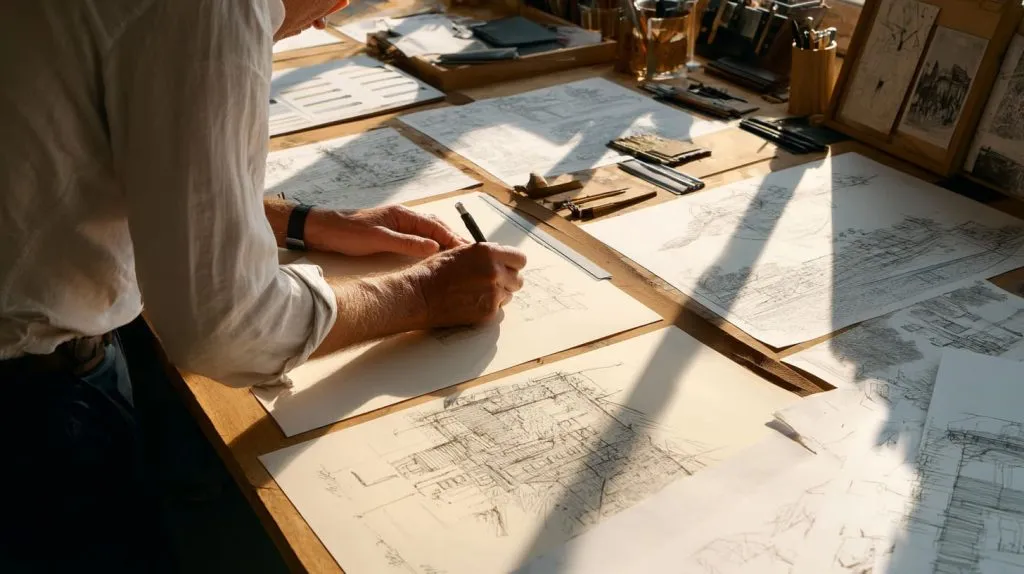
I reject acrylic in some outdoor conditions, but I still like acrylic.
That may sound like a contradiction. It is not.
Acrylic is a very useful material when the project matches its strengths. I only become strict when the environment asks acrylic to do a job it was not meant to do.
Used correctly, acrylic can make outdoor displays and signs look clean, bright, and professional.
Short- to medium-term signage projects
Acrylic can work well for outdoor signage when the use period is clear and the environment is not too harsh.
For example:
- Event signs
- Seasonal retail signs
- Promotional display panels
- Outdoor menu covers under shade
- Brand display boards for short campaigns
- Exhibition or roadshow display parts
| Project type | Why acrylic may work |
|---|---|
| Temporary promotion | Short service life reduces aging concern |
| Covered sign | Less direct UV and rain exposure |
| Small panel | Lower wind and stress risk |
| Replaceable display part | Easy to change after campaign |
| Premium brand display | Clear, polished look adds value |
For short-term outdoor branding, acrylic can be a smart choice because it gives a clean look without forcing the buyer into a heavy structure.
Protected outdoor display applications
Semi-outdoor use is often where acrylic performs better.
By semi-outdoor, I mean the product is outside but not fully exposed.
Examples include:
- Under a shop awning
- Inside a covered mall entrance
- At a hotel lobby entrance
- Under a roofed walkway
- Inside a display window facing outdoors
- In a protected patio area
This kind of location reduces UV, rain, and wind exposure. Acrylic gets a more comfortable life.
| Exposure level | Acrylic suitability |
|---|---|
| Indoor | Very suitable |
| Semi-outdoor under cover | Often suitable |
| Outdoor with shade | Possible with review |
| Fully exposed outdoor | Needs careful review |
| Harsh outdoor | May not be suitable |
I like protected outdoor acrylic projects because they let the material show its best side: clarity, smooth edges, and custom shapes.
Retail and commercial branding installations
Retail projects often need strong visual impact. Acrylic is good at that.
Acrylic can be used for:
- Logo blocks
- Display covers
- Brand signs
- Cosmetic display stands
- Menu holders
- Product showcase boxes
- Countertop promotional displays
- Wall-mounted brand panels
For these projects, the buyer often cares about appearance as much as function. Acrylic helps because it can be transparent, colored, frosted, printed, engraved, or shaped.
| Retail need | Acrylic advantage |
|---|---|
| Clean appearance | High clarity and polished edges |
| Custom shape | CNC and laser processing are flexible |
| Brand color | Colored acrylic and printing can help |
| Product visibility | Transparent structure shows items clearly |
| Lightweight display | Easier to move and install |
| Small-batch custom design | Suitable for OEM projects |
The detail I care about in retail projects is where the display sits after installation, because the same beautiful acrylic display can be perfect under a storefront roof but risky beside an open roadside.
Projects where optical clarity matters most
Acrylic is often chosen because people want clarity.
This is where acrylic can beat many other materials visually.
| Use case | Why clarity matters |
|---|---|
| Product display cover | Customers need to see the item clearly |
| Photo frame | Image quality matters |
| Museum-style display | Object must remain visible |
| Cosmetic display | Packaging and color need to stand out |
| Jewelry display | Light and detail matter |
| Brand block | Polished transparency feels premium |
Glass is also clear, but acrylic is lighter and easier to customize. This is why many buyers still choose acrylic for outdoor or semi-outdoor display parts.
But I still check the risk.
If the location is clean and protected, acrylic can be excellent.
If the location is harsh, clarity alone is not enough.
How proper design can extend outdoor performance
Good design can help acrylic perform better outdoors.
Here are the design choices I often review:
| Design choice | Why it helps |
|---|---|
| Rounded corners | Reduces crack risk |
| Proper thickness | Improves rigidity |
| Expansion gaps | Allows movement |
| Correct screw holes | Reduces stress |
| Metal frame | Improves support |
| UV-resistant material | Slows aging |
| Outdoor hardware | Reduces rust risk |
| Drainage design | Avoids water collection |
| Easy replacement | Reduces long-term cost |
Acrylic should not be treated like a cheap sheet that only needs cutting. For outdoor use, it needs design respect.
When design, location, and expectation match, acrylic can still be a very good choice.
But when they do not match, the real cost starts to appear.
Not always on the invoice.
Sometimes it appears months later.
What Is the Real Cost of Choosing Acrylic When Conditions Are Wrong?
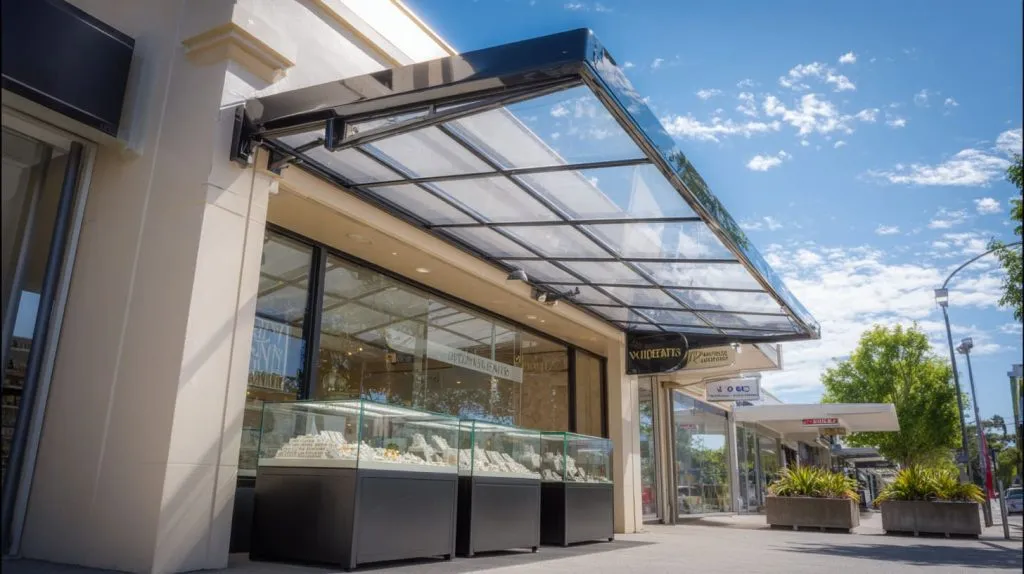
The real cost of a wrong material does not show up on the quotation sheet.
That is what makes it dangerous.
A buyer may compare two prices and choose the lower one. I understand that. Purchasing teams need to control cost. But if the product fails early, the real bill comes later.
Replacement. Shipping. Installation. Customer complaints. Brand damage. Lost trust.
That is much more expensive than choosing the right material at the beginning.
Initial savings versus replacement costs
Acrylic may offer a lower initial cost in some projects. But if the outdoor condition is wrong, that saving may disappear quickly.
| Cost item | What buyers often see | What buyers may forget |
|---|---|---|
| Unit price | Easy to compare | Not the full cost |
| Tooling or setup | Clear at the start | May repeat if product changes |
| Shipping | Paid once | Replacement doubles it |
| Installation | Often local cost | Rework can be expensive |
| Maintenance | Often ignored | Can become frequent |
| Brand image | Hard to calculate | Very painful when product looks bad |
A low price is only useful if the product can do the job.
If not, it is not a saving. It is a delay before a larger problem.
Maintenance and repair expenses
Outdoor acrylic may need cleaning and care. If the buyer’s team does not understand this, maintenance can become a cost.
Common maintenance-related problems include:
- Scratches from dry wiping
- Clouding from wrong cleaners
- Cracks from over-tightened screws
- Rust marks from poor hardware
- Loose panels from vibration
- Water marks from poor drainage
- Surface dullness from dust and sand
| Problem | Likely cause | Prevention |
|---|---|---|
| Fine scratches | Dry cloth or dust | Use soft wet cleaning method |
| Cloudy surface | Wrong cleaner | Avoid solvents and strong chemicals |
| Edge cracks | Stress near holes | Use better fixing design |
| Hardware rust | Wrong metal parts | Use outdoor-grade hardware |
| Warping | Heat and poor support | Add frame or reduce panel size |
| Loose parts | Wind vibration | Improve fastener and support design |
The hidden cost I worry about most is not one damaged panel. It is repeated small repairs, because they slowly eat the buyer’s time and make the supplier look unreliable even when the first quote looked attractive.
Brand image risks from premature failure
This part matters a lot for retail, hotel, cosmetic, jewelry, and commercial display projects.
Acrylic products often represent a brand. If the acrylic turns yellow, cracks, bends, or becomes cloudy, customers may not blame the material. They may blame the brand.
That is painful.
A display is not just a display. It is part of the customer’s first impression.
| Failure type | Brand effect |
|---|---|
| Yellowing | Looks old and low quality |
| Scratches | Looks poorly maintained |
| Cracks | Looks unsafe or cheap |
| Clouding | Reduces product visibility |
| Warping | Looks unprofessional |
| Rusty hardware | Makes the whole display look neglected |
A buyer may save money on the product. But if the display makes the brand look bad, the saving becomes hard to defend.
This is why I sometimes say no before quoting.
A “no” at the beginning can protect a buyer from a bigger “why did this happen?” later.
Lessons learned from past outdoor projects
Over time, I have learned to read outdoor projects with more suspicion.
Not negative suspicion.
Useful suspicion.
I ask myself:
- What can go wrong after installation?
- Which part will fail first?
- Who will clean it?
- Who will touch it?
- Can water stay inside?
- Can wind shake it?
- Can heat trap inside it?
- Can the buyer replace the part easily?
- Is acrylic being chosen for the right reason?
These questions make the quote slower. But they also make the project safer.
Acrylic is a wonderful material when the conditions fit. But when the conditions are wrong, it can become a beautiful problem.
And beautiful problems are still problems.
That is why I believe material rejection is not bad service. In many cases, it is the most honest service I can provide.
Conclusion
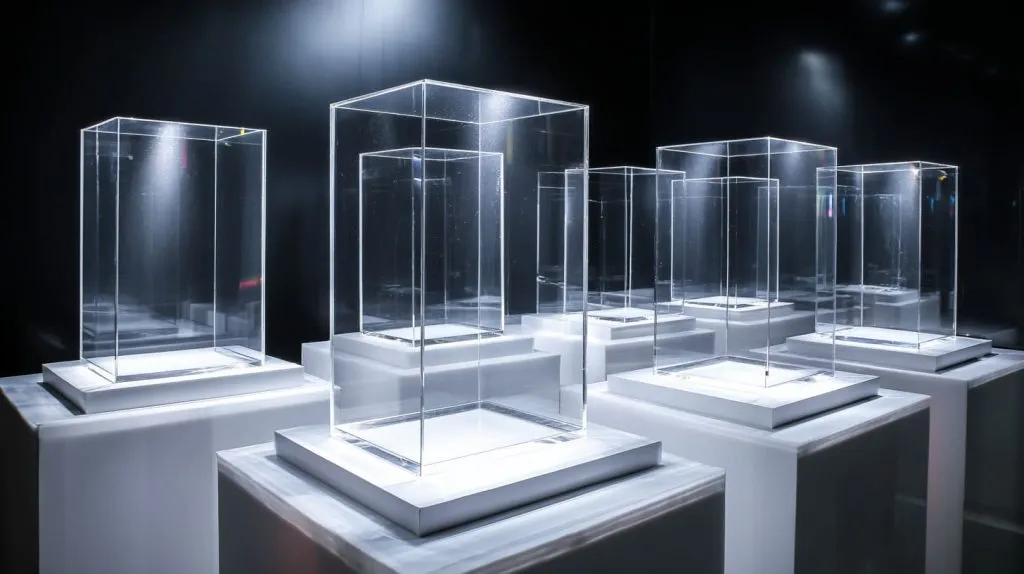
I reject acrylic before quoting some outdoor projects because I do not want the buyer to pay for a mistake that I can already see.
That is the simple truth.
Acrylic has many strengths. I work with it every day. I like its clarity. I like how clean it looks after polishing. I like how flexible it is for custom displays, boxes, stands, frames, racks, and brand products.
But outdoor conditions do not care about how much I like acrylic.
The sun still shines.
The wind still pushes.
People still hit things.
Temperature still moves materials.
Chemicals still damage surfaces.
Salt air still attacks hardware.
So I pause before quoting when I see these five outdoor conditions:
- Intense UV exposure
- High-impact environments
- Extreme temperature swings
- Strong wind loads
- Chemical or salt-air exposure
I do this because a quote is not only a price. A quote is also a promise.
If I quote acrylic for the wrong outdoor condition, I may win the order today but lose the customer’s trust later. I do not think that is good business. Not for me. Not for the buyer. Not for the final user who has to live with the product after installation.
For product designers and purchasing teams, my advice is simple: do not choose acrylic only because it looks clean in a drawing or costs less at first. Choose it because the environment, structure, service life, and maintenance all make sense.
Before you ask for price, ask these questions:
| Question | Why it matters |
|---|---|
| Where will this product be installed? | Location decides exposure |
| How long should it last? | Service life changes material choice |
| Will people hit or touch it often? | Impact risk may reject acrylic |
| Will it face strong sun or wind? | Outdoor stress may be too high |
| Will chemicals or salt air be present? | Surface and hardware risks increase |
| Can the design be changed? | Better design may make acrylic possible |
| Can the part be maintained or replaced? | Long-term cost becomes clearer |
This is why I sometimes say no to acrylic before quoting.
Not because I want to avoid hard projects.
I say no because I have seen how small outdoor details become large problems after production. I say no because the right material protects the buyer’s budget, the supplier’s reputation, and the final brand image.
If you are working on an outdoor acrylic project and you are not sure whether acrylic is suitable, send the drawing, installation location, expected service life, and use environment to us.
At Feilong Acrylic, we can review the design from a practical manufacturing angle and tell you honestly whether acrylic fits the project, whether the structure should be changed, or whether another material may protect you better.
A good custom project does not start with the cheapest quote.
It starts with the right judgment.