Skip to content
Acrylic display prototypes can be tricky.
They look simple. Clear material. Clean edges. Nice shape. A logo printed in the right place. A smooth surface under the light. At first glance, everything feels fine.
But I have seen something many buyers do not like to admit.
A beautiful prototype can still become a painful mass-production problem.
I have worked with many custom acrylic display projects over the years. Some were for cosmetic counters. Some were for retail stores. Some were for jewelry, electronics, collectibles, or small promotional products. In many cases, the buyer approved the prototype because it “looked good.” Then, when mass production started, small problems came out one by one.
The shelf sagged a little.
The glue line looked different from the sample.
The carton protection was not enough.
The hole position was slightly off.
The display looked nice when empty, but felt weak after products were placed on it.
This is why prototype approval is not just a polite step before production. It is the moment where the buyer and factory decide what “acceptable” really means.
Most buyers miss the deeper checks during acrylic display prototype approval. They focus on appearance, but they do not fully check manufacturability, material consistency, assembly tolerance, packaging risk, and mass-production stability.
I do not blame buyers for this. A prototype arrives in a clean box. Everyone is busy. The sales team wants approval. The project manager wants to move forward. The buyer also has deadlines.
But if we slow down for one afternoon and check the sample like a production standard, we can avoid many expensive surprises later.
Why Is Prototype Approval More Important Than Most Buyers Realize?

Prototype approval looks like a small action. In many companies, it is just an email: “Sample approved, please proceed with mass production.”
That email feels light.
But in real factory work, it carries weight.
Once a prototype is approved, the factory often treats it as the reference sample. Workers, QC staff, production managers, and packaging teams may all use that sample as the basic standard. So if the sample has a tiny flaw, and nobody clearly rejects it, that flaw may quietly become “normal.”
I usually treat prototype approval like signing a small contract with the future. If I accept a small unclear detail today, I may be paying for it later with rework, delay, or awkward emails with the customer.
A prototype becomes the production standard
A prototype is not only a physical sample. It is a message.
It tells the factory:
- This thickness is acceptable.
- This edge quality is acceptable.
- This glue line is acceptable.
- This structure is acceptable.
- This packaging method is acceptable.
- This level of hand finishing is acceptable.
That sounds harmless until the buyer notices something after production starts.
For example, maybe the prototype has one small glue bubble near the back corner. The buyer ignores it because the front view looks clean. Later, in mass production, 30% of the displays have similar bubbles. The supplier may say, “The approved sample also had this kind of glue mark.”
That conversation is never fun. It feels like trying to catch smoke with your hands.
| Prototype Detail | If Buyer Ignores It | Possible Production Result |
|---|---|---|
| Small glue bubble | Supplier thinks it is acceptable | More glue bubbles in bulk goods |
| Slight edge burn mark | QC does not reject similar marks | Uneven edge quality in production |
| Loose part fitting | Assembly team follows same tolerance | Displays feel unstable |
| Weak carton | Packaging team keeps same method | Shipping damage increases |
| Slight color difference | Material standard stays unclear | Different batches look inconsistent |
A prototype becomes a silent teacher inside the factory. The question is: what is it teaching?
Early mistakes become expensive later
Acrylic display problems are often cheaper to fix before production.
After production starts, every change becomes heavier. A small hole position change may affect CNC programming. A small structure change may affect assembly. A small packaging change may affect carton size, foam cost, and shipping volume.
I have seen buyers approve a sample too quickly because the project felt urgent. Then the production team found that one acrylic panel needed manual adjustment during assembly. For 2 samples, this was not a problem. For 2,000 pieces, it became a time trap.
A prototype can be handmade with extra care. But mass production needs repeatability.
Here is the simple difference:
| Stage | Problem Cost | Problem Speed | Buyer Stress |
|---|---|---|---|
| Drawing stage | Low | Easy to change | Low |
| Prototype stage | Medium | Still manageable | Medium |
| Production stage | High | Slow to fix | High |
| After shipping | Very high | Hard to control | Very high |
Early approval mistakes do not stay small. They grow legs. Then they run.
Prototype approval impacts long-term product quality
A custom acrylic display is not just a clear stand. It often carries a brand image.
In a retail store, a display can influence how customers see the product. A premium cosmetic product on a weak, scratched, or yellowish acrylic display feels less premium. A jewelry display with visible glue marks can make the whole counter look careless. A collectible display with poor dust protection can annoy the final user.
This is where I think many buyers underestimate the prototype stage.
They check the display as an object. But they should also check it as a future customer experience.
A good acrylic display should do three things:
- Hold the product safely
- Show the product clearly
- Protect the brand feeling
If one of these three things fails, the display is not really approved. It only looks approved on paper.
A buyer once told me, “The sample looks good, but I do not know if it will still look good after six months in the store.”
That was a smart concern. Acrylic displays live in real places. They face dust, cleaning, light, product weight, staff handling, and customer touching. Prototype approval should respect that reality.
The next trap is even more common. The sample looks attractive, so the buyer relaxes. That is where the small fox enters the henhouse.
Why Do Buyers Often Focus Too Much on Visual Appearance?
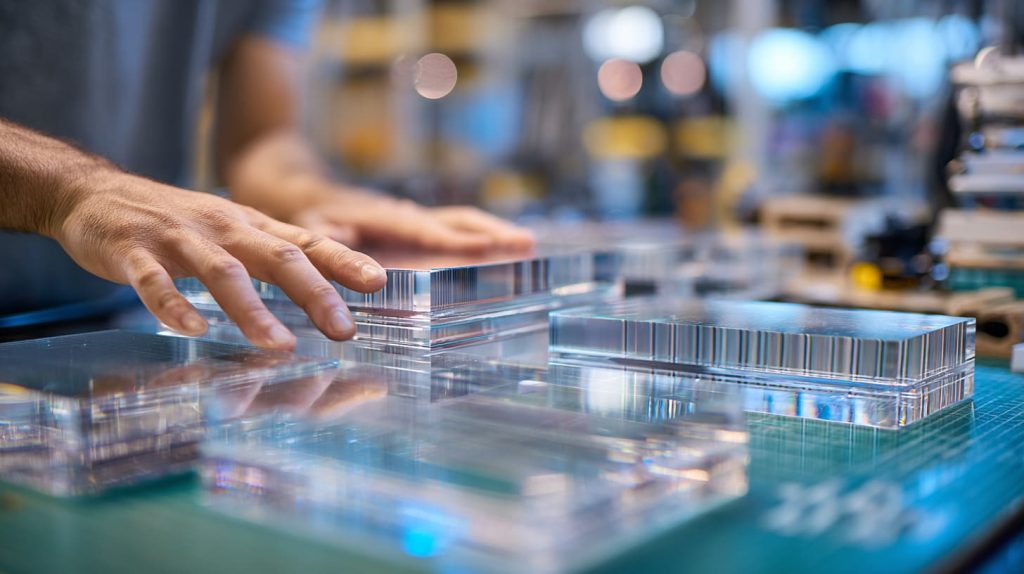
Acrylic is a visual material. That is its charm.
Clear acrylic catches light. Polished edges shine. Printed logos look clean on a transparent surface. So it is natural for buyers to judge the sample first by its appearance.
But appearance is only the front door.
Behind that door, there may be weak bonding, poor tolerance, wrong thickness, or hidden stress marks. The sample may look like a polite gentleman in a suit, while the inside is secretly wearing slippers.
When I approve an acrylic display sample, I try not to let the first beautiful photo decide for me. I look at the ugly areas first, because defects usually hide where nobody wants to look.
Attractive samples can hide manufacturing problems
A prototype can receive extra handwork.
The sample worker may spend more time polishing the edges. The engineer may manually adjust each part. The sales team may choose the best acrylic sheet from stock. The packaging may be prepared more carefully because the sample is important.
This is normal. Many factories do this.
But it creates a question: Can this same quality be repeated in bulk production?
That is the real question.
| Sample Feature | What It May Hide | What Buyer Should Ask |
|---|---|---|
| Very smooth edges | Extra manual polishing | Can bulk goods match this finish? |
| Perfect assembly | Hand-adjusted parts | What is the actual tolerance range? |
| Very clean glue lines | Senior worker made the sample | Who will handle bulk assembly? |
| Nice transparency | Selected premium sheet | Will the same material batch be used? |
| Beautiful photos | Best lighting and angle | Can I inspect real close-up details? |
A sample photo can be honest. But it can also be incomplete.
I prefer buyers to ask for close-up photos of edges, joints, corners, screw holes, printed logos, and back surfaces. The back side tells many secrets. It is like checking the kitchen before judging a restaurant.
Surface quality is only one part of display performance
Surface quality matters. I do not ignore it.
For acrylic displays, scratches, dust marks, cloudy surfaces, or uneven polishing can hurt the final look. But surface quality is only one part of performance.
A display also needs:
- Enough strength
- Stable assembly
- Good balance
- Safe corners
- Clean bonding
- Proper thickness
- Reliable packaging
- Easy cleaning
- Reasonable production cost
A clear display that cannot hold the product is not a good display. It is just a pretty mistake.
Let us say a cosmetic brand needs a countertop display for small bottles. The prototype looks great when empty. But after placing 12 bottles on the top shelf, the shelf bends slightly. The display still stands, but it does not feel premium.
The buyer may think, “It is only a small bend.”
The customer may think, “This product looks cheap.”
That small bend becomes a brand problem.
Many buyers check the front face only. I understand why. The front face is what the customer sees first.
But acrylic displays should be checked from all sides.
Here are common visual approval mistakes I see:
| Missed Area | Why It Matters | How I Check It |
|---|---|---|
| Back edges | Workers may polish them less carefully | I inspect under side light |
| Inner corners | Glue marks often collect there | I check with a white background |
| Bottom surface | Scratches may appear during assembly | I lift and inspect the base |
| Screw holes | Cracks may start from holes | I check for stress marks |
| Logo printing | Small shifts look cheap | I compare with drawing position |
| Bonding lines | Bubbles weaken appearance | I inspect from different angles |
One tiny trick helps a lot.
Place the acrylic display on white paper, then on black paper. Clear acrylic defects show differently on different backgrounds. Scratches, glue marks, and cloudy areas become easier to see.
The sample may still pass. That is fine. But now it passes honestly.
After appearance, the next question is material. This part sounds boring. It is not. Material is where many quiet problems begin.
Are Buyers Checking the Right Acrylic Material?
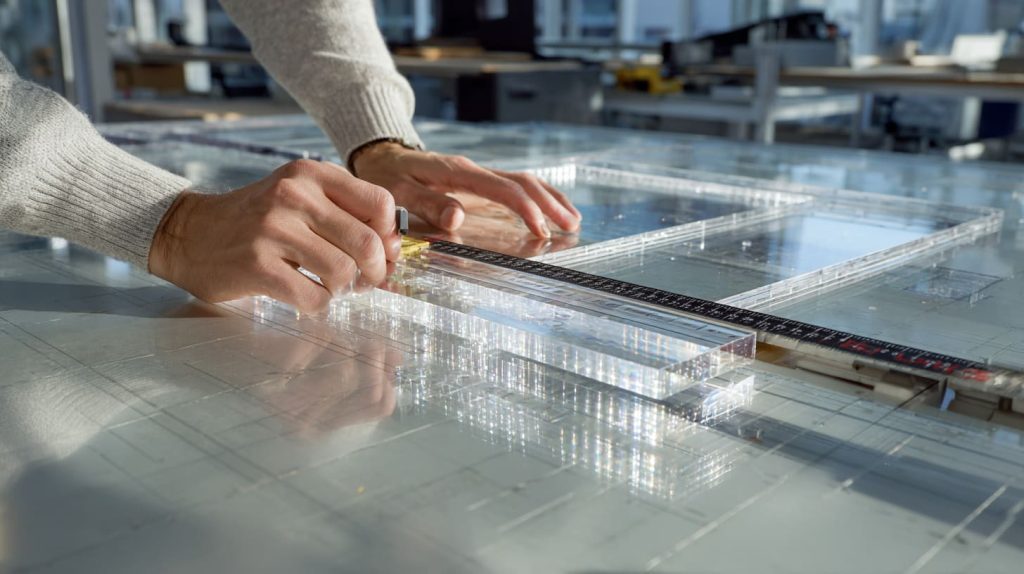
Acrylic is not just “acrylic.”
That sentence sounds simple, but it can save a project.
Different acrylic sheets can behave differently during cutting, polishing, bending, bonding, and long-term use. For custom acrylic displays, the material choice affects clarity, edge finish, cost, strength, and production stability.
I have seen buyers approve a beautiful prototype but forget to confirm the exact material grade. Later, during production, they notice that the bulk goods look slightly less clear or the edge quality feels different.
At that moment, everyone starts asking, “What material did we actually approve?”
That is a bad question to ask too late.
Understanding cast acrylic vs extruded acrylic
In many acrylic display projects, buyers hear two common terms: cast acrylic and extruded acrylic.
Both are acrylic. Both can be clear. Both can be used for displays. But they do not behave the same way.
| Item | Cast Acrylic | Extruded Acrylic |
|---|---|---|
| Clarity | Usually excellent | Good, but can vary |
| Thickness tolerance | May vary slightly more | Often more consistent |
| Machining behavior | Usually better for CNC and polishing | Softer and easier to stress |
| Chemical resistance | Usually better | Usually lower |
| Cost | Higher | Lower |
| Best use | Premium displays, thick parts, polished products | Budget displays, simple panels, high-volume cost-sensitive items |
I do not say cast acrylic is always better. That would be lazy thinking.
For some simple, flat, cost-sensitive displays, extruded acrylic may be enough. For premium retail displays, thick blocks, polished edges, and high-clarity parts, cast acrylic is often safer.
The right material depends on the display’s job.
A shelf for heavy products needs different thinking from a simple sign holder. A luxury cosmetic display needs different thinking from a temporary promotion stand.
Material substitutions during production
Material substitution is a sensitive topic.
Most good factories do not randomly change material. But misunderstandings can happen when the buyer does not write the material clearly.
For example:
- The sample uses one grade of clear acrylic.
- The quotation only says “clear acrylic.”
- The drawing does not mention cast or extruded material.
- The buyer approves the sample by photo.
- Bulk production uses another sheet source with a similar look but different performance.
Nobody may feel they are cheating. But the result can still disappoint the buyer.
This is why I like clear material confirmation before final approval.
A simple material approval note can include:
| Material Detail | What to Confirm |
|---|---|
| Material type | Cast acrylic or extruded acrylic |
| Thickness | Nominal thickness and allowed tolerance |
| Color | Clear, frosted, tinted, or custom color |
| Sheet grade | Standard grade or premium grade |
| Certification | ISO, material report, or related certificate if needed |
| Special need | UV resistance, food contact, anti-scratch, or fire rating if required |
The more important the project is, the less I rely on “same as sample.”
“Same as sample” sounds clear. But in production, it is often too soft.
Important material verification points
Acrylic material should be checked in simple, practical ways.
You do not always need a laboratory. Many checks can be done on a desk.
Thickness consistency
Acrylic thickness affects strength, fit, and appearance.
If the drawing says 5mm but actual material is 4.6mm, some buyers may ignore it. But if the display uses slots, grooves, or inserted panels, this small difference can create loose fitting.
A digital caliper is cheap. A wrong bulk order is not.
Transparency and optical quality
Clear acrylic should look clean, not cloudy.
I like to check transparency by placing the sheet edge and face against a white background. If the display is for cosmetics, jewelry, watches, or luxury retail products, optical quality becomes more important.
A display should not steal attention from the product. It should support it quietly.
UV resistance and yellowing risks
Not every acrylic display needs outdoor UV resistance. But if the display will sit near windows, in a bright retail environment, or under strong lighting, yellowing risk should be discussed early.
Acrylic does not fail overnight. It changes slowly. That slow change is exactly why buyers miss it during prototype approval.
A sample looks clear today. But what about after months of use?
That question leads naturally to manufacturing details. Because even the right material can still be ruined by poor processing.
What Manufacturing Details Are Commonly Missed During Prototype Evaluation?
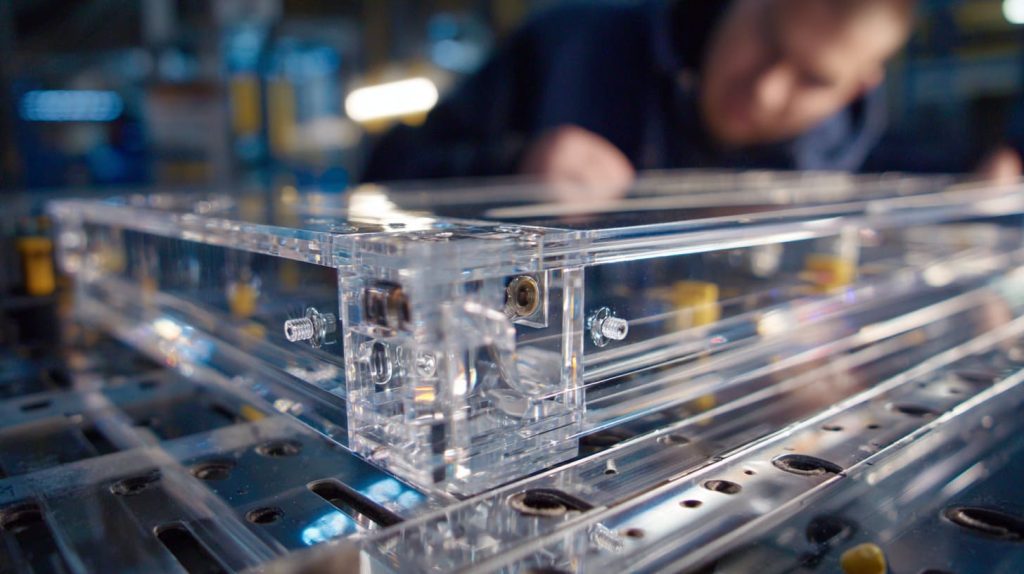
Acrylic displays are honest products. They show almost everything.
A poor edge cannot hide. A glue bubble cannot pretend to be modern art. A burned corner does not become “design language” just because someone says it with confidence.
Still, many buyers check the overall shape and miss small manufacturing details.
This is where things often go wrong for me: if I cannot explain how a detail will be controlled in mass production, I do not treat the prototype as fully approved, even if it looks acceptable on the table.
Laser cutting quality
Laser cutting is common in acrylic display production. It can create clean shapes, fast output, and smooth-looking edges.
But laser cutting also brings risks.
If power, speed, or focus is not controlled well, the edge may show:
- Burn marks
- Melted lines
- Tiny waves
- Stress marks
- Slight yellowing
- Sharp corners
- Heat-affected zones
Some of these problems are cosmetic. Some can affect strength.
For example, a sharp inner corner can become a stress point. A laser-cut hole too close to an edge may crack during assembly. A high-heat edge may look glossy but hold internal stress.
| Laser Detail | Possible Problem | Buyer Check |
|---|---|---|
| Edge color | Yellow or burned look | Check under natural light |
| Edge shape | Wavy or uneven line | Compare with drawing |
| Inner corners | Stress concentration | Ask for radius if needed |
| Holes | Cracking risk | Check distance from edge |
| Thin parts | Warping or melting | Test repeatability |
Acrylic is not metal. It does not forgive heat the same way.
Polishing and finishing quality
Polishing can make acrylic look beautiful. It can also create hidden problems if done too aggressively.
Flame polishing is fast. It can make edges glossy. But if the operator overheats the acrylic, small cracks may appear later. These are often called crazing or micro-cracks.
At first, the edge looks clean.
Later, after bonding, cleaning, or stress, small cracks begin to show.
That is why I do not judge polishing only by shine. Shine is easy to love. Stability is harder to see.
What I check on polished acrylic edges
- Is the edge too rounded?
- Does the edge look burned?
- Are there tiny cracks near holes?
- Is the polish consistent across all sides?
- Does the surface show cloudy marks?
- Is the edge safe to touch?
Sometimes a slightly less shiny but more stable CNC-polished edge is better than an over-flamed edge. Pretty is not always safe. Acrylic teaches this lesson often.
Bonding and assembly quality
Bonding is one of the most important details in acrylic display production.
Good bonding looks clean and strong. Poor bonding looks messy and weak.
Common bonding problems include:
| Bonding Issue | What It Means | Why It Matters |
|---|---|---|
| Bubbles | Air trapped in glue area | Looks cheap and may weaken joint |
| Glue overflow | Too much adhesive | Hurts appearance |
| White marks | Chemical reaction or stress | May become worse later |
| Misalignment | Parts not positioned well | Affects structure and brand feel |
| Weak joint | Poor bonding process | Risk of breakage |
I like to check bonding from several angles. Acrylic is transparent, so the joint can look different depending on light direction.
For retail display products, bonding quality is not a small detail. It is part of the product’s face.
Imagine a skincare brand placing expensive serum bottles on a display with messy glue marks. The display may still “work,” but the brand feeling drops. It is like wearing a clean suit with dirty shoes.
Manufacturing details lead to the next big question: can the display actually carry weight and survive real use?
Why Should Buyers Evaluate Structural Strength Instead of Just Appearance?
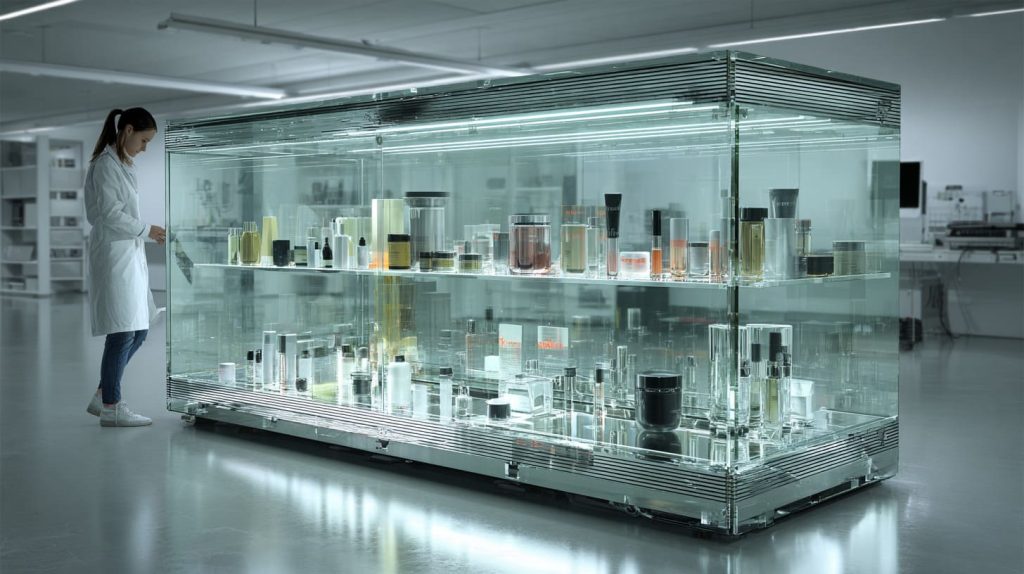
Acrylic displays often fail quietly.
They do not always snap in a dramatic way. Sometimes they bend. Sometimes they wobble. Sometimes a shelf slowly sags. Sometimes a glued joint starts to open after repeated handling.
That is why structural strength must be checked during prototype approval.
A display is not a sculpture. It has a job.
I always ask myself one plain question: if a tired shop assistant uses this display every day, will it still behave well after the excitement of the new product launch is gone?
Load-bearing performance matters
Acrylic display strength depends on more than thickness.
It also depends on:
- Shelf span
- Product weight
- Joint design
- Support position
- Base size
- Assembly method
- Acrylic type
- Environmental temperature
- User handling
For example, a 5mm acrylic shelf may be enough for light makeup pencils. But it may bend under glass skincare bottles. A wide shelf without middle support may look clean but perform poorly.
| Product Type | Common Display Risk | What to Test |
|---|---|---|
| Lipsticks | Many small items create uneven load | Fill all slots and check balance |
| Skincare bottles | Heavy products may bend shelves | Weight test for several days |
| Jewelry | Small items need stable layout | Check anti-slip design |
| Electronics | Product weight and cable space matter | Test with real product |
| Collectibles | Dust and stability matter | Test cover fit and base strength |
A prototype should be tested with real or similar products. Empty displays lie.
They look stronger when they carry nothing.
Weak designs often pass visual inspection
Some weak designs look very elegant.
Thin acrylic panels. Long floating shelves. Minimal supports. Clean transparent walls. They look beautiful in photos.
But real life is rude.
Customers touch displays. Staff move them. Products get restocked. Boxes hit shelves. Displays travel in cartons for weeks. A beautiful weak structure may survive the sample review, then fail in daily use.
Common weak design signs include:
- Long unsupported acrylic spans
- Very thin base plates
- Tall structure with narrow base
- Small bonding area
- Heavy products placed high
- Sharp inner corners
- Decorative cutouts near stress areas
I like elegant design. But I like displays that survive even more.
A display can be beautiful and practical. The design just needs honest engineering.
Simple structural tests buyers should perform
Buyers do not need a full laboratory for every project. Some simple tests already reveal a lot.
| Test | How to Do It | What It Reveals |
|---|---|---|
| Weight test | Place real product load for 24–72 hours | Shelf sagging and joint strength |
| Stability test | Push gently from different sides | Base balance and tipping risk |
| Handling test | Lift, move, and place it several times | Weak joints or loose parts |
| Vibration test | Shake lightly or simulate transport | Assembly looseness |
| Corner check | Inspect stress areas after testing | Early cracks or white marks |
For larger orders, more formal tests may be needed. But even basic checks can prevent obvious mistakes.
Acrylic display approval should not be a beauty contest. It should be a small rehearsal for real life.
And after strength comes another invisible troublemaker: tolerance.
How Can Assembly Tolerances Create Problems in Mass Production?
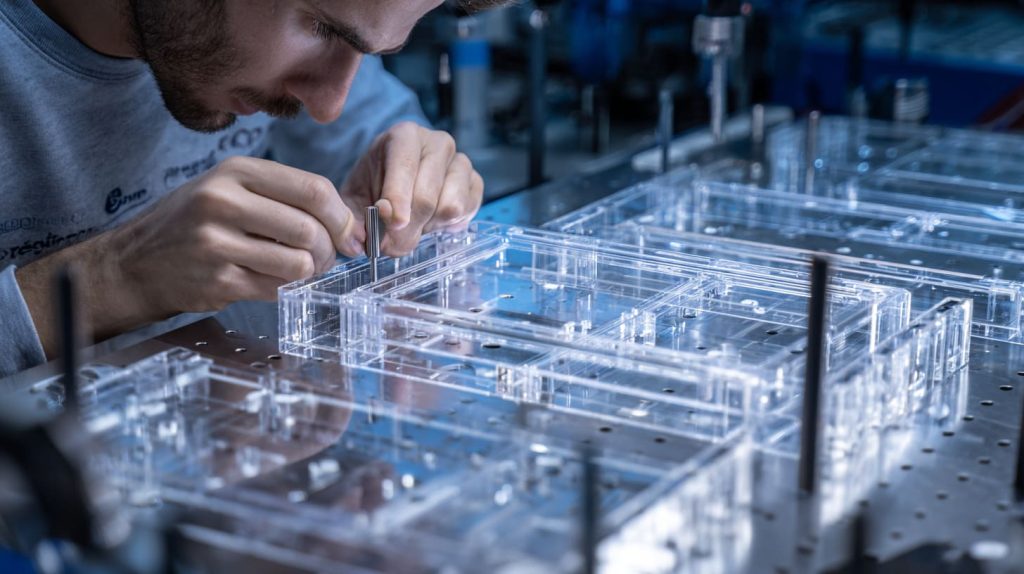
Tolerance sounds like an engineer’s word.
But in acrylic display projects, tolerance simply means this: how much size difference can the product accept before something feels wrong?
A prototype may fit perfectly because one worker carefully adjusts it by hand. Bulk production is different. Many parts are cut, polished, printed, bonded, packed, and assembled repeatedly.
Small differences stack up.
That stack is where trouble starts.
For me, the dangerous part is not one small size error. The dangerous part is five small size errors meeting each other in the same corner and pretending they were invited.
Prototype parts are often individually adjusted
Sample workers often do small corrections during prototype making.
They may sand one edge. They may enlarge one slot. They may adjust one hole. They may press one part slightly during bonding. They may choose the better-fitting panel from several trial parts.
This is skillful work. But it can hide production problems.
If the design only works after hand adjustment, it is not ready for smooth mass production.
| Prototype Situation | Hidden Risk in Bulk Production |
|---|---|
| Slot is manually widened | Bulk parts may not fit |
| Hole is adjusted by hand | Screw alignment may fail |
| Panel is sanded for tight fit | Assembly time increases |
| Glue position is corrected visually | Alignment may vary |
| One senior worker makes the sample | Bulk quality depends too much on skill |
A good prototype should not need magic hands every time.
Tolerance accumulation risks
Tolerance accumulation means small differences add together.
For example:
- Acrylic thickness is slightly higher.
- Slot width is slightly smaller.
- Polishing removes less material.
- Bonding position shifts a little.
- Screw hole is slightly off.
Each issue alone may be acceptable. Together, they create a problem.
The display may become hard to assemble. Or the parts may fit too tightly. Or the final product may look twisted. Or the base may not sit flat.
This matters a lot for displays with:
- Multiple shelves
- Inserted panels
- Screw assembly
- Sliding doors
- Drawers
- Lockable structures
- Removable parts
- Knock-down packaging
A simple one-piece display may be forgiving. A multi-part acrylic display is not.
Questions buyers should ask suppliers
Buyers do not need to sound like engineers. They just need to ask practical questions.
| Question | Why It Helps |
|---|---|
| What is your normal CNC tolerance for this structure? | It checks production reality |
| Will the bulk goods be assembled by the same method as the sample? | It finds hidden handwork |
| Which parts are most likely to vary? | It shows factory experience |
| How will you inspect hole position and slot fit? | It checks QC planning |
| Can you make 3–5 trial pieces before full production? | It tests repeatability |
For large or important projects, I like making several pre-production pieces before mass production. One perfect sample proves possibility. Several consistent samples prove control.
That difference is big.
Now let us talk about something buyers often leave until too late: packaging. It is not glamorous. But it can destroy a perfect product.
Are Buyers Evaluating Packaging and Transportation Risks?
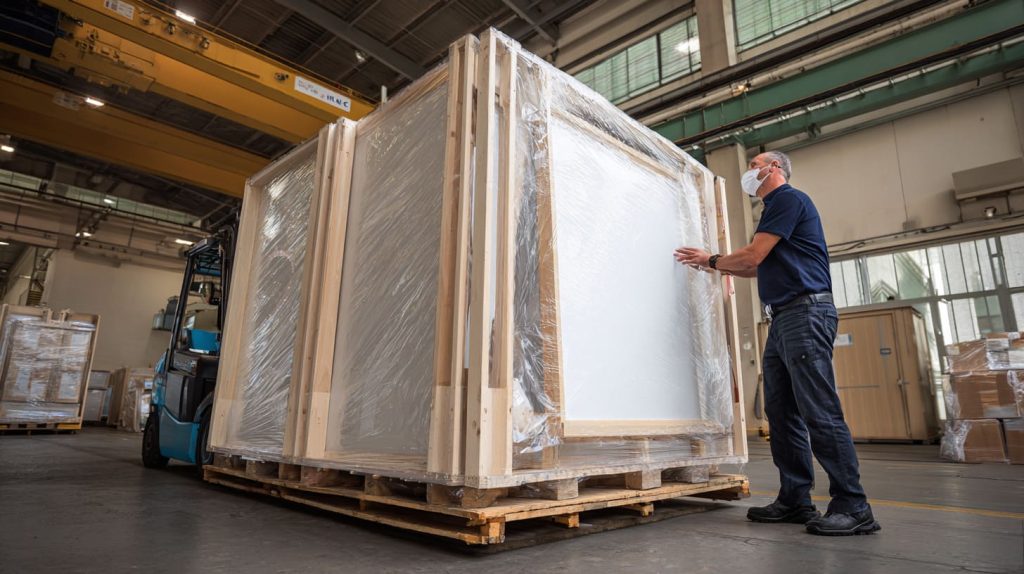
Packaging is the bodyguard of acrylic displays.
Nobody praises it when everything arrives safely. Everybody blames it when something breaks.
Acrylic products can be strong in use but vulnerable during shipping. Corners, polished edges, bonded joints, and large flat panels need protection. International shipping is not gentle. Cartons get stacked, moved, dropped, pressed, and shaken.
A perfect prototype on the buyer’s desk does not guarantee safe delivery to a warehouse in Canada, the United States, Europe, or any other market.
When I look at packaging, I do not ask, “Does it look neat?” I ask, “Can this carton survive a bad day in shipping?”
Perfect samples do not guarantee safe delivery
Sample packaging is often better than bulk packaging.
A sample may be wrapped carefully by one person. It may use extra foam. It may ship by express. It may receive special attention.
Bulk orders are different.
Cartons are packed in volume. Workers follow a packaging method. Goods may ship by sea, air, truck, or mixed transport. The product may sit in a warehouse. It may face moisture, pressure, and vibration.
Common shipping risks include:
- Corner cracking
- Surface scratches
- Broken glued joints
- Pressure marks
- Acrylic panels rubbing each other
- Carton collapse
- Missing accessories
- Protective film peeling
- Logo surface damage
Acrylic is transparent. A small scratch can feel loud.
Packaging should be tested early
Packaging should not be decided after production finishes. By then, it may be too late to adjust carton size, foam thickness, or packing method without delay.
For custom acrylic display projects, I like to review packaging during the prototype or pre-production stage.
| Packaging Item | What to Check |
|---|---|
| Individual protection | Is each display protected from scratches? |
| Corner protection | Are sharp or weak corners covered? |
| Foam thickness | Is it enough for product weight? |
| Carton strength | Can it handle stacking? |
| Product movement | Does the display shake inside the carton? |
| Accessories | Are screws, keys, or parts packed safely? |
| Labeling | Can warehouse staff identify carton contents easily? |
A simple shake test can reveal loose packaging. A simple drop simulation can reveal weak corners. A simple stacking test can reveal carton pressure risk.
Packaging is not decoration. It is part of product quality.
Common packaging mistakes
The most common packaging mistake is assuming “foam inside carton” is enough.
That phrase means almost nothing.
What kind of foam? How thick? Where placed? Does it protect the corners? Does it stop movement? Does it rub the acrylic? Does it leave marks? Does it increase carton size too much?
Good packaging balances protection and cost.
| Mistake | Result | Better Choice |
|---|---|---|
| Thin foam only | Corner damage | Add corner blocks |
| Loose carton space | Product shaking | Use fitted foam or inserts |
| No surface separation | Scratches | Use film, bag, or soft layer |
| Weak master carton | Compression damage | Use stronger carton grade |
| No drop testing | Hidden risk | Test before bulk shipment |
I do not like overpacking either. Overpacking increases cost, shipping volume, and waste. The goal is not to build a sofa around every display. The goal is smart protection.
Now we move from protection to production itself. A prototype may look good, but can the factory produce it again and again without pain?
Why Is Manufacturability Often Ignored During Prototype Approval?

Manufacturability is a simple idea with a serious face.
It means the design can be made consistently, efficiently, and reasonably in mass production.
Some acrylic display designs look good in a drawing. They also look good as one prototype. But they are hard to produce in quantity.
That is where buyers and factories need honest talk.
The small detail I watch closely is whether the design depends too much on slow manual work, because manual work can be beautiful in samples and messy in bulk.
Some designs are difficult to produce consistently
Acrylic fabrication includes cutting, bending, polishing, printing, bonding, drilling, assembling, and packing. Each step has limits.
A design may become hard to produce if it has:
- Too many small glued parts
- Tight slots
- Sharp internal corners
- Long thin strips
- Large panels without support
- Complex bends
- Decorative cutouts near stress areas
- Multi-color printing with tight position control
- Many screws or accessories
- Hard-to-clean inner spaces
A buyer may like a special design feature. I understand that. Custom displays should not all look the same.
But every special feature should earn its place.
If a decorative detail increases cost, slows production, and raises defect risk, we should ask if it helps sell the product. If not, it may be a pretty burden.
Production efficiency affects quality
Quality and efficiency are connected.
If a design is hard to assemble, workers get tired. If the glue process is too complex, defects increase. If the display needs too many manual adjustments, production becomes unstable.
This does not mean factories should avoid difficult products. Custom work often has difficulty. That is normal.
But difficulty should be visible before approval.
| Design Feature | Production Risk | Possible Improvement |
|---|---|---|
| Many glued small parts | More glue marks and misalignment | Combine parts or simplify structure |
| Very tight slots | Assembly difficulty | Add reasonable clearance |
| Wide unsupported shelf | Sagging risk | Add hidden support |
| Large clear surface | Scratch risk | Improve handling and protection |
| Complex logo position | Printing rejection | Use positioning jig |
| Heavy top structure | Tipping risk | Enlarge base or lower center of gravity |
A good factory should not only say “yes.” It should also say, “This part may cause trouble. We suggest changing it.”
That kind of honesty saves buyers money.
Design optimization opportunities
Prototype approval is not only a pass-or-fail moment. It is also a chance to improve the design.
Sometimes a small adjustment makes the display easier to produce and better to use.
For example:
- Increase base thickness by 1mm for better stability.
- Add a small support rib under a shelf.
- Change a sharp corner to a small radius.
- Adjust slot width for easier assembly.
- Move the logo away from a bending area.
- Reduce unnecessary glued parts.
- Change packaging direction to protect weak corners.
These changes may not look dramatic. But they can make the difference between a smooth order and a stressful order.
I like practical beauty. A display should look clean, but it should also be kind to production workers, warehouse staff, retail staff, and final users.
Now we need to turn all these concerns into clear questions before final approval.
What Questions Should Buyers Ask Before Final Prototype Approval?

Good questions are cheap insurance.
Before a buyer approves an acrylic display prototype, the right questions can expose weak points. They also help the factory understand what the buyer really cares about.
I do not think buyers need to ask 100 questions. Too many questions can slow the project and confuse everyone. But the key questions should be clear.
Before I approve a sample, I try to separate “nice to know” from “must know,” because not every detail has the same risk or the same cost.
Material questions should confirm what will actually be used in production.
Here are questions I would ask:
| Question | Why It Matters |
|---|---|
| What acrylic type was used for this sample? | Prevents cast/extruded confusion |
| What thickness was used for each part? | Confirms strength and fit |
| What is the normal thickness tolerance? | Helps avoid assembly issues |
| Will bulk production use the same material source? | Reduces batch difference |
| Is certification available if needed? | Supports brand or import requirements |
| Is the material suitable for lighting or window display? | Checks yellowing and clarity risks |
For premium displays, material is not a small detail. It affects the final feeling.
A low-quality acrylic display can make a good product look cheaper. That is a silent loss.
Manufacturing questions help confirm process control.
I would ask:
- How will the edges be finished in bulk production?
- Will the bonding process be the same as the sample?
- What glue mark level is acceptable?
- How will logo printing position be checked?
- Which areas are most difficult to control?
- What inspection steps will be used before packing?
- Can you provide close-up photos of production details?
A buyer should not only ask, “Can you make it?”
Almost every supplier will say yes.
A better question is, “Where can this design go wrong, and how will you control it?”
That question makes the conversation more real.
Mass production questions help prevent delivery and consistency problems.
| Area | Question |
|---|---|
| Lead time | Can this lead time stay stable after approval? |
| Capacity | Do you have enough workers and machines for this order? |
| QC | How many pieces will be checked and at which steps? |
| Defects | What defect rate is normal for this structure? |
| Packaging | Has the packaging method been tested? |
| Replacement | How will damaged or defective pieces be handled? |
| Records | Will approved sample photos and drawings be stored? |
These questions are not meant to attack the supplier. They are meant to align expectations.
Good suppliers usually welcome clear standards. Vague approval creates arguments. Clear approval creates smoother work.
After questions come action. The buyer should reduce risk before mass production starts.
How Can Buyers Reduce Risk Before Moving to Mass Production?
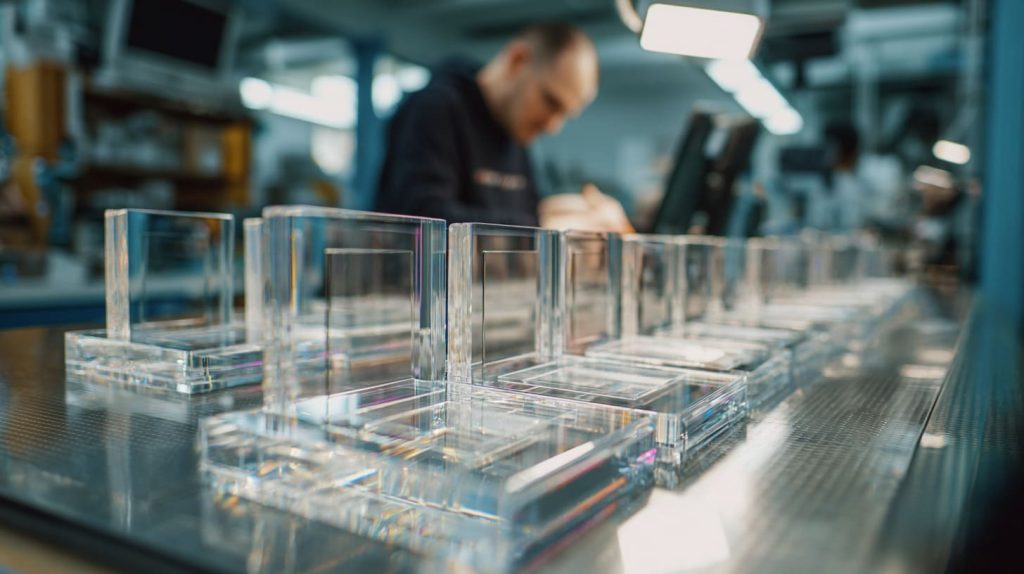
Risk cannot be removed completely. Custom manufacturing always has some uncertainty.
But risk can be reduced.
Acrylic display projects become much safer when the buyer and factory treat prototype approval as a controlled process, not a quick emotional reaction.
The part I care about most is evidence. If a detail is important, I want it recorded in drawings, photos, samples, or written standards, not floating around in someone’s memory.
Request a pre-production sample
A prototype and a pre-production sample are not always the same thing.
A prototype may be made to test the idea. A pre-production sample should be made closer to the final production process.
That difference matters.
| Sample Type | Main Purpose | Buyer Should Check |
|---|---|---|
| Concept prototype | Test design idea | Shape, size, basic function |
| Engineering prototype | Test structure and details | Fit, strength, process |
| Pre-production sample | Confirm bulk production standard | Material, finish, packaging, QC |
| Production sample | Check real production output | Consistency and final quality |
For simple orders, one prototype may be enough. For complex displays or high-value orders, a pre-production sample is safer.
A PP sample tells us whether the factory can repeat the approved design under real production conditions.
One perfect handmade sample is a promise.
A good PP sample is proof.
Create a formal approval checklist
A checklist sounds boring. I like boring tools when they prevent exciting problems.
Acrylic display approval should include clear points.
Basic approval checklist
| Check Area | Approval Point |
|---|---|
| Material | Acrylic type, grade, thickness, color |
| Dimensions | Overall size, hole position, slot width |
| Appearance | Surface, edge, scratch, glue mark |
| Structure | Load-bearing, stability, assembly |
| Printing | Logo size, color, position, adhesion |
| Packaging | Foam, carton, protection, labeling |
| Function | Door, drawer, shelf, lock, removable parts |
| Documentation | Drawing, photos, approved sample record |
The checklist does not need to be complicated. It just needs to be used.
I have noticed that projects with written approval standards usually have fewer emotional arguments later. Everyone can go back to the same paper, same photo, same point.
Document everything clearly
Memory is not a quality control system.
People forget. Sales staff change. Engineers adjust drawings. Buyers travel. Production workers follow the latest instruction they receive.
So important details should be documented.
Useful records include:
- Final approved drawing
- Material specification
- Close-up photos of sample details
- Packaging photos
- Logo artwork file
- Color reference
- Defect acceptance standard
- Signed or written approval email
- Approved physical sample label
- QC inspection checklist
For custom acrylic display orders, I also like marking the approved sample with date, project name, version number, and buyer confirmation.
Version control matters.
A small design change without a version number can create big confusion. One person says “latest drawing.” Another person has a different “latest drawing.” Then everyone goes hunting through email history like detectives in a bad movie.
Clear records save time. They also protect trust.
Conclusion
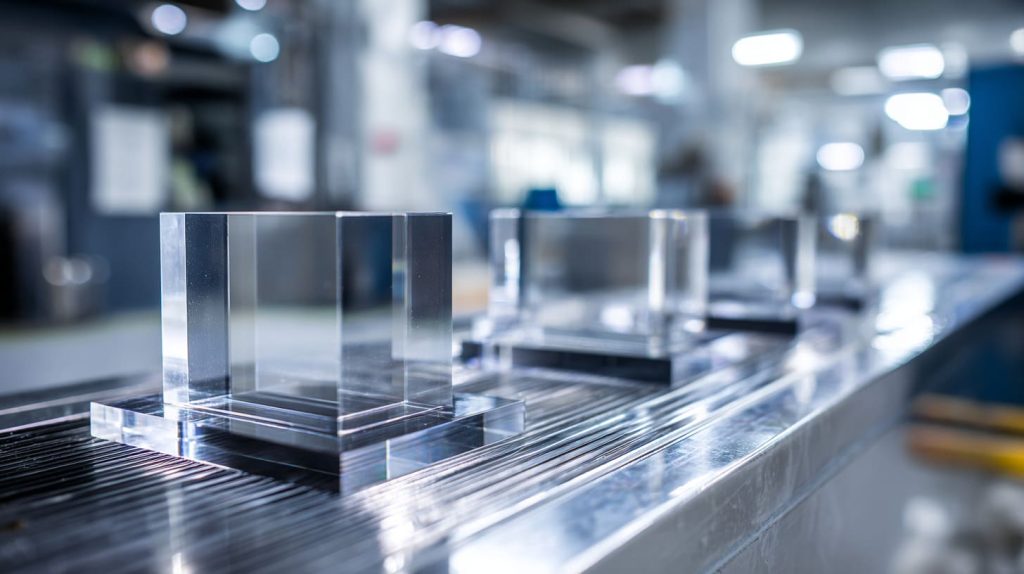
Prototype approval is much more than checking whether an acrylic display looks nice.
A good-looking sample can still hide weak structure, unclear material standards, poor bonding control, tight tolerances, difficult production steps, and packaging risks. These problems may not show up during one sample review. But they can appear quickly in mass production.
From my experience, buyers should check the prototype from several angles:
- Does the material match the final requirement?
- Can the factory repeat the same quality in bulk?
- Are the edges, bonding, polishing, and printing stable?
- Can the structure hold real products safely?
- Are the tolerances suitable for mass assembly?
- Can the packaging protect the display during shipping?
- Is every important detail recorded clearly?
A prototype should not be treated as a pretty display sample. It should be treated as a production validation tool.
That small change in thinking can save a buyer from many painful problems later.
At Feilong Acrylic, we work on custom acrylic displays, boxes, frames, stands, racks, organizers, and other acrylic products for B2B buyers. We do not sell from a fixed catalog because most serious display projects need custom size, custom structure, custom branding, and real production discussion.
If you are reviewing an acrylic display prototype now, I suggest you slow down before approval. Check the material. Check the joints. Check the packaging. Ask about mass production. Take photos. Write down the standard.
A clear approval today is not just paperwork.
It is protection for your project, your schedule, your customer, and your brand.