Skip to content
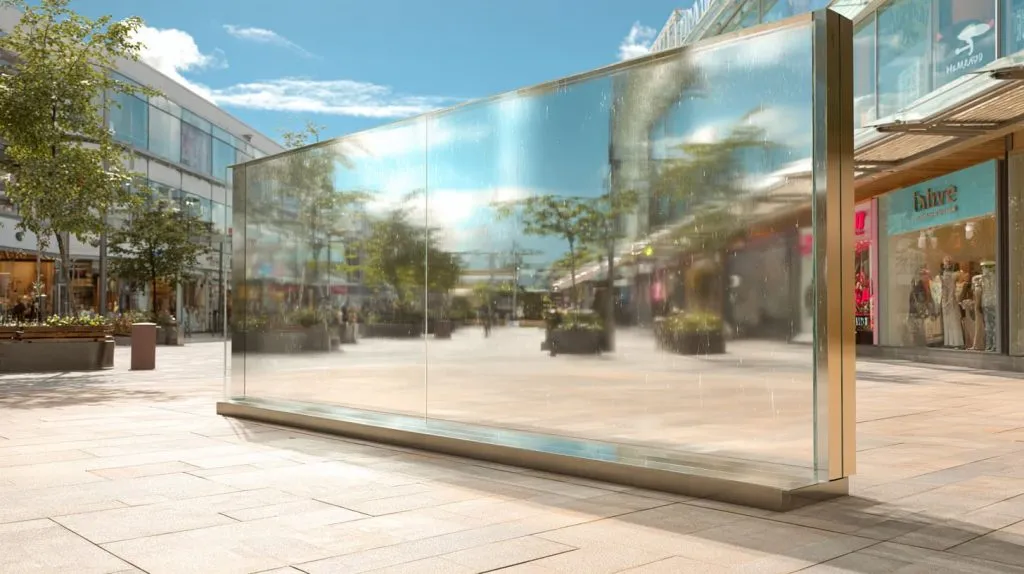
Extruded acrylic has a very charming side.
It looks clear.
It feels smooth.
It cuts well.
It bends nicely.
And the price often looks friendly when a buyer compares several material options on a quotation sheet.
I understand why many display buyers like it. I have seen this many times in acrylic display projects. A customer sends a drawing for an outdoor panel, a menu board cover, or a light box face. The design looks simple. The size looks normal. The budget is tight. So extruded acrylic becomes the first material that people want to discuss.
At first, nothing feels wrong.
The sample looks good on the table. The edge can be polished. The surface is clean. The panel fits the frame. Everyone feels relaxed.
But outdoor use is not a sample room.
Sunlight does not care about our quotation. Heat does not care about our delivery schedule. Rain, dust, cleaning chemicals, screws, and aluminum frames all join the project later. They may look small, but they decide whether the display survives or slowly becomes yellow, warped, cracked, or dull.
I have learned one thing from acrylic manufacturing: many outdoor display failures are not caused by “bad design” alone. They are caused by a mismatch between material, environment, size, and installation method.
The part that I check first is not only whether the display looks clear today, but whether the same sheet can still behave well after months of sunlight, heat, cleaning, and mechanical stress.
This article is not here to say extruded acrylic is useless. That would be lazy thinking. Extruded acrylic has real advantages. It can be the right choice in many projects. But it also has limits. And when people ignore those limits, the failure often arrives quietly.
A little haze.
A small crack near a screw.
A light panel that starts to bow.
A clean transparent surface that slowly turns tired.
That is where the real story begins.
What Is Extruded Acrylic and Why Is It Popular?
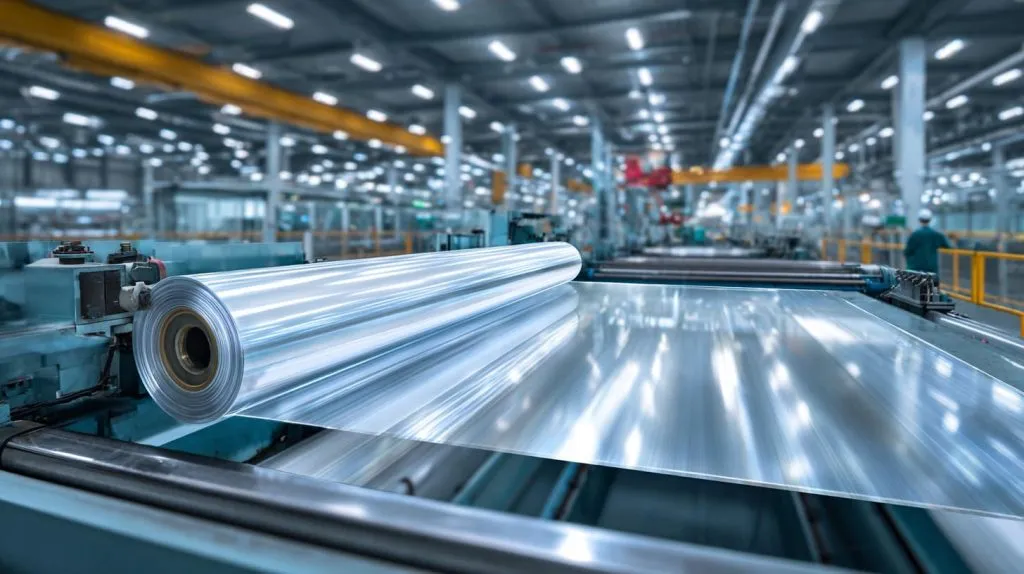
Extruded acrylic is acrylic sheet made by pushing softened acrylic material through rollers or a die in a continuous process. This is different from cast acrylic, which is usually made by pouring liquid acrylic between molds and allowing it to cure.
That sounds technical, but the business result is simple: extruded acrylic is often more cost-friendly, more consistent in thickness, and easier to process in many standard display projects.
I do not blame buyers for liking it. If I sit on the purchasing side, I also look at cost first. Nobody wants to pay more for a material when the cheaper one seems to do the same job. But this is where the trap starts. Two materials can look similar in a showroom, but they may behave very differently outside.
For outdoor projects, I do not judge extruded acrylic by the sample alone; I judge it by the size of the panel, the climate, the mounting method, and the expected service life.
Lower Production Cost Compared to Cast Acrylic
Extruded acrylic is made in a continuous production process. The sheet comes out in a more stable and efficient way. This helps reduce cost, especially for large-volume or standard-size orders.
For distributors and budget projects, this is attractive.
A buyer may say:
“The display only needs to look good for the campaign season. Why should I use a higher-cost sheet?”
That question is fair.
Extruded acrylic can make sense when:
| Project Type | Why Extruded Acrylic Looks Attractive |
|---|---|
| Short-term outdoor promotions | Lower cost matters more than long lifespan |
| Standard retail display covers | Thickness consistency helps production |
| Budget signage | Buyers want a clear panel at a lower price |
| Large quantity orders | Material saving becomes important |
| Simple indoor-outdoor displays | Exposure may be limited |
But the lower price is only helpful when the environment is also friendly. If the display sits under strong sunlight every day, the saving can disappear quickly.
A cheap panel that needs replacement after one season is not always cheap.
Easier to Machine and Thermoform
Extruded acrylic is also popular because it is easy to process.
It can be:
- Cut
- CNC routed
- Drilled
- Bent
- Thermoformed
- Glued
- Polished
The thickness consistency is useful in fabrication. When a factory needs to make many parts with the same size, stable thickness can reduce production trouble.
For example, if I make a batch of acrylic menu board covers, extruded acrylic may help keep the fit more predictable. The sheet thickness is usually more uniform than cast acrylic. That helps when parts must slide into aluminum channels or sit inside narrow frames.
But easy fabrication does not mean outdoor safety.
A material can be easy to cut and still be weak under UV light. It can bend nicely in the workshop and still warp under summer heat. That is the annoying part. The workshop gives us one answer. The outdoor environment gives us another.
Common Applications in Outdoor Displays
Extruded acrylic is often used in many outdoor or semi-outdoor display products.
Common examples include:
| Application | Typical Reason for Using Extruded Acrylic | Main Outdoor Risk |
|---|---|---|
| Retail signage | Clear look and lower cost | Yellowing, warping |
| LED light boxes | Smooth panel surface | Heat deformation, hotspots |
| Menu boards | Easy cutting and replacement | Scratches, haze |
| Acrylic display panels | Good appearance at first | UV aging |
| Outdoor branding structures | Budget-friendly large sheets | Expansion stress |
| Protective covers | Easy to fabricate | Cracking near holes |
In my opinion, extruded acrylic becomes risky when the buyer expects it to behave like cast acrylic in a harsh outdoor environment.
That is like buying a light jacket and asking it to work like a winter coat. It may survive a mild day. It may even look stylish. But when the weather gets serious, the difference appears fast.
The material choice may look like a small line on the quotation sheet. Later, it can become the line that decides the whole project.
Why Does Extruded Acrylic Fail Faster Outdoors?
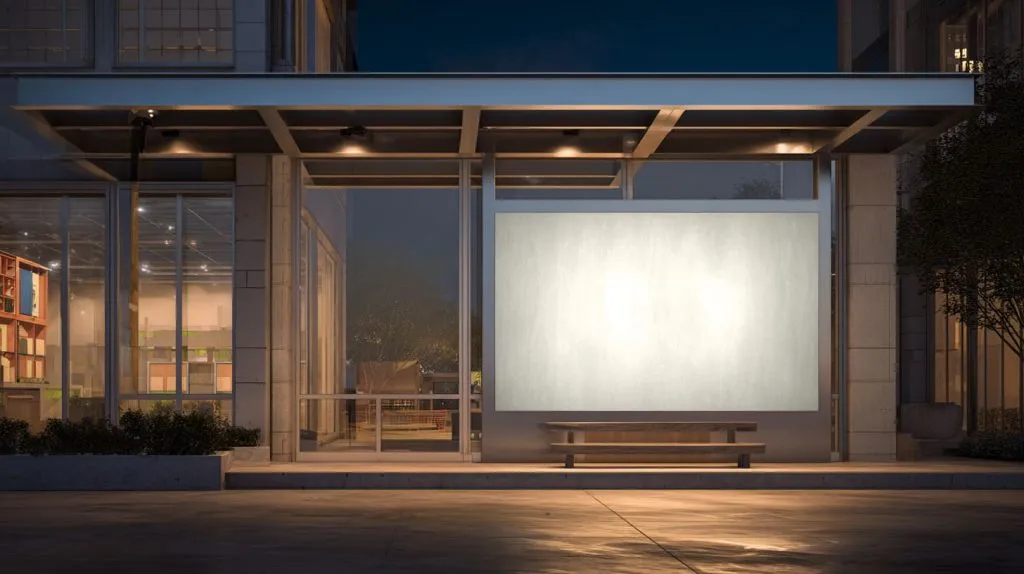
Extruded acrylic can fail faster outdoors because outdoor conditions attack it from several directions at the same time.
Sunlight affects the surface.
Heat changes the shape.
Dust scratches the panel.
Moisture enters weak areas.
Screws and frames add stress.
One of these issues may not destroy the display quickly. But together, they become like a slow team working against the material.
The mistake I often see is that people only ask, “Can acrylic be used outdoors?” That question is too broad. A better question is, “Which acrylic, in what thickness, under what sun exposure, mounted in what way, for how long?”
UV Exposure and Sunlight Damage
UV light is one of the biggest enemies for outdoor acrylic displays.
Acrylic is known for good clarity, but not every acrylic sheet has the same long-term UV behavior. Extruded acrylic may show yellowing, haze, or surface aging faster in demanding outdoor conditions, especially when the material is not UV-stabilized or when it faces strong sunlight for long periods.
The first problem is often visual.
The display still exists. It does not break. It does not fall. But it starts looking old.
A clear panel may become slightly yellow.
A glossy surface may lose its clean look.
A transparent cover may reduce product visibility.
For retail displays, this matters a lot. The buyer does not only buy “a plastic sheet.” The buyer buys a display effect. If the acrylic starts to look tired, the brand image also looks tired.
A simple way to think about it:
| UV Effect | What The Buyer Sees | Why It Matters |
|---|---|---|
| Yellowing | Panel looks aged | Brand display looks cheaper |
| Haze | Less transparency | Products behind panel look unclear |
| Surface dullness | Less premium finish | Display loses visual impact |
| Micro-cracking | Fine cracks appear | Long-term structural risk |
I once saw a buyer focus only on whether the sheet was clear before shipment. That is understandable. But for outdoor displays, the real test starts after installation. The sun becomes the final inspector.
And the sun is not polite.
Heat Expansion and Warping Problems
Outdoor heat can create another problem: expansion and warping.
Acrylic expands and contracts with temperature changes. This is normal. But if the panel is large, thin, or locked too tightly inside a frame, the movement has nowhere to go.
Then the panel starts to fight the frame.
It may bow outward.
It may push against the corner.
It may create stress around screws.
It may look wavy under sunlight.
Large flat panels are especially sensitive.
For example, a small acrylic cover may not show obvious movement. But a large outdoor sign face can become a different story. The bigger the panel, the more expansion space it needs.
| Panel Condition | Risk Level | Why |
|---|---|---|
| Small panel, shaded area | Lower | Less heat and less expansion |
| Large panel, direct sunlight | Higher | More thermal movement |
| Thin sheet, tight frame | Very high | Easy to bow or crack |
| Dark backing behind acrylic | Higher | Heat build-up increases |
| No expansion gap | Very high | Stress has no release path |
This is why I never like outdoor acrylic panels that are designed too “perfectly tight.” Perfect fit in the workshop can become a problem under the sun.
A little room to move is not a mistake. It is protection.
Surface Scratching and Weather Wear
Extruded acrylic can also suffer from surface wear.
Outdoor displays face dust, sand, rainwater, wiping, and sometimes rough cleaning. If the display is near a road, the surface may meet tiny particles every day. If staff clean it with the wrong cloth or strong chemicals, the damage becomes faster.
Scratches may look small at first. But on a transparent or glossy display, small scratches gather light. Then the surface looks hazy.
This is especially painful for:
- Product display windows
- Cosmetic display covers
- Light box panels
- Clear menu board covers
- Outdoor retail protective panels
A buyer may think, “It is only a small scratch.” But many small scratches create a tired surface. The display does not fail in a dramatic way. It fails by slowly losing its clean feeling.
That kind of failure is easy to ignore until the customer complains.
Moisture and Edge Stress Issues
Moisture is not always the main villain, but it can make edge stress worse.
Edges, drilled holes, notches, and fastener areas are weak points. If the acrylic has internal stress from machining, polishing, bending, or tight installation, outdoor moisture and temperature cycling can make cracks appear faster.
The common failure areas are:
| Area | Common Problem | Possible Cause |
|---|---|---|
| Screw holes | Radial cracks | Hole too tight or screw too hard |
| Corners | Small cracks | Sharp corner and stress build-up |
| Flame-polished edges | Fine cracks | Heat stress from polishing |
| Bent areas | Whitening or cracking | Internal forming stress |
| Frame contact points | Edge chipping | Expansion pressure |
This is where people often blame the acrylic sheet too quickly. Sometimes the material is part of the problem. But the processing method and installation design also matter.
A good material can still fail if it is forced into a bad design.
And a weaker material can fail much faster when the design gives it no forgiveness.
How Does Extruded Acrylic Behave in Outdoor LED Displays?
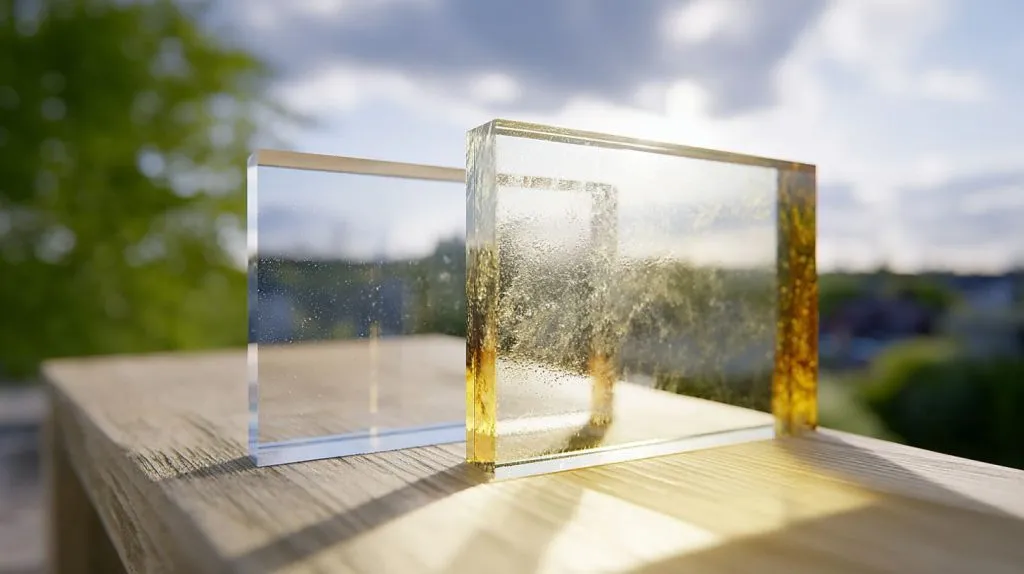
Outdoor LED displays are tricky because they create two problems at the same time.
They need good light performance.
They also produce heat.
This is where extruded acrylic can become more sensitive. It may look fine as a clear or white panel before installation, but after the LEDs run for long hours, the panel may show hotspots, warping, or stress around the frame.
When I review an outdoor LED display, I do not only ask how bright the LEDs are; I also ask how the heat escapes, how deep the light box is, and how much distance exists between the LEDs and the acrylic face.
Hotspots and Light Diffusion Problems
Hotspots are bright dots or uneven light areas that appear on a light box face. They make the display look cheap, even if the frame and printing are well made.
Thin extruded acrylic sheets may show hotspots more easily when:
- The LED spacing is too wide
- The light box is too shallow
- The acrylic sheet has poor diffusion
- The LEDs are too close to the panel
- The panel is too transparent for the lighting design
Cast acrylic or proper diffuser-grade acrylic may perform better for premium display lighting. But material alone cannot solve everything. Light box depth, LED layout, and backing design also matter.
| Factor | Better Choice | Risky Choice |
|---|---|---|
| LED spacing | Even and close spacing | Large gaps between LEDs |
| Box depth | Enough distance for mixing light | Very shallow box |
| Acrylic type | Diffuser-grade or suitable cast acrylic | Clear thin sheet without diffusion |
| Heat control | Venting or thermal design | Fully sealed heat trap |
| Panel thickness | Chosen for size and light effect | Chosen only by lowest price |
A light box is not just a box with lights. It is a small environment. The acrylic panel lives inside that environment every day.
If the light is uneven and the heat is trapped, the panel has a hard life.
Heat Build-Up Inside Light Boxes
LEDs are efficient, but they still create heat. In outdoor light boxes, the heat may build up behind the acrylic face, especially when the box is sealed or exposed to direct sun.
This heat can speed up deformation.
A panel may begin to bow slightly.
Then the bow becomes more visible.
Then the panel may press against the frame.
Then corners or screw areas may become stressed.
This problem is worse when the acrylic sheet is thin or when the display face is large.
I sometimes compare it to a plastic lunch box left inside a hot car. It may not melt, but it may not stay perfectly flat either. Outdoor light boxes can become their own little hot cars.
Expansion Around Aluminum Frames
Aluminum frames are common in outdoor displays. They are strong and clean-looking. But they can also create pressure points if the acrylic is locked too tightly.
Acrylic and aluminum do not move in the same way under heat. When the temperature changes, the acrylic panel wants to expand or shrink. If the frame does not allow movement, the stress collects at the corners and edges.
This can cause:
- Corner cracks
- Edge pressure marks
- Panel bowing
- Screw-hole cracks
- Uneven gaps
For outdoor LED display design, I like to see controlled movement. The panel should be held securely, but not trapped like a prisoner.
A tight frame looks neat on the first day. A smart frame still looks good after the first summer.
That small difference can decide whether the project feels professional or painful.
What Outdoor Conditions Cause the Most Problems?
Not every outdoor environment is the same.
A shaded storefront in a mild climate is one thing.
A desert sign under direct sun is another.
A coastal display near salt air is another.
A winter location with freeze-thaw cycles is another.
That is why I dislike the phrase “outdoor use” when it is used alone. It sounds clear, but it hides too many details.
Before I choose or suggest acrylic for an outdoor display, I want to know the real environment, not just the word “outdoor.”
Strong Sunlight and High UV Regions
Strong sunlight can age acrylic faster.
Places like Arizona, Australia, the Middle East, and other high-UV regions can be tough on outdoor displays. The panel may face long daily exposure, high surface temperature, and strong UV radiation.
In these regions, extruded acrylic has a higher chance of showing:
- Yellowing
- Haze
- Surface dullness
- Warping
- Brittleness over time
A display that works well in a shaded Canadian shopping street may not perform the same in Dubai or Phoenix. The material does not travel with the same personality everywhere. Climate changes the rules.
For buyers, this means the project location should influence the material choice.
| Location Type | Main Concern | Safer Thinking |
|---|---|---|
| Mild shaded outdoor area | General weather exposure | Extruded may work for short-term use |
| Strong sun region | UV and heat aging | Consider cast or UV-stabilized acrylic |
| Desert climate | Heat and dryness | Avoid thin large panels |
| Tropical climate | UV, rain, humidity | Check sealing and edge stress |
| High-altitude area | Strong UV | Use better outdoor-grade material |
The cheap option is not always wrong. But in strong sun regions, the cheap option needs much more proof.
Cold and Hot Temperature Cycling
Temperature cycling is another hidden stress.
Acrylic expands when warm and contracts when cold. If this happens every day or every season, the panel keeps moving. If the mounting design does not allow movement, stress builds up.
Outdoor winters matter because cold temperatures can make materials less forgiving. If the acrylic already has stress around holes, corners, or bent areas, cold weather may help cracks appear.
A common pattern is:
- The panel is installed tightly.
- The sun heats it during the day.
- The panel expands.
- The temperature drops at night.
- The panel contracts.
- Stress repeats again and again.
- Cracks appear near weak points.
This is not a dramatic failure. It is slow pressure.
Like bending a paper clip again and again. One bend does not break it. Repeated bending does.
Coastal and Humid Environments
Coastal environments bring salt air and moisture.
Acrylic itself does not rust like metal, of course. But coastal conditions still matter because the whole display system includes screws, frames, adhesives, printed films, seals, and edges.
Moisture can enter small gaps. Salt air can attack metal parts. Cleaning needs may increase. The display may face wind, rain, and sun together.
In humid locations, edge finishing and mounting become more important.
| Display Part | Coastal Risk |
|---|---|
| Acrylic edges | Stress cracks may become visible faster |
| Metal screws | Corrosion can create pressure or stains |
| Adhesive areas | Bonding may weaken if not designed well |
| Printed graphics | Moisture can cause peeling or bubbles |
| Frame corners | Water can collect and create hidden stress |
For me, outdoor acrylic display design is never only about the acrylic sheet. It is about the full system.
A beautiful panel inside a poor frame is still a weak project.
Wind and Vibration Conditions
Wind is easy to forget because it is invisible on a drawing.
But wind can flex large acrylic panels. Vibration from doors, roads, machines, or outdoor structures can also stress the display over time.
A large thin panel may move slightly every day. That movement may be small. But around screws and edges, small movement can still become fatigue.
The risk increases when:
- The panel is oversized
- The sheet is too thin
- The frame is too loose
- The screw holes are too tight
- The display is installed high above ground
- The area has strong wind
For outdoor displays, stiffness matters. Mounting design matters. Thickness matters.
Sometimes buyers want the thinnest sheet to save cost. I understand that. But a panel that shakes in the wind is not saving money. It is asking for trouble in a quiet voice.
And quiet trouble is still trouble.
What Are the Most Common Failure Signs?
Outdoor acrylic failure does not always arrive like a broken window.
Most of the time, it starts politely.
The panel becomes less clear.
The surface loses shine.
A corner lifts slightly.
A small crack appears near a screw.
The sign face is no longer flat.
This is why buyers need to know the early signs. If you catch the problem early, you can often understand the cause before the whole display becomes unusable.
When I inspect a failed outdoor display, I do not only look at the damaged spot; I look around it and ask what pressure, heat, cleaning, or movement pushed the material to that point.
Yellowing and Loss of Transparency
Yellowing is one of the most visible failure signs.
For transparent outdoor displays, yellowing is painful because it changes the whole appearance. A clear acrylic cover should make the product or graphic look clean. When it turns yellow, the display feels old even if the structure is still solid.
Customers may describe it in simple words:
- “It looks dirty.”
- “It does not look premium anymore.”
- “The color behind it looks wrong.”
- “The display looks old.”
This is a real business issue. Outdoor displays are not only functional parts. They support brand image.
| Failure Sign | Customer Reaction | Business Impact |
|---|---|---|
| Slight yellowing | “It looks aged.” | Lower perceived quality |
| Heavy yellowing | “The display looks bad.” | Replacement request |
| Haze | “I cannot see clearly.” | Poor product presentation |
| Uneven aging | “One side looks worse.” | Visual inconsistency |
The tricky part is that yellowing may not appear during sample approval. It shows up after exposure.
That is why I treat outdoor material choice as a future appearance decision, not just a present cost decision.
Warped or Bent Acrylic Panels
Warping is another common problem.
A large acrylic panel may start flat but later become wavy or bowed. This can happen because of heat, poor thickness choice, tight installation, or uneven sun exposure.
Oversized signage faces are especially risky.
A warped panel creates several problems:
- The display looks cheap
- The frame may no longer fit well
- Gaps may appear
- Water may enter
- Stress may increase at corners
- Printed graphics may look distorted
Warping is often blamed on the sheet. But I usually check the full design first.
| Possible Cause | What I Check |
|---|---|
| Sheet too thin | Panel size and thickness ratio |
| Heat build-up | Sun exposure and LED heat |
| Tight frame | Expansion gap |
| Uneven support | Backing structure |
| Dark background | Heat absorption |
Acrylic needs respect when the panel gets large. If the design treats a large sheet like a small sheet, the outdoor environment will correct that mistake later.
And outdoor correction is expensive.
Cracks Around Screws and Holes
Cracks around screws and holes are very common in outdoor acrylic displays.
The reason is simple: holes are stress points.
If the hole is too small, the screw presses the acrylic. If the screw is too tight, the panel cannot move. If the panel expands under heat, stress gathers around the hole. Then cracks begin.
They often look like small lines spreading from the hole.
This can happen faster when:
- Holes have sharp edges
- Screws are over-tightened
- No rubber washer is used
- No clearance is left for expansion
- The acrylic has internal stress from cutting or polishing
- The panel is exposed to heat and cold cycles
A screw should hold the panel. It should not punish the panel.
For outdoor use, I prefer larger clearance holes and proper washers. The design should allow the sheet to breathe a little.
Acrylic is strong, but it is not steel. Treating it like steel is one of the fastest ways to make it crack.
Surface Becoming Dull or Hazy
A dull or hazy surface can come from several causes.
It may come from UV aging.
It may come from cleaning chemicals.
It may come from outdoor abrasion.
It may come from dust and wiping.
It may come from poor material selection.
This type of failure is sometimes harder to explain because the panel may still be “working.” It is still there. It still covers the display. But it no longer looks fresh.
For retail or branding displays, that is enough to be a failure.
Bad cleaning habits can speed this up. Some workers use rough cloths, strong solvents, or aggressive cleaners because they want to remove dirt quickly. The intention is good. The result is not.
A simple care guide can prevent many problems:
| Cleaning Choice | Risk |
|---|---|
| Soft microfiber cloth | Lower risk |
| Mild soap and water | Usually safer |
| Dry wiping with dust | Scratch risk |
| Alcohol or strong solvent | Possible surface damage |
| Rough sponge | High scratch risk |
| Pressure cleaning near edges | Water entry risk |
Maintenance is part of material performance. A good display can still age badly if nobody knows how to clean it.
The product does not live only in the factory. It lives with real people, real habits, and sometimes very impatient cleaning staff.
That is why design and usage instructions should talk to each other.
Is Cast Acrylic Better for Outdoor Displays?
In many outdoor display projects, cast acrylic is a better choice than extruded acrylic when the buyer needs longer service life, better optical clarity, stronger surface performance, and better outdoor stability.
But I do not like saying “cast is always better” without context. That is too simple.
Cast acrylic usually costs more. It may have more thickness variation. It may need more careful processing in some projects. So the better choice depends on the display goal.
My usual decision is simple: if the display protects a serious brand image for a long time outdoors, I become much less comfortable with saving a small amount on the wrong acrylic sheet.
Better UV Resistance
Cast acrylic is often preferred for outdoor applications because it generally provides better long-term optical stability and UV resistance, especially when compared with basic extruded acrylic.
For clear displays, this matters.
A display panel is not only a cover. It is part of the customer’s first impression. If the panel turns yellow or hazy, the whole product behind it looks less valuable.
Cast acrylic is often a better fit for:
- Outdoor premium signage
- High-end retail displays
- Brand windows
- Long-term menu boards
- Architectural display panels
- Outdoor information covers
For short-term use, extruded acrylic may still be fine. But for long-term outdoor visual quality, cast acrylic often gives the buyer more confidence.
Stronger Surface Hardness
Cast acrylic usually has better surface hardness than extruded acrylic. This does not mean it cannot scratch. Acrylic is still acrylic. But cast acrylic may perform better in applications where surface appearance matters for a long time.
This is important for outdoor displays because cleaning is not always gentle.
People wipe the panel.
Dust touches the surface.
Rain dries and leaves marks.
Workers clean quickly during busy hours.
A stronger surface helps the display keep a cleaner look for longer.
| Feature | Extruded Acrylic | Cast Acrylic |
|---|---|---|
| Cost | Usually lower | Usually higher |
| Thickness consistency | Usually better | May vary more |
| UV performance | Depends on grade, often weaker outdoors | Often better |
| Surface hardness | Usually lower | Usually higher |
| Outdoor long-term display | More limited | Usually safer |
| Machining stress | Can be sensitive | Often more forgiving |
The table is not a law. Material grades matter. Supplier quality matters. But as a practical direction, it helps buyers avoid lazy decisions.
Improved Long-Term Stability
Cast acrylic often performs better in long-term outdoor display use because it handles weathering and visual aging more confidently.
For premium branding displays, long-term stability is not a small detail. It affects replacement cost, customer complaints, and brand feeling.
I have seen buyers save money on sheet cost and later spend much more on replacement, shipping, and explanation. Nobody enjoys that meeting.
The real cost of a failed display includes:
- New material
- New production
- New packaging
- New shipping
- Reinstallation labor
- Customer complaint handling
- Loss of trust
That last one is the most expensive. It does not appear on the invoice, but everyone feels it.
When Extruded Acrylic Is Still Acceptable
Extruded acrylic is still acceptable in many cases.
It can be a smart choice for:
| Situation | Why Extruded Acrylic May Work |
|---|---|
| Short-term campaigns | Long lifespan is not required |
| Temporary event displays | Replacement is expected |
| Mild outdoor areas | UV and heat exposure may be limited |
| Covered storefronts | Less direct weather exposure |
| Budget-sensitive projects | Cost matters more than long-term clarity |
| Easy replacement panels | Failure risk is manageable |
The key is honesty.
If the customer expects a temporary display, extruded acrylic may be a practical choice. If the customer expects a long-term outdoor display in strong sun, basic extruded acrylic may create risk.
A material is not good or bad by itself. It becomes good or bad when we match it with the wrong job.
That is the part buyers should never skip.
How Can Buyers Reduce Outdoor Acrylic Failure Risks?
Outdoor acrylic failure can often be reduced before production starts.
This is good news.
Many problems are not mysterious. They come from wrong thickness, tight mounting, weak material grade, bad cleaning, or stressful edge finishing. If buyers and suppliers talk about these details early, the project becomes much safer.
Before I quote or suggest an outdoor acrylic display, I try to slow the project down a little and check the boring details, because boring details are usually where expensive problems hide.
Choose the Right Thickness
Thickness is not only about strength. It affects flatness, stiffness, warping risk, optical feeling, and installation stability.
A small panel can use thinner acrylic more safely. A large outdoor panel needs more support. If the sheet is too thin, the display may flex, bow, or vibrate.
A simple thinking guide:
| Panel Size | Thickness Thinking |
|---|---|
| Small cover panel | Thin sheet may work |
| Medium display panel | Check support and frame design |
| Large sign face | Use thicker sheet or stronger backing |
| LED light box face | Balance diffusion, flatness, and heat |
| Wind-exposed panel | Increase stiffness and mounting support |
The right thickness depends on more than size. It also depends on:
- Outdoor temperature
- Wind exposure
- Frame support
- Mounting method
- Expected service life
- Whether LEDs create heat
- Whether the panel is clear, frosted, or printed
I usually become cautious when a buyer chooses thickness only by price. That is like choosing shoes only by weight and then using them for mountain hiking.
Maybe it works. Maybe your feet hate you later.
Leave Proper Expansion Gaps
Acrylic needs room to move.
This is one of the most overlooked outdoor design details. If the panel is locked too tightly inside a frame, it cannot expand under heat. Then it may warp, crack, or push against the frame.
Expansion gaps should be considered around:
- Edges
- Screw holes
- Frame channels
- Corners
- Slots
- Mounting brackets
For outdoor projects, holes should often be slightly larger than the screws. Washers can help spread pressure. Screws should not be over-tightened.
| Design Detail | Safer Choice | Risky Choice |
|---|---|---|
| Screw hole | Larger clearance hole | Tight hole |
| Screw pressure | Firm but not crushing | Over-tightened |
| Frame fit | Allows movement | Locked tightly |
| Corner design | Rounded or relieved | Sharp stress points |
| Panel support | Even support | Pressure only at small points |
This detail feels small in CAD. It becomes big under the sun.
Acrylic wants movement. A good design lets it move without looking loose.
Use UV-Stabilized Materials
Not all acrylic sheets are equal.
This sounds obvious, but in real purchasing work, material descriptions can be vague. A supplier may simply say “acrylic sheet.” But outdoor projects need a more serious conversation.
Ask whether the sheet is:
- Extruded or cast
- UV-stabilized
- Suitable for outdoor use
- Clear, frosted, diffuser, or colored
- From a known material grade
- Tested or proven in similar outdoor projects
UV-stabilized material can reduce aging risk. It does not make the display immortal, but it gives the project a better starting point.
For B2B custom projects, I think this discussion should happen before the price is finalized. If the material changes later, the quote, performance, and responsibility may also change.
Better questions early. Fewer surprises later.
Avoid Aggressive Cleaning Chemicals
Cleaning can damage acrylic faster than people expect.
A buyer may choose good material and good thickness, then the display gets damaged by cleaning staff using strong solvent or rough cloth.
That is painful because it is preventable.
Safer cleaning habits include:
- Use soft microfiber cloth
- Use mild soap and water
- Avoid dry wiping dusty surfaces
- Avoid strong solvents
- Avoid rough sponges
- Rinse dust before wiping
- Do not scrape with hard tools
| Cleaning Method | My View |
|---|---|
| Mild soap and water | Safe for most cases |
| Soft cloth | Good daily choice |
| Dry paper towel on dusty panel | Scratch risk |
| Alcohol or solvent cleaner | Risky without confirmation |
| Abrasive pad | Bad idea |
| High-pressure water near seams | Risky for assembled displays |
Acrylic can look strong, but its surface needs gentle care.
This is not weakness. It is just the nature of the material.
A beautiful display deserves better than being attacked by a dirty rag.
Select Better Edge Finishing Methods
Edge finishing can also affect outdoor performance.
Flame polishing can make acrylic edges look very clear and shiny. It is fast and attractive. But it can also add heat stress to the edge, especially if the material or processing condition is not suitable.
In outdoor use, stressed edges may become more sensitive to cracking when exposed to heat, moisture, and movement.
Other edge finishing options may include:
- Diamond polishing
- Mechanical polishing
- Fine sanding and buffing
- CNC finishing
- Safer edge rounding
| Edge Method | Advantage | Outdoor Concern |
|---|---|---|
| Flame polishing | Clear and fast | May add stress |
| Diamond polishing | Clean edge quality | Higher cost |
| Mechanical polishing | Controlled finish | More labor |
| Sanded edge | Lower visual quality | Lower stress in some cases |
| Rounded edge | Reduces stress concentration | Needs design planning |
I do not reject flame polishing automatically. But for outdoor stressed parts, I ask whether beauty at the edge is worth the risk.
Sometimes a slightly less shiny edge gives the project a longer and calmer life.
That is a trade-off worth discussing.
What Questions Should Buyers Ask Acrylic Suppliers?
Acrylic buyers should ask better questions before the order starts.
Many project failures begin because the buyer and supplier think they are talking about the same thing, but they are not. One side says “outdoor acrylic display.” The other side hears “clear acrylic panel.” Those two phrases are not the same.
When I deal with custom acrylic projects, I prefer buyers who ask direct questions, because direct questions force the project to become real instead of floating in nice words.
Is the Material Cast or Extruded?
The first question is simple:
Is the acrylic cast or extruded?
Some suppliers may not clearly state this unless buyers ask. They may only write “acrylic” on the quotation. That is not enough for outdoor display work.
Buyers should ask for:
- Material type
- Sheet thickness
- Color or transparency
- UV grade
- Brand or source if needed
- Outdoor suitability
- Replacement or warranty expectations
This question is not rude. It is responsible.
If the supplier cannot explain the material clearly, that is already useful information.
Has the Acrylic Been UV Tested?
For outdoor projects, UV performance matters.
A buyer can ask:
- Is this sheet UV-stabilized?
- Is there outdoor aging data?
- Has this material been used in similar projects?
- How long is the expected service life?
- What conditions may shorten its life?
The answer may not be perfect. Outdoor life depends on climate and usage. But the supplier should be able to discuss the risk honestly.
A good supplier should not promise magic.
I trust a supplier more when they say, “This material is suitable for this condition, but I do not recommend it for that condition.” That kind of answer may sound less exciting, but it is more useful.
What Outdoor Projects Has the Factory Done Before?
Experience matters in custom acrylic manufacturing.
A supplier may know how to cut acrylic. But outdoor display experience is different. Outdoor projects require thinking about installation, packaging, weather, cleaning, and long-term appearance.
Ask the supplier:
- Have you made outdoor display panels before?
- What materials did you use?
- What problems appeared in past projects?
- What thickness do you suggest for this size?
- How should the panel be installed?
- What edge finishing is safer?
- What packaging protects the surface during shipping?
A factory with real outdoor display experience will often talk about details before the buyer asks. That is a good sign.
For example, if a supplier warns you about expansion gaps, screw holes, and UV grade, they are not making the project harder. They are trying to save it.
What Thickness and Installation Method Do They Recommend?
Buyers should not separate material from installation.
Acrylic performance depends heavily on how the panel is mounted. The same sheet can behave differently in two different frames.
Ask about:
| Question | Why It Matters |
|---|---|
| What thickness do you recommend? | Prevents warping and flexing |
| Should holes be oversized? | Allows thermal movement |
| Should washers be used? | Reduces screw stress |
| Should edges be rounded? | Reduces crack risk |
| Should the frame leave gaps? | Prevents pressure build-up |
| Is adhesive suitable outdoors? | Avoids bonding failure |
| How should the panel be cleaned? | Protects the surface |
A supplier should not only sell a sheet. For custom outdoor displays, the supplier should help think through the final use.
This is where factory experience becomes valuable. Machines make parts. Experience prevents mistakes.
And in outdoor projects, preventing one mistake can save a lot of money.
How Do Outdoor Display Designers Decide Between Cost and Durability?
Outdoor display design is always a balance between cost and durability.
Every buyer wants good quality. Every buyer also has a budget. That is normal. The question is not whether cost matters. Of course it matters. The real question is where cost saving is safe and where it becomes dangerous.
When I look at a display project, I try to separate temporary beauty from long-term responsibility, because these two goals often need different material decisions.
When Budget Matters More Than Lifespan
Sometimes budget should matter more.
For example:
- Seasonal promotion displays
- Event signage
- Temporary campaign boards
- Short-term outdoor booths
- Replaceable menu covers
- Low-risk covered displays
In these cases, extruded acrylic may be reasonable. The buyer may only need the display to look good for a few weeks or months. Paying more for long-term outdoor performance may not make sense.
A practical choice is not always the strongest material. A practical choice is the material that matches the real job.
For temporary displays, I care more about:
- Fast production
- Good first appearance
- Easy replacement
- Controlled cost
- Simple packaging
- Smooth installation
Extruded acrylic can fit this type of project well.
But the expected lifespan must be honest from the beginning.
When Durability Matters More Than Initial Cost
For long-term outdoor displays, durability becomes more important.
This includes:
- Premium retail branding
- Permanent outdoor signage
- Architectural display panels
- Outdoor product showcases
- High-value customer-facing displays
- Difficult-to-replace installations
In these projects, failure is expensive.
The material cost may be only one small part of the total project cost. Installation, shipping, labor, brand image, and customer trust may cost much more.
| Cost Item | Often Forgotten? | Why It Matters |
|---|---|---|
| Material cost | No | Easy to compare |
| Production cost | Sometimes | Depends on processing |
| Packaging cost | Sometimes | Important for surface protection |
| Shipping cost | Often | Replacement shipping can hurt |
| Installation labor | Often | On-site work is expensive |
| Customer complaint cost | Very often | Hard to measure |
| Brand image loss | Almost always | Not shown on invoice |
A buyer may save 10% on the sheet and lose 100% confidence from the end customer. That is a bad trade.
For long-term displays, I usually prefer safer material and better design details. Not because I like higher cost. I just dislike preventable failure more.
Real-World Trade-Offs Designers Face
Designers and purchasing managers often stand in a difficult place.
The customer wants a beautiful display.
The sales team wants a competitive price.
The factory wants stable production.
The installer wants easy assembly.
The final environment wants to test everything.
That is real work. It is messy.
A designer may know cast acrylic is safer, but the budget pushes toward extruded acrylic. A buyer may know a thicker sheet is better, but the target price says no. A factory may suggest expansion gaps, but the customer wants a cleaner, tighter look.
These are not simple technical problems. They are decision problems.
Here is how I usually think:
| Project Question | If The Answer Is Yes | My Material Thinking |
|---|---|---|
| Is the display temporary? | Yes | Extruded acrylic may be acceptable |
| Is the display in strong sun? | Yes | Be careful with extruded acrylic |
| Is the panel large and flat? | Yes | Thickness and frame design become critical |
| Is replacement difficult? | Yes | Use safer material |
| Is the brand image premium? | Yes | Avoid cheap-looking aging risk |
| Is the budget very tight? | Yes | Reduce risk through design and clear expectations |
The best decision is not always the most expensive decision. But the best decision should be honest about risk.
Outdoor displays do not forgive wishful thinking.
A project can look good in a meeting room and still fail outside. That is why the real question is not, “What is the cheapest acrylic sheet?” The better question is, “What failure can we afford, and what failure must we prevent?”
That question changes everything.
Conclusion
Extruded acrylic is not a bad material.
I would never say that.
It is useful, cost-friendly, easy to fabricate, and suitable for many display projects. In the right place, it makes perfect sense. For short-term campaigns, mild outdoor use, covered displays, or budget-sensitive projects, extruded acrylic can be a very practical choice.
But it has clear limits outdoors.
It may yellow faster under strong UV.
It may warp when heat builds up.
It may scratch and turn hazy with rough cleaning.
It may crack near screws when the installation is too tight.
It may fail earlier when the panel is large, thin, and exposed.
The reason I care about this topic is simple. I have seen how small material decisions become big project problems later. A buyer may think the project failed because the design was unlucky. But when I look closer, I often see the same pattern: the material, thickness, environment, and installation method were never matched properly.
For me, outdoor acrylic display work is not about choosing the “best” material on paper. It is about choosing the right material for the real place where the display must live.
If the display needs to last outdoors and protect a brand image, I usually become more careful with extruded acrylic. I ask more questions. I check the UV exposure. I review the panel size. I think about heat, cleaning, screw holes, frames, and replacement cost. These details may feel small before production, but they become very loud after failure.
Lower material cost can become higher replacement cost outdoors. That is the quiet lesson.
If you are designing or purchasing outdoor acrylic displays, do not only ask for a clear sheet and a low price. Ask what type of acrylic it is. Ask whether it is cast or extruded. Ask whether it is UV-stabilized. Ask how the panel should be mounted. Ask what thickness makes sense. Ask what outdoor projects the factory has already handled.
At Feilong Acrylic, we work on custom acrylic products, so I like these questions. They help the project become more real. They also help us avoid giving a beautiful sample that later becomes a headache outside.
If you have an outdoor display idea, a drawing, or even just a rough size, you can send it to us through flacrylic.com. I would rather discuss the risky details early than explain a failure later.
That is how better custom acrylic projects are made.
Not by guessing.
Not by chasing the cheapest sheet.
But by matching the material to the real world.