Skip to content

Acrylic samples are small, quiet, and sometimes very convincing.
They sit on the meeting table with clean edges, bright surfaces, and that nice transparent shine that makes everyone feel safe. The buyer touches the corner. The designer checks the polishing. The purchasing manager looks at the price sheet. Then someone says, “This looks good. Let’s move forward.”
I understand that feeling very well.
In the custom acrylic business, samples are important. I also send samples to buyers. I know a sample can help a buyer feel the material, check the size, judge the finish, and explain the product to the internal team. For retail display projects, acrylic samples are almost like the first handshake between the buyer and the factory.
But here is the uncomfortable truth.
Not because the factory always wants to cheat. Not because the buyer is careless. But because a sample only shows one small part of the real project. It does not show 2,000 pieces packed in cartons. It does not show the product under store lighting. It does not show customers touching it every day. It does not show the pressure of bulk production, worker speed, packaging cost, shipping vibration, cleaning habits, and long-term use.
I have seen acrylic samples that looked perfect in the office but became trouble in mass production. I have also seen buyers reject a useful material too early because one sample was not tested in the right way.
The hard part is this: a beautiful sample can create confidence before the project has earned that confidence.
For a retail buyer like Jacky, who already has years of experience working with China manufacturers, the sample is not the finish line. It is only the first conversation. The real question is not only, “Does this sample look good?”
The better question is:
Will this acrylic product still look good, stay strong, pack safely, and perform well when thousands of pieces arrive in real retail conditions?
That is the question I want to explore in this article.
Why Do Acrylic Samples Often Look Better Than Mass Production?

An acrylic sample often receives special care. That is normal. A factory wants to show the best possible result. A buyer also wants to see what the product can become. But this is exactly where misunderstanding begins.
A sample is usually made slowly. Bulk production is made repeatedly. These two conditions are not the same.
The danger is not the sample itself. The danger is treating the sample as a promise without checking how it was made.
For acrylic displays, boxes, frames, and cosmetic organizers, small details matter. The edge, glue line, bending angle, surface protection, and packaging method can all change when production moves from one piece to hundreds or thousands of pieces.
I do not judge an acrylic sample only by how beautiful it looks. I first ask myself whether this beauty can survive normal production speed, normal worker handling, and normal export packing cost.
Hand-Finished Samples vs Factory Production
A sample often has more handwork than a bulk order.
One worker may spend extra time on the edge. Another worker may polish a corner again and again until it looks almost perfect. The sample maker may adjust the bending line by feeling. The CNC operator may cut one piece with extra care because everyone knows the sample is going to a buyer.
That is not always bad. It can show the best possible finish. But it can also set an expectation that bulk production cannot match at the same cost.
Here is a simple comparison:
| Item | Sample Stage | Mass Production Stage | Buyer Risk |
|---|---|---|---|
| Edge polishing | More manual correction | Faster batch polishing | Edge quality may vary |
| Glue line | Carefully controlled | Repeated by several workers | Small bubbles or uneven lines may appear |
| Bending angle | Adjusted one by one | Controlled by fixture and process | Angle tolerance may become visible |
| Surface protection | Checked carefully | Handled in volume | Small scratches may increase |
| Packing | One piece packed safely | Many pieces packed together | Pressure and rubbing risk increase |
I often tell buyers that a sample shows possibility. Production shows discipline.
Those are different things.
The “Perfect Sample” Illusion
There is a special kind of sample that worries me.
It looks too perfect.
The edge is flawless. The glue line is almost invisible. The bend is clean. The whole product looks like it was made for a showroom, not for a real retail shelf.
Of course, every buyer wants a good sample. I want to provide good samples too. But when a sample looks perfect, I need to slow down and ask a few practical questions:
- Was this sample made with the same process as bulk production?
- Was the same acrylic sheet supplier used?
- Was the same thickness used?
- Was the same glue used?
- Was the same packaging method tested?
- Was this sample made by the same workers who will make the order?
A perfect sample is not a problem by itself. The problem starts when the buyer approves it without understanding the path behind it.
Acrylic has a funny personality. It looks simple, but it is not always forgiving. A small glue mistake can look like a white mark. A small polishing mistake can catch light from the wrong angle. A small bending mistake can make a display sit unevenly on the counter.
So I do not only ask, “Can we make one good piece?”
I ask, “Can we make the 1,000th piece still acceptable?”
That is a much harder question.
Production Scaling Problems
Bulk production adds pressure.
The factory needs to control speed, workers, machines, material batches, cutting plans, glue drying time, bending temperature, packing schedule, and inspection standards. If one step changes slightly, the final result may change too.
For example, a small acrylic riser may look very stable as one sample. But during bulk production, the bending angle may vary by 1 or 2 degrees. On paper, that sounds small. On a retail shelf, it may create uneven product placement.
Acrylic boxes have another issue. Glue application looks easy in photos. In real production, glue depends on worker skill, air flow, surface cleanliness, pressure, and drying time. If production is rushed, small bubbles may appear.
Here is where mass production often becomes different from the sample:
| Production Factor | What Can Change | Visible Result |
|---|---|---|
| Cutting speed | Edge heat and smoothness | Rough edge or tiny stress mark |
| Bending temperature | Bend clarity and angle | White line or angle error |
| Glue amount | Bond strength and appearance | Bubbles, overflow, weak joint |
| Worker rhythm | Consistency | Piece-to-piece variation |
| Acrylic sheet batch | Color and surface quality | Slight tint or clarity difference |
A buyer may not see these risks when checking one sample under office light.
That is why the sample approval process should include production questions, not only visual approval.
Key Takeaway for Retail Buyers
I do not want buyers to distrust samples. That would be wrong.
Samples are useful. Samples help us communicate. Samples catch design mistakes early. Samples save money before bulk production starts.
But I want buyers to use samples in the right way.
A sample should be treated as a reference point, not a guarantee. It should open the discussion about production tolerance, inspection standards, packaging, and real-use conditions.
For retail acrylic projects, I like to separate sample approval into three levels:
| Approval Level | Main Question | Why It Matters |
|---|---|---|
| Appearance approval | Does it look right? | Checks design, finish, and style |
| Function approval | Does it work in real use? | Checks strength, fitting, load, and handling |
| Production approval | Can it be repeated? | Checks factory process and quality control |
Many problems happen because buyers only complete the first level.
The sample looks good. Everyone feels happy. The order starts.
Then the real problems come later.
The sample may smile at you in the meeting room. The carton may tell you the truth at the warehouse.
How Can Acrylic Surface Finish Mislead Buyers?
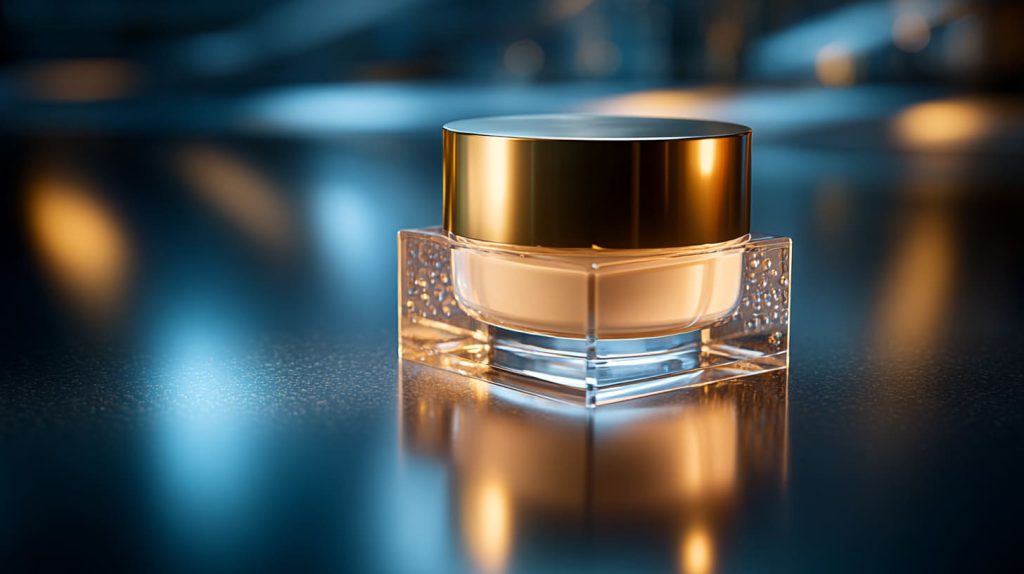
Surface finish is one of the biggest reasons buyers fall in love with acrylic samples.
Clear acrylic can look like glass. Black acrylic can look deep and premium. Frosted acrylic can feel soft and modern. A polished edge can make even a simple display look expensive.
But acrylic surface finish is also easy to misunderstand.
The same sample may look clean under one light and scratched under another light. A glossy surface may look premium on day one and become a fingerprint magnet in the store. A protective film may hide small defects until the buyer removes it.
I become careful when a buyer only checks acrylic under meeting-room lighting, because retail lighting is often much harsher than office lighting.
Acrylic Looks Different Under Different Lighting
Acrylic is a light-sensitive material in a practical sense.
I do not mean it cannot handle light. I mean its appearance changes with light direction, brightness, and reflection.
A sample under soft office light can look smooth. The same sample near a store window may show fine scratches. Under strong LED strips, a polished edge may reflect too much. On a dark display base, dust may become very visible.
Retail buyers should care about this because retail is not a quiet environment. Displays sit near lamps, glass windows, shelves, mirrors, and customers.
Here is a simple lighting checklist I like:
| Lighting Condition | What to Check | Common Surprise |
|---|---|---|
| Soft office light | General appearance | Looks better than real store use |
| Strong LED light | Reflection and scratches | Fine marks become visible |
| Natural sunlight | yellowing and surface marks | Edges and scratches show more clearly |
| Side lighting | Flatness and wave marks | Warping becomes easier to see |
| Dark background | Dust and fingerprints | Cleaning need becomes higher |
Acrylic is honest under strong light. Sometimes too honest.
Edge Polishing Can Hide Future Issues
A polished acrylic edge is beautiful. I like it too. It gives the product a clean, high-end look.
But edge polishing is not only about beauty. It is also about stress.
If flame polishing is done too strongly, the edge may look very clear at first. But the material may hold stress inside. Later, small cracks can appear, especially near glue joints, holes, or bent areas.
This is one of those details that buyers may not notice during sample approval. The edge shines. Everyone feels impressed. But the real question is whether the edge was finished in a safe and stable way.
Different edge methods have different trade-offs:
| Edge Finish Method | Advantage | Risk |
|---|---|---|
| Flame polishing | Clear and glossy edge | Can create stress if overdone |
| Diamond polishing | Clean and stable finish | Higher cost |
| Manual buffing | Flexible for small parts | Worker skill matters |
| CNC edge only | Lower cost | May not look premium enough |
For retail displays, I do not automatically choose the shiniest edge. I check where the product will be used, how close the customer will see it, and whether the structure has stress points.
A very shiny edge is not always the safest edge.
Protective Film Creates False Impressions
Acrylic usually comes with protective film.
That film is useful. It protects the sheet during cutting, bending, assembly, and shipping. But it can also create false confidence.
A sample with film still on the surface may look clean. But after peeling, the surface may attract dust because of static. Small scratches may appear. Fingerprints may become obvious. If the film has stayed too long or faced heat, it may leave marks.
I have seen buyers approve acrylic based on a sample that was only partly peeled. That is risky.
A real check should include:
- Peel the film fully.
- Check the surface under strong light.
- Touch the surface with normal hands.
- Wipe it with a proper cloth.
- Look at it from different angles.
- Check whether dust becomes obvious.
This may sound simple, but simple tests save money.
A retail product does not live under protective film. It lives with customers, cleaning staff, store lights, and dust.
Texture and Fingerprint Sensitivity
Glossy acrylic looks beautiful. But glossy acrylic also shows fingerprints easily.
This matters a lot for cosmetic organizers, jewelry displays, watch displays, and countertop acrylic boxes. Customers touch them. Store staff clean them. Dust settles on them. If the surface needs cleaning every hour, the product may become a burden.
Matte acrylic hides fingerprints better, but it may reduce clarity. Frosted acrylic feels soft, but it may not show the product as sharply as clear acrylic. Mirrored acrylic looks eye-catching, but it can show scratches and fingerprints quickly.
Here is how I usually think about surface choices:
| Surface Type | Best Use | Main Concern |
|---|---|---|
| Clear glossy acrylic | Product visibility, premium display | Fingerprints and scratches |
| Frosted acrylic | Soft branding, privacy, light diffusion | Lower transparency |
| Matte acrylic | Less glare, less fingerprint visibility | May look less bright |
| Mirrored acrylic | Decorative retail display | Easy to scratch |
| Colored acrylic | Brand style, visual impact | Color consistency |
A buyer may choose glossy acrylic because the sample looks premium. But if the product will be touched all day, the better choice may be a surface that looks slightly less dramatic but stays cleaner longer.
That is the small battle between beauty and maintenance.
And in retail, maintenance often wins.
Acrylic can look like a showroom star for five minutes. But the real test starts after the first customer touches it.
Why Shipping Tests Matter More Than Beautiful Samples
Acrylic does not only need to survive production.
It also needs to survive shipping.
This part is easy to forget because samples usually arrive safely. One sample is packed carefully. It may have foam, film, bubble wrap, corner protection, and a strong outer carton. The buyer opens it slowly, checks it on the table, and feels good.
Bulk shipping is different.
Hundreds or thousands of pieces move through stacking, loading, unloading, warehouse handling, sea freight, air freight, courier delivery, and local distribution. Cartons press against cartons. Pallets vibrate. Corners hit other corners. Workers may not handle every box gently.
A sample shows the product. Shipping shows whether the product can reach the buyer alive.
For acrylic retail products, I never treat packaging as an afterthought, because a perfect acrylic display with weak packaging is only a beautiful product waiting to be damaged.
Samples Usually Travel Safely Alone
A single sample usually receives VIP treatment.
It is packed like a fragile gift. The factory may use thick foam even if that foam is too expensive for mass production. The carton may be oversized. The sample may be handled by express courier with tracking. The buyer may receive it within days.
This can create a false sense of safety.
Bulk orders have different rules:
| Sample Shipping | Bulk Shipping |
|---|---|
| One or few pieces | Hundreds or thousands of pieces |
| Extra protective packaging | Cost-controlled packaging |
| Express courier | Sea freight, air freight, truck transport |
| Lower stacking pressure | Higher pallet pressure |
| Easier inspection | More hidden damage risk |
If the buyer only checks the sample but never asks about bulk packaging, the project still has a large open risk.
Acrylic can crack at corners. It can scratch when two surfaces rub. It can deform if packed under pressure. Large panels can bend if cartons are not strong enough.
These problems may not appear until the buyer opens cartons in the warehouse.
And by then, everyone is already tired.
Real Retail Damage Risks
Retail acrylic products often have shapes that look nice but are not easy to ship.
A display may have long panels. A box may have glued corners. A stand may have thin arms. A frame may have polished edges. These features look good in photos, but they can create weak points during transport.
Common shipping damage includes:
- Corner cracking
- Broken glued joints
- Surface scratches
- Edge chips
- Bent panels
- Pressure marks
- Dust inside packaging
- Film damage
- Carton collapse
The most painful part is that some damage is not obvious from the outside carton. The carton may look fine. But inside, the acrylic may have rubbed against itself for weeks.
That is why inner packaging matters so much.
Packaging Design Is Part of the Product
I sometimes tell buyers that packaging is not just a box.
Packaging is part of the product experience.
For acrylic retail products, packaging must protect the surface, edges, corners, and structure. It must also match the shipping method. A product shipped by courier may need different protection than a product shipped by full container.
Here is a simple packaging comparison:
| Packaging Element | Purpose | Risk If Ignored |
|---|---|---|
| Protective film | Protects acrylic surface | Scratches before use |
| PE bag | Reduces dust and rubbing | Dust and surface marks |
| Foam corner | Protects weak corners | Cracks and chips |
| Divider | Stops product-to-product contact | Scratches during vibration |
| Inner carton | Adds structure | Pressure damage |
| Strong outer carton | Supports stacking | Carton collapse |
| Pallet | Improves warehouse handling | Random carton damage |
Good packaging does not always mean expensive packaging. It means suitable packaging.
That word matters.
A small acrylic sign holder may not need heavy foam. A large acrylic display cabinet may need strong carton structure and corner protection. A fragile glued cosmetic display may need individual packing. A flat panel product may need anti-rubbing layers.
The product shape should decide the packaging plan.
Not habit.
Why Experienced Buyers Request Shipping Simulation
A serious buyer should test shipping risk before bulk shipment.
This does not mean every project needs a laboratory test. But the buyer and factory should at least discuss practical simulation.
For example:
- Drop test for courier shipment
- Vibration test for long-distance transport
- Carton stacking test
- Sample packing test with final packaging
- Trial shipment for fragile products
- Inspection after shipping simulation
A buyer may ask, “Is this necessary for every acrylic order?”
My answer is no.
But it is necessary when the product is fragile, expensive, large, heavily polished, glued, or used in visible retail environments.
Here is a simple guide:
| Product Type | Shipping Test Need | Reason |
|---|---|---|
| Small acrylic blocks | Low to medium | Strong shape, fewer weak points |
| Acrylic boxes | Medium | Corners and glue joints matter |
| Cosmetic display stands | Medium to high | Surface and structure both matter |
| Large acrylic panels | High | Warping and scratches matter |
| Acrylic cabinets | High | Size, corners, joints, and hardware matter |
Acrylic is not like metal. A small crack can ruin the product’s value. A scratch on the front face can make a retail display unacceptable.
So shipping tests are not extra work. They are insurance.
The product does not fail only in the factory. Sometimes it fails quietly inside a carton, somewhere between the port and the buyer’s warehouse.
Can Acrylic Thickness Samples Create Wrong Expectations?
Thickness is one of the most common traps in acrylic projects.
A small sample made with 3 mm acrylic may feel strong in the hand. The buyer may bend it slightly and think, “This is enough.” But when the same thickness is used in a large display panel, shelf, tray, or box, the result may be very different.
Size changes everything.
Acrylic strength is not judged by thickness alone. It depends on span, structure, load, fixing method, bending design, and real use.
When I review an acrylic sample, I do not only check the material thickness on the drawing. I imagine the largest weak area in the final product and ask whether that area will bend, shake, or sag after real use.
Small Samples Do Not Show Structural Weakness
A small acrylic sample can be misleading because it has less unsupported area.
A small piece feels stiff. A large piece may flex.
This is especially important for:
- Acrylic shelves
- Display risers
- Large sign panels
- Cosmetic trays
- Product holders
- Transparent covers
- Acrylic storage boxes
For example, a small shelf sample may hold one product during testing. But in a retail store, staff may place several products on it. Customers may press on it. The shelf may slowly sag. The buyer may not see this problem during sample approval.
Here is how thickness risk changes:
| Situation | Sample May Look Fine | Real Risk |
|---|---|---|
| Small countertop display | Strong and clean | Large version may wobble |
| Thin shelf | Holds light product once | Sags after long-term load |
| Large clear panel | Looks flat in sample size | Warps or reflects unevenly |
| Acrylic box lid | Opens smoothly once | Bends after repeated use |
| Tall stand | Looks elegant | May shake when touched |
Acrylic is beautiful, but it still follows physics.
A thin panel cannot pretend to be a thick panel forever.
Optical Distortion in Large Panels
Thickness also affects appearance.
Clear acrylic may look very premium in small size. But in large panels, optical distortion can become more visible. If the panel has slight warping, the reflection may look wavy. If the acrylic is too thin, the display may feel less stable.
This matters for retail buyers because customers do not always judge acrylic by technical standards. They judge it by feeling.
Does it look straight?
Does it look clean?
Does it feel premium?
Does it make the product look better?
Acrylic display is not only a holder. It is part of the product presentation.
Here is the practical difference:
| Acrylic Panel Condition | Buyer May Notice | Customer May Feel |
|---|---|---|
| Slight bending | Structure issue | Cheap or unstable |
| Wavy reflection | Surface issue | Low quality |
| Thin edge | Cost saving | Less premium |
| Thick polished edge | Higher cost | More solid and clear |
| Poor flatness | Production issue | Distracting appearance |
A buyer may save money with thinner acrylic. But if the display makes the product look cheap, the saving may be false.
This is where retail thinking becomes different from factory thinking.
Factory thinking may ask, “Can we make it?”
Retail thinking should ask, “Will it help the product sell?”
Cost vs Stability Trade-Off
Acrylic thickness affects cost directly.
Thicker acrylic uses more material. It may also increase cutting time, polishing time, packing weight, and shipping cost. So I understand why buyers ask for thinner options.
But the cheapest thickness is not always the best business decision.
The right question is not, “How thin can we make it?”
The better question is, “How thin can we make it without hurting function, appearance, and customer confidence?”
Here is a simple thickness thinking table:
| Buyer Goal | Possible Thickness Choice | Hidden Risk |
|---|---|---|
| Lowest price | Thinner acrylic | Bending, weak feel, lower perceived quality |
| Premium display | Thicker acrylic | Higher cost and shipping weight |
| Balanced order | Medium thickness with smart structure | Needs design thinking |
| Heavy load use | Thicker panel or support ribs | Cost rises but risk drops |
| Large visual panel | Better thickness and flatness control | Material selection matters |
Sometimes we can reduce cost by changing structure instead of blindly reducing thickness.
For example:
- Add a support rib.
- Change the bending design.
- Reduce unsupported span.
- Use a back panel.
- Add small feet.
- Use slots or mechanical fixing.
- Change from one large part to assembled parts.
Good design can save money without making the product weak.
Bad cost cutting only moves the cost from the quotation to the complaint stage.
Common Thickness Mistakes Retail Buyers Make
Many thickness mistakes happen because buyers approve samples too quickly.
Here are some common ones:
| Mistake | Why It Happens | Better Approach |
|---|---|---|
| Choosing only by sample feel | Small sample feels strong | Test full-size structure |
| Reducing thickness to hit target price | Budget pressure | Check load and visual quality first |
| Ignoring customer touch | Product looks fine on table | Test shaking and handling |
| Forgetting long-term load | Short test passes | Run weight test for longer time |
| Comparing only material cost | Acrylic sheet price is easy to see | Include damage and return risk |
Acrylic samples do not always reveal thickness problems because time and scale are missing.
A display that survives five minutes may not survive six months.
A shelf that looks flat today may sag slowly after holding products every day.
A box that closes well now may feel loose after repeated opening.
Thickness is not just a number on the drawing. It is a promise about how the product will behave in the real world.
And promises need testing.
A thin sample can save a few dollars in the meeting. A weak display can lose trust on the retail shelf.
Why Acrylic Color Samples Can Be Dangerous
Color samples are tricky.
They look simple. The buyer asks for a clear color, a frosted color, a tinted color, or a brand color. The factory sends a sample. The buyer checks it, maybe under office light, maybe beside a Pantone card, and then approves it.
But acrylic color does not live in one lighting condition.
Color changes under warm light, cool light, daylight, LED strips, and dark shelves. Transparent acrylic also changes with thickness and background. Frosted acrylic changes with distance and light diffusion. Even clear acrylic can have a slight tint depending on the sheet material.
I become very careful when a buyer says “the color is approved” without saying where and how the color was checked.
Acrylic Color Changes Under Lighting
Retail lighting is not neutral.
A cosmetic store may use bright white light. A jewelry store may use warm spotlights. A supermarket may use overhead LED. A window display may receive strong daylight. The same acrylic color can look different in each place.
This is why one color sample can mislead a buyer.
Here is an example:
| Lighting Type | Color Effect | Buyer Risk |
|---|---|---|
| Warm light | Color looks softer or yellowish | Brand color may feel warmer |
| Cool light | Color looks sharper or bluish | Transparent tint may change |
| Daylight | Shows true surface and tint | Scratches and color shifts appear |
| LED strip | Creates reflection and glow | Edge color may look stronger |
| Dark shelf | Makes clear acrylic edges stand out | Color may look deeper |
Color approval should match the product’s real environment.
If the acrylic display will sit in a luxury store, test it under similar lighting. If it will sit near a window, test it with daylight. If it will hold skincare bottles under LED shelves, test the sample there.
Acrylic color is not only color.
It is color plus light plus background.
Batch Color Matching Problems
Acrylic sheets come from material suppliers. Different batches may have small color differences. For clear acrylic, this may show as a slight tint. For colored acrylic, it may show as a small difference in depth. For frosted acrylic, it may show in light diffusion.
In many retail projects, a small color difference may be acceptable. But for brand displays, especially cosmetics, jewelry, and premium goods, small differences can become a problem.
A buyer may approve one sample and expect every future batch to look exactly the same. That expectation needs to be discussed early.
Here is what I like to clarify:
| Color Issue | Question to Ask |
|---|---|
| Material batch | Will bulk production use the same sheet source? |
| Color tolerance | What level of difference is acceptable? |
| Repeat order | Can the same color be maintained later? |
| Mixed materials | Will acrylic match metal, wood, or printed parts? |
| Lighting | Was the sample checked under final retail lighting? |
If the buyer needs strict color control, the factory should keep a master sample.
A master sample is not decoration. It is the referee.
Without it, later discussions become emotional.
The buyer says, “This looks different.”
The factory says, “It is within normal range.”
Then both sides stare at photos on a screen, and nobody feels happy.
Transparent and Frosted Acrylic Variations
Clear acrylic sounds simple, but it has levels.
Some acrylic looks water-clear. Some has a slight blue or green edge. Some recycled or lower-grade material may look less pure. Thickness can make the edge color stronger.
Frosted acrylic also has many faces. Some frosted sheets are soft and elegant. Some look too cloudy. Some diffuse light well. Some reduce product visibility too much.
This matters for retail displays because acrylic is often used to support the product, not steal attention from it.
A clear display should make the product look clean. A frosted display should create a soft mood. A tinted display should match the brand. If the material fights with the product, the display fails quietly.
Here is a simple guide:
| Acrylic Type | Visual Strength | Possible Problem |
|---|---|---|
| Clear acrylic | High transparency | Scratches and edge tint visible |
| Frosted acrylic | Soft and premium feel | Product visibility may drop |
| Tinted acrylic | Strong brand mood | Color may change with lighting |
| Colored opaque acrylic | Bold design | Batch matching matters |
| Light-diffusing acrylic | Smooth lighting effect | Needs LED testing |
For lighted displays, color testing becomes even more important.
A small frosted sample may look nice on the desk. But when LED light passes through it, hotspots may appear. The color may look uneven. The whole display may feel less premium.
Light always reveals shortcuts.
Why Pantone Matching Is Not Always Enough
Pantone is useful for printing. But acrylic is not paper.
Acrylic has thickness, transparency, gloss, reflection, and internal light behavior. So a Pantone reference can help communication, but it does not solve every color issue.
If a buyer asks for exact Pantone matching on acrylic, I usually explain the limits first. We can get close. We can provide options. We can compare samples. But acrylic may not behave like printed cardboard or coated paper.
Here is the difference:
| Color Reference | Works Well For | Limitation With Acrylic |
|---|---|---|
| Pantone card | Printed color reference | Does not show transparency |
| Digital image | Fast communication | Screen colors vary |
| Physical acrylic sample | Real material comparison | May still vary by batch |
| Master sample | Bulk production standard | Must be stored and protected |
| Retail mock-up | Real environment check | Takes more time and cost |
For important color projects, I prefer physical samples over digital approval.
Photos help. Videos help. But they do not replace material in hand.
Acrylic color is not something I want to settle with one phone photo and a quick “OK.”
That “OK” may become expensive later.
Color is emotional. People notice it before they explain it. That is why a small color mistake can make a good display feel wrong.
How Can Retail Buyers Test Acrylic Samples More Professionally?

Acrylic sample testing does not need to be complicated.
It needs to be realistic.
Many buyers check the sample like a display object. They look at the surface. They touch the edge. They take photos. They send comments. That is useful, but it is not enough.
A retail acrylic product must be tested as a working object.
Will it hold weight? Will it scratch too easily? Will it collect fingerprints? Will the glue joint stay strong? Will the packaging protect it? Will store staff clean it without damaging it?
I trust a sample more when the buyer has abused it a little, because real customers will not treat the product like a museum piece.
Request Functional Samples Instead of Display Samples
A display sample shows appearance.
A functional sample shows behavior.
For retail acrylic products, I think buyers should ask for samples that are as close as possible to the real product. This means real size, real thickness, real assembly, real hardware, and real packaging when possible.
A small corner sample may help check material. But it cannot prove the whole product.
Here is how I separate sample types:
| Sample Type | Purpose | Limit |
|---|---|---|
| Material sample | Checks color, thickness, surface | Does not show structure |
| Finish sample | Checks edge, polishing, glue | Does not show full use |
| Prototype sample | Checks design and assembly | May not match mass process |
| Production-level sample | Checks real process | Higher cost and time |
| Packed sample | Checks shipping protection | Often ignored too early |
If the order is small and simple, a basic sample may be enough.
If the order is large, visible, fragile, or brand-sensitive, a production-level sample is safer.
The sample cost may feel annoying at the beginning. But a wrong bulk order feels much worse.
Simulate Real Retail Conditions
Acrylic should be tested in the same way it will be used.
This sounds obvious. But many sample checks happen in offices, not stores.
I suggest buyers test:
- Product loading
- Customer touching
- Cleaning
- Light exposure
- Assembly
- Shelf placement
- Packaging opening
- Repeated movement
For example, if the acrylic display will hold perfume bottles, do not test it with empty space. Put bottles on it. If customers will touch the front panel, touch it many times. If store staff will wipe it daily, wipe it with the proper cloth and cleaner. If the display will sit near sunlight, expose it to light.
Here is a practical test table:
| Real Condition | Simple Test | What It Reveals |
|---|---|---|
| Product weight | Place actual products on sample | Sagging or instability |
| Customer handling | Touch, move, press gently | Weak joints or wobbling |
| Store cleaning | Wipe several times | Scratch and fingerprint risk |
| Lighting | Test under LED and daylight | Reflection, color, and scratch visibility |
| Assembly | Assemble and disassemble | Fit and hardware problems |
| Packaging | Repack and shake lightly | Rubbing and protection issues |
A sample should answer real questions.
Not perfect questions.
Real retail environments are messy. People touch things. Workers clean quickly. Products get moved. Shelves get crowded. Dust appears. Light changes.
The sample should face some of that before the order begins.
Evaluate Assembly and Packaging Together
Some acrylic products are shipped assembled. Some are shipped flat-packed. Some need screws. Some need magnets. Some need glue. Some have metal parts. Some have printed logos.
The buyer should check the whole system.
A beautiful acrylic panel can become a bad product if the screw hole is hard to align. A nice display can become a headache if the packaging takes too long to open. A flat-packed design can save shipping cost but create assembly complaints.
This is very important for retail buyers because the end user may not know acrylic. They only know whether the product is easy or annoying.
Here is a system check:
| System Part | What to Check |
|---|---|
| Acrylic body | Finish, structure, surface |
| Hardware | Fit, strength, rust risk |
| Logo or printing | Position, durability, color |
| Assembly method | Easy or confusing |
| Packaging | Protection and opening experience |
| Instructions | Clear or unnecessary |
| Cleaning | Easy or high maintenance |
Acrylic products rarely fail because of one big thing. They often fail because of five small things added together.
A screw hole is slightly tight.
A corner is slightly weak.
The packing rubs slightly.
The surface scratches slightly.
The customer complains loudly.
That is how small details become big problems.
Ask the Factory Difficult Questions
Good factories should not fear practical questions.
A buyer can ask:
- What tolerance can you control in bulk production?
- Which process will be used for the sample and bulk order?
- Will bulk production use the same material supplier?
- What is the expected reject rate?
- How will you inspect glue lines?
- How will you protect the surface during production?
- How will you pack the product?
- Can we test the final packaging?
- What part of this design worries you?
That last question is my favorite.
“What part of this design worries you?”
A serious factory will usually have an answer. Maybe the corner is fragile. Maybe the bend is too close to the edge. Maybe the acrylic is too thin. Maybe the packaging needs improvement. Maybe the logo position is risky.
If a supplier says everything is easy, I become more careful.
Acrylic work has details. Every real factory knows that.
Here is a simple question map:
| Buyer Question | Why It Matters |
|---|---|
| Can this sample be repeated in bulk? | Checks production realism |
| Which part is hardest to control? | Finds hidden risk |
| What tolerance should we agree on? | Reduces later arguments |
| How will you inspect each batch? | Checks QC process |
| Can we approve final packing too? | Reduces shipping damage |
| What would you change to reduce risk? | Uses factory experience |
Professional sample testing is not about making the factory uncomfortable.
It is about making the project safer.
A buyer who asks better questions usually receives better answers.
And better answers often save the order before problems begin.
What Do Experienced Retail Buyers Check Beyond Appearance?
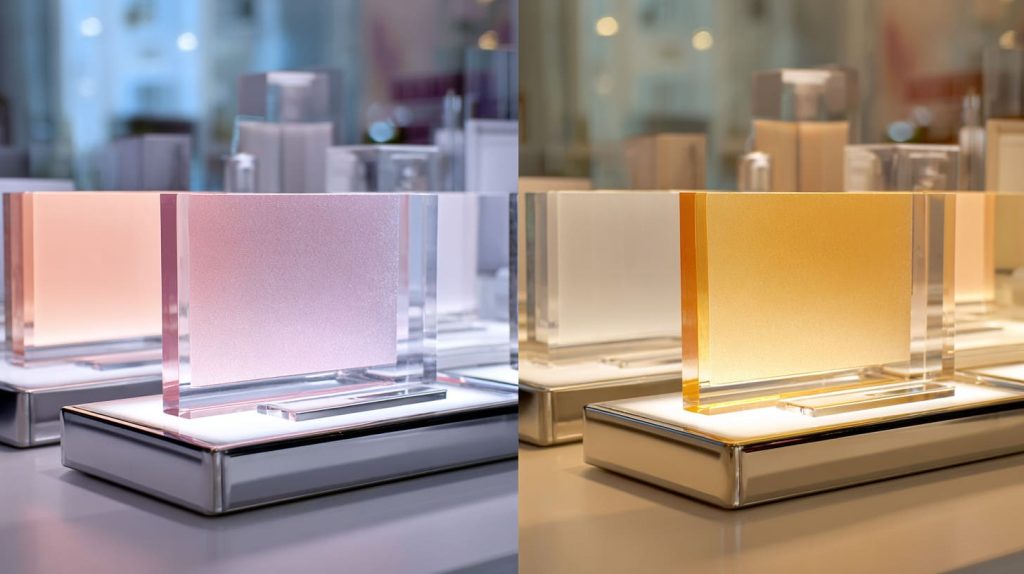
Appearance matters. I will never say it does not.
Acrylic products are visual products. They are often used in stores, showrooms, cosmetic counters, jewelry displays, and home organization. If they look cheap, scratched, cloudy, or unstable, the buyer will not accept them.
But experienced buyers look beyond appearance.
They check how the product is built, how it behaves, how it ages, how it ships, and how the factory communicates when there is a risk.
The first thing I notice with experienced buyers is that they do not praise a sample too quickly. They turn it over, check the weak points, ask about repeatability, and think about the customer who will use it months later.
Structural Reliability
Structural reliability is not always visible from the front.
An acrylic display may look clean, but the glue joint may be weak. A box may look square, but the lid may not fit well after repeated opening. A stand may look elegant, but the base may be too light.
Experienced buyers check weak points.
They look at:
- Corners
- Glue joints
- Bending lines
- Screw holes
- Slots
- Load-bearing areas
- Feet or base structure
- Hinges or magnets
- Thin arms or narrow parts
For acrylic, the weak point is often not the flat panel. It is the place where stress gathers.
Here is a useful way to think:
| Product Area | Why It Matters | What to Check |
|---|---|---|
| Corners | Easy to crack during shipping | Radius, polishing, protection |
| Glue joints | Control strength and appearance | Bubbles, overflow, bond quality |
| Bending lines | Stress can appear | White marks, angle accuracy |
| Screw holes | Can crack if too tight | Hole size and edge distance |
| Base | Controls stability | Wobble and weight balance |
| Shelves | Carry product load | Sagging and support |
Acrylic does not always fail loudly.
Sometimes it gives small warnings first.
A tiny crack. A loose joint. A slight wobble. A shelf that bends a little more each month.
Experienced buyers listen to those warnings early.
Long-Term Appearance Stability
Acrylic can stay beautiful for a long time if the material, design, finish, and care are right.
But it can also lose its beauty faster than expected if the wrong choices are made.
Long-term appearance depends on:
- Material quality
- UV exposure
- Cleaning method
- Surface finish
- Scratch resistance
- Packaging protection
- Store environment
- Customer handling
For retail buyers, this matters because the product is often part of brand image. A scratched acrylic cosmetic display does not only look bad. It makes the displayed products look less valuable.
Here is what I would check:
| Long-Term Risk | Cause | Prevention |
|---|---|---|
| Yellowing | UV exposure or poor material | Use better acrylic and UV planning |
| Scratches | Cleaning or customer touching | Choose proper finish and care guide |
| Cracks | Stress, holes, over-polishing | Improve design and process |
| Cloudiness | Wrong cleaner | Provide cleaning instructions |
| Loose joints | Weak glue or design stress | Improve bonding and structure |
This is one reason I care about material source.
High-transparency acrylic looks good at first. But for serious retail projects, stable material quality matters more than a one-time shine.
A sample can show today’s appearance.
Only testing and experience can protect tomorrow’s appearance.
Manufacturing Consistency
A buyer does not buy one perfect sample.
A buyer buys a batch.
This is why consistency is so important. The first piece, middle piece, and last piece should stay within the approved standard. They do not need to be absolutely identical like computer files. Real manufacturing has tolerance. But the difference must be controlled.
For acrylic products, consistency includes:
- Size
- Edge finish
- Glue line
- Bend angle
- Surface quality
- Color
- Printing position
- Assembly fit
- Packaging condition
Here is a simple consistency checklist:
| Check Item | Good Sign | Warning Sign |
|---|---|---|
| Size | Parts fit smoothly | Some pieces too tight or loose |
| Edge | Similar shine and smoothness | Different edge quality |
| Glue | Clean and stable | Bubbles vary a lot |
| Bend | Same angle across pieces | Visible lean or uneven fit |
| Surface | Few controlled marks | Random scratches |
| Color | Matches master sample | Batch looks different |
| Packing | Same protection method | Workers pack differently |
For custom orders, consistency does not happen by luck.
It needs drawings, standards, samples, fixtures, trained workers, and inspection.
That is why I prefer to confirm important details before production starts. Fixing a process before production is cheaper than sorting problems after production.
Communication Transparency
Communication is part of quality.
I know this may sound strange, but it is true.
A factory can have good machines and still create problems if it does not explain risks clearly. A buyer can have good experience and still face trouble if the factory hides difficult details to win the order.
For acrylic projects, honest communication is very valuable.
A good supplier should say:
- This design is possible, but the edge may need extra polishing.
- This thickness may be too thin for this span.
- This color may have batch variation.
- This structure may be hard to ship fully assembled.
- This logo position may scratch during packing.
- This cost target is possible only if we change the packaging.
These sentences may not sound sweet. But they protect the order.
I respect buyers who ask direct questions. I also respect suppliers who answer directly.
Here is how communication changes the project:
| Communication Style | Short-Term Feeling | Long-Term Result |
|---|---|---|
| Everything is easy | Buyer feels relaxed | Hidden risk may appear later |
| Risk is explained early | Buyer may pause | Project becomes safer |
| Details are documented | More work at start | Fewer disputes later |
| Standards are unclear | Faster approval | More arguments later |
| Factory gives suggestions | More discussion | Better product decisions |
For retail buyers, a good sample should come with good explanation.
A silent sample is not enough.
A good sample should tell the buyer what is strong, what is risky, what needs testing, and what must be controlled in production.
That is how appearance becomes trust.
Some samples look beautiful because they hide the hard questions. The better samples invite those questions before money is on the table.
How Can Factories and Buyers Build Better Sample Trust?

Trust does not come from one perfect sample.
Trust comes from the way both sides handle the sample.
A buyer needs to test carefully. A factory needs to explain honestly. Both sides need to agree on standards. If the sample is treated like a small performance, the project becomes risky. If the sample is treated like a working tool, the project becomes much safer.
For B2B custom acrylic products, I believe sample trust is built by clear process, not sweet words.
The best sample approval is not the one that makes everyone excited fastest. It is the one that helps both sides see the real project clearly before bulk production starts.
Why Honest Sampling Creates Long-Term Partnerships
Acrylic buyers remember sample problems.
They also remember honesty.
If a factory sends a perfect sample but fails in mass production, the buyer may not come back. If a factory explains the limits early, even if the sample is not perfect at first, the buyer may trust the factory more.
I have learned that experienced buyers do not expect magic. They expect control.
They want to know:
- Can the factory repeat the result?
- Can the factory explain the process?
- Can the factory admit risk?
- Can the factory suggest improvements?
- Can the factory protect the shipment?
- Can the factory keep quality stable?
This is where long-term cooperation begins.
Here is the difference between short-term sampling and honest sampling:
| Sampling Style | Main Goal | Common Result |
|---|---|---|
| Short-term sample theater | Impress the buyer quickly | Risk appears later |
| Honest production sample | Show real capability | Buyer understands trade-offs |
| Over-polished sample | Win approval | Hard to repeat |
| Process-based sample | Build standards | Easier bulk control |
| Hidden-risk sample | Avoid difficult talk | Future disputes |
The buyer does not need a magic show.
The buyer needs a preview of real production.
Using Production-Level Samples
A production-level sample is very valuable.
It should be made with the same or very similar process planned for bulk production. It should use the same material source when possible. It should follow the real structure, finish, and packing method.
This does not mean every sample must be expensive. It means the buyer and factory should understand what type of sample they are approving.
Here is a practical sample approval table:
| Sample Type | Buyer Should Understand |
|---|---|
| Handmade prototype | Good for design check, not final production standard |
| CNC sample | Good for precision check, but may differ from mass process |
| Material sample | Good for color and thickness, not structure |
| Production-level sample | Better reference for bulk order |
| Packed sample | Best for checking shipping risk |
If the buyer approves a handmade prototype, both sides should not pretend it is equal to bulk production.
If the buyer approves a production-level sample, the factory should keep it as a standard.
I like keeping approved samples clearly labeled. The buyer has one. The factory keeps one. Sometimes we keep photos and inspection notes too. This avoids confusion later.
Memory is not a quality system.
Documentation is better.
Creating Testing Standards Together
Acrylic quality should not depend only on feeling.
“Looks good” is not enough.
The buyer and factory should agree on simple but clear standards. These standards do not need to be complicated, but they should cover the points that matter.
For example:
| Standard Area | What to Define |
|---|---|
| Size tolerance | Acceptable length, width, height difference |
| Surface quality | Scratch limit and inspection distance |
| Edge finish | Polishing level and visible defects |
| Glue quality | Bubble size, overflow, bonding area |
| Color | Master sample and acceptable variation |
| Packaging | Materials, layers, carton strength |
| Function | Load, assembly, stability, fitting |
Inspection distance is especially important.
A tiny mark seen from 5 cm may not matter in real retail use. But a scratch visible from 1 meter on the front face may be unacceptable. Without clear inspection rules, both sides may argue from different viewpoints.
Here is a simple example:
| Defect Type | Front Visible Area | Hidden Area |
|---|---|---|
| Deep scratch | Not acceptable | Depends on function |
| Tiny polishing mark | Depends on distance | Usually acceptable |
| Glue bubble | Limited and controlled | More tolerance possible |
| Small dust mark | Should be cleaned | Less serious |
| Edge chip | Not acceptable on visible edge | Depends on size and location |
Standards help both sides stay calm.
Without standards, quality becomes personal opinion.
And personal opinion is hard to ship in cartons.
Building Cooperation Instead of “Sample Theater”
“Sample theater” happens when everyone focuses on making one beautiful sample but avoids the real production questions.
It feels good at first. The buyer feels impressed. The factory feels close to winning the order. The photos look nice. The project moves fast.
But later, reality knocks on the door.
The bulk order has slight variation. Packaging cost was not included. The color is different in the second batch. The glue line is not as perfect as the sample. The buyer feels disappointed. The factory feels pressured.
This is not a good way to build B2B cooperation.
Better cooperation needs more honest questions:
- What can be repeated?
- What cannot be repeated at this price?
- What should we change before production?
- What risk should we test?
- What standard should we write down?
- What packaging should we approve?
- What is acceptable and what is not?
Here is the mindset shift:
| Old Mindset | Better Mindset |
|---|---|
| Make the sample look perfect | Make the sample represent reality |
| Approve by appearance | Approve by appearance, function, and packing |
| Hide difficult details | Discuss risk early |
| Treat packaging as extra | Treat packaging as protection |
| Push for lowest price | Balance cost and failure risk |
| Trust memory | Use written standards |
I like buyers who think this way because the discussion becomes more useful.
We are not only selling acrylic products. We are building something that needs to arrive safely, look right, work well, and support the buyer’s brand.
That takes more than a pretty sample.
A sample should not be a stage performance. It should be a rehearsal for real production.
Conclusion
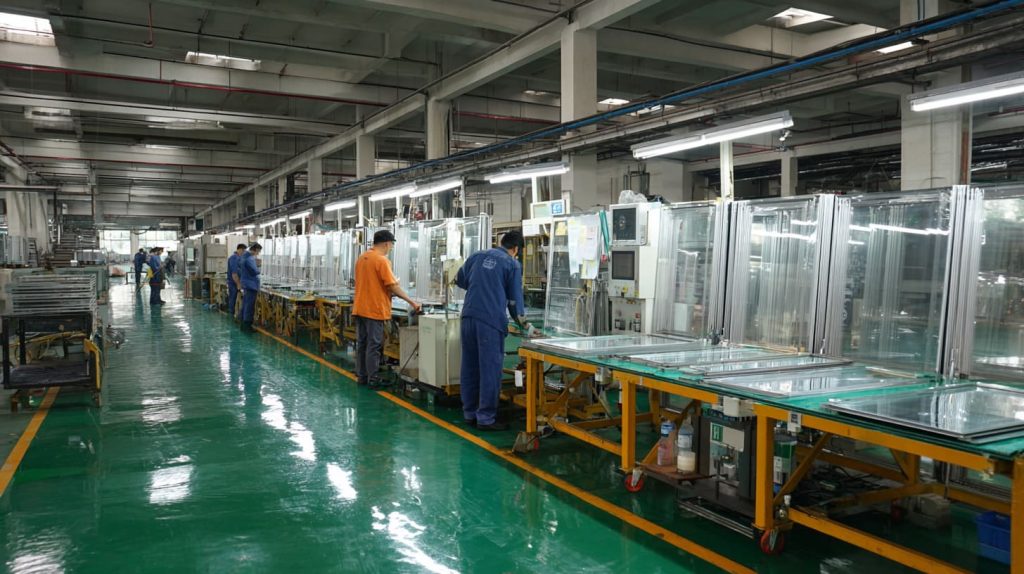
Acrylic samples are important.
I still believe that.
A buyer should see the material. A designer should check the edge. A purchasing team should compare options. A sample can prevent many mistakes before money goes into tooling, materials, production, and shipping.
But I do not believe a sample should be trusted blindly.
I think this way because I have seen what happens after the sample stage. I have seen products that looked beautiful in one piece but became difficult in bulk. I have seen small scratches become large complaints. I have seen thin acrylic pass a quick check but sag later. I have seen good-looking displays arrive with cracked corners because packaging was treated like a small detail.
These experiences changed how I judge samples.
Now, when I look at an acrylic sample, I do not only see the shine. I see the production line behind it. I see the worker repeating the same glue line hundreds of times. I see cartons stacked on pallets. I see store staff wiping the surface in a hurry. I see customers touching the display without care. I see the buyer opening the shipment and hoping everything matches the approved sample.
That is why I always come back to one practical idea:
A good acrylic sample should not only look good. It should help us predict the real order.
For retail buyers, especially experienced buyers like Jacky, the sample should answer deeper questions:
- Can this quality be repeated?
- Can this thickness support real use?
- Can this surface survive store handling?
- Can this color stay consistent?
- Can this packaging protect the product?
- Can this factory explain the risks clearly?
If the answer is unclear, the sample has not finished its job yet.
At Feilong Acrylic, I prefer honest sample discussions because custom acrylic work depends on details. We do not sell a fixed catalog. We work with custom displays, acrylic boxes, frames, stands, racks, cabinets, blocks, organizers, and furniture parts. Each project has its own weak points. Each buyer has different retail conditions. Each design needs real thinking.
So my call to action is simple.
If you are developing a custom acrylic product for retail use, do not only ask for a beautiful sample.
Ask for a realistic sample.
Ask about the material. Ask about the process. Ask about the tolerance. Ask about the packaging. Ask about the part that may go wrong.
A serious factory will not be offended by these questions.
A serious factory will welcome them.
Because the goal is not to win approval for one perfect sample.
The goal is to deliver many good products that still make sense after production, shipping, unpacking, and real retail use.