Skip to content
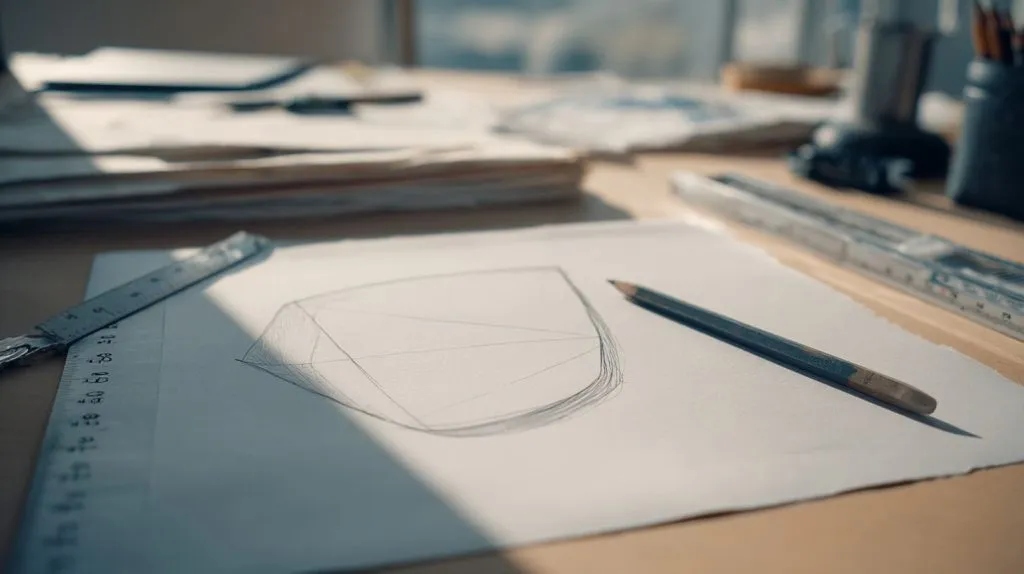
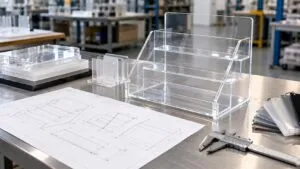
A rough sketch shows up in my inbox. No dimensions. No notes. Just a simple outline and a short message: “Can this be made?”
That is how many real projects begin.
At first glance, it looks easy. A shape is just a shape. But once I start thinking about how it will sit on a shelf, how light will pass through it, how it will survive shipping, the questions start to grow.
This is where custom cut acrylic shapes come in.
I work with buyers like Jacky all the time. He does not need standard panels. He needs shapes that match branding, fit into existing systems, and still look clean after months of use. He cares about edge quality. He cares about consistency between batches. He also cares about cost, because every detail affects his margin.
Acrylic gives us a lot of room to work with. It is clear like glass. It is easier to process. It scales well for bulk orders. And more importantly, it lets us turn rough ideas into something precise and repeatable.
From my side, I never treat these requests as simple cutting jobs. I see them as small design problems that need real answers.
Sometimes the drawing looks perfect on screen. But I still stop and ask one question before moving forward: will this shape still work after it leaves the factory?
That question often changes everything.
Before going deeper, it helps to understand what custom cut acrylic shapes really are.
What Are Custom Cut Acrylic Shapes?
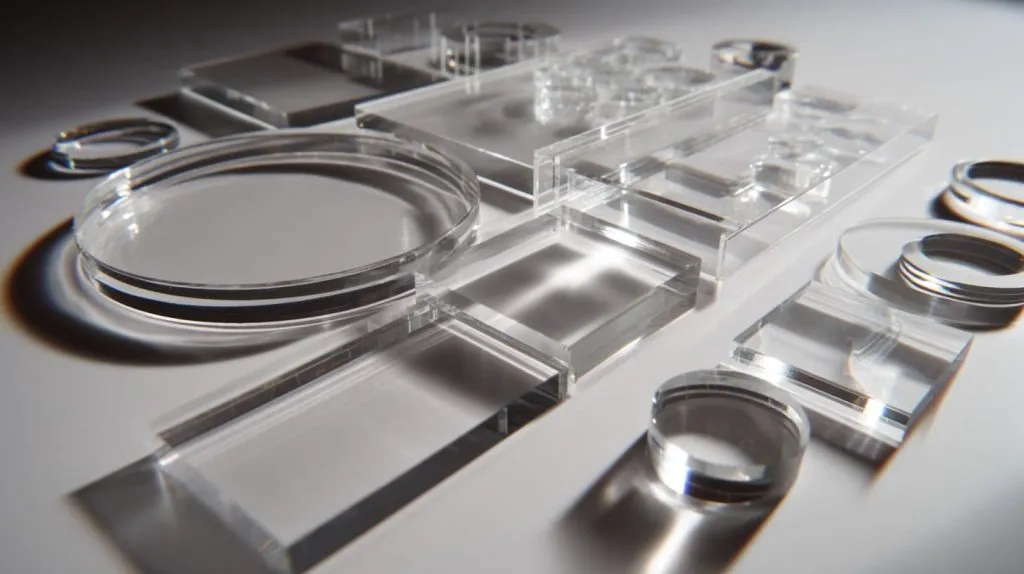
When people first hear “custom cut acrylic,” they often imagine simple boards cut into squares. But that is just the surface.
Definition and Basic Concept
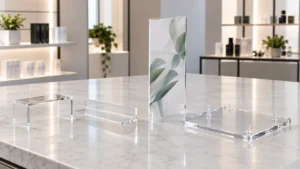
Acrylic starts as a flat sheet. Then we cut it into shapes based on design files. These shapes can be simple or very complex.
Here is how I usually explain it to new buyers:
| Type | Description |
|---|---|
| Standard sheet | Raw material, no customization |
| Custom cut shape | Designed and cut to exact form |
| Functional part | Shape made for assembly or use |
The key difference is control. With custom cutting, you control size, edge, hole position, and even curves.
Common Types of Custom Shapes
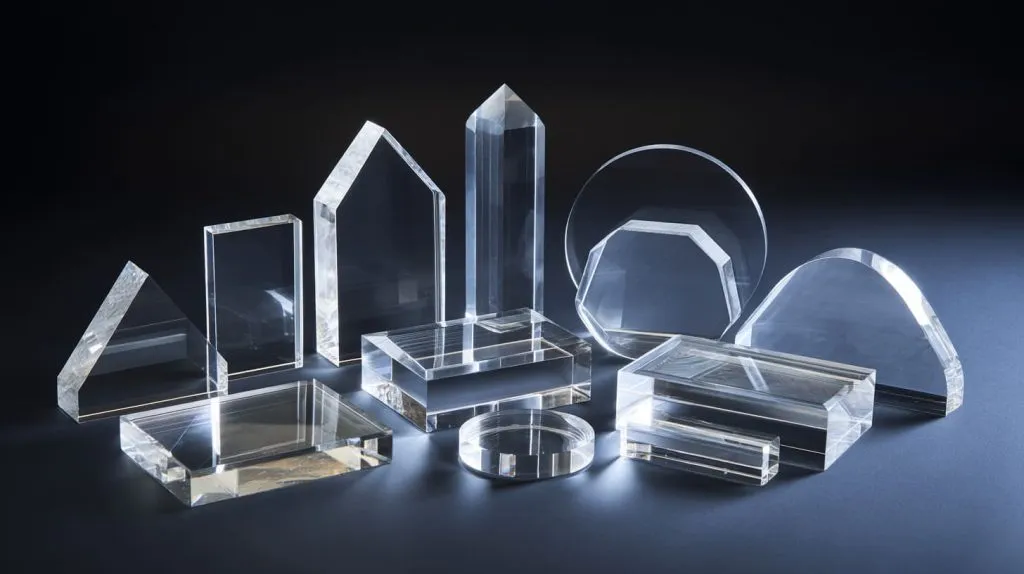
I have seen all kinds of shapes over the years. Some are simple. Some are almost artistic.
- Basic geometry: circles, rectangles, hexagons
- Brand shapes: logos, letters, icons
- Functional parts: covers, panels, inserts
One client once asked for a logo shape with sharp corners. It looked great in design. But when we tested it, the corners became weak points.
That is where many designs fail. They look good, but they ignore real-world stress.
Materials and Variations
Not all acrylic is the same. This part matters more than most buyers think.
| Type | Feature | Use Case |
|---|---|---|
| Clear | High transparency | Displays |
| Frosted | Soft light | Decorative panels |
| Colored | Brand matching | Retail branding |
| Mirror | Reflective | Luxury displays |
And then there is a deeper layer:
| Type | Cast Acrylic | Extruded Acrylic |
|---|---|---|
| Quality | Higher | Medium |
| Cutting result | Clean edge | Slight melt |
| Cost | Higher | Lower |
I always pause here when selecting material. If the shape has fine details, I go with cast. If the budget is tight and shape is simple, extruded works.
That small decision often decides whether the final product feels premium or cheap.
Now that we know what these shapes are, the next question is simple: why do designers keep choosing acrylic again and again?
Why Designers Choose Acrylic for Custom Projects
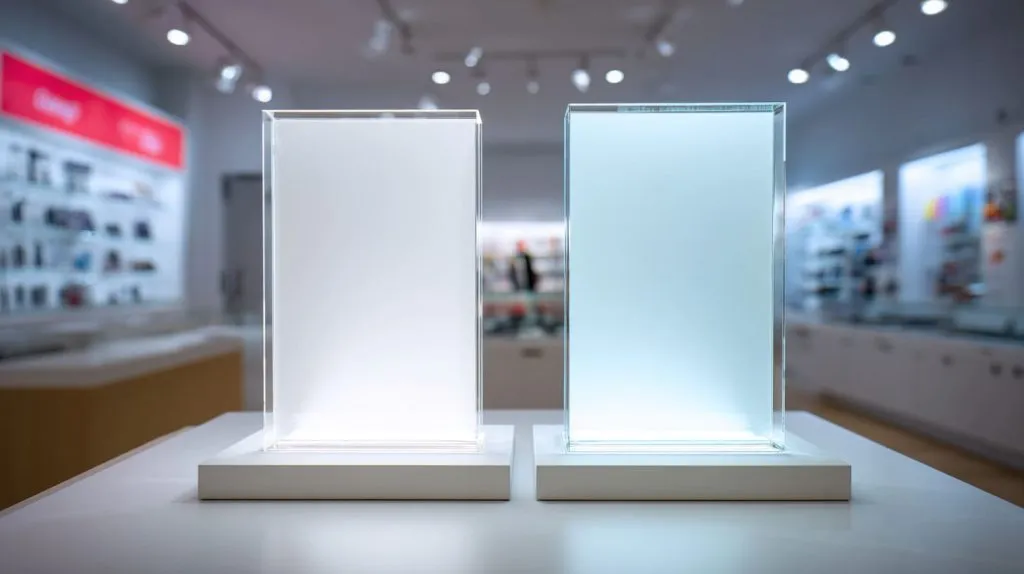
I have worked with many materials—metal, wood, glass. Each has its place. But acrylic sits in a very interesting middle ground.
Visual Appeal and Transparency
Acrylic looks like glass. But it behaves very differently.
- It is clear
- It transmits light well
- It works perfectly with lighting
I remember testing a display with LED behind it. Glass reflected too much. Acrylic gave a softer, cleaner glow.
That small difference made the product stand out in the store.
Lightweight and Durable Properties
Here is something buyers often underestimate.
| Property | Acrylic | Glass |
|---|---|---|
| Weight | Light | Heavy |
| Impact | Strong | Fragile |
| Transport | Easy | Risky |
Shipping matters a lot in B2B. A lighter product means lower cost and fewer breakages.
I always think about logistics early. A beautiful design that breaks during shipping is a failed design.
Cost Efficiency for Bulk Orders
This is where acrylic really shines.
- Lower material cost than glass
- Faster processing
- Easier scaling
For buyers like Jacky, who need consistent quality across batches, acrylic gives stability.
Still, I never chase the lowest cost blindly. Cheap acrylic often leads to scratches, yellowing, or poor cutting edges.
That trade-off shows up later, usually when the product reaches the customer.
And once that happens, fixing it is much harder.
Now that we understand why acrylic is popular, let’s look at how these shapes are actually made.
How Custom Acrylic Shapes Are Made
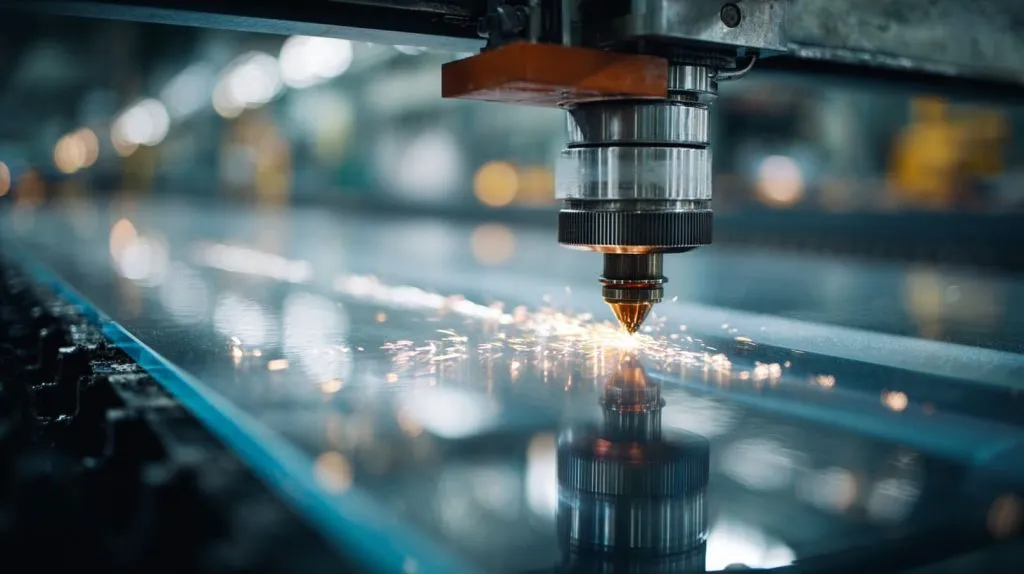
Behind every clean acrylic shape, there is a process. And honestly, this process decides most of the final quality.
Design File Preparation
Everything starts with a file.
- AI
- DXF
- SVG
These are standard formats. But the real issue is not the format. It is the detail.
A small mistake in the file can cause big issues.
I once saw a design where two lines overlapped slightly. The machine treated it as double cutting. The edge melted.
So I always check:
- Line clarity
- Dimensions
- Closed paths
Cutting Technologies Explained
We mainly use two methods.
| Method | Best For | Result |
|---|---|---|
| Laser cutting | Thin sheets | Smooth edges |
| CNC machining | Thick parts | Strong structure |
Laser is fast and precise. CNC is slower but stronger.
Choosing the wrong method can ruin the part.
Finishing Processes
After cutting, the work is not done.
We often apply:
- Flame polishing
- Diamond polishing
- UV printing
- Engraving
- Bending
Each step adds value, but also adds cost.
I always ask myself: does this finish improve function, or just appearance?
That question helps control cost without sacrificing quality.
Once the process is clear, the next step becomes exciting—what can we actually build with these shapes?
Design Possibilities with Custom Acrylic Shapes
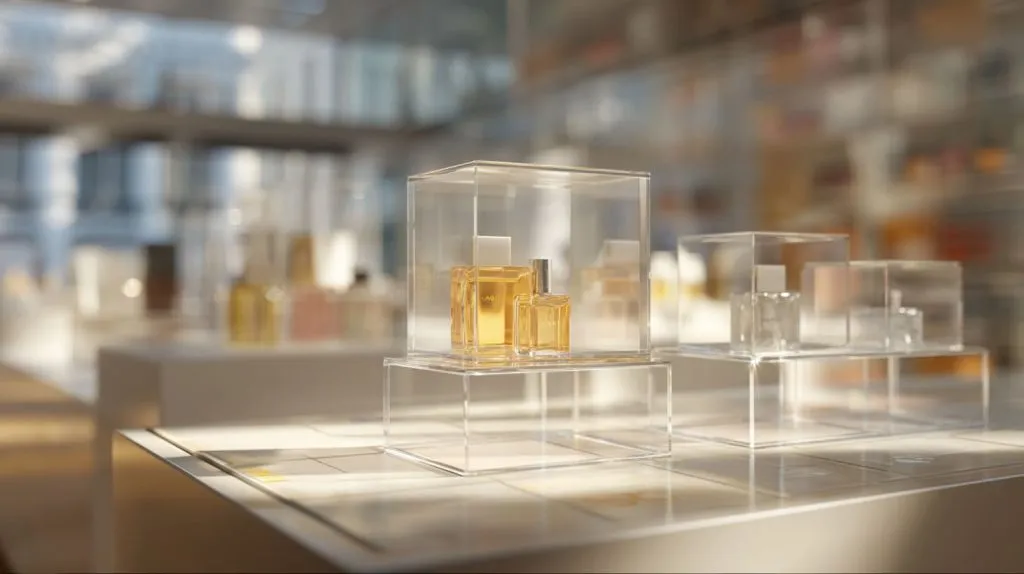
This is the part I enjoy most. Because this is where design becomes real.
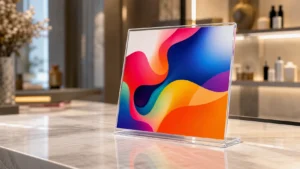
Retail and Display Applications
Retail is the biggest use case.
- Product stands
- Brand signage
- POS displays
I have seen simple shapes change product visibility completely.
One small adjustment in angle or shape can increase attention.
Home and Decorative Uses
Acrylic is not only for business.
- Wall décor
- Storage organizers
- Furniture accents
These products often focus more on feeling than function.
Still, I always check durability. Decorative does not mean fragile.
Industrial and Functional Components
This is often overlooked.
| Application | Example |
|---|---|
| Machine cover | Protective panel |
| Electronics | Enclosures |
| Spacers | Assembly parts |
These parts must fit perfectly.
A small tolerance issue can stop the whole system.
I always double-check dimensions in these cases. Because failure here is not visual—it is functional.
At this point, the possibilities feel endless. But before placing an order, there are a few critical things to think about.
Key Factors to Consider When Ordering Custom Acrylic Shapes
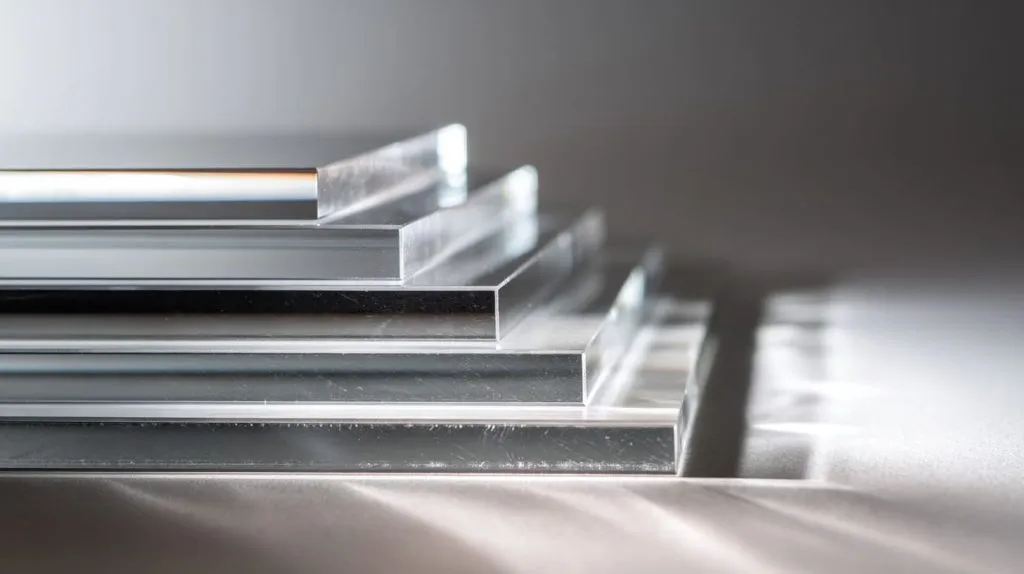
This is where many projects succeed or fail.
Thickness and Strength Requirements
Thickness affects everything.
| Thickness | Use |
|---|---|
| 2–3 mm | Light display |
| 4–6 mm | Standard use |
| 8 mm+ | Structural |
I never choose thickness based on looks. I choose based on load.
Tolerance and Precision Needs
For assembly parts, tolerance matters.
- Loose fit vs tight fit
- Expansion space
- Alignment accuracy
I always leave a small margin. Perfect fit on paper can fail in reality.
Surface Finish and Edge Quality
Edges tell a lot about quality.
- Polished edge → premium
- Rough edge → budget
Customers notice this immediately.
MOQ and Production Lead Time
For B2B, MOQ is normal.
| Factor | Typical |
|---|---|
| MOQ | 100–200 pcs |
| Lead time | 15–25 days |
I always plan buffer time. Delays happen more often than people expect.
Before moving forward, it is also important to understand what mistakes to avoid.
Common Mistakes Buyers Should Avoid
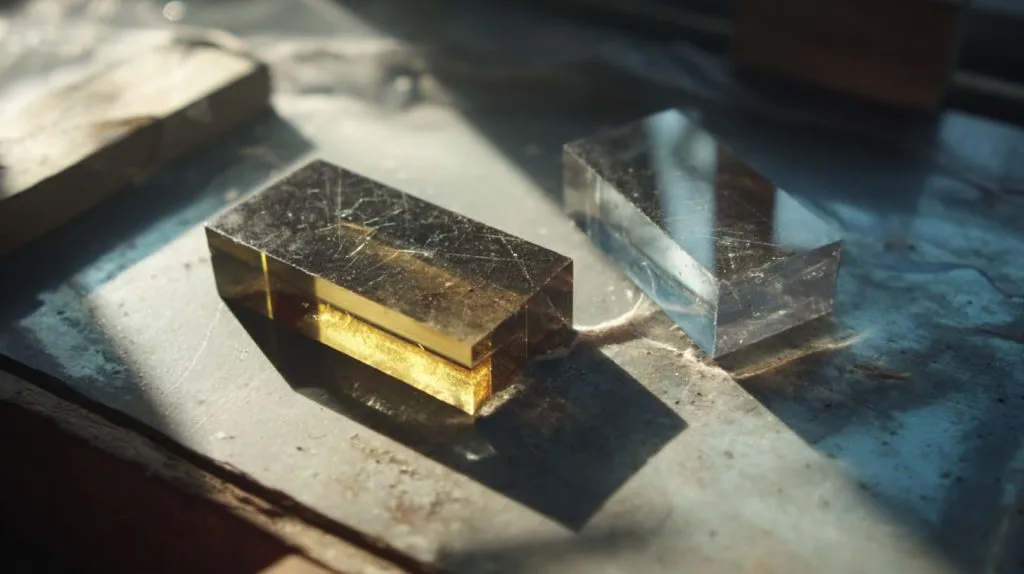
I have seen the same problems again and again.
Choosing the Wrong Material Type
Acrylic is not always the answer.
- High impact → polycarbonate
- Outdoor UV → special grade
Wrong material leads to failure.
Ignoring File Preparation Details
Bad files create bad products.
- Missing dimensions
- Open paths
- Low resolution
This is one of the most common issues.
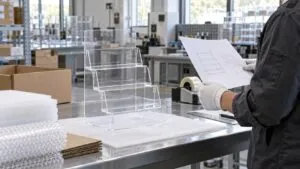
Overlooking Packaging and Shipping Risks
Acrylic scratches easily.
- No protective film → damage
- Poor packaging → loss
I always check packaging before shipment. Because damage at this stage wastes all previous effort.
With these mistakes in mind, the next step is choosing the right supplier.
How to Work with a Reliable Acrylic Manufacturer
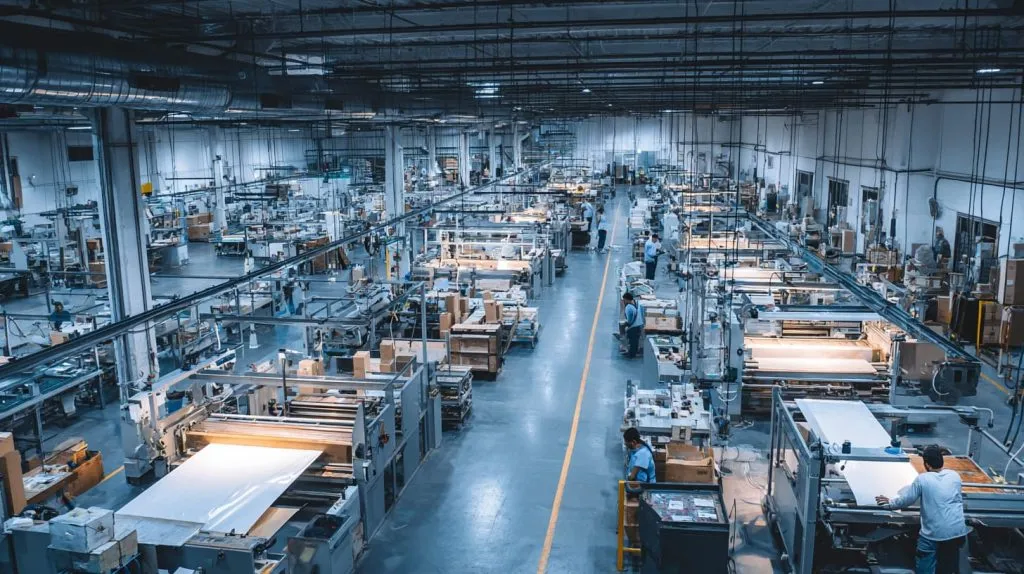
Choosing a supplier is not just about price.
Evaluating Factory Capabilities
I always check:
- Machines
- Production lines
- Worker experience
Without proper equipment, good results are hard.
Quality Control and Certifications
| Standard | Meaning |
|---|---|
| ISO9001 | Process control |
| Material cert | Quality assurance |
These are not just documents. They reflect how the factory works.
Communication and Customization Support
Communication matters more than people think.
- Quick replies
- Clear understanding
- Problem solving
A good supplier improves your design.
A poor one just follows instructions and creates problems.
Once you find the right partner, cost becomes easier to manage.
Cost Structure of Custom Acrylic Shapes
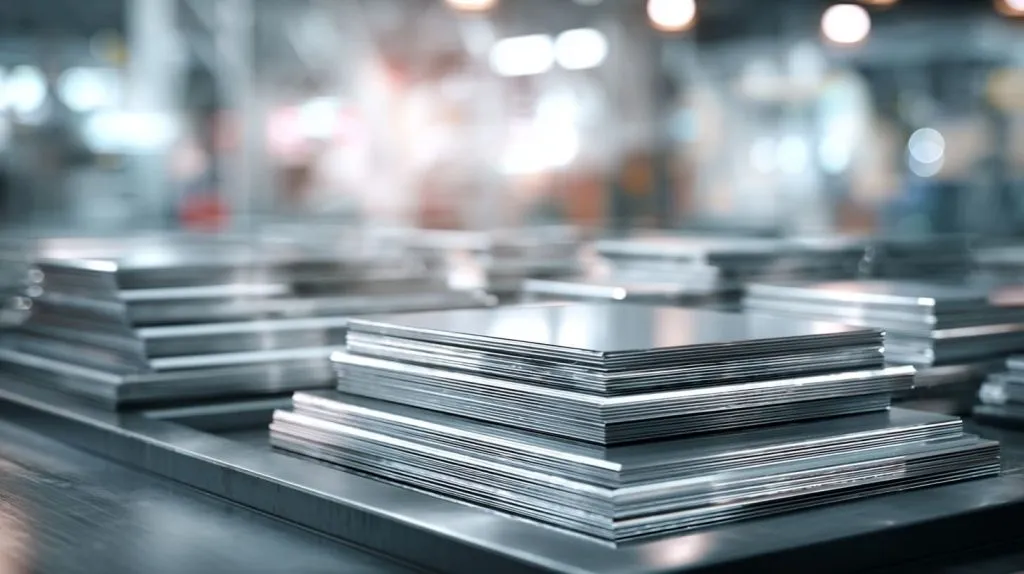
Cost is always part of the discussion.
Factors Affecting Pricing
- Material type
- Thickness
- Shape complexity
- Quantity
Complex shapes take more time.
Cost Optimization Strategies
| Strategy | Result |
|---|---|
| Standard sizes | Less waste |
| Bulk order | Lower unit price |
Small changes can reduce cost a lot.
Balancing Cost and Quality
I never choose the cheapest option directly.
Cheap often means:
- Poor material
- Bad edges
- High defect rate
Saving cost upfront can create bigger losses later.
Finally, let’s look at where this industry is heading.
Trends in Custom Acrylic Design
The market keeps changing.
Sustainable and Eco-Friendly Materials
More buyers now ask about eco materials.
- Recyclable acrylic
- Cleaner production
This trend is growing.
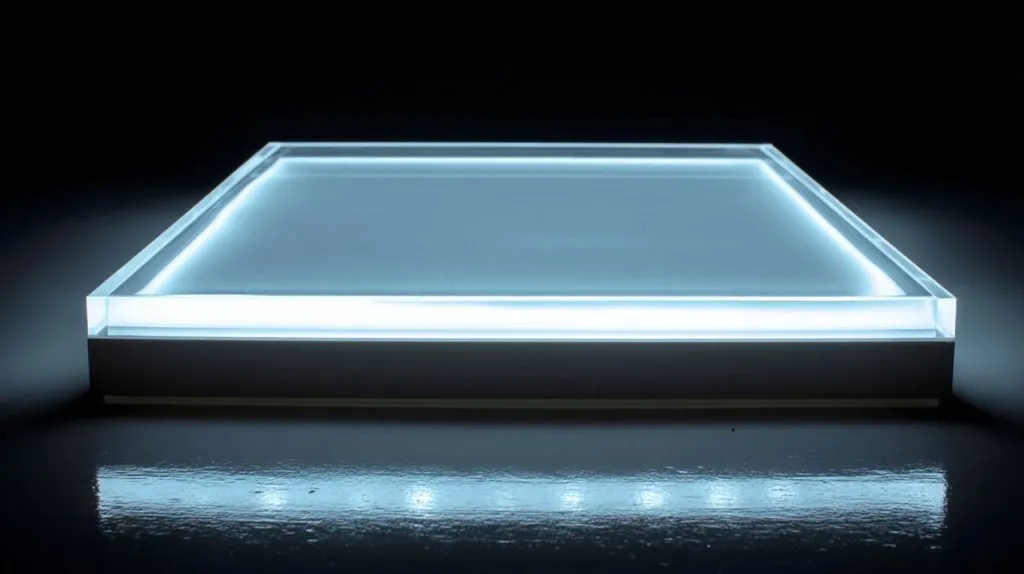
Integration with Lighting and Technology
Acrylic works well with light.
- LED signage
- Smart displays
Design is becoming more interactive.
Increasing Demand for Personalization
Customization is no longer optional.
- Small batch orders
- Brand-specific designs
This changes how factories operate.
I have already adjusted production to handle smaller, flexible orders.
Because the demand is real.
Conclusion
When I look at custom acrylic shapes today, I do not see just plastic parts. I see decisions.
I decide on material based on use, not cost alone. I adjust thickness based on load, not appearance. I review files carefully because small errors grow into real problems. Every step is a choice.
That is why I believe custom acrylic works so well. It gives control. And in product design, control is everything.
If you are building a product, a display, or even a brand identity, do not settle for standard shapes. They rarely fit real needs.
Start with your idea. Test it. Adjust it. Then turn it into something physical.
If you need help translating that idea into a real acrylic product, I am always open to discuss. Sometimes a simple shape can change everything.