Skip to content
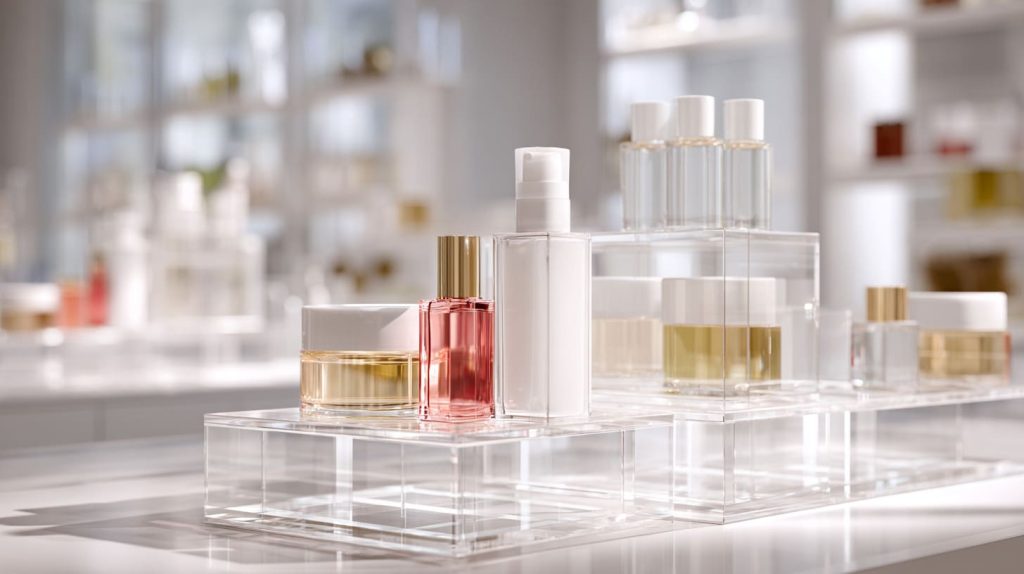
A flat display can make even a good product look tired. I have seen nice items disappear simply because every piece sat at the same height.
Acrylic risers are used to lift, layer, and organize products or collectibles so they look clearer, cleaner, and more valuable in a display space. They are common in retail stores, museums, homes, bakeries, cosmetic counters, jewelry displays, and trade show booths.
I like acrylic risers because they do a quiet job. They do not shout. They do not steal attention. They simply give products a better stage, like a small transparent staircase for the eyes.
What Are Acrylic Risers Used for in Retail Displays?
Retail displays need one simple thing before anything else: visibility. If customers cannot see the product clearly, they usually do not stop.
Acrylic risers are used in retail displays to create different product heights, guide customer attention, save counter space, and make small items look more organized and valuable.
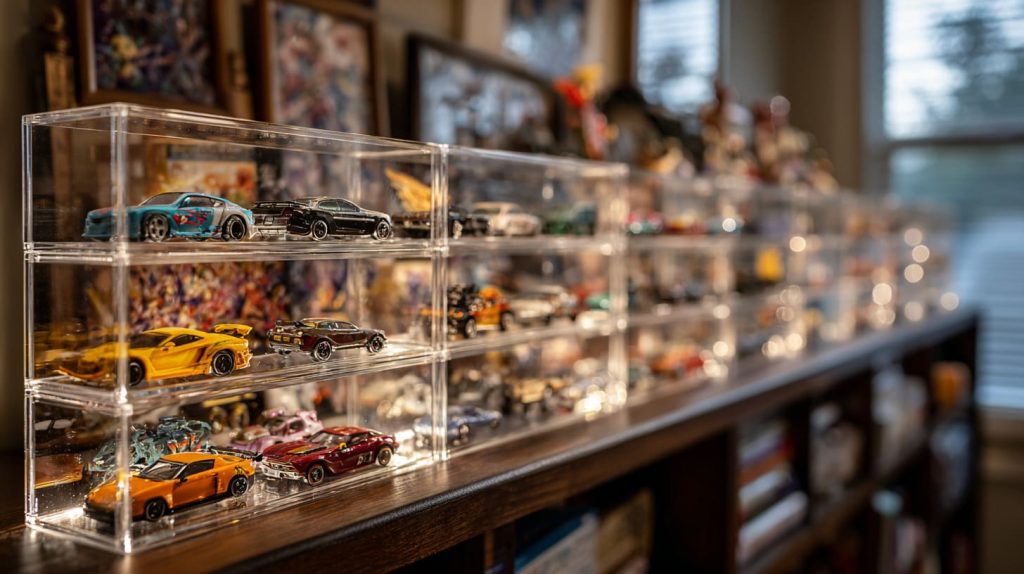
Retail counters can become messy very fast. One product here. Another product there. Soon the whole display looks like a small traffic jam.
Acrylic risers help break that flat mess into layers.
How risers help a retail display
| Retail Problem | How Acrylic Risers Help |
|---|---|
| Products look flat | They create height and depth |
| Small items get hidden | They lift key products into view |
| Counter space is limited | They use vertical space |
| Display looks messy | They create clean product groups |
| Premium items need focus | They make hero products stand out |
The detail I usually care about first is not only the riser size, but where the customer’s eyes will land in the first three seconds.
For example, if I display skincare bottles, I do not place every bottle in one straight line. That feels like a classroom photo. I prefer one main product in front, two raised products behind it, and maybe a small sign or sample on the side.
Simple. Balanced. Easy to read.
Common retail products displayed on acrylic risers
- Perfume bottles
- Watches
- Sunglasses
- Electronics accessories
- Small gift items
- Candles
- Cosmetic jars
- Jewelry boxes
- Acrylic samples
- Promotional products
Acrylic works especially well because it stays visually light. It does not fight with the product color. A black metal riser may look strong, but it can also feel heavy. A wooden riser may feel warm, but it may not fit every brand. Clear acrylic is like a quiet assistant. It supports the product and then steps back.
Why Do Collectors Use Acrylic Display Risers?
Collectors often have one painful problem. They own many beautiful pieces, but only the front row gets attention.
Collectors use acrylic display risers to show more items in less space, protect the viewing order, and make collections look clean, layered, and easier to enjoy.
I have seen collectors spend real money on figures, toys, crystals, model cars, and watches. Then they place everything on one flat shelf. Half the collection hides behind the other half.
That hurts a little.
Why risers matter for collections
| Collection Type | Why Risers Help |
|---|---|
| Action figures | Back-row figures become visible |
| Toy cars | Each car gets a clear viewing angle |
| Minerals or crystals | Color and shape become easier to compare |
| Watches | Different pieces can be displayed like a gallery |
| Miniatures | Small details are easier to see |
| Perfume collections | Bottles look cleaner and more elegant |
A collector does not only want storage. A collector wants a little moment of joy when looking at the shelf.
Here is where many displays fail: people buy the item carefully, then treat the display like an afterthought.
Acrylic risers fix that without making the shelf look crowded. They create levels. They keep the collection neat. They also make cleaning easier because each group has a clear place.
Why clear acrylic is popular with collectors
Clear acrylic is useful because it does not add visual noise. This matters when the collection already has many colors, shapes, and textures.
For collectors, the riser should not become the star. The item should stay the star.
I would normally choose clear acrylic for mixed collections because it matches almost everything. If the collection has a strong theme, like all-black figures or luxury watches, then tinted acrylic can also work.
How Can Acrylic Risers Improve Product Presentation?
A product may be good, but the display decides how fast people understand its value.
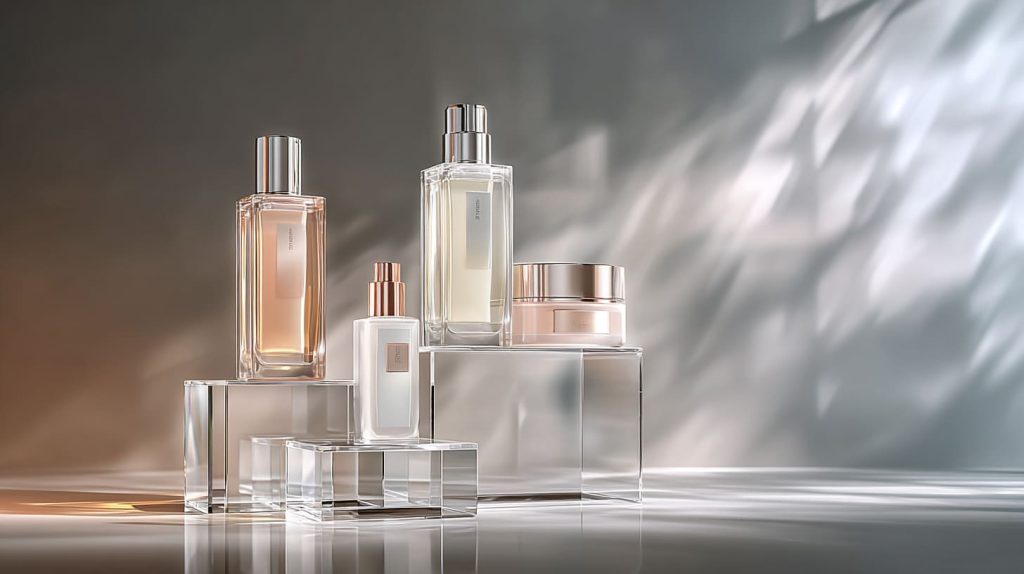
Acrylic risers improve product presentation by adding height, structure, visual focus, and space between items. This helps customers see product details faster and makes the display feel more professional.
Product presentation is not magic. It is visual order.
When every product sits at the same level, the eye gets bored. When products are raised in layers, the eye starts moving. That movement keeps people looking for a little longer.
And sometimes, a little longer is enough.
What changes when risers are added?
| Before Acrylic Risers | After Acrylic Risers |
|---|---|
| Products compete for attention | Products are easier to compare |
| Display feels flat | Display has depth |
| Key product gets lost | Key product becomes the focus |
| Counter looks crowded | Counter looks arranged |
| Small products feel cheap | Small products feel more intentional |
I often judge a display by asking one rough question: if I stand one meter away, can I understand what matters without thinking too hard?
If the answer is no, I adjust height first.
The “small stage” effect
Acrylic risers work like small stages. They make one item feel selected.
This is useful for:
- New arrivals
- Best sellers
- Gift sets
- Seasonal items
- Limited editions
- High-margin products
Acrylic risers do not change the product itself. But they change how the product is seen. That is a big deal in retail, because customers do not buy from a spreadsheet. They buy from what they notice, understand, and trust.
What Sizes and Shapes Do Acrylic Risers Come In?
Acrylic risers can look simple, but the size and shape decide how useful they are.
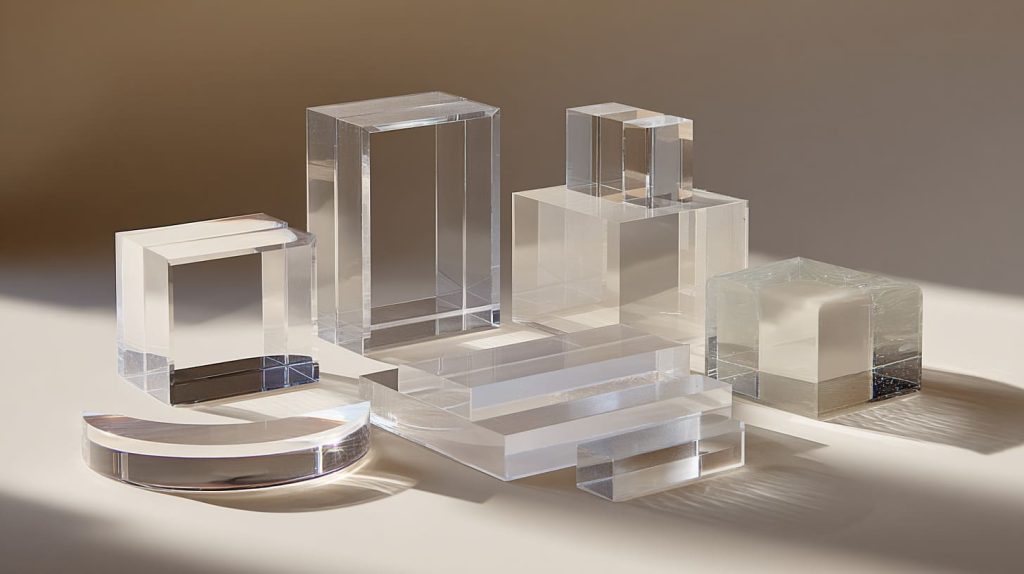
Acrylic risers come in many sizes and shapes, including U-shaped risers, cube risers, step risers, round risers, nesting risers, bridge risers, and custom-shaped risers for special products or brand displays.
Not every product needs the same riser. A lipstick and a handbag do not need the same height. A toy figure and a cake stand also need different support.
This is why choosing the shape matters.
Common acrylic riser shapes
| Riser Shape | Best Used For | Main Benefit |
|---|---|---|
| U-shaped riser | Retail products, cosmetics, collectibles | Simple and flexible |
| Step riser | Multiple small products | Creates clear rows |
| Cube riser | Premium product display | Strong visual block |
| Round riser | Cakes, candles, jewelry | Softer visual style |
| Nesting riser set | Flexible store displays | Easy to store and rearrange |
| Bridge riser | Product groups and layered setups | Creates open space below |
| Custom-shaped riser | Brand campaigns and OEM displays | Matches product or logo style |
For real projects, I do not choose shape only by looks; I also check how staff will pack, move, clean, and reuse the riser after the display changes.
A beautiful riser that is hard to handle can become annoying very quickly.
Size is about product scale
Acrylic risers should feel balanced with the product. If the riser is too small, the product may look unstable. If the riser is too large, the item may look lonely.
A rough way to think:
| Product Size | Suggested Riser Feeling |
|---|---|
| Small jewelry | Low and compact |
| Cosmetic bottles | Medium height with clean spacing |
| Collectibles | Tiered and stable |
| Bakery items | Wider top surface |
| Electronics accessories | Flat, strong, and easy to group |
| Luxury goods | Thicker acrylic and polished edges |
Acrylic is easy to customize, so size does not need to be a prison. The better question is simple: what does the product need to look confident?
Are Acrylic Risers Good for Food and Bakery Displays?
Food displays are tricky because they need beauty, cleanliness, and easy handling at the same time.
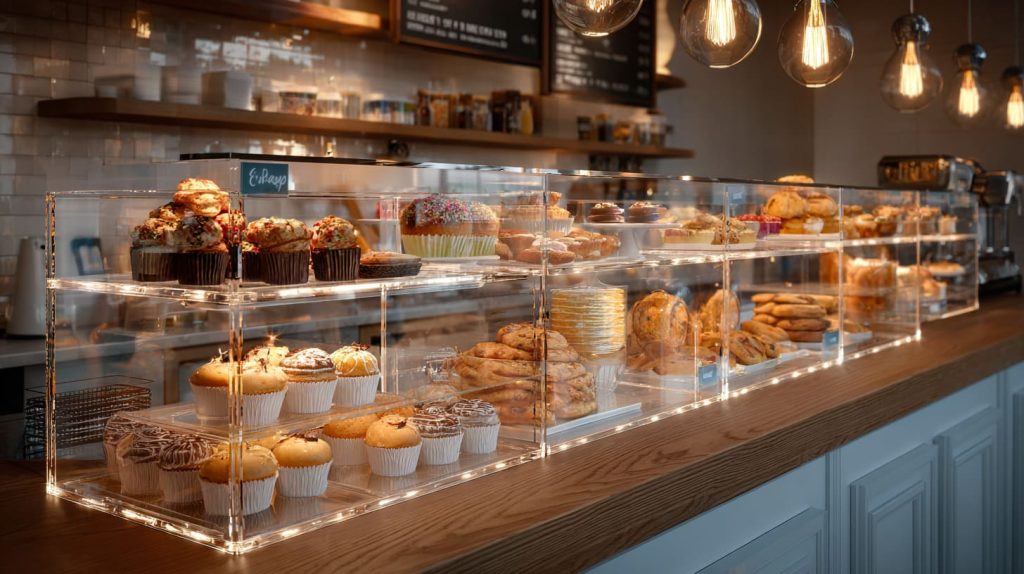
Acrylic risers are good for many food and bakery displays when they are made from suitable food-safe material, used with liners or trays when needed, and cleaned properly after use.
A bakery counter is emotional. People do not only see bread or cupcakes. They see softness, sweetness, color, and maybe a small excuse to treat themselves.
Acrylic risers can help create that feeling.
Where acrylic risers work well for food displays
| Food Display Type | How Acrylic Risers Help |
|---|---|
| Cupcakes | Creates different height levels |
| Cookies | Keeps items grouped and visible |
| Wrapped desserts | Makes the counter look clean |
| Candy | Adds bright, transparent layers |
| Packaged snacks | Improves shelf organization |
| Sample trays | Makes tasting areas more ordered |
The small detail I would never ignore is direct food contact, because a nice display is not worth a hygiene problem.
For bakery displays, I usually prefer using acrylic risers together with food trays, liners, paper pads, or plates. This keeps the riser cleaner and reduces direct contact.
Acrylic risers vs acrylic food trays
| Item | Main Function |
|---|---|
| Acrylic riser | Adds height and structure |
| Acrylic tray | Holds food directly |
| Acrylic cover | Protects food from dust |
| Acrylic box | Stores or displays food inside |
Acrylic risers are great for presentation. But food safety and cleaning rules still matter.
If the food is oily, sticky, hot, or unpacked, I would be more careful. Acrylic can scratch if cleaned roughly. It can also show fingerprints under bright bakery lighting. So the display plan should include cleaning, not just beauty.
How Do Acrylic Risers Help Organize Cosmetics and Jewelry?
Cosmetics and jewelry are small, colorful, and easy to make messy. Acrylic risers bring order without hiding the product.
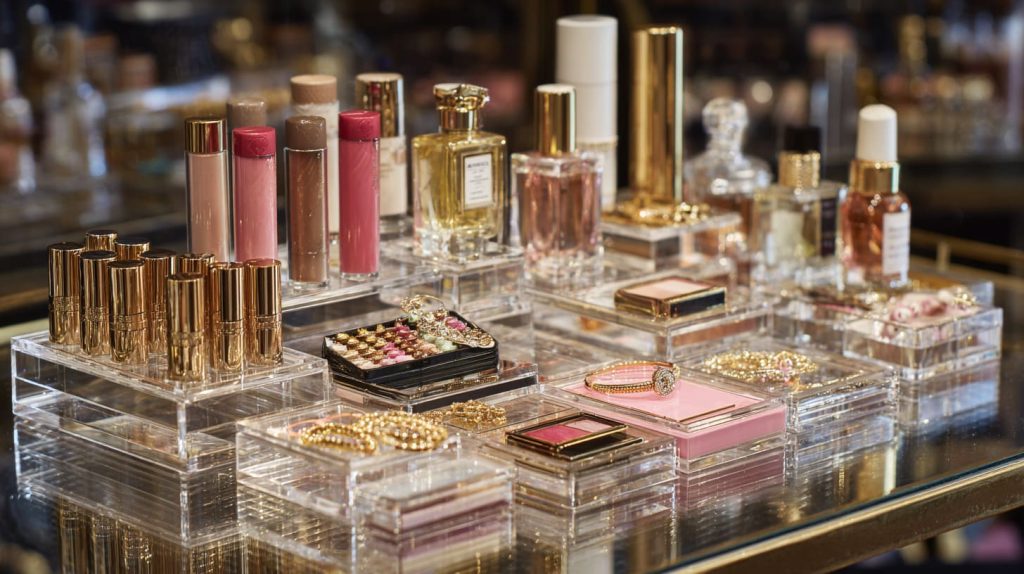
Acrylic risers help organize cosmetics and jewelry by separating items into clear levels, improving visibility, saving counter space, and making small products easier to compare and select.
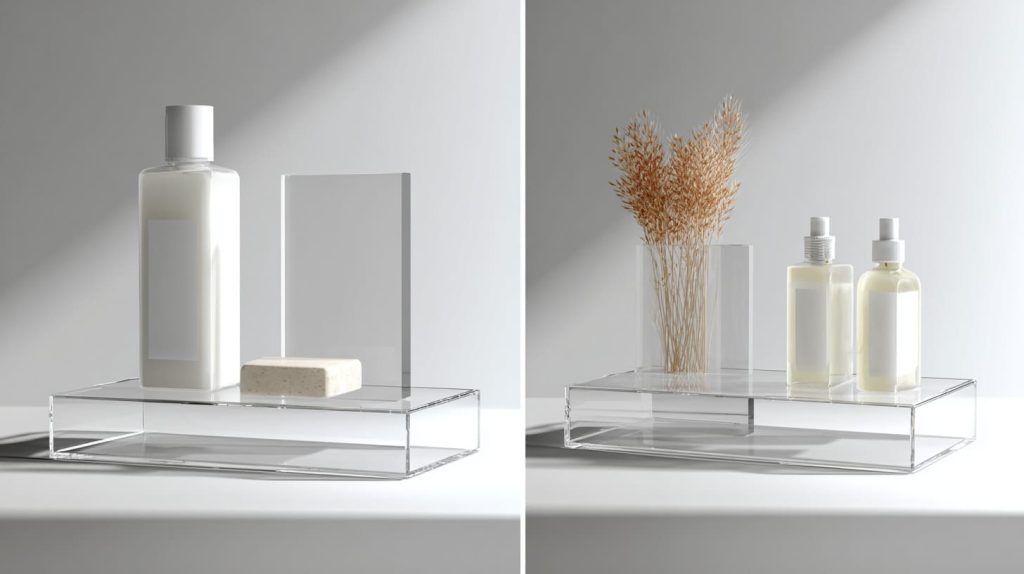
Cosmetic counters can become crowded fast. Lipsticks, jars, bottles, brushes, testers, and small cards all want space.
Jewelry has another problem. It is delicate. If it is placed badly, it can look cheaper than it is.
Why risers fit cosmetics and jewelry
| Product | Display Need | Riser Benefit |
|---|---|---|
| Lipsticks | Easy color comparison | Step risers show more shades |
| Perfume | Premium feeling | Clear risers add elegance |
| Cream jars | Clean grouping | U-shaped risers organize sets |
| Earrings | Small detail visibility | Raised height helps viewing |
| Bracelets | Shape and shine | Risers create focus |
| Rings | Small size | Compact risers prevent visual loss |
When I work with small products, I always watch for one hidden risk: too many levels can make the display look busy instead of premium.
More height is not always better.
The beauty of spacing
For cosmetics and jewelry, space is not empty. Space is part of the design.
Acrylic risers help create small breathing areas between products. This makes the display feel calm.
I like this because customers do not enjoy working hard to understand a display. If every item screams, nothing is heard.
Practical display ideas
- Use low step risers for lipstick shades.
- Use cube risers for perfume hero bottles.
- Use small U-shaped risers for skincare sets.
- Use round risers for bracelets or rings.
- Use thicker acrylic for luxury jewelry displays.
- Use frosted acrylic if fingerprints are a big concern.
Clear acrylic gives a clean look. Frosted acrylic gives a softer look. Colored acrylic can match brand themes. The best choice depends on the product mood.
What Is the Difference Between Acrylic Risers and Acrylic Display Stands?
These two terms are often mixed together, but they are not always the same thing.
Acrylic risers mainly lift products to different heights, while acrylic display stands may also hold, tilt, support, frame, or organize products in a specific position. Risers are usually simpler and more flexible.
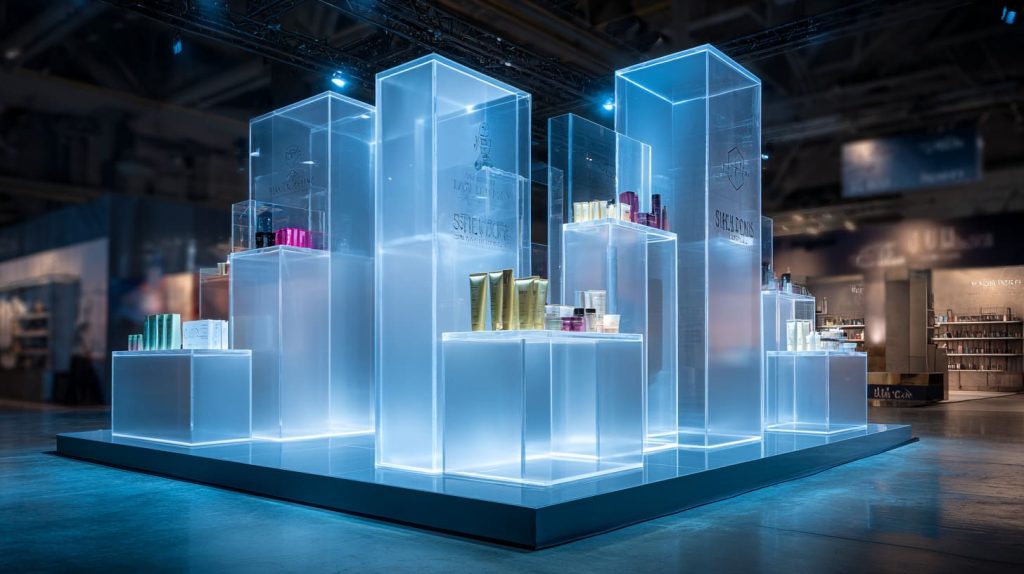
I understand why people confuse them. In many stores, both are made from clear acrylic. Both improve display. Both sit on counters or shelves.
But the function is different.
Acrylic risers vs acrylic display stands
| Feature | Acrylic Risers | Acrylic Display Stands |
|---|---|---|
| Main purpose | Raise product height | Hold or present product in a fixed way |
| Shape | Usually simple | Can be more product-specific |
| Flexibility | High | Medium to high |
| Common examples | U risers, step risers, cubes | Brochure holders, phone stands, shoe stands |
| Custom design need | Sometimes | Often |
| Best for | Layering and grouping | Supporting and positioning |
I normally decide between them by asking whether the product only needs height, or whether it also needs angle, grip, separation, or a fixed position.
That question saves a lot of wrong designs.
A simple example
Acrylic riser:
- Lifts a perfume bottle.
- Creates a second level.
- Can be reused for another product later.
Acrylic display stand:
- Holds a phone at an angle.
- Supports a shoe shape.
- Holds brochures upright.
- May be designed for one product size.
So, acrylic risers are like platforms. Acrylic display stands are more like holders.
Both are useful. But they solve different problems.
Can Acrylic Risers Be Custom Made for Brand Displays?
Brand displays often need more than standard sizes. They need shape, color, logo position, and a clear product story.
Yes, acrylic risers can be custom made for brand displays with specific sizes, thicknesses, colors, shapes, logo printing, engraving, polished edges, and product-matching structures.
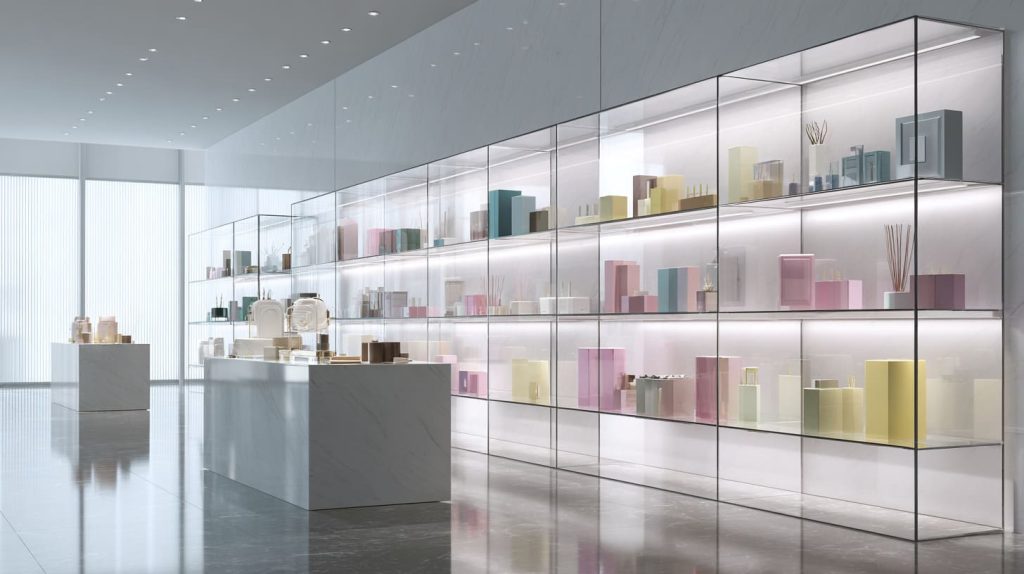
Custom acrylic risers are useful when a brand wants its display to feel intentional. A standard riser can work. But custom risers can make the whole product group feel designed.
That matters in B2B projects.
|---|---|
| Size | Fits the product footprint |
| Height | Controls display layers |
| Thickness | Impr
What can be customized?
| Custom Feature | Why It Matters |
|---|---|
| Size | Fits the product footprint |
| Height | Controls display layers |
| Thickness | Improves strength and premium feeling |
| Color | Matches brand style |
| Logo printing | Adds brand memory |
| Engraving | Creates a subtle premium detail |
| Edge finish | Improves safety and appearance |
| Shape | Matches product or campaign theme |
| Packaging | Helps shipping and store setup |
A custom riser should never begin with “make it beautiful”; I prefer to begin with product size, load weight, store space, and how the display will be shipped.
Beauty comes after the structure makes sense.
What information helps a factory quote correctly?
For custom acrylic risers, I usually need:
- Product dimensions
- Product weight
- Riser size
- Acrylic thickness
- Quantity
- Color or transparency requirement
- Logo method
- Edge finish
- Packaging requirement
- Application scene
- Drawing, sketch, or reference photo
For Feilong Acrylic, this kind of project fits our normal work because we focus on custom acrylic manufacturing, not retail catalog selling. A clear idea, a sketch, or even a rough sample photo can start the discussion.
Custom does not mean complicated
Many custom risers are simple. A small change in height, a thicker sheet, or a printed logo can already make the display feel more branded.
Custom work should solve a real display problem. It should not become decoration for decoration’s sake.
Why Are Clear Acrylic Risers Popular in Modern Store Design?
Modern store design often favors clean lines, open space, and light visual weight. Clear acrylic fits that language very well.
Clear acrylic risers are popular because they look clean, match many product styles, reduce visual clutter, reflect light beautifully, and help products stand out without making the display feel heavy.

Clear acrylic has a small trick. It is present, but it feels almost invisible.
That is why many brands like it. It supports the display without taking over the room.
Why modern stores like clear acrylic
| Store Design Need | Why Clear Acrylic Works |
|---|---|
| Clean visual style | Transparent material feels light |
| Flexible display changes | Matches many products |
| Premium product focus | Does not compete with packaging |
| Bright lighting | Creates reflections and shine |
| Small store space | Keeps the space feeling open |
| Seasonal displays | Easy to reuse |
One thing I watch carefully is lighting, because clear acrylic can look elegant under soft light but can show scratches and dust under harsh light.
Clear acrylic is honest. It shows everything. That is good when the material and finish are good. It is bad when the surface is scratched, dusty, or badly polished.
Clear acrylic is not always the answer
I like clear acrylic, but I do not use it blindly.
Sometimes frosted acrylic works better. Sometimes black acrylic creates a stronger luxury feeling. Sometimes white acrylic fits skincare or medical-style displays better.
| Acrylic Look | Best Feeling |
|---|---|
| Clear acrylic | Clean, light, modern |
| Frosted acrylic | Soft, calm, premium |
| Black acrylic | Strong, luxury, dramatic |
| White acrylic | Fresh, simple, clean |
| Colored acrylic | Brand-focused, playful |
Clear acrylic is popular because it is safe and flexible. But the best display still depends on the brand, product, lighting, and cleaning habits.
How Strong and Durable Are Acrylic Display Risers?
Acrylic looks light, but it can be quite strong when designed with the right thickness and structure.
Acrylic display risers are strong and durable enough for many retail, home, collectible, cosmetic, and commercial displays when the correct thickness, shape, support area, and load limit are used.

Acrylic is not glass. It is lighter and more impact-resistant than glass in many display uses. But it is not magic either.
If the sheet is too thin or the span is too wide, the riser can bend. If the edges are poorly finished, the display may feel cheap. If heavy products are placed on a weak design, problems will come.
What affects acrylic riser strength?
| Factor | Why It Matters |
|---|---|
| Acrylic thickness | Thicker material usually supports more weight |
| Riser shape | U-shape, cube, and step structures behave differently |
| Span length | Longer flat areas bend more easily |
| Product weight | Heavy items need stronger design |
| Support area | More support reduces stress |
| Edge quality | Better finishing reduces cracking risk |
| Production method | CNC, laser cutting, bonding, and polishing affect quality |
My first concern with strength is not the number on paper; it is whether the riser will bend, wobble, or make the customer feel nervous when touching the product.
That customer feeling matters.
Durability is more than load capacity
A riser must survive real use.
That means:
- Staff move it.
- Customers touch it.
- Products slide on it.
- It gets cleaned.
- It gets packed and unpacked.
- It may be used under bright store lights.
Acrylic risers can last a long time, but they need proper design and care. A thicker riser with polished edges often feels more premium and lasts better in commercial use.
How Do You Clean and Maintain Acrylic Risers?
Acrylic risers look best when they stay clear, shiny, and scratch-free. Cleaning method matters more than many people think.
You can clean acrylic risers with a soft microfiber cloth, mild soap, and water. Avoid rough towels, alcohol-heavy cleaners, ammonia cleaners, and abrasive tools because they can scratch or damage the surface.
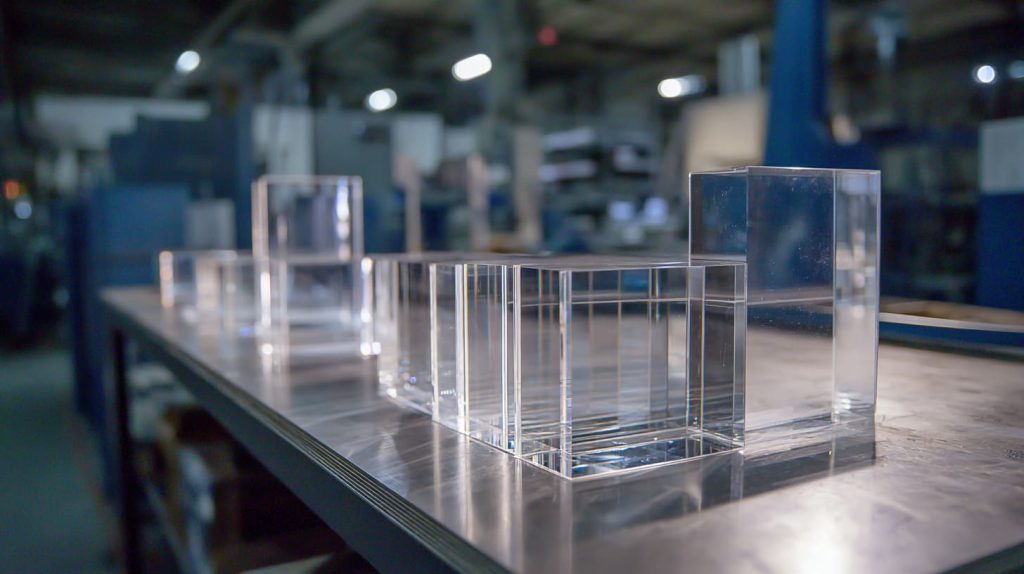
Acrylic has one weakness that store staff sometimes forget. It can scratch if treated like cheap plastic or glass.
I have seen clear displays ruined by the wrong cloth. Not broken. Just covered with tiny scratches. Under lighting, those scratches look like little spider webs.
Simple cleaning guide
| Do This | Avoid This |
|---|---|
| Use microfiber cloth | Do not use rough paper towels |
| Use mild soap and water | Do not use harsh chemical cleaners |
| Wipe gently | Do not scrub hard |
| Dry with soft cloth | Do not air dry in dusty areas |
| Store with protection | Do not stack without padding |
The mistake I try to prevent is letting a beautiful display fail because nobody told the store team how to clean it.
Acrylic maintenance is not difficult. It just needs gentle habits.
Daily maintenance tips
- Remove dust before wiping.
- Use light pressure.
- Clean fingerprints often.
- Add protective film during transport.
- Use soft separators when stacking risers.
- Do not drag heavy products across the surface.
- Keep risers away from high heat.
For commercial users
If the risers are used in stores, bakeries, or trade shows, I suggest creating a simple cleaning note for staff. It does not need to be long.
Something like:
“Clean with soft cloth and mild soap water only. Do not use rough towels or harsh cleaners.”
That small note can save many displays.
What Thickness Is Best for Acrylic Display Risers?
Thickness is one of the most important choices. It affects strength, appearance, cost, and shipping weight.
The best acrylic thickness for display risers depends on product weight and riser size. Small lightweight displays often use thinner acrylic, while larger or commercial risers usually need thicker acrylic for strength and premium appearance.
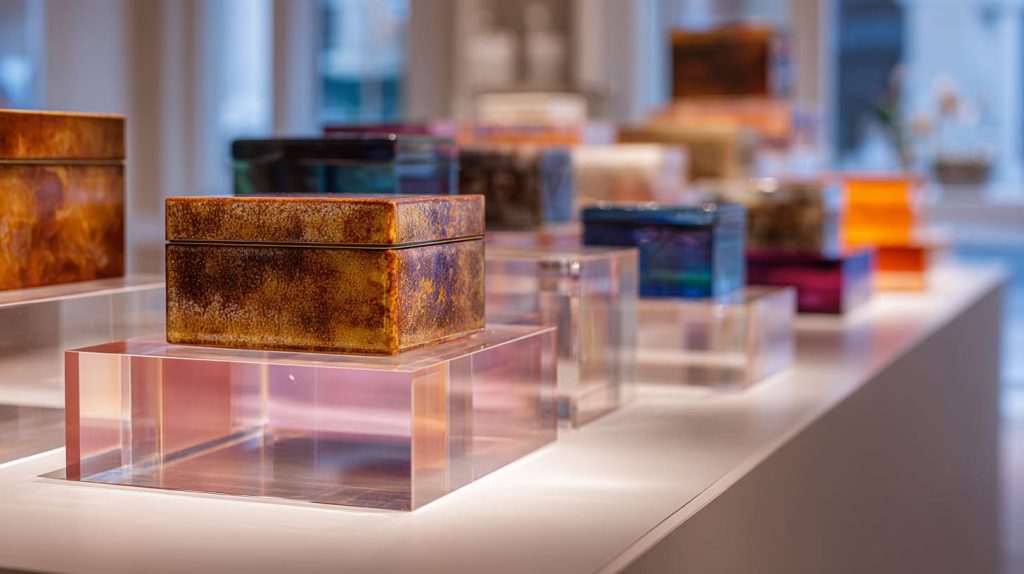
People often ask for the cheapest thickness first. I understand that. Cost matters.
But if the riser bends, the display loses trust. And once customers feel something is weak, the product also feels less valuable.
Common thickness reference
| Acrylic Thickness | Common Use |
|---|---|
| 2 mm | Very light small displays or inserts |
| 3 mm | Small risers for lightweight products |
| 4 mm | General retail display use |
| 5 mm | Better strength and cleaner premium feel |
| 6 mm | Larger risers or heavier products |
| 8 mm+ | Premium, heavy-duty, or special custom displays |
When cost pressure is high, I do not simply reduce thickness; I first check whether the shape can be improved to keep strength without wasting material.
Sometimes structure saves more money than blindly choosing thinner acrylic.
Thickness affects more than strength
| Factor | Thin Acrylic | Thick Acrylic |
|---|---|---|
| Cost | Lower | Higher |
| Weight | Lighter | Heavier |
| Visual feeling | Simple | More premium |
| Strength | Lower | Higher |
| Shipping cost | Lower | Higher |
| Edge appearance | Less bold | More polished and solid |
For small lipstick displays, 3 mm or 4 mm may be enough. For heavier products or wider risers, 5 mm or 6 mm often feels safer. For luxury products, thicker acrylic can make the display feel more expensive.
The final choice should match the product, not just the budget.
Can Acrylic Risers Hold Heavy Products Safely?
Acrylic risers can hold heavy products, but only when the design is made for that load.
Yes, acrylic risers can hold heavy products safely if the acrylic is thick enough, the structure has proper support, the product weight is known, and the riser is tested before real commercial use.
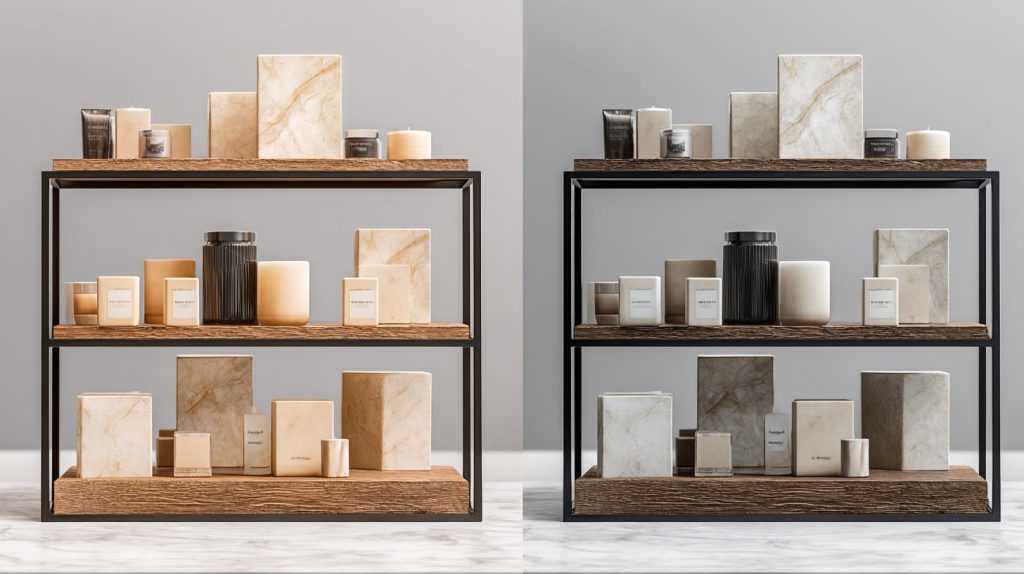
This is one of those questions where a simple “yes” can be dangerous.
Acrylic can be strong. But a thin wide U-shaped riser should not be treated like a steel shelf. Product weight, shape, pressure points, and display behavior all matter.
What to check before placing heavy products
| Check Point | Why It Matters |
|---|---|
| Product weight | Determines material and structure |
| Product base size | Small contact areas create pressure |
| Riser span | Long unsupported areas bend more |
| Acrylic thickness | Affects load capacity |
| Bonding method | Weak joints can fail |
| Edge stress | Poor edges may crack under pressure |
| Customer touch | Real use adds movement and risk |
For heavy items, I care less about whether the riser survives once, and more about whether it stays stable after many days of use, cleaning, and customer handling.
That is the real test.
Heavy product examples
Acrylic risers may support:
- Small electronics
- Thick perfume bottles
- Luxury gift boxes
- Ceramic products
- Heavy cosmetic jars
- Small home decor items
- Display samples
But the riser must be designed properly.
Safer design choices for heavy products
- Use thicker acrylic.
- Reduce the unsupported span.
- Add side supports.
- Use cube or block structures.
- Use wider contact areas.
- Avoid sharp internal corners.
- Test with real product weight.
- Add anti-slip pads if needed.
If the product is very heavy, I may suggest acrylic blocks or reinforced structures instead of a simple U-shaped riser. The goal is not to prove acrylic can do everything. The goal is to make the display safe and calm.
Are Acrylic Risers Better Than Wooden or Metal Risers?
Acrylic, wood, and metal can all work. The better choice depends on the brand mood, product weight, display environment, and budget.
Acrylic risers are better than wooden or metal risers when a display needs a clean, transparent, modern, and flexible look. Wood feels warmer, while metal usually feels stronger and more industrial.
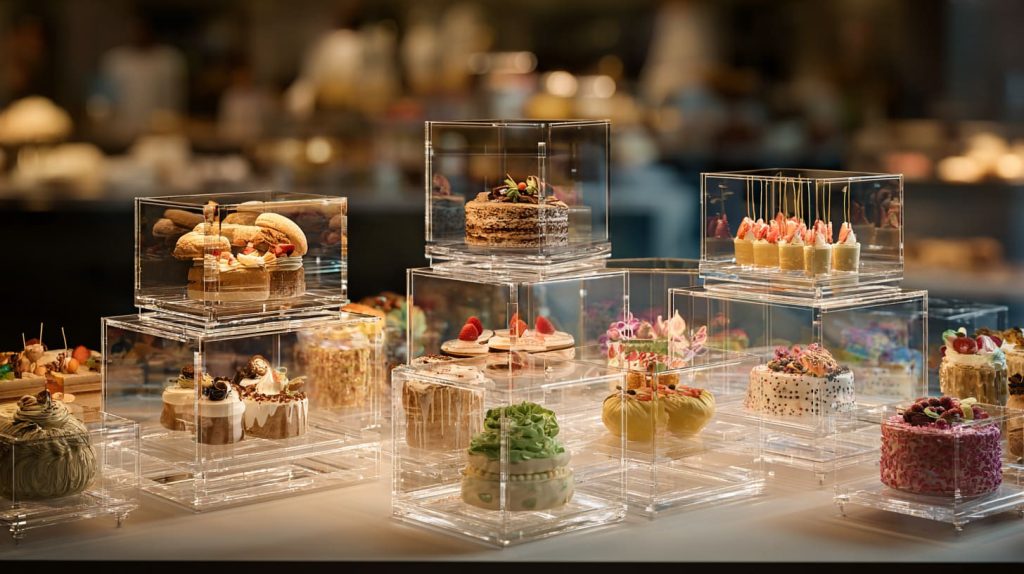
I do not like saying one material is always better. That is too easy. Real display projects are messier than that.
Acrylic has strengths. Wood has strengths. Metal has strengths.
Acrylic vs wood vs metal risers
| Material | Best For | Main Strength | Main Weakness |
|---|---|---|---|
| Acrylic | Modern retail, cosmetics, collectibles | Clear, clean, flexible | Can scratch |
| Wood | Natural, handmade, warm displays | Warm texture | May not fit modern or wet areas |
| Metal | Heavy products, industrial displays | Strong and durable | Can feel cold or heavy |
| Glass | Premium displays | High clarity | Fragile and heavy |
The choice becomes easier when I stop asking “Which material is best?” and start asking “What feeling should the customer get from the product?”
That is the better question.
When I would choose acrylic
I would choose acrylic when the display needs:
- Transparency
- Light visual style
- Easy product matching
- Clean modern design
- Custom shapes
- Logo printing or engraving
- Reusable retail setup
- Smooth polished edges
When I would not choose acrylic first
I may not choose acrylic first when:
- The product is very hot.
- The display needs a rustic wood feeling.
- The load is extremely heavy.
- The store environment is very rough.
- The brand wants a strong industrial look.
Acrylic is not a magic answer. It is a very useful answer when the display needs clarity, clean lines, and flexibility.
Where Are Acrylic Risers Commonly Used in Commercial Spaces?
Acrylic risers show up in many commercial spaces because they are simple, clean, and easy to match with different products.
Acrylic risers are commonly used in retail stores, cosmetic counters, jewelry shops, bakeries, museums, trade shows, showrooms, hotels, restaurants, pop-up stores, and product photography setups.
Commercial spaces need displays that work every day. They need to look good, but they also need to survive staff use, customer touch, and constant product changes.
Acrylic risers fit that middle space very well.
Common commercial applications
| Commercial Space | Acrylic Riser Use |
|---|---|
| Retail store | Product layering and promotion |
| Cosmetic counter | Skincare, perfume, and lipstick display |
| Jewelry shop | Rings, bracelets, watches, and small items |
| Bakery | Cupcake, cookie, and packaged dessert display |
| Museum | Small artifact and collectible presentation |
| Trade show booth | Sample and product display |
| Hotel | Amenity and gift display |
| Restaurant | Dessert or buffet display |
| Showroom | Material sample and product grouping |
| Pop-up store | Fast setup and flexible display |
| Photography studio | Product shooting and clean staging |
Acrylic risers work best in commercial spaces when the design matches not only the product, but also the staff routine behind the counter.
If staff cannot move, clean, or reset the display quickly, the design may fail even if it looks beautiful on day one.
Why commercial buyers like acrylic risers
Commercial buyers often care about:
- Visual consistency
- Easy cleaning
- Custom sizing
- Fast production
- Safe packaging
- Repeat orders
- Store-ready appearance
- Brand matching
- Cost control
For B2B custom projects, I always think about repeat use. A riser should not only look good for one photo. It should work for the real store, the real shelf, and the real people using it.
Conclusion
Acrylic risers are simple tools, but they can change how products are seen. They add height, order, and focus. For custom retail, cosmetic, bakery, collectible, or brand displays, Feilong Acrylic can help turn a display idea into a practical acrylic solution.