Skip to content

Frost was clinging to the edges of my greenhouse panel, and the plastic felt brittle under my hand. A crack had formed near the top—quietly, without warning. It got me thinking: had I picked the wrong material?
Polycarbonate is often the best material for backyard greenhouses due to its durability, insulation, and UV resistance. Acrylic is also a good option for visibility and strength in mild climates.
But choosing the “best” material depends on more than just specs. It depends on your local weather, how long you want it to last, and even how much light your tomatoes crave.
But choosing the “best” material depends on more than just specs. It depends on your local weather, how long you want it to last, and even how much light your tomatoes crave.
What is the longest lasting greenhouse material?
Some people want to set it and forget it. I get that.
Multiwall polycarbonate is one of the longest lasting greenhouse materials, often surviving 10–20 years in harsh outdoor conditions.
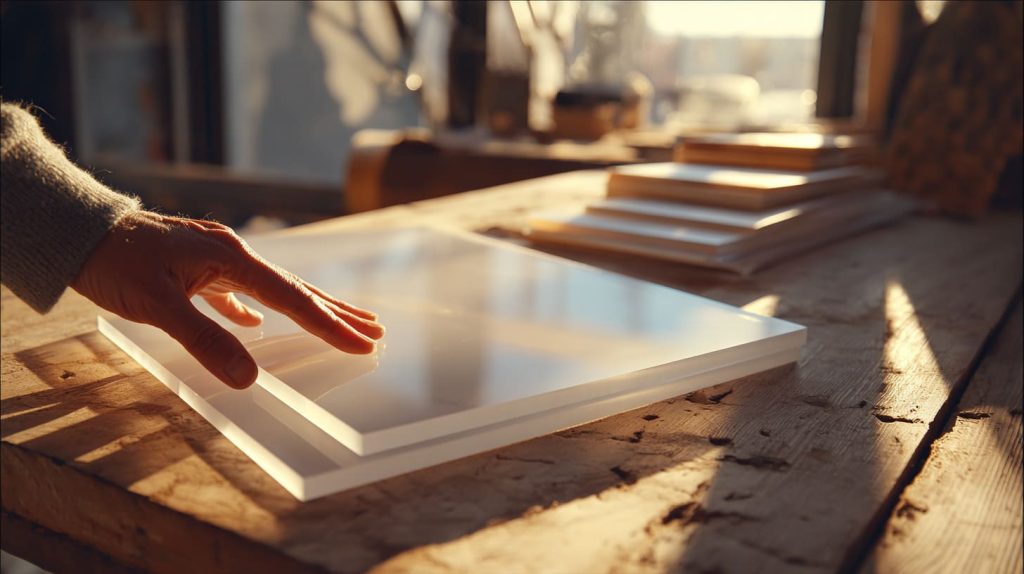
Comparing Lifespans of Common Materials
| Material | Typical Lifespan | Notes |
|---|---|---|
| Multiwall Polycarbonate | 10–20 years | Excellent weather and impact resistance |
| Acrylic (PMMA) | 8–15 years | Durable, may yellow over time |
| PVC Panels | 3–7 years | Budget-friendly, but weak under UV |
| Glass | 25+ years | Heavy, brittle, not ideal for DIY builds |
Longer lifespan often comes at a higher price—but also fewer maintenance headaches.
Is polycarbonate or PVC better for greenhouses?
I’ve tried both. One held up through three winters. The other… didn’t survive the first hailstorm.
Polycarbonate is better than PVC for greenhouses because it lasts longer, offers better insulation, and resists weather damage.
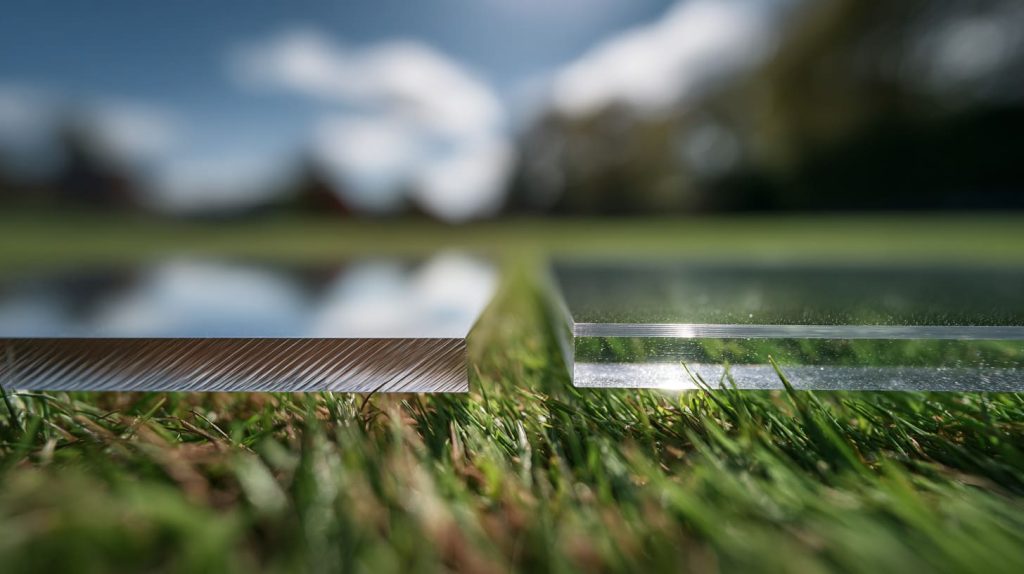
PVC panels are cheap, lightweight, and easy to cut, but they’re not made for the long haul. Polycarbonate may cost more, but it’s the kind of thing you install once and don’t have to babysit.
What are the disadvantages of polycarbonate greenhouses?
No material is perfect—polycarbonate included.
Polycarbonate greenhouses can scratch easily, may yellow over time, and cost more upfront compared to other plastic options.
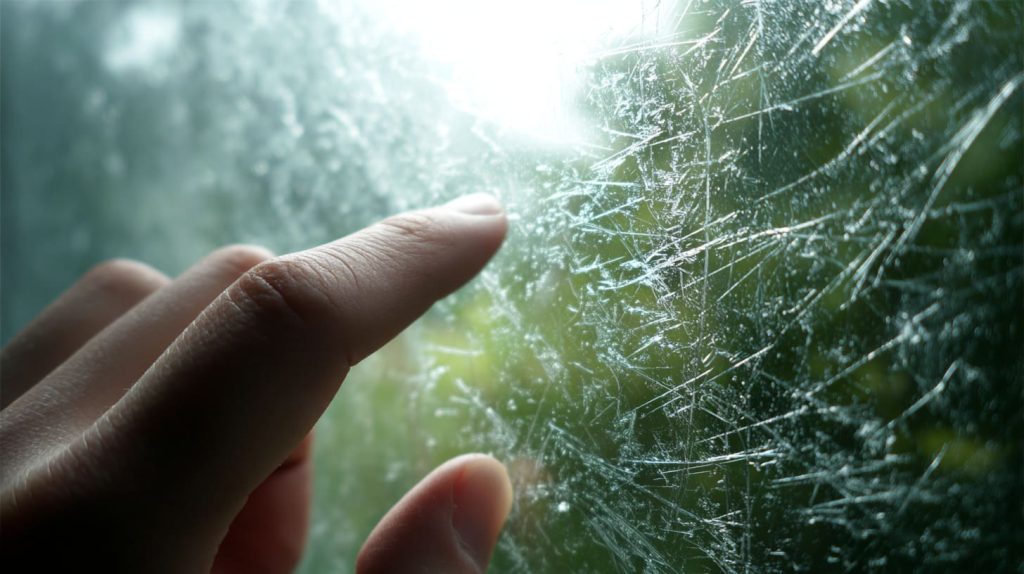
The key is to choose UV-treated sheets and keep abrasive cleaners away. But yes, if you’re on a tight budget or want a perfectly crystal-clear look like glass, polycarbonate might feel like a compromise.
Will a polycarbonate greenhouse stay warm in the winter?
I’ve stood inside mine during December, wrapped in a jacket—and still noticed it was warmer than outside.
Yes, multiwall polycarbonate traps heat well and provides good insulation, especially in cold climates.
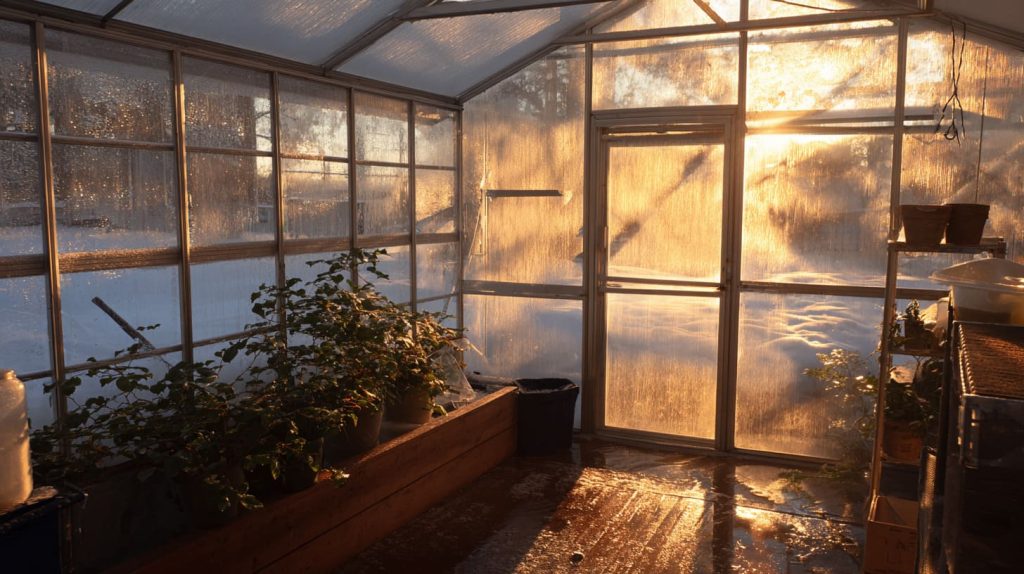
This is where polycarbonate shines. Those hollow chambers inside multiwall sheets act like mini-insulation pockets, slowing down heat loss during frosty nights.
What are the differences between acrylic and polycarbonate for greenhouses?
I get asked this one a lot—especially from design-focused clients who want both form and function.
Acrylic is clearer and more rigid, while polycarbonate is tougher and more impact-resistant.

Side-by-Side Comparison
| Property | Acrylic | Polycarbonate |
|---|---|---|
| Clarity | ✔ Excellent | Good |
| Strength | Moderate | ✔ High |
| UV Resistance | Good (with coating) | ✔ Great |
| Flexibility | Brittle | ✔ Flexible |
| Price | Moderate | Higher |
| Cutting Ease | ✔ Easy | Harder |
If clarity is your top concern, acrylic wins. If strength and insulation matter more, polycarbonate takes the prize.
Is clear acrylic a good choice for a backyard greenhouse?
When I first built a display greenhouse for a client, we used thick clear acrylic. It looked like glass—but without the risk.
Yes, clear acrylic can be a great choice for greenhouses that prioritize aesthetics, light transmission, and structure.
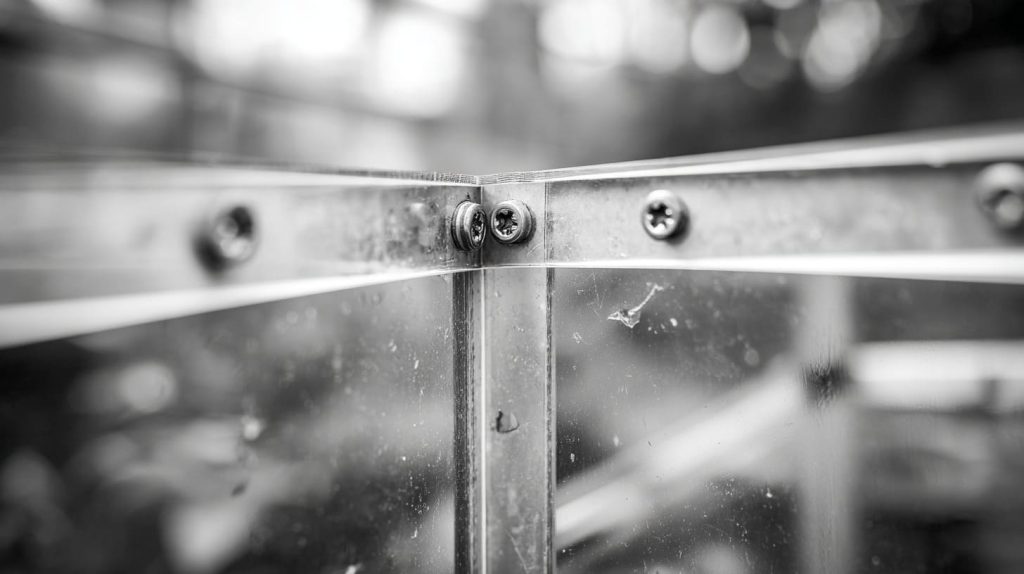
Just remember to choose UV-protected sheets and avoid areas with intense hail or heavy snow loads.
How does UV resistance affect greenhouse panel materials?
Sunlight is both friend and foe in greenhouse builds.
UV resistance helps prevent yellowing, brittleness, and material failure in outdoor greenhouse panels.
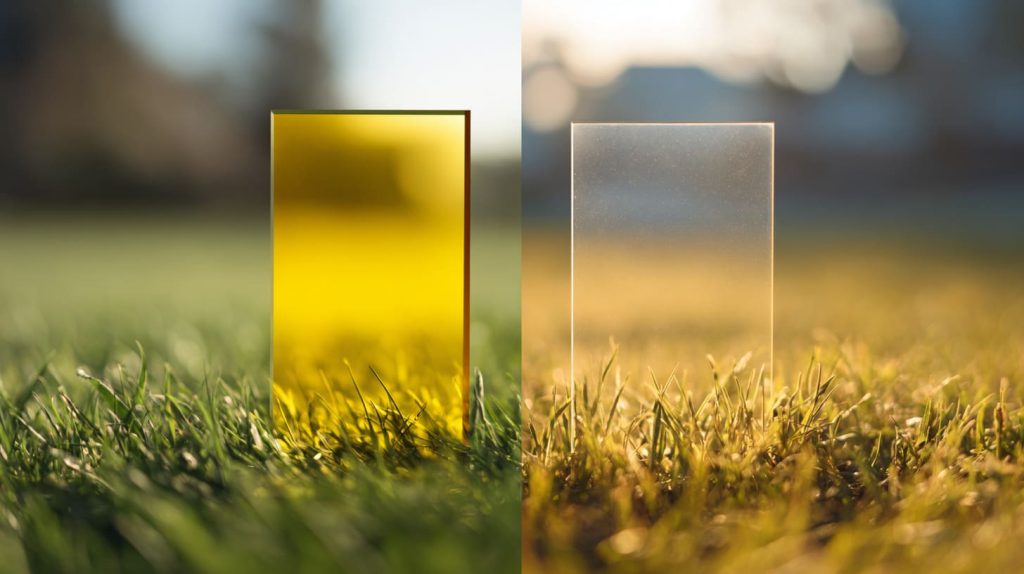
Materials without UV protection degrade fast—some within a single season. That’s why professional-grade panels usually come with co-extruded UV layers or coatings baked into the surface.
Which greenhouse material lasts the longest in extreme weather?
Storms, hail, and wind don’t play fair.
Twin-wall polycarbonate is one of the toughest greenhouse materials for extreme weather due to its strength and shock absorption.

Even if a rogue branch hits the panel, polycarbonate bends instead of shattering. That’s a big deal if you live where wind gusts regularly hit 80km/h.
Can I use acrylic sheets instead of glass for my greenhouse?
I’ve had clients switch from glass to acrylic just to stop dealing with constant breakage.
Yes, acrylic is a lightweight, safer alternative to glass for backyard greenhouses.

It’s easier to cut, doesn’t shatter into sharp pieces, and still gives you that crystal-clear look. Just make sure you mount it with proper expansion gaps—acrylic expands a lot when the sun’s out.
What is the best plastic for greenhouse panels: acrylic, polycarbonate, or PVC?
This depends on what “best” means to you.
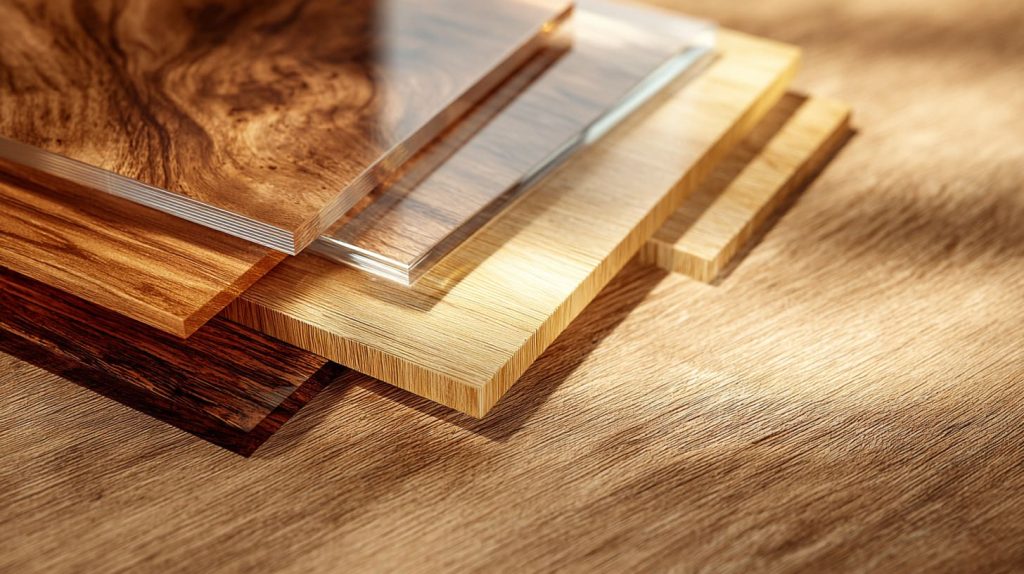
Polycarbonate is the best all-rounder, but acrylic works well for clarity, and PVC is best for budget builds.
| Priority | Best Material |
|---|---|
| Longevity | Polycarbonate |
| Clarity | Acrylic |
| Budget | PVC |
| Impact resistance | Polycarbonate |
| UV Resistance | Polycarbonate / Acrylic |
PVC works if you're doing a quick seasonal setup. But for long-term use, polycarbonate or acrylic is worth the investment.
Does acrylic yellow over time in outdoor greenhouse use?
This is one of the trade-offs I warn customers about.
Yes, standard acrylic can yellow over time under constant UV exposure, but UV-stabilized types reduce this effect.
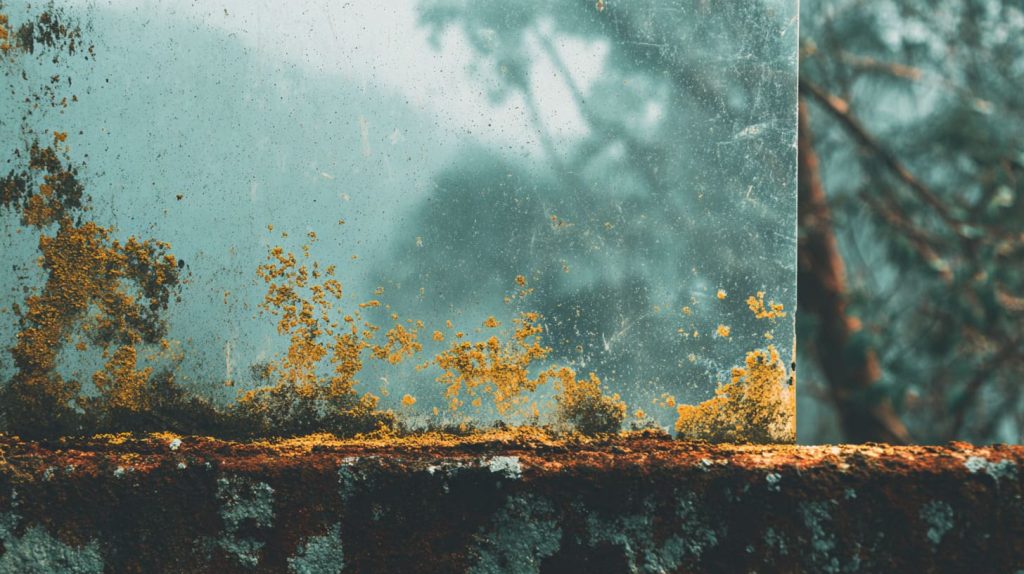
If you're using acrylic, ask for UV-coated or UV-resistant variants. Otherwise, you'll start seeing yellowing or hazing in 3–5 years, especially in sunnier regions.
Is polycarbonate better than acrylic for insulation in greenhouses?
Winter tests don’t lie.
Yes, multiwall polycarbonate insulates better than acrylic due to its layered structure and trapped air channels.
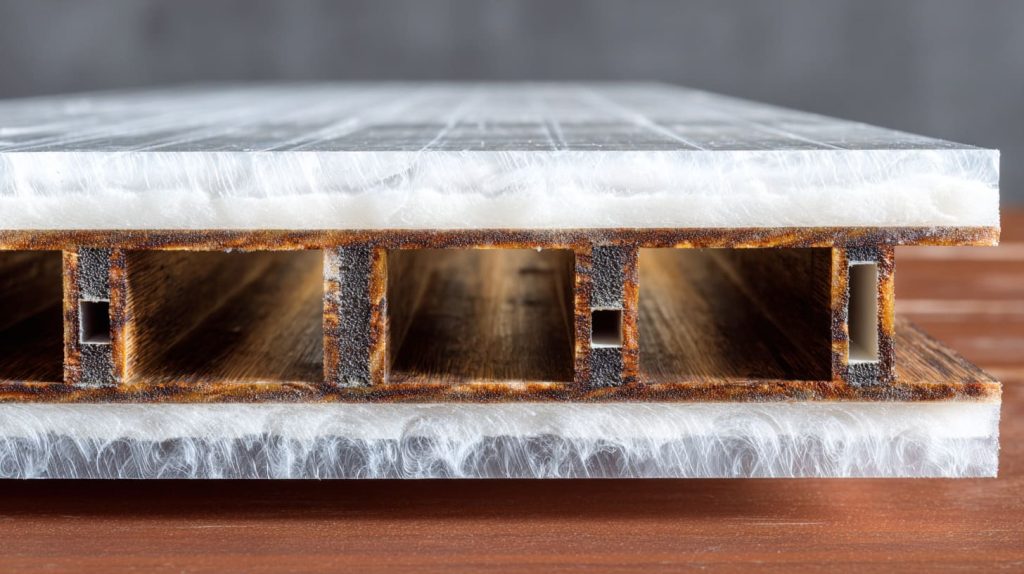
Acrylic is solid—so heat moves through it more easily. Polycarbonate’s hollow sections break up that heat flow, making your heating bills a little easier to swallow.
What thickness of acrylic is best for greenhouse walls?
I've tested thin sheets, thick ones, and everything in between.
3mm to 5mm thick acrylic sheets are commonly used for greenhouse walls, offering a balance between weight and strength.
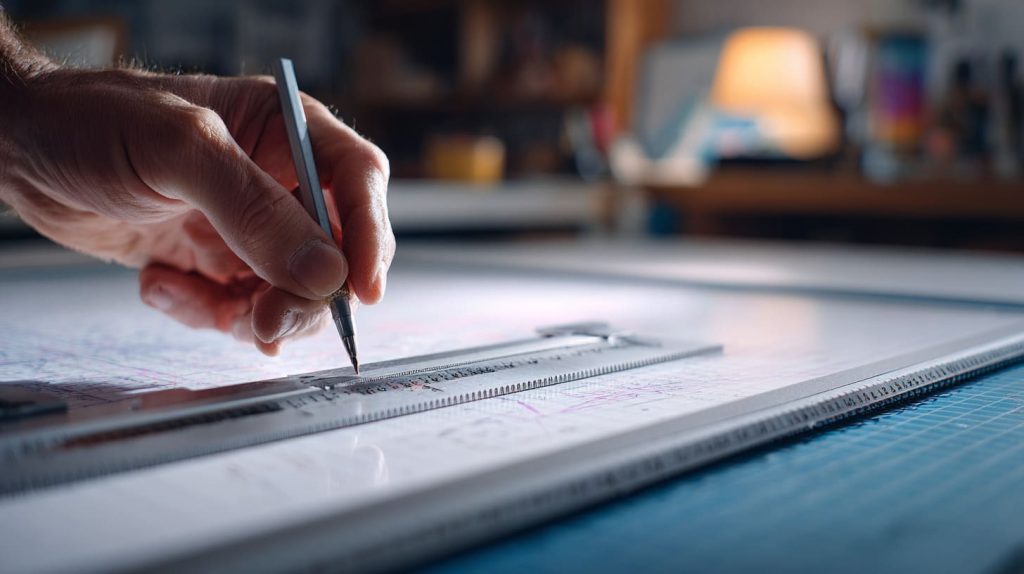
If your area sees strong winds or heavy snow, lean toward 5mm or even thicker. For lighter applications like cold frames or tabletop greenhouses, 3mm usually holds up fine.
How do you cut and install acrylic panels in a custom greenhouse design?
There’s something satisfying about a clean acrylic cut.
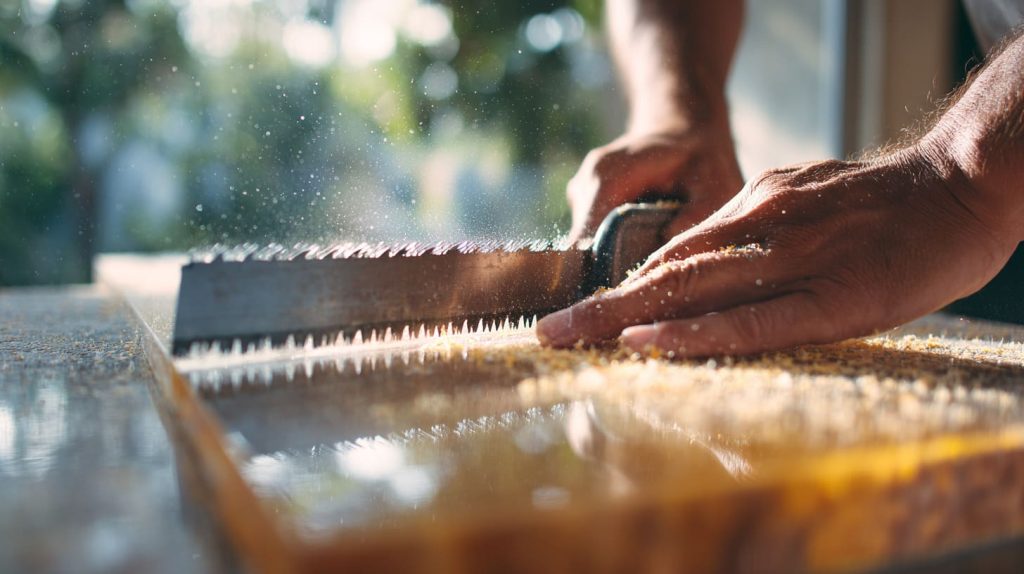
Use a scoring knife or fine-tooth saw for cutting acrylic panels; install them with expansion space and weatherproof sealing.
Tips for Working with Acrylic Panels
- Scoring: For thin sheets (≤4mm), score repeatedly and snap cleanly.
- Sawing: Use a fine-tooth blade for thicker sheets; go slow to avoid melting.
- Drilling: Use a sharp drill bit and start with pilot holes.
- Sealing: Use silicone or rubber gaskets to prevent leaks.
- Mounting: Leave room for expansion in hot weather.
Installing acrylic is straightforward—if you respect its limits. Don’t overtighten screws, and give it breathing room.
Conclusion
Choosing the best greenhouse material isn’t about trends—it’s about your climate, your budget, and your goals. Polycarbonate wins for all-weather strength. Acrylic wins for clarity. Your plants will thank you either way.