Skip to content
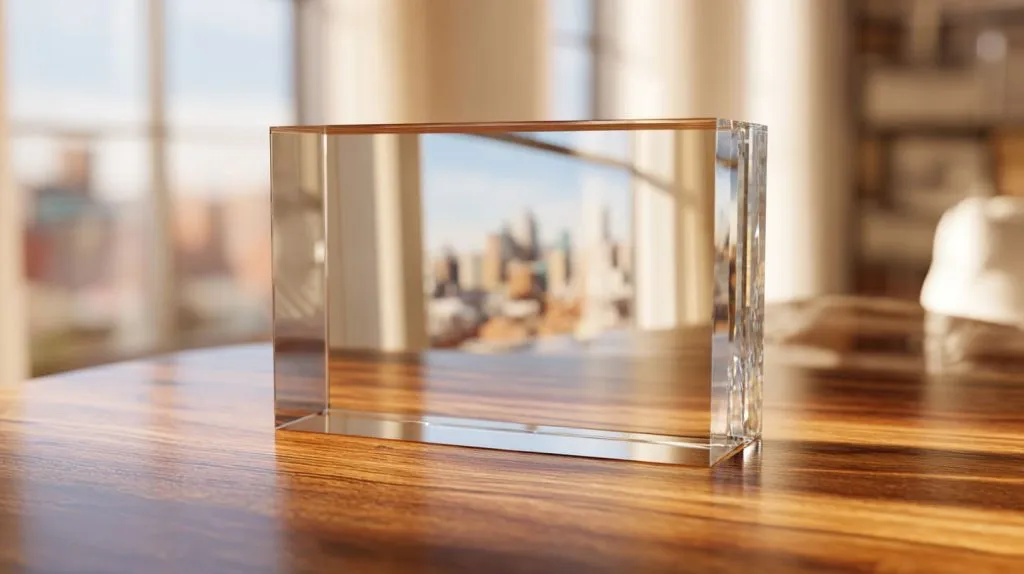
A picture frame looks simple until the front panel cracks, scratches, reflects too much light, or makes a beautiful photo look cheap.
Yes, acrylic can be used for picture frames. It is clear, lightweight, safer than glass, and easy to customize for home, retail, office, gallery-style, and commercial display projects. The right thickness and surface care matter most.
I have seen many buyers focus only on the frame border. Wood, metal, black, gold, slim, thick. But the clear front panel quietly decides how the photo feels in real life.
Is Acrylic Better Than Glass for Picture Frames?
Acrylic and glass can both protect pictures, but they solve different problems.
Acrylic is often better than glass when safety, weight, shipping, and custom sizes matter. Glass is harder against scratches, but acrylic is lighter, more impact-resistant, and easier to use for large or custom picture frame projects.
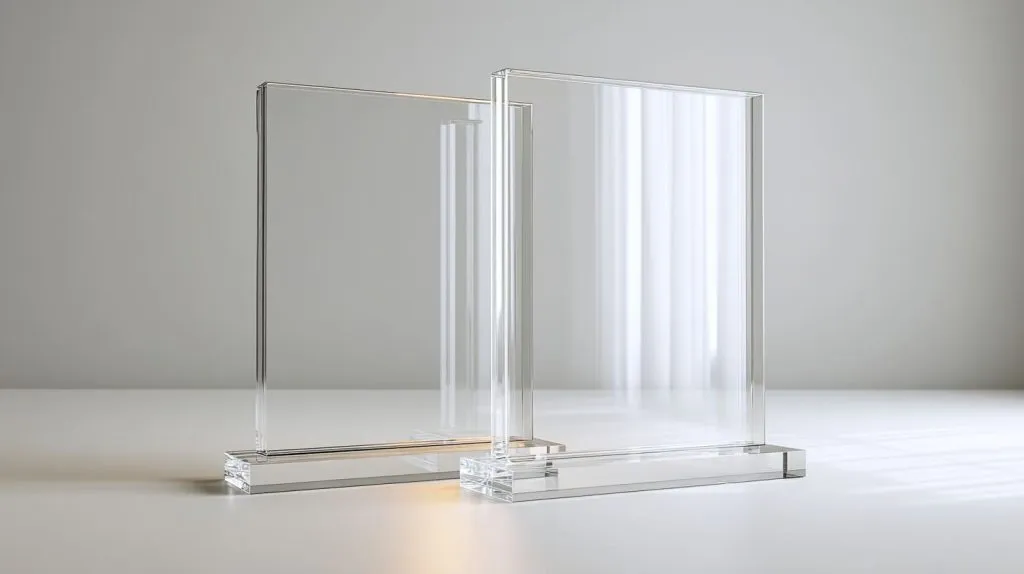
I do not like saying one material is always better.
That sounds clean, but real projects are not clean.
A small photo frame on a desk may work well with glass. A large wall frame shipped across the country may be safer with acrylic. A hotel project may care about weight. A school project may care about safety. A gallery may care about clarity and UV protection.
That is why I usually compare the use case first, not only the material name.
Acrylic vs Glass in Picture Frames
| Item | Acrylic | Glass |
|---|---|---|
| Weight | Light | Heavy |
| Safety | Safer if dropped | Can break into sharp pieces |
| Impact resistance | Stronger against impact | Easier to crack or shatter |
| Scratch resistance | Easier to scratch | More scratch-resistant |
| Custom cutting | Easier for custom shapes and sizes | Harder and riskier |
| Shipping | Lower breakage risk | Higher breakage risk |
| Large frames | More practical | Can become too heavy |
| Premium feel | Clean and modern | Traditional and solid |
The funny thing is this: many people judge the frame in the store, but the real test happens later.
It happens when the frame is carried, cleaned, shipped, hung, and touched.
For a small personal frame, glass can feel fine. For custom acrylic picture frames, bulk display orders, commercial projects, or large sizes, acrylic often becomes the more practical choice.
When I Would Choose Acrylic
I would choose acrylic when:
- The frame is large.
- The frame must be shipped.
- The frame is used in a school, office, hotel, shop, or public space.
- The buyer wants custom size or custom shape.
- The project needs lower weight.
- The display needs better break resistance.
When I Would Still Consider Glass
I would consider glass when:
- The frame is small.
- The frame will not move often.
- Scratch resistance is more important than impact resistance.
- The buyer wants a very traditional feel.
- The product will be used in a low-risk indoor place.
Acrylic is not magic. Glass is not outdated.
They are tools.
The better tool depends on where the picture frame will live.
What Are the Advantages of Acrylic Picture Frames Over Traditional Frames?
Acrylic picture frames can make display products feel lighter, cleaner, and more modern.
The main advantages of acrylic picture frames are clear appearance, lighter weight, better impact resistance, easier customization, safer handling, and better suitability for shipping, retail display, office decoration, and custom commercial projects.
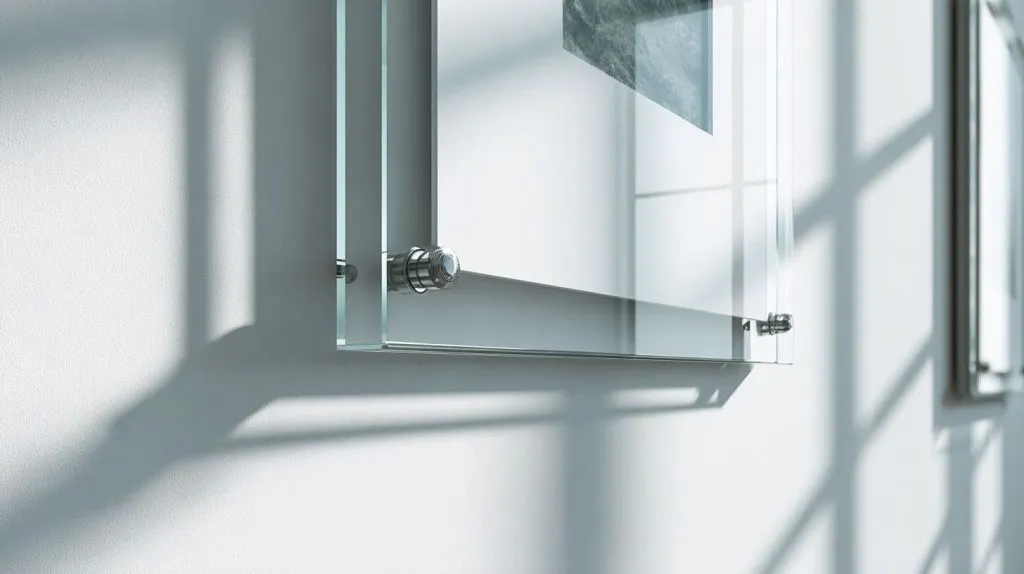
A traditional frame usually has several parts.
There is a border.
There is a back board.
There is a front cover.
There may be clips, hooks, screws, or corner joints.
Acrylic can simplify that feeling.
A clear acrylic frame can almost disappear. The picture becomes the main actor. The frame becomes quiet. That is why acrylic works well for modern homes, office walls, brand displays, menu signs, certificates, product photos, and gift displays.
The small detail I always watch is whether the buyer wants the frame to “protect” the picture or “show” the picture, because those two goals can lead to different acrylic designs.
Why Buyers Like Acrylic Frames
| Advantage | Why It Matters |
|---|---|
| Lightweight | Easier to hang, ship, and handle |
| Clear look | Makes photos and artwork look clean |
| Safer than glass | Better for public or busy spaces |
| Custom size friendly | Good for OEM and special projects |
| Modern style | Works well for minimalist display |
| Good for bulk orders | Lower shipping damage risk |
| Easy branding options | Logo, printing, engraving, or packaging can be customized |
Acrylic Can Create a “Floating” Look
One reason I like acrylic picture frames is the floating effect.
A photo can sit between two clear acrylic sheets. The edges can be polished. The frame can use magnets, standoffs, screws, or simple supports.
The result feels simple but not boring.
It feels like the photo is being held in air.
That is a small visual trick, but buyers notice it.
Acrylic Is Useful for B2B Custom Projects
For B2B buyers, acrylic is attractive because it can be adjusted.
For example:
- A hotel may need a large number of matching room frames.
- A cosmetics shop may need clear brand photo displays.
- A museum gift shop may need custom souvenir photo frames.
- An office may need certificate holders.
- A retailer may need acrylic counter frames for promotion cards.
- A brand may need logo engraving on the frame base.
In these cases, the frame is not only a frame.
It becomes part of the brand environment.
Traditional Frames Still Have Their Place
I still respect traditional frames.
Wood can feel warm.
Metal can feel strong.
Glass can feel classic.
But acrylic offers something different. It gives the picture frame a lighter and cleaner personality.
And sometimes, that is exactly what the buyer wants.
Does Acrylic Scratch or Yellow Over Time in Picture Frames?
Acrylic can scratch if it is cleaned or handled the wrong way, but good-quality acrylic does not quickly yellow in normal indoor picture frame use.
Acrylic picture frames may scratch more easily than glass, so they need soft cleaning cloths and careful handling. High-quality acrylic has good clarity and can stay clear for many years indoors when kept away from harsh chemicals and strong outdoor exposure.
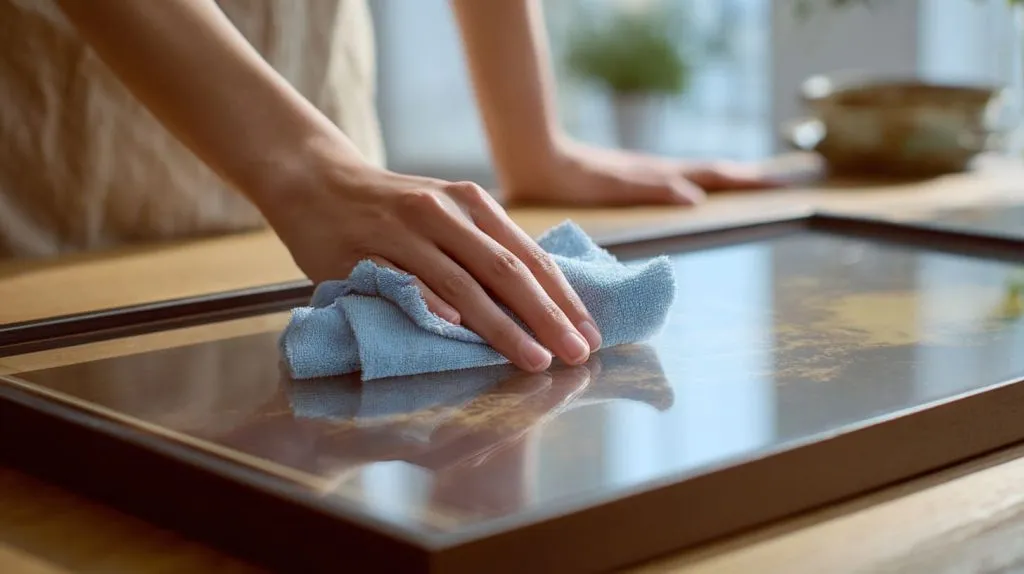
This is the part where many buyers become nervous.
They ask one short question:
“Will it scratch?”
The honest answer is yes, acrylic can scratch. But the better question is not only whether it can scratch. The better question is how the frame will be used, cleaned, packed, and touched.
I have seen beautiful acrylic ruined not by normal use, but by one rough cloth and one strong cleaner.
That is painful because it is avoidable.
Why Acrylic Scratches
Acrylic is softer than glass. That means it is easier to mark if someone uses the wrong cleaning method.
Common causes include:
- Dry wiping dust from the surface
- Using paper towels
- Using rough cloth
- Using alcohol or strong chemical cleaners
- Sliding frames against each other without protection
- Removing protective film too early during assembly
- Poor packing during shipment
The material gets blamed, but the process often caused the problem.
Does Acrylic Yellow?
Good-quality acrylic is known for its clear appearance. In normal indoor use, it should not quickly turn yellow.
But yellowing risk can increase when:
- The acrylic is low-quality
- The frame is exposed to strong sunlight for a long time
- The material faces heat or outdoor weather
- Harsh chemicals are used
- The acrylic sheet is not suitable for the application
Scratch and Yellowing Risk Table
| Problem | Main Cause | How to Reduce Risk |
|---|---|---|
| Fine scratches | Rough cleaning cloth | Use microfiber cloth |
| Hazy surface | Dry wiping dust | Blow off dust first |
| Chemical marks | Strong cleaner | Use mild soap and water |
| Yellowing | Poor material or UV exposure | Choose quality acrylic |
| Edge damage | Bad packing | Use film, foam, and corner protection |
| Surface rub marks | Stacking without protection | Keep protective film until final use |
Acrylic asks for a little respect.
Not too much. Just enough.
My Simple Handling Rule
I treat acrylic like a nice pair of eyeglasses.
I do not clean eyeglasses with a dirty towel.
I do not throw them into a box with keys.
I do not spray random chemicals on them.
Acrylic picture frames need the same kind of basic care.
This is not difficult, but it must be explained to the final user.
How Durable Are Acrylic Picture Frames Compared to Glass?
Acrylic picture frames are usually more durable than glass against impact, dropping, and shipping damage.
Acrylic is more impact-resistant than glass, so it is less likely to shatter during handling, shipping, or public use. Glass is harder against scratches, but acrylic is often more durable in real-world frame projects where breakage risk matters.
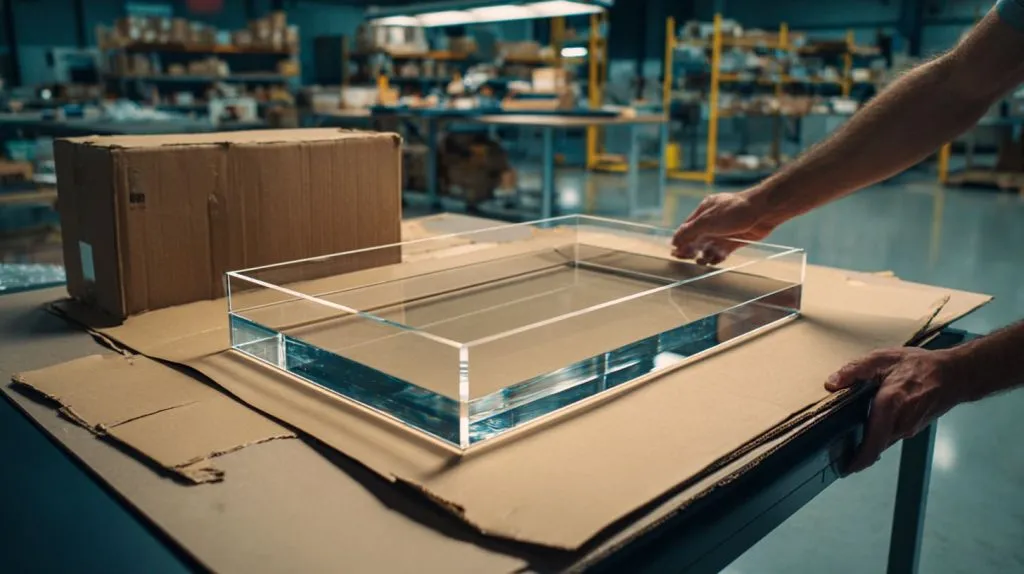
Durability has two faces.
One face is scratch resistance.
The other face is break resistance.
Glass wins the first one more often. Acrylic wins the second one more often.
Many people only think about the surface. But in real projects, I also think about the journey. The frame may move from factory to warehouse, from warehouse to store, from store to customer, and then from box to wall.
That journey is not gentle.
Before I decide the front panel material, I like to imagine the worst normal moment: a worker drops one carton, a customer bumps one frame, or a wall installer presses too hard on one corner.
Durability Comparison
| Durability Factor | Acrylic | Glass |
|---|---|---|
| Drop resistance | Better | Poorer |
| Impact resistance | Better | Poorer |
| Scratch resistance | Lower | Higher |
| Shipping safety | Better | Riskier |
| Weight stress on frame | Lower | Higher |
| Risk of sharp broken pieces | Lower | Higher |
| Large-size stability | Easier to manage | Heavy and risky |
Why Acrylic Is Useful for Large Frames
Large glass frames can become heavy.
That weight creates several problems:
- The wall hook needs more strength.
- The frame border needs more support.
- Shipping cost may increase.
- Breakage risk becomes higher.
- The installer may need more care.
- The package needs stronger protection.
Acrylic reduces many of these problems.
It does not remove every risk, but it makes the frame easier to manage.
Real Durability Is About the Whole Design
The acrylic sheet is only one part.
A durable picture frame also needs:
- Proper acrylic thickness
- Good edge finishing
- Clean holes or magnet positions
- Strong back board
- Good frame structure
- Safe packaging
- Clear cleaning instructions
Acrylic can be strong, but a bad design can still fail.
That is why I never judge durability by material alone.
I judge the whole frame.
Is Acrylic Safe for Protecting Photos and Artwork Long Term?
Acrylic can be safe for protecting photos and artwork long term when the right grade, thickness, and cleaning method are used.
Acrylic can protect photos and artwork from dust, touch, and accidental impact. For long-term protection, buyers should choose quality acrylic, consider UV-protective options, avoid direct contact with valuable artwork, and use proper framing methods.

This question sounds simple, but it carries a deeper worry.
No one wants to frame something meaningful and damage it slowly.
A wedding photo.
A family picture.
A limited print.
A certificate.
A signed artwork.
A small piece of memory.
I understand that feeling. The frame should protect the item, not become a quiet problem around it.
For valuable artwork, I always slow down and ask more questions, because “clear acrylic cover” and “museum-level protection” are not always the same thing.
What Acrylic Can Protect Against
Acrylic can help protect photos and artwork from:
- Dust
- Fingerprints
- Light touch
- Accidental bumping
- Moisture contact from casual handling
- Breakage risk from glass
- Dirt in public spaces
For normal photo frames, office displays, family photos, retail prints, and commercial signs, acrylic is usually a practical cover material.
What Acrylic Cannot Fully Solve Alone
Acrylic alone cannot solve every protection issue.
It may not fully protect against:
- Strong sunlight
- High humidity
- Poor backing board
- Acidic paper contact
- Bad mounting tape
- Heat exposure
- Long-term pressure marks
- Cheap printing material fading
This is where some frame projects go wrong.
The buyer asks only about the front cover. But the photo also touches the backing, the spacer, the tape, and the surrounding air.
Long-Term Protection Checklist
| Item to Check | Why It Matters |
|---|---|
| Acrylic quality | Poor material may lose clarity faster |
| UV protection | Helps reduce fading risk |
| Spacer design | Keeps artwork from pressing directly against cover |
| Backing board | Bad backing can affect photo condition |
| Indoor location | Direct sun can still damage prints |
| Cleaning method | Wrong cleaner can haze the surface |
| Frame sealing | Helps reduce dust entry |
Should Artwork Touch Acrylic Directly?
For normal photos, direct contact may be acceptable in many simple frames.
For valuable prints or artwork, I prefer using a spacer or proper mounting structure. This helps avoid pressure marks, sticking, or moisture-related problems.
It may look like a tiny detail.
But small details become big problems after several years.
What Thickness of Acrylic Is Best for Picture Frames?
For small picture frames, 2 mm to 3 mm acrylic is often enough. For medium or larger frames, 3 mm to 5 mm is more stable. Thick freestanding acrylic blocks may use much thicker material depending on the design.
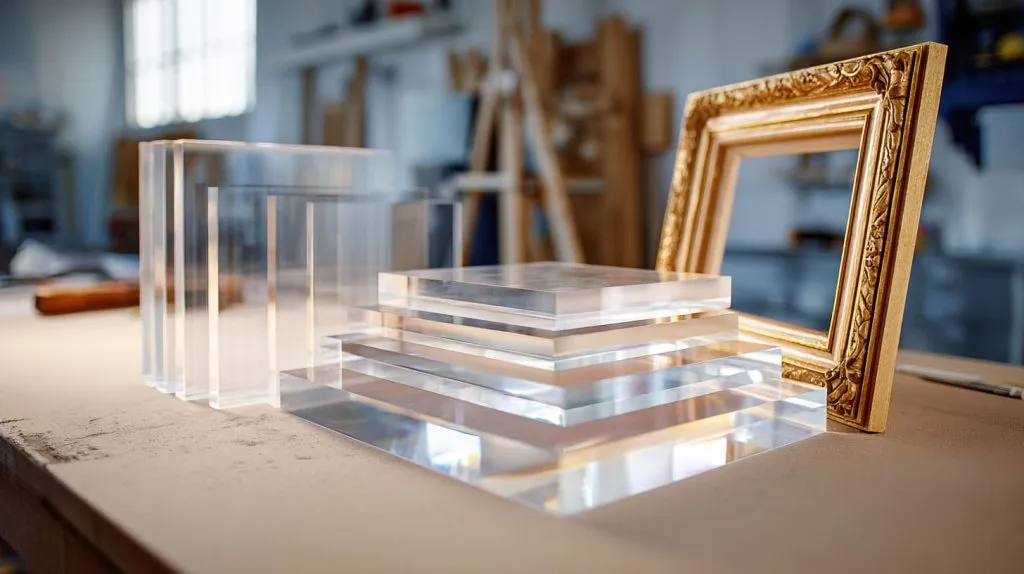
Thickness is one of those details that looks boring on a drawing.
Then the sample arrives.
Too thin, and the panel bends.
Too thick, and the frame becomes expensive and heavy.
Too loose, and the cover moves.
Too tight, and assembly becomes annoying.
The number on the drawing is small, but the feeling in the hand is big.
When I choose acrylic thickness, I do not only look at the frame size; I also check whether the acrylic is supported on all sides or only held by corners.
Common Acrylic Thickness Guide
| Frame Type | Common Acrylic Thickness | Notes |
|---|---|---|
| Small desktop photo frame | 2 mm to 3 mm | Good for light use |
| Standard wall picture frame | 2 mm to 3 mm | Needs proper frame support |
| Medium wall frame | 3 mm | Better flatness |
| Large picture frame | 3 mm to 5 mm | Reduces bending |
| Floating acrylic frame | 4 mm to 8 mm | Depends on screw or magnet design |
| Acrylic photo block | 10 mm or thicker | Used as a solid display piece |
| Commercial display frame | 3 mm to 5 mm | Depends on size and handling |
Why Bigger Frames Need More Care
Acrylic can bend if the sheet is too thin.
This is more obvious in large frames.
A thin sheet may still be clear, but it may not sit flat. It may wave slightly under light. The photo may look uneven. The customer may not know the technical reason, but he will feel something is not right.
That feeling matters.
Thickness Is Also About Cost
Thicker acrylic costs more.
It also adds weight.
So the best thickness is not always the thickest one. The best thickness is the one that gives enough flatness, enough strength, and a reasonable cost.
That balance is where custom work becomes important.
My Simple Thickness Thinking
I usually think like this:
- Small and supported frame: keep it simple.
- Large wall frame: increase thickness.
- Floating style: use thicker acrylic for visual strength.
- Premium display: thickness can help the product feel more valuable.
- Price-sensitive bulk order: avoid over-building the frame.
The best answer is not one number.
The best answer comes from the frame size, structure, and customer expectation.
Can Acrylic Frames Block UV Light and Prevent Fading?
Some acrylic frames can block UV light, but not all acrylic sheets offer the same level of UV protection.
Acrylic picture frames can help reduce fading when UV-protective acrylic is used. Standard acrylic may offer some protection, but valuable photos, prints, and artwork need acrylic made for UV filtering plus careful placement away from direct sunlight.
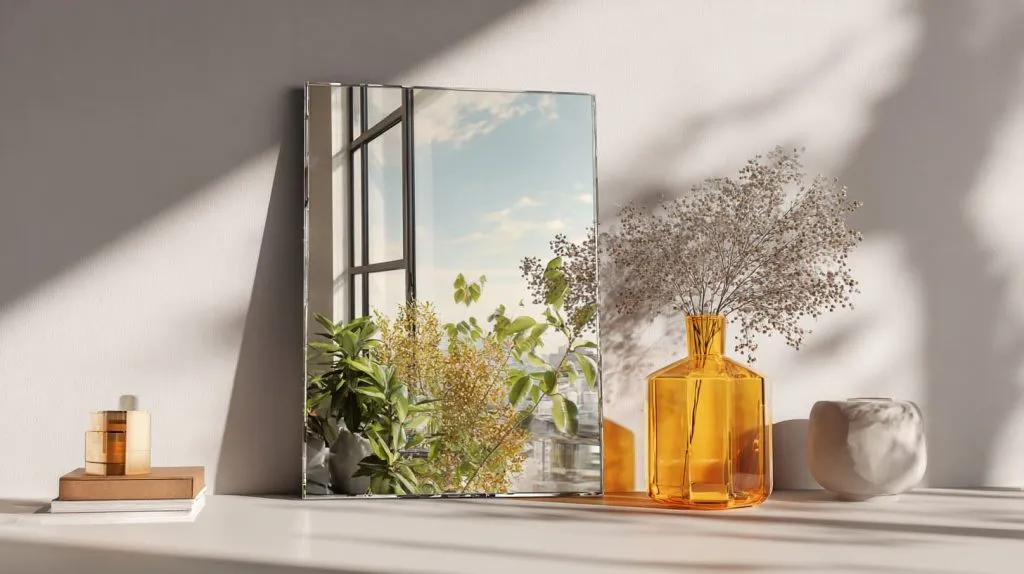
Fading is a quiet problem.
It does not happen in one afternoon. It happens slowly. A photo looks fine today. Then months later, the colors feel tired. The reds weaken. The blacks soften. The memory still exists, but the print has lost its voice.
That is why UV protection matters.
For high-value prints, I never treat “clear acrylic” as enough information; I want to know whether UV protection is actually required and what environment the frame will face.
What Causes Photos to Fade?
Photos and artwork may fade because of:
- UV light
- Strong visible light
- Heat
- Humidity
- Poor paper quality
- Low-quality ink
- Direct sunlight
- Long display time
Acrylic can help with part of the problem, but it cannot fight every enemy alone.
Standard Acrylic vs UV-Protective Acrylic
| Type | Best For | Notes |
|---|---|---|
| Standard clear acrylic | Normal photos and indoor frames | Good clarity and basic protection |
| UV-protective acrylic | Valuable prints and artwork | Better for reducing UV-related fading |
| Non-glare acrylic | Bright indoor spaces | Helps reduce reflection, but may soften clarity |
| Museum-grade acrylic | High-end display | Higher cost, better protection and viewing quality |
UV Protection Is Not a Free Pass
Even with UV-protective acrylic, I still avoid direct sunlight when possible.
A frame beside a sunny window has a harder life than a frame in a hallway. The material matters, but the location also matters.
This is a practical truth.
A good cover helps. A smart display location helps more.
When UV Acrylic Makes Sense
UV-protective acrylic makes sense for:
- Artwork prints
- Limited edition photos
- Signed photos
- Certificates
- Museum-style displays
- Retail displays under strong lighting
- Hotel or office wall decoration
- High-end custom frame projects
For normal family photos, standard acrylic may be enough.
For valuable artwork, I would not save cost on the cover too quickly.
Are Acrylic Picture Frames Suitable for High-End or Gallery Displays?
Acrylic picture frames can be suitable for high-end and gallery-style displays when the material, edge finish, thickness, and surface option are chosen carefully.
Acrylic frames can look premium in high-end displays because they are clear, modern, lightweight, and customizable. For gallery use, buyers should consider optical clarity, UV protection, non-glare surface options, clean edges, and stable mounting details.
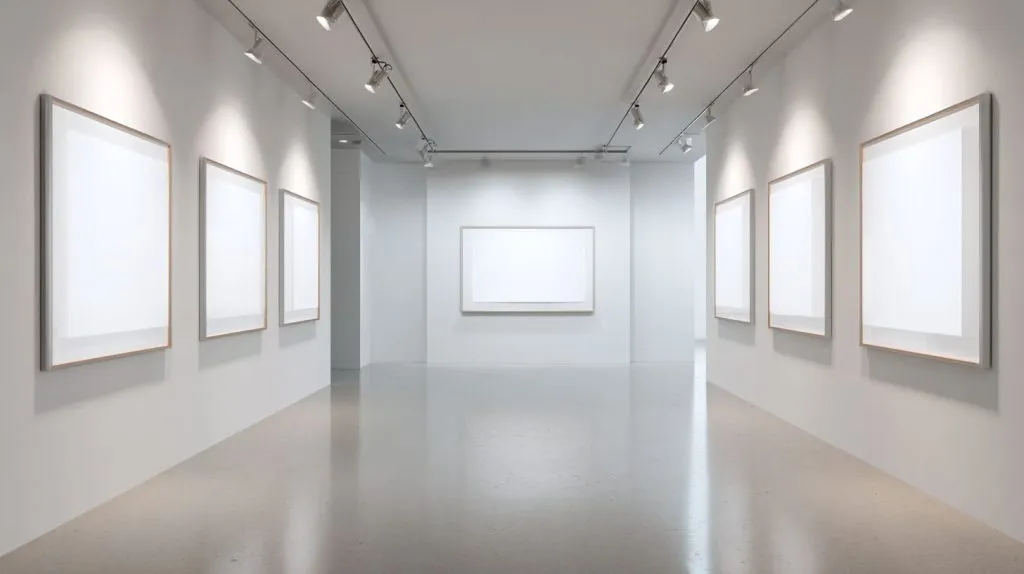
Acrylic can look cheap.
Acrylic can also look expensive.
That sounds strange, but it is true.
The difference is not only the material. The difference is the finish, thickness, clarity, design, and how the frame is presented.
A poorly cut acrylic frame feels like plastic. A well-polished acrylic frame can feel calm, sharp, and premium.
The detail that changes my decision is edge quality, because a clear acrylic frame exposes its edges like a white shirt exposes every stain.
What Makes an Acrylic Frame Look High-End?
| Detail | Why It Matters |
|---|---|
| High clarity acrylic | Keeps the photo clean and bright |
| Polished edges | Makes the frame feel finished |
| Proper thickness | Adds visual weight and stability |
| Clean hardware | Screws or magnets must match the style |
| UV option | Protects artwork better |
| Non-glare option | Helps in bright display rooms |
| Good packaging | Protects surface before installation |
| Accurate size | Prevents loose or uneven assembly |
Acrylic Works Well for Modern Display Styles
Acrylic is especially good for:
- Floating photo frames
- Frameless wall displays
- Clear desk photo blocks
- Certificate holders
- Brand story displays
- Gallery wall layouts
- Retail product image displays
- Museum gift products
- Hotel room artwork frames
It gives the image a clean stage.
No heavy border.
No visual noise.
No old-fashioned feeling.
When Acrylic May Not Be the Best Gallery Choice
Acrylic may not be the best choice when:
- The buyer wants a traditional framed art look.
- The surface will be touched often.
- Scratch resistance is the top concern.
- The room has very harsh cleaning routines.
- The artwork needs strict museum conservation standards and the buyer has not selected the right acrylic grade.
High-end use does not mean “use acrylic everywhere.”
It means choose acrylic with intention.
That is where the frame starts to feel professional.
How Do You Clean and Maintain Acrylic Picture Frames Properly?
Acrylic picture frames should be cleaned with a soft microfiber cloth, mild soap, and clean water.
To clean acrylic picture frames, remove loose dust first, use a soft microfiber cloth with mild soap and water, wipe gently, and avoid paper towels, alcohol, ammonia cleaners, rough cloths, and dry rubbing.

Cleaning sounds too simple to discuss.
But many acrylic problems begin with cleaning.
A customer sees dust. He grabs a paper towel. He wipes in circles. The surface looks clean for five seconds. Then under the light, small scratches appear like tiny spider webs.
That is a bad moment.
My personal rule is simple: if the cleaning method feels too rough for eyeglasses, it is too rough for acrylic.
Safe Cleaning Steps
- Blow away loose dust first.
- Rinse lightly with clean water if possible.
- Use mild soap and water.
- Wipe with a soft microfiber cloth.
- Do not press hard.
- Dry gently with another clean microfiber cloth.
- Keep the frame away from harsh cleaners.
What Not to Use
| Avoid This | Why |
|---|---|
| Paper towel | Can create fine scratches |
| Dry rough cloth | May rub dust into the surface |
| Alcohol cleaner | Can damage or haze acrylic |
| Ammonia cleaner | Not safe for acrylic surface |
| Strong chemical spray | May cause marks or cracking |
| Abrasive sponge | Will scratch the surface |
| Dirty cloth | Dust particles can scratch |
How to Maintain Acrylic Frames in Bulk Projects
For B2B projects, maintenance is not only about one frame.
It is about many frames.
If a hotel, store, or office uses hundreds of acrylic picture frames, the cleaning team needs simple instructions. Otherwise, one cleaner can damage many frames in one week.
For bulk orders, I like to include simple care notes in the packaging.
Something like:
- Use soft cloth only.
- Do not use alcohol.
- Do not dry wipe dust.
- Keep protective film before installation.
- Clean gently with mild soap and water.
Small notes can prevent big complaints.
Storage Also Matters
Acrylic frames should be stored with protection.
Good storage habits include:
- Keep protective film on until final use.
- Do not stack bare acrylic surfaces together.
- Use foam or soft paper between pieces.
- Keep away from heat.
- Store flat when needed.
- Avoid dusty work areas during assembly.
Cleaning is not the only care step.
Handling and storage matter too.
What Are the Common Problems When Using Acrylic for Picture Frames?
The most common problems with acrylic picture frames are scratches, dust marks, wrong thickness, poor edge finishing, glare, bending, weak packaging, and unclear cleaning instructions.
Acrylic picture frames work well when they are designed and handled properly. Common problems usually come from wrong thickness, rough cleaning, poor packing, low-quality acrylic, bad edge work, or using standard acrylic when UV or non-glare acrylic is needed.
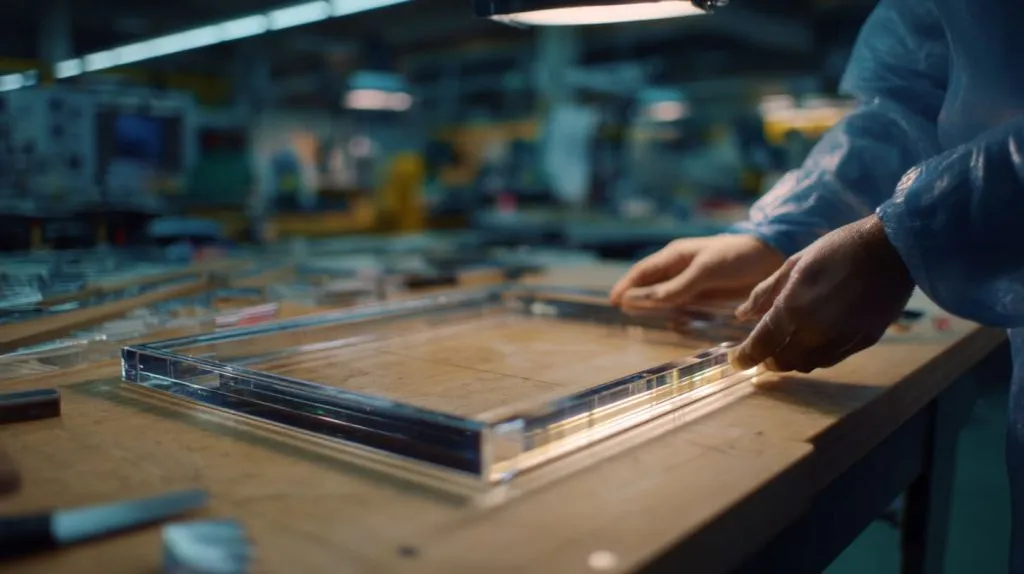
Most acrylic frame problems are not surprising.
They leave footprints before they happen.
A drawing with unclear thickness.
A quote with no material grade.
A sample packed without enough protection.
A customer who does not know how to clean acrylic.
A large frame using acrylic that is too thin.
These are small warning signs.
The mistake I try to avoid is treating acrylic as “just a clear sheet,” because in picture frames, that clear sheet controls safety, appearance, shipping risk, and user experience.
Common Acrylic Picture Frame Problems
| Problem | Why It Happens | Better Choice |
|---|---|---|
| Scratches | Wrong cleaning or handling | Use microfiber cloth and protective film |
| Yellowing concern | Low-quality acrylic or harsh exposure | Choose quality acrylic |
| Bending | Sheet is too thin | Increase thickness |
| Glare | Bright room or direct light | Consider non-glare acrylic |
| Fading | No UV protection | Use UV-protective acrylic |
| Edge looks cheap | Poor cutting or polishing | Use polished edges |
| Dust inside frame | Bad assembly environment | Clean before sealing |
| Shipping damage | Weak packing | Use film, foam, and corner protection |
| Loose photo | Poor structure | Add better backing or spacer |
| High cost | Over-thick design | Match thickness to real need |
Problem 1: Choosing the Wrong Thickness
This is common.
A buyer wants to save cost. The sheet becomes too thin. The frame looks fine in a small sample, but the large size bends.
The final product still “works,” but it does not feel right.
That is the hidden danger.
Problem 2: Ignoring Surface Choice
Clear acrylic is not always the best option.
Sometimes the buyer needs:
- Clear acrylic for sharp viewing
- Non-glare acrylic for bright rooms
- UV acrylic for artwork protection
- Frosted acrylic for special design
- Thicker acrylic for floating frames
Surface choice changes the final feeling.
Problem 3: Bad Packaging
Acrylic needs careful packaging.
It should not rub against other hard parts during shipping. The surface should keep protective film. Corners should be protected. The carton should be strong enough.
A beautiful frame can become a complaint before the customer even sees it.
Problem 4: Poor Communication with the Factory
Many custom picture frame issues happen before production starts.
The buyer says “acrylic frame.”
The factory asks for size.
The buyer sends a drawing.
But nobody confirms surface, thickness, edge finish, UV need, packing, or cleaning label.
That gap becomes the problem.
My Pre-Production Checklist
Before making acrylic picture frames, I like to confirm:
- Frame size
- Acrylic thickness
- Clear, non-glare, UV, or special surface
- Edge finish
- Hole position or magnet design
- Backing material
- Photo insert method
- Packing method
- Quantity
- Logo or branding need
- Cleaning instruction need
- Final use environment
This checklist may look simple.
But simple questions save real money.
Conclusion
Acrylic can be a very good material for picture frames when clarity, safety, weight, and custom design matter. I would choose the thickness, surface, edge finish, and packing based on real use. For custom acrylic picture frame projects, Feilong Acrylic can help turn practical ideas into production-ready designs.