Skip to content
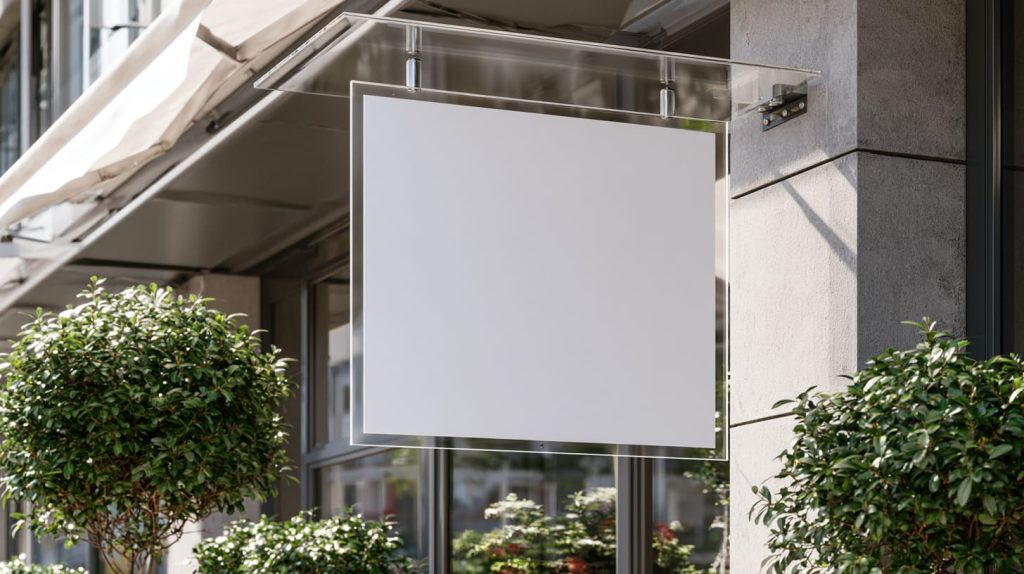
Acrylic can look strong on paper.
The material sheet says “UV resistant.” The sample looks clear. The edge is polished. The color looks clean under factory lighting. So the buyer feels safe.
But outdoor use is not a factory table.
Outdoor use means sun, rain, wind, heat, cold, screws, brackets, cleaners, installers, and sometimes a worker with a power drill who is in a hurry. That is where the real story starts.
I have seen customers blame UV resistance when an outdoor acrylic panel failed. The panel turned slightly cloudy near the edge. The first guess was simple: “Maybe the acrylic sheet was not UV stable.”
But after checking the photos, the problem was different. The screw holes were too tight. The panel had no room to move when the temperature changed. A few holes had small cracks. Rainwater also stayed in the lower frame because there was no drainage gap. The acrylic did not fail alone. The installation design pushed it into failure.
This is why I do not like judging outdoor acrylic life by one material feature only.
Why This Question Matters for Outdoor Acrylic Products
Outdoor acrylic products are used in many places. They can be used for retail signs, cosmetic displays near windows, acrylic covers, brand panels, outdoor boxes, protective shields, and custom store fixtures.
Many buyers ask one direct question:
“Is the acrylic UV resistant?”
That is a fair question. It matters. If acrylic yellows, fades, or becomes hazy too fast, the product loses its value. A clear acrylic display should stay clear. A colored acrylic sign should hold its color. A premium retail fixture should not look old after one summer.
But I usually do not stop at this question.
I also ask:
- How will the product be fixed?
- Will the acrylic have room to expand?
- Will rainwater stay inside the structure?
- Will the panel carry weight?
- Will the installer tighten screws directly against the acrylic?
- Will the product face wind, heat, or freeze-thaw cycles?
These small questions often decide the real service life.
A buyer may pay more for better UV acrylic, but if the fixing design is wrong, the product can still crack early. That is painful because the material choice was not the full problem.
Core Judgment
UV resistance protects the surface life of acrylic.
Installation design protects the working life of the product.
That difference sounds small, but it changes the whole way I review outdoor acrylic projects.
UV resistance mainly affects:
| Factor | What UV Resistance Helps Protect |
|---|---|
| Clarity | Reduces yellowing and haze |
| Color | Helps slow fading |
| Surface look | Helps keep a cleaner appearance |
| Outdoor aging | Slows sun-related damage |
| Brand image | Keeps signs and displays looking newer |
Installation design affects:
| Factor | What Installation Design Controls |
|---|---|
| Cracking | Hole clearance, screw pressure, edge stress |
| Warping | Support, frame design, thermal movement |
| Water issues | Drainage, sealing, ventilation |
| Safety | Load support, brackets, wind resistance |
| Long-term use | Maintenance, movement, assembly quality |
So my simple answer is this:
UV resistance decides how well the acrylic keeps its appearance. Installation design often decides whether the product survives real outdoor use.
I have learned to check the installation method before I feel confident about service life, because a good acrylic sheet can still fail when the design traps stress in the wrong place.
A nice material certificate is useful. But a smart installation drawing can save a project.
Now let’s separate the two clearly, because this is where many purchasing mistakes begin.
What Does UV Resistance Actually Protect?

UV resistance is important. I do not want to make it sound small.
If a customer is buying outdoor acrylic signs, clear covers, cosmetic displays near sunlight, or colored acrylic panels, UV resistance should be part of the discussion from the beginning.
But UV resistance has a job. It is not magic. It protects some things well, but it cannot protect everything.
UV Resistance Protects Appearance First
The first thing UV resistance protects is appearance.
Acrylic is often chosen because it looks clean, bright, and premium. It has better clarity than many common plastics. It can be polished nicely. It can work with printing, engraving, bending, and bonding.
For many retail and display products, appearance is not a small detail. It is the product value.
A cosmetic organizer near a store window needs to look clear. A jewelry display should not turn yellow. A brand sign should not fade too fast. A transparent cover should not become cloudy and cheap-looking.
UV resistance helps reduce problems like:
- Yellowing
- Haze
- Surface aging
- Color fading
- Loss of gloss
- Poor appearance under sunlight
Here is how I usually think about it:
| Product Type | Why UV Resistance Matters |
|---|---|
| Clear acrylic display | Keeps the transparent premium look |
| Colored acrylic sign | Helps reduce fading and color shift |
| Printed acrylic panel | Protects the base material and supports print life |
| Window-facing display | Slows sunlight aging |
| Outdoor cover | Helps maintain clarity and surface appearance |
If the product’s main value is visual quality, I give UV resistance a high priority.
For example, a clear acrylic lipstick display placed near a large glass storefront may not be “outdoor,” but it still gets sunlight every day. In that case, a low-grade material can age faster than the buyer expects. The display may still stand, but it may no longer look good.
That matters. In retail, “still standing” is not the same as “still selling.”
UV Resistance Does Not Solve Every Outdoor Problem
This is the part many people miss.
UV resistance does not stop mechanical stress.
It does not stop a crack caused by an over-tightened screw. It does not stop a large panel from bending if the support is poor. It does not solve water pooling. It does not protect a weak joint if the box structure is bad.
I sometimes compare it to sunscreen.
Sunscreen can protect your skin from the sun. But it will not protect you if your shoes are too tight, your backpack is badly designed, or someone drops a heavy box on your foot.
UV resistance is similar. It protects against sun-related aging. But it does not fix bad installation.
Here is a simple breakdown:
| Problem | Can UV Resistance Solve It? | Real Cause |
|---|---|---|
| Yellowing from sunlight | Yes, it helps | Material grade and UV exposure |
| Color fading | Yes, partly | Material, pigment, printing, sunlight |
| Cracks around screw holes | No | Hole size, screw pressure, stress |
| Warped panel in a tight frame | No | Thermal expansion and poor clearance |
| Water trapped inside a box | No | Drainage and sealing design |
| Joint failure after heat cycles | No | Structure, bonding, stress, movement |
| Panel shaking in wind | No | Support and fixing design |
This table is simple, but it saves many wrong decisions.
A customer may say, “We need stronger UV acrylic because the old product cracked.”
But if the crack starts at the screw hole, I will not solve it by only changing acrylic grade. I will look at the hole design first.
Practical Buying
For outdoor use, UV-resistant acrylic is the starting point, not the full answer.
A buyer should ask both:
- “Is the material UV stable?”
- “Can the design move, drain, and support itself outdoors?”
I pay close attention when a customer only talks about UV but sends a drawing with tight holes, sharp corners, and no drainage, because that drawing is already telling me where the product may fail.
For Jacky, who has rich purchasing experience, this is not just a technical point. It is a supplier evaluation point. A good factory should not only say, “Yes, we can use UV acrylic.” A good factory should ask where the product will be installed and how it will be fixed.
That question may feel slow at the beginning. But it can prevent a claim later.
UV resistance protects the beauty. But outdoor service life has another side. It is less pretty, more practical, and often more important: installation design.
How Installation Design Controls Real Service Life
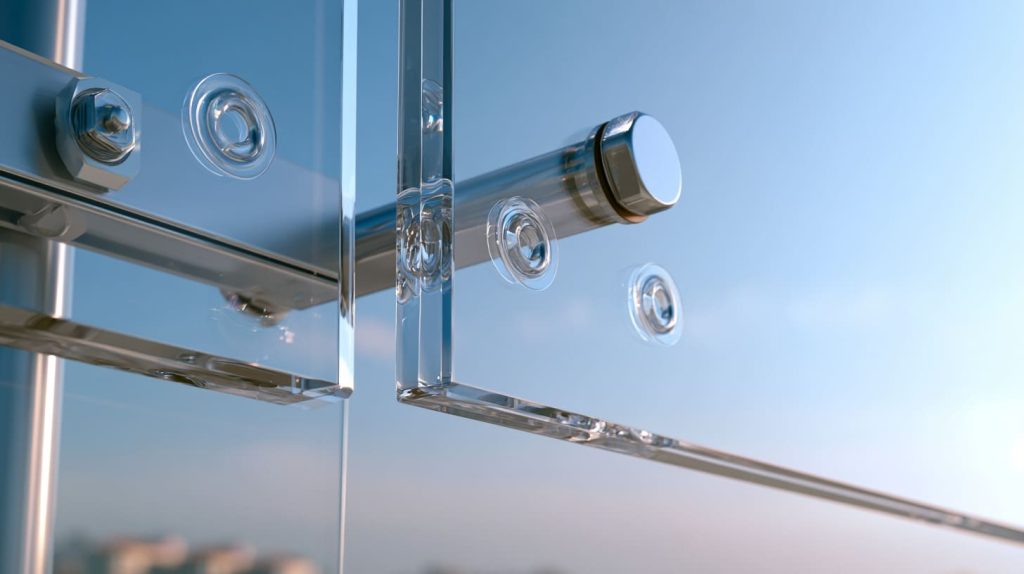
Installation design is where acrylic meets the real world.
Acrylic is not only a sheet. Once it becomes a sign, box, panel, cover, or display, it has to work with screws, brackets, frames, walls, glue, water, and temperature change.
That is why I care so much about installation details.
Acrylic may look rigid, but it still moves with heat and cold. It may look strong, but a small stress point can become a crack. It may look waterproof, but bad drainage can make a clean product dirty inside.
Thermal Expansion Is a Major Hidden Risk
Acrylic expands and contracts when temperature changes.
This is normal. Every material moves. But acrylic does not move exactly like metal, glass, or wood. If the design does not allow movement, stress can build up slowly.
The problem is often invisible at first.
The product may look fine after installation. The customer may take photos. Everyone feels happy. Then after weeks or months, small cracks appear near holes or corners.
That is the danger. The failure does not always happen on day one.
Here are common thermal expansion design problems:
| Design Problem | Possible Result |
|---|---|
| Screw holes are too tight | Cracks around holes |
| Panel is locked inside a rigid frame | Warping or edge stress |
| Long acrylic face has no movement gap | Bowing or pressure marks |
| Sharp internal corners | Crack starting points |
| No space between acrylic and metal parts | Stress during heat cycles |
For long outdoor panels, I like to check the fixing method carefully. The larger the acrylic part, the more movement matters.
A small acrylic nameplate may survive with a simple fixing design. A large outdoor sign face cannot be treated the same way.
Fastener Design Can Make or Break the Product
Screws are small, but they can create big trouble.
Acrylic does not like point stress. If a screw head presses directly on acrylic, and the hole has no clearance, the stress goes into a small area. If the installer tightens it too much, the problem becomes worse.
This is common because many installers treat acrylic like metal sheet.
But acrylic is different.
A better fastener design may include:
- Oversized holes
- Rubber washers
- Soft gaskets
- Spacers
- Floating fixing
- Rounded hole edges
- No direct hard pressure from screw heads
- Clear installation instructions
Here is a simple fastener comparison:
| Fixing Method | Risk Level | My Comment |
|---|---|---|
| Tight screw through acrylic | High | Easy to crack under stress |
| Screw with oversized hole | Medium | Better, but still needs washer |
| Screw with rubber washer | Lower | Helps spread pressure |
| Floating frame system | Lower | Good for larger panels |
| Adhesive only outdoors | Depends | Needs careful material and load review |
I do not like seeing outdoor acrylic drawings where the holes are the same size as the screw shaft. That usually means the designer is thinking about position only, not movement.
Support and Load Distribution Matter
Acrylic can be strong, but it needs proper support.
Large panels can bend if the support is weak. Hanging displays can crack if load is concentrated at one point. Outdoor signs can vibrate if the bracket design is too light. Boxes can deform if the wall thickness and joint design do not match the size.
Support design should answer these questions:
- Where does the weight go?
- Where does wind pressure go?
- Where does the user touch or lift the product?
- Which areas carry repeated stress?
- Which edges need reinforcement?
- Which corners are most likely to crack?
For outdoor acrylic products, load is not only the product’s own weight. It can also include:
| Load Type | Example |
|---|---|
| Wind load | Outdoor signage, hanging panels |
| Handling load | Staff moving a display or cover |
| Product load | Items placed on shelves or trays |
| Thermal stress | Expansion and contraction |
| Water load | Rainwater sitting in a flat area |
| Vibration | Wall signs, roadside displays, hanging fixtures |
Acrylic failure is often a design story, not a material story.
The sheet may be good. The CNC cutting may be accurate. The edges may be polished. But if the support is wrong, the product still has a weak point.
Practical Buying
If the acrylic grade is acceptable, poor installation can shorten service life faster than UV exposure.
For Jacky’s purchasing work, installation drawings may be as important as material certificates.
My own habit is to check the fixing points before I check the nice surface finish, because cracks usually start from stress points, not from the middle of a beautiful polished panel.
Acrylic service life is not only about “what sheet did you use?” It is also about “how did you force that sheet to behave after installation?”
That is where the real comparison begins: UV resistance versus installation design. Which one fails first?
UV Resistance vs Installation Design: Which One Fails First?
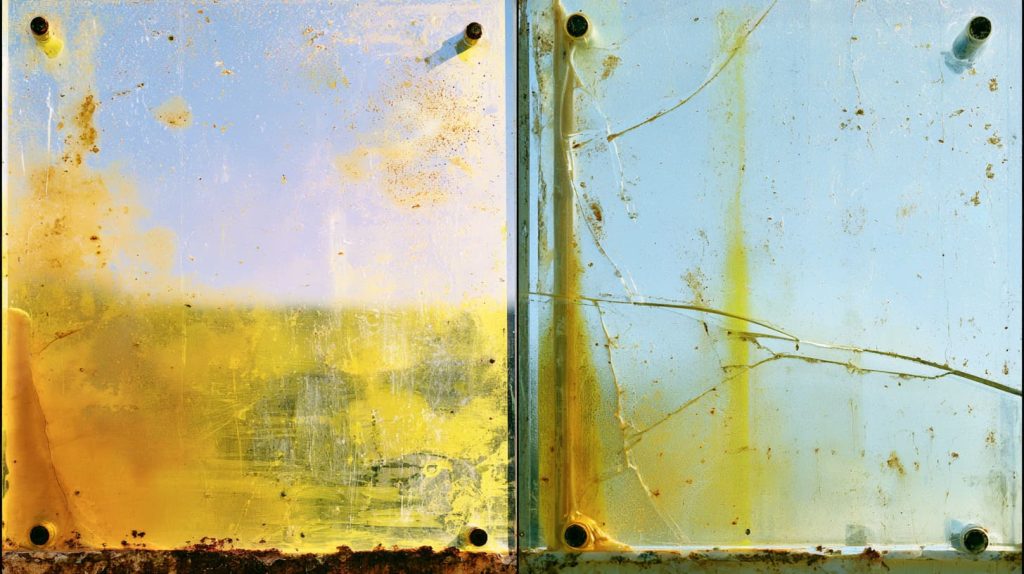
This question sounds simple, but the answer depends on the failure type.
If the product becomes yellow, faded, or cloudy, UV resistance may be the main issue.
If the product cracks, warps, leaks, loosens, or breaks near fixing points, installation design is probably the stronger reason.
So I do not ask, “Which one is always more important?”
I ask, “What kind of failure are we trying to prevent?”
That gives a much better answer.
When UV Resistance Is the Main Failure Factor
UV resistance becomes the main concern when the product’s surface is exposed to strong sunlight for a long time.
This can happen in:
- Outdoor signs
- Brand panels
- Clear acrylic covers
- Colored acrylic sheets
- Window-facing retail displays
- Transparent protective panels
- Acrylic parts used in sunny climates
UV failure often looks like appearance loss.
The product may still stand. It may not crack. It may still be usable in a basic way. But it no longer looks premium.
Common signs include:
| Failure Sign | Possible UV-Related Cause |
|---|---|
| Yellowing | Low UV stability or long sun exposure |
| Haze | Surface aging or poor material grade |
| Color fading | Pigment, printing, or acrylic color issue |
| Brittle surface | Long outdoor aging |
| Loss of gloss | Weathering and cleaning damage |
This is especially important for Feilong Acrylic customers who buy displays and brand fixtures.
If an acrylic product is used to present cosmetics, jewelry, watches, or premium products, a slight yellow tone can damage the look. A display does not need to break to fail. It only needs to look old.
For outdoor signs, color is also a brand issue. If the logo color shifts, the customer may not care that the acrylic is still physically strong. The visual result is already wrong.
When Installation Design Is the Main Failure Factor
Installation design becomes the main concern when the failure starts from stress, load, movement, or water.
Common signs include:
| Failure Sign | Likely Design Cause |
|---|---|
| Cracks around holes | Tight holes or over-tightened screws |
| Corner cracks | Sharp corners or stress concentration |
| Warped panels | No movement gap or poor support |
| Loose panels | Weak fixing or wrong bracket design |
| Water inside box | Poor drainage or sealing |
| Fogging or stains | Water trap and poor ventilation |
| Joint opening | Heat cycles and weak structure |
These problems can happen even when the acrylic has good UV resistance.
This is why I do not like a one-line answer from suppliers: “Yes, outdoor grade.”
Outdoor grade material is good. But outdoor grade design is also needed.
For example, a wall-mounted acrylic cover may use excellent clear acrylic. The surface may resist sunlight well. But if the cover is screwed tightly to a metal frame, and the frame heats up under the sun, the acrylic may have no space to move. The stress goes to the screw holes. Later, small cracks appear.
The buyer may think the acrylic was poor. But the real cause may be the fixing system.
The Better Judgment
UV resistance decides long-term appearance.
Installation design decides structural survival.
That is the cleanest way I can explain it.
Here is a simple decision table:
| Main Concern | Focus More On |
|---|---|
| Yellowing | UV-resistant acrylic |
| Haze | Material grade and surface care |
| Color fading | UV-stable color and printing |
| Cracking | Installation design |
| Warping | Expansion clearance and support |
| Water stains | Drainage and ventilation |
| Loose panels | Mounting design |
| Short outdoor life | Both material and installation |
In many B2B custom acrylic projects, the product fails earlier from design stress than from UV aging.
When I review a complaint photo, I first look for the failure location: if the damage starts near holes, edges, corners, joints, or frames, I usually suspect design stress before I blame UV.
That habit comes from factory experience, not from a textbook. Real products usually fail from the weakest detail, and the weakest detail is often not the sheet itself.
But not every acrylic product has the same risk. Some products truly need stronger UV focus. Others need stronger installation design focus. Let’s separate them.
Which Acrylic Products Need Stronger UV Focus?
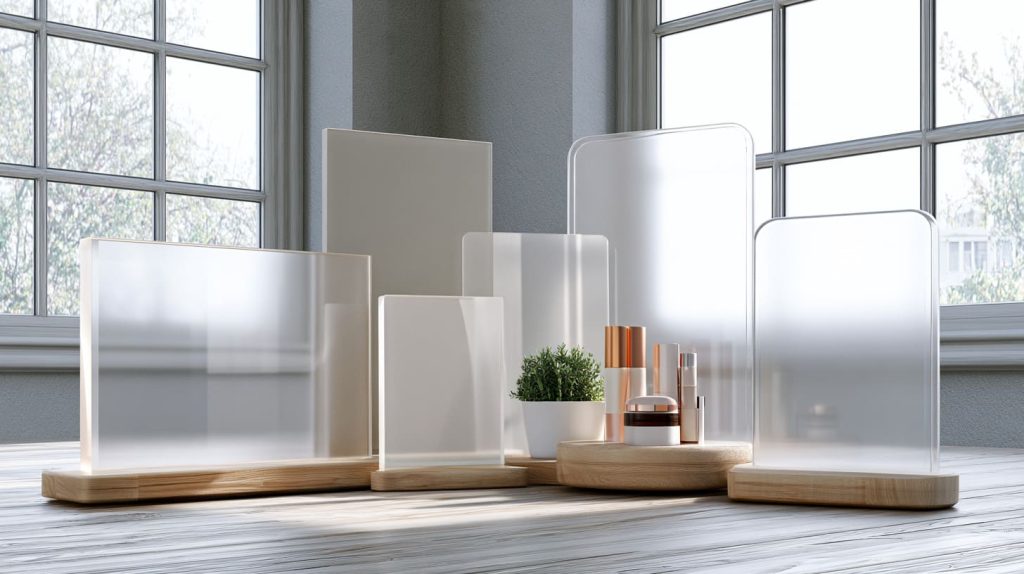
Some acrylic products are bought mainly for their look.
They need to stay clear, bright, and clean. If the surface ages too fast, the product loses its value even if the structure is still safe.
For these products, UV resistance should be taken seriously.
Outdoor Signs and Branding Panels
Outdoor signs and branding panels have one clear job: they must look right.
A sign is not only a plastic panel. It carries a brand. It may show a logo, a store name, or product message. If the acrylic yellows or the color fades, the brand image becomes weaker.
For these products, I usually review:
- Acrylic grade
- Color stability
- Printing method
- Surface protection
- Sun direction
- Expected service life
- Cleaning method
- Mounting structure
A brand panel may need UV-resistant acrylic. If graphics are printed, the ink or printed layer also needs UV planning. A strong acrylic sheet cannot protect a poor print by itself.
If the acrylic is used as a transparent cover over graphics, the buyer should also ask whether UV-blocking acrylic is needed. There is a difference between acrylic that resists UV damage to itself and acrylic that blocks UV to protect what is behind it.
This point is easy to miss.
Retail Displays Near Windows
Retail displays near windows are not fully outdoor products, but sunlight can still affect them.
Cosmetic organizers, perfume stands, jewelry risers, watch displays, and small product shelves often sit near glass. They may get sunlight for part of the day. Over time, low-grade material may become yellow or dull.
For retail displays, the failure is often emotional.
The product may still be usable. But it no longer feels premium.
A clear acrylic display works because it almost disappears. It lets the product shine. Once it becomes yellow or hazy, it starts stealing attention from the product.
That is not good retail design.
Here is how I think about window-facing displays:
| Display Condition | UV Priority |
|---|---|
| Deep indoor, no sunlight | Low to medium |
| Near window, indirect light | Medium |
| Near window, direct sun | High |
| Outdoor pop-up retail | High |
| Premium cosmetic display | High if clarity is key |
For high-value retail products, I do not only ask how strong the display is. I ask how it will look after months of store lighting and sunlight.
Transparent Covers and Protective Shields
Transparent covers and shields need clarity.
They may be used for display cases, product covers, machine covers, museum-style covers, or retail protection. If the cover turns yellow, the whole product looks cheaper.
But there is another question:
What is behind the acrylic?
If the object behind the acrylic is sensitive to UV, standard acrylic may not be enough. The buyer may need UV-blocking acrylic, not just UV-resistant acrylic.
The difference matters.
| Requirement | Material Focus |
|---|---|
| Acrylic itself should not yellow fast | UV-resistant acrylic |
| Object behind acrylic needs UV protection | UV-blocking acrylic |
| Color must stay stable | UV-stable colored acrylic or print system |
| Cover must stay clear | High-clarity acrylic and cleaning plan |
This is common for display covers that protect samples, artwork, product labels, or premium items.
A buyer may say, “We need UV acrylic.” I will usually ask, “Do you want to protect the acrylic, or do you want to protect the item behind it?”
That one question can change the material choice.
Practical Buying
If appearance is the main value, UV resistance deserves higher priority.
If the product is load-bearing or fixed outdoors, installation design deserves equal or higher priority.
I become more careful when the customer cares about “clear and premium” but also wants a low-cost material, because outdoor sunlight does not respect a beautiful quotation sheet.
That is the hard part of purchasing. The lowest price may pass the sample stage. But outdoor aging will test the decision slowly.
Still, not every product fails because of sunlight. Many products need stronger installation thinking from day one.
Which Acrylic Products Need Stronger Installation Design Focus?
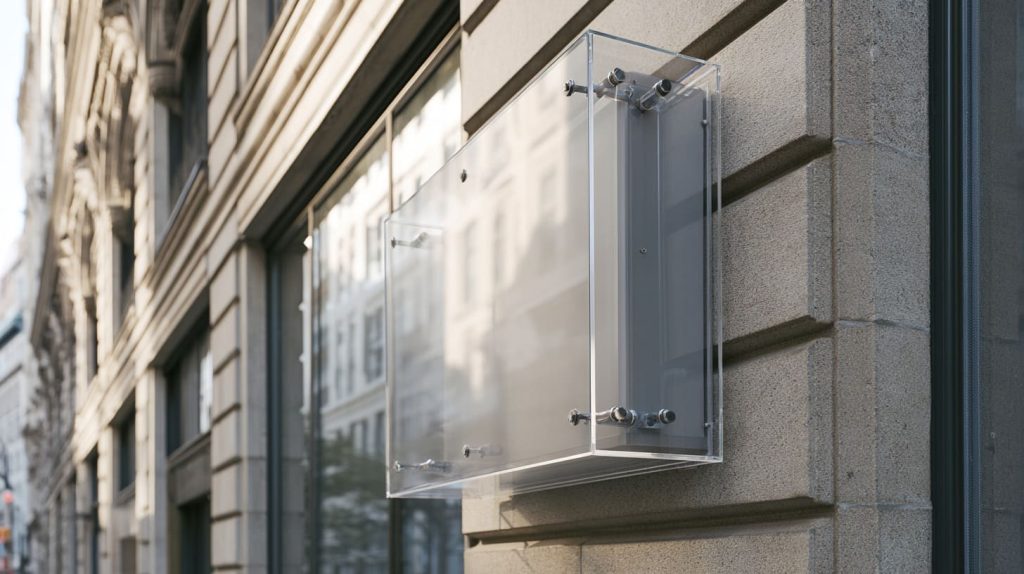
Some acrylic products are not only decorative.
They are large. They are mounted. They carry weight. They face wind. They are touched often. They need screws, brackets, glue, hinges, or frames.
For these products, installation design can decide service life more than UV resistance.
Large Outdoor Acrylic Panels
Large outdoor acrylic panels need movement space.
A small part may forgive a small design mistake. A large panel will not.
When the temperature changes, a large panel moves more in total length. If the frame is too tight, the panel may bow. If the holes are too tight, cracks may start. If the edge support is uneven, stress may collect in one area.
For large panels, I usually check:
- Panel size
- Thickness
- Fixing points
- Hole clearance
- Edge support
- Frame material
- Wind exposure
- Installation angle
- Expansion space
A large panel should not be judged only by thickness. Thicker is not always safer if the fixing design is wrong.
Sometimes a thicker sheet with poor mounting cracks faster than a thinner sheet with better movement allowance. That surprises some buyers, but it happens.
Here is a simple design view:
| Design Item | Why It Matters |
|---|---|
| Oversized holes | Allows thermal movement |
| Rubber washers | Reduces point stress |
| Edge support | Prevents bending |
| Rounded corners | Reduces crack starting points |
| Drainage gap | Prevents water build-up |
| Frame clearance | Avoids pressure from expansion |
Acrylic Boxes and Outdoor Covers
Acrylic boxes and covers have a different risk.
They can trap water.
A box may look sealed, but outdoor conditions are tricky. Rainwater, humidity, temperature changes, and dust can create problems. If water enters but cannot leave, the product may get stains, fogging, dirt marks, or joint stress.
Acrylic itself is not usually destroyed quickly by water. But water can still create service-life problems.
For example:
- Water can carry dust into corners.
- Moisture can affect printed layers.
- Dirty water can leave marks.
- Freeze-thaw cycles can stress weak areas.
- Poor sealing can make the product look bad inside.
- Trapped heat and moisture can affect adhesives.
Acrylic boxes also need strong corner design. Corners are often the weak point because they carry stress from bonding, handling, and temperature change.
For outdoor covers, I also like to check whether ventilation is needed. A fully closed design may look safe, but it can trap moisture and heat.
Wall-Mounted or Hanging Displays
Wall-mounted and hanging acrylic displays need safe load transfer.
This sounds simple, but many drawings do not show enough detail here.
A hanging display may use holes, hooks, brackets, or metal plates. If the load is concentrated around small acrylic holes, cracks can appear over time. If people touch or refill the display often, the stress repeats.
A wall-mounted acrylic rack may fail not because the acrylic is weak, but because the load path is poor.
I usually ask:
- What will be placed inside?
- How heavy is the loaded product?
- Will staff refill it daily?
- Will customers touch it?
- Is it fixed to wall, pole, or frame?
- Are brackets metal or acrylic?
- Are holes reinforced?
- Are rubber pads used?
Here is a quick risk table:
| Product Type | Main Design Risk |
|---|---|
| Wall-mounted display | Load around fixing holes |
| Hanging sign | Wind and vibration |
| Outdoor cover | Water trap and expansion |
| Large panel | Warping and hole cracking |
| Acrylic rack | Repeated loading and bending |
| Acrylic box | Corner joint stress |
Practical Buying
The larger the acrylic part, the more installation design affects service life.
Small indoor displays may depend more on material finish. Large outdoor parts depend more on structure.
I get nervous when a large acrylic part is designed like a small desktop display, because outdoor size changes everything: movement, load, wind, drainage, and even installer behavior.
This is why I do not like copying an indoor display design and calling it “outdoor” only by changing the acrylic sheet.
Outdoor use is a system. And climate is the stress test that exposes whether the system is good or weak.
What Role Does Climate Play?
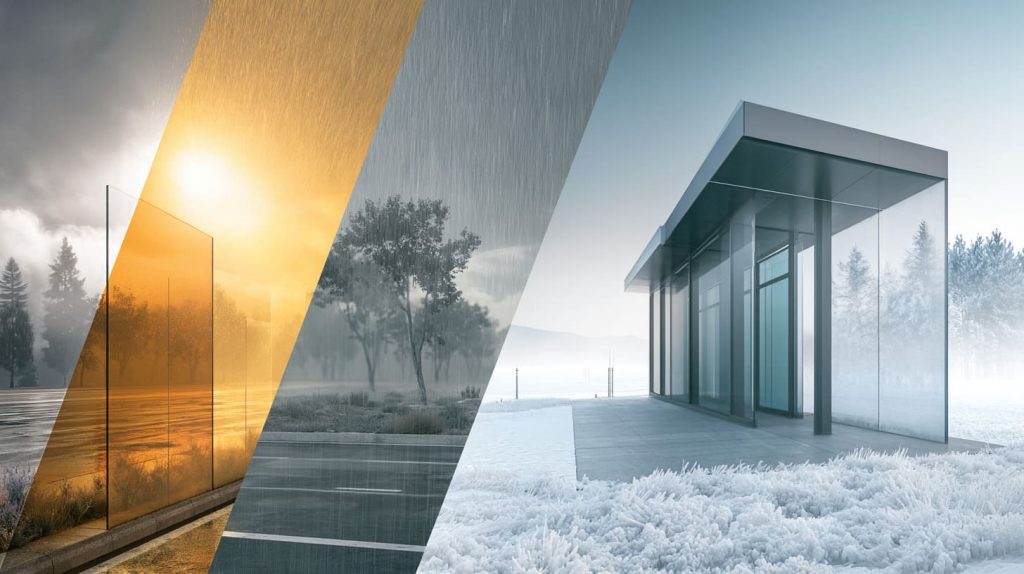
Climate changes the answer.
A product used in Canada may face cold winters and freeze-thaw cycles. A product used in a tropical area may face strong sun, heavy rain, and humidity. A product used near the coast may face salt air and stronger weathering. A product used in a dry, hot area may face high UV and large day-night temperature changes.
So I never like giving one fixed answer for every market.
The same acrylic product may live differently in different places.
Sunlight and UV Intensity
Strong sunlight increases the need for UV planning.
This affects clear acrylic, colored acrylic, printed acrylic, and transparent covers. If the product sits under direct sun every day, UV resistance becomes more important.
But sunlight is not only about UV.
Sun also brings heat.
Acrylic may heat up during the day and cool down at night. This movement can create stress if the installation is too rigid.
So even when we talk about UV, we still come back to design.
Here is a practical way to view sunlight exposure:
| Environment | UV Concern | Design Concern |
|---|---|---|
| Indoor, no direct sun | Low | Low to medium |
| Near window | Medium | Low to medium |
| Outdoor shaded area | Medium | Medium |
| Outdoor direct sun | High | High |
| High-altitude or desert area | Very high | High |
| Coastal outdoor area | High | High |
Acrylic in direct sun needs better material planning. It also needs better movement planning.
Temperature Change
Temperature change is one of the most common hidden causes of acrylic failure.
Acrylic expands when hot and contracts when cold. If the product is fixed too tightly, it cannot move freely. Stress builds up.
This stress may show up as:
- Small cracks around holes
- Warping in panels
- Pressure marks near frames
- Joint stress
- Edge cracking
- Loose or noisy panels
Cold climates add another issue. When water enters small gaps and freezes, it can expand. That can push against joints or trapped areas.
For Canada, I would pay attention to freeze-thaw conditions. I would also ask whether the product will be installed outdoors all year or only seasonally.
That detail matters.
Acrylic used for a summer pop-up store is not the same as acrylic used for a year-round outdoor sign.
Rain, Humidity, and Water Traps
Water itself does not always destroy acrylic quickly.
But trapped water can make a product fail in ugly ways.
I have seen products where the acrylic sheet was fine, but the lower edge looked dirty because water collected there. I have seen covers that looked foggy inside because moisture had no easy way out. I have seen boxes where the customer wanted a clean transparent look, but the design created small corners that were hard to clean.
Rain tests the small details.
For outdoor acrylic boxes and covers, I usually check:
- Does water have a way to leave?
- Is there a low point where water will sit?
- Are there hidden dirt traps?
- Is the sealing realistic?
- Does the design need ventilation?
- Will cleaning be easy?
- Can water reach printed or bonded areas?
Water also affects customer perception.
A product may still be functional, but if it looks dirty inside, the buyer may call it a failure. In retail and display work, appearance is part of function.
Practical Buying
Climate does not only test UV resistance. It also tests installation design.
A product for Canada may need more attention to freeze-thaw movement. A tropical project may need more drainage and UV planning.
Before I recommend a structure, I try to imagine the worst normal day for that product: strong sun, sudden rain, cold night, careless cleaning, or a rushed installation team.
That is not pessimism. That is practical design.
Once climate is clear, designers and buyers can balance material and installation with less guessing.
How Should Designers Balance Material and Installation?
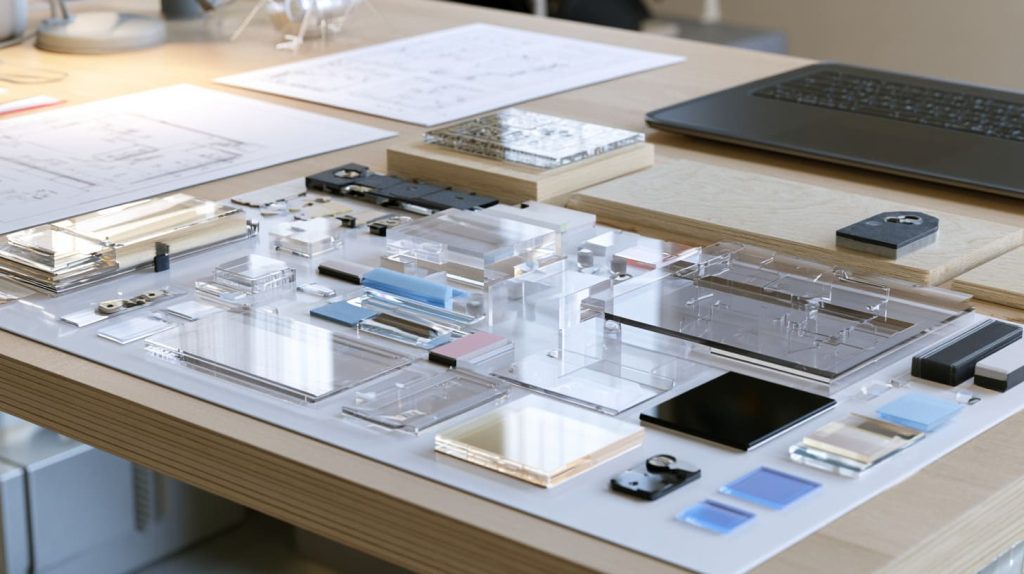
A good acrylic product is not designed from one direction.
It is not only “choose better acrylic.” It is not only “make the sheet thicker.” It is not only “add more screws.”
Good design balances material, size, structure, fixing, exposure, and cost.
I like this kind of work because it is not just production. It is thinking.
Start With the Use Environment
The first question should be simple:
Where will the product be used?
Not in a vague way. I mean real use conditions.
- Indoor or outdoor?
- Direct sunlight or shade?
- Near a window or deep inside the store?
- Dry area or humid area?
- Coastal or inland?
- Hot climate or cold climate?
- Fixed permanently or moved often?
- Cleaned daily or rarely cleaned?
- Mounted by professional installers or store staff?
These details change the right design.
For example, an acrylic display used inside a cosmetics store may need excellent clarity and polished edges. But an outdoor acrylic cover for equipment may need drainage, screw clearance, and impact protection more than perfect visual polish.
The buyer may call both products “acrylic cover.” But the design logic is different.
Match Acrylic Grade to Exposure
After use environment, I look at material grade.
Standard clear acrylic may be enough for many indoor and semi-outdoor products. UV-resistant acrylic may be better for long sun exposure. UV-blocking acrylic may be needed when the item behind the acrylic also needs protection.
Colored acrylic and printed acrylic need extra attention because color shift is easier to notice than many people expect.
Here is a simple matching table:
| Use Case | Material Focus |
|---|---|
| Indoor display | Clarity, edge quality, thickness |
| Window-facing display | Clarity and UV stability |
| Outdoor sign | UV-resistant acrylic and UV-stable printing |
| Protective cover over sensitive items | UV-blocking option |
| Outdoor box | UV stability plus structure and drainage |
| Large mounted panel | Material grade plus expansion design |
Material choice should follow exposure, not habit.
I do not like using one standard material for every project just because it is easy to quote. That may save time at the beginning, but it can create trouble later.
Design for Movement, Not Just Appearance
Acrylic design should allow movement.
This is especially true for outdoor use.
Good design may include:
- Larger holes than screw diameter
- Soft washers or gaskets
- Rounded internal corners
- Enough frame clearance
- Proper edge support
- Drainage openings
- Ventilation when needed
- Avoiding sharp stress points
- Avoiding over-tight assembly
- Clear installation instructions
Acrylic can be beautiful, but it should not be trapped.
A trapped acrylic panel is like a person wearing a jacket two sizes too small. It may look okay while standing still, but once it moves, the problem appears.
For large panels, I often prefer a design that allows slight movement instead of a design that locks every edge tightly. Many buyers like tight construction because it feels strong. But with acrylic, too tight can be risky.
Practical Buying
A good outdoor acrylic product should be designed as a system: material, thickness, fixing, support, drainage, and packaging all work together.
The choice I often make is not the most expensive material first; I first remove the obvious stress traps, because a clean design can sometimes protect service life better than upgrading only the sheet.
This is also better for cost control.
A buyer does not always need the highest-grade acrylic for every project. But the buyer does need the right acrylic with the right design.
That leads to the next important point: what should buyers ask before placing the order?
What Should Buyers Ask Before Ordering Custom Acrylic Products?
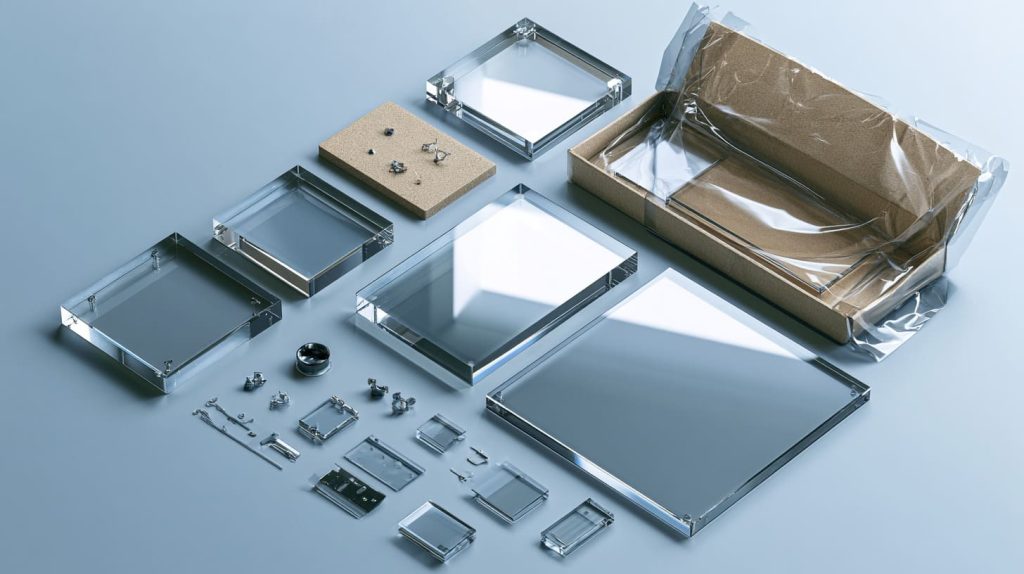
A good RFQ is not only a size list.
For custom acrylic products, the questions asked before production often decide how smooth the project will be later.
Jacky has experience with China manufacturers, so he already knows that a clear drawing and clear use case can reduce many problems. But outdoor acrylic projects need a few extra questions.
These questions are not complicated. They are practical.
Material Questions
Material questions help decide UV performance, clarity, and cost.
I would ask:
- Is the acrylic cast or extruded?
- Is it UV-resistant?
- Is UV-blocking needed?
- What color is required?
- Will the color be exposed to direct sun?
- Is printing needed?
- Will the print face sunlight?
- Is the product used near heat or chemicals?
- What service life does the buyer expect?
Here is a simple material question table:
| Question | Why It Matters |
|---|---|
| Cast or extruded acrylic? | Affects processing, cost, and performance needs |
| UV-resistant or standard? | Affects outdoor aging |
| UV-blocking needed? | Protects items behind acrylic |
| Clear, frosted, or colored? | Affects appearance and aging risk |
| Printing or engraving? | Adds another layer of UV concern |
| Indoor or outdoor? | Changes the material choice |
The answer does not need to be fancy. It needs to be honest.
If the buyer wants a five-year outdoor display in direct sun, the material choice should not be treated like a short-term indoor display.
Design Questions
Design questions help prevent cracking, warping, and water problems.
I would ask:
- How will the product be mounted?
- Will screws go through acrylic?
- Are holes oversized for expansion?
- Are washers or gaskets used?
- Is there enough edge support?
- Will water collect anywhere?
- Does the product need drainage?
- Will wind or vibration affect it?
- Will people touch or move it often?
- Is the installation done by professionals or store staff?
This is where many real-life failures can be avoided.
A drawing may show the product shape, but it may not show the installation reality. That is why photos, sketches, and installation notes are useful.
For example, if a customer says, “This acrylic cover will be installed outside,” I want to know whether it is under a roof, against a wall, on a machine, or on a sign frame. Each situation changes the risk.
Production and Quality Questions
Production also affects service life.
Even with the right material and design, poor processing can create stress.
I would ask:
- Can samples be made before bulk production?
- Are edges polished properly?
- Are hole edges smooth?
- Are sharp internal corners avoided?
- Are bonded joints clean and strong?
- Is the packaging strong enough?
- Will protective film stay on during shipping?
- Can the sample be assembled and tested?
For acrylic, edge and hole processing matters because small defects can become crack starting points.
Here is what I like to check in samples:
| Sample Check | Why I Check It |
|---|---|
| Hole quality | Rough holes can start cracks |
| Edge finish | Poor edges may hold stress |
| Assembly fit | Tight parts may create pressure |
| Flatness | Warping risk shows early |
| Joint strength | Outdoor movement can stress bonding |
| Packaging | Scratches can happen before installation |
Sampling is not just for appearance. It is a small stress test before mass production.
Practical Buying
For a purchasing manager, the best supplier is not only the one who says “UV resistant.” It is the one who asks how the product will be installed.
I trust a project more when the supplier asks a few annoying but useful questions, because those questions usually come from past mistakes they do not want to repeat.
That is the kind of supplier thinking that helps a buyer avoid claims.
Now let’s talk about the common mistakes. These are the small traps that make acrylic service life shorter than expected.
Common Mistakes That Shorten Acrylic Service Life
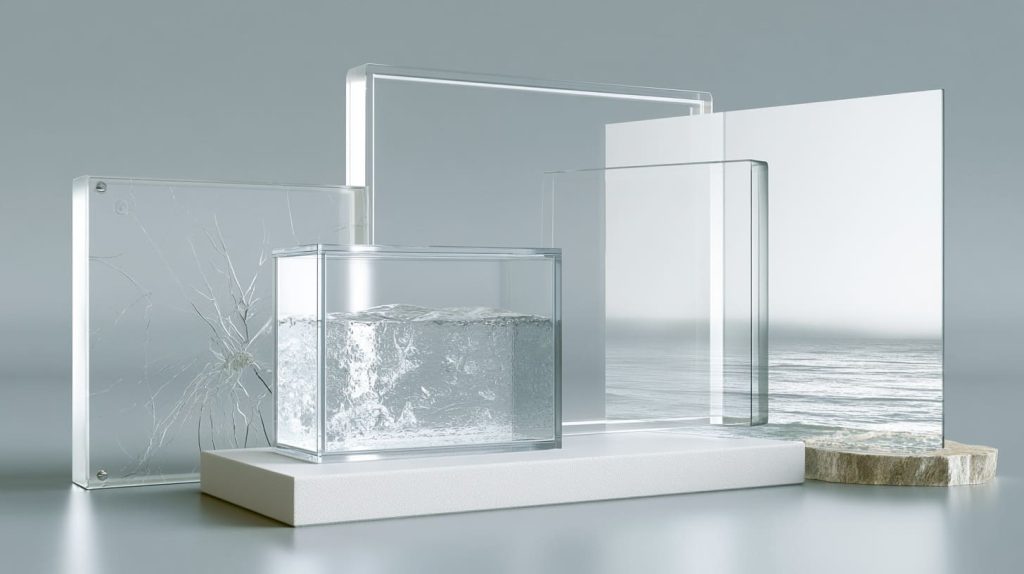
Most early acrylic failures are not dramatic.
They are small. A tiny crack near one hole. A little water sitting at the bottom. A panel that bows slightly. A printed area that fades faster than expected. A corner that opens after temperature changes.
Small problems become expensive when they happen after installation.
Mistake 1: Choosing UV Acrylic but Ignoring Screw Stress
This is one of the most common mistakes.
The buyer chooses better acrylic. The supplier confirms UV resistance. The sample looks good. Then the installed product cracks around screw holes.
The problem is not always material quality.
Often, the screw holes are too small. The screws are tightened too hard. There are no soft washers. The acrylic has no room to move.
The surface may stay clear, but the product still fails.
Here is the mistake in simple form:
| Buyer Focus | Missed Risk |
|---|---|
| UV-resistant acrylic | Tight screw holes |
| Clear surface | Point stress |
| Strong material | No movement gap |
| Low unit cost | Higher after-sales risk |
Acrylic does not like being squeezed at one point.
If screws must pass through acrylic, I prefer better hole clearance and softer contact. It is a small design detail, but it can save the whole project.
Mistake 2: Designing Like Metal or Glass
Acrylic is not metal.
It is also not glass.
Metal can take screw pressure differently. Glass has its own rules. Acrylic needs its own design thinking.
When designers copy a metal panel design, they may use tight holes, rigid frames, and sharp inside corners. That can create stress in acrylic.
Acrylic needs:
- More movement allowance
- Smoother hole edges
- Better corner radius
- Softer fixing contact
- Proper support
- Careful bonding design
This is especially important for product and mold designers.
A shape that looks simple in CAD may behave differently after production and installation. The drawing may be clean, but real materials still move.
I have learned not to trust a beautiful drawing too quickly. A good drawing should also show how stress is handled.
Mistake 3: No Drainage in Outdoor Acrylic Boxes
Outdoor acrylic boxes and covers need water thinking.
Many people focus on sealing. Sealing is important, but drainage is also important.
A design that tries to seal everything may still allow some moisture inside. If water gets in but cannot get out, the product can become dirty, foggy, or stained.
For transparent acrylic, this is very visible.
A small water line inside a clear box can make the whole product look cheap.
Common drainage mistakes include:
| Mistake | Result |
|---|---|
| Flat bottom with no drain path | Water stays inside |
| Hidden corner gaps | Dirt collects |
| No ventilation | Fogging or moisture marks |
| Poor seal near printed area | Print damage risk |
| No cleaning access | Hard maintenance |
Outdoor products should not only survive rain. They should also stay clean enough to look acceptable.
That is a different standard.
Mistake 4: Using the Same Design for Every Climate
One design does not fit every climate.
A mild indoor retail display and an outdoor coastal sign are not the same project. A display in Canada and a display in a tropical outdoor shopping area may face very different stress.
Climate can change:
- Material choice
- Thickness
- Mounting method
- Drainage design
- Printing method
- Packaging
- Installation instructions
- Maintenance plan
If a supplier uses the same design for every place, the buyer carries the risk.
This is why I like asking about the destination market. Some buyers think this question is only for shipping. It is not. It also helps design.
Practical Buying
Most early failures are not caused by one big mistake. They are caused by several small design choices working against the material.
The warning sign I look for is a drawing that looks clean but has no answer for movement, water, and fixing pressure.
That kind of drawing may be easy to quote. But it may not be safe to install.
A better approach is to review the project as a full system. That is how I would handle this kind of work at Feilong Acrylic.
How Feilong Acrylic Would Approach This Type of Project
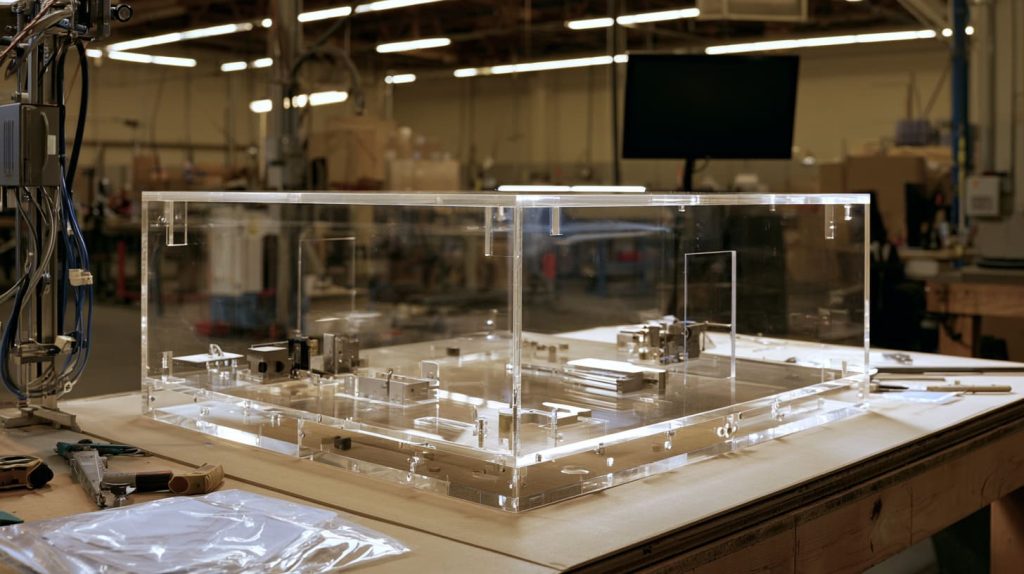
For custom acrylic projects, I do not like guessing.
Acrylic products can look simple from the outside. But behind a simple acrylic display, box, panel, or cover, there are many small choices.
At Feilong Acrylic, we focus on custom acrylic manufacturing. We are not selling a catalog item and asking every customer to accept the same design. We need to understand the product use first.
That is especially true for outdoor or sunlight-exposed products.
Review the Real Use Case First
The first thing I want to know is not only the size.
I want to know the use case.
I would ask:
- Where will the product be used?
- Is it indoor, semi-outdoor, or outdoor?
- Will it face direct sunlight?
- How long should it last?
- How will it be mounted?
- Will it carry products?
- Will people touch it often?
- Will rain or humidity reach it?
- Is appearance more important, or strength?
- Is cost the main concern?
These questions help us avoid wrong assumptions.
For example, “acrylic display box” can mean many things.
It can mean a small indoor display box for cosmetics. It can mean an outdoor donation box. It can mean a clear cover for a product sample. It can mean a wall-mounted retail case.
The words are similar. The design is not.
Recommend Material and Design Together
After we understand the use case, we can match material and design.
We may adjust:
- Acrylic grade
- Thickness
- Color
- Surface finish
- Printing method
- Edge process
- Hole design
- Joint method
- Bracket style
- Drainage or ventilation
- Packaging method
This is where custom manufacturing has value.
The right answer may not be “use the most expensive sheet.” The right answer may be “use the correct acrylic grade, then improve the fixing design.”
Here is a simple example:
| Project Situation | Better Approach |
|---|---|
| Clear display near window | Use good clarity and UV-stable acrylic |
| Outdoor sign with screws | Use UV acrylic plus oversized holes and washers |
| Outdoor acrylic cover | Add drainage, movement gap, and proper sealing |
| Large wall panel | Review support, thickness, and thermal expansion |
| Printed acrylic branding | Check UV-stable printing and sun direction |
Material and design should not fight each other. They should work together.
Use Sampling to Reduce Risk
Samples are useful because they turn a drawing into something real.
For custom acrylic products, a sample helps check:
- Size
- Fit
- Edge finish
- Hole quality
- Assembly method
- Visual look
- Packaging
- Installation details
If the product is for outdoor use, sample review becomes even more important.
The customer can test the fixing method. The installer can check whether assembly is easy. The buyer can see whether the product feels strong enough. The factory can adjust before bulk production.
This is much cheaper than fixing problems after mass production.
A sample is not only a sales step. It is a risk control step.
Practical Buying
For custom acrylic manufacturing, the safest project is not the most expensive material choice. It is the design that matches the real installation condition.
I feel much more confident when the sample has been assembled the same way the final product will be installed, because many problems only appear when the product meets screws, brackets, and human hands.
That is why I prefer early discussion.
A buyer may worry that too many questions slow down the order. But in custom acrylic work, the right questions often speed up the whole project because they reduce rework.
Now we can come back to the main question and give the final answer clearly.
Conclusion
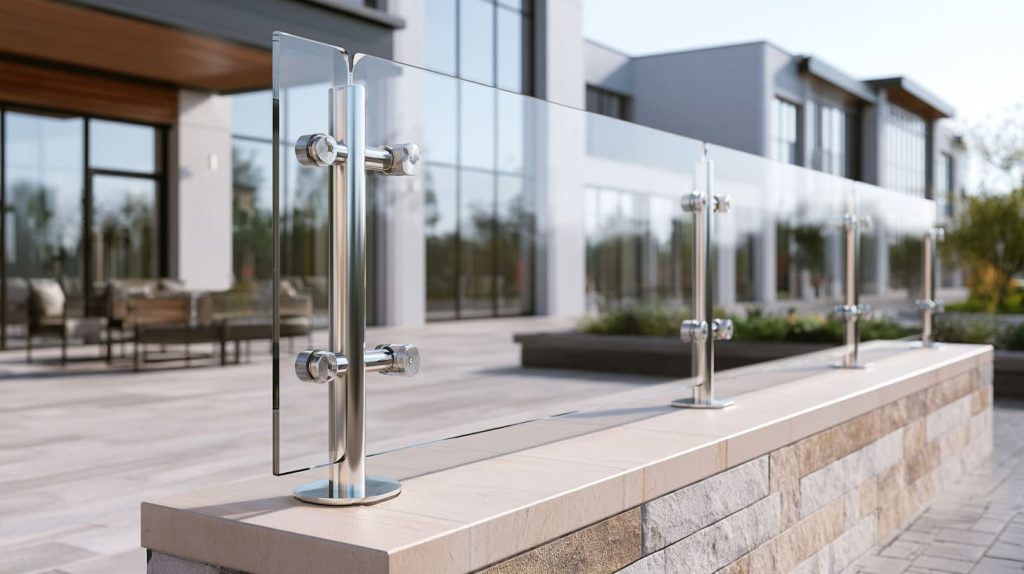
Final Answer: Which One Actually Determines Service Life?
UV resistance is essential for outdoor acrylic appearance and long-term clarity.
But installation design often determines whether the product survives real outdoor use.
Once the correct acrylic grade is selected, poor installation design is usually the bigger risk for early failure.
That is my honest view from custom acrylic manufacturing work.
I do not say this because UV resistance is unimportant. It is important. A poor acrylic material can yellow, fade, or look old too quickly. For signs, displays, covers, and premium retail fixtures, that can be a serious problem.
But I have also seen many cases where the acrylic material was not the real weak point. The weak point was the tight screw hole. The rigid frame. The missing drainage. The sharp corner. The overloaded bracket. The design that treated acrylic like metal.
Those details are not exciting, but they decide service life.
Best Decision Rule
If the failure concern is yellowing, fading, or surface aging, focus on UV resistance.
If the failure concern is cracking, warping, leaking, loosening, or breaking, focus on installation design.
For serious B2B custom acrylic projects, both should be reviewed together before production.
Here is the simple rule I use:
| Main Risk | Main Focus |
|---|---|
| Yellowing | UV-resistant acrylic |
| Fading | UV-stable color and printing |
| Haze | Material quality and cleaning method |
| Cracking | Hole design and screw pressure |
| Warping | Support and expansion clearance |
| Water marks | Drainage and ventilation |
| Loose installation | Bracket and load design |
| Short outdoor life | Material plus installation system |
The reason I think this way is simple. A durable acrylic product is not only a nice sheet. It is a working product. It must survive sunlight, temperature change, water, handling, and installation.
So I look at both sides.
I check the material because appearance matters. I check the installation because stress is silent. I check drainage because water always finds the weak point. I check the fixing method because installers do not always treat acrylic gently.
Closing Angle for the Article
A durable acrylic product is not just a UV-resistant sheet.
It is a complete system of material, thickness, structure, mounting, drainage, and real-world use conditions.
If you are planning a custom acrylic display, sign, cover, box, frame, rack, cabinet, block, organizer, or furniture part for sunlight or outdoor use, do not only ask for “UV-resistant acrylic.”
Ask how the product will be built.
Ask how it will move.
Ask where water will go.
Ask how the screws will hold it.
Ask what happens after one hot summer and one cold winter.
That is how I would review the project before production at Feilong Acrylic.
If you have a custom acrylic idea and you are not sure whether UV resistance or installation design is the bigger risk, you can send us your drawing, size, use environment, and quantity. We can help review the material choice, structure, fixing method, and sample plan before bulk production.