Skip to content
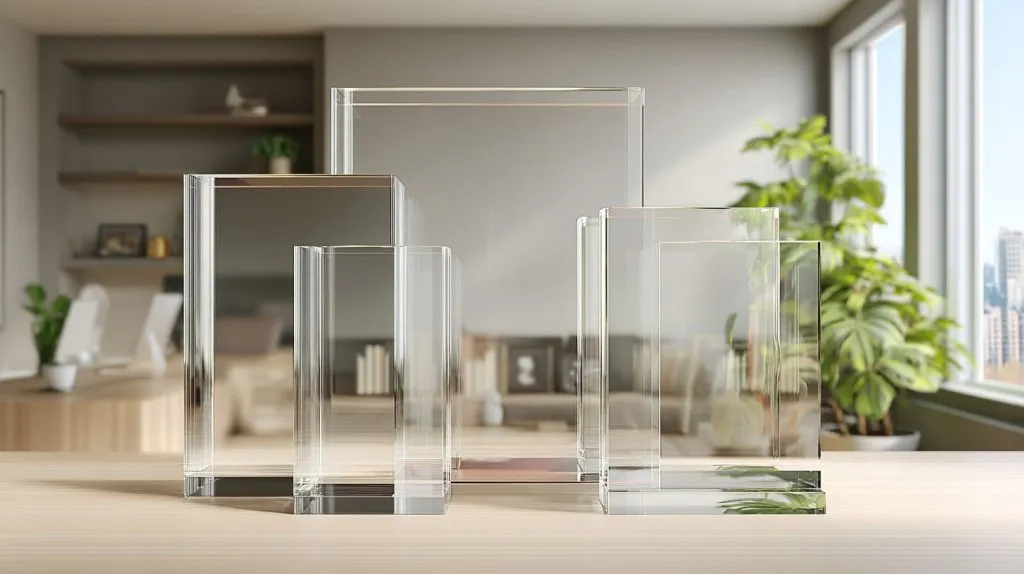
Acrylic picture frames look clean. That is the first thing most people notice.
They do not feel heavy. They do not block the picture with a thick border. They work well in modern homes, office walls, retail counters, exhibition booths, and brand display areas. I understand why many buyers like them. I also understand why many designers put them into drawings so quickly.
A clear acrylic frame can make a photo look like it is floating.
That is a nice effect.
But here is the part that often gets missed: a nice first impression does not always mean the best long-term choice.
I have worked with acrylic products for many years. At Feilong Acrylic, we make custom acrylic displays, boxes, frames, stands, racks, organizers, and many other acrylic items for B2B buyers. Many buyers come to us because they want something clear, modern, and custom-made. They often already believe acrylic is the better material.
Sometimes they are right.
Sometimes I need to slow the conversation down.
Acrylic picture frames offer excellent clarity, light weight, and better impact resistance than glass. They can be a very smart choice for retail display, office decoration, photo presentation, and bulk custom orders. But acrylic is not magic. It has weak points. It can scratch. It can collect dust. It can bend in large sizes. It may not feel as “premium” as wood or glass in some interior projects.
I usually do not ask, “Is acrylic good or bad?” I ask, “Where will this frame live, who will touch it, how long must it look perfect, and what feeling should it give the buyer?”
That one question changes the whole decision.
Because the wrong frame material does not usually fail on day one. It fails quietly. A small scratch here. A slight bend there. A customer complaint after cleaning. A product photo that looks less premium than expected.
So in this article, I want to talk honestly about when acrylic picture frames are the wrong choice.
Not because acrylic is bad.
But because a good buyer knows when not to use a good material.
What Makes Acrylic Picture Frames So Popular?

Acrylic picture frames became popular for a simple reason: they solve many practical problems at the same time.
They are clear. They are light. They are safer than glass during shipping. They look modern. They are easy to customize. For a buyer who needs 500 pieces, 2,000 pieces, or a special branded frame design, acrylic can feel like the obvious answer.
And in many cases, it is.
But I always remind myself that popularity is not the same as suitability. A product can be popular because it looks good in photos, while still being the wrong choice for a certain environment.
Exceptional optical clarity
Good acrylic has strong transparency. When the material is made well and processed cleanly, it can give a bright and clear view of the picture inside.
This is why acrylic frames are common in:
- Modern home decoration
- Office photo walls
- Retail brand displays
- Wedding photo displays
- Gift and souvenir products
- Cosmetic and lifestyle store displays
Acrylic can create a light, clean, almost invisible frame effect. This works very well when the picture itself should be the main character.
I have seen buyers choose acrylic frames for fashion product photos, perfume brand displays, and showroom wall decorations. The reason was always similar.
They wanted the frame to disappear.
They wanted the image to stand forward.
That is where acrylic can shine.
| Feature | Why buyers like it | Where it works well |
|---|---|---|
| Clear appearance | Makes the picture easy to view | Retail displays, home décor |
| Modern look | Feels simple and clean | Offices, galleries, brand walls |
| Frameless effect | Reduces visual distraction | Photo displays, product presentation |
| Custom shape options | Allows creative design | Promotional gifts, branded frames |
But clarity has one condition. The surface must stay clean and smooth. Once scratches, dust, or fingerprints appear, the beauty can drop quickly.
That is where some buyers get surprised.
Lightweight and easy to handle
Acrylic is much lighter than glass. This matters more than many people think.
A light frame is easier to ship. It is easier to install. It is safer for staff to handle. It can also reduce breakage during international transport.
For B2B buyers, this is not a small detail.
If you ship a full container of framed products or send frames to different stores, weight becomes money. Damage becomes money. Repacking becomes money. Complaints become money.
I once discussed a frame project with a buyer who wanted clear display frames for a chain store promotion. At first, he compared only unit price. But when we talked about shipping, handling, and store installation, the lighter acrylic option started to make more sense.
The product itself was not the whole cost.
The journey was part of the cost too.
Better impact resistance than glass
Acrylic does not shatter like glass. This is a major advantage.
In busy areas, this can be very important. Think about:
- Schools
- Retail stores
- Trade shows
- Hotel lobbies
- Children’s rooms
- Temporary exhibitions
- Pop-up shops
Glass can break into sharp pieces. Acrylic is not unbreakable, but it is usually safer when dropped or hit.
This is why acrylic is often chosen for public areas or projects where staff must move frames often.
| Project situation | Acrylic advantage |
|---|---|
| Frequent shipping | Lower breakage risk |
| Store installation | Easier and safer handling |
| Public area display | Lower safety risk than broken glass |
| Trade show setup | Faster installation and packing |
| Bulk custom order | Better control over transport damage |
For many commercial projects, this safety advantage alone can justify acrylic.
Acrylic wins many projects because it is practical, not because it is perfect. Once the project moves from the showroom photo to daily use, the real test begins.
Why Can Acrylic Frames Become Problematic Over Time?
Acrylic picture frames can look beautiful when they are new.
That “new” stage can make everyone happy. The buyer is happy. The designer is happy. The customer is happy.
Then daily life starts.
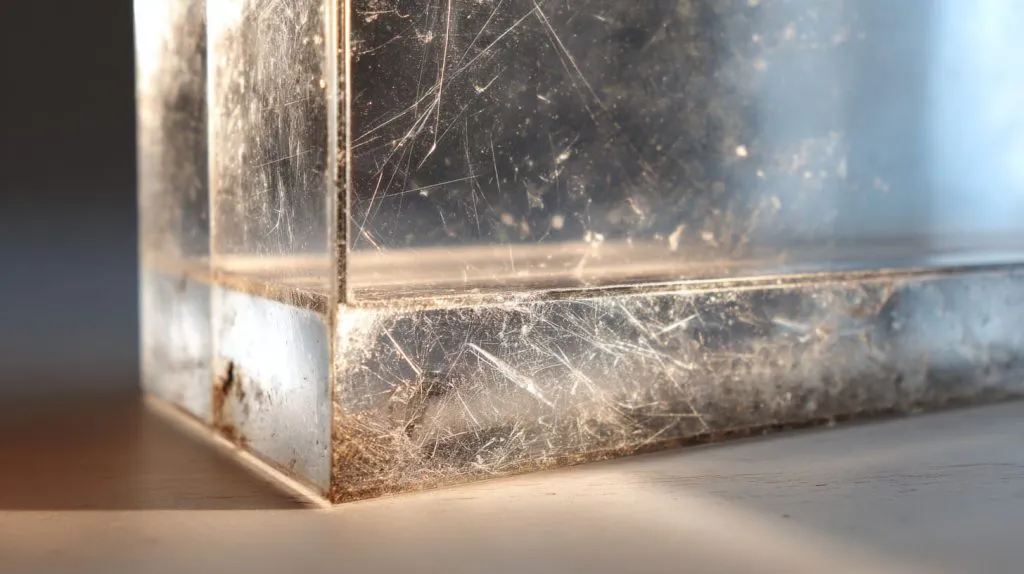
Someone wipes the frame with a rough cloth. Dust sits on the surface. A staff member stacks several frames together during storage. A customer touches the front panel with keys in hand. Slowly, small marks appear.
This is where acrylic needs honest discussion.
The issue is not that acrylic cannot last. It can. The issue is that acrylic asks for better care than many people expect.
A small detail I always check is who will clean the frame, because the person who maintains the product often decides how long it keeps its beauty.
Acrylic scratches more easily than glass
Acrylic is more scratch-sensitive than glass. This is one of the most important reasons acrylic picture frames can become the wrong choice.
A buyer may say, “The frame will not be touched often.”
That may be true in a private home.
But in a retail store? Maybe not.
Customers touch things. Staff clean fast. Products are moved. Displays are changed. Frames are packed, unpacked, and stacked.
Fine scratches may not look serious at first. But they can build up.
And once acrylic loses that clean surface, the frame can start looking tired.
| Cause of scratches | Common real-world example |
|---|---|
| Rough cleaning cloth | Staff wipe dust quickly during store closing |
| Paper towel | Someone cleans fingerprints without thinking |
| Stacking frames | Acrylic faces rub against each other |
| Dust and sand | Outdoor or semi-outdoor environments |
| Poor packaging | Frames move inside cartons during transport |
This is why good packaging matters for acrylic frames. Protective film, foam, and careful separation are not decoration. They are insurance.
Surface damage affects appearance
Acrylic picture frames depend heavily on surface quality.
With a wooden frame, small marks may feel natural. With a metal frame, small wear may be less visible. But with clear acrylic, the surface is part of the design.
The material is transparent, so damage becomes easier to notice.
Fine scratches can create a cloudy look. Fingerprints can stand out. Dust can gather near edges or around magnets. Under strong lighting, small defects can suddenly become very visible.
This matters a lot for premium images.
For example, if a buyer wants to display:
- Limited-edition photography
- Luxury wedding photos
- High-end brand posters
- Collector prints
- Museum-style reproductions
Then the frame should not distract the viewer.
Acrylic can work, but only if the buyer accepts the maintenance needs.
Polishing is not always practical
Some people think scratches can always be polished out.
In theory, light scratches on acrylic can often be improved.
In real business, the answer is not so simple.
Polishing takes time. It needs skill. It may create uneven areas if done poorly. On a large clear surface, polishing one area can make another area look different. For finished products with magnets, screws, printed logos, or bonded parts, repair can become even harder.
| Damage type | Can it be improved? | Practical concern |
|---|---|---|
| Light hairline scratches | Often yes | Needs correct polishing method |
| Deep scratches | Sometimes limited | May still remain visible |
| Large cloudy areas | Difficult | Labor cost may be high |
| Edge damage | Depends on design | May need reprocessing |
| Cracks | Usually no | Replacement is often better |
This is why I prefer prevention over repair.
Good material, correct thickness, protective film, proper packaging, and clear cleaning instructions can reduce problems. But if the frame will be handled roughly every day, I would not pretend acrylic is risk-free.
Acrylic rewards careful users. It punishes careless handling. And that is exactly why the next material, glass, still has its place.
When Is Glass a Better Choice Than Acrylic?
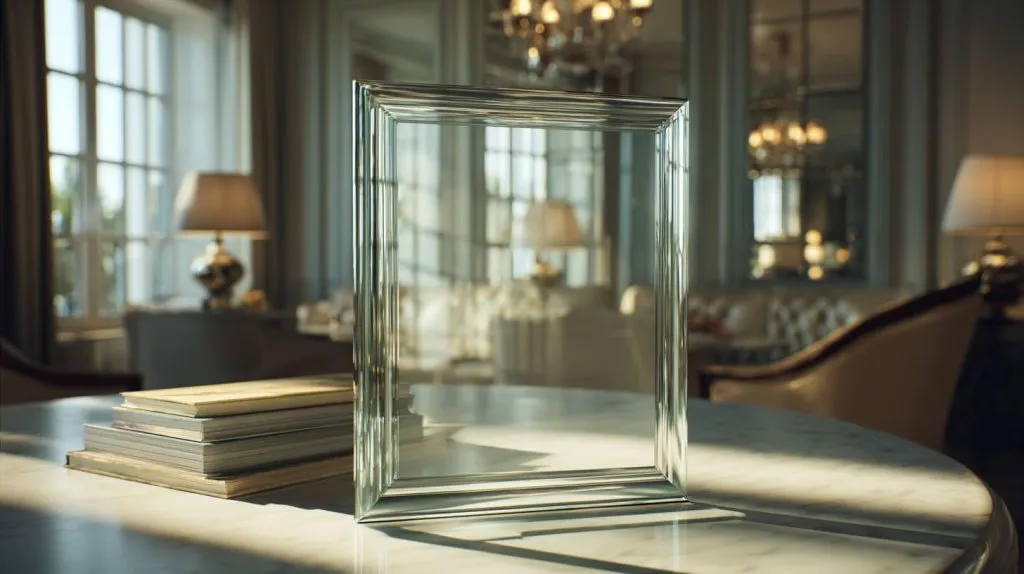
Glass feels old-school to some people. But old-school does not mean outdated.
In some situations, glass is still the better choice. It has better scratch resistance. It feels solid. It can give artwork a more traditional and premium feeling. For a fixed indoor display, glass may keep its surface beauty longer than acrylic.
This is where I see many buyers make a mistake. They compare acrylic and glass as if one material must defeat the other.
That is not how real projects work.
The better material depends on the job.
For high-value artwork, I care less about what looks trendy and more about what protects the viewing experience for many years.
Museum-quality artwork displays
For museum-quality artwork or valuable prints, scratch resistance becomes very important.
Acrylic is safer against breakage, but glass is usually harder on the surface. If the frame will stay in one place and receive careful handling, glass can be a smart option.
Museums, galleries, and collectors often care about:
- Long-term visual quality
- Color accuracy
- Reflection control
- Surface durability
- Conservation standards
- Stable display conditions
Acrylic can be used in some conservation framing, especially with special grades. But standard acrylic picture frames may not meet the needs of high-value artwork.
| Requirement | Acrylic frame | Glass frame |
|---|---|---|
| Lightweight | Strong advantage | Heavier |
| Impact safety | Strong advantage | Breakage risk |
| Scratch resistance | Weaker | Stronger |
| Premium traditional feel | Depends on design | Often stronger |
| Long-term static display | Good with care | Often very good |
If the display is valuable and static, glass deserves serious attention.
Luxury interior environments
Some luxury interiors need weight.
That may sound strange, but buyers understand it when they touch the product.
A heavy glass frame can feel more expensive. A wooden frame can feel warmer. A metal frame can feel stronger. Acrylic can look modern, but it may not always create the emotional feeling that a luxury buyer wants.
For example, in a luxury hotel suite, a high-end private office, or a classic villa interior, a clear acrylic frame may feel too light or too modern.
Not bad.
Just not aligned.
Design is not only about function. It is also about feeling.
Low-risk installation locations
Glass is more fragile during shipping and installation. But after it is safely installed in a low-risk location, that weakness may matter less.
A framed picture in a quiet office corridor may not need acrylic’s impact resistance. A photo in a private study may not need shatter resistance. A wall art piece in a room with controlled cleaning may perform very well with glass.
So the buyer needs to ask:
- Will people touch it often?
- Will it be moved often?
- Is safety a major concern?
- Is scratch resistance more important than impact resistance?
- Is the display temporary or permanent?
Here is a simple way I think about it.
| If the main risk is... | I usually consider... |
|---|---|
| Breaking during shipping | Acrylic |
| Scratching during long display | Glass |
| Heavy public handling | Acrylic |
| Premium fixed wall art | Glass or wood |
| Lightweight installation | Acrylic |
| Classic interior feeling | Glass or wood |
Glass is not the enemy of acrylic. It is a different tool. And a good project does not reward loyalty to one material. It rewards clear thinking.
But glass is mostly an indoor answer. Once the frame goes outdoors, the problem changes again.
Why Might Acrylic Frames Be a Poor Choice for Outdoor Use?

Outdoor use sounds simple until the product actually meets weather.
Sunlight does not care about your design rendering. Dust does not care about your quotation sheet. Rain, heat, cleaning chemicals, sand, and temperature changes all test the material in quiet ways.
Acrylic can be used outdoors in some projects. But a standard acrylic picture frame is often not the best choice for long-term outdoor display.
The real risk outdoors is not one big failure. It is slow aging that makes the frame look less clean month by month.
UV exposure can cause aging
Acrylic has better weather resistance than many common plastics, but quality matters a lot.
Low-quality acrylic can yellow faster. Poor processing can create stress marks. Outdoor sunlight can slowly change the appearance of the material. If the acrylic frame holds a picture, the image inside may also need UV protection.
For short-term promotional displays, acrylic may be fine.
For permanent outdoor picture framing, I become more careful.
| Outdoor condition | Possible effect on acrylic frames |
|---|---|
| Strong sunlight | Aging, yellowing risk over time |
| High heat | Expansion, slight shape change |
| UV exposure | Picture fading if not protected |
| Rain and moisture | Edge and fastener issues |
| Dust and sand | More surface scratches during cleaning |
Acrylic is not weak. But outdoor use needs better material selection and better design.
Weather conditions accelerate wear
Outdoor frames get dirty faster.
That means they get cleaned more often.
And more cleaning means more chances for scratches.
Dust can act like fine sandpaper. A dry cloth can drag particles across the surface. If the frame is near a road, beach, construction area, or open storefront, the problem becomes worse.
I have seen this with many clear acrylic products, not only frames. The buyer expects transparency. The environment gives dust. The staff cleans quickly. The surface slowly loses its clean look.
This is not a factory defect.
It is a use-condition mismatch.
Alternative materials may last longer
For outdoor display, other materials may fit better.
Metal-framed systems can handle structure better. Glass may resist scratches better in certain covered areas. Specialized signage materials can be better for permanent outdoor information boards.
Acrylic can still be part of the solution, but I would not automatically use a simple acrylic picture frame for a harsh outdoor setting.
| Outdoor project type | Better option to consider |
|---|---|
| Permanent outdoor poster display | Metal frame with protective front |
| Harsh sun exposure | UV-resistant material system |
| Public notice board | Lockable metal/glass system |
| Short-term promotion | Acrylic may work |
| Covered semi-outdoor display | Acrylic may work with care |
This is why I ask about the environment before giving a material suggestion.
If the buyer only says “outdoor,” I do not treat that as enough information. Outdoor in a covered mall entrance is not the same as outdoor near the sea.
Weather reveals weak decisions. And when the displayed item has emotional or collector value, the next problem becomes even more personal.
Are Acrylic Frames Suitable for High-End Collectibles?
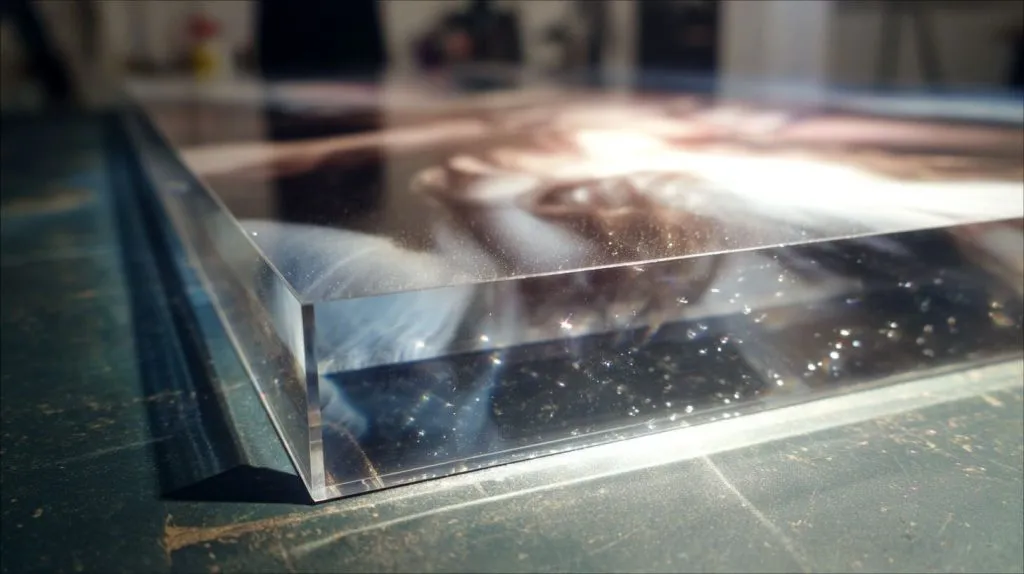
High-end collectibles are different from normal pictures.
A family photo, a retail poster, and a signed limited-edition print do not carry the same risk. If a normal photo frame gets scratched, it is annoying. If a collectible frame damages the viewing experience, the owner may feel real pain.
That is why I become careful with collectible display projects.
Acrylic frames can be suitable for some collectibles. They are clear, light, and safer than glass. But for high-end collectibles, the buyer must think about reflection, dust, static, surface contact, and conservation needs.
For valuable items, I do not only think about how the frame looks today; I think about what the owner will complain about after six months of staring at it under real lighting.
Reflection can affect viewing experience
Acrylic can reflect light. Glass can also reflect light, of course. But the reflection issue depends on the material grade, lighting angle, and display setting.
For high-end collectibles, glare can ruin the viewing experience.
Imagine a signed sports photo on a wall. The owner turns on a ceiling light. Suddenly the signature is hidden behind glare. The frame is technically clear, but the viewing experience is poor.
That is not a small problem.
The frame should protect and present. It should not fight with the item inside.
| Display situation | Risk |
|---|---|
| Strong ceiling light | Glare across the picture |
| Store spotlight | Reflection distracts customers |
| Window-side display | Sun reflection and heat |
| Gallery wall | Uneven viewing angles |
| Dark glossy artwork | Reflections become stronger |
For valuable displays, lighting should be part of the frame decision.
Static electricity attracts dust
Acrylic can attract dust because of static electricity.
This is a small detail, but it can become very annoying.
A frame may look clean after installation. Two days later, dust gathers on the surface. The owner wipes it. The wiping creates more static or scratches if done poorly. Then the frame needs more cleaning.
Acrylic is beautiful, but dust can make it feel needy.
For standard retail displays, this may be acceptable. Staff already clean displays. For a collector who wants a low-maintenance display, this may become frustrating.
Conservation requirements vary
High-end collectibles may need special framing systems.
Some items should not touch the front panel. Some need acid-free backing. Some need UV protection. Some need stable humidity. Some need professional conservation materials.
A standard acrylic picture frame may not be enough.
This is especially true for:
- Signed photos
- Limited-edition prints
- Sports cards
- Vintage posters
- Historical documents
- Artwork with high resale value
| Collectible type | Key concern |
|---|---|
| Signed photo | Signature fading or surface contact |
| Vintage poster | UV, moisture, paper aging |
| Sports card | Pressure, dust, humidity |
| Art print | Color stability and glare |
| Historical document | Conservation-grade materials |
Acrylic may be used in some professional display systems. But the design must match the value of the item.
A cheap frame around an expensive collectible feels like putting a nice watch in a plastic lunch box. It may hold it, but it does not respect it.
And when the item becomes larger, acrylic brings another challenge that many buyers do not see on a small sample.
What Challenges Do Large Acrylic Picture Frames Create?
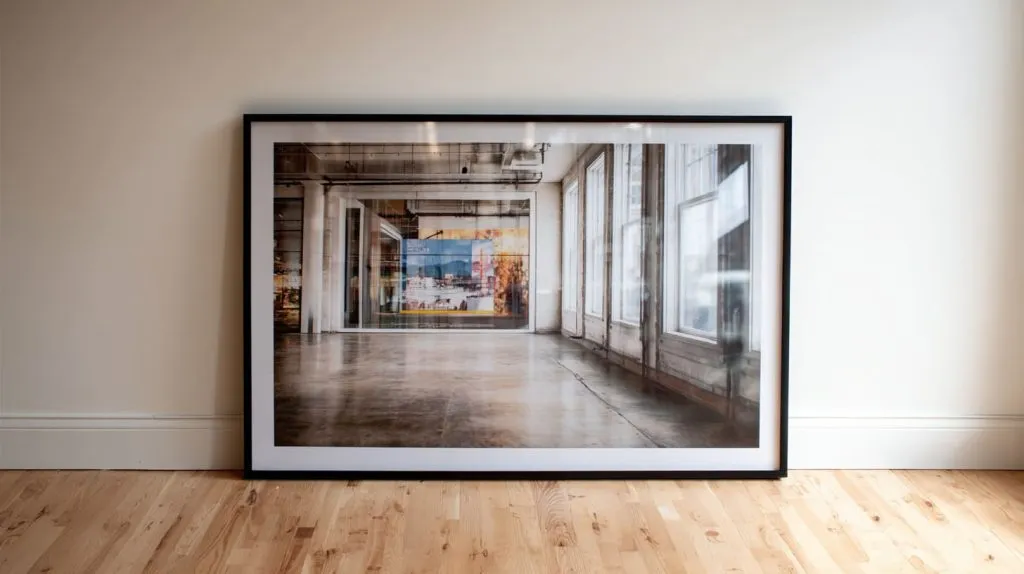
Small acrylic frames are easy to like.
They are neat. They are light. They sit well on desks and shelves. They ship easily.
Large acrylic frames are a different story.
The material still looks clear, but the structure becomes more important. Size changes everything. A thin acrylic panel that works well at A5 or A4 size may bend at larger sizes. A magnet system that feels strong on a small frame may feel weak on a large one. A light product can become unstable if the base or hanging method is not designed well.
This is why I never judge a large acrylic frame by a small sample only.
The size of the frame often decides the thickness, structure, packaging, and final cost more than the buyer expects.
Increased flexibility with larger sizes
Acrylic has some flexibility. That can be useful in some products. But in large picture frames, too much flexibility can create bowing or bending.
When the frame bows, several problems appear:
- The picture may not sit flat
- Reflections may look uneven
- Magnets may not close well
- The frame may feel cheap
- The wall display may look slightly warped
This can happen when the acrylic is too thin for the frame size.
A buyer may want to reduce cost by choosing thinner material. I understand that. But if the frame looks poor after installation, the cheaper material becomes expensive.
| Frame size | Common risk if too thin |
|---|---|
| Small desk frame | Usually low risk |
| A4 wall frame | Moderate risk depending on design |
| Large poster frame | Bowing risk increases |
| Oversized display frame | Needs careful structure |
| Long horizontal frame | Higher bending risk |
Large frames need more engineering thinking.
Not complicated engineering. Just honest engineering.
Thickness requirements increase
As frame size increases, acrylic thickness often needs to increase too.
This affects cost, weight, packaging, and production.
A buyer may ask, “Can we use 2 mm acrylic?”
Maybe for a small size.
But for a large wall frame, 2 mm may feel too flexible. 3 mm, 4 mm, 5 mm, or more may be needed depending on size and structure.
The correct thickness depends on:
- Overall size
- Frame style
- Mounting method
- Whether magnets are used
- Whether the frame is wall-mounted
- Whether the frame is freestanding
- Shipping method
- Expected product life
| Design goal | Possible thickness concern |
|---|---|
| Lowest cost | May increase bending risk |
| Premium feel | Usually needs thicker acrylic |
| Lightweight shipping | Needs balance with strength |
| Large wall display | Needs stiffness |
| Reusable frame | Needs better durability |
This is one reason custom acrylic work needs communication.
Acrylic is not only a sheet. It is a product system.
Cost advantages may decrease
Acrylic often looks cost-effective for small and medium frames. But for large frames, the cost advantage may shrink.
Thicker acrylic costs more. Larger panels need better packing. Shipping volume increases. Damage risk during transport increases. Handling becomes harder.
At some point, glass, wood, metal, or a mixed-material frame may become more logical.
| Cost factor | Why it changes with size |
|---|---|
| Material | Thicker acrylic may be required |
| Cutting and polishing | Larger panels need more care |
| Packaging | Needs stronger protection |
| Shipping | Larger volume and weight |
| QC | Surface defects become more visible |
I do not like giving buyers the cheapest answer if the product will disappoint their customer. Saving a little on thickness can destroy the whole frame feeling.
Large acrylic frames can work well. But they must be designed as large frames, not stretched versions of small frames.
And sometimes, the decision is not only about structure or cost. It is also about what the end customer believes about plastic.
Why Can Acrylic Frames Be Less Sustainable in Certain Projects?
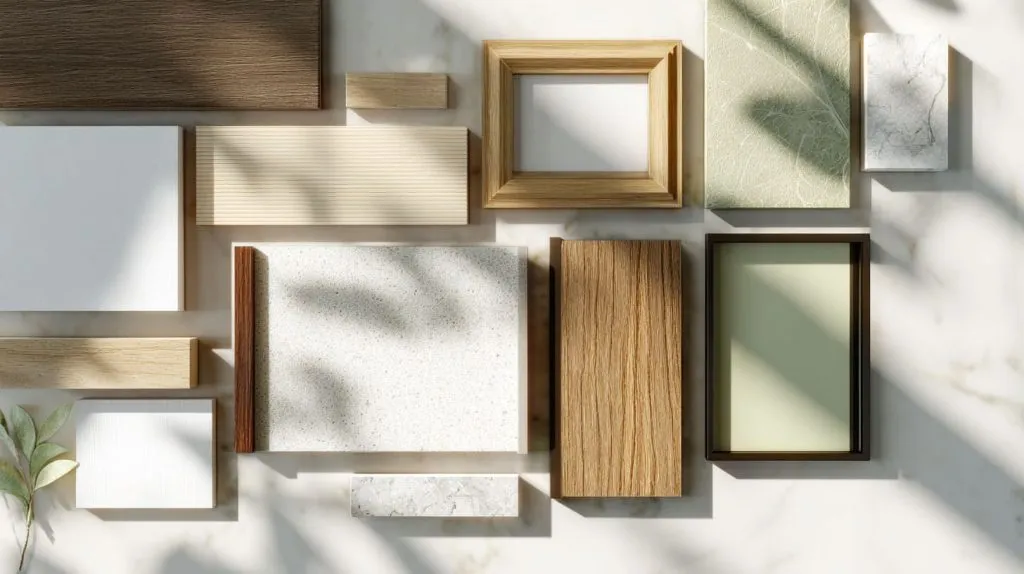
Sustainability is not just a slogan now.
Many buyers, especially in Europe and North America, care about material perception. Some customers want natural materials. Some brands want recyclable materials. Some projects need to match green building ideas or eco-friendly packaging standards.
Acrylic can be durable. A long-lasting product can be part of a responsible design. But acrylic is still a plastic-based material. For some projects, that becomes a problem.
The question is not only, “Can acrylic be used?”
The better question is, “Will the end customer feel good about acrylic in this product?”
A practical buyer should consider not only material performance, but also how the final customer will judge the material with their eyes and hands.
Plastic-based material concerns
Acrylic is a type of plastic. It is clearer and more premium-looking than many plastics, but it is still plastic.
Some customers may not care.
Some customers may care a lot.
For example, a modern tech brand may like acrylic because it looks clean and futuristic. A handmade art brand may reject acrylic because it feels too industrial. A natural lifestyle brand may prefer wood because it matches the brand story better.
| Brand type | Acrylic perception |
|---|---|
| Tech brand | Modern and clean |
| Cosmetic brand | Clear and display-friendly |
| Handmade craft brand | May feel too artificial |
| Luxury classic brand | May feel too light |
| Eco-focused brand | May raise questions |
This does not mean acrylic is wrong for all eco-conscious projects. It means the buyer must understand the brand message.
End-user perception matters
Many B2B buyers focus on specs.
Size. Thickness. Color. Logo. Packing. Price.
Those things matter.
But the end user often reacts in a more emotional way.
They touch the frame. They look at the weight. They notice the sound when it is placed on a table. They decide if it feels cheap or premium. Sometimes they decide in two seconds.
Acrylic can feel premium when designed well. Polished edges, correct thickness, clean bonding, and good packaging all help. But if the design is too thin or too simple, some users may think, “This is just plastic.”
That is not a small risk for gift products or luxury décor.
Alternative materials may align better with brand values
Wood, metal, glass, or recycled materials may tell a stronger story in certain projects.
Wood feels warm. Metal feels durable. Glass feels classic. Recycled paper or board can feel eco-friendly. Acrylic feels clear and modern.
Each material has a personality.
| Material | Emotional message |
|---|---|
| Acrylic | Clear, modern, light |
| Glass | Classic, clean, premium |
| Wood | Warm, natural, handmade |
| Metal | Strong, industrial, durable |
| Recycled board | Simple, eco-focused |
If a buyer’s brand story depends on warmth or natural feeling, wood may be better. If the brand wants a sharp modern look, acrylic may be better.
The material should support the story, not fight it.
I have learned that buyers sometimes choose acrylic because it is easy to customize. But the easiest material is not always the most honest material for the brand.
That brings us to wood, because wood wins in places where acrylic cannot easily compete: emotion.
When Are Wooden Picture Frames the Better Option?
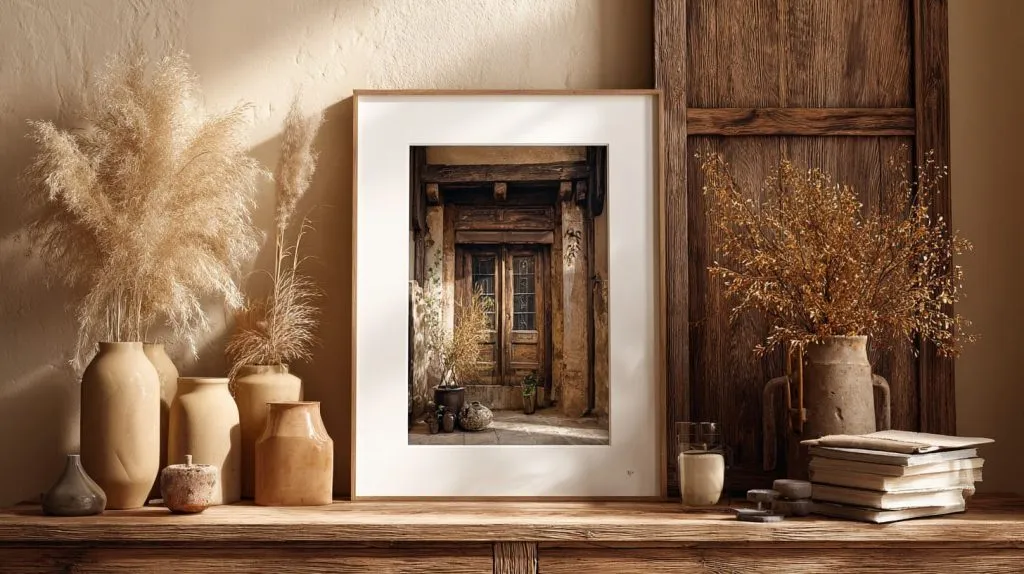
Wooden picture frames have something acrylic does not have.
Warmth.
Acrylic looks clean. Wood feels human.
That difference matters in many projects. A wooden frame can make a photo feel like part of a home. It can make artwork feel more classic. It can add texture, color, and softness to a room.
Acrylic often removes the frame from the visual story. Wood becomes part of the story.
For buyers, this is not only a design choice. It is a market choice.
When the product needs emotional warmth more than visual lightness, I would not force acrylic into the design.
Traditional and classic interior design
Some interiors do not want a modern clear frame.
They want something familiar. Something with grain. Something that matches furniture, floors, shelves, or wall panels.
Wooden frames often work better in:
- Classic homes
- Family photo walls
- Hotels with warm interiors
- Restaurants and cafés
- Art studios
- Gift shops
- Handmade product stores
A clear acrylic frame may look too cold in these spaces.
It may be technically clean, but emotionally wrong.
| Interior style | Better frame feeling |
|---|---|
| Modern office | Acrylic or metal |
| Warm family home | Wood |
| Luxury classic room | Wood or glass |
| Minimal retail store | Acrylic |
| Rustic café | Wood |
| Industrial showroom | Metal or acrylic |
The room decides more than the catalog.
Premium handcrafted products
Wood can show craftsmanship in a way acrylic usually cannot.
A carved edge, stained finish, natural grain, or handmade corner joint can create a special feeling. Buyers may pay more because the frame feels touched by a person.
Acrylic can be beautifully made too. A polished acrylic frame can look very clean. But it does not carry the same handcrafted emotion.
For some gift markets, that matters.
A wedding photo in a wooden frame feels different from the same photo in a clear acrylic frame. One feels warm and home-like. The other feels modern and clean.
Neither is wrong.
But they serve different emotions.
Luxury gift and décor markets
Luxury is not always about shine.
Sometimes luxury means weight. Sometimes it means silence. Sometimes it means texture. Sometimes it means the product feels like it belongs in a room for ten years.
Wooden frames can work better for luxury gifts because they feel more personal.
Acrylic can feel premium too, especially with thick clear blocks, polished edges, embedded photos, or magnetic designs. But for classic décor and emotional gifts, wood may win.
| Buyer priority | Acrylic frame | Wooden frame |
|---|---|---|
| Modern clarity | Strong | Moderate |
| Warm feeling | Moderate | Strong |
| Natural texture | Weak | Strong |
| Lightweight shipping | Strong | Moderate |
| Luxury classic style | Depends | Strong |
| Custom logo display | Strong | Strong |
I sometimes tell buyers that acrylic is like a clean white shirt. Wood is like a good wool coat. Both can be beautiful. But you do not wear them to the same dinner.
And if wood brings warmth, metal brings another value: structure.
How Do Acrylic Frames Compare with Metal Frames?
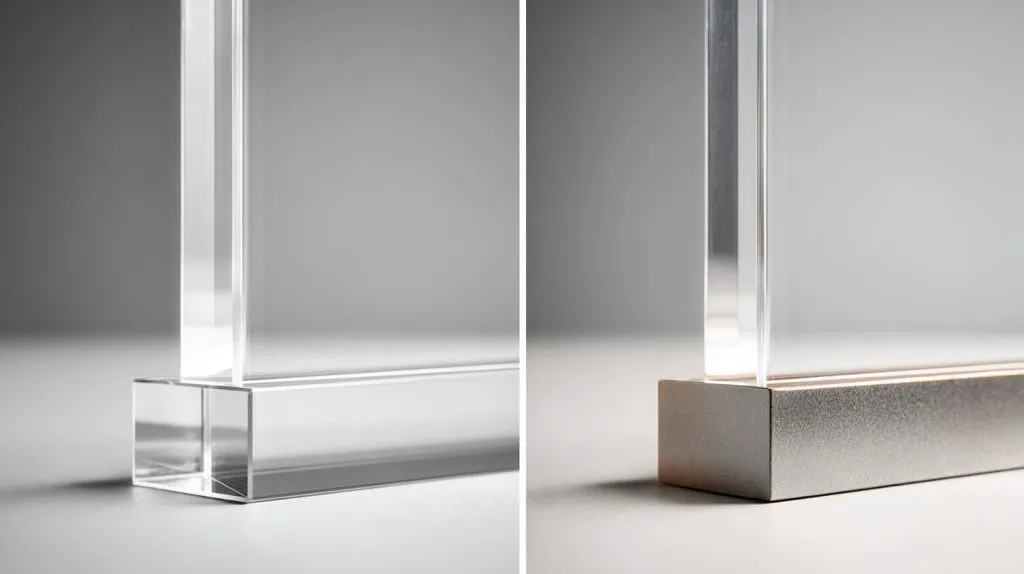
Metal frames feel different from acrylic frames.
They are stronger in structure. They can look industrial, slim, and long-lasting. They can work well in public environments, outdoor systems, commercial signage, and places where the frame must survive more than gentle decoration.
Acrylic frames focus on clarity and lightness.
Metal frames focus on strength and edge protection.
That difference matters.
When a frame will be touched, moved, cleaned, or exposed to hard use, I start thinking less about beauty and more about what will still look acceptable after repeated handling.
Modern aesthetics versus structural strength
Acrylic and metal can both look modern, but they do it in different ways.
Acrylic gives a clear, floating feeling.
Metal gives a strong, finished edge.
For small desk frames, acrylic may look lighter and cleaner. For large wall frames or commercial boards, metal may give better support.
| Design need | Acrylic frame | Metal frame |
|---|---|---|
| Floating look | Strong | Weak |
| Slim strong edge | Moderate | Strong |
| Large size support | Needs thickness/design | Stronger |
| Public installation | Good with care | Often better |
| Premium industrial look | Moderate | Strong |
Metal can also protect edges better. This is important because acrylic edges can chip or show damage if the product is hit or dropped.
Durability in commercial installations
Commercial spaces are rougher than homes.
Staff move things fast. Customers touch things. Cleaning teams may not follow perfect instructions. Displays may be changed every season.
In this kind of environment, metal can be a better long-term choice.
Acrylic may still be used as the front panel or display surface, but a metal frame can protect the structure.
For example:
- Menu displays
- Public signs
- Direction boards
- Large wall graphics
- Store poster frames
- Outdoor information boards
These products may benefit from metal structures with acrylic or glass inserts.
The best solution may not be one material. It may be a mix.
Long-term maintenance considerations
Acrylic needs gentle cleaning. Metal needs surface finish control. Glass needs careful handling. Wood needs moisture care.
Every material has a maintenance cost.
The question is which maintenance problem the buyer can accept.
| Material | Main maintenance concern |
|---|---|
| Acrylic | Scratches, dust, static |
| Glass | Breakage, weight |
| Wood | Moisture, dents, finish aging |
| Metal | Dents, coating scratches, corrosion risk |
| Mixed material | More parts, more assembly control |
For heavy commercial use, metal can reduce some acrylic problems. But metal can also increase weight and cost.
This is why material comparison should not be a beauty contest. It should be a risk map.
And before any buyer places an order, there are a few questions I want them to ask.
What Questions Should Buyers Ask Before Choosing Acrylic Frames?

Acrylic picture frames are not hard to buy.
But they are easy to buy wrong.
The wrong choice often starts with a simple message: “Please quote acrylic frame, size 8x10 inch, clear, logo printed.”
That sounds clear. But it is not enough.
A good supplier needs to understand the use. A good buyer should also ask the right questions before choosing the material.
My first concern is never only the drawing; I want to know the daily use scene, because the product will live there, not inside the PDF file.
Where will the frame be used?
This is the first question.
Indoor or outdoor?
Home or store?
Desk or wall?
Private room or public area?
Acrylic may be excellent for indoor retail counters. It may be less ideal for outdoor wall displays. It may be perfect for a modern office photo wall. It may be wrong for a classic hotel room.
| Use location | Acrylic suitability |
|---|---|
| Indoor home | Good if handled gently |
| Retail counter | Good, but needs cleaning care |
| Trade show | Very good due to light weight |
| Outdoor area | Needs caution |
| Museum display | Depends on conservation needs |
| Luxury interior | Depends on desired feeling |
A buyer should not choose acrylic only because it is clear. The location matters.
How important is scratch resistance?
If scratch resistance is the top priority, acrylic may not be the best choice.
The buyer should think about:
- Will customers touch the frame?
- Will staff clean it every day?
- Will the frame be moved often?
- Will it be stacked in storage?
- Will dust or sand be present?
If the answer is yes, the buyer should be careful.
Acrylic can still work, but the design and instructions need to match the risk.
What is the expected lifespan?
Some frames are for short-term promotion. Some are for long-term decoration.
That difference matters.
Acrylic works very well for temporary displays, trade shows, seasonal promotions, and lightweight branded frames. If the product only needs to look excellent for a short campaign, acrylic may be a smart choice.
For a frame that must stay perfect for years, the buyer needs to think more carefully.
| Expected life | Material thinking |
|---|---|
| 1–3 months | Acrylic often works well |
| 6–12 months | Acrylic works with care |
| 1–3 years | Check cleaning and environment |
| 5+ years | Compare glass, wood, metal |
| Permanent display | Use professional material planning |
A long product life does not mean acrylic is wrong. It means the design must be stronger.
What appearance is desired?
Acrylic has a clear personality.
It is modern, clean, and light.
But not every project needs that feeling.
Some projects need:
- Warmth
- Tradition
- Weight
- Luxury
- Industrial strength
- Handmade texture
- Natural material feeling
Acrylic may not deliver those feelings as well as wood, glass, or metal.
This is why I ask buyers to describe the final feeling they want.
Not just the size.
Not just the thickness.
The feeling.
Because the customer does not only see a frame. They feel whether the frame matches the picture, room, brand, and price.
Once these questions are clear, the answer becomes easier. And in many cases, acrylic still comes back as the right choice.
Are Acrylic Picture Frames Still the Right Choice for Most Applications?
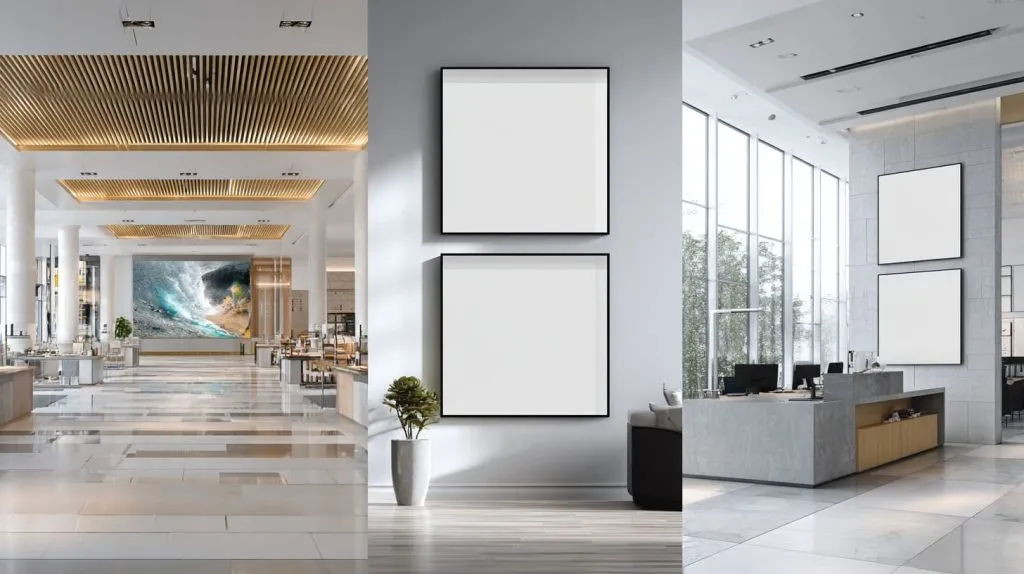
After pointing out so many problems, it may sound like I do not like acrylic picture frames.
That is not true.
I like acrylic when it is used for the right reason.
Acrylic frames are still one of the most useful solutions for modern display projects. They are easy to customize. They are clear. They are light. They are safe during shipping. They can fit many commercial and personal uses.
The key is simple: do not use acrylic because it is trendy. Use it because the project truly benefits from its strengths.
For most commercial buyers, I see acrylic as a strong option when clarity, light weight, and custom design matter more than long-term scratch resistance.
Situations where acrylic excels
Acrylic picture frames work very well in many real projects.
They are especially useful when the buyer needs:
- Clean modern style
- Bulk custom production
- Logo printing
- Lightweight shipping
- Safer handling
- Fast installation
- Clear display effect
- Flexible size options
Good use cases include:
| Application | Why acrylic works well |
|---|---|
| Retail displays | Clear, light, easy to brand |
| Corporate offices | Modern and clean appearance |
| Trade shows | Easy to transport and install |
| Gift photo frames | Custom shapes and packaging |
| Cosmetic counters | Matches clear display style |
| Brand promotion | Logo and color options |
| Lightweight wall displays | Easier installation |
For Feilong Acrylic, many custom frame-related projects come from buyers who need more than a standard frame. They need size changes, logo printing, special structure, magnet design, packaging, or bulk supply.
That is where acrylic is useful.
Situations where alternative materials may outperform acrylic
Acrylic is not always the winner.
Other materials may be better for:
- Museum-grade displays
- High-value collectibles
- Outdoor permanent frames
- Luxury classic interiors
- Heavy-use public installations
- Eco-focused product lines
- Large frames needing rigid structure
| Project need | Material to compare |
|---|---|
| Maximum scratch resistance | Glass |
| Warm traditional style | Wood |
| Outdoor structure | Metal |
| Conservation display | Professional framing system |
| Luxury gift feel | Wood or glass |
| Large public display | Metal + acrylic/glass |
This does not make acrylic bad.
It makes the buyer smarter.
Balanced buying decision
The best decision is rarely emotional.
It should be practical.
Acrylic has clear strengths. It also has clear limits. A good buyer should match the material to the use case, instead of following a simple rule like “acrylic is better than glass” or “glass is always more premium.”
That kind of thinking is too flat.
Real projects have details.
Acrylic picture frames are often the right choice when:
- The frame needs to be light
- The design needs to be modern
- The product needs custom size or branding
- The display is indoors
- The frame may be shipped in bulk
- Breakage risk matters
- The buyer accepts proper cleaning care
Acrylic picture frames may be the wrong choice when:
- The surface must resist scratches for many years
- The frame will be cleaned roughly
- The display is outdoors for a long time
- The artwork is extremely valuable
- The customer wants a classic luxury feel
- The frame is very large and thin
- The brand prefers natural materials
That is the balance.
Acrylic is not a universal answer. But when it fits, it fits beautifully.
And that is why I still believe acrylic deserves a strong place in modern framing.
Conclusion
I do not choose acrylic picture frames because they are always better.
I choose them when their strengths match the real project.
That is the main point.
Acrylic picture frames can be excellent. They are clear, lightweight, modern, and safer than glass during shipping and handling. They are also very flexible for custom work. For retail displays, office walls, trade shows, branded gifts, and many indoor commercial uses, acrylic can be a very practical choice.
But I also know where acrylic can disappoint buyers.
It can scratch. It can attract dust. It can age outdoors. It can feel too light for luxury classic interiors. It can bend when the size is large but the thickness is too thin. It can be the wrong emotional match for wood-style, handmade, or eco-focused brands.
The decision I trust most is not based on material pride. It is based on use.
Before I recommend acrylic, I want to know where the frame will be used, who will touch it, how it will be cleaned, how long it must last, and what feeling the buyer wants the final customer to have.
That is why I think acrylic picture frames are a great solution, but not a blind solution.
At Feilong Acrylic, we make custom acrylic products for buyers who need real-world answers, not just nice-looking samples. If your project needs custom acrylic picture frames, display frames, acrylic boxes, stands, or other acrylic products, we can help review the size, thickness, structure, packaging, and use environment before production.
A good acrylic product starts before the cutting machine runs.
It starts with the right judgment.